
Reviewed · SPICE FARM TOURS
Zanzibar: Spice Farm Tour with Traditional Cooking Class
Spices tell Zanzibar’s story through taste and scent. This five-hour outing combines a guided walk at Jambo Spice Farm Dole with fruit tasting, ingredient harvesting, and a hands-on Swahili cooking class. I especially like the chance to taste and smell spices at their source and then use some of them in a meal. The main consideration is the repeated expectation of tips, plus basic toilet facilities.
The $61 price includes transport from Stone Town hotels, entry fees, the farm walk, cooking equipment, lunch, drinks, tropical fruit, and a private group. I also like that the cooking class is the heart of the day rather than a quick demonstration. Still, the farm is fairly small and tourism-focused, so you should not expect a huge working plantation.
In This Review
- Key points to know before booking
- The journey from Stone Town to Jambo Spice Farm Dole
- A small farm with a big spice lesson
- Harvesting the ingredients for lunch
- The Swahili cooking class is the main event
- Lunch, music, and the social side of the visit
- What the $61 price really covers
- Practical comfort, clothing, and facilities
- Who will enjoy this tour most
- Should you book the Zanzibar spice and cooking tour?
- FAQ
- How long does the spice farm and cooking tour last?
- Where does pickup take place?
- What is included in the $61 price?
- Which spices can you learn about?
- Is lunch included?
- Is the tour private?
- Which languages are available?
- What should I bring?
- Can I cancel or pay later?
Key points to know before booking
- One hour each way from Stone Town: The included van transfer makes this easy, but travel uses a good part of the five-hour outing.
- A spice lesson you can taste: Cinnamon, vanilla, nutmeg, lemongrass, cloves, ylang-ylang, cumin, ginger, pepper, tamarind, and chili are among the plants covered.
- The cooking class is the strongest part: You harvest ingredients, prepare a traditional meal, and eat what you make with the local chef.
- Fresh fruit is part of the experience: Mangoes, passion fruit, avocado, papaya, local grapefruit, bananas, and pineapple may be sampled.
- Private does not mean fully private at every moment: Your booking is for a private group, but several farm activities may involve staff, helpers, and other groups nearby.
- Plan for tip requests: Carry Tanzanian shillings if you prefer smaller tips instead of handing out dollars repeatedly.
The journey from Stone Town to Jambo Spice Farm Dole

Pickup is available from Stone Town, and the operator can collect you at any hotel in Zanzibar if you provide the hotel name and room number. You meet the representative in the lobby or reception area, then ride by van for about an hour to the farm.
That transfer matters when judging the day. Of the five-hour duration, roughly two hours are spent on the road. The ride gives you a look at more of Unguja, but this is not a quick add-on beside Stone Town. If you want a short activity between city sightseeing and a beach day, the travel time may feel long.
The good news is that hotel pickup and drop-off are included. You do not need to arrange a taxi to a meeting point or work out transport after cooking lunch. The return goes back to Stone Town or your Zanzibar hotel, depending on the arrangements made at booking.
The tour is offered in Arabic, English, French, German, Italian, Polish, Russian, and Spanish. That is useful for a cooking class, where small instructions about chopping, seasoning, and timing are easier to follow in your strongest language.
More Cooking Classes in Zanzibar
- Zanzibar Cooking Class & Spice Tour
★ 4.5 · 77 reviews - Zanzibar: Spice Farm Tour with Traditional Cooking Lesson
★ 4.8 · 77 reviews - Half-Day Kuza Cave Swimming Adventure and Cooking Class
★ 4.5 · 44 reviews
A small farm with a big spice lesson
At Jambo Spice Farm Dole, the first activity is a walking tour through the farm. The site has many spices and plants, but it is best understood as a compact, visitor-friendly farm rather than an enormous agricultural estate.
You move along paths with a guide and trainee, stopping to identify plants and learn how they are used. One enjoyable feature is the guessing approach. Instead of simply naming every plant, the guide may ask you to work out what you are smelling or touching before explaining it.
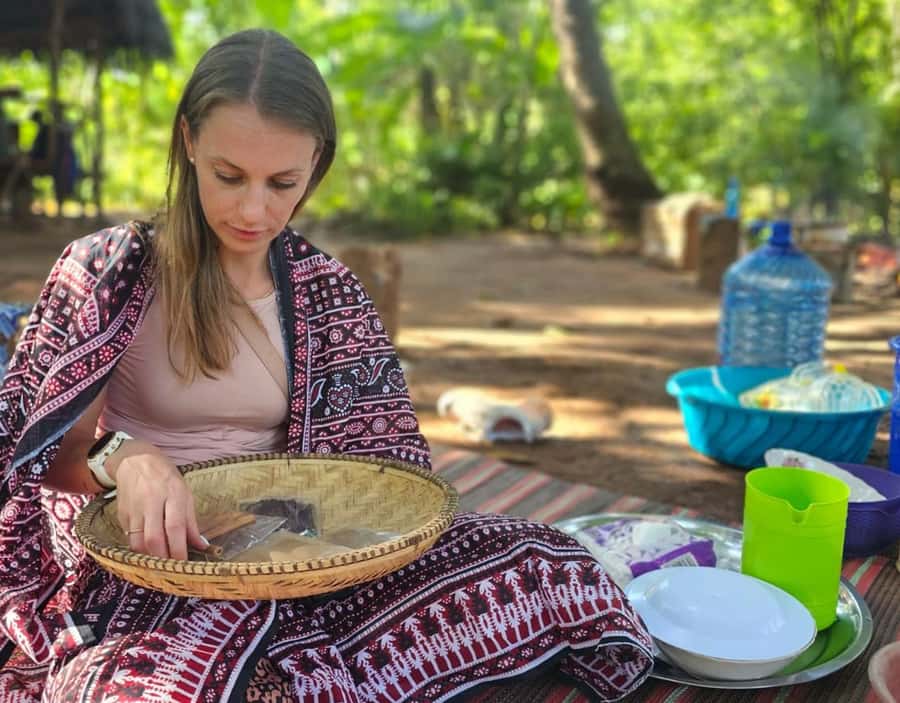
The lesson covers familiar kitchen spices and a few plants you may know mainly from packaged foods. You can smell cinnamon, vanilla, nutmeg, lemongrass, cloves, ylang-ylang, cumin, ginger, pepper, tamarind, and chili. The guide explains their place in Zanzibar food, along with culinary and medicinal uses.
This is where the visit earns its name. A jar of ground cinnamon tells you very little about the plant. Seeing or smelling the source gives you a clearer sense of how these ingredients fit into daily cooking. Cloves and vanilla, in particular, are much more memorable when you encounter their scent before they reach a kitchen shelf.
The walk also includes tropical fruit. Depending on what is available, you may taste mangoes, passion fruit, avocado, papaya, local grapefruits, bananas, and pineapples. The fruit stop breaks up the spice talk and gives you something cool and simple to enjoy in the heat.
There are also opportunities to buy spices and fruit. This is convenient if you want to take Zanzibar flavors home, though you should decide beforehand how much shopping you want to do. The day is built around several stopping points, and some involve sales or requests for extra payments.
Harvesting the ingredients for lunch
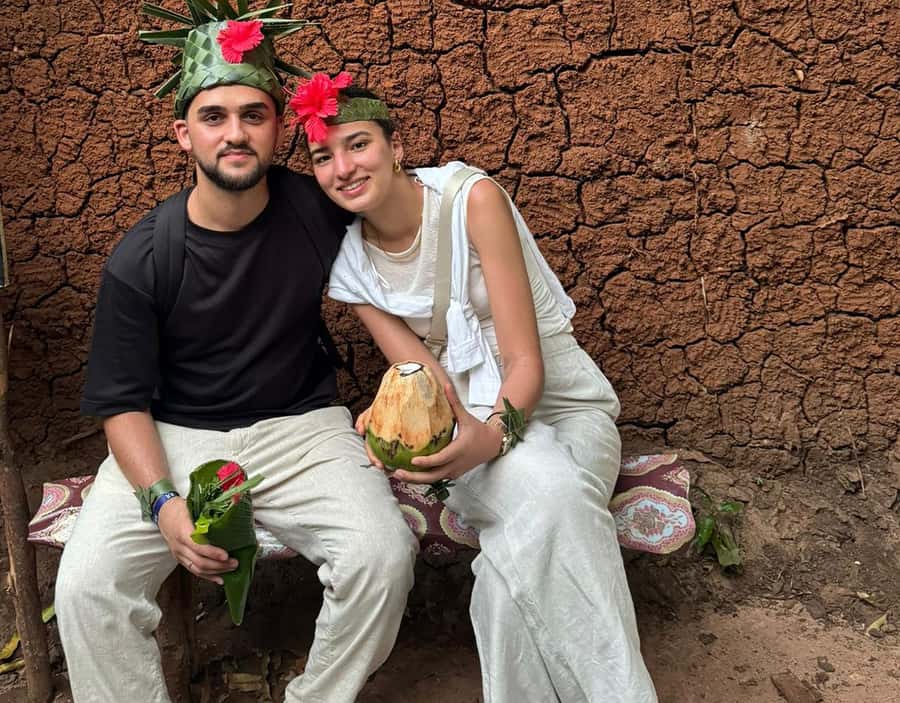
The useful change of pace comes when you stop looking and start doing. With the culinary expert, you harvest vegetables and spices that will be used during the cooking class.
The harvesting is not a separate farm-work session. It is a short, guided activity that connects the plants you have just seen with the food you are about to eat. I like this sequence because it gives the meal a clear beginning: you see an ingredient in the soil or on the plant, collect it, then help prepare it.
Wear shoes that can handle uneven paths and clothing suitable for cooking. A hat, sunscreen, water, and insect repellent are sensible choices. You should also bring a camera, but keep it out of the way when you are handling food or working near cooking equipment.
The activity asks for participation, not passive observation. If you prefer to watch a chef do everything, this may feel less relaxed. If you enjoy practical classes, harvesting makes the meal more memorable.
The Swahili cooking class is the main event
After the farm walk, you return to the cooking area. A local chef leads the class, using traditional methods and cooking equipment modeled on older coastal practices.
The exact menu is not specified in advance, so you should think of this as a lesson in Swahili home cooking rather than a fixed recipe class. You help prepare a traditional meal with the ingredients gathered on the farm, then sit down to eat it. Lunch and drinks are included.
The cooking setup is part of the appeal. The equipment reflects earlier ways of preparing food around Zanzibar’s coast, giving the class a stronger sense of place than a modern hotel kitchen would. You are not simply adding a pinch of spice to a dish prepared in advance. The point is to see how local ingredients and older cooking methods work together.
Aïcha is one of the local cooks associated with the experience, and the cooking session has been especially praised for its friendly, shared feel when she leads it. Families can take part too. A three-year-old child was included in the kitchen activities and enjoyed the farm visit, although young children will need close supervision around cooking equipment.
The class can be especially good for people who want a food experience with practical value. You may not leave with a printed recipe or a formal culinary qualification, but you will have a better sense of how Zanzibar uses spices beyond the familiar idea that everything must be hot. Cinnamon, ginger, cloves, pepper, tamarind, and herbs each have their own role.
One point to keep in mind is the social style of the class. Some staff may demonstrate more than converse. If you want a long, detailed conversation with the cooks, the experience can feel quieter than expected. A shared class might provide more interaction for some people, while a private group gives you more control over who joins your party.
More spice farm visits:
- Zanzibar: Stone Town, Spice Tour, Prison Island with Lunch
★ 4.4 · 1,219 reviews - Zanzibar: Prison Island, Stone Town, & Spice Farm Tour
★ 4.5 · 579 reviews - Zanzibar: Stone Town, Spice tour & Prison Island with Lunch
★ 4.6 · 453 reviews - Full-Day Private Stone Town +Spice Farm and Prison Island Tour
★ 4.5 · 216 reviews
Lunch, music, and the social side of the visit
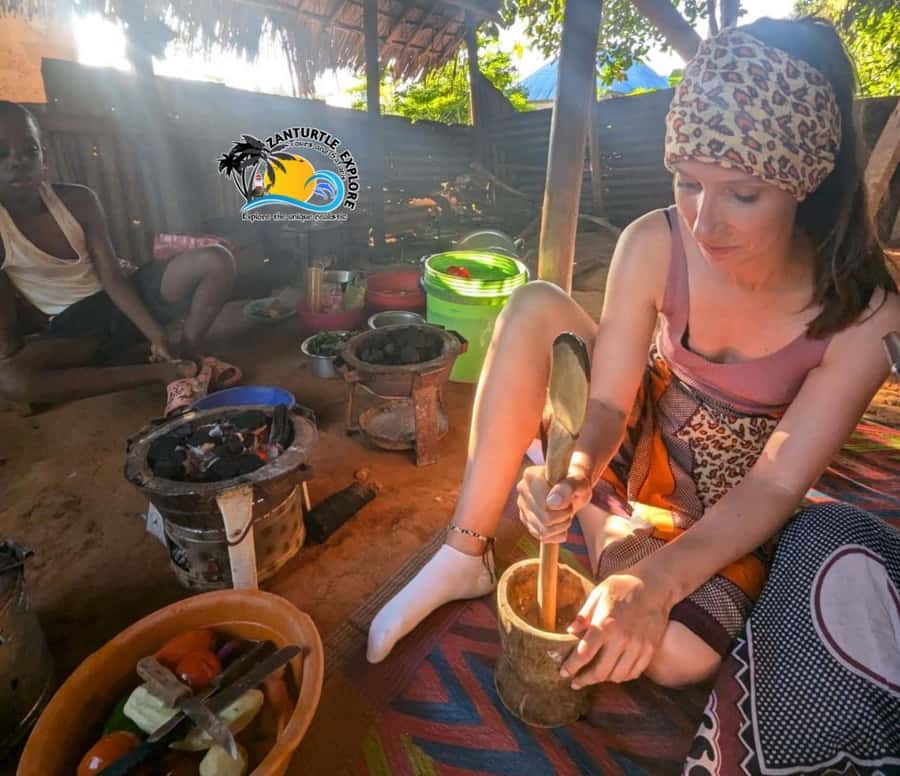
Eating the meal you helped prepare is the natural payoff. The food is described as tasty, and lunch is served with drinks and tropical fruit. This is also the point where the separate pieces of the day come together: the farm walk, harvesting, spice lesson, and cooking method all appear on your plate.
Traditional music and dance are included as part of the visit. These elements add a cultural performance to the food experience, though you should see them as a planned part of the farm program rather than an unplanned village encounter.
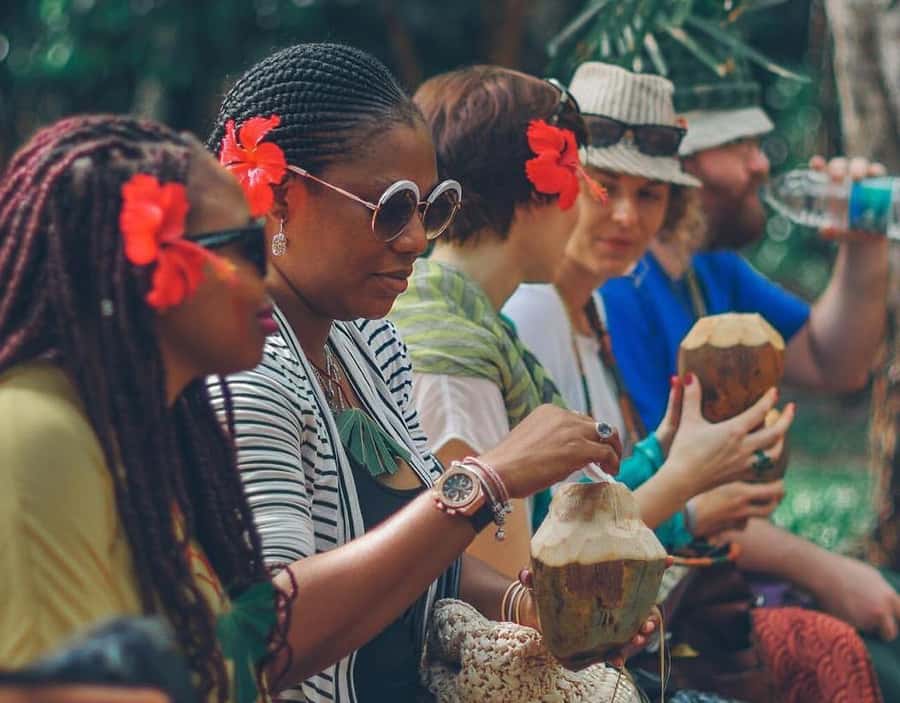
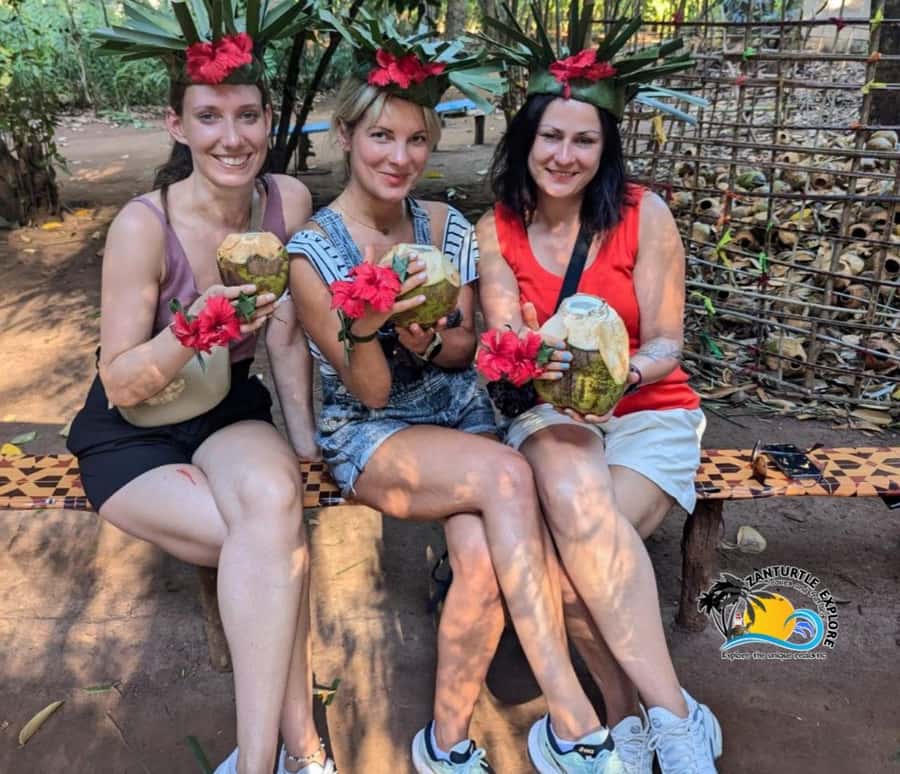
The social side is not equally comfortable for everyone. You may be offered a coconut, leaf decorations, or other small extras, followed by a request for a tip. Requests can come from more than one person, including the driver, helpers, cooks, and people involved in demonstrations.
This is the clearest weakness of the day. Some people find the requests manageable and tip in Tanzanian shillings. Others feel uncomfortable because they have already paid for the tour and are then asked for money at several stops. I recommend carrying a small tip budget in advance and deciding how you will divide it. That lets you be polite without feeling pressured each time.
The same applies to buying spices and fruit. Shopping can be pleasant if you want souvenirs, but you do not need to purchase something at every stop. A calm, friendly refusal is enough.
What the $61 price really covers
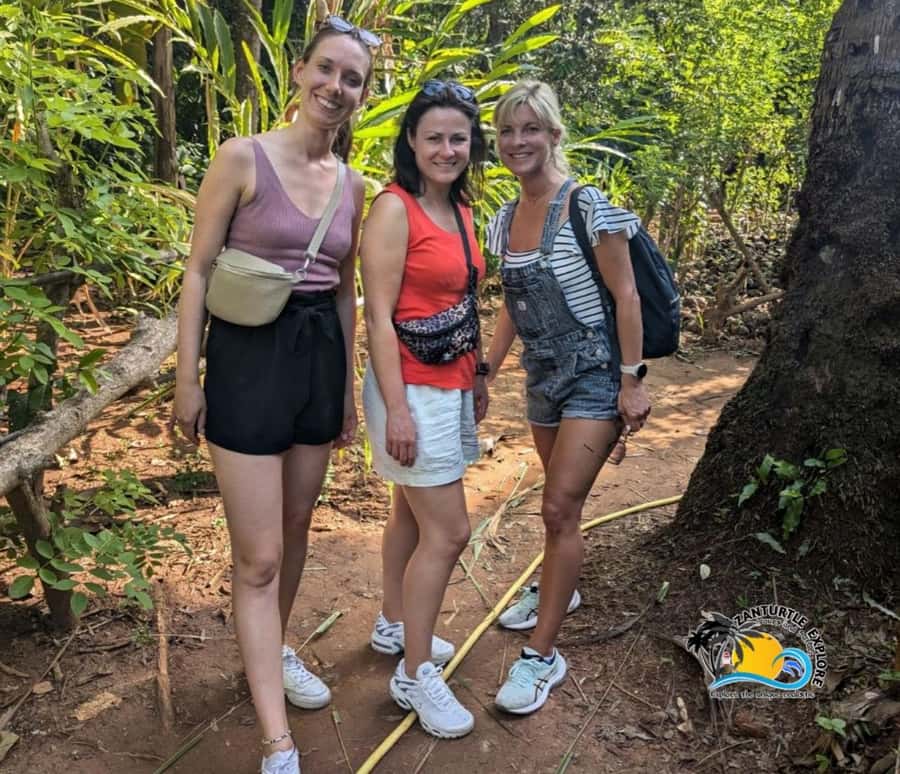
At $61 per person, the value depends on how you use the included parts. You are paying for a half-day outing with a private group, hotel transport, a guide, farm access, conservation and government fees, harvesting, a cooking class, equipment, lunch, drinks, fruit, music, and the return ride.
That is a fair package for anyone who would otherwise pay separately for a Stone Town taxi, a farm visit, a meal, and a cooking lesson. The cooking class makes the price easier to justify because it is an active experience, not just a guided walk and a tasting.
The value is weaker if your main goal is to see large-scale spice agriculture. The farm is described as small, with many paths and several groups moving through the same area. It can feel designed for short visits rather than centered on commercial farming.
Also budget for tips and possible purchases. Neither is a required part of the advertised package, but the day can feel more expensive if you respond to every request. The included items cover the core experience, while tips and shopping are your choice.
Free cancellation up to 24 hours before the start and reserve-now, pay-later booking make the arrangement flexible. Starting times depend on availability, so check the schedule before building the rest of your Zanzibar day around it.
Practical comfort, clothing, and facilities

You will spend time walking outdoors, harvesting plants, and cooking. Comfortable shoes are essential, and light clothing that you do not mind wearing near food preparation is a sensible choice.
Bring water even though drinks are included. Zanzibar can be warm, and the farm walk is more enjoyable when you are not waiting for the next refreshment. Sunscreen, a hat, and insect repellent belong in your day bag.
Toilets are one weak point. Facilities have been described as poor, so adjust your expectations and use a suitable opportunity before the farm walk if possible. This is not a reason to reject the tour, but it is useful information for families, older adults, and anyone who needs reliable facilities.
The farm includes shopping stops, food preparation, and traditional demonstrations. Keep valuables secure and bring only what you need. A camera is worthwhile for plants, fruit, cooking tools, and music, but ask before photographing people.
Who will enjoy this tour most
I would recommend this experience to people who want to connect Zanzibar’s food with its plants. It suits couples, families, private groups, and anyone who prefers doing something practical instead of spending another half-day looking at monuments.
Food lovers will get the most from it, especially if you enjoy trying unfamiliar ingredients and asking how they are used. Families can take part, and children may enjoy the smells, fruit tasting, harvesting, and hands-on kitchen work.
It is also a good option if transport is a concern. Pickup and drop-off remove much of the usual planning, and the multilingual guide service can make the explanations easier to follow.
I would be more cautious if you want a quiet, independent farm visit. The route can include multiple groups, sales opportunities, staff requests for tips, and a performance element. The farm is also not a large plantation, so the agricultural side is limited.
The overall rating is 4.6 from 16 ratings, and that fits the shape of the experience: strong praise for the guide, cooking, fruit, food, and transport, balanced by concerns about toilets, the small farm, limited interaction with some cooks, and tip pressure.
Should you book the Zanzibar spice and cooking tour?
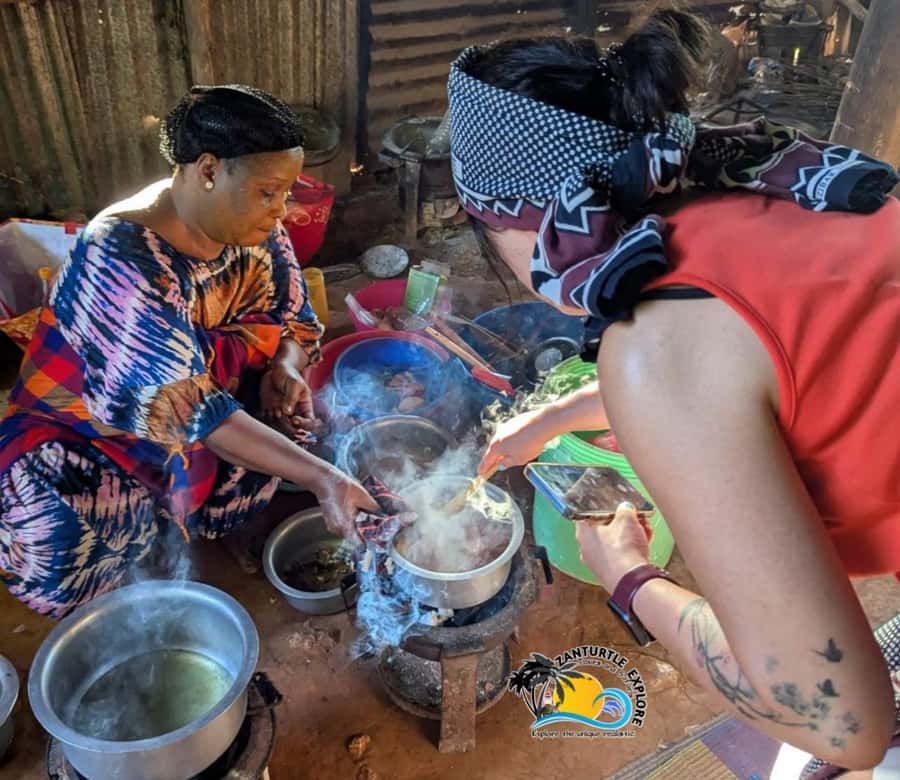
Book it if you want a friendly, active introduction to Zanzibar food and do not mind a tourism-focused farm. The best reason to go is the chain from plant to plate: smell the spice, harvest an ingredient, cook with it, and eat the finished meal.
Skip it if your priority is a vast working plantation, polished facilities, or a completely pressure-free visit. If you do book, wear practical clothes, carry water and sunscreen, set aside a modest tip budget, and treat shopping as optional.
For most food-focused visitors staying in or near Stone Town, the included transport and cooking lunch make this a worthwhile half-day. Just arrive ready to participate, not simply watch.
FAQ
How long does the spice farm and cooking tour last?
The experience lasts five hours, including approximately one hour by van to the farm and one hour back.
Where does pickup take place?
Pickup is available from Stone Town, and the operator can collect you from any hotel in Zanzibar. You should provide the hotel name and room number, and meet the representative in the hotel lobby or reception area.
What is included in the $61 price?
The price includes a trained guide, hotel pickup and drop-off, government fees, conservation and entrance fees, the spice tour, harvesting vegetables, cooking equipment, the cooking class, lunch, drinks, tropical fruit, traditional music and dance, and opportunities to buy spices and fruit.
Which spices can you learn about?
The tour can include cinnamon, vanilla, nutmeg, lemongrass, cloves, ylang-ylang, cumin, ginger, pepper, tamarind, chili, and other spices and herbs.
Is lunch included?
Yes. You help prepare a traditional meal during the cooking class and eat it afterward. Drinks and tropical fruits are also included.
Is the tour private?
Yes, the booking is for a private group. The farm itself may have other groups nearby, and some parts of the visit can involve several staff members.
Which languages are available?
The tour is offered in Arabic, English, French, German, Italian, Polish, Russian, and Spanish.
What should I bring?
Bring comfortable shoes, a hat, sunscreen, water, insect repellent, and a camera. Wear clothing suitable for walking and cooking.
Can I cancel or pay later?
You can cancel up to 24 hours in advance for a full refund. You can also reserve the activity and pay later, which keeps your plans flexible.
More Farms
- Zanzibar: Stone Town & Spice Farm Tour with Lunch
★ 4.5 · 97 reviews - Zanzibar:Stone Town & Spice Farm Private Tour Lunch Included
★ 4.2 · 94 reviews - Zanzibar full day Jozani forest + Spice farm and stone town
★ 4.7 · 90 reviews - Zanzibar: Spice Farm & Stone Town Tour with Lunch
★ 4.5 · 80 reviews
More Cooking Classes
- Traditional Zanzibar Cooking Class including Spice Tour
★ 4.5 · 14 reviews - Mnemba Dolphin Tour, Clear Kayak, Cooking Class, Horse Riding
★ 4.5 · 14 reviews - A private half day spice farm with a cooking lesson
★ 5.0 · 13 reviews - Zanzibar: Spice Farm Tour and Cooking Class with Lunch
★ 4.2 · 11 reviews
Just added around Zanzibar
- Spice Tour of Zanzibar★ 4.5 · 3 reviews
- Zanzibar : Stone Town Tour,history without transport★ 4.8 · 3 reviews
- Zanzibar: 3-Day Northern Safari with Flights Included★ 4.8 · 3 reviews
- Starfish Beach; The Rock; Kuza Cave; Paje Beach; Salaam Cave Tour★ 4.5 · 3 reviews
- Jozani Forest, kuza cave and mtende beach★ 5.0 · 3 reviews
- ZANZIBAR: Stone Town and Jozani Forest Guided Tour★ 4.0 · 3 reviews
- Zanzibar: African Sunset Boat Party in Zanzibar Music, Views★ 4.3 · 3 reviews
- Joazani forest & Spice farm with lunch★ 5.0 · 3 reviews
Spice Farm Tours, compared.

Stone Town, Spice Tour, Prison Island with Lunch
Read our review →
Stone Town, Spice tour & Prison Island with Lunch
Read our review →
Full-Day Private Stone Town +Spice Farm and Prison Island Tour
Read our review →

The Swahili Spice Experience – Spice Tour + Culinary Journey
Read our review →Browse the lists this tour appears in