
Reviewed · STONE TOWN TOURS
Zanzibar: Stone Town City Tour and Spice Farm with Lunch
Zanzibar’s best stories begin with a smell. This tour links Stone Town’s Arab, Persian, Indian, and European influences with an organic spice farm, and I like that you get both culture and food in one day. I also like the fresh coconuts, jackfruit, local market, and fish auction, though unclear pickup times and extra entrance fees can spoil the rhythm.
The $32 price looks attractive for a guided city tour, farm visit, lunch, and water. Still, you should bring cash for the stated $10-per-person entrance charge, and confirm any transfer cost before booking, especially from outside Stone Town.
In This Review
- Key points to know before you book
- Why this Zanzibar combination works
- Starting among Stone Town’s oldest reminders
- City Market and the fish auction
- Palace Museum, House of Wonders, and the Old Fort
- What makes the spice farm worth the drive
- Fresh coconut, cassava, and lunch at the farm
- Timing, transport, and the risk of a very long day
- Guide quality can shape the entire experience
- Who will get the most from this tour
- Is the $32 price good value?
- Should you book the Stone Town and spice farm tour?
- FAQ
- Where does this tour take place?
- What is included in the price?
- Are entrance fees included?
- Is transport from outside Stone Town included?
- What food and drink can I try?
- Which languages are available?
- What should I bring?
- What hotel information is needed for pickup?
Key points to know before you book
- Stone Town packs several major sights into a walking tour, including the Old Slave Market site, Palace Museum, Old Fort, Freddie Mercury’s House, and the House of Wonders.
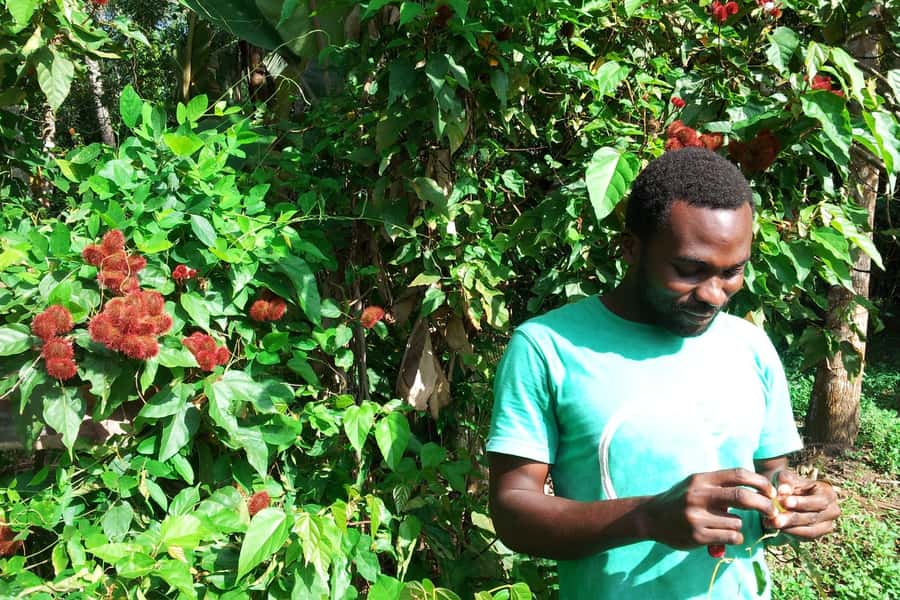
- The spice farm is hands-on, with chances to smell and taste cloves, nutmeg, cinnamon, and black pepper straight from the plants.
- Lunch is served at the farm, with activities that can include harvesting cassava leaves, making coconut milk, and trying fresh young coconut.
- The advertised $32 does not cover every cost, since the Old Slave Market and spice farm entrance fee is listed as $10 per person, paid in cash.
- Pickup needs careful checking, as one booking had a scheduled 8:00 a.m. pickup but did not collect the party until 9:40 a.m.
- Capuchino received especially warm praise, with patience, kindness, and strong answers to questions noted as highlights of the day.
Why this Zanzibar combination works
Stone Town and the spice farms show two different sides of Unguja. In town, you read Zanzibar through buildings, religion, trade, and daily commerce. At the farm, you understand why the islands became known as the Spice Islands.
That mix gives the day a useful shape. You are not simply walking from one old building to another, then sitting in a vehicle for hours. You move from the island’s past to its food and agriculture. The best guides can connect the two, explaining how goods, people, and ideas reached Zanzibar through Indian Ocean trade.
The tour is described as private, but the transport arrangements may involve collecting other parties. One booking included confusion while another couple was picked up. Ask exactly what private means for your departure, vehicle, and guide before paying.
The listed price is $32 per person, which is appealing if you are already in or near Stone Town. It includes a professional guide, water, lunch at a local restaurant, and visits to Stone Town and a spice farm. The value weakens if you need a long transfer from Nungwi or another distant part of the island, since outside-Stone-Town transport costs extra.
More City Tours in Zanzibar
- Walking City Tour in Zanzibar Island
★ 5.0 · 122 reviews - City tours zanzibar
★ 5.0 · 55 reviews - 3-Hour Private City Tour in Zanzibar Island
★ 5.0 · 47 reviews
Starting among Stone Town’s oldest reminders
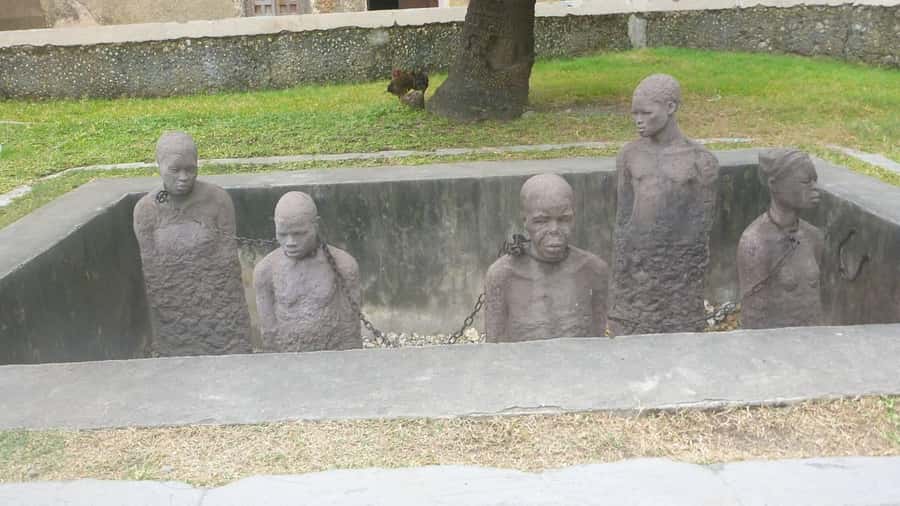
The walking portion begins at the Old Slave Market site and the Anglican Church. This is one of the most serious parts of the day, and it deserves more than a quick photo stop.
The site connects Zanzibar to the East African slave trade and to the later construction of the Anglican Church. Your guide should explain the setting with care rather than rush through it. If historical context matters to you, make this clear at the start and ask questions as you walk.
The entrance fee is an important practical detail. The tour information says the Slave Market and spice farm entrance costs $10 per person, paid in cash on the spot. That wording can cause confusion, so ask whether the $10 covers both sites together or applies separately. Do not assume the advertised tour price includes it.
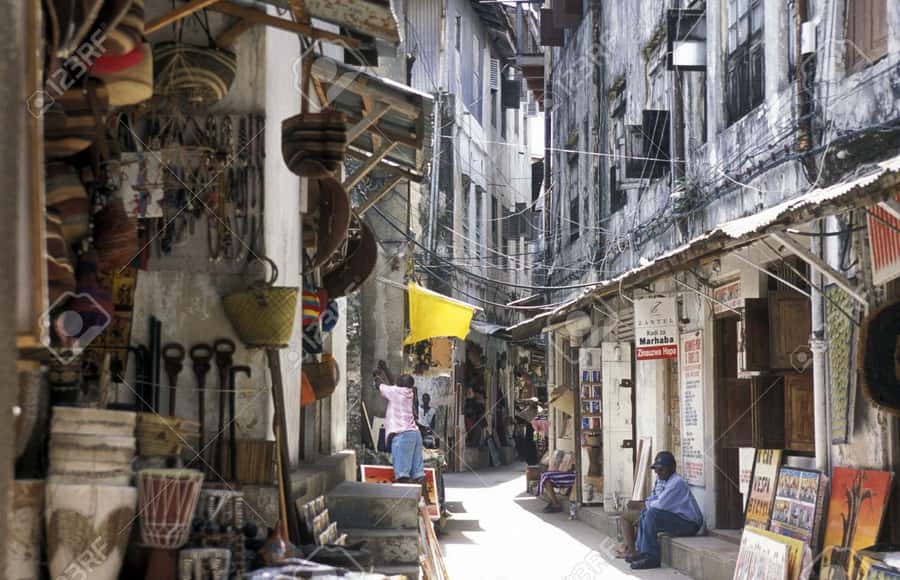
From the church, the route continues through Stone Town’s narrow streets. These lanes are part of the experience, not just a way to reach the next stop. The buildings reflect Swahili culture alongside Arab, Persian, Indian, and European design influences. Stone Town received UNESCO World Heritage status in 2000 because this mix remains visible in its streets and structures.
Wear comfortable clothing, as requested, and expect walking on uneven urban surfaces. Water is included, but sensible shoes and protection from the sun will make the day easier.
City Market and the fish auction
The City Market brings you close to everyday Stone Town. Instead of looking only at grand buildings, you see produce, sellers, buyers, and the practical business of feeding the town.
The fish auction is a key moment here. It gives you a look at local trade in action, with fish being bought and sold as part of the daily market routine. The setting can be busy and crowded, so stay close to your guide and keep personal belongings secure.
You will also see fresh produce and other goods. This is a good place to ask about foods you may not recognize. The tour specifically includes a chance to sample jackfruit, a very large fruit with a sweet flavor and firm flesh. Tasting it here helps connect the market visit with the later farm lunch.
The market is not polished for sightseeing, and that is its value. You may find smells, noise, and activity that feel less comfortable than a museum. That is also why the stop can be more revealing than a row of photo opportunities.
Palace Museum, House of Wonders, and the Old Fort
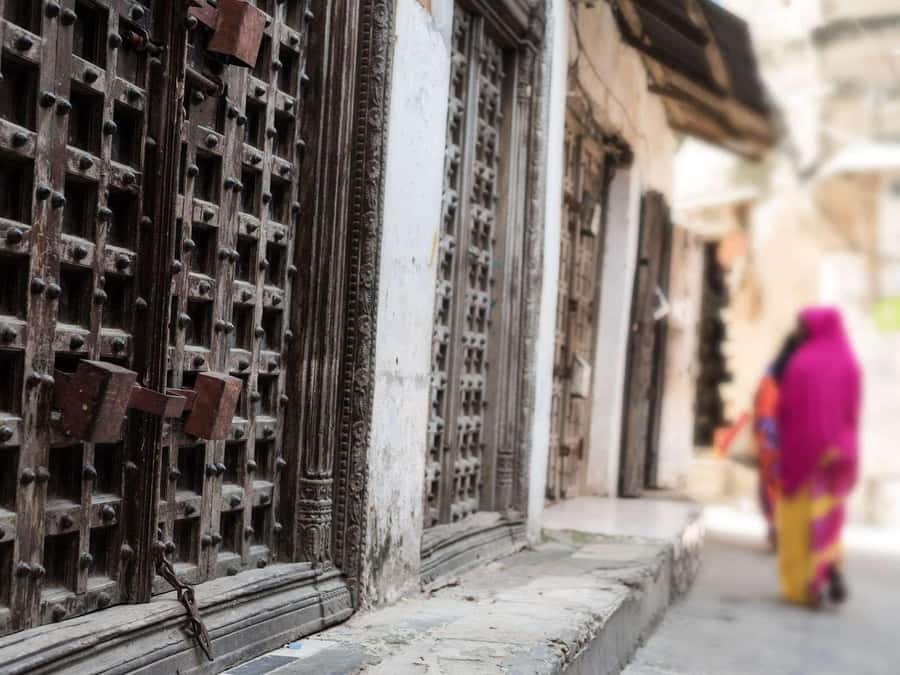
The sightseeing route then covers several of Stone Town’s best-known buildings. The Palace Museum offers a look at Zanzibar’s royal past and gives the day a formal historical center.
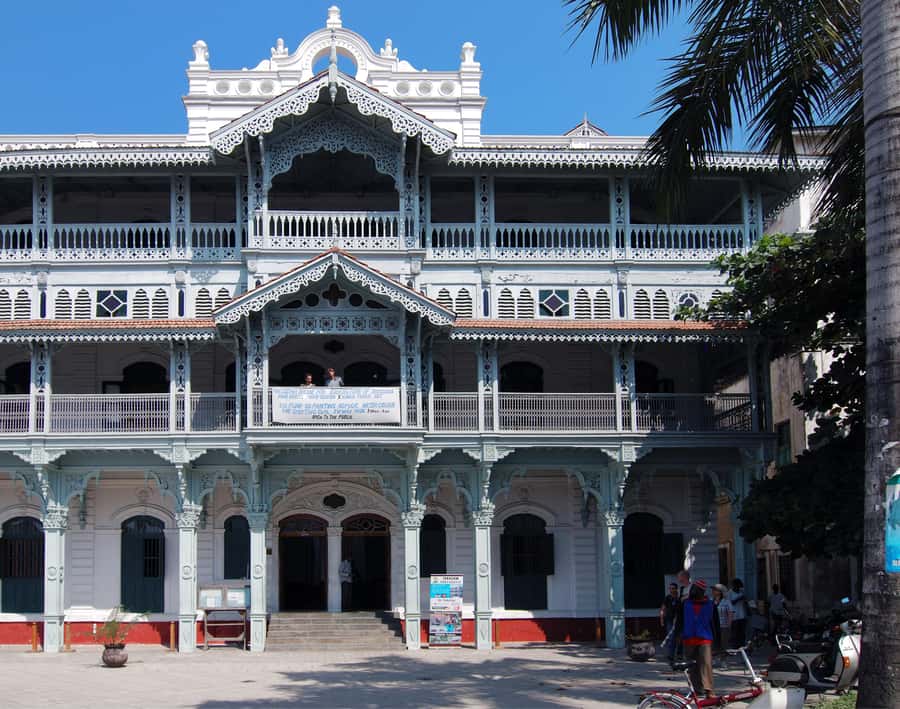
The House of Wonders, also called Bait-al-ajab, is described as the largest and tallest building in Stone Town. Its scale is striking in a town known for narrow lanes and tightly packed buildings. You may want to spend a moment looking at how it dominates the surrounding streets before moving on.
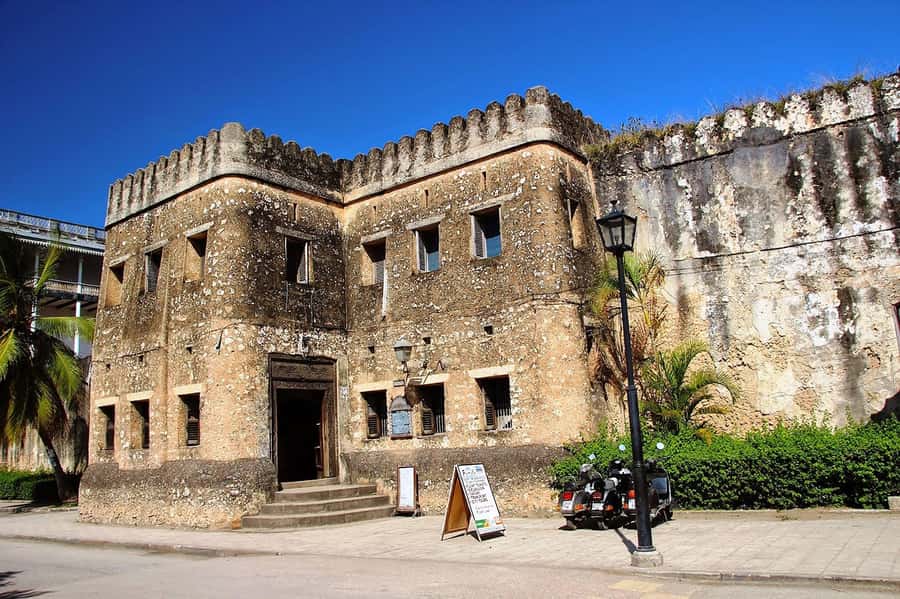
The Old Fort adds another layer. Its heavy walls and central position reflect the island’s defensive and political past. The stop is useful because it helps you see how Stone Town was organized around power, trade, and protection.
The itinerary also includes Tippu Tip’s House and Freddie Mercury’s House. Tippu Tip was a major figure in Zanzibar’s trading history, while Freddie Mercury’s connection gives the city a modern cultural link familiar to many visitors. These stops are likely brief, so keep your expectations realistic. You are getting a broad introduction rather than long visits inside every building.
The Peace Memorial and Natural History Museum are also included among the sights. Since the exact time at each stop is not specified, ask your guide what can be entered and what will be viewed from outside. That small question helps you understand what your day will actually contain.
More ways to see Stone Town:
- Zanzibar: Stone Town, Spice Tour, Prison Island with Lunch
★ 4.4 · 1,219 reviews - Zanzibar: Prison Island, Stone Town, & Spice Farm Tour
★ 4.5 · 579 reviews - Zanzibar; Prison Island, Nakupenda, StoneTown Tour with BBQ
★ 4.3 · 457 reviews - Zanzibar: Stone Town, Spice tour & Prison Island with Lunch
★ 4.6 · 453 reviews
What makes the spice farm worth the drive
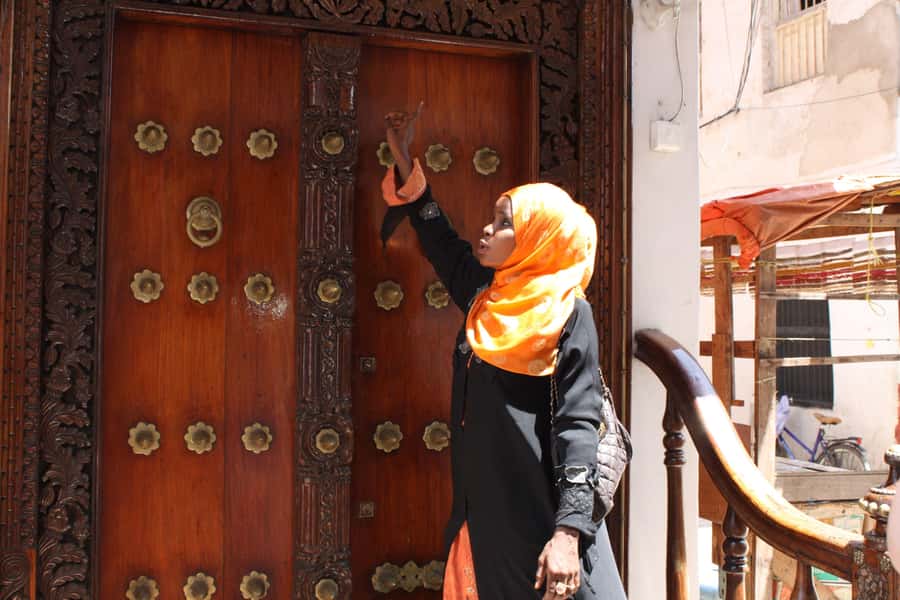
After Stone Town, the focus shifts from buildings to plants. Zanzibar and Tanzania’s Mafia Island are often called the Spice Islands because of their production of cloves, nutmeg, cinnamon, and black pepper.
The farm visit is meant to be sensory. You can touch, smell, and taste spices at the source instead of seeing them in jars at a shop. That matters because many visitors know these spices only as ground powders. At the farm, you can see how they grow and hear how they are used in cooking and traditional medicine.
Cloves are especially tied to Zanzibar’s reputation, while cinnamon and black pepper help show the wider range of crops. A good guide will explain the difference between the plant and the finished kitchen spice. Ask which parts are harvested and how each one is prepared.
The farm is described as organic. It also includes a chance to take part in a cassava leaf harvest and learn how to make coconut milk. These activities make the stop more than a garden walk. You get a practical look at ingredients that are central to local cooking.
The experience may feel commercial at times, particularly when the farm shop is introduced. You can purchase spices there, but cash is required. If you want to buy anything, bring U.S. dollars or local cash and confirm the price before choosing your items.
Fresh coconut, cassava, and lunch at the farm
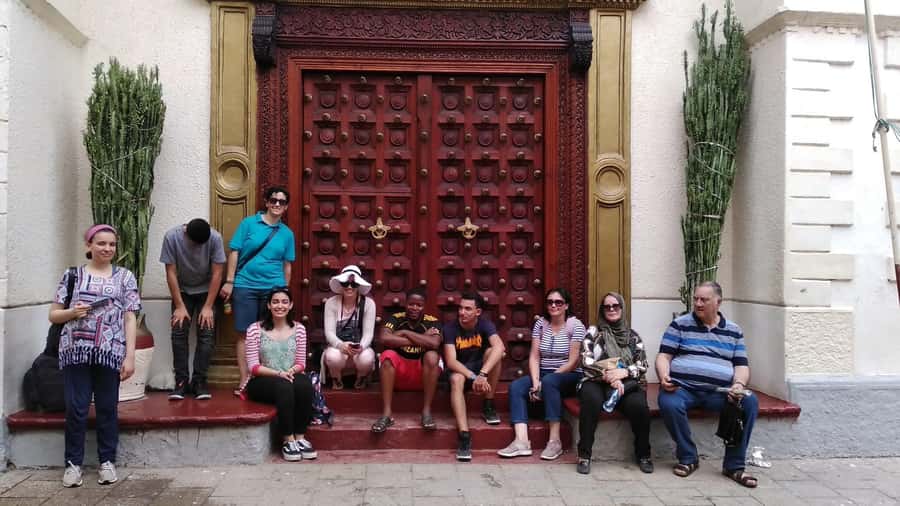
One of the more memorable details is the coconut tree climber. A climber picks young coconuts directly from the tree, giving you a chance to drink them fresh.
This is a simple moment, but it works because you see the product before it reaches a market or restaurant. The coconut water is also welcome after a hot walk through Stone Town and the farm.
You may help with cassava leaves and coconut milk, then sit down for lunch at the farm or a local restaurant, depending on the day’s arrangement. Lunch is included, but the exact menu is not provided, so do not book this expecting a specific dish.
The food portion is strongest when you treat it as a taste of local ingredients rather than a formal dining event. Ask what you are eating and how it is prepared. The farm setting gives you a better chance to connect the meal to the plants you have just seen.
One practical warning: some parties felt pressured to tip guides or buy products. Tipping is your choice. You can thank a good guide without allowing repeated requests to take over the day. A calm question about what is included often prevents misunderstandings.
Timing, transport, and the risk of a very long day
The tour can become a long outing if you stay far from Stone Town. One reported schedule began with a planned 8:00 a.m. pickup, but the actual collection happened at 9:40 a.m. After more delays and another pickup, the group reached Stone Town around 12:30 p.m., with the walking tour beginning at about 1:00 p.m.
The return to Nungwi then came just after 8:00 p.m. That is a major difference from a neat half-day excursion. If you are staying in Nungwi or another distant area, ask for the full door-to-door schedule, not only the advertised start time.
Another booking began 35 minutes late and received only about four hours of touring instead of the expected seven. Delays can reduce your time at the market, shorten the historic stops, or make the spice farm feel rushed.
Provide your hotel name and room number so the pickup time can be sent to you. Then confirm the time again before the day begins. Keep your phone available for WhatsApp messages, since pickup communication has been a weak point for some bookings.
Transport from outside Stone Town is charged extra. One person reported an additional cost of about $20 per person for pickup, which was not clear at first. Treat that as a warning to get the exact transfer price in writing before you commit.
Guide quality can shape the entire experience
This tour depends heavily on the individual guide. The itinerary covers many places, but a rushed or poorly matched guide can turn them into a list of names.
Capuchino was singled out for being patient, kind, and willing to answer questions. That is the standard you should want, especially at the Slave Market site, market, and museums. Guide language options are English, French, German, and Italian, but confirm the language before departure.
There was also a serious complaint about a French-language booking in which the first person who arrived did not appear to be the assigned guide. A second person was then asked to help despite speaking only a few words of French. The situation included confusion about the additional entrance charges, and the party abandoned the tour.
That account does not mean every departure will go this way. It does mean you should confirm the guide’s name, language, and meeting details in advance. If the wrong guide arrives, do not hand over extra cash until the operator clarifies the problem.
The overall rating is 3.7 from 33 reviews, which suggests a mixed experience rather than a dependable winner. The most positive feedback centers on a kind, capable guide and reliable communication, while the weakest feedback focuses on delays, shortened touring time, surprise costs, and pressure to tip or shop.
Who will get the most from this tour
I would consider this tour if you want a broad first look at Zanzibar and have limited time. It covers Stone Town’s main landmarks, a working market, the island’s spice trade, local ingredients, and lunch in one package.
It suits you best if:
- You want history and food in the same day.
- You enjoy guided walking rather than exploring Stone Town alone.
- You like tasting ingredients at their source.
- You are comfortable with a flexible schedule.
- You can confirm transfer charges and carry cash.
- You are staying close enough to Stone Town to avoid a punishing return journey.
I would be more cautious if you dislike sales pressure, need a precise timetable, or are staying in Nungwi and want a short excursion. The distance can turn this into a full-day commitment with a late return.
Independent visitors may prefer to arrange Stone Town separately and choose a spice farm with clearer entrance pricing. The advantage of this package is convenience and variety. The tradeoff is less control over timing and transport.
Is the $32 price good value?
At $32 per person, the core offer is attractive. A guide, city sightseeing, spice farm, water, and lunch make it a low-cost way to cover several Zanzibar highlights.
The true price is higher once you include the $10-per-person entrance fee and possible transfer charges from outside Stone Town. You should also budget for any spice purchases, though those are optional.
The value is strongest for someone already near Stone Town, with a punctual pickup and a guide who explains the places well. It is weaker when the pickup is late, the group spends time collecting other parties, or the tour is cut to four hours.
Ask three questions before booking:
- Is the $10 entrance fee for both the Old Slave Market and spice farm?
- What is the exact pickup charge from my hotel?
- Is the tour genuinely private, or will other people share the vehicle?
Those answers tell you more about the real value than the headline price.
Should you book the Stone Town and spice farm tour?
Book it if you want a budget-friendly introduction to Zanzibar’s history, markets, spices, and food, and you can accept some schedule flexibility. The fresh coconut, jackfruit, spice tasting, and fish auction add real local detail, while Stone Town supplies the historic setting.
I would book only after confirming the pickup time, language, guide, entrance fee, and transfer price. If those details are clear and you are near Stone Town, the tour can be a good deal. If you are far away or need a tightly managed day, choose a provider with firmer transport arrangements.
FAQ
Where does this tour take place?
The experience covers Stone Town and an organic spice farm in Zanzibar’s Unguja South Region.
What is included in the price?
The tour includes a professional guide, water, lunch at a local restaurant, a Stone Town visit, and a spice farm visit. Hotel pickup and drop-off are included only if that option is selected.
Are entrance fees included?
No. The Old Slave Market and spice farm entrance fee is listed as $10 per person, paid in cash on the spot.
Is transport from outside Stone Town included?
No. Transfer from outside Stone Town costs extra.
What food and drink can I try?
You may sample fresh jackfruit and young coconut. The farm activities can also include cassava leaf harvesting and making coconut milk. Lunch is included, but the menu is not specified.
Which languages are available?
Guiding is available in English, French, German, and Italian. Confirm your preferred language before the tour.
What should I bring?
Bring comfortable clothes and cash for the entrance fee and any spice purchases. Cash is required at the spice shop.
What hotel information is needed for pickup?
You should provide your hotel name and room number so the pickup time can be sent to you.
More Lunch Experiences
- Zanzibar: Prison Island and Nakupenda Boat Trip with Lunch
★ 4.1 · 882 reviews - Mnemba Island: Dolphin Swim & Snorkeling with Optional Lunch
★ 4.3 · 591 reviews - Zanzibar: Prison Island & Nakupenda Boat Tour with BBQ Lunch
★ 4.4 · 554 reviews - Zanzibar: Safari Blue Lagoon Trip with Snorkeling and Lunch
★ 4.5 · 336 reviews
More Spice Farm Tours
- Full-Day Private Stone Town +Spice Farm and Prison Island Tour
★ 4.5 · 216 reviews - Spice Tour + Stone Town Tour + Prison Island
★ 4.5 · 130 reviews - Zanzibar: Spice Tour & Stone Town Walking Tour
★ 4.8 · 115 reviews - Zanzibar: Stone Town & Spice Farm Tour with Lunch
★ 4.5 · 97 reviews
Just added around Zanzibar
- Spice Tour of Zanzibar★ 4.5 · 3 reviews
- Zanzibar : Stone Town Tour,history without transport★ 4.8 · 3 reviews
- Zanzibar: 3-Day Northern Safari with Flights Included★ 4.8 · 3 reviews
- Jozani Forest, kuza cave and mtende beach★ 5.0 · 3 reviews
- Starfish Beach; The Rock; Kuza Cave; Paje Beach; Salaam Cave Tour★ 4.5 · 3 reviews
- ZANZIBAR: Stone Town and Jozani Forest Guided Tour★ 4.0 · 3 reviews
- Zanzibar: African Sunset Boat Party in Zanzibar Music, Views★ 4.3 · 3 reviews
- Joazani forest & Spice farm with lunch★ 5.0 · 3 reviews
Stone Town Tours, compared.

Stone Town, Spice Tour, Prison Island with Lunch
Read our review →

Prison Island, Nakupenda, StoneTown Tour with BBQ
Read our review →Stone Town, Spice tour & Prison Island with Lunch
Read our review →

3 Hours Private Stone Town walking Tour with Guide
Read our review →
Full-Day Private Stone Town +Spice Farm and Prison Island Tour
Read our review →
Stone Town Historical Cultural Walking Guided Tour
Read our review →Browse the lists this tour appears in