
Reviewed · SPICE FARM TOURS
Zanzibar: Walking Spice Tours with Guide
Spices tell Zanzibar’s story. This three-hour walk takes you from Stone Town to Tangawizi Spice Farm, where you can see, smell, and taste the plants behind the island’s famous nickname, Spice Island. I like the hands-on format, especially the chance to handle fresh cloves, cinnamon, turmeric, vanilla, and black pepper rather than simply hearing a list of names. I also like that hotel pickup, entrance, and a guide are included for $35 per person. The main catch is that some outings can feel more like a sales stop than a full farm tour.
You will walk through an organic shamba, the Swahili word for farm, with a guide explaining how spices, herbs, and fruit grow. Guides are available in English, German, French, and Italian. Omar, Rajem, and Pietro are among the guides associated with highly praised visits, though the guide assigned to you may be different. Plan for a warm, uneven walk, and bring comfortable shoes and a camera.
In This Review
- Key points to know before you book
- From Stone Town to a Zanzibar shamba
- Tangawizi Spice Farm, where the plant names become real
- The guides make or break the three-hour visit
- Tasting fruit at the end
- What $35 really gets you
- Who should book this walk
- How to get the best version of the experience
- Should you book the Zanzibar walking spice tour?
- FAQ
- How long does the Zanzibar walking spice tour last?
- Where does the tour begin and end?
- What spices and fruits can I see?
- Is the tour private?
- Are tips included in the price?
- What languages are available?
Key points to know before you book
- About 30 minutes from Stone Town: Pickup and drop-off at any Stone Town hotel make this easy to fit into a morning or afternoon.
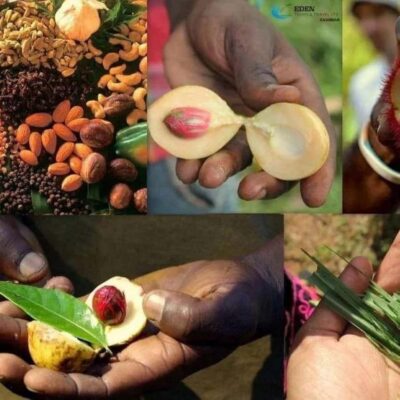
- A hands-on plant tour: You can smell and taste cloves, lemongrass, nutmeg, cinnamon, turmeric, vanilla, chili, black pepper, cardamom, and more.
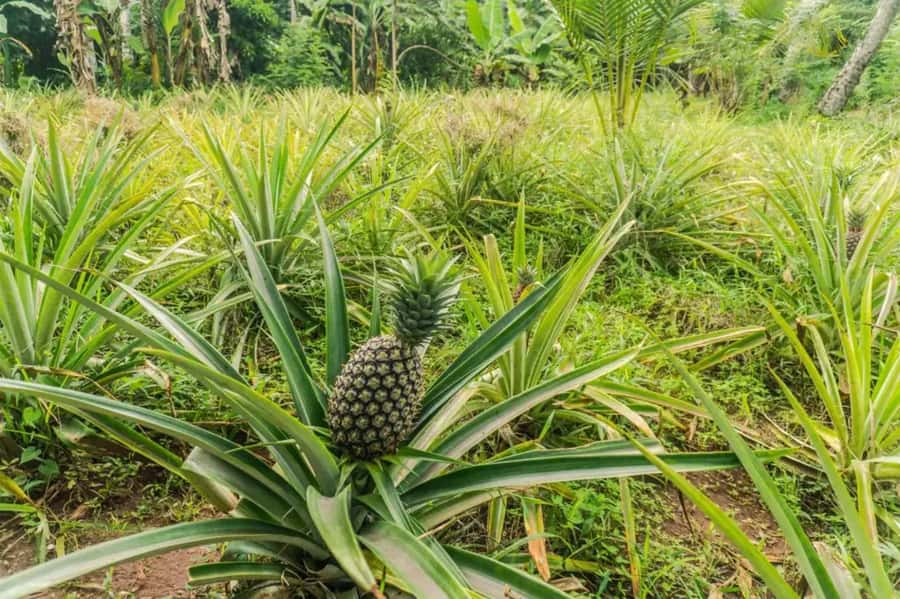
- Fruit is part of the fun: Depending on what is growing, you may see or taste coconut, papaya, pineapple, jackfruit, avocado, guava, oranges, cassava, and other tropical produce.
- Three hours is the advertised length: Some visits have lasted closer to two to two and a half hours, including the drive, so set your expectations carefully.
- The spice stall is part of the finish: Fresh packaged spices are available for purchase, and the stall accepts cash only.
- Private group format: You are not placed in a large shared group, but extra farm staff may join the walk and may ask for tips.
From Stone Town to a Zanzibar shamba
The experience begins with pickup at your Stone Town hotel. The drive to the farm takes about 30 minutes, according to the practical timing reported for the outing, leaving a good part of the three-hour window for the farm visit itself.
That transfer matters. If you are staying inside Stone Town, you avoid arranging a taxi to an unfamiliar rural farm and then finding your way back. Pickup and return are included, along with the entrance fee and guide. At $35 per person, the price is fair if you value simple transport and a private arrangement.
You should not expect a long expedition through a huge plantation. Zanzibar has many small spice farms, and the walk focuses on identifying plants and explaining their uses. One disappointing visit covered little of the claimed farm area and did not show drying or processing. Keep that in mind if you want an agricultural tour from soil to finished export product.
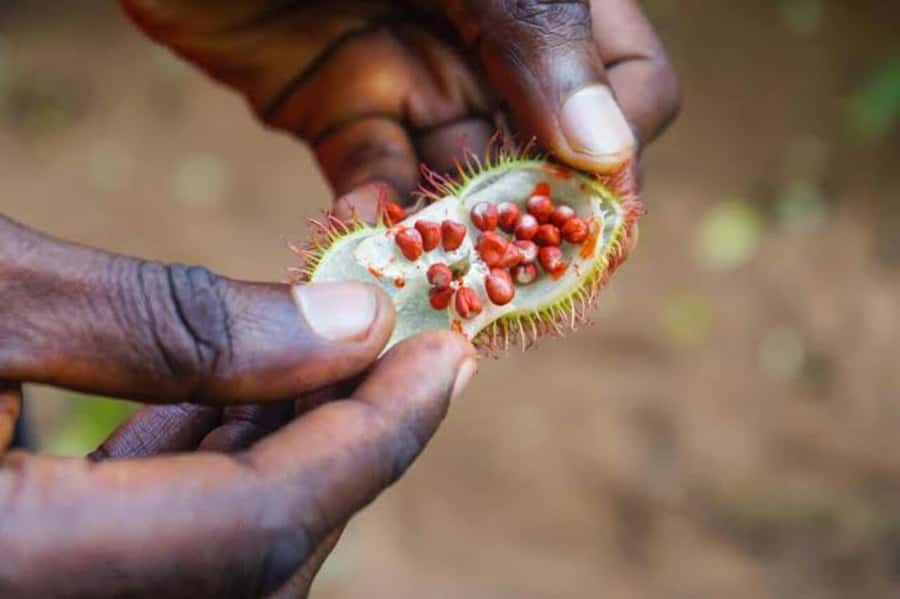
The strongest part is the direct contact with living plants. A jar of ground cinnamon tells you very little about the tree that produces it. On this walk, you can see the cinnamon source, smell the bark, and compare it with turmeric, ginger, nutmeg, or cloves while they are still connected to the farm.
More Walking Tours in Zanzibar
- Stone Town Private Walking Tour
★ 5.0 · 371 reviews - Zanzibar: 3 Hours Private Stone Town walking Tour with Guide
★ 4.6 · 301 reviews - Zanzibar: Stone Town Historical Cultural Walking Guided Tour
★ 4.5 · 179 reviews
Tangawizi Spice Farm, where the plant names become real
Tangawizi Spice Farm is the main stop. The guided walk moves among spices, herbs, and fruit trees, with explanations about how they grow and are cultivated. The exact mix changes with the season, but the advertised selection is broad.
You can expect to encounter:
- Clove
- Lemongrass
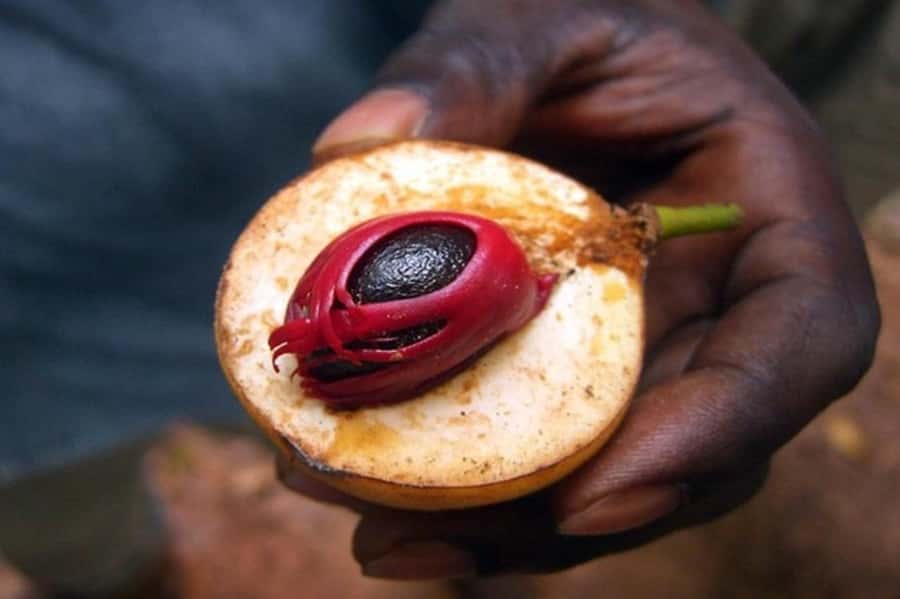
- Nutmeg
- Cinnamon
- Turmeric
- Vanilla
- Chili
- Black pepper
- Cardamom
- Coconut
- Papaya
- Jackfruit
- Cassava
- Oranges
Additional visits have included pineapple, guava, avocado, curry plants, and other produce. Do not treat that list as a guarantee for every date. Farms change with harvest cycles, and the experience is more about seeing what is growing than checking off every spice.
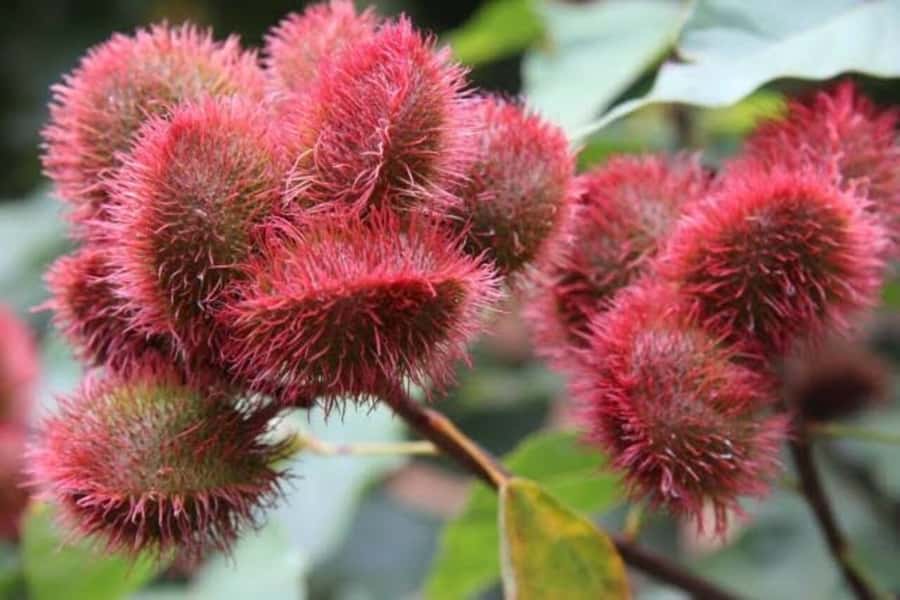
I especially like the contrast between familiar kitchen ingredients and their original form. Black pepper is easy to recognize in a grinder, but less obvious as a climbing plant. Turmeric looks very different before it becomes bright yellow powder. Vanilla, cinnamon, nutmeg, and cloves also make more sense when you see the plant material itself.
The tour is designed for your senses. You will smell leaves, taste selected spices, and sample tropical fruit. That makes the visit a good choice for families with older children, food lovers, and anyone who learns better by touching and tasting than by reading labels.
The farm is not presented as a museum. You are outside, walking from plant to plant, and the explanation depends heavily on the person leading you. Some guides have been praised for giving clear information and making the visit interesting. Other experiences have felt flat, with a guide relying on memorized lines and struggling to answer questions in English or German. Your guide can make a major difference.
The guides make or break the three-hour visit
Several names have received especially warm praise. Omar, assisted by Rajem, led one visit that covered turmeric, pineapple, vanilla, pepper, guava, avocado, cinnamon, curry, and nutmeg, followed by fresh fruit tasting. Pietro was also singled out for a well-run visit.
That does not mean you can request one of these guides or expect the same person. It does tell you what a good version of this tour feels like: clear explanations, a steady pace, and enough room for questions.
The private group format should help. You are not simply being moved along with a large crowd, and a smaller party usually makes it easier to ask about a plant or pause for a closer look. Still, a private group does not automatically mean a private farm. Other staff may appear during the walk.
This is also where the tipping issue needs a plain warning. The price is described as including tips for farm workers, so you should not need to worry about tipping as part of the standard fee. Yet some visitors were asked for money by a guide, an assistant, and a person who climbed a palm tree without being asked. Bring small cash only if you want to tip voluntarily, and ask clearly who is covered by the included tip.
That difference between an included gratuity and repeated requests can affect your sense of value. It is one reason I would confirm the tipping arrangement at the start, before the walk gets underway.
Tasting fruit at the end
The farm visit ends with a stop at a spice stall selling fresh packaged spices. This is useful if you want to take home cinnamon, turmeric, cloves, vanilla, or another local seasoning, but the stall is cash only.
You may also receive a fruit tasting during or near the end of the walk. Fresh fruit is a bright finish after several hours of smelling dry spices and crushed leaves. The exact offering can change, but pineapple, papaya, coconut, jackfruit, oranges, guava, and avocado are among the fruits connected with the farm visits.
Think of the stall as an optional shopping stop, not the central reason to book. Some outings have felt too focused on selling, with little attention to drying, storage, or processing. If you are interested in how Zanzibar’s spices move from plant to market, ask your guide direct questions about harvesting and preparation. The answers may tell you quickly how much detail this particular guide can provide.
You do not need to buy anything. A polite no is enough, and the farm walk itself is the paid experience. If you do want spices, carry cash and compare the package size and price before purchasing.
More spice farm visits:
- Zanzibar: Stone Town, Spice Tour, Prison Island with Lunch
★ 4.4 · 1,219 reviews - Zanzibar: Prison Island, Stone Town, & Spice Farm Tour
★ 4.5 · 579 reviews - Zanzibar: Stone Town, Spice tour & Prison Island with Lunch
★ 4.6 · 453 reviews - Full-Day Private Stone Town +Spice Farm and Prison Island Tour
★ 4.5 · 216 reviews
What $35 really gets you
At $35 per person, the tour sits in a useful middle ground. You get hotel pickup and drop-off in Stone Town, the farm entrance, and a live guide. You also avoid the work of finding transport and negotiating a separate farm admission.
The value is strongest when you want convenience and a short introduction to Zanzibar’s agricultural side. It is less strong if your main goal is a large working plantation, a detailed production lesson, or a full half-day outing. Some visits have ended after roughly two to two and a half hours, including the road time, despite the advertised three-hour duration.
The rating of 4.3 out of 5 from 45 ratings suggests a generally good experience with noticeable variation. High marks tend to center on the plants, fruit tasting, organization, and useful information. Lower marks focus on short duration, repeated tipping requests, sales pressure, and guides who did not handle questions well.
That spread is worth taking seriously. You are paying for an accessible experience, not a guaranteed masterclass in spice farming. I would call it good value for a first visit, especially if you have limited time in Zanzibar and want something beyond Stone Town’s streets.
Who should book this walk
I would recommend the tour to you if:
- You have three hours available from Stone Town.
- You want to see spices growing rather than only buy them in a shop.
- You enjoy tasting and smelling local produce.
- You prefer a private group to a large shared excursion.
- You want transport and entrance included in one price.
- You are happy with an introduction rather than a technical farm study.
It is less suitable if you have back problems, use a wheelchair, or need a very easy, level route. The activity is a walking tour on a farm, and the details do not promise accessible paths. It is also not suitable for babies under one year or people over 95.
Comfortable shoes are essential. You do not need special equipment, but a camera is worth bringing because the plants often look unlike the dried ingredients in your kitchen. Since the tour is outdoors and includes tasting, you should also follow any personal dietary needs carefully, though food and drinks beyond the farm tasting are not included.
How to get the best version of the experience
Start by asking what the three-hour timing includes. If the drive is counted, you may have less than three hours on the farm. This simple question helps you judge the schedule fairly.
Next, ask whether the guide will explain harvesting, drying, and processing, or focus mainly on plant identification. That distinction matters. Seeing cinnamon bark and vanilla vines is worthwhile, but a fuller agricultural picture would explain how the crops are prepared and sold.
You can also clarify the tipping policy before leaving Stone Town. The advertised price includes tips for farm workers, so you should not feel obliged to pay several people during the walk. If someone provides an extra service, decide for yourself instead of assuming it is required.
Finally, treat the shopping stop as optional. Enjoy the smells and fruit first. Buy only what you actually want, and remember that the stall accepts cash only.
Should you book the Zanzibar walking spice tour?
Book it if you want a convenient, sensory introduction to Zanzibar’s spice farms, especially from Stone Town. The plant walk, tasting, fruit sampling, private group, and included transport create a pleasant half-day-sized outing for $35.
Skip it if you expect a broad plantation tour with detailed processing demonstrations. You may see only a small section of the farm, spend less than the advertised three hours, or encounter a guide who is better at reciting facts than answering questions.
My advice is to book with modest expectations and clear questions. The best version gives you a memorable look at cloves, vanilla, turmeric, cinnamon, and tropical fruit in their natural setting. The weaker version feels like a short sales visit. For many people, the convenience and hands-on plant experience make it worthwhile, but the guide and the handling of tips matter greatly.
FAQ
How long does the Zanzibar walking spice tour last?
The advertised duration is three hours, including pickup and return to Stone Town. Some visits have lasted about two to two and a half hours, including driving time.
Where does the tour begin and end?
Pickup is available from any hotel in Stone Town, and the tour returns you to Stone Town after visiting Tangawizi Spice Farm.
What spices and fruits can I see?
You may see and taste cloves, lemongrass, nutmeg, cinnamon, turmeric, vanilla, chili, black pepper, cardamom, coconut, papaya, jackfruit, cassava, and oranges. Pineapple, guava, avocado, and curry plants have also been included on some visits.
Is the tour private?
Yes. The activity is described as a private group experience. Additional farm staff may sometimes join the walk.
Are tips included in the price?
Tips for farm workers are included in the tour price. The farm stall and any extra tipping are not included. Some people have reported being asked for additional tips, so clarify the arrangement before the walk.
What languages are available?
Live guides are available in English, German, French, and Italian.
More Walking Tours
- Stonetown: Food Markets and Street Food Walking Tour
★ 4.7 · 151 reviews - Zanzibar Stone Town Walking Tour
★ 5.0 · 145 reviews - Stone Town Historical Walking Tour
★ 5.0 · 143 reviews - Walking City Tour in Zanzibar Island
★ 5.0 · 122 reviews
Just added around Zanzibar
- Spice Tour of Zanzibar★ 4.5 · 3 reviews
- Zanzibar : Stone Town Tour,history without transport★ 4.8 · 3 reviews
- Zanzibar: 3-Day Northern Safari with Flights Included★ 4.8 · 3 reviews
- Jozani Forest, kuza cave and mtende beach★ 5.0 · 3 reviews
- Starfish Beach; The Rock; Kuza Cave; Paje Beach; Salaam Cave Tour★ 4.5 · 3 reviews
- ZANZIBAR: Stone Town and Jozani Forest Guided Tour★ 4.0 · 3 reviews
- Zanzibar: African Sunset Boat Party in Zanzibar Music, Views★ 4.3 · 3 reviews
- Joazani forest & Spice farm with lunch★ 5.0 · 3 reviews
Spice Farm Tours, compared.

Stone Town, Spice Tour, Prison Island with Lunch
Read our review →
Stone Town, Spice tour & Prison Island with Lunch
Read our review →
Full-Day Private Stone Town +Spice Farm and Prison Island Tour
Read our review →


The Swahili Spice Experience – Spice Tour + Culinary Journey
Read our review →Browse the lists this tour appears in