
Reviewed · NGORONGORO CRATER TOURS
1-Day Ngorongoro Crater Special Big 5- Joining Group Safari
The crater floor is Tanzania’s great wildlife shortcut. This one-day trip from Arusha gives you a long game drive in Ngorongoro Crater, with a real chance to see lions, buffaloes, elephants, leopards, and black rhinos in one compact area. I like the spectacular rim views before the descent and the fresh picnic lunch served during the day. The main caution is that the $190 price does not include the national park fee, and the shared pickup can be poorly timed.
You will spend most of the day on the road and in the crater, so this is not a relaxed outing. It is a practical choice if your schedule is tight and you want a serious wildlife experience without committing to a longer northern Tanzania safari. The quality of the day depends heavily on the guide: some guides add useful animal and geological information, while others may need prompting.
In This Review
- Key Points Before You Book
- Why Ngorongoro Crater Works for a One-Day Safari
- Early Pickup From Arusha or Moshi
- The Crater Rim and the 600-Meter Descent
- Morning Game Drive: Searching for the Big 5
- The Guide Can Make or Break the Day
- Picnic Lunch Beside the Hippo Pool
- Afternoon Habitats: Forest, Plains, and Water
- Climbing Back to the Rim and Returning to Town
- What the $190 Price Really Buys
- Who Should Book This Ngorongoro Day Trip?
- Should You Book It?
- FAQ
- Where does the Ngorongoro Crater safari begin?
- How much does the safari cost?
- Is the national park fee included?
- What animals can I see?
- How far do you descend into the crater?
- Is lunch included?
- Is drinking water provided?
- What language does the guide speak?
- Are alcoholic drinks included?
- What should you bring?
Key Points Before You Book
- The crater descent is the day’s main event: You travel about 600 meters from the rim to the wildlife-filled floor.
- Big 5 sightings are possible, not guaranteed: Lions, elephants, buffaloes, leopards, and black rhinos are all part of the experience.
- The $190 rate is not the final price: The national park fee is extra, and Moshi pickup costs more.
- A picnic lunch breaks up the game drive: Lunch is usually taken near a hippo pool or swamp area.
- This is a shared safari: Pickup timing may take longer than expected because several people are collected.
- Guide quality matters: Ask questions about the crater, wildlife numbers, and animal behavior if your guide is quiet.
Why Ngorongoro Crater Works for a One-Day Safari
Ngorongoro Crater is especially well suited to a short safari because its wildlife is concentrated within a defined natural basin. Instead of spending several days searching across a large park, you descend into one enormous caldera and spend the day moving between open grassland, forest, water, and swamp habitats.
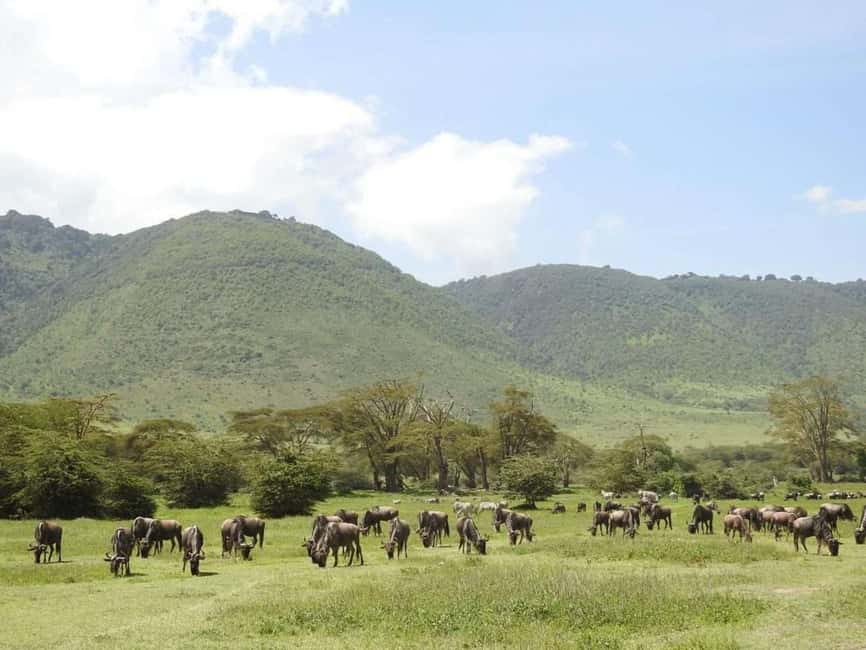
That does not make sightings automatic. Animals move, predators rest, and leopards remain difficult to spot. Still, the crater gives you a strong chance to see several major species in a single day, especially lions, zebras, wildebeests, hyenas, hippos, gazelles, warthogs, jackals, and buffaloes.
The crater also gives the day a memorable physical shape. You begin high on the rim, looking down into a broad bowl of grassland and forest. Then the vehicle drops down a steep route toward the floor. By late afternoon, you climb back to the rim and leave with the whole crater spread below you again.
More Big Five Safaris in Arusha
- Big Five Luxury Safari in Tanzania
★ 5.0 · 68 reviews - 7-Day Midrange Tanzania Safari Adventures (Big 5)
★ 5.0 · 43 reviews - Big Five Classic Safari in Tanzania **Sustainable Travel approach
★ 5.0 · 31 reviews
Early Pickup From Arusha or Moshi
The day begins early, with pickup from your hotel in Arusha or Moshi. Arusha pickup is included, while Moshi pickup requires an additional transfer payment. That extra cost matters when you compare the total price with other day tours.
An early start is necessary. The drive to Ngorongoro takes time, and the goal is to reach the crater in time for a full game drive rather than a brief afternoon visit. You will pass through the highlands and the Great Rift Valley, with changing views as the road climbs and bends toward the conservation area.
Because this is a joining safari, you may share the vehicle with people collected from different hotels. That keeps the price down, but it can make the morning less tidy. One poor pickup arrangement involved a 5 a.m. collection followed by a wait of about 45 minutes for people scheduled at 6 a.m. You may prefer the lower cost, but you should be prepared for some waiting and bring a little patience.
A small breakfast is provided as part of the day’s meals, and it has been described as filling and useful before the long drive. Still, I would not count on a leisurely breakfast stop. If you need coffee early in the morning, check with Kilinge Adventures before departure.
The Crater Rim and the 600-Meter Descent
The first major stop is the crater rim. This is where the scale of Ngorongoro becomes clear. From above, the crater looks almost self-contained, with grassland, forest, water, and wildlife occupying the broad floor far below.
Your guide then takes the vehicle down toward the crater floor, a drop of roughly 600 meters. The descent is more than a transfer between two points. It gives you a strong sense of how the crater’s walls shape the animal habitat and why so much wildlife remains in this enclosed setting.
Take your camera out before the vehicle starts down. You may get better wide views from the rim than from the floor, where your attention will shift to animals. The supplied information lists a camera as the main item to bring, but you should also make sure your battery and storage are ready for a long day of repeated sightings.
One practical point: a rim stop can be brief if the schedule is tight. If the view matters to you, ask your guide for enough time to appreciate it rather than treating it as a quick photo stop.
Morning Game Drive: Searching for the Big 5
Once you reach the floor, the safari becomes a moving search. The vehicle travels through open grassland and other habitats while the guide watches for animal movement, tracks, and clusters of safari vehicles that may indicate a sighting.
The Big 5 list includes lions, elephants, buffaloes, leopards, and endangered black rhinoceroses. Ngorongoro is one of the better places in Tanzania to hope for several of these species in one day, but you should treat the phrase Big 5 as a possibility rather than a promise.
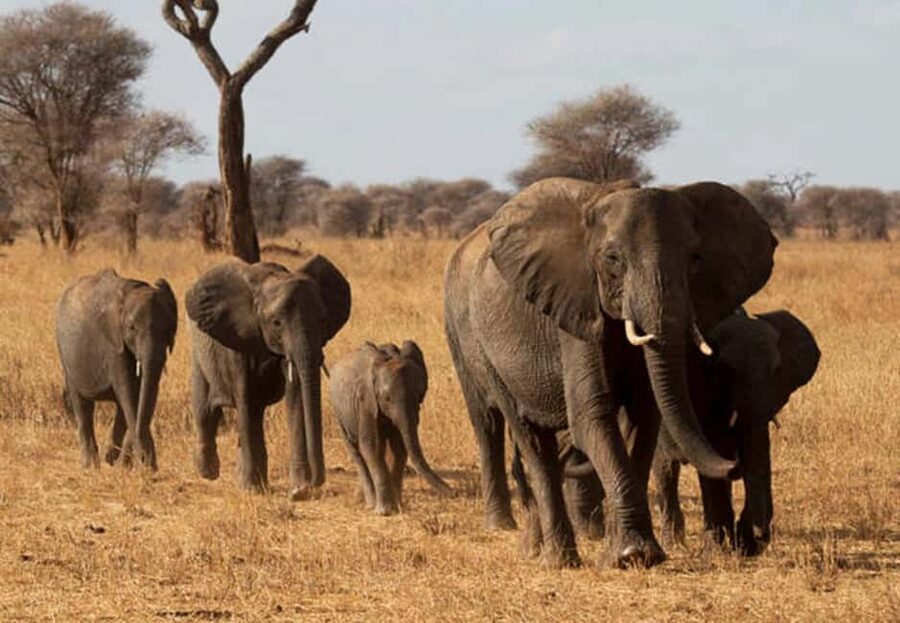
Lions may be easier to spot in open areas, while buffaloes can appear in herds or scattered groups. Elephants may be present near wooded areas, though a sighting is never guaranteed. Leopards are the most elusive of the five and may remain hidden even when your guide is searching carefully. Black rhinos are also protected and uncommon, so seeing one would be a special moment, not a standard part of every outing.
The crater offers plenty beyond the headline animals. Zebras and wildebeests help fill the open plains, while hyenas may be active around other predators. Hippos occupy the water, and gazelles, warthogs, and jackals add smaller but rewarding sightings.
Your guide should help identify what you see and explain how the animals use the different habitats. This is where the experience can be either merely scenic or genuinely educational. One guide, Joseph, received particular praise for responding to questions and even allowing extra activities beyond the basic plan. That suggests the best approach is to ask freely and make your interests clear.
More Day Trips in Arusha
- Materuni Waterfalls & Chemka Hotsprings Day Trip
★ 5.0 · 214 reviews - Materuni waterfalls coffee tour & Chemka hot springs Day trip
★ 5.0 · 131 reviews - Ngorongoro Crater Day Trip
★ 5.0 · 72 reviews - From Arusha/Moshi: Kilimanjaro Hike Marangu Route Day Trip
★ 4.5 · 54 reviews
The Guide Can Make or Break the Day
A good safari guide does more than drive toward animals. You want someone who can explain the crater’s formation, point out species without being asked, and give you time to take photographs without losing sight of the schedule.
The guide is also your link to the Maasai communities living in the conservation area. The day includes cultural information about these communities, along with the geological story of the crater. Those details help you understand that Ngorongoro is not simply a large enclosure for animals. It is a protected area with people, livestock, wildlife, and a long geological past sharing the same region.
Guide performance appears to vary. Joseph is praised for attentive care and for making the day feel more generous than expected. Another experience was less satisfying because the guide offered little explanation about the crater or animals and did not stop promptly when wildlife was spotted. If your guide is quiet, ask direct questions early:
- How was the crater formed?
- Which animals are most common here?
- How many rhinos live in the area?
- Which habitat are we entering now?
- What behavior should I watch for?
That can turn a quiet drive into a more useful safari. You should not have to request every stop, but speaking up is sensible on a shared tour.
Picnic Lunch Beside the Hippo Pool
Around midday, you stop at a designated picnic area, often near a hippo pool or a swamp. This is a practical pause after several hours of driving and wildlife watching, and the setting gives you something to look at while you eat.
Hippos may lounge in the water, but you should keep a respectful distance and follow the guide’s instructions. A picnic area is not the place to wander freely. Your guide will tell you where to remain and when it is safe to leave the vehicle.
The food has been one of the strongest parts of the experience. Lunch is described as fresh, nutritious, and satisfying, rather than a token meal packed only to fill a gap. That matters on a one-day safari because the schedule is demanding and there may be little chance to buy food along the way.
Drinking water is included. Alcoholic drinks are not, and you should not expect them to be available during the outing. Keep your camera ready, but give yourself a few minutes to eat properly. It is easy to spend the whole break photographing the surroundings and then face the afternoon tired and hungry.
Afternoon Habitats: Forest, Plains, and Water
After lunch, the vehicle continues through several parts of the crater. The Lerai Forest offers a different setting from the open plains, while grassy areas make it easier to scan for grazing animals and predators. The lake and swamp bring water birds and hippos into the picture, although specific bird sightings are not promised.
This change of habitat gives the afternoon some variety. You are not simply driving in circles looking for the same animals. A forest edge may offer elephants or hidden cats, while open grassland can reveal gazelles, zebras, wildebeests, or a lion resting in plain sight.
Predator activity is possible, including lions or cheetahs hunting. It is important to keep expectations sensible. Seeing a predator is exciting, but seeing a hunt depends on timing and luck. Your guide may spot behavior before you do, so watch where the guide and other vehicles are looking.
The afternoon also gives you a second chance at animals missed earlier. If you have not seen a rhino, leopard, or elephant, tell your guide what you still hope to find. On a shared tour, the guide must balance different interests, but a clear request may help shape the next part of the drive.
Climbing Back to the Rim and Returning to Town
Late in the day, you leave the crater floor and climb back to the rim. The ascent brings back the wide views that opened the day, this time with the satisfaction of having spent hours below among the wildlife.
The return drive to Arusha or Moshi can be tiring. You have an early start, a long road journey, and a full game drive behind you. Arrival is expected in the early evening, with hotel drop-off marking the end of the trip.
This schedule works best if you have a spare evening afterward. You may reach your hotel tired rather than ready for a night out. If you are catching a flight or connecting to another tour, confirm the timing carefully before booking because traffic, road conditions, and shared pickups can affect the return.
What the $190 Price Really Buys
At $190 per person, the trip offers a relatively accessible way to reach Ngorongoro for one full day. The price includes transport, a professional English-speaking guide, guided safari services, drinking water, and meals listed in the plan.
The national park fee is not included. This is the most important cost warning because the advertised rate is not your complete budget. Ask Kilinge Adventures for the current park fee and the total amount payable before you commit.
Moshi pickup costs extra, while hotel pickup in Arusha is free. That makes Arusha the simpler and better-value starting point. If you are staying in Moshi, compare the added transfer price with the cost of arranging your own connection.
The joining format is another reason the price is lower than a private safari. You share the vehicle and the day’s decisions with other people. That can be social and affordable, but it also means less control over pickup times, photo stops, and how long the group spends at each sighting.
The experience has an overall rating of 4.2 from 10 ratings, which fits the mixed picture. Food, route, timing, and general organization receive strong praise, but the pickup system and uneven guiding deserve attention.
Who Should Book This Ngorongoro Day Trip?
I would recommend this safari to you if you have only one free day, are staying in Arusha, and want the best practical chance to see a wide range of East African animals in one outing. It also suits people who prefer a lower-cost shared tour to a private vehicle.
It is a good fit for first-time safari visitors who value scenery, a full day in the crater, and included meals more than a highly personalized schedule. The mix of wildlife, geology, and Maasai cultural information can give you a useful first look at the Ngorongoro area.
You may want another option if you dislike early starts, shared pickups, or long drives. You should also think twice if you need a guide who provides a steady stream of interpretation without prompting. A private safari would likely offer more control, though the price would be different.
Bring your camera, keep your expectations flexible, and ask questions. The crater provides the setting, but your patience and your guide’s effort will shape how much you get from it.
Should You Book It?
Book this tour if you want a budget-minded, full-day Ngorongoro safari from Arusha and accept that the park fee and some pickup costs are extra. The crater views, concentrated wildlife, included meals, and chance of Big 5 sightings make the price appealing.
Before paying, confirm the total cost, the pickup time, and the Moshi transfer charge if applicable. I would also ask how the shared vehicle is organized and request an English-speaking guide who will explain the crater and animals rather than only drive between sightings.
The most honest verdict is simple: this can be an excellent one-day introduction to Ngorongoro, but it is not a perfectly controlled private safari. If you value affordability and a packed wildlife day, it is worth considering. If smooth logistics and highly active guiding are essential, ask detailed questions first.
FAQ
Where does the Ngorongoro Crater safari begin?
Free hotel pickup is available from Arusha. Pickup from Moshi is available for an additional transfer cost.
How much does the safari cost?
The listed price is $190 per person.
Is the national park fee included?
No. The national park fee is not included in the $190 price.
What animals can I see?
The safari focuses on the Big 5: lions, elephants, buffaloes, leopards, and endangered black rhinoceroses. You may also see zebras, wildebeests, hyenas, hippos, gazelles, warthogs, jackals, and cheetahs.
How far do you descend into the crater?
The route descends about 600 meters from the crater rim to the crater floor.
Is lunch included?
Meals listed in the itinerary are included. The day includes breakfast and a picnic lunch, with lunch usually taken near a hippo pool or swamp.
Is drinking water provided?
Yes. Drinking water is included.
What language does the guide speak?
The professional guide speaks English.
Are alcoholic drinks included?
No. Alcoholic beverages are not included.
What should you bring?
A camera is specifically recommended. You should also be ready for an early start and a long day of driving and wildlife viewing.
More Ngorongoro Crater Tours
- 3 Days Serengeti & Ngorongoro Group Camping Safari
★ 5.0 · 574 reviews - 5 Days Camping Tarangire, Serengeti & Ngorongoro crater & Visiting Maasai
★ 5.0 · 229 reviews - 4 Days Join Group tour Tarangire Serengeti and Ngorongoro crater
★ 5.0 · 219 reviews - 4-Day Safari from Arusha: Tarangire, Serengeti and Ngorongoro
★ 5.0 · 173 reviews
More Safaris in Arusha
- Serengeti Balloon Safari and authentic bush breakfast
★ 5.0 · 2,480 reviews - Balloon Safari & Bush Breakfast in Serengeti – Miracle Experience
★ 5.0 · 1,646 reviews - 4 Days Group Camping Safari
★ 5.0 · 1,101 reviews - 5 Days Group Camping Safari
★ 5.0 · 730 reviews
Just added around Arusha
- 5 Days Safari Tarangire, Serengeti, and Ngorongoro Crater★ 5.0 · 3 reviews
- 5 Days of Safari, Culture & Hot Springs – Tour from Arusha★ 5.0 · 3 reviews
- Love lives in Africa★ 5.0 · 3 reviews
- Arusha National Park Safari by Jeep★ 4.5 · 3 reviews
- 5Days Family _Group Tour Lodging Mid-Range in the Jungle★ 5.0 · 3 reviews
- Serengeti & Ngorongoro 3 Days Budget Safari★ 5.0 · 3 reviews
- 2 Days Tarangire and Ngorongoro Crater Tour★ 5.0 · 3 reviews
- 7 Days PRIVATE Best of Tanzania Safari *Departing everyday*★ 5.0 · 3 reviews
Ngorongoro Crater Tours, compared.

3 Days Serengeti & Ngorongoro Group Camping Safari
Read our review →

5 Days Camping Tarangire, Serengeti & Ngorongoro crater & Visiting Maasai
Read our review →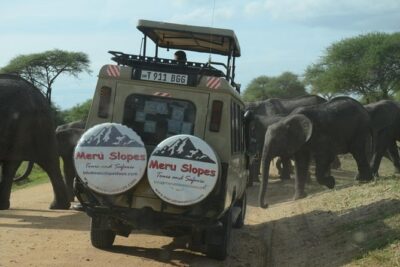
4 Days Join Group tour Tarangire Serengeti and Ngorongoro crater
Read our review →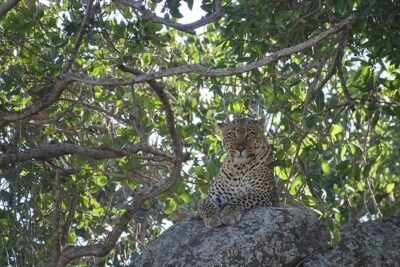
4-Day Safari from Arusha: Tarangire, Serengeti and Ngorongoro
Read our review →
2 Days Tarangire and Ngorongoro Group Camping Safari
Read our review →3 Day Serengeti National Park & Ngorongoro Crater Camping Safari
Read our review →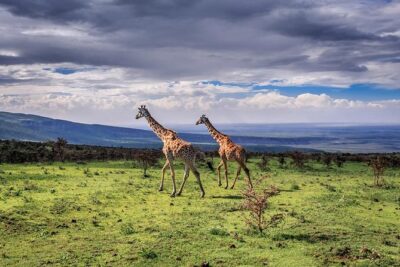
Browse the lists this tour appears in