
Reviewed · NGORONGORO CRATER TOURS
3 Days Safari to Tarangire, Ngorongoro & Lake Manyara parks
Big wildlife, short schedule. This Tanzania Roadside Expeditions safari gives you two major park experiences from Arusha, with Tarangire’s elephants and baobabs followed by the remarkable Ngorongoro Crater. I like the private format, the included park fees, meals, water, lodging, and guide, but you should confirm the schedule because the advertised three-day trip lists only two sightseeing days and does not explain when Lake Manyara is visited.
I also like that this is designed as a budget safari without stripping out the basics that matter. You get bathrooms, clean water, electricity for charging, two nights of accommodation, and a private vehicle for your own group. The main drawback is the amount of driving packed into a short trip, especially if Lake Manyara is added as a third park.
In This Review
- Key points to know before booking
- Why this short safari appeals to me
- Day one: Tarangire’s elephants and baobab trees
- Day two: Into the Ngorongoro Crater
- Where Lake Manyara fits into the plan
- Budget comfort, meals, and what is covered
- The guide can make or break the experience
- Is $1,500 per person good value?
- Who should choose this safari?
- Final verdict: confirm the third day, then decide
- FAQ
- Where does the safari start?
- Where does the safari end?
- How long is the safari?
- Is Lake Manyara included?
- What meals are included?
- Can I cancel for a full refund?
Key points to know before booking
- Tarangire is the elephant day: The park covers nearly 3,000 square kilometers and is especially appealing from June through November, when animals gather near the Tarangire River.
- Ngorongoro offers the biggest wildlife payoff: The crater floor combines grassland, acacia woodland, and hippo-filled wetlands inside walls about 600 meters high.
- The itinerary needs clarification: The title promises three days and three parks, but the supplied schedule details only Tarangire and Ngorongoro.
- This is a private safari: Only your group participates, which gives you more control than a large shared vehicle.
- Budget means practical, not fancy: Expect clean essentials, meals, water, bathrooms, and power rather than a high-end lodge experience.
- Guide quality is a major strength: Guides associated with the company, including Ezekiel Masai, Walter, Gadi, Eazy, James, and Laurian, have been praised for safe driving, animal spotting, and clear explanations.
Why this short safari appeals to me
I like the way this trip concentrates on two of northern Tanzania’s most rewarding parks. Tarangire gives you large herds and striking trees, while Ngorongoro adds a dramatic volcanic setting and a strong chance of seeing many different animals in one day.
The private arrangement matters. You are not simply following a fixed crowd from one viewpoint to the next. Your guide can respond to what you want to see, spend more time with an animal that interests you, or move on when you have had enough. That flexibility is one of the best reasons to choose a private budget safari.
At $1,500 per person, the price is not low in the ordinary sense. It becomes easier to justify when you count the park fees, fuel surcharge, guide, transportation, meals, bottled water, two nights of lodging, taxes, and hotel drop-off. You are paying for access to expensive national parks and for someone else to handle the driving and route planning.
Still, I would not book until the operator confirms exactly what the third day contains. The product name includes Lake Manyara, but the written plan gives detailed stops only for Tarangire and Ngorongoro. Ask for the night-by-night schedule, the Lake Manyara timing, and the final drop-off plan before paying.
More Safaris in Arusha
- Serengeti Balloon Safari and authentic bush breakfast
★ 5.0 · 2,480 reviews - Balloon Safari & Bush Breakfast in Serengeti – Miracle Experience
★ 5.0 · 1,646 reviews - 4 Days Group Camping Safari
★ 5.0 · 1,101 reviews
Day one: Tarangire’s elephants and baobab trees
The first listed stop is Tarangire National Park, reached from an 8:00 a.m. start in Arusha. The scheduled park visit is about eight hours, so this is a full safari day rather than a quick drive-through.
Tarangire is known for its huge elephant population and its old baobab trees. The Tarangire River gives the park its name and provides a key water source, especially during the dry season from June through November. At that time, wildlife gathers near the river, and the park can offer animal concentrations that compare favorably with the Serengeti.
I like this opening day because it gives you a clear sense of what makes Tanzania special without beginning with a long explanation or a city tour. You are out among open grasslands, river country, woodland, and giant trees. The variety of habitats helps explain why the park supports more than 2,000 elephants and about 500 bird species.
The elephant viewing is likely to be the main attraction, but you should not reduce Tarangire to one animal. The supplied information also points to large numbers of other animals and birds. Your guide’s skill matters here, since a good driver can help you notice movement in the brush, identify birds, and explain why animals gather in one area.
The eight-hour duration also has a practical downside. You will spend much of the day in a safari vehicle, and the roads can make for a tiring ride. Bring a hat, sun protection, and a camera with spare battery power. Electricity is available at the accommodation, but you will want your equipment ready before the next morning.
The timing from June through November is particularly appealing if your main goal is animal density. That does not mean other months are pointless, but the permanent river and mixed habitats give Tarangire a strong reason to remain on your route throughout the year.
Day two: Into the Ngorongoro Crater
After breakfast, the plan takes you down into Ngorongoro Crater for a crater game drive. The listed visit lasts about nine hours, making this another long and rewarding day.
The crater was formed when a huge volcano erupted about two million years ago and its walls collapsed. Today, the enclosed floor is more than 19 kilometers across, with walls rising roughly 600 meters. That geology is not just scenic decoration. It helps create a contained area with grasslands, acacia forest, and swamps where hippos gather.
You can expect the crater to feel very different from Tarangire. Tarangire spreads across a large park with a strong river focus. Ngorongoro feels enclosed and concentrated, with the crater walls giving the day a clear sense of place. More than 30,000 animals live in the crater area, according to the supplied information.
I like Ngorongoro as the centerpiece of a short safari because you do not need many days to appreciate its scale. A single crater game tour can give you a broad look at Tanzania’s wildlife and scenery. The varied habitats also improve your chances of seeing different species during one outing, though no safari can promise a particular animal.
The downside is the length of the day. Nine hours in a vehicle is a lot, and the crater can attract many safari vehicles. Your guide’s driving and communication skills will shape the experience. Past visitors have singled out guides such as Ezekiel Masai for finding close viewing positions and explaining animals clearly. Walter has also been praised for kindness, reliability, and strong knowledge of wildlife, geography, and local life.
Those names are useful when you speak with the company, but they should not be treated as a guarantee that one particular guide will lead your trip. Ask who is available for your dates and whether the guide will remain with your group throughout the safari.
After the crater tour, the plan says you drive to Octagon Lodge for the overnight stay. Drinking water is provided each day, one portion per person. Two nights of accommodation are included overall, but the supplied schedule does not clearly identify the first-night property, so ask for that detail before booking.
Where Lake Manyara fits into the plan
Lake Manyara appears in the experience title but not in the two detailed itinerary entries. That is the most important planning issue here.
Lake Manyara National Park is close enough to fit naturally into a northern Tanzania route, but the timing matters. Adding it to a trip that already includes an eight-hour Tarangire visit and a nine-hour Ngorongoro day could create a hurried schedule. You want time for actual game viewing, not just a quick stop followed by hours on the road.
Ask these questions before you commit:
- Is Lake Manyara visited on day two or day three?
- Is a third game drive included, or is the park only a route stop?
- Where do you sleep on the first and second nights?
- Does the trip end in Arusha after the third day?
- Are park fees for all three parks included?
- Is the quoted price still $1,500 per person if the group has only two people?
The supplied details say the activity ends back at the meeting point in Arusha and that hotel drop-off is included. They do not give a separate Lake Manyara timetable. A written answer from the operator will prevent an avoidable surprise.
More ways to see the Ngorongoro Crater:
- 3 Days Serengeti & Ngorongoro Group Camping Safari
★ 5.0 · 574 reviews - 5 Days Camping Tarangire, Serengeti & Ngorongoro crater & Visiting Maasai
★ 5.0 · 229 reviews - 4 Days Join Group tour Tarangire Serengeti and Ngorongoro crater
★ 5.0 · 219 reviews - 4-Day Safari from Arusha: Tarangire, Serengeti and Ngorongoro
★ 5.0 · 173 reviews
Budget comfort, meals, and what is covered
This is a budget safari, but the description sensibly focuses on basics that can make or break a trip. Accommodation provides clean water, bathrooms, and electrical power for recharging batteries. That is exactly the level of comfort many people need after a long day on rough roads.
Two nights of accommodation are included, along with breakfast, lunch, and dinner as laid out in the plan. Lunch and dinner are described as buffet meals. Bottled water is included, while alcoholic drinks cost extra.
You should share dietary requirements when booking. Vegetarian food is available if requested in advance. Children must be accompanied by an adult, and the activity may use a multilingual guide.
The package also includes national park fees, taxes, handling charges, fuel surcharge, a professional guide, a local guide, and hotel drop-off. Souvenir photos are not included. Those inclusions make the price easier to assess because several large safari costs are already folded into the quoted amount.
I would still ask whether the listed guide and local guide are two separate people or simply different descriptions for the same service. The package wording includes both terms, but it does not explain the staffing arrangement.
The guide can make or break the experience
Safari vehicles do not find animals by themselves. A guide who knows the roads, watches carefully, drives safely, and explains what you are seeing can turn a good outing into a memorable one.
The strongest praise connected with this company centers on guides. Ezekiel Masai is repeatedly associated with excellent animal spotting, safe driving, and useful explanations. Eazy and Gadi have been praised for their knowledge of wildlife, Maasai customs, and routes around the northern parks. James has been described as especially strong on animals, geography, and local people.
Walter is another name worth noting. He has been praised for being dependable, kind, trustworthy, and well informed. Laurian has also been associated with an especially smooth trip, from the first contact to the final accommodation.
These comments point to a company with several capable guides rather than one single star employee. I would contact Tanzania Roadside Expeditions before booking and ask for the guide’s name, language, and experience with private safaris. You can also explain whether your priority is elephants, birds, photography, cultural information, or simply seeing as many animals as possible.
A safe driver matters just as much as animal knowledge. Long park days demand patience and care. The positive accounts place clear emphasis on both.
Is $1,500 per person good value?
At first glance, $1,500 per person sounds expensive for a trip described as budget. The better comparison is not with a city excursion. It is with the cost of park entry, fuel, a private safari vehicle, accommodation, meals, water, and a guide across multiple days.
The price is strongest for a small private group that wants the convenience of having the major pieces arranged. You avoid paying park fees separately, finding a driver, organizing meals, and solving the route between Arusha and the parks.
The value is weaker if you expect luxury lodges, extensive free time, or a leisurely pace. The accommodation is presented as affordable and practical, not high-end. Also, the unclear third-day plan makes it hard to judge the full price until Lake Manyara and the final night are confirmed.
Ask for the exact number of nights, vehicle type, group size, accommodation names, and all included park fees. Those details will tell you more about value than the word budget.
Who should choose this safari?
I would recommend this trip to you if you want a private introduction to northern Tanzania and prefer a practical package over a luxury itinerary. It suits people who have limited time, want Tarangire and Ngorongoro in one trip, and appreciate having meals, lodging, park fees, and transport arranged.
It is also a good fit for couples and families. Several bookings have been honeymoon or anniversary trips, and the company has allowed some groups to customize longer safaris with different hotels and added activities. That does not mean this short package automatically includes those extras, so treat customization as something to request.
You may want a longer safari if you dislike long drives, want slower mornings, or hope to spend substantial time in several parks. Two detailed game-drive days can be satisfying, but they leave little room for delays, weather changes, or extra time with a special sighting.
Final verdict: confirm the third day, then decide
I like this safari for its strong park choices, private format, capable guide reputation, and useful inclusions. Tarangire offers elephants and baobabs, while Ngorongoro gives you one of Tanzania’s most striking natural settings and a concentrated wildlife experience.
I would book it only after getting the Lake Manyara schedule in writing. If the operator confirms a sensible third day, names the accommodations, and explains the vehicle and guide arrangements, $1,500 can be fair value for a private, fully arranged safari from Arusha.
If you want a relaxed pace or luxury lodging, choose a longer or upgraded plan. If you want a focused first safari with practical comfort and strong wildlife potential, this package deserves serious consideration.
FAQ
Where does the safari start?
The safari starts in Arusha, in Tanzania’s Arusha Region. Pickup is offered, and the listed start time is 8:00 a.m.
Where does the safari end?
The activity ends back at the meeting point in Arusha. Hotel drop-off is included.
How long is the safari?
The experience is marketed as a three-day safari, but the supplied schedule gives detailed activities for only two days. Confirm the full third-day program before booking.
Is Lake Manyara included?
Lake Manyara appears in the safari title, but the detailed schedule does not state when the park is visited. Ask the operator to confirm the Lake Manyara timing and game-drive details.
What meals are included?
Breakfast, lunch, and dinner are included for the two nights. Lunch and dinner are described as buffet meals. Vegetarian meals are available if requested in advance.
Can I cancel for a full refund?
Yes. You can cancel at least 24 hours before the local start time for a full refund. Cancellations or changes made less than 24 hours before the start time are not accepted for a refund.
More Lake Manyara Safaris
- 3 Days Tarangire, Ngorongoro & Lake Manyara Group Camping Safari
★ 5.0 · 102 reviews - 3 Days Private Safari – manyara, Ngorongoro & Tarangire
★ 5.0 · 94 reviews - 05 Days Tarangire, Serengeti, Ngorongoro and Lake Manyara
★ 5.0 · 54 reviews - 5 Days 4 Nights Tarangire, Serengeti , Ngorongoro & Manyara Wildlife Safari
★ 5.0 · 40 reviews
More Tarangire Safaris
- 5-Day Highlights mid-Range Crater, Serengeti, Tarangire
★ 5.0 · 296 reviews - Private 6-Day Tarangire Manyara Crater and Serengeti with Mid-Range Lodges
★ 5.0 · 238 reviews - 2 Days Tarangire and Ngorongoro Group Camping Safari
★ 5.0 · 146 reviews - 4 Days Tarangire Serengeti Ngorongoro Crater
★ 5.0 · 117 reviews
Just added around Arusha
- 5 Days Safari Tarangire, Serengeti, and Ngorongoro Crater★ 5.0 · 3 reviews
- Love lives in Africa★ 5.0 · 3 reviews
- 5 Days of Safari, Culture & Hot Springs – Tour from Arusha★ 5.0 · 3 reviews
- Arusha National Park Safari by Jeep★ 4.5 · 3 reviews
- 5Days Family _Group Tour Lodging Mid-Range in the Jungle★ 5.0 · 3 reviews
- 2 Days Tarangire and Ngorongoro Crater Tour★ 5.0 · 3 reviews
- Serengeti & Ngorongoro 3 Days Budget Safari★ 5.0 · 3 reviews
- 7 Days PRIVATE Best of Tanzania Safari *Departing everyday*★ 5.0 · 3 reviews
Ngorongoro Crater Tours, compared.

3 Days Serengeti & Ngorongoro Group Camping Safari
Read our review →

5 Days Camping Tarangire, Serengeti & Ngorongoro crater & Visiting Maasai
Read our review →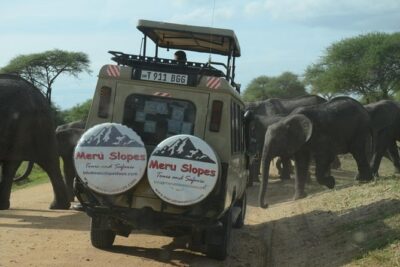
4 Days Join Group tour Tarangire Serengeti and Ngorongoro crater
Read our review →
4-Day Safari from Arusha: Tarangire, Serengeti and Ngorongoro
Read our review →
2 Days Tarangire and Ngorongoro Group Camping Safari
Read our review →3 Day Serengeti National Park & Ngorongoro Crater Camping Safari
Read our review →
Browse the lists this tour appears in