
Reviewed · SERENGETI SAFARIS
4-Day Safari: Lake Manyara, Serengeti & Ngorongoro
Three parks, four days, one busy adventure. This safari links Lake Manyara, Serengeti, and Ngorongoro in a compact northern Tanzania route. I like the included meals and boxed lunches, which keep the days moving, and I like the small-group limit of 15 people. The main drawback is the pace: long road transfers and basic camping leave little room for rest.
You begin with pickup at your Arusha hotel and finish back in Arusha. The price of $1,743.59 per person covers park fees, a driver-guide, three dinners, three breakfasts, and four lunches. That is useful value for a budget safari, but you should choose it for wildlife and adventure, not comfort or leisurely travel.
In This Review
- Five things to know before booking
- Why this four-day route works
- Day one: Lake Manyara beneath the Rift Valley escarpment
- Day two: From Karatu farmland into the Serengeti
- Day three: A final Serengeti drive and the road to Ngorongoro
- Day four: The Ngorongoro Crater finale
- Camping, meals, and daily comfort
- The guide can make or break the safari
- Is $1,743.59 good value?
- Who should choose this safari?
- Practical questions to settle before departure
- Should you book it?
- FAQ
- Where does the safari begin and end?
- Which parks and conservation areas are included?
- Are meals included?
- Is Olduvai Gorge included?
- What should I bring for camping?
- How large can the group be?
Five things to know before booking
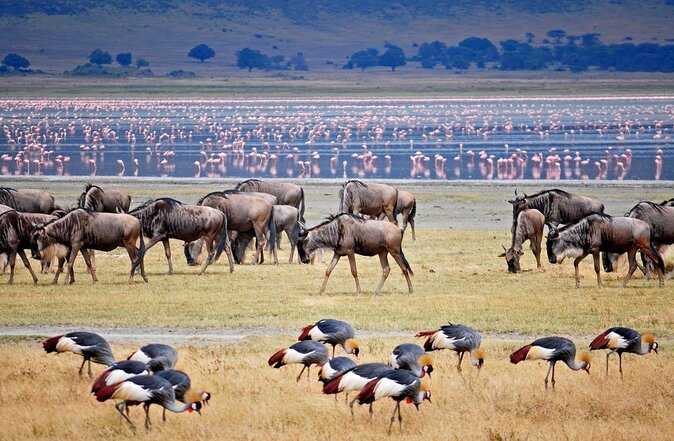
- Lake Manyara gives you a quick change of scenery: Expect a soda lake, Rift Valley cliffs, elephants, flamingos, and the possibility of tree-climbing lions.
- Seronera is the wildlife center of the trip: The central Serengeti offers some of the best odds of seeing a broad mix of animals around the Seronera River.
- Camping keeps the price in check: This is a practical safari for people who accept simple facilities and want more money spent on park access.
- The days include serious driving: Day two lasts about six hours, day three about seven hours, and the final return to Arusha follows a half-day crater visit.
- Guiding can shape the whole experience: Guides such as Max, Joe, Masulya, and Martin have been praised for their animal knowledge and friendly service, but one poor guide report shows that standards can vary.
- Olduvai Gorge costs extra: You can add the archaeological stop, but the tour price does not include its admission or related costs.
Why this four-day route works
Northern Tanzania packs three very different wildlife settings into a short trip. Lake Manyara sits below the western escarpment of the Great Rift Valley. Serengeti opens into huge plains. Ngorongoro finishes the trip in a volcanic crater where animals gather in a much smaller area.
That variety is the chief reason to consider this safari. You are not spending four days in one park hoping the scenery changes. Each stop has its own feel, its own animal habitats, and its own photographic strengths.
The tradeoff is time. This is a point-to-point journey rather than a relaxed stay in one region. You will spend a good part of each day in the safari vehicle, and some roads are rough. One account described the driving as tough but worthwhile, which is a fair expectation for this route.
The group size can reach 15 people, though some departures have been much smaller. A group of six, for example, gives you more room in the vehicle and makes stops easier to manage. At the full limit, personal space may feel tighter, especially during long transfers.
More Safaris in Arusha
- Serengeti Balloon Safari and authentic bush breakfast
★ 5.0 · 2,480 reviews - Balloon Safari & Bush Breakfast in Serengeti – Miracle Experience
★ 5.0 · 1,646 reviews - 4 Days Group Camping Safari
★ 5.0 · 1,101 reviews
Day one: Lake Manyara beneath the Rift Valley escarpment
Pickup begins at your Arusha hotel. The drive to Lake Manyara is followed by lunch at camp, then an afternoon game drive inside the national park. Since the park entrance is included, you do not need to handle that cost separately.
Lake Manyara is a strong opening act because it provides quick visual variety. The shallow soda lake covers about two-thirds of the park, while woodland and other habitats draw elephants and many bird species. Flamingos gather where algae provides food, though sightings naturally depend on conditions and timing.
The park is also known for its tree-climbing lions. They are one of the area’s signature attractions, but you should treat them as a possibility rather than a promise. A good guide can help search the branches, yet wildlife does not follow a schedule.
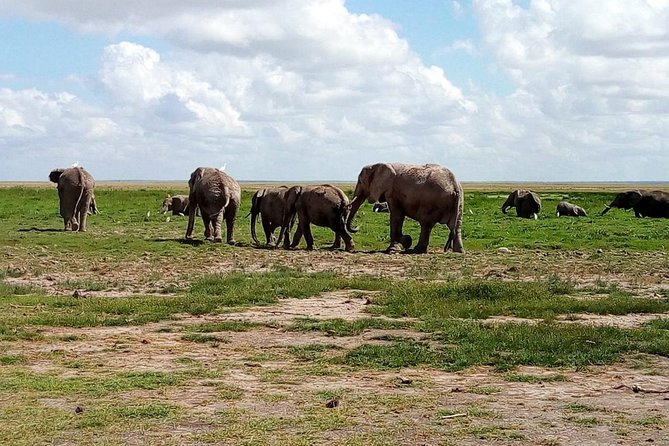
The elephant viewing is another major reason to value this first day. Lake Manyara is associated with one of Tanzania’s largest concentrations of elephants, giving you a good chance to see these animals in a setting that feels very different from the open Serengeti.
The first afternoon game drive is convenient, but it can feel short after the transfer from Arusha. You arrive with enough time to see the park, not enough time to explore every corner. Dinner and camping follow, with basic facilities designed for function rather than luxury.
Day two: From Karatu farmland into the Serengeti
After breakfast, you leave the Lake Manyara area and pass through the high farmland around Karatu before crossing toward the Ngorongoro Conservation Area and then the Serengeti. This is the longest-feeling transition of the safari, even though the listed drive time is about six hours.
The change in scenery is part of the reward. The cultivated highlands give way to open country, and the Serengeti begins to feel much larger than the parks visited on day one. You arrive around lunchtime, then head out for an afternoon game drive.
The route focuses on Seronera, the central Serengeti area. The Seronera River supplies water and helps draw animals into the surrounding country. That makes this a practical place to search for many of the park’s species, including predators and grazing herds.
This is also the day when the safari’s timing matters most. The Serengeti is enormous, so a single afternoon cannot cover much of it. You may see excellent wildlife near Seronera, but you will not receive a full tour of the park. If your main dream is the migration, sightings depend heavily on the season and on where the herds are moving.
The provided lunch helps here. Instead of leaving the park for a long restaurant stop, you can eat on the road and preserve more time for watching animals. Pack patience, water, and a willingness to sit quietly. The vehicle time is part of the safari, not just a way to get between attractions.
Camping in or near the Serengeti adds a genuine sense of being close to the natural setting, but it also means basic conditions. The package does not include toiletries, towels, bathing soap, or personal sanitary supplies. Bring those items yourself.
Day three: A final Serengeti drive and the road to Ngorongoro
Day three starts with an early morning wildlife drive in the Serengeti. This is a smart use of the schedule because morning is already built into the plan, and it gives you one last chance to search the Seronera area before departing.
After the drive, you head toward the Ngorongoro Conservation Area. The listed driving time is about seven hours, making this the hardest day physically. You should expect a long stretch on the road, broken by the changing views and possible wildlife sightings along the way.
Olduvai Gorge is available as an optional stop. The extra visit connects the safari with major discoveries tied to human evolution, including the finds associated with Louis and Mary Leakey. Admission and related costs are not part of the package, so confirm the price before agreeing to add it.
The gorge is worth considering if you want more than animal viewing. It gives the trip an archaeological thread and helps explain why this part of Tanzania matters beyond its wildlife. Still, adding another stop to an already long day may not suit you if you are tired or want more time at camp.
You reach the Ngorongoro Conservation Area late in the evening and spend the night at Simba Campsite. That late arrival is important to understand. Day three is not a relaxed scenic transfer with plenty of free time. It is a long travel day that positions you for the crater visit the next morning.
More ways to see the Ngorongoro Crater:
- 3 Days Serengeti & Ngorongoro Group Camping Safari
★ 5.0 · 574 reviews - 5 Days Camping Tarangire, Serengeti & Ngorongoro crater & Visiting Maasai
★ 5.0 · 229 reviews - 4 Days Join Group tour Tarangire Serengeti and Ngorongoro crater
★ 5.0 · 219 reviews - 4-Day Safari from Arusha: Tarangire, Serengeti and Ngorongoro
★ 5.0 · 173 reviews
Day four: The Ngorongoro Crater finale
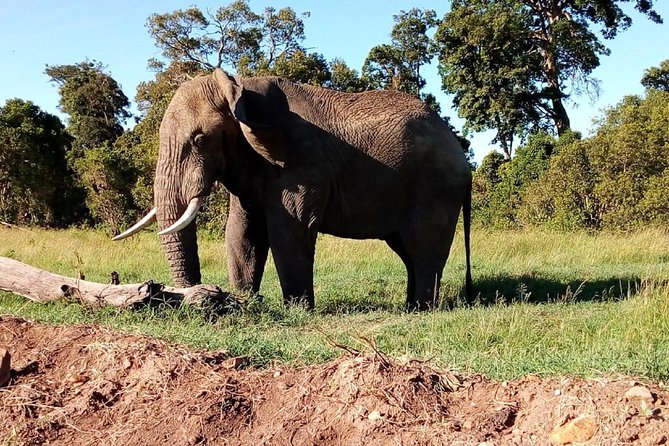
After an early breakfast, you descend into the Ngorongoro Crater for a half-day safari. This is the route’s biggest concentration of wildlife and a strong final morning.
The crater floor supports wildebeest, zebra, buffalo, eland, warthogs, hippos, and African elephants. It also has a notable population of predators, including lions, hyenas, jackals, cheetahs, and sometimes leopard. A leopard sighting is never certain, and you may need a sharp-eyed guide to locate one.
The crater differs from the Serengeti in scale and rhythm. The open plains of the Serengeti encourage long searches across wide distances. In the crater, the enclosed setting can make animal viewing feel more concentrated. That does not guarantee better sightings, but it gives the final morning a satisfying sense of focus.
You receive a picnic lunch after the crater drive, then return to Arusha. The package includes four lunches, so this final meal is covered. Dinner and overnight accommodation in Arusha are not clearly listed as included in the package, so ask for clarification before booking if you need those arrangements.
The return journey makes day four longer than the crater visit alone suggests. You should plan no important evening commitment in Arusha unless the operator confirms the arrival time. Safari roads and wildlife stops do not obey a clock.
Camping, meals, and daily comfort
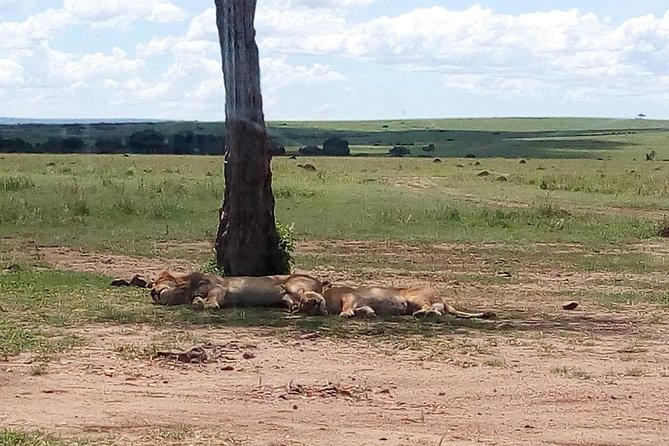
This is a budget camping safari, and the price reflects that choice. You receive tents, camping meals, and park access rather than lodge rooms and polished hotel service. For someone who wants to spend on national parks instead of accommodation, that can be a sensible exchange.
Breakfast and dinner are included on the first three nights, while lunch is included on all four days. Boxed or picnic lunches are especially useful because they reduce time away from the parks. They also make the schedule less dependent on restaurants.
Do not pack as if you are checking into a full-service hotel. Toiletries, towels, bathing soap, and personal sanitary items are excluded. The stated dress code is casual, and that is the right approach. Choose practical clothing for long rides and bring personal supplies that make simple camping easier.
The tour asks for a moderate level of physical fitness. You are not signing up for a walking expedition, but the long drives, early breakfasts, rough roads, and basic camp routine can wear you down. If you need frequent rest or prefer comfortable beds each night, a lodge-based itinerary may suit you better.
The guide can make or break the safari
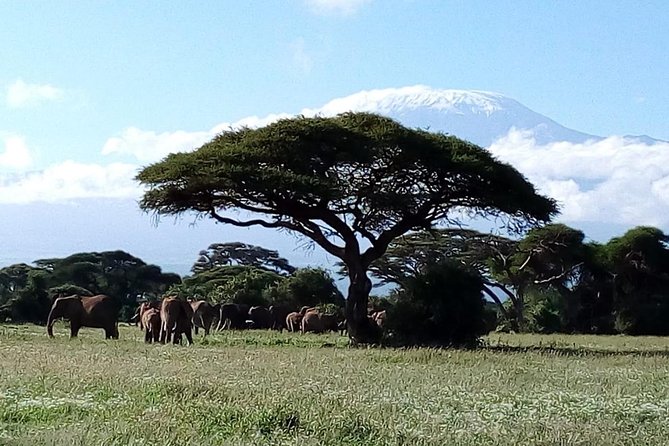
Wildlife trips depend heavily on the guide’s judgment. A strong guide knows where to look, explains animal behavior, answers questions, and keeps the group engaged during quiet stretches.
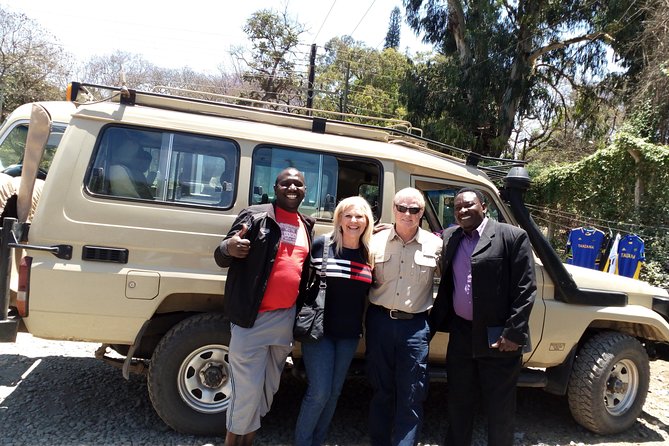
Several guides connected with this trip have earned especially warm praise. Masulya and Martin were described as friendly and effective at helping a group find many expected animals. Max was credited with turning the trip into an unforgettable experience, while Joe was praised for his local knowledge and approachable manner.
Those names are useful to remember, but they do not guarantee who will lead your departure. The operator has also been criticized for assigning subcontracted guides, cooks, and other staff. One account raised concerns about unclear responsibility when different companies share a vehicle or service.
That does not make the safari a poor choice, but it is a reason to ask direct questions before paying. Confirm who operates your departure, who your guide will be if known, the expected group size, and what happens if services are subcontracted. A 4.6 rating from 10 ratings and a 90 percent recommendation figure suggest that most experiences have been positive, but the small sample and uneven service reports deserve attention.
Is $1,743.59 good value?
At $1,743.59 per person, this is not the cheapest way to see Tanzania, but it can be good value for a four-day route covering three major conservation areas. Park entrance fees, a driver-guide, four lunches, three breakfasts, and three dinners are included, and those costs add up quickly on an independent safari.
The strongest value comes from the combination of access and convenience. You are picked up in Arusha, transported between parks, placed in a group, and given meals that keep the game drives moving. Group discounts may make the price more attractive for people booking together.
The value weakens if you want a slow itinerary. You spend only one afternoon at Lake Manyara, one afternoon and one early morning in the Serengeti, and one half-day in the crater. A longer Serengeti stay would give you more time in the park and better flexibility for wildlife searches.
You also need to budget for excluded personal items and the optional Olduvai Gorge visit. The cancellation policy is strict: the experience is non-refundable and cannot be changed for any reason. Only book once your dates, fitness level, and comfort with camping are settled.
Who should choose this safari?
I would point this trip toward a solo visitor who wants to join a social group, a couple watching costs, or anyone visiting Tanzania for the first time with limited time. Past departures have included solo participants who enjoyed joining a small group, and some groups have numbered only six people.
It also suits you if your priority is seeing several famous parks rather than resting at one camp. The route gives you elephants and possible flamingos at Manyara, the open plains of Serengeti, and concentrated wildlife in Ngorongoro.
I would hesitate to recommend it to families needing flexible schedules, people who dislike rough roads, or anyone expecting private guiding. The maximum group size is 15, and the long transfer days can be tiring. Ask about vehicle seating before booking if personal space matters to you.
Practical questions to settle before departure
Use the pre-trip briefing to confirm your pickup time and the name of the operating company. One booking experience included a hotel pickup and a briefing the evening before, which is the kind of simple communication that helps a safari start smoothly.
Ask how many people will share the vehicle. The advertised maximum is 15, but smaller groups have also operated. That difference affects comfort, photography, and how quickly the group can agree on stops.
Pack toiletries, towels, soap, and personal sanitary supplies. Keep clothing casual and practical, and bring enough personal items for four days of camping. Also ask about the exact arrangements for the final night in Arusha, since dinner and overnight accommodation after returning from the crater are not clearly included.
Should you book it?
Book this safari if you want three major Tanzania wildlife areas in four days, accept camping, and value included park fees and meals over comfort. It is an efficient introduction to the northern safari circuit, with the added benefit of a boxed lunch system that protects game-drive time.
Think twice if you want a private, polished trip or a leisurely Serengeti stay. The biggest risks are the fast pace, long road days, and possible variation in guide or subcontractor quality.
My practical advice is to book only after confirming the operator, guide arrangements, group size, camping setup, and final-night details. If those answers are clear, this can be a strong budget choice for an active first safari.
FAQ
Where does the safari begin and end?
Pickup is offered from accommodations in Arusha, and the trip returns to Arusha after the Ngorongoro Crater visit on day four.
Which parks and conservation areas are included?
The route includes Lake Manyara National Park, Serengeti National Park, and the Ngorongoro Conservation Area, including a safari in the Ngorongoro Crater.
Are meals included?
Yes. The package includes three dinners, three breakfasts, and four lunches. Boxed or picnic lunches are used to help keep the game drives moving.
Is Olduvai Gorge included?
No. Olduvai Gorge is an optional stop, and its admission and related costs are not included in the package price.
What should I bring for camping?
Toiletries, towels, bathing soap, and personal sanitary supplies are not included. The stated dress code is casual, and you should bring the personal items you need for the camping portion.
How large can the group be?
The maximum group size is 15 people. Some departures may be smaller, but you should confirm the expected group size before booking.
More Lake Manyara Safaris
- 3 Days Tarangire, Ngorongoro & Lake Manyara Group Camping Safari
★ 5.0 · 102 reviews - 3 Days Private Safari – manyara, Ngorongoro & Tarangire
★ 5.0 · 94 reviews - 3 Days Safari to Tarangire, Ngorongoro & Lake Manyara parks
★ 5.0 · 70 reviews - 05 Days Tarangire, Serengeti, Ngorongoro and Lake Manyara
★ 5.0 · 54 reviews
More Serengeti Safaris
- 5-Day Highlights mid-Range Crater, Serengeti, Tarangire
★ 5.0 · 296 reviews - 3-Day Classic Serengeti Safari
★ 5.0 · 263 reviews - Private 6-Day Tarangire Manyara Crater and Serengeti with Mid-Range Lodges
★ 5.0 · 238 reviews - 10-Day Serengeti Wildebeest Migration Safari from Arusha
★ 5.0 · 218 reviews
Just added around Arusha
- 5 Days Safari Tarangire, Serengeti, and Ngorongoro Crater★ 5.0 · 3 reviews
- Love lives in Africa★ 5.0 · 3 reviews
- 5 Days of Safari, Culture & Hot Springs – Tour from Arusha★ 5.0 · 3 reviews
- Arusha National Park Safari by Jeep★ 4.5 · 3 reviews
- 5Days Family _Group Tour Lodging Mid-Range in the Jungle★ 5.0 · 3 reviews
- Serengeti & Ngorongoro 3 Days Budget Safari★ 5.0 · 3 reviews
- 2 Days Tarangire and Ngorongoro Crater Tour★ 5.0 · 3 reviews
- 7 Days PRIVATE Best of Tanzania Safari *Departing everyday*★ 5.0 · 3 reviews
Serengeti Safaris, compared.

Serengeti Balloon Safari and authentic bush breakfast
Read our review →
Balloon Safari & Bush Breakfast in Serengeti – Miracle Experience
Read our review →
3 Days Serengeti & Ngorongoro Group Camping Safari
Read our review →
5-Day Highlights mid-Range Crater, Serengeti, Tarangire
Read our review →


Private 6-Day Tarangire Manyara Crater and Serengeti with Mid-Range Lodges
Read our review →
5 Days Camping Tarangire, Serengeti & Ngorongoro crater & Visiting Maasai
Read our review →Browse the lists this tour appears in