
Reviewed · SERENGETI SAFARIS
4 Days Tarangire, Serengeti, Ngorongoro Group Camping Safari
Wildlife comes close in Tanzania. This four-day camping safari links Tarangire, Serengeti, and Ngorongoro Crater in one fast-moving circuit from Arusha. I like the small groups, limited to six people, and the chance to see large elephant herds among baobabs before reaching the Serengeti plains. I also like that meals, park fees, transport, water, and camping are included. The main drawback is the pace: long drives and rough roads leave little time for rest, and one poor report focused on the condition of a safari vehicle.
The $1,150 price can be good value if you want the major northern Tanzania parks in a short visit. Just confirm the final operator, vehicle condition, sleeping arrangements, and what camping means before paying. Guides including Steve and Anthony have received strong praise for safe driving, friendly service, and excellent meals, but the vehicle concern deserves a direct question.
In This Review
- Key things to know before you book
- Why this four-day route works
- Day 1: Tarangire’s elephants and baobab country
- Day 2: The long road to Serengeti
- Day 3: Sunrise wildlife and the road to Ngorongoro
- Day 4: Inside Ngorongoro Crater
- Camping, food, and the small-group setup
- Vehicles, roads, and what to ask before departure
- Is $1,150 a fair price?
- Who will enjoy this safari most?
- Should you book it?
- FAQ
- How long is the safari?
- Which parks are included?
- Is transportation included?
- How many people are in the group?
- Is an English-speaking guide included?
- Are meals included?
- Is drinking water provided?
- What luggage can I bring?
- What should I wear and pack?
Key things to know before you book
- Three major parks in four days: You visit Tarangire, Serengeti, and Ngorongoro Crater without arranging separate transfers.
- Small group of up to six: A compact vehicle group gives you a better chance of finding a comfortable viewing position at wildlife sightings.
- Camping with a personal cook: Meals are provided three times a day, and several guests singled out the food as a major strength.
- The route begins and ends in Arusha: Pickup and return are included, with a company representative meeting you at your hotel reception.
- Cold nights are possible: Temperatures may fall to about 5°C, so a warm sweater, socks, and jacket are not optional extras.
- Pack light: The stated luggage limit is 10 kilograms per person, with duffel bags recommended.
Why this four-day route works
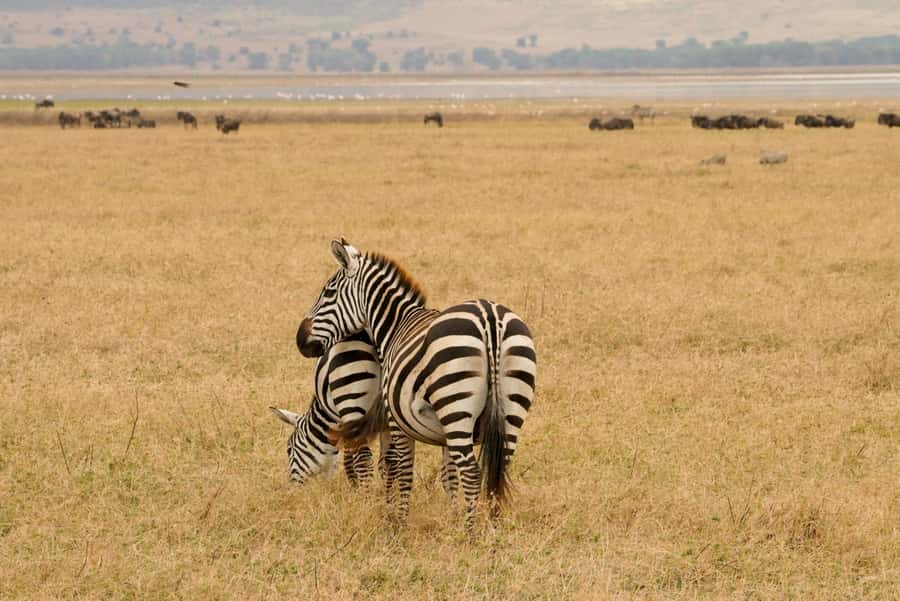
Northern Tanzania gives you several very different wildlife settings in a compact trip. Tarangire is known for elephants and baobab trees. Serengeti opens into wide grasslands associated with lions, cheetahs, zebras, and the Great Migration. Ngorongoro Crater then provides a concentrated wildlife outing inside an old volcanic caldera.
The route is efficient, but it is not leisurely. You spend substantial time in a safari vehicle, moving between parks and camps on rough roads. That is part of the experience, yet it can be tiring, especially for anyone with back problems or limited mobility.
A group of six is a sensible middle ground. You do not get the privacy of a private safari, but you also avoid a large vehicle packed with people. A smaller group can make meal times, camp setup, and wildlife stops easier to manage. Ask how many people will actually be in your vehicle, since the group limit is one of the most important practical details here.
More Safaris in Arusha
- Serengeti Balloon Safari and authentic bush breakfast
★ 5.0 · 2,480 reviews - Balloon Safari & Bush Breakfast in Serengeti – Miracle Experience
★ 5.0 · 1,646 reviews - 4 Days Group Camping Safari
★ 5.0 · 1,101 reviews
Day 1: Tarangire’s elephants and baobab country
Your first morning begins with pickup in Arusha and a drive toward Tarangire National Park. The early start helps fit in a game drive on arrival, though you should expect a long day from the start.
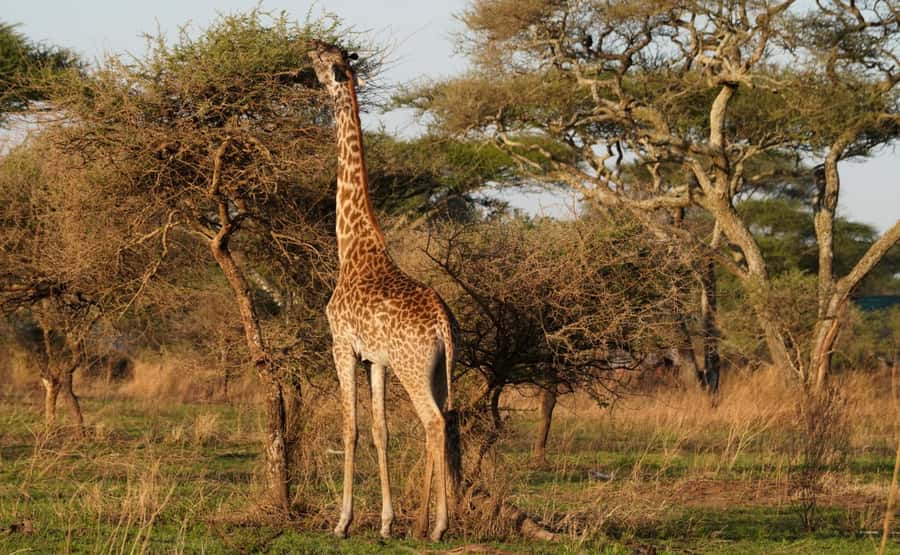
Tarangire is a fine opening park because its character is easy to recognize. Large elephant groups are the headline sight, while broad baobab trees give the park a distinctive look. You may also see other wildlife during the drive, but the strongest promise here is the chance to watch elephants in a setting that feels very different from the open Serengeti.
Lunch is provided in the park, followed by an afternoon game drive. This two-part schedule gives you more time to look for animals rather than treating Tarangire as a quick stop on the way to somewhere else.
At night, you stay at camp in or around the Tarangire area. The appeal is simple: you are spending the night close to the sounds and atmosphere of the park instead of returning to a town hotel. Camping also keeps the trip price below many lodge-based safaris, though it asks more of you. Expect basic conditions, bring warm clothing, and keep your luggage compact.
Day 2: The long road to Serengeti
After breakfast, you travel toward Serengeti National Park. This is one of the route’s longest moving days, so the scenery outside the vehicle becomes part of the experience. The drive gives you a look at rural Tanzania and the changing surroundings before the open Serengeti appears.
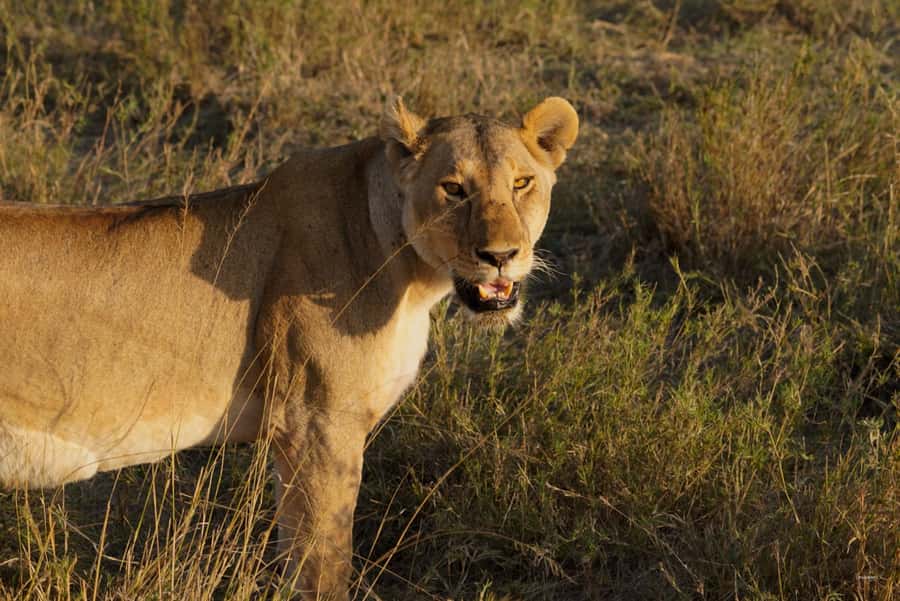
The Serengeti is the emotional center of the trip for many people. Its wide plains are strongly linked with the Great Migration, but migration sightings depend on the time of year and the animals’ location. You should not treat the migration as a guaranteed event on a four-day schedule. The permanent wildlife appeal is stronger: lions, cheetahs, zebras, and other animals live here throughout the year.
An afternoon game drive begins after you reach the park. This timing means your first Serengeti look is likely to be brief compared with a full day, but it gives you an immediate taste of the scale of the area. The open country can make animal sightings feel dramatic, especially when a predator or herd appears against the grass.
You camp in the Serengeti that night. This is the most atmospheric part of the camping plan, since the sounds of the wilderness continue after the vehicle stops. Keep your expectations realistic. This is not a luxury camp with a private room and hotel-style facilities. It is an outdoor safari experience, and comfort depends partly on your attitude and partly on how well the operator manages the camp.
Day 3: Sunrise wildlife and the road to Ngorongoro
Day three starts early with a sunrise game drive in the Serengeti. This is a smart use of time. Early morning is described as a period when predators are still active and the plains are beginning to stir, so you have a better chance of seeing wildlife before the heat of the day.
You return to camp for lunch, then continue toward Ngorongoro Crater. This day combines some of the best wildlife viewing with another significant road journey. If you dislike long transfers, four days may feel compressed. If your priority is seeing several famous parks, the busy schedule is the tradeoff.
The drive to the crater offers changing views before you reach camp near the rim. The evening is left for rest, which you will probably appreciate after the morning drive and afternoon transfer. There is no crater game drive on this day, so the main event is saved for the final morning.
Meals are a notable part of the camping setup. A personal chef prepares food three times a day, and strong praise has focused on both the quality and consistency of the meals. That matters more than it may sound. After hours on rough roads, a hot breakfast, lunch, and dinner can make the difference between feeling worn out and feeling ready for the next game drive.
More ways to see the Ngorongoro Crater:
- 3 Days Serengeti & Ngorongoro Group Camping Safari
★ 5.0 · 574 reviews - 5 Days Camping Tarangire, Serengeti & Ngorongoro crater & Visiting Maasai
★ 5.0 · 229 reviews - 4 Days Join Group tour Tarangire Serengeti and Ngorongoro crater
★ 5.0 · 219 reviews - 4-Day Safari from Arusha: Tarangire, Serengeti and Ngorongoro
★ 5.0 · 173 reviews
Day 4: Inside Ngorongoro Crater
The final wildlife outing takes you down into Ngorongoro Crater. The crater is a UNESCO World Heritage site and one of Tanzania’s most concentrated places for animal viewing. Its enclosed volcanic setting gives the day a different feel from the broad Serengeti plains.
The tour description specifically points to abundant wildlife and the Big Five. Sightings are never guaranteed, but Ngorongoro is selected for its high concentration of animals. You should have a strong chance of seeing a range of wildlife during the morning game drive, provided conditions and animal movements cooperate.
The crater descent and return add a memorable physical shape to the day. You leave the rim, explore below, then climb back up before beginning the drive to Arusha. After a morning among wildlife, the return journey arrives in the afternoon.
This final day is effective but demanding. There is no extra night in Arusha, and the drive back follows the crater outing. If you need a quiet recovery day before a flight, add one separately. International and domestic flights are not included, so leave enough time between your safari return and any onward departure.
Camping, food, and the small-group setup
Camping is the heart of this experience, not just a cheaper sleeping arrangement. You spend nights near Tarangire, Serengeti, and Ngorongoro rather than using the parks only during daylight. That creates a stronger connection to the setting, with evening and early morning becoming part of the safari.
The tradeoff is basic comfort. Night temperatures can fall to around 5°C, so bring a proper jacket, warm sweater, and socks. Neutral clothing such as beige, green, or white is recommended, and bright colors are discouraged. Mosquito repellent with a high mint concentration is also recommended.
The 10-kilogram luggage limit requires discipline. Use a soft duffel bag rather than a hard suitcase. Extra luggage can be stored at your hotel, which is useful if you are combining the safari with a longer Tanzania trip.
Food is one of the most praised parts of the experience. A chef prepares three meals per day, and the positive feedback includes specific praise for the taste of the cooking. Mineral water is also included during the safari, which saves you from arranging your own supply each day.
The English-speaking guide is central to the quality of the trip. Steve has been praised for friendly service and helping deliver a full Big Five experience. Anthony has also received praise for cheerful guiding and safe driving over rough tracks. These names are useful when you confirm your booking, since you can ask who is scheduled to lead your group.
Vehicles, roads, and what to ask before departure
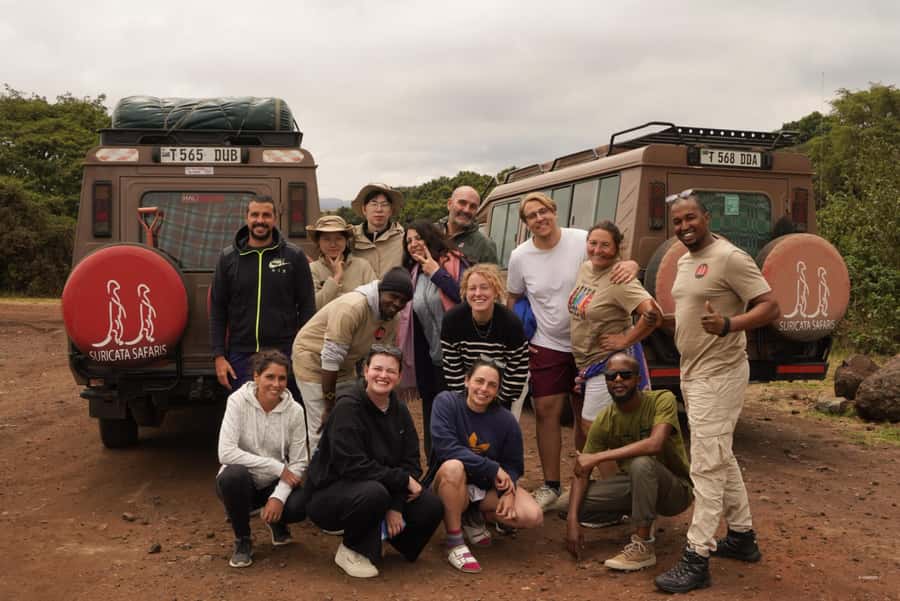
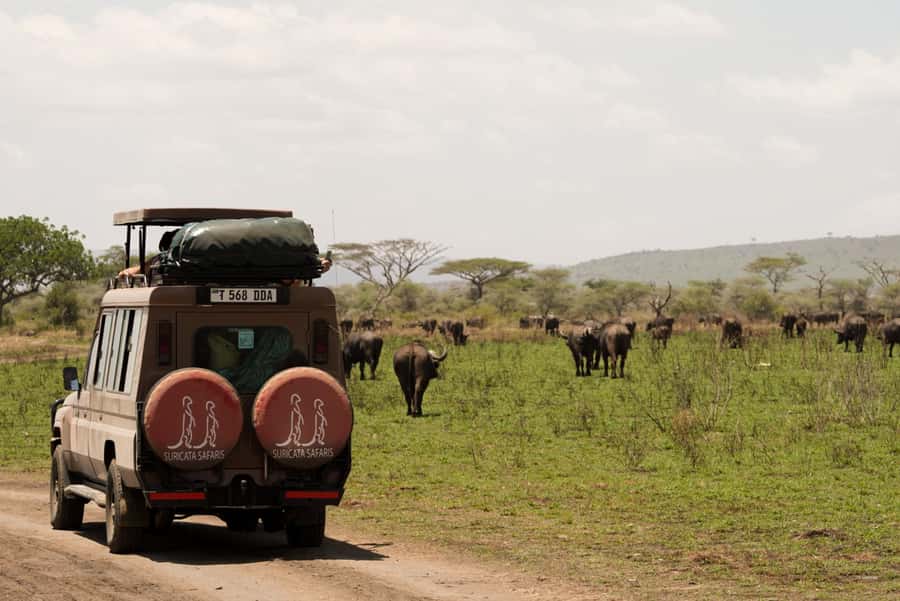
A 4×4 safari vehicle is included, but the vehicle condition is worth checking. One very negative report described the car as terrible, which contrasts sharply with the otherwise strong feedback. That does not prove every vehicle is poor, but it is enough reason to ask practical questions before you go.
Ask how old the vehicle is, how often it is serviced, and whether it has a working pop-up roof or open viewing windows. Also ask how many people will share it and whether every passenger has a window seat. These details matter on game drives, when a few inches of position can affect your view.
Expect rough roads. Anthony was specifically praised for handling difficult tracks safely, which tells you that the driving conditions can be demanding. Anyone with back problems should avoid this trip, and wheelchair users are not considered suitable for the activity.
Binoculars are strongly useful for distant animals and birds. A guide will have one pair available to share, but your own pair gives you more freedom and avoids waiting for someone else to finish looking.
Is $1,150 a fair price?
At $1,150 per person, the price includes the main costs that can make a Tanzania safari expensive: park entrance fees, a 4×4 vehicle, an English-speaking guide, accommodation, meals, and mineral water. For a four-day route covering three major conservation areas, that package can represent solid value.
The price is less attractive if you want private travel, more relaxed drives, or lodge accommodation. It is aimed at people who prefer seeing more parks in less time and accept shared transport and camping conditions.
Before paying, compare the final price with the direct price from Suricata Safaris Ltd and check whether a booking intermediary has added a markup. One complaint specifically raised concern about paying more through a third party than the tour itself cost. A quick price comparison can prevent an unpleasant surprise.
Free cancellation up to 24 hours before departure and the reserve-now, pay-later option provide useful flexibility. Still, read the final booking terms carefully, since the included services and luggage limit matter more than a flexible payment date.
Who will enjoy this safari most?
I would recommend this trip to a first-time safari visitor who wants the classic northern Tanzania route in a short period. You get elephants, baobabs, open plains, predators, crater wildlife, camping, and guided transport without having to coordinate each park yourself.
It also suits people who value food and personal service. The cooking has earned unusually strong praise, while guides such as Steve and Anthony have been noted for friendliness, safe driving, and wildlife knowledge.
I would hesitate to recommend it to anyone who needs a soft bed, short drives, or plenty of downtime. The route is busy, roads can be rough, nights can be cold, and the vehicle quality should be confirmed. Babies under one year old and people over 95 are not considered suitable for this activity.
Should you book it?
Book this safari if your priority is maximum wildlife variety in four days and you are happy with real camping rather than polished lodge comfort. Tarangire, Serengeti, and Ngorongoro give you three distinct settings, and the small group, included meals, and strong guide feedback add real value.
I would book only after confirming the vehicle, exact camp arrangements, group size, and direct price. If those answers are clear, $1,150 is a reasonable package for a compact northern Tanzania safari. If comfort matters more than coverage, spend more time in fewer parks instead.
FAQ
How long is the safari?
The safari lasts four days and begins and ends in Arusha.
Which parks are included?
The route includes Tarangire National Park, Serengeti National Park, and Ngorongoro Crater.
Is transportation included?
Yes. Transportation in a 4×4 safari vehicle is included, along with pickup and return arrangements.
How many people are in the group?
The activity is advertised as a small group limited to six participants.
Is an English-speaking guide included?
Yes. A professional English-speaking guide leads the safari.
Are meals included?
Yes. Accommodation and meals are included during the safari. The camping setup provides three meals per day.
Is drinking water provided?
Mineral water is provided during the safari.
What luggage can I bring?
The luggage limit is 10 kilograms per person. Duffel bags are recommended, and extra luggage can be stored at the hotel.
What should I wear and pack?
Neutral colors such as white, beige, and green are recommended. Bring a warm sweater, socks, jacket, mosquito repellent with a high mint concentration, and binoculars if possible. Night temperatures may fall to around 5°C.
More Tarangire Safaris
- 2 Days Tarangire and Ngorongoro Group Camping Safari
★ 5.0 · 146 reviews - 4 Days Tarangire Serengeti Ngorongoro Crater
★ 5.0 · 117 reviews - 3 Days Tarangire, Ngorongoro & Lake Manyara Group Camping Safari
★ 5.0 · 102 reviews - Tarangire Day Tour
★ 5.0 · 95 reviews
More Serengeti Safaris
- 5-Day Highlights mid-Range Crater, Serengeti, Tarangire
★ 5.0 · 296 reviews - 3-Day Classic Serengeti Safari
★ 5.0 · 263 reviews - Private 6-Day Tarangire Manyara Crater and Serengeti with Mid-Range Lodges
★ 5.0 · 238 reviews - 10-Day Serengeti Wildebeest Migration Safari from Arusha
★ 5.0 · 218 reviews
Just added around Arusha
- 5 Days Safari Tarangire, Serengeti, and Ngorongoro Crater★ 5.0 · 3 reviews
- Love lives in Africa★ 5.0 · 3 reviews
- 5 Days of Safari, Culture & Hot Springs – Tour from Arusha★ 5.0 · 3 reviews
- Arusha National Park Safari by Jeep★ 4.5 · 3 reviews
- 5Days Family _Group Tour Lodging Mid-Range in the Jungle★ 5.0 · 3 reviews
- Serengeti & Ngorongoro 3 Days Budget Safari★ 5.0 · 3 reviews
- 2 Days Tarangire and Ngorongoro Crater Tour★ 5.0 · 3 reviews
- 7 Days PRIVATE Best of Tanzania Safari *Departing everyday*★ 5.0 · 3 reviews
Serengeti Safaris, compared.

Serengeti Balloon Safari and authentic bush breakfast
Read our review →
Balloon Safari & Bush Breakfast in Serengeti – Miracle Experience
Read our review →
3 Days Serengeti & Ngorongoro Group Camping Safari
Read our review →
5-Day Highlights mid-Range Crater, Serengeti, Tarangire
Read our review →


Private 6-Day Tarangire Manyara Crater and Serengeti with Mid-Range Lodges
Read our review →
5 Days Camping Tarangire, Serengeti & Ngorongoro crater & Visiting Maasai
Read our review →Browse the lists this tour appears in