
Reviewed · SERENGETI SAFARIS
4 Days Tarangire, Serengeti, Ngorongoro Mid-range Safari
Wildlife takes center stage here. This four-day safari from Arusha links three of Tanzania’s best-known wildlife areas, giving you elephants beneath baobabs, open Serengeti plains, and a crater packed with animals. I like the small group limit of six and the use of a 4×4 vehicle, which should make game viewing more personal and less cramped.
I also like the balance between early starts and comfortable overnight stays. Lodge and tented camp accommodation, meals, park fees, drinking water, and an English-speaking guide are included, which keeps the trip simple to budget. The main drawback is the fast pace: you cover a lot of ground in four days, and long drives are part of the bargain.
In This Review
- The safari in six useful points
- What $1,800 per person covers
- Day 1: Tarangire’s elephants and baobab country
- Day 2: The long road to the Serengeti
- Day 3: A Serengeti sunrise, then the Ngorongoro Highlands
- Day 4: Ngorongoro Crater before returning to Arusha
- Transport, group size, and the daily rhythm
- Who will get the most from this four-day route?
- My call: good value if you want variety over depth
- FAQ
- Where does the safari start and end?
- How long is the safari?
- Which parks and wildlife areas are included?
- Is transportation included?
- Is a guide included?
- How many people can join the group?
- What should I pack for the safari?
The safari in six useful points
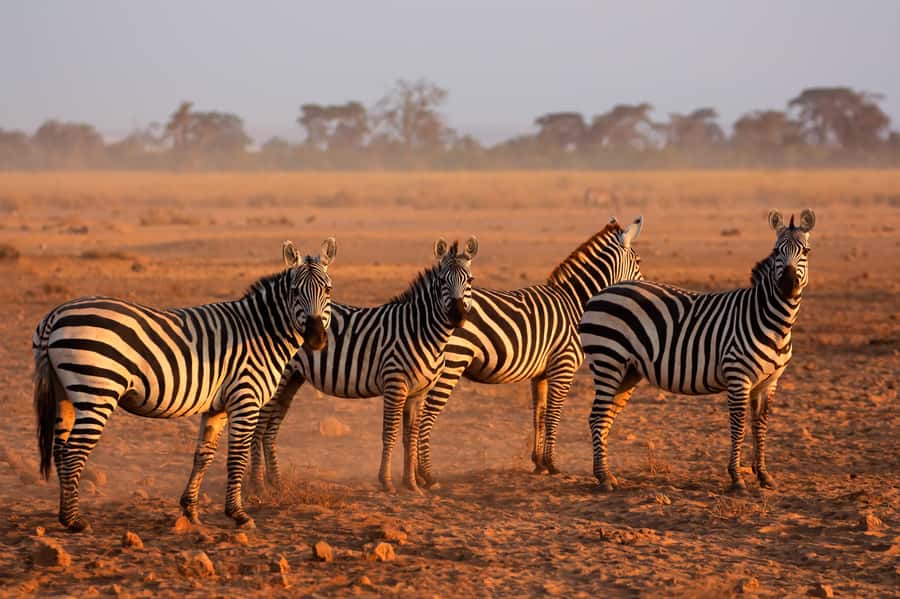
- Tarangire brings the elephants and baobabs: The first park is known for large elephant herds and striking old trees.
- The Serengeti gets the longest wildlife focus: You arrive for an afternoon drive, then return for a sunrise drive the next morning.
- Ngorongoro gives you a compact final game drive: The crater packs varied wildlife into a dramatic volcanic setting.
- A six-person limit matters: Small groups usually make it easier to see from the vehicle and ask your guide questions.
- Damian receives special praise as a guide: He is described as attentive, careful with timing, and committed to good service.
- Pack light and warm: The limit is 10 kilograms per person, and nighttime temperatures can fall to about 5°C.
What $1,800 per person covers
At $1,800 per person, this is not a bare-bones camping trip. Your price includes 4×4 safari transport, park entrance fees, meals, mineral water, accommodation, and an English-speaking guide. Those inclusions matter in Tanzania, where park fees and vehicle costs can add up quickly.
You are also paying for a planned route through three major destinations rather than a single park. That gives you a good range of scenery and wildlife in a short period. The tradeoff is that part of your time goes toward moving between parks instead of watching animals.
The accommodation description points to a mid-range standard. The general plan refers to lodges, while the accommodation feedback describes one excellent lodge and two tented camps. You should therefore expect a comfortable mix rather than identical hotel rooms every night. If a fixed room type matters to you, ask the operator for the exact properties before booking.
The price does not include international or domestic flights, a visa, or travel insurance. You will need to arrange those separately. The package does include pickup in Arusha, with a representative meeting you at your hotel reception while holding a sign with your name.
Free cancellation up to 24 hours before departure and the reserve-now, pay-later option add useful flexibility. Still, check the final booking terms and the available starting times before you commit.
More Safaris in Arusha
- Serengeti Balloon Safari and authentic bush breakfast
★ 5.0 · 2,480 reviews - Balloon Safari & Bush Breakfast in Serengeti – Miracle Experience
★ 5.0 · 1,646 reviews - 4 Days Group Camping Safari
★ 5.0 · 1,101 reviews
Day 1: Tarangire’s elephants and baobab country
The safari begins with an early departure from Arusha. That early start can feel demanding, but it gives you a full first day in Tarangire National Park rather than treating the park as a quick stop on the way to somewhere else.
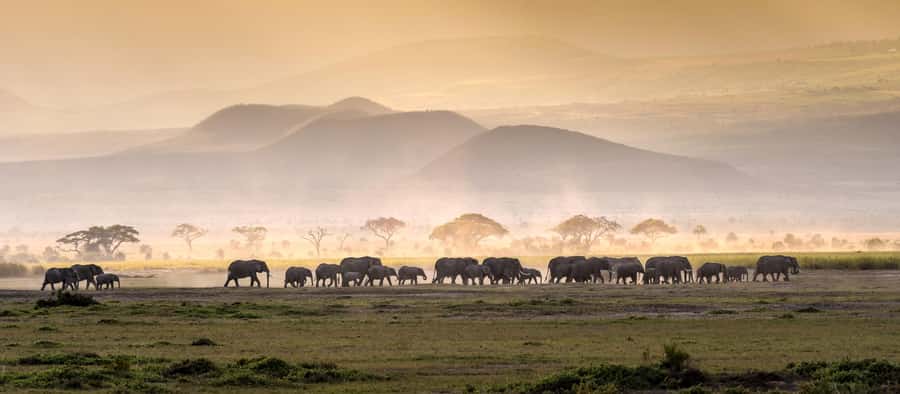
Tarangire is a strong opening act because its scenery is easy to recognize. Large elephant herds and baobab trees give the park a clear personality. The trees create a striking backdrop, while the elephants offer the kind of close wildlife viewing many people hope for on a first safari.
You will take a game drive after arriving, stop for lunch in the park, then continue with an afternoon drive. This split works well because you get two periods for animal sightings instead of one long push. It also gives you a chance to settle into the rhythm of watching, waiting, and letting your guide read the area.
Your guide is central to the quality of this day. The itinerary promises a professional English-speaking guide, and the small group size allows more room for questions about animal behavior and the park itself. You are not simply being driven from one viewpoint to another. The guide helps decide where to pause and how long to watch.
At the end of the day, you head to your accommodation near Tarangire. The appeal here is simple: after a long drive and two wildlife outings, you have a proper place to rest, eat, and prepare for the next morning.
One practical point: do not expect every hour to be action-packed. A safari includes quiet stretches, moving between sightings, and time spent looking carefully at distant animals. That slower pace is part of the experience, though it can test the patience of anyone expecting a constant parade of big cats.
Day 2: The long road to the Serengeti
After breakfast, you leave Tarangire for Serengeti National Park. This is likely the most transit-heavy day, so you should be comfortable spending a good portion of it in the safari vehicle.
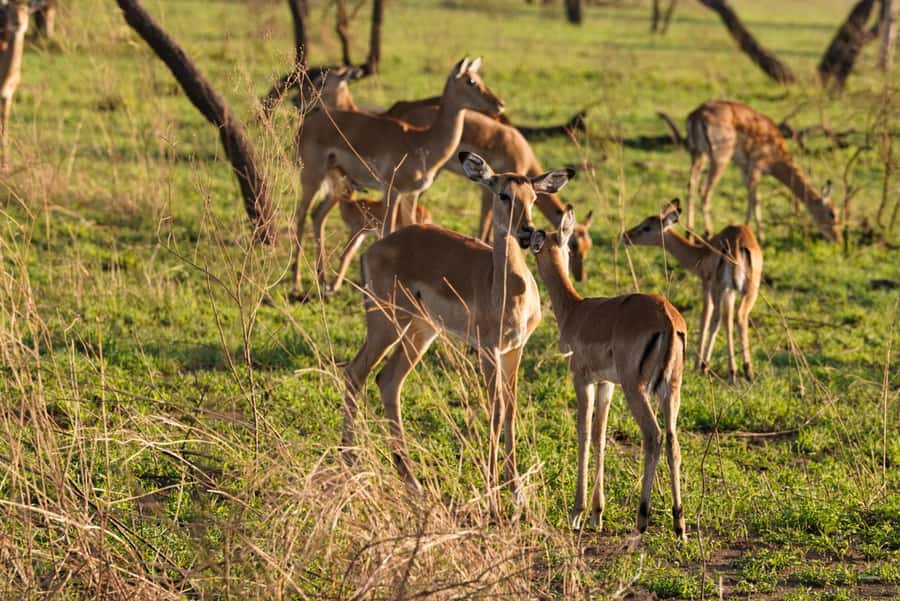
The reward is the change in scenery. The Serengeti is famous for its broad open plains and major predator sightings. The trip description specifically names lions, cheetahs, zebras, and other wildlife. You may also have a chance to look for the Big Five, although no safari can promise a particular animal on a particular day.
You arrive in time for an afternoon game drive. That timing is valuable because you begin exploring the Serengeti on the same day rather than losing the afternoon to check-in. The first drive also gives your guide a chance to learn where wildlife has recently been seen and to shape the next morning’s outing.
Your accommodation is in or around the park, depending on the property used. Sleeping near the wildlife area reduces the need to travel back to Arusha each evening and puts you closer to the next morning’s drive. The setting should feel more connected to the bush than a standard town hotel, especially if your night is in a tented camp.
Comfort will vary by property, but the supplied details describe a mid-range trip with good food and clean, well-kept transport. The vehicle was specifically praised as being in excellent condition, an important detail when you spend hours on rough park roads.
The Serengeti is also where the four-day schedule feels most compressed. You get an afternoon drive and an early drive the following day, but not several full days to follow changing animal movements. If your main goal is the annual migration or extended predator tracking, a longer safari would give you more flexibility.
Day 3: A Serengeti sunrise, then the Ngorongoro Highlands
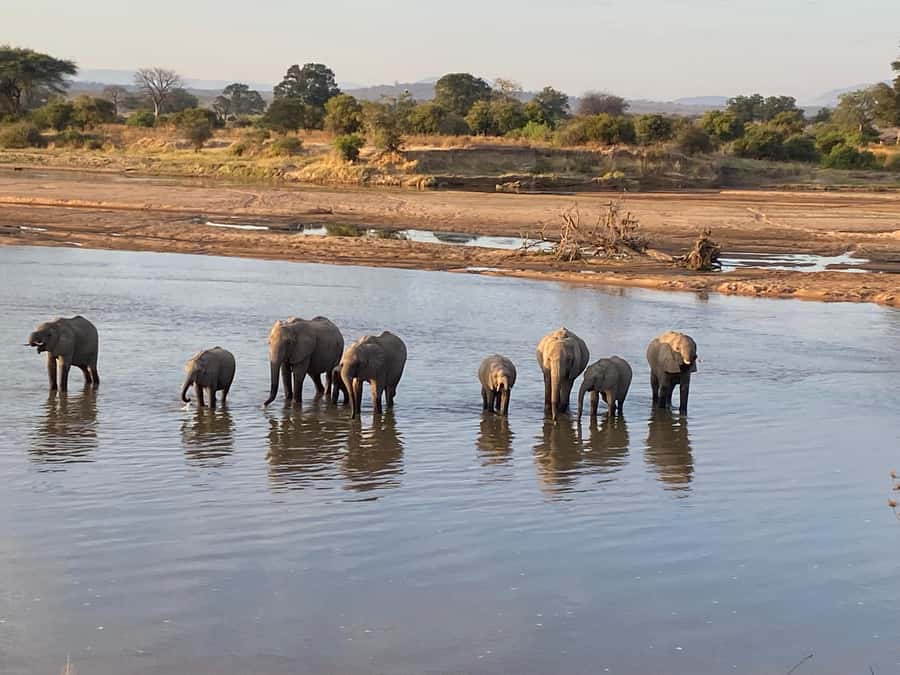
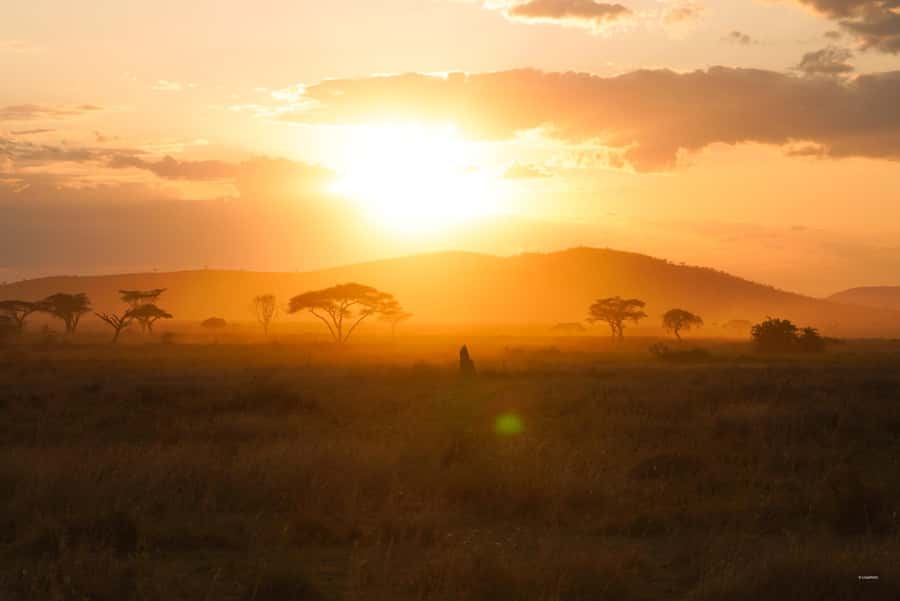
Day three starts early with a sunrise game drive. This is one of the best planned parts of the trip. Dawn is a natural time to look for predators, and the plains can feel especially active as the day begins.
You should be ready before sunrise, with warm layers close at hand. Temperatures can drop to around 5°C at night, and an open safari vehicle will not feel warm simply because Tanzania is a tropical destination. A jacket, sweater, and socks are specifically recommended.
After the morning drive and lunch, you travel toward the Ngorongoro Highlands and the Karatu area. The road gives you a different view of Tanzania, with highland scenery replacing the wide Serengeti plains. This is another substantial driving section, but it sets up the final day well.
You stay in the Karatu area rather than descending into the crater that night. That makes the next morning’s plan more practical. You can rest before the crater drive instead of combining a long transfer with a full game-viewing day.
The accommodation feedback is useful here. The trip has been described as including a particularly good lodge along with two tented camps and satisfying meals. That suggests the comfort level may vary from night to night, but the overall standard is intended to sit above basic camping.
Service is another strong point. Damian, named as the chauffeur-guide, is described as attentive and considerate. That matters on a day with a lot of road time. A guide who keeps to the schedule, checks that you are comfortable, and responds well when plans change can make a long transfer feel far easier.
One guest specifically praised the operator’s response to unexpected problems. That does not remove the normal uncertainties of safari travel, but it suggests the company has a practical approach when weather, roads, animal movements, or timing create a change of plan.
More ways to see the Ngorongoro Crater:
- 3 Days Serengeti & Ngorongoro Group Camping Safari
★ 5.0 · 574 reviews - 5 Days Camping Tarangire, Serengeti & Ngorongoro crater & Visiting Maasai
★ 5.0 · 229 reviews - 4 Days Join Group tour Tarangire Serengeti and Ngorongoro crater
★ 5.0 · 219 reviews - 4-Day Safari from Arusha: Tarangire, Serengeti and Ngorongoro
★ 5.0 · 173 reviews
Day 4: Ngorongoro Crater before returning to Arusha
The final day begins with a descent into Ngorongoro Crater, a UNESCO World Heritage site and one of Tanzania’s most famous wildlife settings. The crater is a huge volcanic caldera, and its enclosed shape creates a concentrated area for game viewing.
This is a fitting final stop because you can look for a broad range of animals in a relatively contained area. The itinerary highlights the Big Five and varied wildlife. You will still need patience and luck, but the crater offers a strong chance for a memorable final game drive.
The morning focus is sensible. You descend, spend the prime part of the day looking for wildlife, then return to the rim before driving back to Arusha. An afternoon arrival is planned, although exact timing can change because road conditions, park procedures, and animal sightings are not fully predictable.
Compared with the Serengeti, the crater can feel more compact and concentrated. That makes it a good contrast to the open plains. It also means the day has a clear structure, which helps when your return to Arusha is still ahead.
The main limitation is time. You will not get an overnight experience on the crater floor, and the safari ends soon after the morning drive. If your flight leaves Arusha that same day, do not assume a perfect connection without checking the timing carefully. The provided plan says you arrive in the afternoon, but it does not promise an exact hour.
Transport, group size, and the daily rhythm
The 4×4 safari vehicle is one of the most important inclusions. You will spend many hours in it, and a clean, well-maintained vehicle makes a real difference. The small group limit of six also gives you a better chance of having a clear view and enough room for your personal gear.
The pace follows a familiar safari pattern: early departures, a morning drive, meals, road transfers, and afternoon viewing. The sunrise drive on day three is the earliest and coldest part, so keep your jacket accessible rather than buried in your luggage.
Mineral water is supplied during the safari. Meals are also included, and the available feedback specifically praises the food. You should still bring any personal snacks or dietary items you need, since the supplied information does not explain special-diet arrangements.
The 10-kilogram luggage limit is strict enough to shape your packing. A soft duffel bag is recommended, and extra luggage can be stored at your hotel. Avoid hard suitcases if possible. They take up awkward space in a safari vehicle and are less practical for tented accommodation.
Pack neutral colors such as beige, green, and white. The operator asks you to avoid bright colors. You should also bring mosquito repellent with a high mint concentration and binoculars if you have them. The guide will have one binocular available to share, but your own pair means you will not need to wait for a turn.
Drones are not allowed. Feeding animals and touching animals are also prohibited, along with wearing bright colors. These rules protect both people and wildlife, so treat them as part of responsible safari conduct rather than minor inconveniences.
Who will get the most from this four-day route?
I would recommend this safari to you if you want Tanzania’s headline parks in a compact package and prefer a bed or tented camp to basic camping. It suits first-time safari visitors who want a guided plan, included meals, park fees, and pickup from Arusha.
It also fits you if a small group matters. Six participants is a manageable number for a shared vehicle, and the English-language guiding keeps communication straightforward.
The trip is less suitable if you dislike long road transfers or need a slow schedule. You move from Tarangire to the Serengeti, then from the Serengeti to Karatu, before returning from Ngorongoro to Arusha. Four days gives you variety, but not much spare time.
It is not suitable for wheelchair users, babies under one year, or people over 95. Those restrictions are stated clearly, and the rough roads, vehicle time, early starts, and crater access explain why careful planning is needed.
My call: good value if you want variety over depth
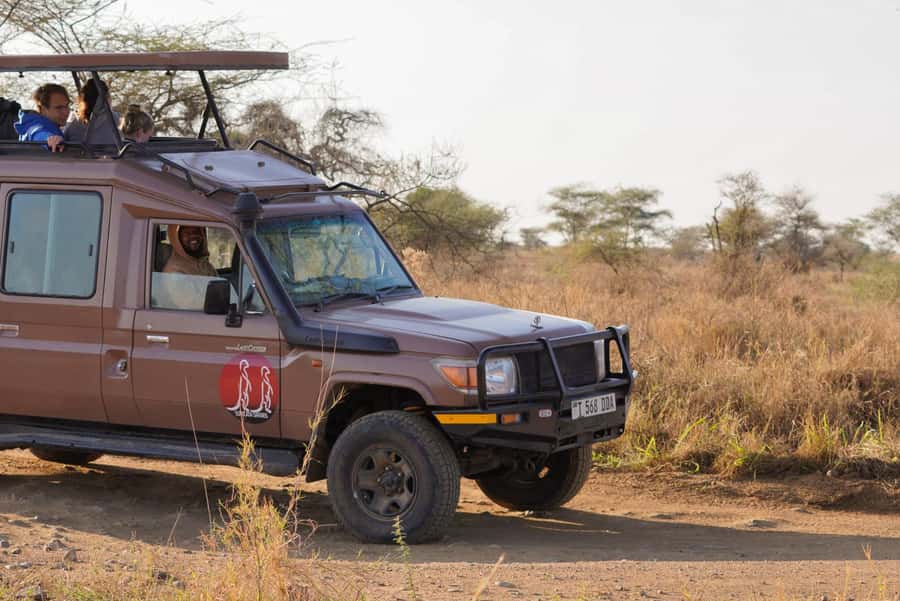
This is a well-shaped short safari. I like the route, the combination of lodge and tented accommodation, the six-person group limit, and the strong attention given to vehicle quality and guiding. Damian’s careful service and the company’s response to unexpected problems add confidence.
At $1,800 per person, the value depends on what you want. You are paying for three major wildlife areas, park fees, transport, meals, water, accommodation, and a guide. That is a substantial package, but the schedule is busy and includes long drives.
Book this safari if you want a comfortable introduction to northern Tanzania and accept that you will see highlights rather than explore each park at length. Choose a longer itinerary if the Serengeti is your main goal, if migration timing matters, or if you want more time to settle into the slower rhythm of safari life.
FAQ
Where does the safari start and end?
The safari starts and ends in Arusha, Tanzania.
How long is the safari?
The experience lasts four days.
Which parks and wildlife areas are included?
The route includes Tarangire National Park, Serengeti National Park, and Ngorongoro Crater.
Is transportation included?
Yes. Transportation is provided in a 4×4 safari vehicle.
Is a guide included?
Yes. An English-speaking professional guide is included.
How many people can join the group?
The group is limited to six participants.
What should I pack for the safari?
Pack neutral-colored clothing, a warm sweater, socks, and a jacket because nighttime temperatures can fall to about 5°C. The luggage limit is 10 kilograms per person, and duffel bags are recommended.
More Tarangire Safaris
- 2 Days Tarangire and Ngorongoro Group Camping Safari
★ 5.0 · 146 reviews - 4 Days Tarangire Serengeti Ngorongoro Crater
★ 5.0 · 117 reviews - 3 Days Tarangire, Ngorongoro & Lake Manyara Group Camping Safari
★ 5.0 · 102 reviews - Tarangire Day Tour
★ 5.0 · 95 reviews
More Serengeti Safaris
- 5-Day Highlights mid-Range Crater, Serengeti, Tarangire
★ 5.0 · 296 reviews - 3-Day Classic Serengeti Safari
★ 5.0 · 263 reviews - Private 6-Day Tarangire Manyara Crater and Serengeti with Mid-Range Lodges
★ 5.0 · 238 reviews - 10-Day Serengeti Wildebeest Migration Safari from Arusha
★ 5.0 · 218 reviews
Just added around Arusha
- 5 Days Safari Tarangire, Serengeti, and Ngorongoro Crater★ 5.0 · 3 reviews
- 5 Days of Safari, Culture & Hot Springs – Tour from Arusha★ 5.0 · 3 reviews
- Love lives in Africa★ 5.0 · 3 reviews
- Arusha National Park Safari by Jeep★ 4.5 · 3 reviews
- 5Days Family _Group Tour Lodging Mid-Range in the Jungle★ 5.0 · 3 reviews
- Serengeti & Ngorongoro 3 Days Budget Safari★ 5.0 · 3 reviews
- 2 Days Tarangire and Ngorongoro Crater Tour★ 5.0 · 3 reviews
- 7 Days PRIVATE Best of Tanzania Safari *Departing everyday*★ 5.0 · 3 reviews
Serengeti Safaris, compared.

Serengeti Balloon Safari and authentic bush breakfast
Read our review →
Balloon Safari & Bush Breakfast in Serengeti – Miracle Experience
Read our review →
3 Days Serengeti & Ngorongoro Group Camping Safari
Read our review →
5-Day Highlights mid-Range Crater, Serengeti, Tarangire
Read our review →


Private 6-Day Tarangire Manyara Crater and Serengeti with Mid-Range Lodges
Read our review →
5 Days Camping Tarangire, Serengeti & Ngorongoro crater & Visiting Maasai
Read our review →Browse the lists this tour appears in