
Reviewed · WILDLIFE TOURS IN ARUSHA
6 Day: Magnificent Wildlife Adventure
Africa gets under your skin quickly. This six-day safari packs four major Tanzanian parks into one carefully planned route, giving you elephants beneath baobabs, wide Serengeti plains, crater wildlife, and a taste of Lake Manyara without having to arrange each transfer yourself. I especially like the included meals and park fees, which make the $5,000 price easier to understand, and the chance to shape your game-drive schedule with your guide.
I also like the open-roof 4×4, which gives you a clear view for photography and animal spotting. The main concern is the amount of time spent driving between parks, along with some confusing information about the final day and whether the safari is private or shared. Confirm those details before paying.
In This Review
- Key things to know before booking
- Why this safari works for a first Tanzania trip
- Day 1: Baobabs and elephants in Tarangire
- Day 2: The long, rewarding road into Serengeti
- Day 3: A flexible Serengeti day
- Day 4: Sunrise in Serengeti, then toward Ngorongoro
- Day 5: Ngorongoro Crater’s concentrated wildlife
- Day 6: Lake Manyara, and an itinerary detail to verify
- The 4×4, meals, and daily comfort
- Who should book this safari?
- Should you book the Magnificent Wildlife Adventure?
- FAQ
- Where does the safari start?
- Where does the safari end?
- How long is the experience?
- Which national parks are included?
- Is transportation included?
- Are meals included?
- Are park fees and taxes included?
- Is the balloon safari included?
- What is not included in the price?
Key things to know before booking
- Four famous parks in six days: Tarangire, Serengeti, Ngorongoro Crater, and Lake Manyara are all included in the planned route.
- Tarangire is the elephant day: Baobab trees, a wildlife-filled river, and one of Tanzania’s largest elephant concentrations set the tone early.
- Two nights around the Serengeti: Day 2 gets you into the park, while Day 3 gives you a more flexible full day for game drives.
- Ngorongoro rewards an early start: A pre-dawn departure is suggested so you can reach the crater floor when animals are most active.
- Meals and transport are covered: Six breakfasts, six lunches, five dinners, park fees, taxes, and a safari vehicle are included.
- Check the final schedule: The Day 6 description repeats Ngorongoro details even though Lake Manyara is named as the stop.
Why this safari works for a first Tanzania trip
For a first safari in Tanzania, planning the route can feel like a second job. The parks are not next door to one another, and the value of a good driver-guide becomes clear when road conditions, animal sightings, meal timing, and park rules all need attention at once.
This tour removes much of that work. Pickup in Arusha is included, the safari vehicle is supplied, and the guide handles the driving between parks and the game drives. You can focus on the view instead of worrying about directions or entrance arrangements.
The route also gives you useful variety. Tarangire offers baobabs and elephants. Serengeti provides the broadest sense of open country and the best chance of seeing large predators. Ngorongoro gives you dense wildlife viewing in a remarkable natural setting. Lake Manyara adds a different park environment, though the schedule needs clarification.
At $5,000 per person, this is not a budget safari. The value depends heavily on the accommodation level and on how many people share the vehicle, details that are not fully stated. The package does include six breakfasts, six lunches, five dinners, all fees and taxes, a professional driver-guide, and a 4×4 with a pop-up roof. Those inclusions prevent a long list of extra charges, but you still need to budget for international flights, a visa, insurance, personal items, and tips for the driver, guide, and chef.
More Wildlife Tours in Arusha
- Tanzania Wildlife Encounters – 6 Days
★ 5.0 · 277 reviews - 6 Day Tanzania Wildlife Mid range Safari
★ 5.0 · 54 reviews - 5 Days 4 Nights Tarangire, Serengeti , Ngorongoro & Manyara Wildlife Safari
★ 5.0 · 40 reviews
Day 1: Baobabs and elephants in Tarangire
Your driver picks you up from your Arusha hotel at 8 a.m. and takes you toward Tarangire National Park. The listed park visit lasts about six hours, so this is a full opening day rather than a quick stop on the way to somewhere else.
Tarangire is a fine place to begin. Its nine vegetation zones create changing scenery, and the famous baobabs give the park a look you will not confuse with the Serengeti. These old trees can appear enormous beside a giraffe or elephant, making even an ordinary animal sighting feel like a carefully framed photograph.
The Tarangire River is the main wildlife magnet described for this day. You may see elephants, zebras, giraffes, buffaloes, antelopes, lions, leopards, and many bird species. The park is especially noted for its elephant population, so you have a good chance to watch family groups moving, feeding, or gathering near water.
The lunch stop is described as a scenic area, though the supplied details cut off before explaining it fully. Lunch is included, which helps on a day when you are away from Arusha for many hours.
I would keep expectations sensible. No safari can promise a leopard, lion, or any other particular animal. Tarangire gives you strong odds for elephants and a good mix of wildlife, but sightings depend on season, water, and luck. The guide’s ability to read the park matters a great deal here.
Day 2: The long, rewarding road into Serengeti
After an early breakfast, you set out for Serengeti National Park. The journey is long, but the changing scenery is part of the experience. As you move farther into the park, the open plains begin to explain the name Serengeti, often translated as endless plains.
The park covers about 6,900 square miles, or 18,000 square kilometers. That scale matters. You are not entering a small wildlife enclosure where every animal is around the next bend. Distances can be deceptive, and a long drive may end with a single extraordinary sighting rather than a constant parade of animals.
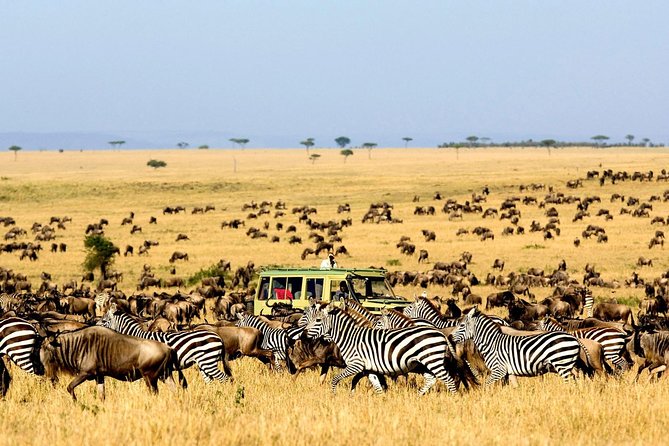
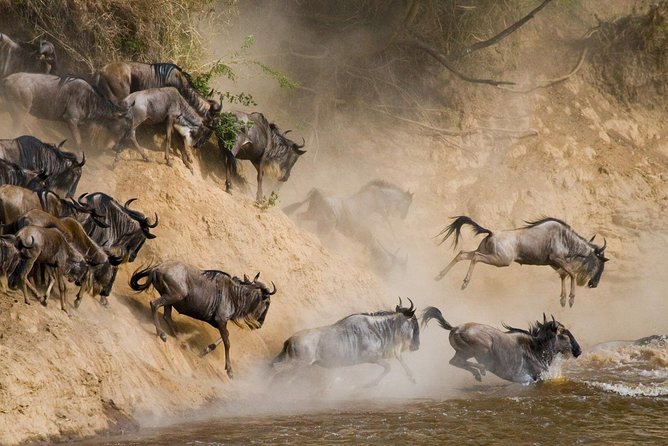
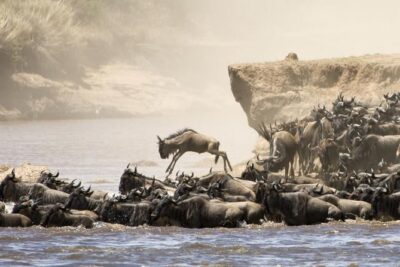
Serengeti is associated with the Great Migration, involving roughly two million wildebeests along with large numbers of zebras and antelopes. The timing of the migration is important, and this six-day schedule does not promise a particular migration location. Ask the operator where the route is expected to be during your dates.
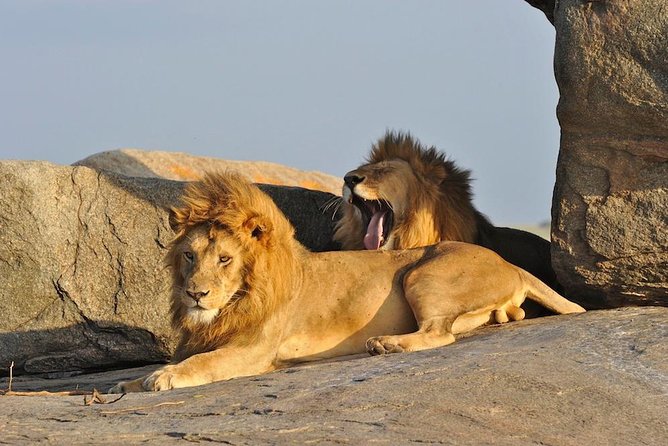
The park is also a major destination for big cats and other predators. Lions, cheetahs, and leopards are among the animals you might seek, while hyenas and other hunters may also appear. One account of this safari described seeing migrating wildebeests, lions with cubs, and cheetahs hunting. That is a thrilling combination, but it is best treated as a fortunate possibility, not a guarantee.
The listed game-drive period is about six hours. Since much of the day includes travel into the Serengeti, ask how much actual game-drive time is expected and where you will spend the night. The package includes dinner and overnight arrangements, but the exact accommodation is not clearly identified for every night.
Day 3: A flexible Serengeti day
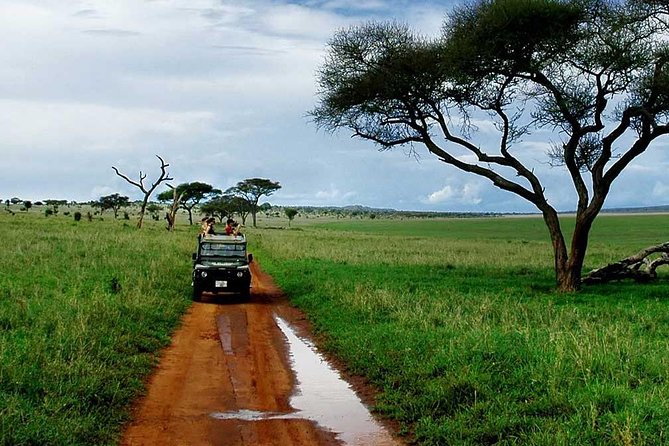
Day 3 is the safari’s breathing room. You remain in the Serengeti for a full day and can discuss the timing with your guide. That flexibility is one of the strongest features of this trip.
You might choose a morning game drive, return to camp for lunch and a rest, then go out again in the afternoon. Or you might take a full-day drive with a picnic lunch. The better choice depends on your priorities. If you want to photograph early light and active animals, choose the morning option. If you would rather cover more ground, a full-day outing may suit you better.
The schedule also mentions an early morning balloon safari at extra cost. That is not included in the $5,000 price, so treat it as an optional add-on rather than part of the standard experience.
I like the fact that wake-up time and game-drive timing are discussed day by day. Safari fatigue is real. Hours in a vehicle can be exciting, but they can also be tiring, especially when roads are rough. A flexible plan lets you choose between chasing sightings and enjoying a slower camp routine.
Past guests singled out guides such as Chedi, Idd, Joseph, Lucus, Freddy, and others for safe driving, humor, patience, and strong animal knowledge. Guide assignments can change, so those names should not be treated as a promise. Still, the repeated praise for the guiding team points to the human side of this safari: a good guide can turn empty-looking grassland into a lesson in tracks, movement, and animal behavior.
More wildlife tours:
- 4 Days Wildlife Safari and Cultural Experience in Tanzania
★ 5.0 · 23 reviews - 8 Days 7 Nights Tanzania Wildlife & Culture Lodge Safari
★ 5.0 · 17 reviews - Tanzania Wildlife Cultural Safari from Arusha.
★ 5.0 · 11 reviews - Arusha: Day Trip to Serval Wildlife – Feed Giraffes & Lions
★ 4.8 · 10 reviews
Day 4: Sunrise in Serengeti, then toward Ngorongoro
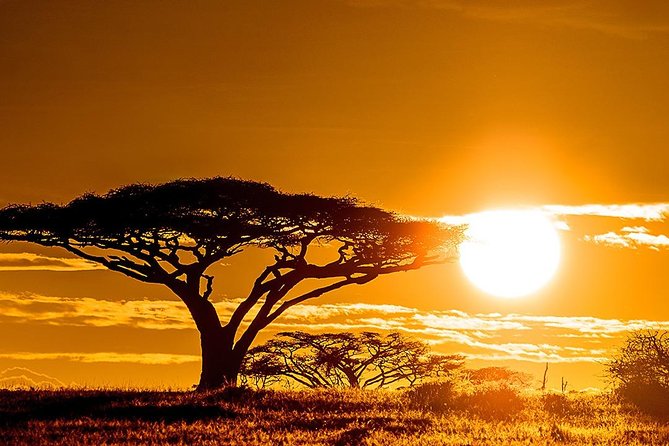
Day 4 begins early, by design. The plan suggests a sunrise game drive, when animals are often more active and the light is at its best. You return to camp or lodge for brunch, then continue with more Serengeti driving before heading toward Ngorongoro.
This is a visually rewarding but busy day. You get a final chance to search the Serengeti, then spend part of the afternoon traveling toward the crater area. The route is practical, but you should not expect a relaxed day beside the pool.
The overnight accommodation named for this night is O’ldeani Mountain Lodge, with dinner included. That is a useful change from a tent-based setup if your itinerary uses both camping and lodge accommodation, but the package description does not give a full accommodation list. Ask specifically what type of room or tent is included and whether the same arrangement applies to everyone in your party.
An early night would be sensible. The following morning requires another early start for the crater floor, and that is one of the most important wildlife opportunities on the trip.
Day 5: Ngorongoro Crater’s concentrated wildlife
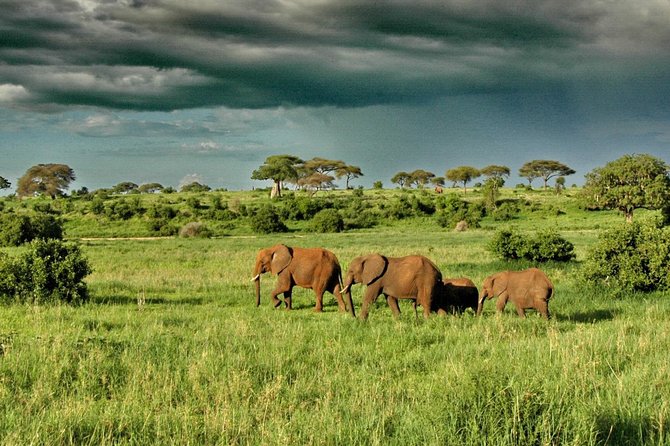
Ngorongoro Crater is the kind of place where the setting competes with the animals. The crater covers about 102 square miles and is surrounded by walls roughly 2,000 feet high. Once you descend, the enclosed floor creates a concentrated wildlife area with open plains, wetlands, a river, a soda lake, and forest.
The itinerary describes Ngorongoro as one of the best places in Tanzania for game viewing because of its high animal population. In a relatively short period, you might see wildebeests, elands, lions, zebras, gazelles, elephants, and blue monkeys. More than 500 bird species are associated with the area, and the soda lake may attract flamingos.
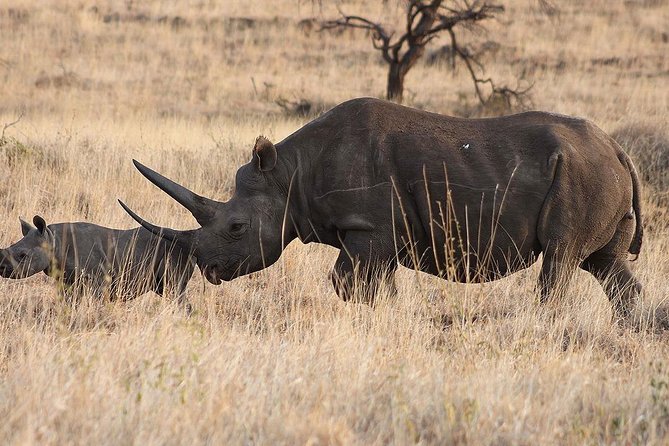
The black rhino is one of the most important possibilities here. Sightings are never assured, but Ngorongoro is one of the rare East African locations where you might see one.
The large elephants of Ngorongoro are another highlight. The crater’s varied habitats allow you to look for different animals without the same wide-ranging drives required in the Serengeti. That makes this day particularly good for families or anyone who wants a strong chance of seeing several species in one outing.
A picnic lunch near the hippo lake is included. Stay alert around the water and follow your guide’s instructions. Wildlife is close, and the point of a safari is to watch animals on their terms, not to approach them.
Day 6: Lake Manyara, and an itinerary detail to verify
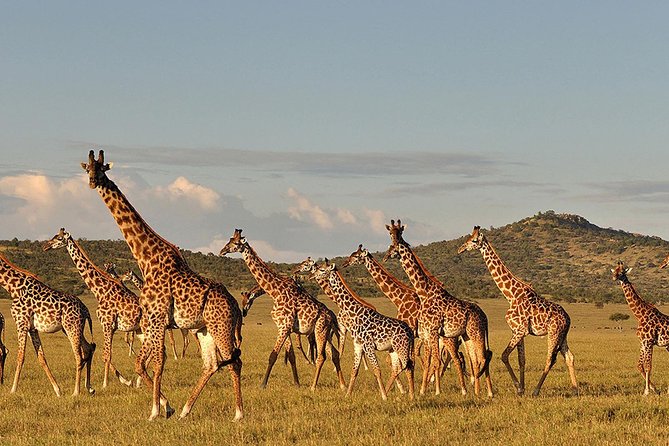
Lake Manyara National Park is named as the final stop, and it would add a different setting to the trip after the open Serengeti and crater floor. The supplied schedule, however, describes another early descent into Ngorongoro, a crater game drive, a picnic near the hippo lake, and an ascent out of the conservation area.
That is a clear inconsistency. The Day 6 heading says Lake Manyara, but the description repeats Ngorongoro content. Before booking, ask three direct questions:
- Is Lake Manyara actually visited?
- Is the crater game drive on Day 5 or Day 6?
- Where does the final night take place, and what time do you return to Arusha?
This does not necessarily mean the safari is poorly organized. It may be a simple itinerary-copy error. But the difference matters, especially if Lake Manyara is one of the main reasons you choose this route.
The tour is listed as ending back at the meeting point in Arusha. Airport pickup and drop-off are also described as free, which is helpful if your arrival or departure connects closely with the safari. Still, get the timing in writing before arranging a same-day flight.
The 4×4, meals, and daily comfort
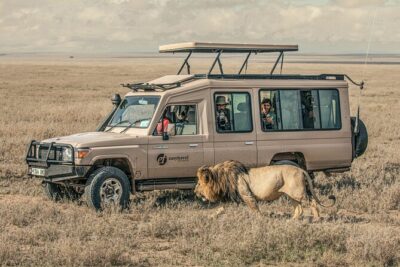
The safari vehicle is a 4×4 jeep with a pop-up roof and six window seats. The open roof is important. It lets you look upward at birds and giraffes, scan the grassland, and take photographs without shooting through glass.
The vehicle is also your main living room for much of the trip. Six seats suggest a small vehicle, but the listing gives conflicting information about group size. It describes the activity as both a private tour for your group and a group safari. Ask how many people will be in the vehicle and whether the six seats are guaranteed for your booking.
Meals are a strong practical inclusion:
- Six breakfasts
- Six lunches
- Five dinners
Tips for the safari driver, guide, and chef are not included. International flights, visa fees, travel insurance, and personal items are also outside the package. Put those costs into your total budget rather than judging the headline price alone.
The tour is intended for most participants, and confirmation is provided at booking. No special physical requirements are stated, but six-hour game-drive days and early mornings require patience and comfort with long periods in a vehicle.
Who should book this safari?
I would recommend this trip to someone who wants a classic northern Tanzania route in one package. It suits first-time safari visitors, couples, families, and photographers who want both open-roof viewing and flexible time in the Serengeti.
It is also a good fit if you value personal service. The strongest praise is directed at communication, safe driving, friendly staff, and guides who adjust the day around animal sightings and personal interests. Anita is specifically praised for answering questions and staying attentive to individual needs. That kind of pre-trip communication is worth seeking before you arrive.
I would be more cautious if you dislike long drives, need a fixed luxury hotel plan, or want a tightly confirmed daily schedule. The price is high, and the accommodation details are too thin to judge the full comfort level. Confirm the private versus group format, the exact lodging, the final-day route, and the Lake Manyara visit.
Cancellation is free if you cancel at least 24 hours before the local start time. Later cancellations and changes are not refunded, and poor weather may lead to a new date or full refund.
Should you book the Magnificent Wildlife Adventure?
Book it if you want four major northern Tanzania parks, included meals and fees, an open-roof 4×4, and a guide who can shape the safari around your interests. The Serengeti and Ngorongoro portions are the heart of the trip, while Tarangire gives you an excellent opening with elephants and baobabs.
Before committing $5,000, ask for a final written itinerary. The Day 6 confusion and the private versus group wording are easy to fix, but they should be fixed before you pay. If the operator confirms a sensible vehicle size, clear accommodation, and a genuine Lake Manyara visit, this could be a strong, well-supported introduction to Tanzania’s northern parks.
FAQ
Where does the safari start?
The safari starts in Arusha, Tanzania, with hotel pickup offered at about 8 a.m.
Where does the safari end?
The activity ends back at the meeting point in Arusha. Free airport pickup and drop-off are also listed.
How long is the experience?
The safari lasts approximately six days.
Which national parks are included?
The planned route includes Tarangire National Park, Serengeti National Park, Ngorongoro Crater, and Lake Manyara National Park.
Is transportation included?
Yes. Transportation is provided in a 4×4 safari jeep with a pop-up roof and six window seats.
Are meals included?
Yes. The package includes six breakfasts, six lunches, and five dinners.
Are park fees and taxes included?
Yes. All fees and taxes are listed as included.
Is the balloon safari included?
No. The early morning Serengeti balloon safari is an optional activity that requires an extra payment.
What is not included in the price?
International flights, tips for the safari driver, guide and chef, personal items, travel insurance, and visa fees are not included.
More 6-Day Experiences
- Private 6-Day Tarangire Manyara Crater and Serengeti with Mid-Range Lodges
★ 5.0 · 238 reviews - 6 Days Private Budget Safari
★ 5.0 · 163 reviews - 6 Days Tanzania Budget Camping Safari
★ 5.0 · 145 reviews - Tanzania Enticing Explorations – 6 Days
★ 5.0 · 106 reviews
Just added around Arusha
- 5 Days Safari Tarangire, Serengeti, and Ngorongoro Crater★ 5.0 · 3 reviews
- Love lives in Africa★ 5.0 · 3 reviews
- 5 Days of Safari, Culture & Hot Springs – Tour from Arusha★ 5.0 · 3 reviews
- Arusha National Park Safari by Jeep★ 4.5 · 3 reviews
- 5Days Family _Group Tour Lodging Mid-Range in the Jungle★ 5.0 · 3 reviews
- Serengeti & Ngorongoro 3 Days Budget Safari★ 5.0 · 3 reviews
- 2 Days Tarangire and Ngorongoro Crater Tour★ 5.0 · 3 reviews
- 7 Days PRIVATE Best of Tanzania Safari *Departing everyday*★ 5.0 · 3 reviews
Wildlife Tours in Arusha, compared.
5 Days 4 Nights Tarangire, Serengeti , Ngorongoro & Manyara Wildlife Safari
Read our review →
4 Days Wildlife Safari and Cultural Experience in Tanzania
Read our review →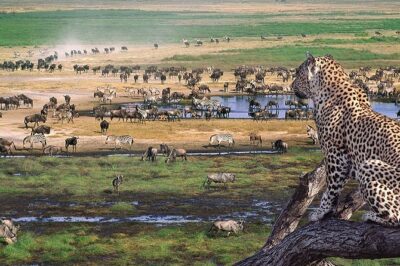
8 Days 7 Nights Tanzania Wildlife & Culture Lodge Safari
Read our review →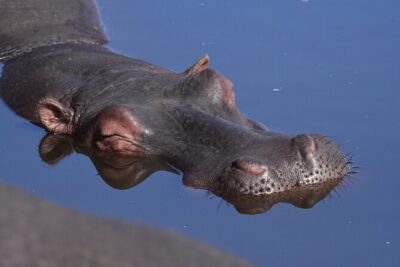
Tanzania Wildlife Cultural Safari from Arusha.
Read our review →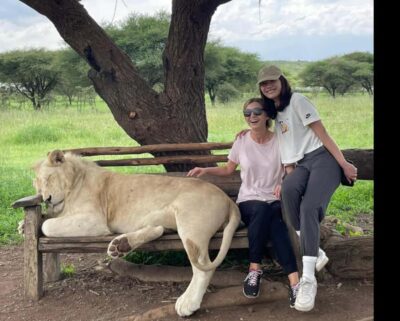
Day Trip to Serval Wildlife – Feed Giraffes & Lions
Read our review →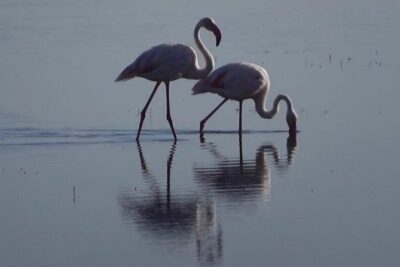
Browse the lists this tour appears in