
Reviewed · WILDLIFE TOURS IN ARUSHA
Tanzania Wildlife Cultural Safari from Arusha.
The wild heart of Tanzania rewards slow travel. This 11-day safari combines four major national parks with Lake Eyasi, an Iraqw cultural visit, a forest hike, and time with the Hadzabe people. I like the small-group setup, with no more than six people in a custom 4×4, and I like the broad route, which gives you wildlife, scenery, and culture rather than one long parade of game drives. The main drawback is the amount of time spent on the road, especially between Arusha, Serengeti, and the southern parks.
I also like that the advertised $4,999 price covers meals, lodging, park entry fees, and airport transfers. Guides such as Yusuph, Marck, Baraka, Swai, and Moses have earned strong praise for their friendly manner and sharp animal-spotting skills. Still, accommodation names are often listed as similar alternatives, so you should confirm the exact lodges before paying.
In This Review
- Key points to know before booking
- Why this route works for a first Tanzania safari
- Day 1: A gentle start in Arusha
- Day 2: Mount Meru and Arusha National Park
- Day 3: Lake Manyara’s forest, lake, and tree-climbing lions
- Day 4: A forest walk and Iraqw culture near Karatu
- Day 5: Lake Eyasi and the Hadzabe community
- Days 6 to 8: The Serengeti gets the time it deserves
- Day 9: Into the Ngorongoro Crater
- Day 10: Tarangire’s elephants and baobabs
- Day 11: A quiet morning and airport transfer
- What $4,999 includes, and where the value lies
- Who should book this safari?
- FAQ
- How long is the Tanzania Wildlife Cultural Safari?
- How many people can share one safari vehicle?
- Which national parks are included?
- Are meals and park fees included?
- Does the safari include cultural visits?
- What is the cancellation policy?
- Should you book it?
Key points to know before booking
- Six people maximum per vehicle: Every person gets a window seat, and the open roof makes it easier to watch animals and take photographs.
- Four major parks in one route: You visit Arusha, Lake Manyara, Serengeti, Ngorongoro Crater, and Tarangire, with the crater and Serengeti providing the main wildlife highlights.
- Culture is built into the trip: The program includes the Iraqw community, Hadzabe families near Lake Eyasi, and an optional Maasai village visit.
- Two full Serengeti days: This gives you a better chance of finding lions, cheetahs, wildebeest, and zebra than a rushed one-night stop.
- A mix of active and easy days: The Ngorongoro forest walk takes about two hours, while other days focus on sitting in the vehicle and watching wildlife.
- Airport pickup and return are included: You are met on arrival in Arusha and transferred to Kilimanjaro Airport at the end.
Why this route works for a first Tanzania safari
Northern Tanzania is designed for a classic safari circuit. In eleven days, you see small volcanic parks, a lake edged by forest, open Serengeti plains, the enclosed world of Ngorongoro Crater, and Tarangire’s baobab country.
That variety matters. A shorter trip can give you excellent wildlife, but it often leaves you with a blur of roads and lodge check-ins. Here, you get two days in the Serengeti and separate time for culture, walking, and birdwatching. I find that balance more satisfying than a schedule built only around ticking off animals.
The route is not light on driving. Arusha to Lake Manyara, Manyara to the Serengeti, and Serengeti to Ngorongoro all require long road days. You should be comfortable with several hours in a safari vehicle, often on rough roads. The reward is access to a much broader slice of northern Tanzania.
The small vehicle is a real advantage. Six people per 4×4 is far more comfortable than a packed vehicle, and the promise of a window seat means you do not have to negotiate for a view every time a lion appears. The open roof is especially useful when giraffes, elephants, or birds are overhead.
More Safaris in Arusha
- Serengeti Balloon Safari and authentic bush breakfast
★ 5.0 · 2,480 reviews - Balloon Safari & Bush Breakfast in Serengeti – Miracle Experience
★ 5.0 · 1,646 reviews - 4 Days Group Camping Safari
★ 5.0 · 1,101 reviews
Day 1: A gentle start in Arusha
Your arrival day is kept simple. A driver meets you at the airport with a sign bearing your name and takes you to Springlands Hotel. After your meal, safari coordinators provide a briefing about the days ahead.
Springlands offers a swimming pool, garden, bar, and restaurant. That gives you a useful chance to rest after a flight rather than heading straight into a long park drive. I would use this evening to organize camera batteries, confirm the next morning’s departure time, and ask about the expected road conditions.
The meeting time for the safari is listed as 8:30 a.m. Pickup is offered, and confirmation is received at booking. Since the trip begins in Arusha and ends with a transfer to Kilimanjaro Airport, check your arrival and departure details carefully before booking flights.
Day 2: Mount Meru and Arusha National Park
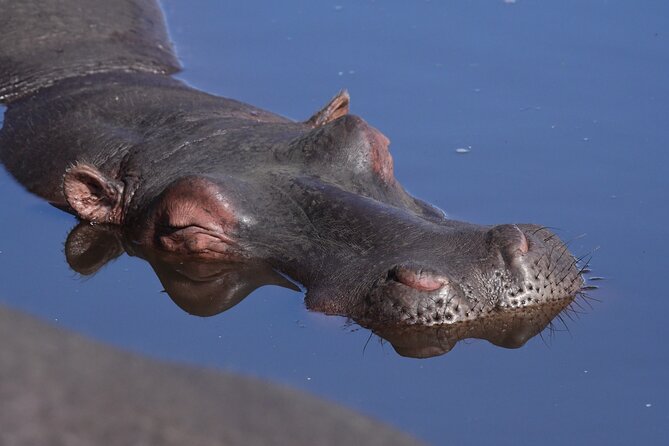
Arusha National Park gives you a softer introduction to Tanzania’s wildlife. Mount Meru dominates the area at 4,565 meters, and the park contains forest, open country, and alkaline lakes where flamingos can breed throughout the year.
You might see hippos, giraffes, zebras, warthogs, waterbucks, and bushbucks. Reedbuck, leopard, and hyena are possible but less regular, so this is not the place to expect the same concentration of large predators found in the Serengeti.
I like this first park because it changes the pace. You begin with mountain views and a range of habitats before moving toward the larger game parks. The listed day lasts about seven hours, followed by an overnight at Highview Coffee Lodge or a similar property.
Day 3: Lake Manyara’s forest, lake, and tree-climbing lions
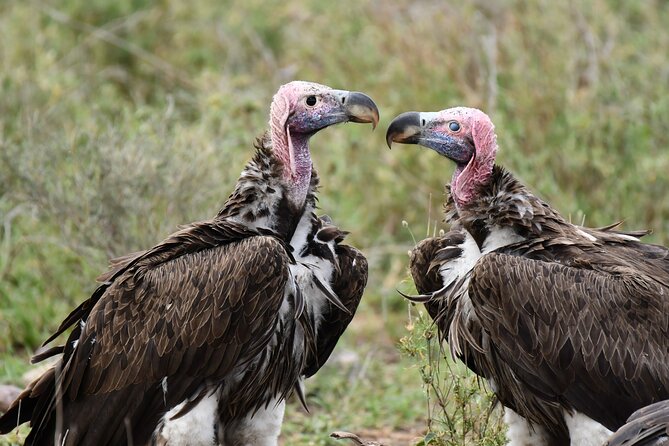
Lake Manyara National Park packs several habitats into a compact area. The Rift Valley escarpment rises above evergreen groundwater forest, acacia woodland, grassy plains, swamp, and the broad lake itself.
This mix supports a long list of animals. You may see buffalo, impala, giraffe, bushbuck, waterbuck, hippos, and elephants close to the lake. Blue monkeys, vervet monkeys, and large olive baboon groups add movement in the forest.
Lake Manyara is also associated with rare tree-climbing lions. That sighting is never something you can count on, but the possibility adds extra interest to the drive. Birdlife is another strong point, especially around the water and alkaline areas.
This is another approximately seven-hour day, with a return to Highview Coffee Lodge or a similar lodge. One practical point: the exact accommodation can vary, and some properties are outside park boundaries. Ask how the overnight location affects the next day’s drive.
More Wildlife Tours in Arusha
- Tanzania Wildlife Encounters – 6 Days
★ 5.0 · 277 reviews - 6 Day Tanzania Wildlife Mid range Safari
★ 5.0 · 54 reviews - 5 Days 4 Nights Tarangire, Serengeti , Ngorongoro & Manyara Wildlife Safari
★ 5.0 · 40 reviews - 4 Days Wildlife Safari and Cultural Experience in Tanzania
★ 5.0 · 23 reviews
Day 4: A forest walk and Iraqw culture near Karatu
Day four trades the safari vehicle for a more personal look at the Ngorongoro Conservation Area. You spend the day around Karatu, a local town between Ngorongoro and Lake Manyara, with time to shop for souvenirs and see everyday community life.
The two-hour hike through Ngorongoro Forest leads to a waterfall and unusual elephant caves. Elephants create these hollows while digging for mineral-rich soil. Buffalo, bushbuck, waterbuck, and baboons may also be seen along the route.
You do not need to be a serious hiker for this part, but you should be ready for uneven ground and a walking pace rather than a vehicle-based outing. The excursion adds welcome variety after two game-drive days.
In the afternoon, you visit an Iraqw cultural center. The surrounding area is Iraqw homeland, and you learn about intensive local farming methods developed for this setting. This is a valuable part of the program because it connects the protected areas with the people who live around them.
The night is again at Highview Coffee Lodge or a similar property. The schedule description lists the stop as about seven minutes, which is clearly inconsistent with the broader day plan, so confirm the timing with the operator.
Day 5: Lake Eyasi and the Hadzabe community
Lake Eyasi is a mildly alkaline lake stretching about 55 kilometers. It is a rewarding stop if birds interest you. Flamingos, pelicans, spoonbills, weavers, spurfowl, storks, barbets, and egrets are among the species you may encounter.
The cultural focus is a visit with the Hadzabe, an Indigenous hunter-gatherer community. You learn about their homes, hunting with bows and arrows, and traditional plant-based medicine. This can be one of the most memorable parts of the trip because it presents a way of life very different from the lodge circuit.
You should approach this visit with respect and patience. It is not a stage show in the usual sense, and the value comes from listening and observing rather than expecting a polished performance. Ask your guide how the visit is arranged and what kinds of participation are appropriate.
This is also a day when the road experience matters. Lake Eyasi is not simply another park gate and game loop. The appeal lies in the lake, birds, and community encounter, so it suits you if you want more than the Big Five.
Days 6 to 8: The Serengeti gets the time it deserves
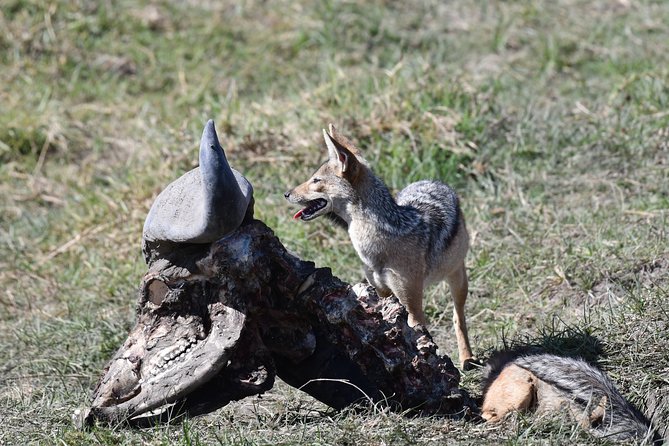
After breakfast on day six, you head toward Serengeti National Park. The name comes from the Maasai language and means endless plain, an apt description of the open southern country.
You can choose an optional Maasai village visit along the way or visit Olduvai Gorge. Olduvai is known as the Cradle of Humanity, and its museum explores the long human story of East Africa. These options give you a meaningful choice: spend more time with living culture or connect the safari route with human origins.
Days seven and eight provide two full days of Serengeti game drives. This is one of the strongest features of the schedule. The park is famous for the Great Wildebeest Migration, but wildlife viewing does not depend entirely on catching the herds at one exact moment.
Wildebeest, zebra, and antelope fill the plains, while lions and cheetahs patrol among the kopjes, the rocky outcrops that break up the grass. The scenery shifts from open southern plains to acacia country, wooded grassland, and darker clay plains farther west.
The park is huge, so two days improve your odds of seeing different habitats and animal behavior. Your guide’s skill matters greatly here. Past trips with this company have specifically praised guides including Yusuph, Marck, Baraka, Swai, and Moses for their animal knowledge, calm personalities, and ability to make long drives enjoyable. You are not guaranteed any particular guide, but it is worth requesting a preferred language or guide if available.
Overnights are listed at Serengeti Safari Lodge or a similar lodge. Some accommodations are inside the park and others outside, which affects both atmosphere and drive time. Staying inside the park can mean waking closer to wildlife areas, while an outside property may offer a different setting and easier access to the next route. Confirm the location.
Day 9: Into the Ngorongoro Crater
A morning game drive leads toward Ngorongoro Crater, followed by a descent to the crater floor. The crater is about 600 meters deep, 16 kilometers across, and covers roughly 265 square kilometers.
The walls create a remarkable setting for game viewing. Around 20,000 large animals occupy the crater, including lions, cheetahs, eland, zebra, and gazelle. Black rhino may be seen grazing on the open grassland, though sightings are never certain. Flamingos and other birds often gather at the soda lake.
Ngorongoro is one of Tanzania’s best places for a concentrated wildlife day. You spend less time searching across a vast park and more time watching animals in a dramatic enclosed setting. The tradeoff is that the crater can feel busy, especially at well-known sightings, and the descent and climb add time to an already full day.
You return to Highview Coffee Lodge or a similar property. After several nights on the road, this is a good evening to rest rather than plan extra activity.
Day 10: Tarangire’s elephants and baobabs
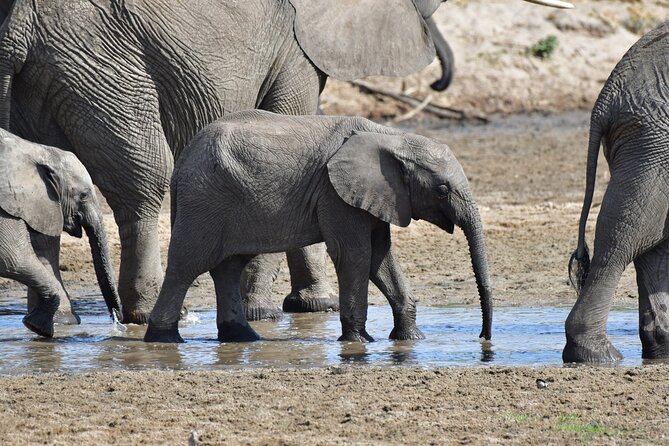
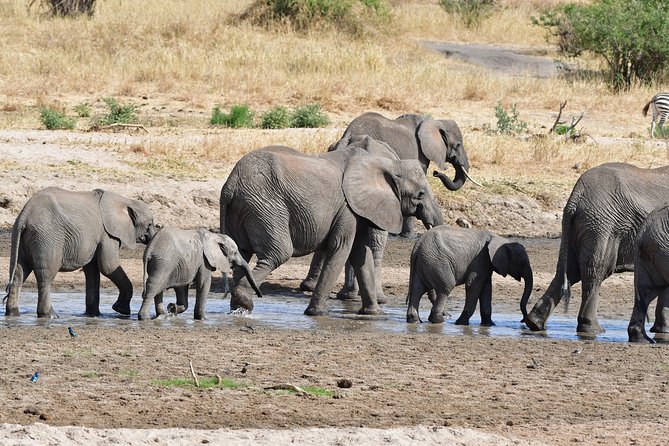
Tarangire National Park closes the wildlife circuit with a different look. The Tarangire River remains a vital water source during the dry season, drawing large numbers of animals and birds.
The park includes grassy savannah, swamps, hills, and striking baobab trees. Elephants are a major attraction, but the appeal is the setting as much as any single species. The river helps concentrate animals, while the varied terrain keeps the game drive from feeling repetitive.
You spend a full day in the park before returning to Highview Coffee Lodge. Putting Tarangire near the end works well: it gives you one final full wildlife day without forcing you directly from the crater to the airport.
Day 11: A quiet morning and airport transfer
The final morning is at leisure before your transfer to Kilimanjaro Airport. This is useful if your flight is later in the day, though the program does not specify how much free time you will have.
The trip begins with airport pickup in Arusha and ends at Kilimanjaro Airport. If you arrive through a different airport or need extra hotel nights, ask about arrangements before booking because those services are not described here.
What $4,999 includes, and where the value lies
At $4,999 per person, this is a serious investment. The price makes more sense when you count the scope: eleven days, several national parks, park entry fees, meals, accommodation, airport transfers, a custom 4×4, and a maximum of six people per vehicle.
You are also paying for the guide and the logistics behind moving through a complicated route. A good guide can find a well-hidden predator, explain animal behavior, handle park procedures, and keep the day moving when conditions change. Past departures have praised the organization, spacious Land Cruisers, comfortable lodges, and smooth connections between activities.
The price will suit you best if you want a broad, arranged safari and do not want to coordinate separate hotels, park permits, meals, and transport. It may feel high if you want a budget trip, private vehicle, or more control over each overnight stop.
The biggest value question is accommodation. The program names Springlands, Highview Coffee Lodge, and Serengeti Safari Lodge, but also uses similar-property wording. Ask for the full lodge list, whether each property is inside or outside a park, and what room standard is included.
Who should book this safari?
I would recommend it to a first-time Tanzania visitor who wants the major northern parks without planning every transfer. It also suits families and small groups who value window seats, a smaller vehicle, and a mix of wildlife and cultural activities.
You will enjoy it most if you can handle long road days and want variety. The schedule includes early starts, game drives, a forest hike, community visits, and repeated lodge changes.
I would hesitate if you want a slow luxury holiday with little time in the vehicle. I would also hesitate if your only goal is the Great Migration, since the trip does not specify dates or locations within the migration cycle. Ask exactly where the Serengeti portion will focus during your travel month.
Free cancellation is available up to 24 hours before the start time for a full refund. Changes or cancellations inside that window are not accepted or refunded, so check the local cut-off time.
FAQ
How long is the Tanzania Wildlife Cultural Safari?
The safari lasts approximately 11 days, beginning in Arusha and ending with a transfer to Kilimanjaro Airport.
How many people can share one safari vehicle?
Each vehicle has a maximum of six people, and every person is assigned a window seat.
Which national parks are included?
The route includes Arusha National Park, Lake Manyara National Park, Serengeti National Park, Ngorongoro Crater, and Tarangire National Park.
Are meals and park fees included?
The advertised price includes meals, accommodation, and park entry fees.
Does the safari include cultural visits?
Yes. The program includes an Iraqw cultural center, a visit with the Hadzabe near Lake Eyasi, and an optional Maasai village visit or Olduvai Gorge stop on the way to the Serengeti.
What is the cancellation policy?
You can cancel up to 24 hours before the experience begins for a full refund. Cancellations or changes made less than 24 hours before the start time are not accepted.
Should you book it?
Book this safari if you want Tanzania’s classic parks plus real time with local communities, and if the convenience of an arranged small-group trip matters to you. The two Serengeti days, Ngorongoro Crater, Lake Eyasi visit, and six-person vehicle give the program a strong mix of wildlife and human connection.
Before committing, confirm the exact lodges, guide language, park locations, and daily driving times. If those details suit you, this is a well-rounded choice for seeing northern Tanzania in one ambitious trip.
More Safaris
- 5 Days Group Camping Safari
★ 5.0 · 730 reviews - 3 Days Serengeti & Ngorongoro Group Camping Safari
★ 5.0 · 574 reviews - 7-Day Premium Luxury Tanzania Safari All-Inclusive
★ 5.0 · 426 reviews - 3-Day Classic Serengeti Safari
★ 5.0 · 263 reviews
More Wildlife Tours
- 8 Days 7 Nights Tanzania Wildlife & Culture Lodge Safari
★ 5.0 · 17 reviews - 6 Day: Magnificent Wildlife Adventure
★ 5.0 · 12 reviews - Arusha: Day Trip to Serval Wildlife – Feed Giraffes & Lions
★ 4.8 · 10 reviews - 3 – Days Tanzania Wildlife Safari
★ 5.0 · 9 reviews
Just added around Arusha
- 5 Days Safari Tarangire, Serengeti, and Ngorongoro Crater★ 5.0 · 3 reviews
- Love lives in Africa★ 5.0 · 3 reviews
- 5 Days of Safari, Culture & Hot Springs – Tour from Arusha★ 5.0 · 3 reviews
- Arusha National Park Safari by Jeep★ 4.5 · 3 reviews
- 5Days Family _Group Tour Lodging Mid-Range in the Jungle★ 5.0 · 3 reviews
- Serengeti & Ngorongoro 3 Days Budget Safari★ 5.0 · 3 reviews
- 2 Days Tarangire and Ngorongoro Crater Tour★ 5.0 · 3 reviews
- 7 Days PRIVATE Best of Tanzania Safari *Departing everyday*★ 5.0 · 3 reviews
Wildlife Tours in Arusha, compared.
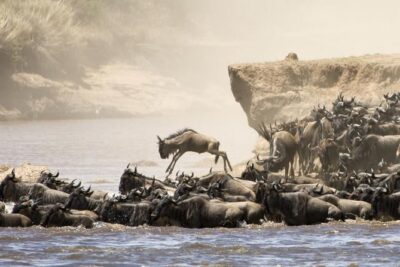
5 Days 4 Nights Tarangire, Serengeti , Ngorongoro & Manyara Wildlife Safari
Read our review →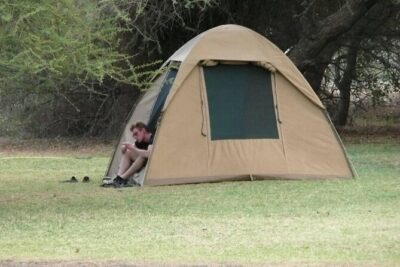
4 Days Wildlife Safari and Cultural Experience in Tanzania
Read our review →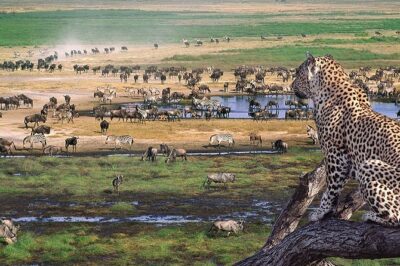
8 Days 7 Nights Tanzania Wildlife & Culture Lodge Safari
Read our review →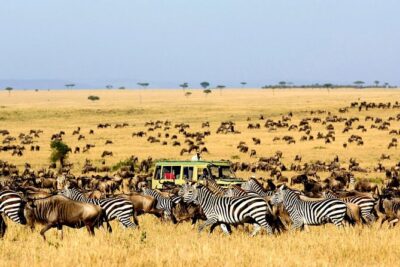
Day Trip to Serval Wildlife – Feed Giraffes & Lions
Read our review →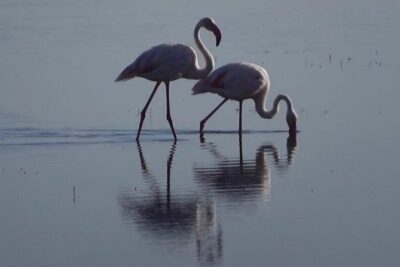
Browse the lists this tour appears in