
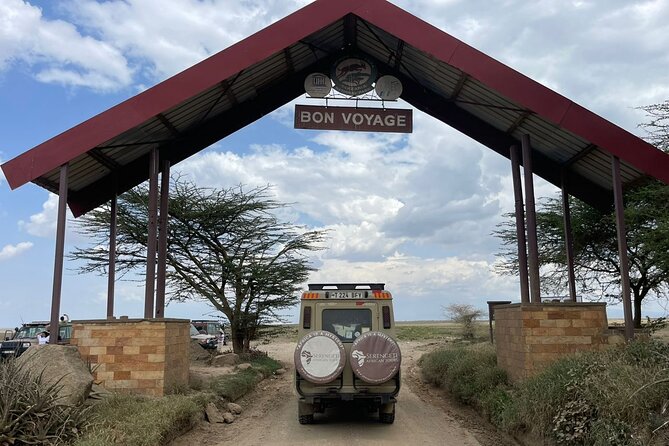
Reviewed · WILDLIFE TOURS IN ARUSHA
6 Day Tanzania Wildlife Mid range Safari
Big wildlife, sensible pacing, and long days ahead. This six-day Tanzania safari links Tarangire, Lake Manyara, Serengeti, and Ngorongoro Crater in one well-rounded route from Arusha. I like the mix of famous parks and the chance to see different habitats, from baobab country to the crater floor. I also like that the price includes a 4×4 vehicle, guide, park fees, all meals, water, and lodging.
The main caution is the amount of driving. You cover a lot of northern Tanzania in six days, and the itinerary wording around departure times, lodging, and the final return is not perfectly clear. Confirm those details before paying, especially if you want a private vehicle or have a tight flight schedule.
In This Review
- Key points at a glance
- What this six-day route gets right
- Day one: elephants and baobabs in Tarangire
- Day two: Lake Manyara’s small park, big variety
- Days three and four: two chances to find the Serengeti
- Day five: Olduvai Gorge and the crater rim
- Day six: descending into Ngorongoro Crater
- Lodges, camps, meals, and comfort
- The 4×4 vehicle and group size
- Who should book this safari?
- Should you book it?
- FAQ
- Where does the safari start?
- How long does the safari last?
- How many people can join the tour?
- Is transportation included?
- Is a guide included?
- Which national parks and sites are visited?
- Are park fees included?
- Are meals included?
- Is drinking water provided?
- Can the booking be canceled for a full refund?
Key points at a glance
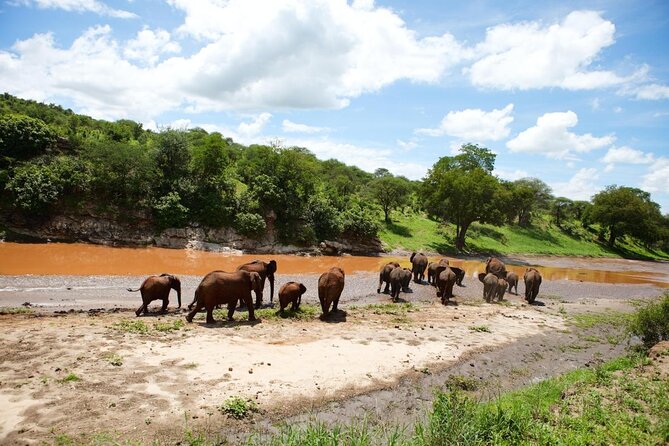
- Tarangire begins the safari with elephants and baobabs, a strong first park for seeing large herds and classic African scenery.
- Lake Manyara adds a different setting, with woodland, hot springs, swamps, lake views, baboons, birds, and famous tree-climbing lions.
- Two nights in the Serengeti give you useful time, rather than treating this huge park as a quick roadside stop.
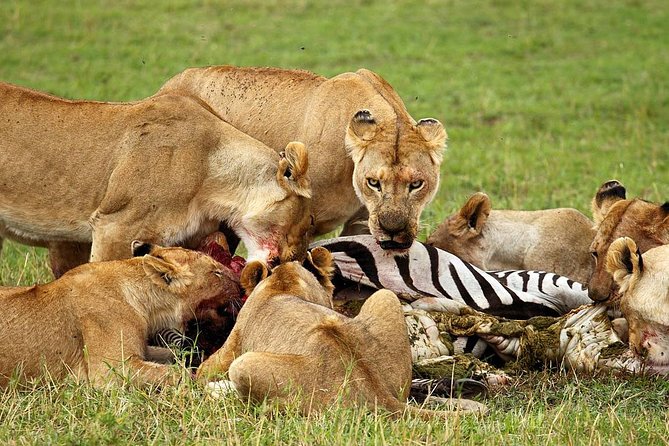
- Ngorongoro Crater offers concentrated wildlife, including the chance to look for lions, hyenas, cheetahs, jackals, hippos, elephants, and leopards.
- The group limit is six people, which should make the 4×4 more manageable than a large coach tour.
- Guiding is a major strength, with praise for David, Godfrey, Kelvin, James, Aboh, and Praise, along with helpful planning support from Linah and Lucas.
What this six-day route gets right
I like the route because it gives you a broad introduction to northern Tanzania without forcing you to choose between the Serengeti and the crater. Many short safaris focus only on one or two headline parks. This one adds Tarangire and Lake Manyara, so you get more variety in both wildlife and scenery.
The order also makes sense as a visual progression. Tarangire introduces open bush, elephant country, and giant baobabs. Lake Manyara changes the mood with thick woodland and water. The road then climbs through Karatu and the Ngorongoro Conservation Area before dropping into the wide Serengeti plains.
The tour costs $2,500 per person. That is not a budget camping trip, but the package includes the expensive basics: park entry fees, transport in a 4×4 safari vehicle, an English-speaking guide, mineral water, six breakfasts, six lunches, six dinners, and six nights in lodges or tented camps.
That bundle makes the price easier to judge. You are not adding park fees at every gate or paying separately for each meal. Still, ask exactly which lodges and camps are planned for your dates. The itinerary names Farm of Dream Lodge, Eileen’s Tree Lodge, Domel Wilderness Camp, and Ngorongoro Wildlife Lodge, but accommodation can sometimes change based on availability.
More Safaris in Arusha
- Serengeti Balloon Safari and authentic bush breakfast
★ 5.0 · 2,480 reviews - Balloon Safari & Bush Breakfast in Serengeti – Miracle Experience
★ 5.0 · 1,646 reviews - 4 Days Group Camping Safari
★ 5.0 · 1,101 reviews
Day one: elephants and baobabs in Tarangire
The first morning begins after breakfast, with a stop in Arusha for last-minute purchases. Then you head toward Tarangire National Park, carrying a picnic lunch for the game drive.
Tarangire is a fine opening act. Its best-known features are its large elephant population and old baobab trees. The park also forms part of a seasonal movement involving up to 3,000 elephants, 25,000 wildebeest, and 30,000 zebras. Those figures describe the broader annual cycle, not a guarantee for one game drive, but they explain why the park matters.
I especially like starting here because the setting is different from the Serengeti. The trees give the views more texture, and elephants can provide an immediate sense of scale. You may also see other species during the drive, but the itinerary places its strongest emphasis on elephants and the park’s plant life.
The practical issue is timing. A same-day departure from Arusha, a shopping stop, the road to the park, lunch, and a game drive can make for a full day. Keep your first morning calm, and have any important purchases or medication sorted before pickup if possible.
The listed overnight is at Farm of Dream Lodge. Since the exact room setup and facilities are not described, confirm the accommodation category before departure. The package promises safari lodges or tented camps, which is a useful middle ground for people who want comfort without paying for top-end luxury.
Day two: Lake Manyara’s small park, big variety
After breakfast, the route continues to Lake Manyara National Park. The written schedule repeats an Arusha departure reference, so I would ask the operator to confirm the actual pickup plan for this day. The park itself is the reason to make the stop.
Lake Manyara packs several habitats into a relatively small area. You can pass through acacia woodland, water forest, baobab-covered cliffs, swamps, hot springs, and the lake zone. That variety supports a large mix of animals and birds.
The park is particularly associated with baboons and tree-climbing lions. The baboons are a reliable feature of the area, while the lions are a more fortunate sighting rather than a promise. You may also find the birdlife rewarding, especially if you enjoy watching smaller details between the larger animal sightings.
This is a good day for anyone who wants more than a checklist of big mammals. The changing vegetation gives your guide plenty to explain, and the contrast with Tarangire helps the safari feel less repetitive.
Dinner and the night are scheduled at Eileen’s Tree Lodge. The name suggests a lodge setting, but the available details do not specify its exact facilities or room style. Ask about Wi-Fi, charging, shower arrangements, and power hours if those details matter to you.
Days three and four: two chances to find the Serengeti
Day three takes you toward Serengeti National Park through the high farmland around Karatu and the Ngorongoro Conservation Area. The route then drops into the Serengeti, where the plains stretch toward the horizon.
The central Seronera area is the focus. Its river provides water, which helps draw a broad range of wildlife. That is an important reason to spend time there. In a park this large, a single afternoon can feel too brief. Two nights give you a better chance to search different areas and watch animal behavior instead of racing from one sighting to the next.
You are scheduled to arrive in time for lunch, followed by an afternoon game drive. The night is at Domel Wilderness Camp, which is also used for the second night.
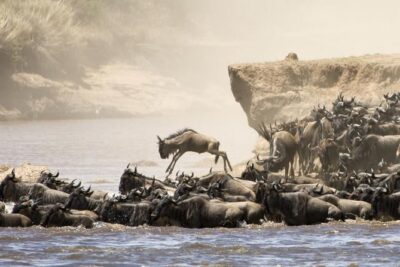
Day four is a full-day Serengeti game drive, including an effort to follow the wildebeest migration. This is one of the tour’s strongest features, but migration viewing depends on the season and the animals’ movements. No operator can promise that a herd will be in a certain place on a certain date.
I like the extra Serengeti day because it gives the guide room to respond to conditions. If one morning produces a good predator sighting, the next drive can focus elsewhere. The supplied feedback gives several guides credit for spotting animals and explaining what was happening. Godfrey was praised for his animal, plant, and Maasai knowledge. Kelvin was noted for working hard to find wildlife and for handling vegan meals well. James was praised for his experience and ability to locate requested species. Aboh was credited with finding the Big Five.
Those names matter because a safari vehicle is only as good as the person reading the road and the animals. Ask for the assigned guide before departure if you have special interests, such as birds, photography, plants, or family travel. The company may not be able to promise a particular guide, but the request is reasonable.
More Wildlife Tours in Arusha
- Tanzania Wildlife Encounters – 6 Days
★ 5.0 · 277 reviews - 5 Days 4 Nights Tarangire, Serengeti , Ngorongoro & Manyara Wildlife Safari
★ 5.0 · 40 reviews - 4 Days Wildlife Safari and Cultural Experience in Tanzania
★ 5.0 · 23 reviews - 8 Days 7 Nights Tanzania Wildlife & Culture Lodge Safari
★ 5.0 · 17 reviews
Day five: Olduvai Gorge and the crater rim
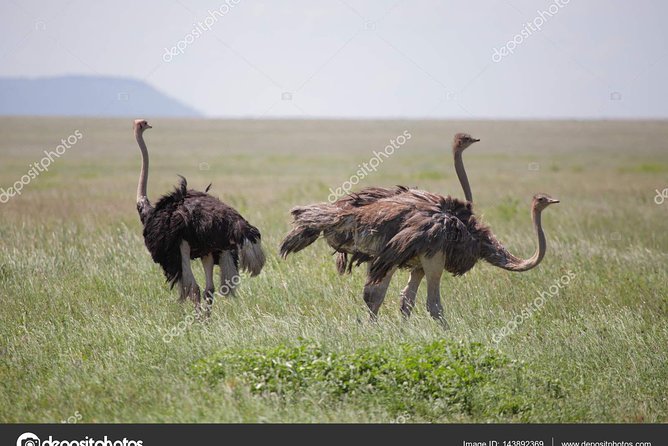
Day five starts with an early Serengeti game drive before you leave for the Ngorongoro Conservation Area. The early start can be worthwhile, since animals are often active in the cooler part of the day. It also means you should be ready for a demanding schedule.
The route includes a stop at Olduvai Gorge, one of the most important archaeological sites connected with human evolution. The Leakeys found significant hominin fossils there, including the remains known as Nutcracker Man and Handy Man. This stop adds an entirely different layer to the safari. You are not only looking at modern wildlife, but also visiting a place tied to the long story of human origins.
Late in the day, you transfer to Ngorongoro Wildlife Lodge for dinner and the night. A stay near the crater rim can make the next morning more efficient, though the itinerary does not spell out the exact transfer time or room details.
This day combines wildlife, archaeology, and a change in elevation. It is also one of the route’s longest travel days, so do not expect a relaxed afternoon at the lodge. If you prefer slow mornings and long stays in one place, this six-day plan may feel busy.
Day six: descending into Ngorongoro Crater
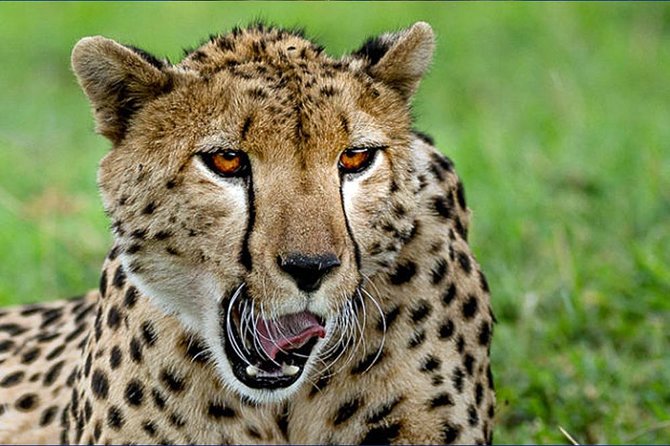
After an early breakfast, you descend more than 600 meters into Ngorongoro Crater for the final major game drive. The crater has a year-round water supply and grazing areas, which help support a high concentration of wildlife.
Possible sightings include wildebeest, zebra, buffalo, eland, warthog, hippo, and large African elephants. The crater is also known for predators such as lions, hyenas, jackals, cheetahs, and leopards. The leopard is elusive, and even a skilled guide cannot guarantee one, but this is an excellent place to keep looking.
The drive includes Lake Magadi, a large, shallow alkaline lake in the southwestern part of the crater. The lake is one of the area’s defining features and can add birdlife and strong scenery to the morning.
The crater is a fitting final park because the wildlife is concentrated and the setting feels enclosed compared with the broad Serengeti. At the same time, that concentration can mean many safari vehicles in popular areas. Your experience will depend on timing, guide decisions, and the day’s conditions.
The supplied schedule does not clearly state the final drop-off time or destination after the crater visit. Confirm whether the tour returns to Arusha, another hotel, or an airport connection. Do not book a same-day flight unless the operator gives you a firm, realistic schedule.
Lodges, camps, meals, and comfort
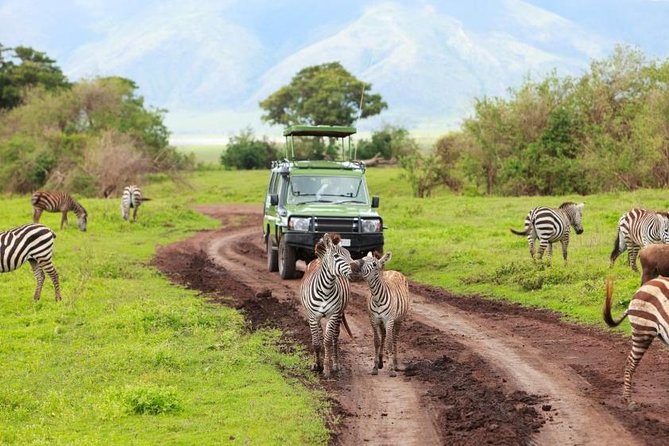
This is marketed as a mid-range safari, not a luxury stay and not a basic camping expedition. You sleep in safari lodges or tented camps, with meals included each day. Several accounts praise the accommodation as comfortable, clean, and surprisingly luxurious for a mid-range package.
Food also receives strong praise. The meals are described as fresh and local, rather than only standard boxed lunches. Vegetarian and vegan options were available, including throughout picnic meals, but you should still tell the company about dietary needs when booking.
The package includes breakfast, lunch, and dinner for all six days. That is valuable on a route where road access is limited and park stops shape the daily schedule. Mineral water is included as well.
Do not assume every property has the same power, internet, or room facilities. The names and accommodation arrangements can change, so ask for the confirmed list. You should also pack a small day bag with medication, sunscreen, a camera battery, and a light layer rather than relying on access to your main luggage during every drive.
The 4×4 vehicle and group size
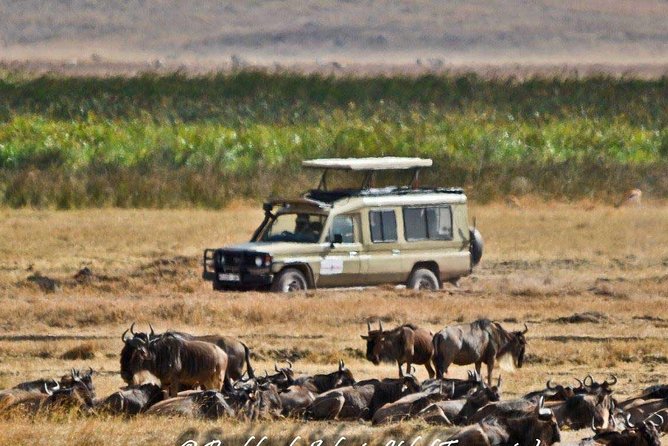
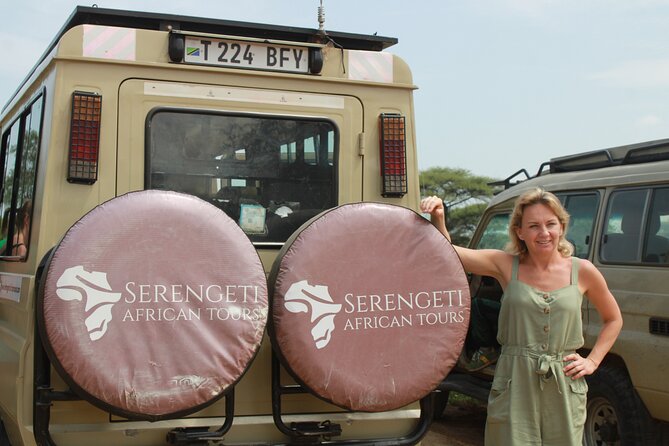
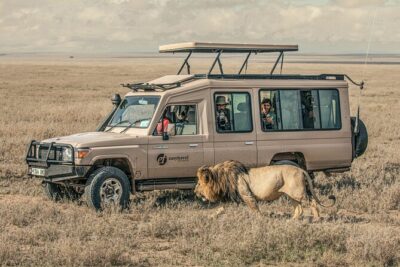
Transport is by 4×4 safari vehicle, with a maximum group size of six. That is a sensible limit for game viewing. You need room to look out both sides, raise the roof for sightings, and store camera equipment without feeling packed in.
A group of six is not the same as a private safari. Some accounts describe private trips, while the advertised maximum allows a shared departure. If having the vehicle to yourself matters, confirm the arrangement in writing and ask about the private-tour price.
The vehicle will be your base for long stretches, so the guide’s attitude matters. Positive feedback highlights cheerful, patient guides who allowed plenty of time for photographs and explained animals, plants, and local culture. That patience is especially useful when one person wants to watch a scene for ten minutes while another is ready to move on.
Who should book this safari?
I would recommend this route to someone visiting northern Tanzania for the first time who wants the major parks without arranging several separate transfers. It suits couples, solo visitors comfortable meeting others, families, and anyone who wants a strong wildlife focus with comfortable overnight stays.
It also works well for people who value communication. Linah received praise for quick WhatsApp support, while Lucas was appreciated for help with planning and payment questions. That kind of contact can make a long safari easier to manage before arrival.
You should think twice if you dislike early starts, long road journeys, or changing accommodation every night or two. The itinerary covers a lot of ground. You also need patience with wildlife. The Big Five are possible, and several people saw all five, but sightings remain unpredictable.
At $2,500 per person, the value is strongest if you use the included services fully. Park fees, six nights, three meals a day, water, a 4×4, and an English-speaking guide add up quickly when arranged separately. The value is less clear if you want a private vehicle, premium lodges, or a slower schedule, since those details are not fully defined.
Should you book it?
Book this safari if you want a broad northern Tanzania route, a small vehicle group, two Serengeti nights, and a package that handles the major costs. Tarangire’s elephants, Lake Manyara’s varied habitats, the Serengeti plains, Olduvai Gorge, and Ngorongoro Crater give you a satisfying range in six days.
Before booking, confirm three things: the exact lodges, whether your departure is shared or private, and the final-day drop-off plan. If those details suit you, this looks like a well-priced mid-range safari with especially strong guiding and food. If you want fewer driving hours and more time at one camp, choose a longer itinerary instead.
FAQ
Where does the safari start?
The safari starts in Arusha, Tanzania. Pickup is offered, but the exact meeting point should be confirmed before departure.
How long does the safari last?
The experience lasts approximately six days.
How many people can join the tour?
The maximum group size is six people.
Is transportation included?
Yes. Transportation is provided in a 4×4 safari vehicle.
Is a guide included?
Yes. An English-speaking professional guide is included.
Which national parks and sites are visited?
The route includes Tarangire National Park, Lake Manyara National Park, Serengeti National Park, Ngorongoro Conservation Area, Ngorongoro Crater, and Olduvai Gorge.
Are park fees included?
Yes. All national park fees are included.
Are meals included?
Yes. The package includes six breakfasts, six lunches, and six dinners.
Is drinking water provided?
Yes. Mineral water is included.
Can the booking be canceled for a full refund?
Yes, if you cancel at least 24 hours before the experience start time. Cancellations made less than 24 hours in advance are not refunded, and late changes are not accepted.
More Safaris
- 5 Days Group Camping Safari
★ 5.0 · 730 reviews - 3 Days Serengeti & Ngorongoro Group Camping Safari
★ 5.0 · 574 reviews - 7-Day Premium Luxury Tanzania Safari All-Inclusive
★ 5.0 · 426 reviews - 3-Day Classic Serengeti Safari
★ 5.0 · 263 reviews
More Wildlife Tours
- 6 Day: Magnificent Wildlife Adventure
★ 5.0 · 12 reviews - Tanzania Wildlife Cultural Safari from Arusha.
★ 5.0 · 11 reviews - Arusha: Day Trip to Serval Wildlife – Feed Giraffes & Lions
★ 4.8 · 10 reviews - 3 – Days Tanzania Wildlife Safari
★ 5.0 · 9 reviews
Just added around Arusha
- 5 Days Safari Tarangire, Serengeti, and Ngorongoro Crater★ 5.0 · 3 reviews
- Love lives in Africa★ 5.0 · 3 reviews
- 5 Days of Safari, Culture & Hot Springs – Tour from Arusha★ 5.0 · 3 reviews
- Arusha National Park Safari by Jeep★ 4.5 · 3 reviews
- 5Days Family _Group Tour Lodging Mid-Range in the Jungle★ 5.0 · 3 reviews
- 2 Days Tarangire and Ngorongoro Crater Tour★ 5.0 · 3 reviews
- Serengeti & Ngorongoro 3 Days Budget Safari★ 5.0 · 3 reviews
- 7 Days PRIVATE Best of Tanzania Safari *Departing everyday*★ 5.0 · 3 reviews
Wildlife Tours in Arusha, compared.
5 Days 4 Nights Tarangire, Serengeti , Ngorongoro & Manyara Wildlife Safari
Read our review →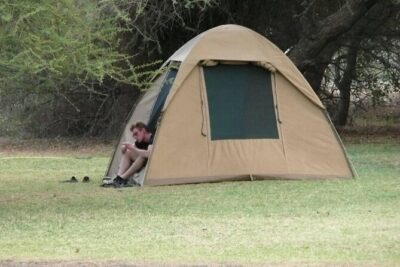
4 Days Wildlife Safari and Cultural Experience in Tanzania
Read our review →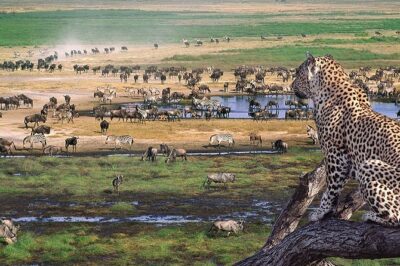
8 Days 7 Nights Tanzania Wildlife & Culture Lodge Safari
Read our review →
Tanzania Wildlife Cultural Safari from Arusha.
Read our review →
Day Trip to Serval Wildlife – Feed Giraffes & Lions
Read our review →
Browse the lists this tour appears in