
Reviewed · SERENGETI SAFARIS
6 Days lodge &camping tour Serengeti ,Tarangire ,Ngorongoro Crater and Manyara
The wild heart of Tanzania fits six busy days. This small-group safari links Tarangire, Serengeti, Ngorongoro Crater, and Lake Manyara, giving you elephants, big cats, the crater floor, and classic open plains in one northern circuit. I like the route’s variety, and I like the maximum group size of six, which should make game viewing more personal than a large coach tour.
The price is $1,600 per person, a reasonable figure for four major wildlife areas, park access, guiding, transport, and a mix of camping and lodge accommodation. The tradeoff is time: you cover long distances, rise early, and spend several days on rough roads. This is an active safari, not a slow holiday.
In This Review
- Six details worth knowing before you book
- What the six-day route really feels like
- Day 1: Tarangire’s elephants and giant baobabs
- Day 2: Across the crater rim to the Serengeti
- Day 3: An early start in Seronera
- Day 4: Leaving the Serengeti through the Ngorongoro Conservation Area
- Day 5: The Ngorongoro Crater floor
- Day 6: Lake Manyara’s forest, flamingos, and baboons
- Camping, lodges, and the practical side of comfort
- Is $1,600 a fair price?
- Who should choose this safari?
- Should you book it?
- FAQ
- Where does the safari begin?
- How long does the experience last?
- Which national parks and protected areas are included?
- How many people can join the tour?
- Is accommodation camping or lodging?
- Can I see the Great Wildebeest Migration?
- What is the cancellation policy?
Six details worth knowing before you book
- Tarangire opens the trip with elephants and baobabs, plus more than 400 recorded bird species.
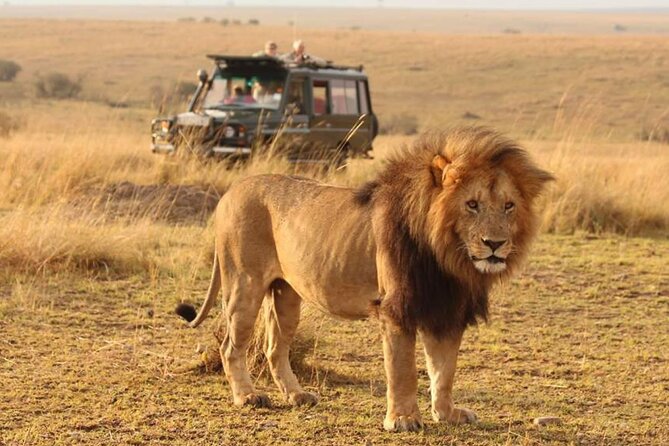
- Two Serengeti days give you the best chance of a big-cat sighting, especially around Seronera.
- Ngorongoro Crater is visited from both the rim and the crater floor, making it one of the trip’s strongest scenic and wildlife stops.
- Lake Manyara adds forest, hot springs, flamingos, baboons, and possible tree-climbing lions to the route.
- The group is capped at six people, an important comfort advantage for a safari vehicle.
- Guides are a major strength, with repeated praise for Elias and positive mentions of Sam and Hassan on related northern Tanzania trips.
What the six-day route really feels like
This is a compact northern Tanzania safari based in Arusha. You visit four famous protected areas, but they are not arranged as four separate day trips. The route works as a loop, with long transfers connecting game drives.
That matters. You will spend plenty of time in the safari vehicle, especially on the journey from Tarangire toward the Serengeti and during the return from Serengeti through the Ngorongoro Conservation Area. The reward is a broad sample of Tanzania in less than a week.
The tour includes pickup, and the maximum group size is six. That is a useful middle ground. You get the cost advantage of a shared safari without the crowd of a full vehicle. It also means fewer people competing for window space and better odds of hearing the guide clearly when an animal appears.
The schedule begins with Tarangire and ends at Lake Manyara. Serengeti receives two nights or two main days in the plan, while Ngorongoro receives a rim stop, a nearby overnight, and a full crater visit. The accommodation is described as a combination of camping and lodge stays, including two nights in lodge accommodation, though you should confirm the exact properties and night-by-night arrangement before paying.
More ways to see the Ngorongoro Crater:
- 3 Days Serengeti & Ngorongoro Group Camping Safari
★ 5.0 · 574 reviews - 5 Days Camping Tarangire, Serengeti & Ngorongoro crater & Visiting Maasai
★ 5.0 · 229 reviews - 4 Days Join Group tour Tarangire Serengeti and Ngorongoro crater
★ 5.0 · 219 reviews
Day 1: Tarangire’s elephants and giant baobabs
The first morning starts after breakfast in Arusha. There is a practical stop at a final supermarket in town, which is useful for snacks, drinks, toiletries, or anything you forgot. After that, the road crosses the Masai Steppe and passes villages on the way to Tarangire National Park.
The drive itself gives you an early look at northern Tanzania beyond the parks. You see farmland, village life, and wide dry country before the wildlife begins. It is not just dead time, but it can make the day feel long after an early start.
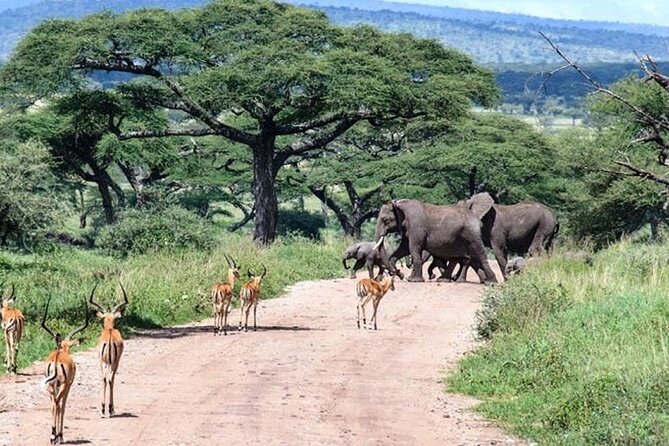
Tarangire is a fine first park because it offers a different setting from the Serengeti. The park is known for its huge baobabs and large elephant population. You may also see wildebeest, buffalo, zebra, giraffe, hippos, baboons, and several kinds of antelope.
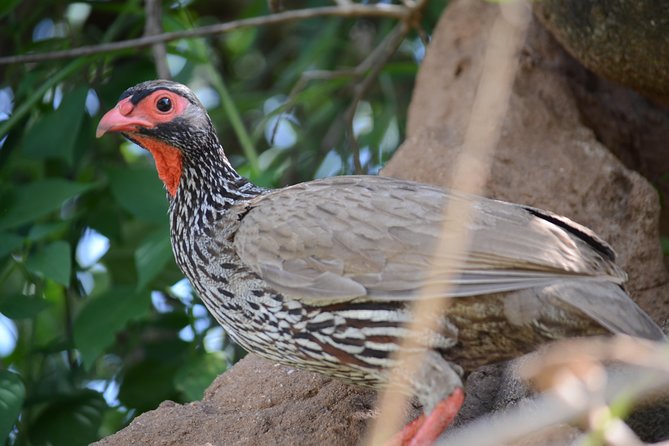
Birdwatchers have a real reason to pay attention here. More than 400 bird species have been recorded, including the ash starling. The itinerary also names the great kudu and fringe-eared oryx among the notable possibilities, though sightings of any particular species can never be promised.
Plan for roughly six hours in the park. That leaves enough time for a proper game drive, but the day also includes the journey from Arusha. I would keep your first day flexible and avoid scheduling anything important that evening.
Day 2: Across the crater rim to the Serengeti
After breakfast at camp, you head toward the Serengeti through Karatu and the Ngorongoro Conservation Area. This is one of the most memorable transfer days because the route changes quickly from cultivated highland country to the open plains associated with the Serengeti.
The schedule includes a stop at the Ngorongoro gate for registration, followed by a climb to the crater viewpoint. From the rim, you can look down at the crater floor and take photographs before continuing around the rim.
That viewpoint is a smart addition. You do not yet descend into the crater, but you still get the dramatic first sight of the bowl from above. The road then crosses the Malanja Depression before reaching the Serengeti entrance at Naabi Hill Gate.
Lunch may be taken at the gate or near one of the Serengeti’s kopjes, the isolated rocky outcrops that rise above the grass. These rocks are more than scenic landmarks. They can provide lookout points for predators and resting places for animals, so your guide may pause in the area for good reason.
The central Serengeti area, called Seronera, is the destination. It is considered one of the strongest parts of the park for wildlife, and it is the base for the following full day. The drive and game viewing together take about six hours, though road conditions and animal sightings can stretch the day.
Day 3: An early start in Seronera
This is the safari’s main wildlife day. You leave as early as 6:30 with packed breakfast and lunch, using the cool morning hours for a long game drive across the Serengeti plains.
Early starts make sense here. The itinerary points to possible sightings of big cats in the morning, along with nocturnal predators returning from a night of hunting. You might see lionesses preparing an ambush, or predators feeding beside the road.
Breakfast is taken in the bush after the first stretch of game viewing. It is a simple detail, but it changes the rhythm of the day. Instead of returning to camp at the best wildlife hour, you stay out where the action may be.
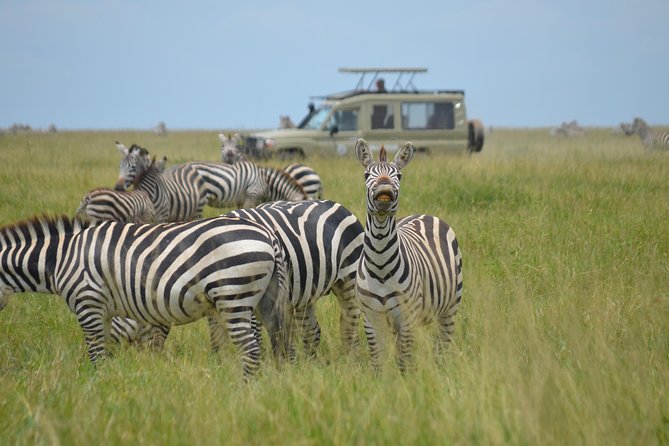
The timing of the Great Wildebeest Migration depends on your travel dates. If the herds are in the area, you may follow them for part of the day and watch them graze, gather, fight, or move across the plains. If the migration is elsewhere, Seronera still offers a strong chance of seeing resident wildlife.
Expect a long day of about ten hours. That is excellent for maximizing time in the park, but it is also tiring. The vehicle becomes your dining room, viewing platform, and rest stop. Bring patience, sun protection, and a willingness to spend much of the day seated.
This is also where your guide can make a major difference. Elias is repeatedly praised for his driving, calm manner, patience, and ability to make the safari feel personal. Other positive feedback names Sam and Hassan on related Tanzania programs. You cannot select a particular guide with certainty unless the company confirms it, but it is worth asking who will lead your departure.
More Serengeti safaris to compare:
- Serengeti Balloon Safari and authentic bush breakfast
★ 5.0 · 2,480 reviews - Balloon Safari & Bush Breakfast in Serengeti – Miracle Experience
★ 5.0 · 1,646 reviews - 5-Day Highlights mid-Range Crater, Serengeti, Tarangire
★ 5.0 · 296 reviews - 3-Day Classic Serengeti Safari
★ 5.0 · 263 reviews
Day 4: Leaving the Serengeti through the Ngorongoro Conservation Area
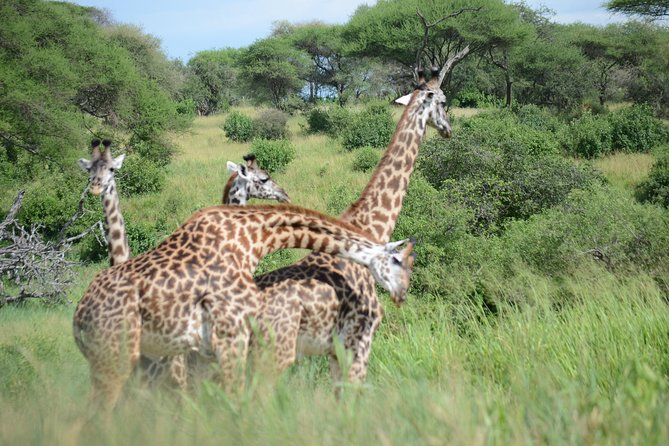
Day four begins with another early breakfast and game drive. The plan allows you to keep looking for animals through the morning and into the afternoon before returning to camp for lunch and packing.
You then continue out of the Serengeti, with game viewing along the way, toward Simba Campsite near the Ngorongoro Crater rim. The stated drive from the Serengeti area to the campsite is about two hours, though the total day depends on stops and road conditions.
This day has a different character from day three. You are not spending every hour in one park sector. Instead, you get a final chance at Serengeti sightings while moving toward the crater. That makes the route efficient, but it also means another substantial transfer.
Sleeping near the crater rim sets up the next morning’s descent. Ask in advance about the lodge and camping split, bathroom arrangements, and what equipment is supplied. The tour clearly combines camping and lodge stays, but the supplied details do not identify every accommodation or explain which nights use tents.
Day 5: The Ngorongoro Crater floor
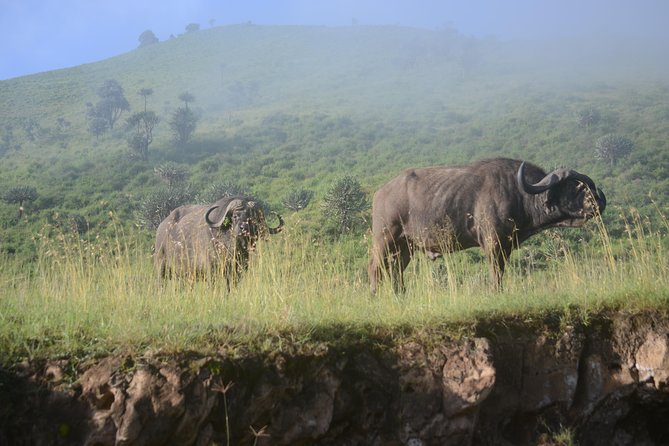
You start around 6:30 and descend more than 600 meters from the crater rim to the floor. Ngorongoro was formed about three million years ago after internal forces altered the earth’s crust. Today, its enclosed setting supports a high concentration of animals.
This is one of the most efficient wildlife days in the region. The crater floor includes open areas, water, and feeding ground, which can bring buffalo, zebra, wildebeest, eland, topi, warthog, hippo, and elephant into view.
The crater is also known for predators. The itinerary specifically highlights its dense predator population, making this a strong chance to look for lions and other carnivores. As always, wildlife moves freely, so sightings depend on season, weather, and luck.
I like the way this tour handles Ngorongoro. You see the crater from above on day two, sleep nearby on day four, and enter the floor early on day five. That gives the site a proper build-up instead of treating it as a rushed photo stop.
The game drive lasts about six hours. Roads inside the crater can be busy, and the enclosed route may feel more structured than the wide-open Serengeti. Still, the combination of scenery and animal density makes it one of the trip’s essential stops.
Day 6: Lake Manyara’s forest, flamingos, and baboons
The final safari day begins with breakfast and a short drive to Lake Manyara National Park. After park formalities, you start a game drive through a park made up of several distinct habitats.
Lake Manyara is more varied than its size might suggest. The route includes groundwater forest, acacia woodland, swamps, baobab-covered cliffs, algae-streaked hot springs, and the lake itself. That mix supports a wide range of animal and bird life.
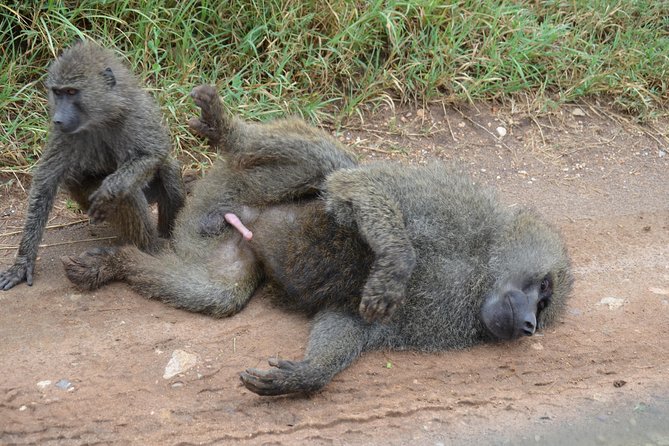
The park is especially known for its large baboon population. You may also see large flocks of flamingos, depending on water conditions and season, as well as the famous Lake Manyara tree-climbing lions.
The tree-climbing lions are a highlight, but they are not guaranteed to appear in trees. That is worth keeping in mind. Manyara is best appreciated as a habitat-rich final stop, not only as a search for one famous animal behavior.
The day lasts about six hours. After five days of early starts and long drives, the shorter finish is welcome. It also gives you a final chance to compare the park’s forested scenery with the grasslands of Serengeti and the enclosed crater floor.
Camping, lodges, and the practical side of comfort
This is advertised as a lodge and camping safari, rather than a full lodge-only trip. That helps keep the price at $1,600 per person while giving you at least some nights in more settled accommodation.
Camping can add a direct connection to the setting, but it also asks more from you. You should be comfortable with early mornings, basic camp routines, and the possibility that facilities are simpler than those at a lodge. The exact comfort level depends on the campsites and lodge properties used.
The tour description says you will have camping-site and lodge accommodation for two nights, but it does not spell out every night. I would ask for a written accommodation schedule before booking. Also confirm whether park fees, meals, drinking water, and camping equipment are included, since the supplied details do not list each inclusion separately.
Pickup is offered from Arusha, and confirmation is received when you book. Most people can participate, and the group limit is six. The small group is especially useful for photographers and anyone who wants room to adjust a viewing angle without negotiating with a busload of people.
Is $1,600 a fair price?
For six days across four major northern Tanzania destinations, $1,600 per person looks competitive. You are paying for a complicated route with park entries, a safari vehicle, a driver-guide, accommodation, and long-distance transport. The value comes from the range of places covered in a short time.
The price is strongest for people who want the classic northern circuit without booking a private vehicle. A private safari would normally offer more control over departure times and stops, but a shared group of no more than six keeps the cost lower while preserving a personal feel.
The main cost is not only money. You also pay in time spent on roads and in a full schedule. If you prefer late breakfasts, long afternoons at one lodge, or a gentle pace, this may feel rushed. If you want maximum wildlife variety in six days, the packed route makes sense.
Who should choose this safari?
I would recommend it to first-time visitors who want the major northern parks in one trip. Families can also consider it, and the company has handled trips including children aged 11 and 13, though the early starts and long drives should be discussed with younger children.
It suits people who value a good guide. Strong feedback repeatedly praises Elias for his care, driving, and personal attention, while Sam, Hassan, David, and Faith are also associated with positive safari planning or guiding experiences. That suggests a company used to tailoring trips, but you should still confirm the exact guide and vehicle arrangements for your dates.
It is less suited to anyone who wants a quiet lodge holiday or a single-park safari. The route is ambitious. You will change areas, pack and unpack, and spend full days on safari roads.
The company offers free cancellation up to 24 hours before the start time. Inside that window, the payment is not refunded and changes are not accepted. Poor weather may lead to another date or a full refund.
Should you book it?
Book this safari if you want four headline destinations in six days, prefer a small group, and are happy to trade a little comfort and leisure for more wildlife time. Tarangire gives you elephants and baobabs, Serengeti gives you the best extended search for cats and migration herds, Ngorongoro brings concentrated wildlife and dramatic views, and Manyara finishes with forest, birds, baboons, and possible tree-climbing lions.
Before you commit, ask for the exact accommodation list, what the $1,600 includes, and who will guide your departure. If those answers suit you, this is a strong-value introduction to Tanzania’s northern safari circuit.
FAQ
Where does the safari begin?
The tour is based in Arusha, Tanzania, and pickup is offered.
How long does the experience last?
The safari lasts approximately six days.
Which national parks and protected areas are included?
The route includes Tarangire National Park, Serengeti National Park, the Ngorongoro Conservation Area and Crater, and Lake Manyara National Park.
How many people can join the tour?
The maximum group size is six people.
Is accommodation camping or lodging?
The experience uses a combination of camping and lodge accommodation. The description says you will have camping-site and lodge stays, including two nights in lodge accommodation, but it does not specify every night or property.
Can I see the Great Wildebeest Migration?
The Serengeti is part of the Great Wildebeest Migration route, but the chance of seeing the herds depends on your travel dates and where the migration is at that time.
What is the cancellation policy?
You can cancel at least 24 hours before the start time for a full refund. Cancellations or changes made less than 24 hours before the start time are not accepted for a refund. If poor weather cancels the experience, you will be offered another date or a full refund.
More Lake Manyara Safaris
- 3 Days Tarangire, Ngorongoro & Lake Manyara Group Camping Safari
★ 5.0 · 102 reviews - 3 Days Private Safari – manyara, Ngorongoro & Tarangire
★ 5.0 · 94 reviews - 3 Days Safari to Tarangire, Ngorongoro & Lake Manyara parks
★ 5.0 · 70 reviews - 05 Days Tarangire, Serengeti, Ngorongoro and Lake Manyara
★ 5.0 · 54 reviews
More Tarangire Safaris
- Private 6-Day Tarangire Manyara Crater and Serengeti with Mid-Range Lodges
★ 5.0 · 238 reviews - 4-Day Safari from Arusha: Tarangire, Serengeti and Ngorongoro
★ 5.0 · 173 reviews - 2 Days Tarangire and Ngorongoro Group Camping Safari
★ 5.0 · 146 reviews - 4 Days Tarangire Serengeti Ngorongoro Crater
★ 5.0 · 117 reviews
Just added around Arusha
- 5 Days Safari Tarangire, Serengeti, and Ngorongoro Crater★ 5.0 · 3 reviews
- Love lives in Africa★ 5.0 · 3 reviews
- 5 Days of Safari, Culture & Hot Springs – Tour from Arusha★ 5.0 · 3 reviews
- Arusha National Park Safari by Jeep★ 4.5 · 3 reviews
- 5Days Family _Group Tour Lodging Mid-Range in the Jungle★ 5.0 · 3 reviews
- Serengeti & Ngorongoro 3 Days Budget Safari★ 5.0 · 3 reviews
- 2 Days Tarangire and Ngorongoro Crater Tour★ 5.0 · 3 reviews
- 7 Days PRIVATE Best of Tanzania Safari *Departing everyday*★ 5.0 · 3 reviews
Serengeti Safaris, compared.

Serengeti Balloon Safari and authentic bush breakfast
Read our review →
Balloon Safari & Bush Breakfast in Serengeti – Miracle Experience
Read our review →
3 Days Serengeti & Ngorongoro Group Camping Safari
Read our review →
5-Day Highlights mid-Range Crater, Serengeti, Tarangire
Read our review →


Private 6-Day Tarangire Manyara Crater and Serengeti with Mid-Range Lodges
Read our review →
5 Days Camping Tarangire, Serengeti & Ngorongoro crater & Visiting Maasai
Read our review →Browse the lists this tour appears in