
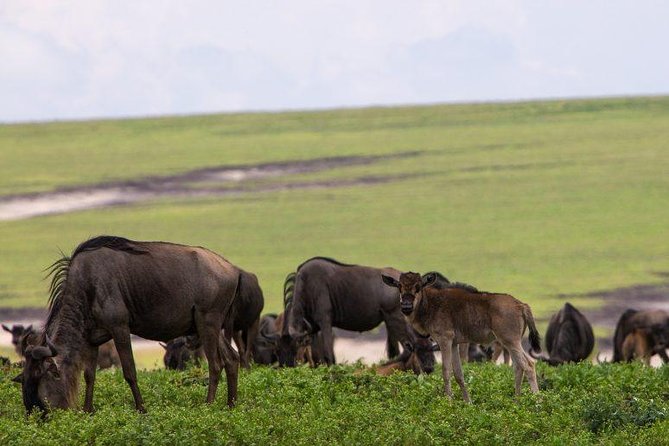
Reviewed · SERENGETI SAFARIS
6 Days Tarangire,Serengeti, Ngorongoro & Manyara Mid-range Camping Safari Tour
Big cats, baobabs, and crater views await. This six-day camping safari links four of northern Tanzania’s most famous parks, giving you a strong first look at the country’s wildlife in a compact trip from Arusha. You spend several nights around the Serengeti, then finish with Ngorongoro Crater and Lake Manyara.
I like the small maximum group of six, which should make game drives more personal and give you better access to window space. I also like the range of habitats, from Tarangire’s elephant country to the open Serengeti and the volcanic crater floor. The main drawback is the amount of driving. Several days list around six hours at each stop, so this is an active safari with long stretches on rough park roads, not a slow lodge holiday.
The strongest part of the experience is the guiding. Assad, Macha, Hassan, Joseph, and David are specifically praised for careful driving, animal knowledge, good positioning, and friendly service. Hassan, in particular, was credited with finding strong viewing spots and anticipating where animals would move. That matters greatly on safari, since a good guide can turn an ordinary game drive into a memorable one.
In This Review
- Key Points Before You Book
- Tarangire’s Baobabs and Large Elephant Herds
- The Long Road Into the Serengeti
- Three Serengeti Days for Better Wildlife Odds
- Ngorongoro Crater, a Wildlife Bowl Below the Rim
- Lake Manyara’s Birds and Tree-Climbing Lions
- What the Mid-Range Camping Style Means
- Group Size, Guides, and Daily Comfort
- How the Safari Delivers Value
- Who Should Choose This Safari?
- Should You Book It?
- FAQ
- Where does the safari start?
- How long is the experience?
- What parks are included?
- How many people can join the tour?
- Is this a camping safari?
- Are meals included?
- Is drinking water provided?
- Are park fees and taxes included?
- What languages can the guide speak?
- Are flights and visas included?
- Can I cancel for a full refund?
Key Points Before You Book
- Four major parks in six days: Tarangire, Serengeti, Ngorongoro Crater, and Lake Manyara give you a broad sample of northern Tanzania.
- Central Serengeti receives several days: This improves your chances of finding lions, cheetahs, leopards, hyenas, elephants, giraffes, and resident herds.
- Camping keeps the trip focused on value: Meals, drinking water, park fees, and safari staff are included, while lodging is described as mid-range camping.
- A maximum of six people: The small group size is useful for wildlife viewing and makes it easier to ask your guide questions.
- Migration sightings depend on timing: The Serengeti is home to the Great Migration, but the exact location of the herds changes through the year.
- Lake Manyara adds a different finale: Expect birdlife, elephants, giraffes, baboons, and the possibility of lions resting in trees.
Tarangire’s Baobabs and Large Elephant Herds
Your safari begins at 7:00 am, with pickup in the Arusha area. The first park is Tarangire, a very good opening act because it offers a clear change from city life almost at once: large mammals, dusty tracks, baobab trees, and wide views across the park.
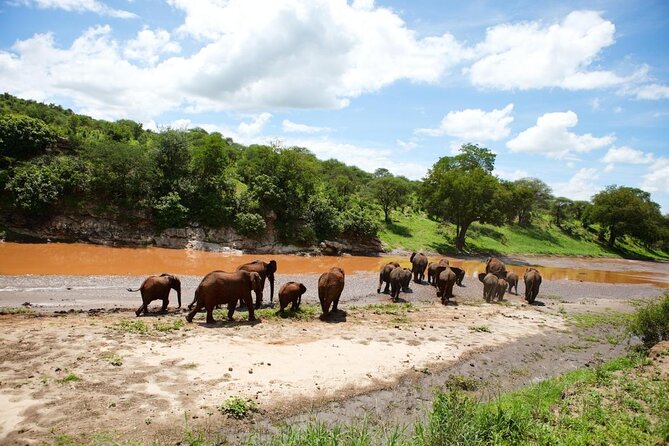
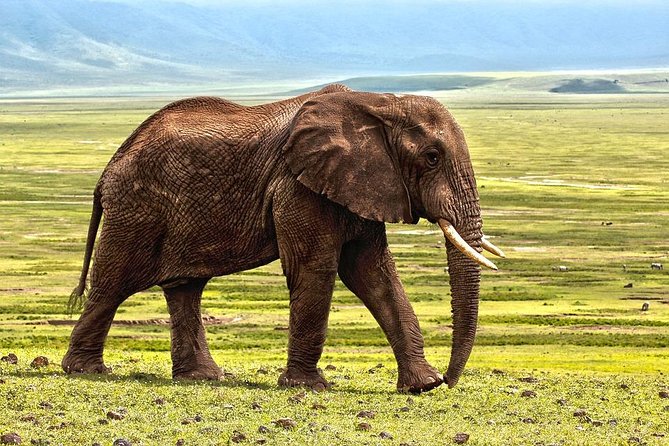
Tarangire is especially known for elephants. Herds can sometimes reach about 300 animals, so this is one of the best parts of the route for watching elephant family groups move, feed, and gather near water. The park also has lion, leopard, buffalo, and elephant, giving you a chance to see four of Africa’s Big Five.
The baobabs are part of Tarangire’s character. Their thick trunks and strange branching shapes give the park a distinctive look, while the Amarula trees offer elephants one of their favorite sweet fruits. Your guide can help explain what you are seeing, which adds meaning to a stop that might otherwise become a quick photo break.
The day is listed as two six-hour stops in Tarangire. Read that as a full day in the park rather than two separate attractions. You should expect a long game drive, then camp inside the national park as the sun goes down. Camping here puts you close to the sounds and rhythms of the bush, though it also means you should be comfortable with a less polished setup than a permanent lodge.
More Safaris in Arusha
- Serengeti Balloon Safari and authentic bush breakfast
★ 5.0 · 2,480 reviews - Balloon Safari & Bush Breakfast in Serengeti – Miracle Experience
★ 5.0 · 1,646 reviews - 4 Days Group Camping Safari
★ 5.0 · 1,101 reviews
The Long Road Into the Serengeti
Day two shifts toward Serengeti National Park. The drive is long, but the route itself is part of the experience. The scenery changes as you leave Tarangire and move toward one of the world’s most famous wildlife areas.
The Serengeti is the main reason many people choose this trip. Its name is linked with the Great Migration, when roughly two million wildebeest move with large numbers of zebra and antelope. The herds do not remain in one place, and a safari operator cannot promise a particular crossing or gathering on a particular day. Your timing matters, so ask for the expected animal movements before you book.
The park is also valuable outside migration season. Resident buffalo, elephant, giraffe, eland, topi, kongoni, impala, and Grant’s gazelle can be found through the year. These animals support a strong predator population, including lions, cheetahs, leopards, and hyenas.
The route gives you several nights in the Serengeti, with special attention to the Central Area. That is a smart use of time because central Serengeti is known for a high concentration of big cats. Instead of spending every night in a different park, you get repeated chances to search the same broad region at different times.
Expect plenty of time in a safari vehicle. The itinerary repeats two six-hour Serengeti stops on days two, three, and four, suggesting full game-drive days rather than short visits. This improves your odds of seeing more animals, but the pace can feel tiring. If you prefer short drives and long afternoons at camp, this tour may feel too demanding.
Three Serengeti Days for Better Wildlife Odds
The three Serengeti days are the heart of the trip. You may see open grassland, herds of grazing animals, rocky outcrops, and predators using the terrain for shade or hunting. The attraction is not one single viewpoint. It is the chance to keep looking.
A good guide makes a real difference here. The strongest praise for this trip centers on guides who could identify animals, read the surroundings, and place the vehicle well without making the experience feel rushed. Hassan was singled out for locating animals and judging which direction they were likely to take. Macha was praised for warm, family-like service while still maintaining high standards. Assad received credit for safe driving and a strong grasp of the wildlife and area.
Those details are worth weighing when you compare safari companies. Park access alone does not create a good safari. Communication, driving, patience, and the ability to explain animal behavior can shape your entire day.
The itinerary says you finish in the Serengeti’s most remote region before flying onward, but the listed six-day schedule later moves to Ngorongoro and Lake Manyara, with the activity ending back at the meeting point. Clarify this point before paying. Ask exactly where the final night is, whether a flight is included, and where the safari ends. The written route and the opening overview do not fully match.
Ngorongoro Crater, a Wildlife Bowl Below the Rim
Day five brings you to Ngorongoro Crater. This is one of Tanzania’s most striking natural settings: a deep volcanic caldera with open plains, water, swamp, forest, a soda lake, and a large concentration of wildlife.
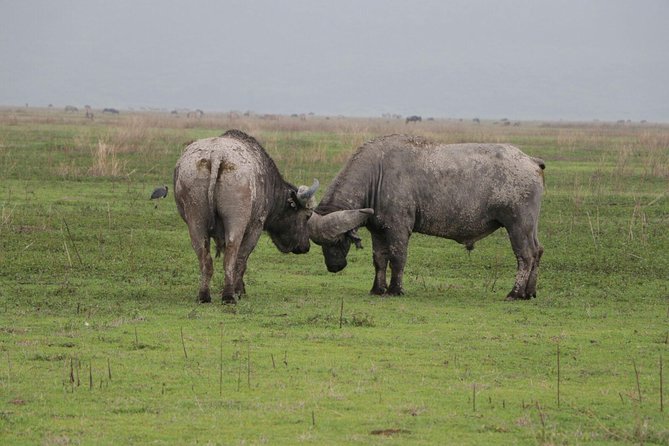
The crater is home to endangered black rhino, along with lion, leopard, elephant, buffalo, wildebeest, hyena, and cheetah. The enclosed shape of the crater makes it feel different from the Serengeti. Instead of searching across a vast open park, you are looking into a broad natural bowl where several habitats sit close together.
The soda lake can attract flamingos, while the swamps support other animals. The crater’s elephants are noted for their large size and impressive tusks. You may also spot all of the Big Five, although wildlife sightings are never guaranteed.
The schedule gives you two six-hour stops at Ngorongoro, including an arrival in time for a sundowner. That wording suggests a full day of crater and rim activity, but the exact order should be confirmed. Ask whether the crater descent is on day five, whether the camping area is on the rim or elsewhere, and how much time is allocated to the drive from Serengeti.
Ngorongoro can be a highlight for first-time safari visitors, but it is also a busy destination compared with more remote parts of the Serengeti. The reward is the remarkable concentration of animals and the crater itself. The tradeoff is less solitude.
More ways to see the Ngorongoro Crater:
- 3 Days Serengeti & Ngorongoro Group Camping Safari
★ 5.0 · 574 reviews - 5 Days Camping Tarangire, Serengeti & Ngorongoro crater & Visiting Maasai
★ 5.0 · 229 reviews - 4 Days Join Group tour Tarangire Serengeti and Ngorongoro crater
★ 5.0 · 219 reviews - 4-Day Safari from Arusha: Tarangire, Serengeti and Ngorongoro
★ 5.0 · 173 reviews
Lake Manyara’s Birds and Tree-Climbing Lions
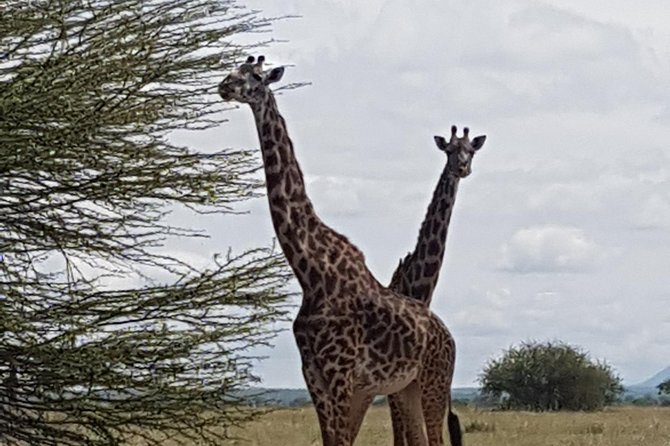
The final day takes you to Lake Manyara National Park. This park is smaller in scale than the Serengeti, but it packs several different habitats into one visit. The lake creates attractive views, especially when giraffes or buffalo appear in the foreground.
Lake Manyara is known as a bird paradise. You may also see elephants, giraffes, zebras, wildebeest, impala, waterbuck, warthogs, dik-dik, klipspringers, baboons, and possibly leopards in the broken forest and escarpment areas.
The park’s best-known character comes from its tree-climbing lions. Lions do not always climb during every visit, so treat this as a possibility rather than a promise. When they are resting in the branches, the sight is unusual and makes a fitting final wildlife search.
Two six-hour stops are listed here as well. That gives you time to explore beyond the lake itself, but it also reinforces the full-day nature of the safari. Optional activities such as a bike tour or boat excursion are mentioned, though you should confirm availability, cost, and whether they fit this particular schedule before counting on them.
What the Mid-Range Camping Style Means
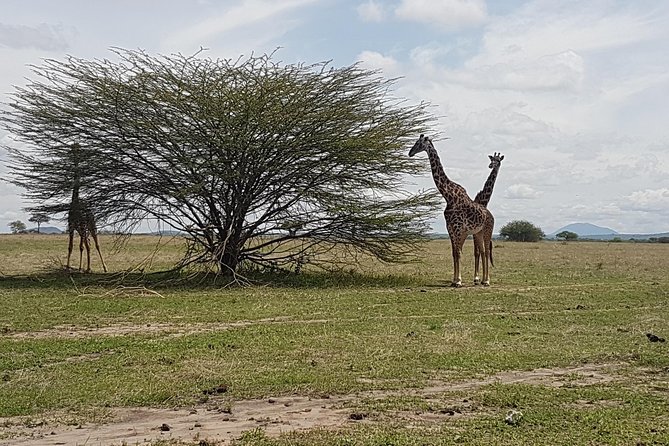
This is a camping safari, not a luxury lodge circuit. That choice helps keep the focus on national parks and may offer better value than a high-end itinerary, especially with park fees, meals, drinking water, and a professional guide included.
Breakfast is included on all six days, lunch on all six days, and five dinners are included. Other dietary requirements can be requested. You should communicate those needs before departure, since meals in a camping setting require more planning than meals at a hotel restaurant.
The package also includes all fees and taxes. Tips for the driver-guide and safari cook are not included, and personal expenses, travel insurance, visas, and international flights are excluded. Those costs should form part of your real budget.
The listed price is $0.00, which should not be treated as a genuine final tour price. Confirm the current quotation, what camping equipment is supplied, and whether any transfers or activities outside the core route cost extra. A clear written price is especially important because the tour description includes both a return to the meeting point and a reference to flying onward.
Group Size, Guides, and Daily Comfort
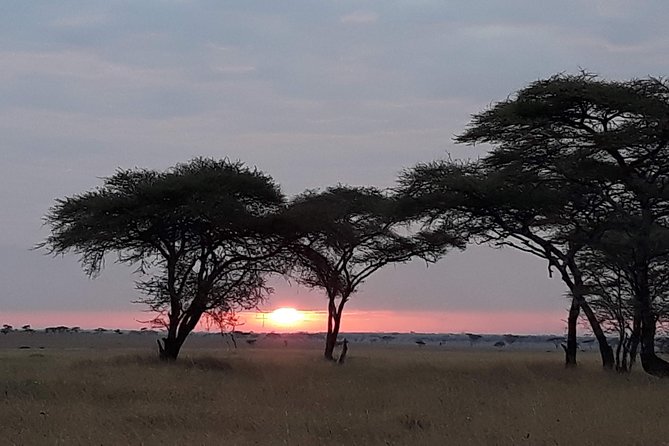
The maximum group size is six people. That is a practical advantage in a safari vehicle. You get fewer competing voices, more room to watch animals, and a better chance of asking for a short pause when something interesting appears.
The guide can speak English, Spanish, and French. The guide names associated with especially positive experiences include Assad, Macha, Hassan, Joseph, and David. The specific person assigned to your group may differ, so treat those names as examples of the company’s guiding team rather than a guarantee.
Most people can take part, and the activity is near public transportation. Pickup is offered, with the stated start time at 7:00 am. Because the trip includes long drives and repeated six-hour park sessions, you should be happy spending much of the day seated in a safari vehicle.
Bring patience as well as a camera. Wildlife rarely performs on schedule, and the best sightings may come after a long quiet stretch. The guide’s judgment is important, but so is your willingness to keep watching.
How the Safari Delivers Value
The value here comes from the route rather than one luxury feature. In six days, you cover four major wildlife areas and spend several days in the Serengeti instead of treating it as a quick stop. That is a strong arrangement for someone with limited time in northern Tanzania.
The included food, water, taxes, park fees, and guide reduce the number of separate expenses you need to arrange. The small group size adds value too, since a cheaper large group can feel crowded during long game drives.
The tradeoff is comfort and pace. You are paying with time on the road and long days in the vehicle. The tour is best for someone who wants a serious wildlife itinerary and accepts that reaching the animals takes effort.
Who Should Choose This Safari?
I would recommend this trip to a first-time safari visitor who wants the classic northern Tanzania circuit in less than a week. It suits couples, families, and small groups who value wildlife variety, practical pricing, and a guide-led experience.
It is also a good match if you want to see both famous parks and less predictable animal encounters. Tarangire gives you elephants and baobabs, Serengeti gives you big cats and migration country, Ngorongoro gives you a concentrated crater setting, and Manyara adds birds and possible tree-climbing lions.
I would hesitate if you dislike long drives, camping, early starts, or a schedule that keeps moving. I would also ask for a corrected day-by-day plan before booking, since the mention of a remote Serengeti finish and onward flight does not fully align with the listed return to the meeting point.
Free cancellation is available up to 24 hours before the start time for a full refund. Within 24 hours, cancellations and changes are not accepted for a refund. The activity ends back at the meeting point according to the supplied details, but confirm this along with the final price and transport plan.
Should You Book It?
Book this safari if you want maximum park variety, several Serengeti days, a group of no more than six, and a camping format that puts wildlife ahead of luxury. The praise for guides such as Hassan, Macha, Assad, Joseph, and David is a meaningful strength, especially on a route where safe driving and good animal positioning matter.
Before you commit, get written answers about the $0.00 displayed price, camping arrangements, the possible onward flight, and the exact final drop-off. If those details are clear and you are ready for long game drives, this route offers a strong introduction to Tanzania’s most celebrated wildlife country.
FAQ
Where does the safari start?
The safari starts in Arusha, with pickup offered and a stated start time of 7:00 am.
How long is the experience?
The safari lasts approximately six days.
What parks are included?
The route includes Tarangire National Park, Serengeti National Park, Ngorongoro Crater, and Lake Manyara National Park.
How many people can join the tour?
The maximum group size is six people.
Is this a camping safari?
Yes. The experience is described as a mid-range camping safari, with camping inside the national park mentioned after the Tarangire day.
Are meals included?
Breakfast is included for six days, lunch is included for six days, and five dinners are included.
Is drinking water provided?
Yes. Drinking water is included.
Are park fees and taxes included?
Yes. All fees and taxes are included, and admission is specifically included for Ngorongoro Crater and Lake Manyara.
What languages can the guide speak?
The professional driver-guide can speak English, Spanish, and French.
Are flights and visas included?
No. International flights, visas, travel insurance, personal expenses, and tips for the driver-guide and safari cook are not included.
Can I cancel for a full refund?
Yes, if you cancel at least 24 hours before the experience start time. Cancellations within 24 hours are not refunded.
More Tarangire Safaris
- 2 Days Tarangire and Ngorongoro Group Camping Safari
★ 5.0 · 146 reviews - 4 Days Tarangire Serengeti Ngorongoro Crater
★ 5.0 · 117 reviews - 3 Days Tarangire, Ngorongoro & Lake Manyara Group Camping Safari
★ 5.0 · 102 reviews - Tarangire Day Tour
★ 5.0 · 95 reviews
More Serengeti Safaris
- 5-Day Highlights mid-Range Crater, Serengeti, Tarangire
★ 5.0 · 296 reviews - 3-Day Classic Serengeti Safari
★ 5.0 · 263 reviews - Private 6-Day Tarangire Manyara Crater and Serengeti with Mid-Range Lodges
★ 5.0 · 238 reviews - 10-Day Serengeti Wildebeest Migration Safari from Arusha
★ 5.0 · 218 reviews
Just added around Arusha
- 5 Days Safari Tarangire, Serengeti, and Ngorongoro Crater★ 5.0 · 3 reviews
- Love lives in Africa★ 5.0 · 3 reviews
- 5 Days of Safari, Culture & Hot Springs – Tour from Arusha★ 5.0 · 3 reviews
- Arusha National Park Safari by Jeep★ 4.5 · 3 reviews
- 5Days Family _Group Tour Lodging Mid-Range in the Jungle★ 5.0 · 3 reviews
- 2 Days Tarangire and Ngorongoro Crater Tour★ 5.0 · 3 reviews
- Serengeti & Ngorongoro 3 Days Budget Safari★ 5.0 · 3 reviews
- 7 Days PRIVATE Best of Tanzania Safari *Departing everyday*★ 5.0 · 3 reviews
Serengeti Safaris, compared.

Serengeti Balloon Safari and authentic bush breakfast
Read our review →
Balloon Safari & Bush Breakfast in Serengeti – Miracle Experience
Read our review →
3 Days Serengeti & Ngorongoro Group Camping Safari
Read our review →
5-Day Highlights mid-Range Crater, Serengeti, Tarangire
Read our review →


Private 6-Day Tarangire Manyara Crater and Serengeti with Mid-Range Lodges
Read our review →
5 Days Camping Tarangire, Serengeti & Ngorongoro crater & Visiting Maasai
Read our review →Browse the lists this tour appears in