
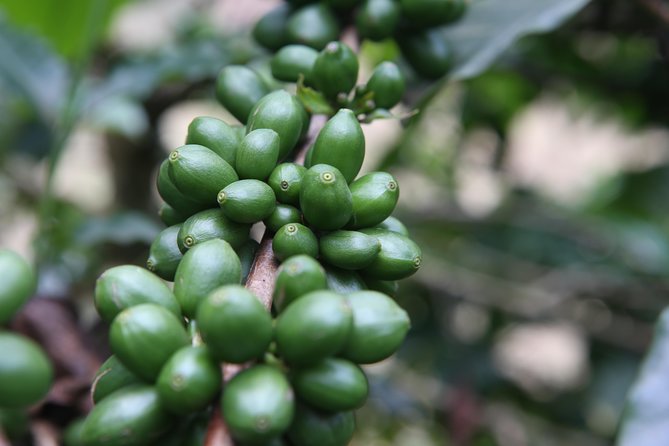
Reviewed · COFFEE EXPERIENCES
Coffee walk day trip
Coffee begins with a walk. This private day trip near Arusha takes you through a working coffee village, past small farms, schools, and churches, before showing you how organic coffee becomes a drink. I like the personal guide-led format and the chance to eat a homemade Tanzanian lunch in the village. The main consideration is the walking: this is not a drive-up farm visit, and the route includes a 30 to 40 minute walk to the roaster.
I also like that the $102 price includes more than a quick tasting. You get a six-and-a-half-hour experience, a bag of coffee to take home, coffee sampling, and a full lunch of local dishes. Samwel, also spelled Samuel in the tour details, has worked with the coffee walk for more than 10 years, which adds useful local context. Because the activity is private, your group can enjoy a more relaxed pace, though the price may feel high if you only want a short coffee demonstration.
In This Review
- Key points to know before booking
- Why this coffee walk near Arusha is worth your time
- Starting at 9:00 a.m. and leaving Arusha
- Walking past farms, schools, and churches
- Comparing organic and traditional coffee farming
- The 30 to 40 minute walk to the roaster
- Lunch in the garden with village specialties
- Coffee tasting with banana cake
- What the private format changes
- Is $102 a fair price?
- Who should book this coffee day trip?
- Booking, cancellation, and practical details
- Should you book the Coffee Walk day trip?
Key points to know before booking
- A 40-minute transfer from Arusha: The coffee village sits outside Arusha town, at about 1,400 meters.
- A real village walk: You walk from the village center past small farms, schools, and churches before reaching the coffee fields.
- Organic and traditional methods: The tour explains how organic production differs from traditional coffee farming.
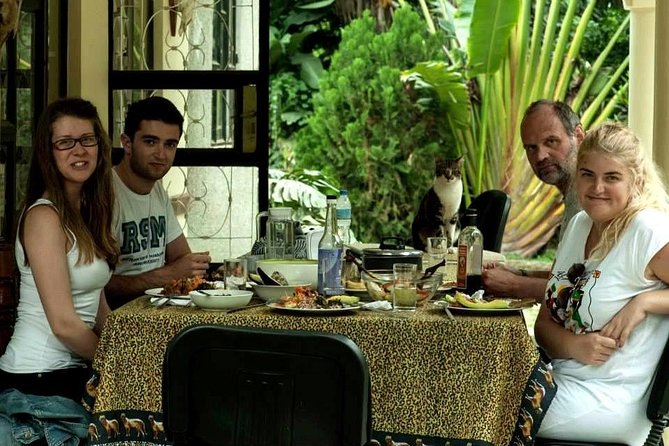
- A generous Tanzanian lunch: Chapati, roasted banana, rice, ugali, goat sauce, spinach, salad, seasonal fruit, and banana cake are served.
- Coffee continues after lunch: You cup different coffees together and receive a bag to take home.
- Private by design: Only your group participates, making the visit more personal than a large farm tour.
Why this coffee walk near Arusha is worth your time

If you are staying in Arusha before or after a safari, this is a useful way to spend a day without simply adding another vehicle excursion. The experience connects coffee with daily village life. You do not only see rows of plants and hear a short explanation. You walk through the area where farming, schooling, worship, and coffee production share the same setting.
That matters because coffee can seem like a finished product in a café. Here, you follow part of its longer path. The tour introduces the people who make their living from small-scale farming and explains how coffee moves from bean to cup. The focus is practical rather than polished, which is one reason this experience feels more grounded than a standard tasting.
The tour lasts about six hours and 30 minutes, beginning at 9:00 a.m. That gives you enough time for the walk, farm visit, coffee work, lunch, and tasting without making the day feel rushed. Pickup is offered, which is helpful if you are based in Arusha and do not want to arrange transport to the village yourself.
More Coffee Tours in Arusha
- Materuni Waterfalls, coffee tour & Kikuletwa Hot Springs
★ 5.0 · 643 reviews - Materuni waterfalls coffee tour & Chemka hot springs Day trip
★ 5.0 · 131 reviews - Maasai village visit, Materuni waterfalls & coffee experience
★ 4.5 · 95 reviews
Starting at 9:00 a.m. and leaving Arusha
The coffee village is about 40 minutes from Arusha town. The setting is described as evergreen and located at roughly 1,400 meters, so the change from town to countryside is part of the experience. You should plan for a morning start and a full half-day commitment rather than treating this as a quick stop.
The exact pickup details are not provided, so confirm the meeting arrangement when you book. You receive confirmation at booking, and the activity is also near public transportation. Still, pickup offered is likely the simplest choice if you are carrying a day bag or have limited time in Arusha.
This first drive is not the main attraction, but it sets up the visit. Once you reach the village center, the tour shifts from transport to walking. That change is important: you are not being driven directly to a farm entrance and shown only the parts prepared for visitors.
Walking past farms, schools, and churches
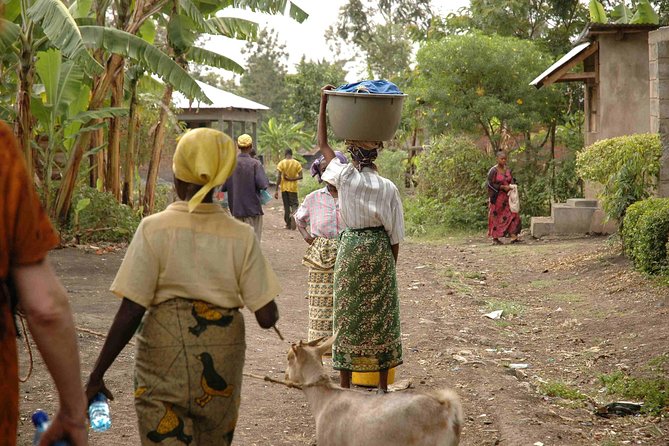
From the village center, you use your feet to reach the organic coffee farm. The walk takes you past small farms, schools, and churches, with the guide explaining local culture and traditions along the way.
I like this part because it gives the coffee story a human setting. A farm visit can easily become a narrow lesson about planting and roasting. The village route widens the picture without turning the tour into a lecture. You see how coffee fits alongside other small-scale farming and community life.
The walk also sets the pace for the day. You have time to ask questions and notice the area around you. Since the route is on foot, wear practical shoes and bring whatever you normally need for several hours outside. The supplied details do not describe the surface, steepness, or shade, so you should be ready for an ordinary rural walk rather than a fully paved attraction.
Most travelers can participate, according to the tour information. Even so, the walking portion is worth taking seriously if you have mobility concerns. The experience is private, so your group may have more flexibility than a large tour, but the route itself remains part of the activity.
Comparing organic and traditional coffee farming
At the farm, the guide explains the difference between traditional and organic coffee production. This is one of the more useful parts of the visit because it moves beyond the broad claim that coffee is natural or local. You get a look at how different production approaches affect the work involved and the way the farm operates.
The farm is Fairtrade and organic, and coffee farming provides a livelihood for many people connected to the area. That does not mean the tour can explain every part of the international coffee trade in detail, but it does give you a direct connection to the production side of a drink most of us consume far from its source.
The Fairtrade element also adds value to the visit. You are learning about coffee in a setting tied to local income rather than seeing only a display designed for tourists. Ask questions about the farming process while you are there. A private format is especially useful for this because you are not competing with a large group for the guide’s attention.
The supplied information does not give a month-by-month growing calendar or a detailed list of processing equipment. It is better to expect a practical introduction to farming and production than a technical coffee course.
More Day Trips in Arusha
- Materuni Waterfalls & Chemka Hotsprings Day Trip
★ 5.0 · 214 reviews - Ngorongoro Crater Day Trip
★ 5.0 · 72 reviews - From Arusha/Moshi: Kilimanjaro Hike Marangu Route Day Trip
★ 4.5 · 54 reviews - day trip tarangire
★ 5.0 · 46 reviews
The 30 to 40 minute walk to the roaster
After the farm visit, the route continues downhill to the roaster. This section takes about 30 to 40 minutes and is a key reason to wear comfortable shoes.
The walk makes the coffee process feel connected. You first pass through the village, then see the farm, and finally reach the place where the coffee is roasted. Instead of moving between unrelated stops by car, the day follows a clear physical path from community to crop to finished product.
The word downhill matters. The tour description does not provide the return route or say how strenuous the walk is, so ask about the walking conditions if that affects your planning. You may find the route easy, but the tour should not be booked as a sedentary activity.
At the roaster, you learn more about the later steps in coffee production. The exact demonstrations are not listed, so you should not expect a guaranteed lesson on every stage of washing, drying, grading, or roasting. What is clear is that the visit covers the long journey from bean to cup and ends with tasting.
Lunch in the garden with village specialties
One of the strongest parts of the day is lunch in the garden. The meal includes chapati, roasted banana, rice, ugali, goat sauce, spinach, salad, seasonal fruit, and other specialties from the village.
This is more than a convenient meal between activities. Food gives you another way to understand local life, and the menu includes several familiar East African staples in one sitting. Ugali provides a simple introduction to a widely enjoyed dish, while chapati and roasted banana add different textures and flavors. Goat sauce supplies the main meat dish, and the spinach, salad, and fruit round out the plate.
Because the meal is described as authentic Tanzanian food made by local villagers, it is a meaningful part of the experience rather than an international lunch prepared for broad tastes. If you have dietary restrictions, ask in advance. The supplied information does not confirm vegetarian, vegan, allergy-friendly, or religious dietary arrangements.
Lunch also helps justify the length and price of the outing. A six-and-a-half-hour activity with a full meal offers more substance than a short coffee stop. You are paying for time, guiding, food, and a private visit, not just a cup of coffee.
Coffee tasting with banana cake

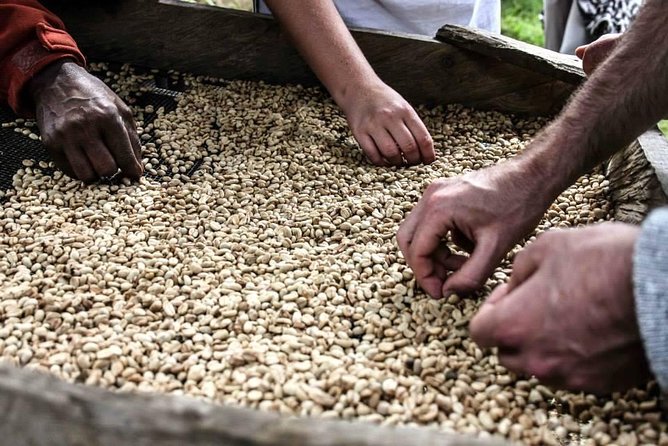
For dessert, you cup different coffees together with the farm’s famous banana cake. In coffee language, cupping means tasting coffees side by side so you can notice differences. The details do not specify the varieties or roast levels, but the format should help you compare rather than simply drink one prepared cup.
This is where the earlier farm and roaster visits come together. You have seen the setting where coffee grows and learned about production. Now you taste the result. The banana cake gives the tasting a local finish and makes the experience approachable even if you are not a serious coffee enthusiast.
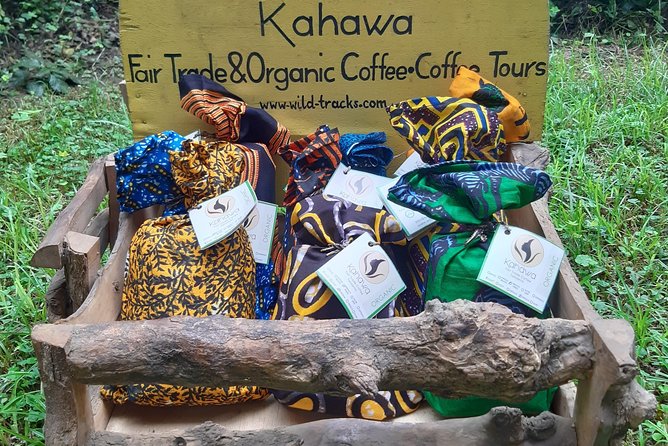
You also receive a bag of coffee to take home and have the chance to buy more. That is a practical perk. The souvenir is something you can use, and purchasing additional coffee gives you a direct way to continue supporting the farm after the visit.
Check what size and type of coffee are included at booking, since those details are not provided. The same applies to whether the take-home coffee is whole bean or ground.
What the private format changes
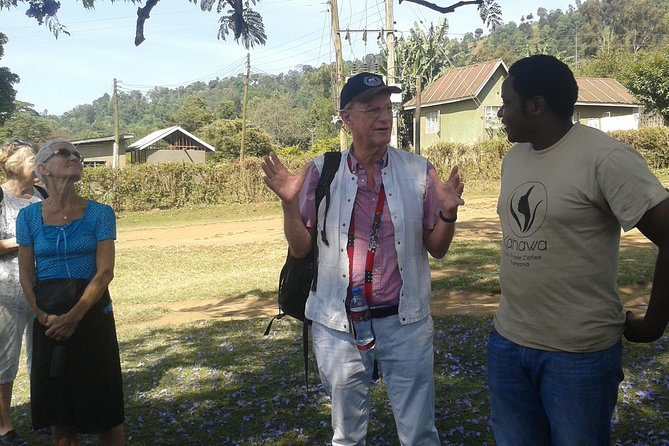
This is a private tour, so only your group participates. That can make a large difference on a walking and food-focused experience. You can ask more questions, spend longer at a point that interests you, and discuss the coffee tasting without the noise or timing pressure of a mixed group.
The guide named in the tour details is Samwel, also written as Samuel, who has worked with the coffee walk for more than 10 years. That experience is especially useful during the village walk, where the value comes from explanation rather than scenery alone. The strongest praise attached to the tour focuses on the guide’s ability to show the reality of coffee farming and other small-scale farming in the area.
There is a trade-off. Private tours usually cost more per person than a shared outing, and the $102 rate reflects that. If you are a solo visitor or a couple watching every dollar, compare the price with a group activity. If you value a tailored pace and direct conversation, the private setup makes more sense.
Group discounts are offered, though the exact discount is not stated. Larger groups should ask for the current rate before booking.
Is $102 a fair price?
At $102 per person, this is not the cheapest way to see coffee near Arusha. The value depends on what you want from the day.
I think the price is reasonable if you want several experiences combined: transport support, a private guide, a village walk, a farm visit, production education, a substantial Tanzanian lunch, coffee tasting, and a bag of coffee. The duration also matters. You are getting roughly six and a half hours rather than a one-hour demonstration.
The price is harder to justify if you only want to see a roaster or taste coffee. In that case, a shorter local activity could suit you better. This tour earns its price through the combination of food, walking, cultural explanation, and private attention.
The Fairtrade and organic focus may also matter to you. It gives the visit a stronger connection to farming livelihoods and responsible production, though the supplied details do not provide a breakdown of how the $102 is divided or how much reaches producers.
Who should book this coffee day trip?
I would recommend this outing to you if you enjoy walking, food, small-scale farming, and local conversations. It works especially well for someone with a free day in Arusha who wants an experience connected to the area rather than another generic sightseeing stop.
Coffee drinkers will get the most obvious pleasure from the farm visit, roasting discussion, tasting, and take-home bag. But you do not need to be a coffee expert. The village walk and meal give the day wider appeal.
This may also suit families or small groups because the private format allows more control over the pace. Still, confirm the walking conditions if anyone in your group has limited mobility. The information says most people can participate, but it does not describe accessibility features or a fully accessible route.
I would think twice if you dislike rural walks, want a tightly technical coffee class, or have strict food requirements that have not been confirmed. The attraction here is the full local experience, not a controlled tasting room.
Booking, cancellation, and practical details
The start time is 9:00 a.m., and the total duration is approximately six hours and 30 minutes. Pickup is offered, mobile tickets are available, and confirmation is received when you book.
Free cancellation is available if you cancel at least 24 hours before the experience starts. Cancellations made less than 24 hours in advance are not refunded, and changes inside that same window are not accepted. The cut-off follows local time in Tanzania.
The activity is operated by Wild Tracks/Kahawa, Coffee Walks. Its current rating is 5 out of 5 from 10 reviews, with 100 percent recommending it. The praise is strongest for the walking tour, the honest look at coffee and small-scale farming, and the work of Samwel. That is a good sign, though the number of ratings is still small.
Should you book the Coffee Walk day trip?
Book it if you want coffee explained through a real village, a farm, a roaster, and a generous local meal. The private format, experienced guide, take-home coffee, and Fairtrade organic focus give the day more substance than a basic plantation visit.
Skip it if you want minimal walking, a brief tasting, or the lowest possible price. For the right person, $102 buys a thoughtful half-day connection to Arusha’s coffee-growing community, with lunch included and a useful souvenir to take home.
More Coffee Tours
- Materuni Waterfalls & Coffee Tour from Moshi
★ 5.0 · 92 reviews - Arusha: Materuni Waterfalls, Coffee, and Hotsprings Tour
★ 4.8 · 78 reviews - Coffee tour and Buffet Lunch with Kingstone Asilia (Arusha)
★ 5.0 · 74 reviews - Materuni waterfalls,coffee tour & Kikuletwa(Chemka)Hot Springs
★ 5.0 · 49 reviews
More Walking Tours in Arusha
- Arusha Guided Walking City Tour, Culture, Lifestyle & History
★ 5.0 · 150 reviews - 7-Day Private Tanzania Safari with Sunset Walking on the Crater Rim and Maasai
★ 5.0 · 40 reviews - 4 Days lodge safari Tarangire , Ngorongoro crater & Walking
★ 5.0 · 39 reviews - Tanzania – Arusha NP – Private Guided 4×4 Safari – Game Drive & Walking
★ 5.0 · 30 reviews
Just added around Arusha
- 5 Days Safari Tarangire, Serengeti, and Ngorongoro Crater★ 5.0 · 3 reviews
- Love lives in Africa★ 5.0 · 3 reviews
- 5 Days of Safari, Culture & Hot Springs – Tour from Arusha★ 5.0 · 3 reviews
- Arusha National Park Safari by Jeep★ 4.5 · 3 reviews
- 5Days Family _Group Tour Lodging Mid-Range in the Jungle★ 5.0 · 3 reviews
- Serengeti & Ngorongoro 3 Days Budget Safari★ 5.0 · 3 reviews
- 2 Days Tarangire and Ngorongoro Crater Tour★ 5.0 · 3 reviews
- 7 Days PRIVATE Best of Tanzania Safari *Departing everyday*★ 5.0 · 3 reviews
Coffee Experiences, compared.
Materuni Waterfalls, coffee tour & Kikuletwa Hot Springs
Read our review →
Materuni waterfalls coffee tour & Chemka hot springs Day trip
Read our review →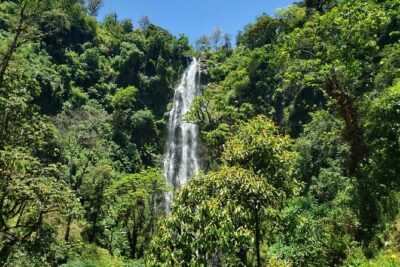
Materuni Waterfall, Coffee Tour and Picnic Hot Lunch
Read our review →
Maasai village visit, Materuni waterfalls & coffee experience
Read our review →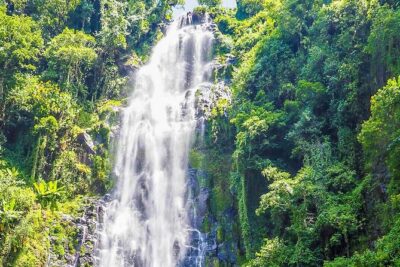
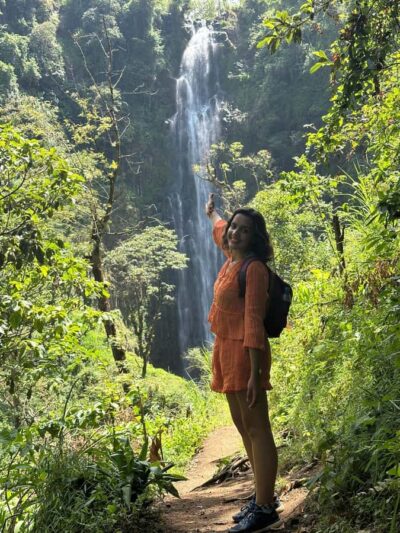
Arusha or Moshi : Hot Spring, Waterfall & Coffee Farm Tour
Read our review →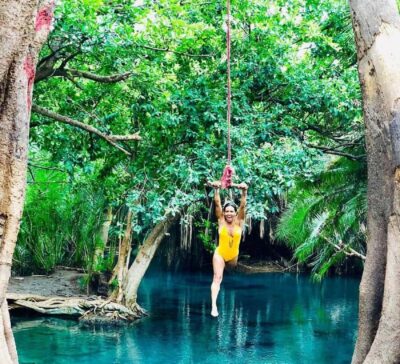
Materuni Waterfalls, Coffee, and Hotsprings Tour
Read our review →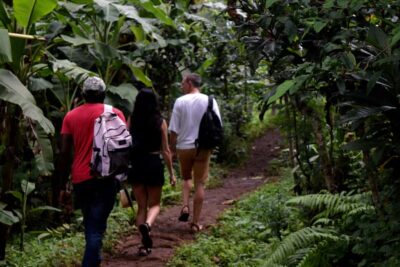
Materuni Waterfalls, Chemka Hot Springs, &/Or Coffee Tour
Read our review →Browse the lists this tour appears in