
Reviewed · DAR ES SALAAM TOURS
Dar es salaam Reality Tour
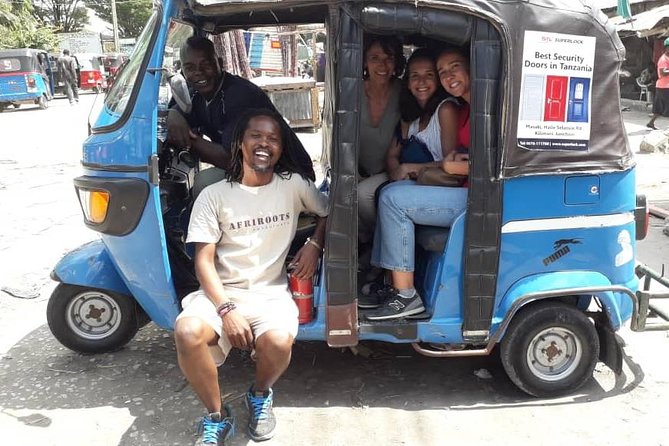
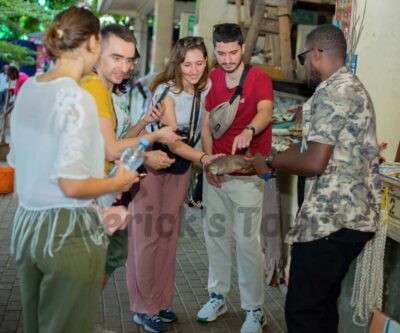
See the city through working hands. This five-hour Dar es Salaam Reality Tour moves beyond standard sights and into the daily lives of local workers, small businesses, and people from different economic backgrounds. You travel by bicycle or bajaj, with transport provided, and return to the Village Museum by about early afternoon.
I like the small-business focus and the chance to visit a coffee seller, a Swahili breakfast maker, a traditional medicine place, and a khanga shop. I also like the half-day format. You get a more personal look at the city without giving up the rest of your day for beaches, museums, shopping, or a second tour.
The main concern is reliability. One published account describes a no-show after a booking made 24 hours ahead, with a refund still pending. The tour has a 4.3 rating from 16 ratings, but I would confirm the pickup details with Afri Roots Adventures before setting out.
In This Review
- Key Things to Know Before You Go
- Why This Tour Gives You a Different View of Dar es Salaam
- Starting at the Village Museum at 8:00 am
- Coffee, Income, and the First Local Business Visit
- A Swahili Breakfast Stop With a Local Focus
- Traditional Medicine and a Different Kind of Local Knowledge
- Khanga: Cloth With Practical and Cultural Meaning
- Bicycle or Bajaj: Two Ways to Move Between Stops
- What the $51.29 Price Really Covers
- The Reliability Question and How to Protect Your Plans
- Who Will Enjoy This Five-Hour Morning Most?
- Should You Book the Dar es Salaam Reality Tour?
- FAQ
- Where does the Dar es Salaam Reality Tour start?
- What time does the tour begin?
- How long does the experience last?
- What transport is provided?
- What places are visited?
- Is food included?
- Can I cancel for a full refund?
Key Things to Know Before You Go
- Local work is the main attraction: The tour centers on people earning a living, not on a checklist of major landmarks.
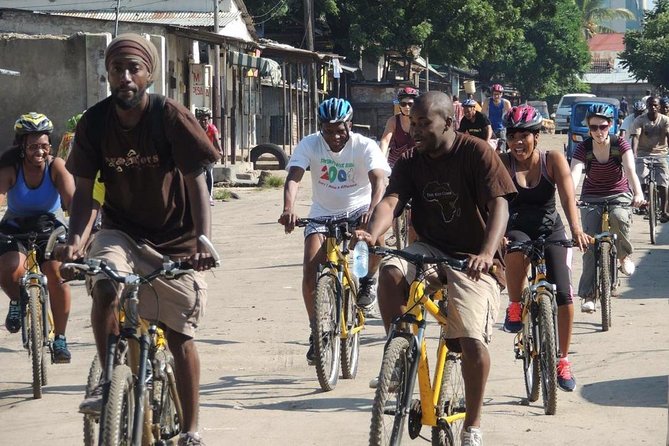
- Bicycle or bajaj transport is included: Your group moves between stops using one of these two options.
- The route begins at 8:00 am: Meet at Kijiji cha Makumbusho, also called the Village Museum, in Mikocheni.
- Four distinct local stops are listed: Expect coffee, Swahili breakfast, traditional medicine, and khanga.
- The group can reach 30 people: That is a useful capacity limit, though the feel may be less intimate at the maximum size.
- Check the drink terms carefully: Drinks are listed as included, but alcohol is also listed as not included elsewhere in the details.
Why This Tour Gives You a Different View of Dar es Salaam
Dar es Salaam is easy to reduce to beaches, seafood, traffic, and a quick stop before a safari. That misses much of the city. Its daily character is found in the people who roast, prepare, sell, sew, pedal, brew, and trade.
This tour puts those ordinary working lives at the center. You are not simply looking at a shop from the pavement and moving on. The planned visits give you a reason to stop and consider how income is earned in different parts of the city.
That focus makes the tour useful early in a Tanzania trip. You begin to see how local commerce works, how food fits into the morning, and how products such as khanga connect with daily life. You also get a better sense of the city beyond the polished visitor areas.
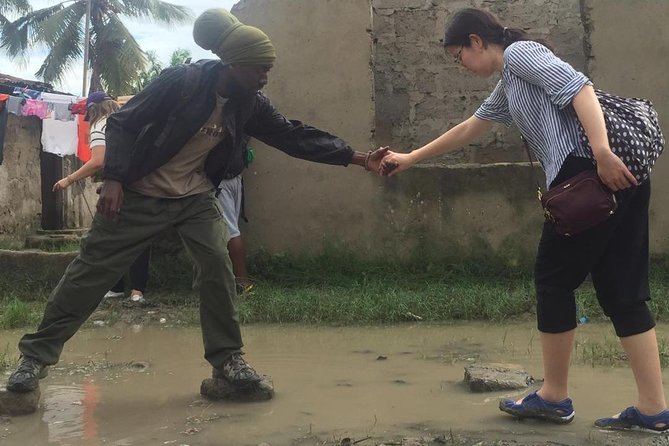
The word reality in the tour name should not be taken to mean hardship tourism. The useful approach is to treat each stop as a meeting with a working person or local business. You are there to listen, ask respectful questions, and buy something if it makes sense for you.
A few more trips of this kind worth comparing:
- Dar es Salaam: City Tour
★ 4.7 · 159 reviews - Dar es Salaam City Center: Walking Tour
★ 4.8 · 102 reviews - Dar es Salaam City Tour – Everyday
★ 5.0 · 64 reviews
Starting at the Village Museum at 8:00 am
The meeting point is Kijiji cha Makumbusho, commonly known as the Village Museum, at 66FW+WG8 in Mikocheni, Dar es Salaam. The tour starts at 8:00 am and ends at the same meeting point.
That central return matters. You do not need to arrange a separate ride from a distant ending point, and the rest of your day remains open. Since the tour lasts about five hours, you can plan another activity after it, though you should leave room for the pace of city travel.
Arrive with the meeting point clearly saved on your phone. The tour offers a mobile ticket, and confirmation is sent when you book. Because one account describes a missed pickup and difficulty reaching the operator, I would not rely only on the original confirmation. Try to confirm the time and meeting location with Afri Roots Adventures before the 24-hour cancellation window closes.
The tour is listed as suitable for most participants, near public transportation, and open to service animals. Those are helpful signs for basic access, but the information does not explain the exact bicycle type, road conditions, or how the operator handles different mobility needs. Ask before booking if those details matter to you.
Coffee, Income, and the First Local Business Visit
One stop is a coffee maker who also sells coffee as a way to earn income. This is a simple idea, but it gives the tour a strong opening. Coffee becomes both a drink and a look at a small livelihood.
You can expect this visit to focus on the making and selling of coffee rather than on a formal café presentation. The value lies in seeing the person behind the product and understanding how a familiar drink fits into local business life.
If you enjoy coffee, this may be one of the most satisfying stops. It gives you something concrete to taste or discuss, while also showing how a small operation can serve as an income source. The available details do not promise a tasting, a set amount of coffee, or a purchase opportunity, so do not assume those specifics.
The stop also sets the tone for the rest of the morning. Instead of hearing a broad lecture about Dar es Salaam, you look at one practical occupation. That is a better fit for you if you prefer small encounters to long historical speeches.
A Swahili Breakfast Stop With a Local Focus
The route continues to a place where Swahili breakfast is made. This stop should be especially useful if you want to understand what people eat at the beginning of the day, not just order familiar hotel food.
The wording says you will visit a place where breakfast is prepared. It does not state that breakfast is included. In fact, food is specifically listed as not included, so budget separately if you want to eat or buy something during the visit.
That arrangement has both an advantage and a drawback. You can choose what, if anything, you want to purchase, but the tour price does not cover a meal. Since the visit is about food, I would carry some local spending money rather than arrive expecting the ticket to include breakfast.
This is also a good place to ask questions about ingredients and preparation, as long as the setting allows it. The tour appears designed for direct contact with local businesses, but the exact amount of time at each stop is not provided. Keep your expectations flexible.
A completely different kind of day out from Dar es Salaam:
- MIKUMI NATIONAL PARK – 3 Days
★ 4.5 · 63 reviews - 2 nights 3 days safari to mikumi national park
★ 5.0 · 62 reviews - 2 Days 1 Night Mikumi National Park from Dar es salaam
★ 5.0 · 60 reviews - The Best/Top Rated Cultural City Tour in Dar es Salaam
★ 5.0 · 57 reviews
Traditional Medicine and a Different Kind of Local Knowledge
A local traditional medicine place is another planned stop. This adds a different layer to the tour because it concerns health practices, remedies, and knowledge passed through local communities.
You should approach this visit with curiosity and care. It can help you understand that Dar es Salaam contains different ways of thinking about health and treatment. At the same time, a tour visit is not medical advice, and you should not treat any product or claim as a substitute for professional care.
The details do not say what will be demonstrated, which remedies will be shown, or whether anything is sold. Do not assume that you will receive treatment or take anything home. The value is mainly educational and cultural, provided the stop is handled respectfully.
This may be the most thought-provoking part of the route. Coffee and breakfast are easy to connect with through taste. Traditional medicine asks you to listen more carefully and avoid judging a practice too quickly.
Khanga: Cloth With Practical and Cultural Meaning
The final listed stop is a khanga shop. Khanga are colorful printed cloths worn and used in East Africa, and a shop visit gives you a chance to look at a product that can be both useful and expressive.
The available information does not specify the shop’s size, designs, prices, or whether shopping is required. You can treat it as a chance to learn about the cloth and browse. If you want souvenirs, this may be the most obvious place to consider a purchase, but bring your own budget because shopping is not included in the ticket.
This stop balances the food and health-related visits with a look at local commerce and textiles. It also gives you something tangible to remember the morning by, should you decide to buy a piece.
The tour’s four listed visits work well together. Coffee shows one kind of income. Breakfast shows food preparation and local eating habits. Traditional medicine presents another form of knowledge. Khanga brings in clothing, design, and retail.
Bicycle or Bajaj: Two Ways to Move Between Stops
Transport is included, with travel by bicycle or bajaj. That is a useful feature because it keeps the tour connected to the streets instead of placing you inside a private vehicle for the full morning.
A bicycle can make the route feel more immediate. You move at a slower pace and may notice more of the surrounding area. It does require you to be comfortable cycling, and the supplied information does not say how long you will ride or what kind of route is used.
A bajaj offers a different experience. These three-wheeled vehicles are a common form of local transport, and using one gives you a practical taste of city movement. It may also suit you better if cycling is not appealing or not possible.
The operator does not state in the supplied details how transport is assigned. Ask if you have a firm preference between bicycle and bajaj. Also ask about seating, cycling expectations, and what happens if weather affects the planned route.
The tour requires good weather. If poor weather cancels it, you are offered another date or a full refund. That is fair, but it makes a weather check useful on the morning before your tour.
What the $51.29 Price Really Covers
At $51.29 per person, the cost is reasonable if you value direct local contact and included transport. You are paying for roughly five hours, a guided route through several types of small businesses, and movement by bicycle or bajaj.
The price is less attractive if you mainly want a meal, major sights, or a long list of included activities. Food is not included, and the drink information is contradictory. One section says drinks, including alcohol, are included, while another says alcohol is not included. Confirm exactly what you will receive before booking.
The group limit is 30 people. That is not a large coach group, but 30 is still enough to change the feel of a small shop visit. If the group reaches its maximum, personal conversation may be harder and some stops may feel more organized than informal.
The tour is booked an average of 23 days ahead, which suggests you should not leave it until the last minute if the date matters to you. Yet one reported no-show followed a booking made only 24 hours before departure, with trouble contacting the company afterward. Early booking alone does not remove the need to confirm.
The Reliability Question and How to Protect Your Plans
Afri Roots Adventures is the stated provider. Confirmation is sent at booking, and the normal cancellation policy allows a full refund if you cancel at least 24 hours before the 8:00 am start.
Changes or cancellations inside 24 hours are not accepted for a refund. The exception is poor weather, when the operator offers a new date or a full refund.
The practical weakness is communication. One account reports that nobody arrived for a booking made the day before and that a refund was still awaited. That is a serious concern for a short tour, because a missed morning can disrupt your entire day.
I would take three sensible steps:
- Save the provider’s contact details and booking confirmation.
- Confirm the 8:00 am meeting time and Village Museum location before the 24-hour cutoff.
- Avoid placing an important same-day commitment immediately after the tour.
These steps do not guarantee perfect operation, but they reduce the chance of confusion. The 4.3 rating from 16 ratings indicates generally positive performance overall, while the no-show report means reliability deserves attention rather than an afterthought.
Who Will Enjoy This Five-Hour Morning Most?
This tour suits you if you prefer everyday life to famous sights. It is a good match for people who want to meet local workers, see how small businesses operate, and spend part of a morning moving through the city by bicycle or bajaj.
It also works well for a short stay. The tour begins at 8:00 am, ends at the starting point, and takes about five hours. You still have time for another plan later, though the exact return time can vary.
You may want to choose another activity if you need a guaranteed meal, a tightly timed itinerary, or a large number of historical landmarks. You should also ask questions before booking if cycling, bajaj travel, weather, or group size could affect your comfort.
The tour is not designed as a luxury outing. Its appeal comes from modest local stops and direct contact. That is precisely why it may be more memorable than a polished sightseeing loop, but only if you are comfortable with a less predictable, more human format.
Should You Book the Dar es Salaam Reality Tour?
I would book this tour if your priority is a grounded look at Dar es Salaam and you like learning through small businesses. The coffee maker, Swahili breakfast stop, traditional medicine visit, and khanga shop offer a useful range of local experiences, while the half-day length leaves room for the rest of your trip.
I would pause before booking if dependable communication is essential or if you are booking just one day ahead. Confirm the pickup directly, clarify the drink and alcohol policy, and remember that food is not included.
For the right person, $51.29 is a fair price for five hours of locally focused sightseeing and included transport. Book it for people and working life, not for grand monuments or a guaranteed culinary tour.
FAQ
Where does the Dar es Salaam Reality Tour start?
It starts at Kijiji cha Makumbusho, also called the Village Museum, in Mikocheni, Dar es Salaam. The listed location code is 66FW+WG8.
What time does the tour begin?
The tour starts at 8:00 am.
How long does the experience last?
It lasts approximately five hours and ends back at the meeting point.
What transport is provided?
The tour provides either a bicycle or a bajaj for transportation during the experience.
What places are visited?
The planned stops include a coffee maker who sells coffee, a place where Swahili breakfast is made, a local traditional medicine place, and a khanga shop.
Is food included?
No. Food is listed as not included, so plan to pay separately if you want to eat or buy food during the tour.
Can I cancel for a full refund?
Yes, if you cancel at least 24 hours before the local start time. Cancellations or changes made within 24 hours are not refunded, except when poor weather causes the operator to cancel.
Just added around Dar es Salaam
- Ruaha National Park And Mikumi National Park Budget Safari 6 Days 5 Nights★ 5.0 · 3 reviews
- 3 Days Nyerere National Park Safari (Selous Game Reserve)★ 5.0 · 3 reviews
- Saadani National Park Day Tour★ 5.0 · 3 reviews
- Private Mikumi Adventure★ 4.5 · 3 reviews
- Dar es Salaam City tour and Beach Leisure – 9 hours★ 5.0 · 3 reviews
- Mbudya island from Dar es salaam safari.★ 4.2 · 3 reviews
- Day Trip To Bagamoyo From Dar Es Salaam ..historical town★ 4.5 · 3 reviews
- 3 Days Mikumi National Park Private Tour★ 5.0 · 3 reviews
Dar es Salaam Tours, compared.


2 Days 1 Night Mikumi National Park from Dar es salaam
Read our review →
The Best/Top Rated Cultural City Tour in Dar es Salaam
Read our review →
Private Full-Day Trip to Mikumi National Park from Dar es Salaam
Read our review →Browse the lists this tour appears in