
Reviewed · CITY TOURS
Dar es Salaam: City Tour
Dar es Salaam rewards curious eyes. I like this tour because it brings together the National Museum and Village Museum, then shifts to working markets, art studios, historic buildings, and shopping stops. I also like the way the guide can shape the day around your interests, rather than simply pointing at sights from a car window. The main consideration is pace: six hours is useful for seeing a lot, but the city is large and traffic can make the schedule feel full.
This is a strong first-day introduction to Tanzania’s biggest city, especially if you have arrived from Zanzibar, stepped off a cruise ship, or have only a short stay. You will spend much of the day in an air-conditioned vehicle, but several stops involve walking on uneven or busy ground. Bring comfortable shoes, sunscreen, and patience for city traffic.
In This Review
- Key points to know before booking
- Why this tour works as a first look at Dar es Salaam
- The National Museum puts Tanzania’s story first
- Village Museum brings traditional homes to life
- Markets show the city at work
- Tingatinga art adds color and a local voice
- Historic buildings and monuments fill in the city center
- Oyster Bay and Slipway show another side of town
- The guide is the biggest part of the experience
- What $77 includes, and what it does not
- How to make the six hours work better
- Who should book this Dar es Salaam tour?
- FAQ
- How long does the Dar es Salaam City Tour last?
- What language is the tour conducted in?
- Is hotel pickup included?
- Which admission fees are included?
- Is lunch included?
- Are drinks included?
- What should I bring?
Key points to know before booking
- The National Museum anchors the day: You will get a useful introduction to Tanzania’s past, cultures, and national story.
- The Fish Market shows working Dar es Salaam: This is a real commercial market, not a polished attraction, and it can be noisy, crowded, and full of strong smells.
- Village Museum adds local context: Traditional homes, cultural displays, music, and dancing help explain daily life beyond the city center.
- Guides often personalize the route: Derick, Michael, Mike, Chris, Anna, and other guides have adjusted stops to suit interests in history, shopping, culture, and architecture.
- The vehicle matters in Dar es Salaam: A comfortable, air-conditioned car gives you a welcome break from heat and traffic.
- Lunch and drinks cost extra: The $77 price covers the vehicle, taxes, and listed admission fees, but not food or beverages.
Why this tour works as a first look at Dar es Salaam
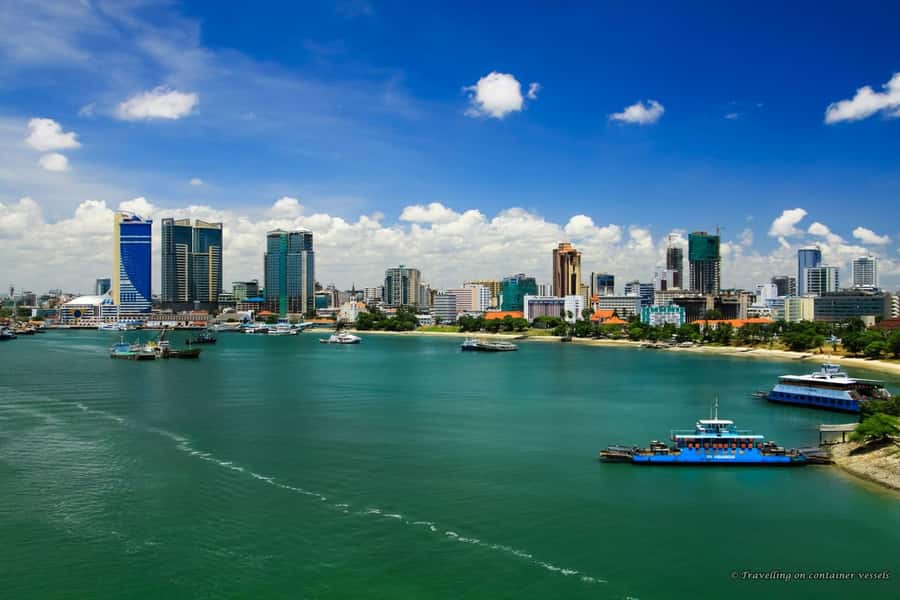
Dar es Salaam means house of peace, but this is not a sleepy city. It is Tanzania’s largest urban center, a port city with a long commercial past and a modern side shaped by business, shopping, art, and daily movement.
I like the tour’s broad mix. You are not limited to monuments or museums. In one day, you can see national collections, traditional houses, coastal commerce, wood carving, local painting, religious buildings, public monuments, and newer shopping areas.
That mix helps you understand how the city functions. The museums explain where Tanzania came from. The markets show how people work and shop today. The drive between stops gives the guide room to point out buildings and tell you how Dar es Salaam developed.
This is especially useful if you are new to town. Several people who booked the tour had only a day or two in Dar es Salaam, and the route gave them an overview they could not easily build on their own. It also suits solo visitors, since the private-feeling attention from the guide can make a large city easier to read.
More City Tours in Dar es Salaam
- Dar es Salaam City Center: Walking Tour
★ 4.8 · 102 reviews - Dar es Salaam City Tour – Everyday
★ 5.0 · 64 reviews - The Best/Top Rated Cultural City Tour in Dar es Salaam
★ 5.0 · 57 reviews
The National Museum puts Tanzania’s story first
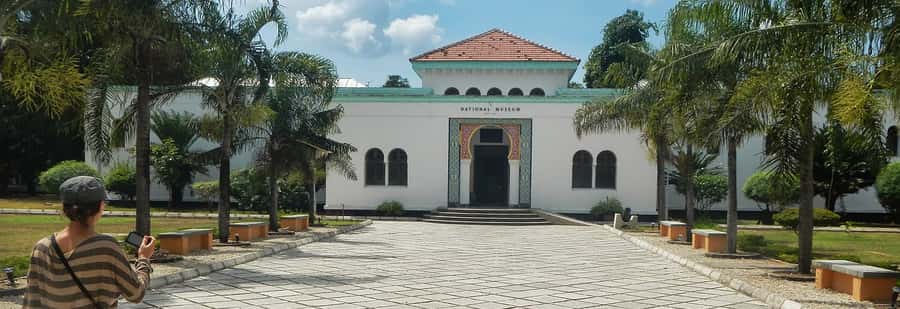
The Dar es Salaam National Museum is one of the most important stops. Admission is included, so you do not need to budget separately for the entrance ticket.
Expect the museum to provide background on Tanzania’s history, traditional cultures, and national identity. The experience is more valuable when you have a guide explaining what you are seeing. Michael, Mike, Anna, and Derick were repeatedly praised for answering questions about both Dar es Salaam and Tanzania as a whole.
I would give this stop your full attention. It can be tempting to rush through a museum when a market or art gallery is waiting, but the displays give meaning to the rest of the day. You may understand the Village Museum better after seeing the National Museum, and the city’s monuments make more sense when you know something about Tanzania’s path to independence.
One practical warning: six hours is not a huge amount of time. One visitor felt the group spent too long in the museum. If you prefer markets, architecture, or street life, tell your guide early. If history is your main interest, you may want to linger here and trim a later shopping stop.
Village Museum brings traditional homes to life
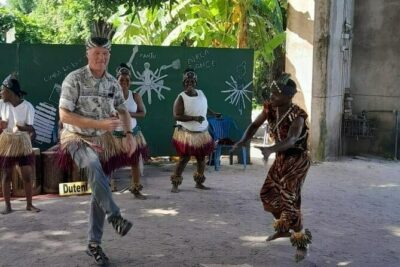
The Village Museum is often the most personal part of the tour. Instead of viewing objects behind glass, you walk among replicas of traditional houses from different parts of Tanzania.
The displays offer a look at building methods, household life, and the way homes were designed to work with local conditions. One particularly memorable area features houses associated with the southern Makua people. A guide with Makua roots has used this stop to explain the culture from personal experience, which adds a human layer that a standard label cannot provide.
The museum may also include music and dancing. That gives the stop more energy, but it also makes it feel less like a formal museum visit and more like a cultural presentation. Keep an open mind, listen carefully, and let the guide explain what you are seeing rather than treating the houses as simple photo backgrounds.
I find this stop valuable because it connects Tanzania’s past with practical life. Traditional design can reveal how people responded to climate, materials, family structure, and the surrounding environment. One visitor was struck by how some of the homes reflected ideas about sustainable living long before that phrase became fashionable.
Markets show the city at work
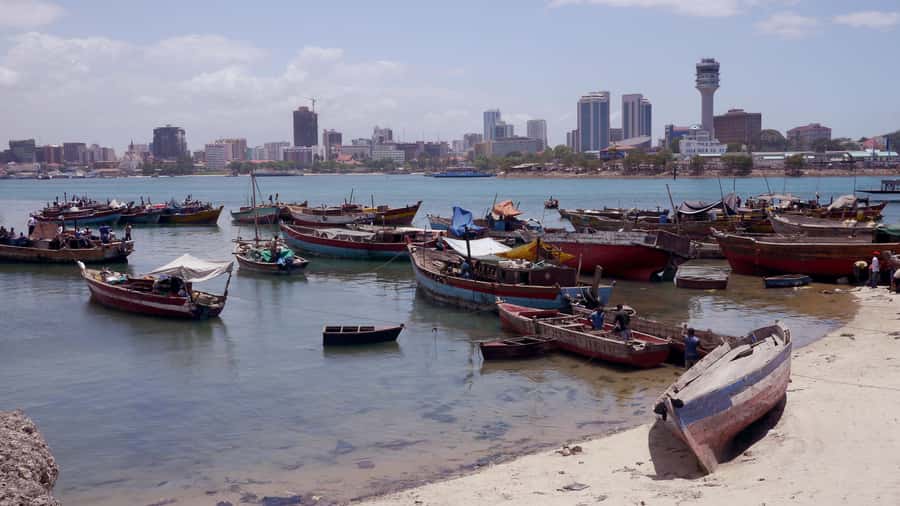
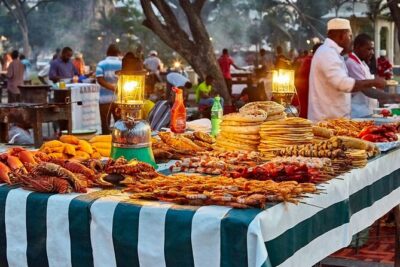
The Fish Market is among the tour’s most vivid stops. It is described as the biggest fish market in East Africa, and it offers a direct look at one part of Dar es Salaam’s coastal economy.
This is not a quiet sightseeing point. You might encounter crowds, strong odors, wet surfaces, and plenty of activity. Wear shoes that can handle rough or damp ground, and keep your belongings secure in busy areas. The air-conditioned vehicle will feel particularly welcome after time at the market.
I like this stop because it shows ordinary work rather than a staged cultural display. You see the city as a place where people buy, sell, carry, sort, and negotiate. If you are interested in food, trade, or everyday life, it may be more revealing than another historic building.
The tour may also include Kariakoo Market. The supplied route lists several possible stops and other places can be added depending on timing and your interests, so ask your guide what is planned that day. Kariakoo can add a second look at shopping and local commerce, while Mwenge Carvings Market focuses more directly on craft and souvenirs.
At Mwenge, you can browse wood carvings and other handmade items. This is a practical place to shop for gifts, but take your time before buying. Compare pieces, ask questions, and decide what you genuinely want to carry home. The guide can help you understand what you are looking at, although the purchase itself is not included in the tour price.
A few more trips of this kind worth comparing:
- MIKUMI NATIONAL PARK – 3 Days
★ 4.5 · 63 reviews - 2 nights 3 days safari to mikumi national park
★ 5.0 · 62 reviews - 2 Days 1 Night Mikumi National Park from Dar es salaam
★ 5.0 · 60 reviews - Private Full-Day Trip to Mikumi National Park from Dar es Salaam
★ 5.0 · 54 reviews
Tingatinga art adds color and a local voice
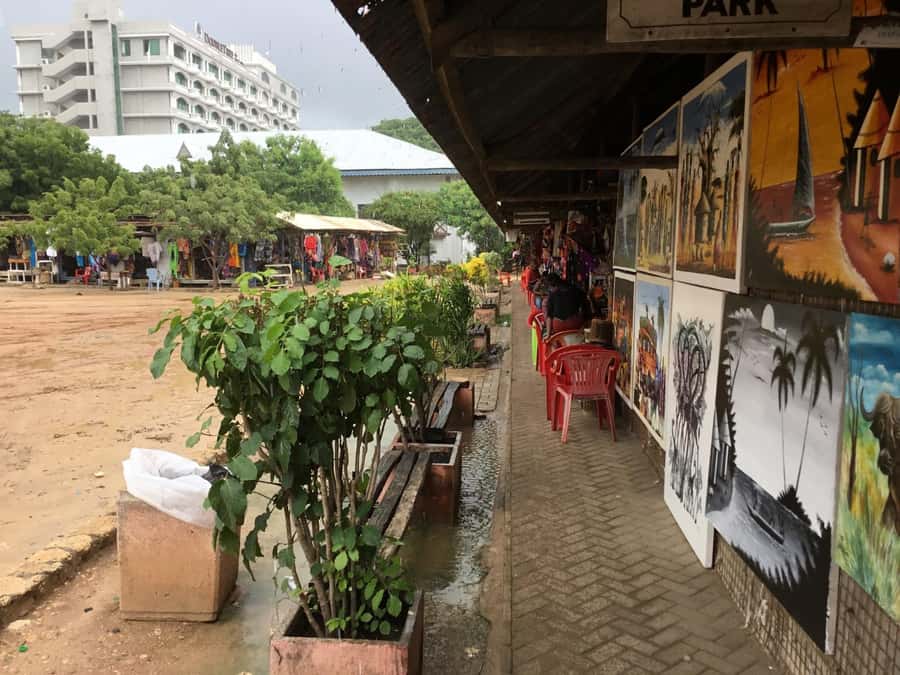
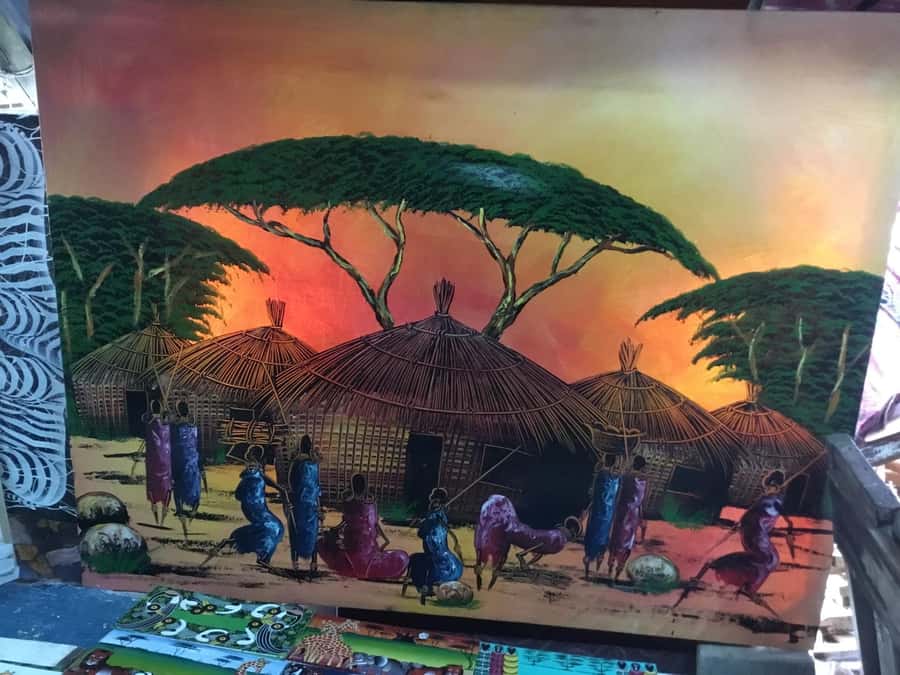
The Tingatinga Arts Cooperative Society is another included stop. The entrance fee is covered, giving you an easy way to learn about one of Tanzania’s best-known painting traditions.
The gallery offers a different mood from the museums and markets. You can look closely at paintings, learn about the artists, and see how local creative work is presented and sold. If you are looking for a meaningful souvenir, art may be easier to transport than a large carving.
This stop is also useful for shoppers who do not want a generic souvenir stand. You can ask the guide to explain the art, the cooperative, and the buying process. As with the carving market, any artwork you purchase is extra.
Time can be the issue. The tour covers several cultural stops, and you may need to choose between lingering over paintings and reaching more city sights. Tell the guide if you want time to shop rather than simply make a quick visit.
Historic buildings and monuments fill in the city center
The city-center portion helps connect individual sights into a larger picture. The route can include the Askari Monument, historic buildings, St. Joseph Cathedral, Azania Front Cathedral, and other important sites.
The Askari Monument admission is included. It is a useful point for discussing Dar es Salaam’s public memory and the city’s colonial-era setting. The cathedrals offer another angle, showing the religious and architectural layers of the city.
Do not assume every building will be open. One stop at St. Joseph Cathedral was closed during a tour, so you may only see the exterior or hear the history from the guide. That is not a major flaw, but it is a reminder that a city tour is shaped by opening hours and local events.
The best part of these stops may be the commentary while you are driving. Guides such as Michael and Mike have explained the history of buildings passed along the road, turning the transfers into part of the tour rather than dead time.
A visit to a war graves cemetery may also be included, depending on the day’s route. One visitor described that stop as moving. If memorial history matters to you, mention it when discussing your interests with the guide.
Oyster Bay and Slipway show another side of town
The tour can also reach Oyster Bay and the Slipway Shopping Centre. These stops balance the older city and working markets with a more modern side of Dar es Salaam.
Slipway is suited to browsing, shopping, and taking a break from the more intense market visits. It may feel more familiar to you than Kariakoo or the Fish Market, but that contrast is useful. Dar es Salaam is not one single experience. It contains older neighborhoods, commercial centers, cultural institutions, and modern retail spaces.
I would not make Slipway the main reason to book the tour. Its value comes from comparison. After seeing local markets and historic sites, you can better understand how the city serves both residents and international visitors.
The guide is the biggest part of the experience
The route is useful, but the guide determines how much you gain from it. The strongest praise has gone to guides including Michael, Mike, Derick, Chris, and Anna for clear English, safe driving, patience, and the ability to answer questions.
The names matter because the experience may vary by guide. Michael Mwachiko was praised for his history knowledge, calm manner, time management, and safe driving. Derick was often described as friendly, flexible, and willing to adjust the route. Chris was appreciated for his warm approach and detailed explanations. Anna received praise for cultural explanations, including local marriage customs and the Village Museum.
Communication before pickup also seems important. Guests have arranged changes to pickup points, including meeting at the port or ferry terminus. If you are arriving from Zanzibar or leaving by ferry, provide exact timing and location details in advance. The tour includes pickup, and you should wait in your hotel lobby or reception area five minutes before the scheduled time.
The vehicle is air-conditioned, which is not a minor luxury in Dar es Salaam. It gives you shade, rest, and a secure base between stops. Several accounts also praised the drivers’ calm handling of heavy traffic. Still, I would not expect every transfer to be quick. Traffic is part of the city, and a six-hour schedule can stretch if you spend too long at one stop.
What $77 includes, and what it does not
At $77 per person, the tour offers good value if you want a guide, transport, and several admissions in one day. You are paying for more than a car ride. The value is in the local explanation, the ability to reach dispersed sights, and the time saved arranging separate taxis and entrance tickets.
Included are:
- Air-conditioned transportation
- All listed fees and taxes
- National Museum admission
- Tingatinga Arts Cooperative Society admission
- Askari Monument admission
- An English-speaking live guide
- Hotel pickup
Lunch and beverages are not included. Plan for that when comparing the cost with other sightseeing options. Bottled water was provided on at least one tour, but it is still wise to carry water and not assume every booking will handle drinks the same way.
The price becomes especially reasonable for a solo visitor or a small group that values convenience. If you are comfortable arranging local transport, choosing museums yourself, and negotiating your own shopping visits, you may prefer an independent day. You will lose the guide’s local context and may find it harder to fit all the stops into six hours.
How to make the six hours work better
Start by telling the guide what matters most. You might prioritize history, traditional culture, markets, art, religious buildings, or shopping. The route has enough variety that trying to spend equal time everywhere can leave you feeling rushed.
I would choose two or three main interests and treat the rest as supporting stops. For example:
- Choose the National Museum and Village Museum for history and culture.
- Choose the Fish Market and Kariakoo for daily life and commerce.
- Choose Mwenge and Tingatinga for shopping and art.
- Choose city-center buildings, monuments, and churches for architecture and public history.
Wear comfortable shoes and sunscreen. Some stops require walking, and the combination of heat, market surfaces, and a full schedule can tire you out.
Keep your camera ready, but listen first. The best details may come while you are passing a building or standing beside a traditional house. Ask questions. The guides are at their best when the day becomes a conversation rather than a fixed script.
Free cancellation is available up to 24 hours before the start time, and you can reserve while paying later. Those terms are helpful if your plans depend on a ferry, cruise schedule, or changing hotel arrangements.
Who should book this Dar es Salaam tour?
I would book it if you are new to Dar es Salaam, have only one day, or want a safe and organized introduction before exploring alone. It is also a strong choice for solo visitors, history fans, and anyone arriving through the port or from Zanzibar.
The tour is less suited to you if you dislike driving between sights, want a slow museum visit, or prefer to spend an entire day in one neighborhood. The broad route is its strength, but also its limit.
Book it if you want Dar es Salaam explained as a living city: its museums, markets, art, religious buildings, working waterfront, and modern shopping areas. Ask for a guide who matches your interests, confirm the pickup point, and be clear about which stops deserve extra time. For $77, this is a practical way to get your bearings fast and leave with a much clearer sense of Tanzania’s largest city.
FAQ
How long does the Dar es Salaam City Tour last?
The tour lasts six hours. Starting times depend on availability when you book.
What language is the tour conducted in?
The live tour guide speaks English.
Is hotel pickup included?
Yes. Pickup is included. You should wait at your hotel reception or lobby five minutes before the scheduled pickup time.
Which admission fees are included?
Admission to the National Museum, Tingatinga Arts Cooperative Society, and Askari Monument is included. All listed fees and taxes are also covered.
Is lunch included?
No. Lunch is not included in the price.
Are drinks included?
No. Beverages are not included. Bring water or budget separately for drinks.
What should I bring?
Wear comfortable shoes and bring sunscreen. These are useful for walking between stops and spending time outdoors at markets and cultural sites.
Just added around Dar es Salaam
- Ruaha National Park And Mikumi National Park Budget Safari 6 Days 5 Nights★ 5.0 · 3 reviews
- 3 Days Nyerere National Park Safari (Selous Game Reserve)★ 5.0 · 3 reviews
- Saadani National Park Day Tour★ 5.0 · 3 reviews
- Private Mikumi Adventure★ 4.5 · 3 reviews
- Dar es Salaam City tour and Beach Leisure – 9 hours★ 5.0 · 3 reviews
- Mbudya island from Dar es salaam safari.★ 4.2 · 3 reviews
- Day Trip To Bagamoyo From Dar Es Salaam ..historical town★ 4.5 · 3 reviews
- 3 Days Mikumi National Park Private Tour★ 5.0 · 3 reviews
City Tours, compared.

Arusha Guided Walking City Tour, Culture, Lifestyle & History
Read our review →

The Best/Top Rated Cultural City Tour in Dar es Salaam
Read our review →
Browse the lists this tour appears in