
Reviewed · CITY TOURS
Dar es Salaam City Center: Walking Tour
Dar es Salaam reveals itself street by street. This two-hour city-center walk pairs historic landmarks with the real daily rhythm of the coast, from St. Joseph Cathedral and the Askari Monument to Kivukoni Fish Market. I like the strong mix of old buildings and ordinary city life, and I especially like that guide Derick Lawrence can adjust the route to suit your interests. The main consideration is pace: two hours covers a lot, so you may have limited time for photos at each stop.
I also like the flexibility around timing. Derick has shifted tours from midday to late afternoon, and he has rearranged dates when plans changed. That matters in Dar es Salaam, where a cooler 5 p.m. start can make walking more pleasant. Still, this is an overview rather than a slow, detailed visit to every site.
In This Review
- Key Points At A Glance
- Why This Two-Hour Walk Works
- St. Joseph Cathedral And Azania Front Church
- The Askari Monument And Dar es Salaam’s Public Memory
- A Quiet Pause In The Botanical Garden
- Kivukoni Fish Market Is The Main Event
- Old Boma And The City’s Colonial Past
- Local Art And Extra City Views
- What The Guide Adds
- Timing, Heat, And Walking Comfort
- Is $30 A Fair Price?
- Who Should Book This Dar es Salaam Walk?
- Should You Book It?
- FAQ
- How long is the Dar es Salaam city-center walking tour?
- How much does the tour cost?
- Which language is the tour offered in?
- Which landmarks are included?
- Is the route customizable?
- Can the fish market be replaced?
- Can I change the tour time?
- Is free cancellation available?
- Can I reserve now and pay later?
Key Points At A Glance
- Kivukoni Fish Market brings the city to life: Watch seafood trading, fishermen handling nets, and the busy waterfront routine.
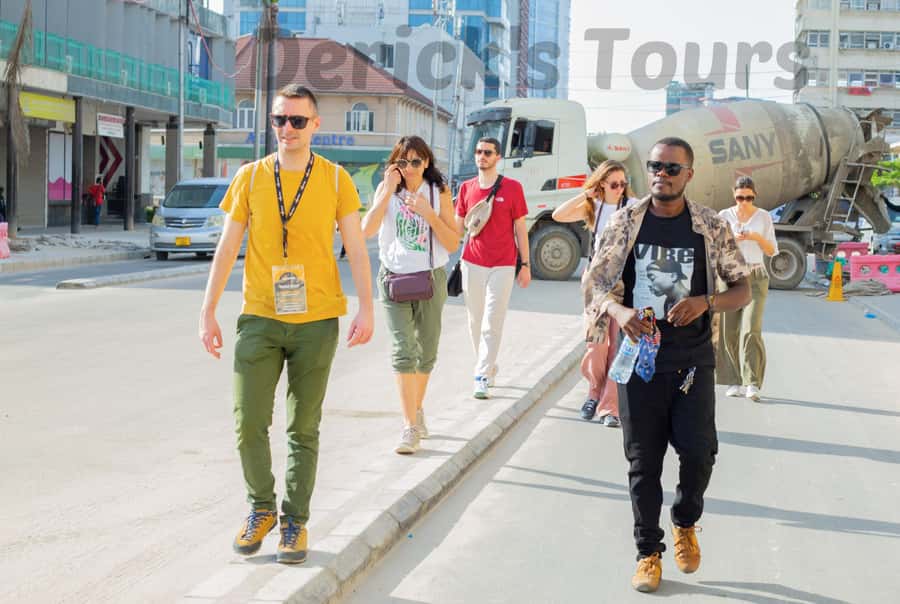
- Derick Lawrence is the central strength: He explains Dar es Salaam’s past and present clearly and welcomes questions.
- The route covers several eras: Gothic church architecture, German colonial buildings, a World War I memorial, and the Old Boma all fit into one outing.
- The tour can change around your needs: The fish market can be replaced with Coco Beach, and timing or route adjustments may be possible.
- Late afternoon may be more comfortable: A 5 p.m. start helped one visitor avoid the hottest part of the day.
- The $30 price buys orientation as much as sightseeing: You get a local guide, context, and help finding places you might miss alone.
Why This Two-Hour Walk Works
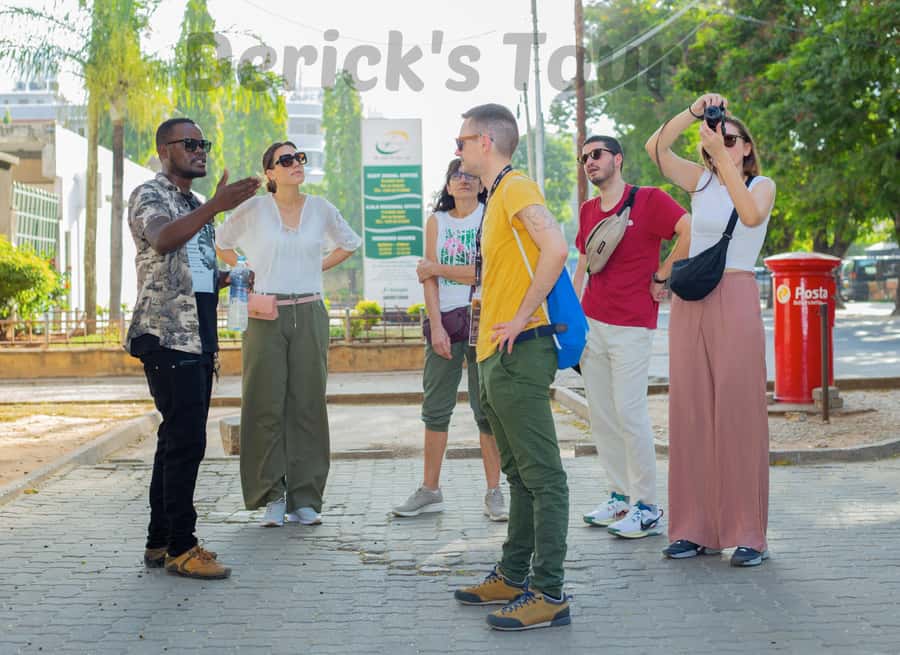
Dar es Salaam is Tanzania’s economic and cultural center, but it is not a city you understand from a car window alone. The central streets bring together religious buildings, colonial-era architecture, memorials, gardens, markets, and the Indian Ocean waterfront.
This tour gives you a useful first look without taking up a full day. At $30 per person, the value rests less on the number of stops than on the explanations between them. Derick connects buildings to the city’s development, from the sultanate period through German and British rule and into modern Tanzania.
I would think of this as a getting-your-bearings walk. You see key places, ask questions, and gain enough background to make better choices for the rest of your time in Dar es Salaam. Several people have also found the route helpful for seeing parts of the city they would not have located alone.
The two-hour limit is both a benefit and a constraint. It keeps the outing manageable, especially if you are fitting it between other plans, but it means the stops are brief. If you enjoy taking many photographs or reading every plaque, tell Derick at the start so the route can slow down or focus on fewer places.
More City Tours in Dar es Salaam
- Dar es Salaam: City Tour
★ 4.7 · 159 reviews - Dar es Salaam City Tour – Everyday
★ 5.0 · 64 reviews - The Best/Top Rated Cultural City Tour in Dar es Salaam
★ 5.0 · 57 reviews
St. Joseph Cathedral And Azania Front Church
The walk begins at St. Joseph Cathedral, one of Dar es Salaam’s best-known landmarks. Its Gothic-style design gives the opening stop a formal, European appearance, but its place in the city makes it more than an architectural photo opportunity.
Derick uses the cathedral to introduce the city’s religious and colonial past. You can expect an explanation of how Dar es Salaam developed and how major buildings fit into that story. The value here is having someone interpret the setting rather than simply pointing out a church facade.
From there, the route continues to Azania Front Lutheran Church. This building also reflects German colonial influence, giving you a useful comparison with St. Joseph Cathedral. Seeing both churches close together helps show how European power and religious institutions shaped the old center.
I like this pairing because it provides visual variety early in the walk. You are not just moving from one isolated sight to another. You are beginning to see how architecture records different chapters of the city’s past.
Keep your expectations practical. This is a guided exterior-focused city walk as described, not a long church tour with extended time inside. If religious architecture is your main interest, ask in advance how much time can be given to these buildings.
The Askari Monument And Dar es Salaam’s Public Memory
The Askari Monument honors African soldiers who served during World War I. It is a compact stop, but it carries serious historical weight and gives the tour a chance to move beyond colonial architecture.
This is where a good guide matters. The monument can be read quickly, but its meaning requires context. Derick explains the city and Tanzania through different periods, including the sultanate, German rule, British rule, and later developments. His approach is described as balanced and non-partisan, which is useful when a city’s public symbols come from complicated times.
The monument also helps place Dar es Salaam within a wider East African story. You are not only looking at a statue. You are considering who served, how colonial governments operated, and how those histories are remembered in a modern city.
The stop may feel brief if you want a long discussion. That is part of the tradeoff built into a route with many locations. I would use this moment to ask direct questions, especially if you want more detail about Tanzania’s wartime or colonial past.
A Quiet Pause In The Botanical Garden
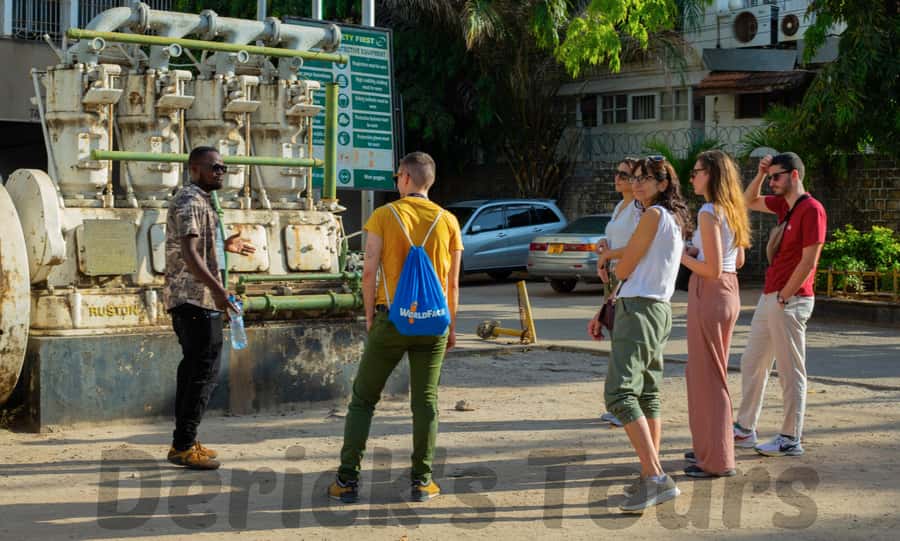
After the monument, the tour includes the Botanical Garden. This green space offers a change of mood from traffic, buildings, and city activity. It is home to tropical plants and trees and provides a calmer setting in the middle of the center.
I appreciate this stop because it gives the walk some breathing room. Two hours of urban sightseeing can become a blur of facades and facts. A garden pause lets you slow down, look around, and hear how Dar’s plant life and city planning fit together.
The garden is not presented as a major botanical attraction requiring a separate visit. Its value is contrast. You get a short retreat before returning to the streets and waterfront. If gardens are high on your list, ask Derick whether the route can give this stop more time.
More Walking Tours in Dar es Salaam
- 3 Days Nyerere NP [Selous GR] Game, Walking and Boat
★ 5.0 · 19 reviews - Dar es Salaam City Walking tour – Explore the Life of the Local People!
★ 4.5 · 17 reviews - 5 Days Selous/Nyerere & Mikumi NP Game drive, Maasai and Walking
★ 5.0 · 13 reviews - 3 Days Explore Selous Game Reserve + Boat safari + bushman walking
★ 5.0 · 5 reviews
Kivukoni Fish Market Is The Main Event
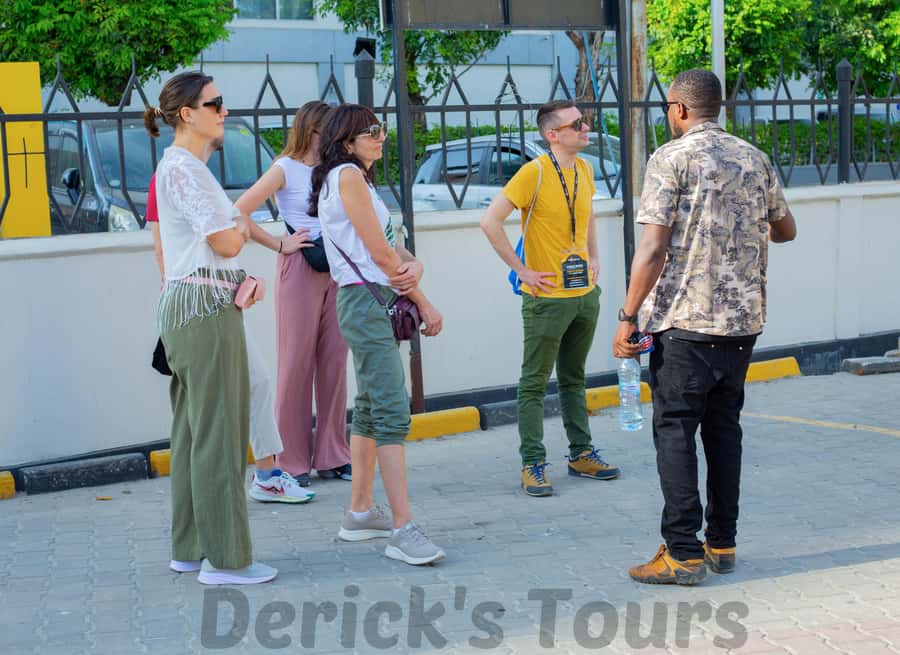
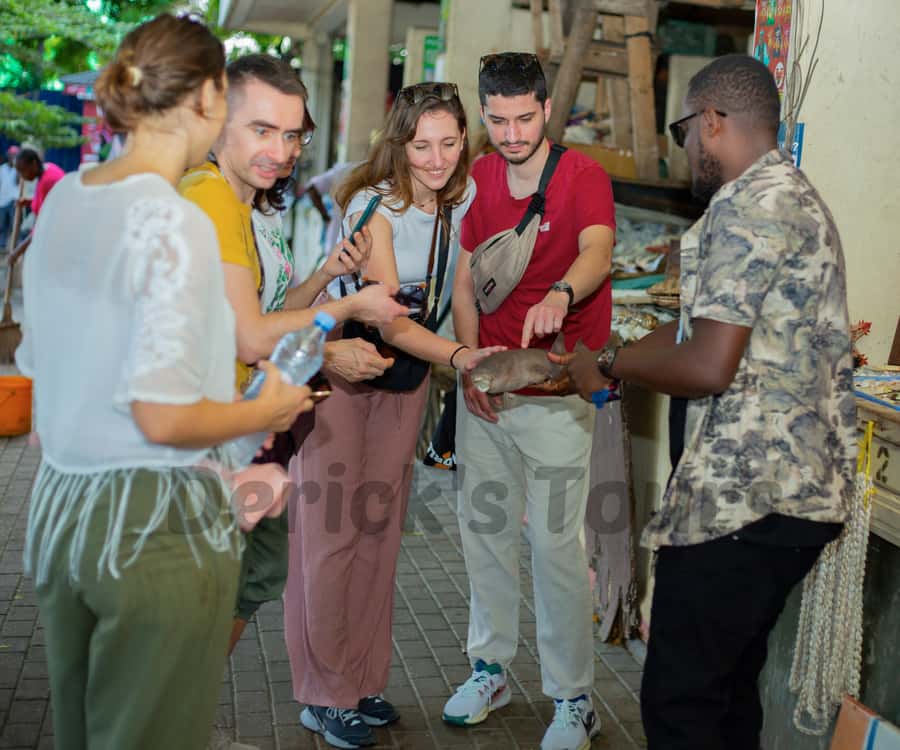
For many people, Kivukoni Fish Market will be the most memorable part of the tour. Here, you see freshly caught seafood being sold and get a direct look at the waterfront economy. The setting is active, practical, and not polished for sightseeing.
One late-afternoon tour ended at the market, where the guide and participant tried street food together. The seafood was described as fresh and delicious, and the experience also included watching fishermen replace nets and sell their catch. Those details explain why this stop feels different from a standard monument circuit.
You should expect strong smells and an energetic working market. That is part of the experience, but it will not suit everyone. One participant had an allergic reaction to the smell and asked to visit Coco Beach instead. Derick made that change, so tell him ahead of time if the market is unsuitable for you.
The market is also where the tour best connects history with present-day life. Churches and monuments tell you about earlier periods. Kivukoni shows how people work, trade, and interact now. You are seeing Dar es Salaam as a lived-in city, not a collection of attractions.
The market may be the last stop, so plan your timing accordingly. If you want to linger over food, photographs, or the fishing activity, you may need to ask for a shorter route elsewhere. The standard two-hour format cannot give every stop equal attention.
Old Boma And The City’s Colonial Past
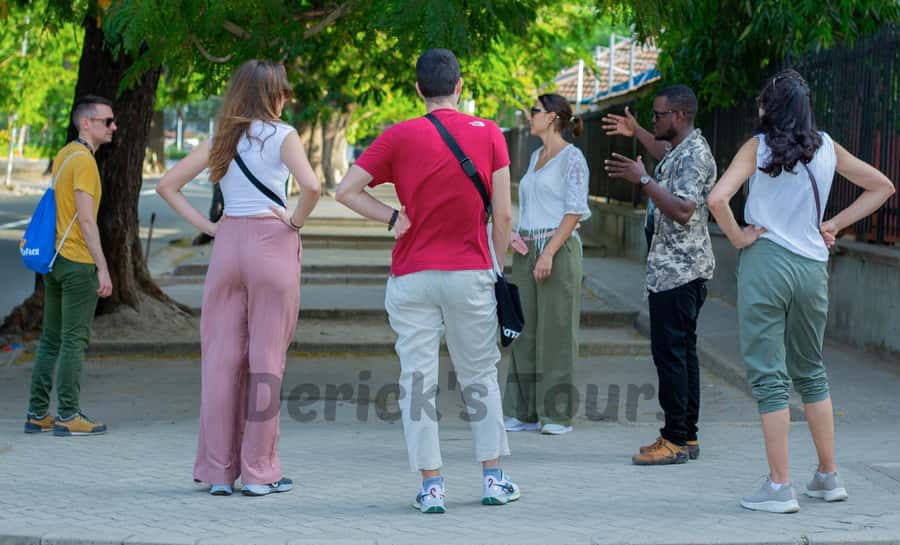
Old Boma is one of Dar es Salaam’s oldest surviving buildings. Its weathered presence gives the tour another strong link to the city’s architectural past.
Derick uses the building to explain how Dar es Salaam changed under colonial rule. That historical framing is one of the most praised parts of his guiding. He answers questions carefully and explains the significance of buildings rather than rushing through a list of names.
Old Boma works well after the churches and Askari Monument because you have already seen several pieces of the city’s past. By this point, the route begins to form a story about power, religion, administration, trade, and daily life.
The building is an important stop, but do not expect a long museum visit based on the information provided. Its role is mainly as a historic site within the walking route. If you want a more detailed architectural discussion, make that clear when arranging the tour.
Local Art And Extra City Views
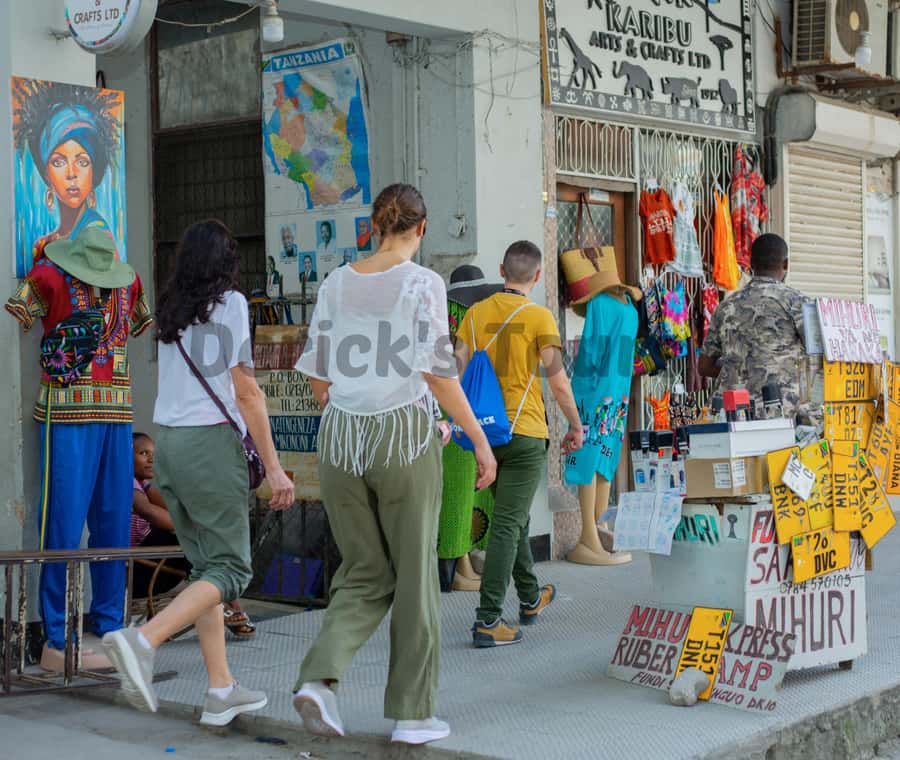
The experience also includes a stop at a local art gallery. This adds a creative, present-day note to a route otherwise weighted toward historic buildings and civic sites.
The gallery is useful because it gives you another way to see Dar es Salaam. Instead of only hearing about official history, you encounter local artistic expression. The exact gallery and amount of time spent there can depend on the route, so ask Derick if art is one of your main interests.
Some customized tours have included extra experiences beyond the listed stops. One participant appreciated a view from one of Dar es Salaam’s twin buildings, while another received an unexpected trip up a tower. These additions should not be treated as guaranteed parts of the two-hour program, but they show what can happen when you discuss your preferences in advance.
The practical lesson is simple: message Derick before booking or soon after, especially if you want art, city views, a particular neighborhood, or an alternative to the fish market. The basic route is broad, but it can be adjusted.
What The Guide Adds
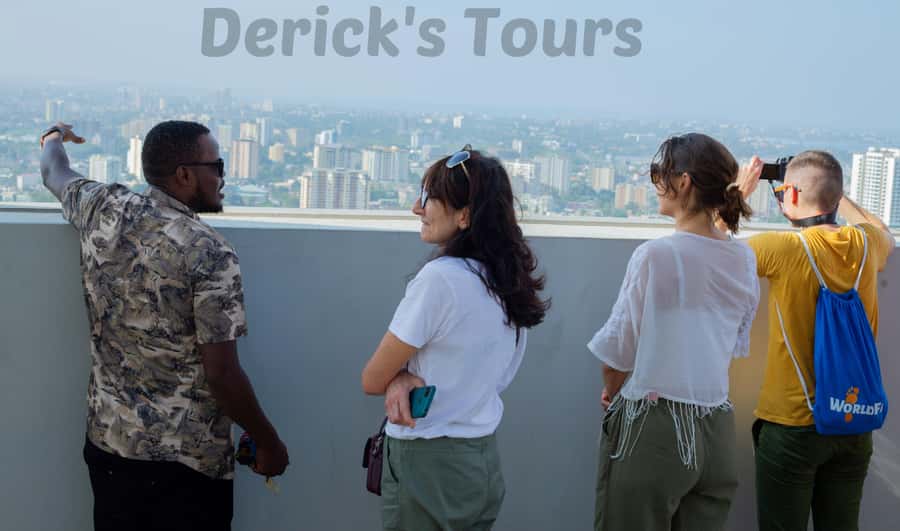
Derick Lawrence is the strongest reason to choose this tour. He is described as friendly, punctual, flexible, and clear in English. He has also been praised for answering many questions and explaining both Dar es Salaam and Tanzania.
His value is not limited to memorized dates. He explains the formation of the city, the importance of individual buildings, local culture, traditions, and daily life. That makes the tour useful for first-time visitors who want a framework rather than a quick photo stop.
The personal approach appears to matter, too. Some outings have been private when only one person booked, while another had a small group of three. A solo participant felt comfortable on the walk, and another person who missed a scheduled tour was contacted and helped with a new arrangement.
There are limits. One participant felt Derick moved too quickly and did not leave enough time for photographs. If you want a relaxed pace, say so before starting. It may mean dropping one or two stops, but you will likely get more from the places that matter most to you.
A few practical touches also show his willingness to help. One participant was dropped back at a homestay after the tour, but you should treat that as a personal courtesy rather than a standard included service. Hotel pickup was also arranged for one outing, so confirm your meeting point directly instead of assuming transportation is included.
Timing, Heat, And Walking Comfort
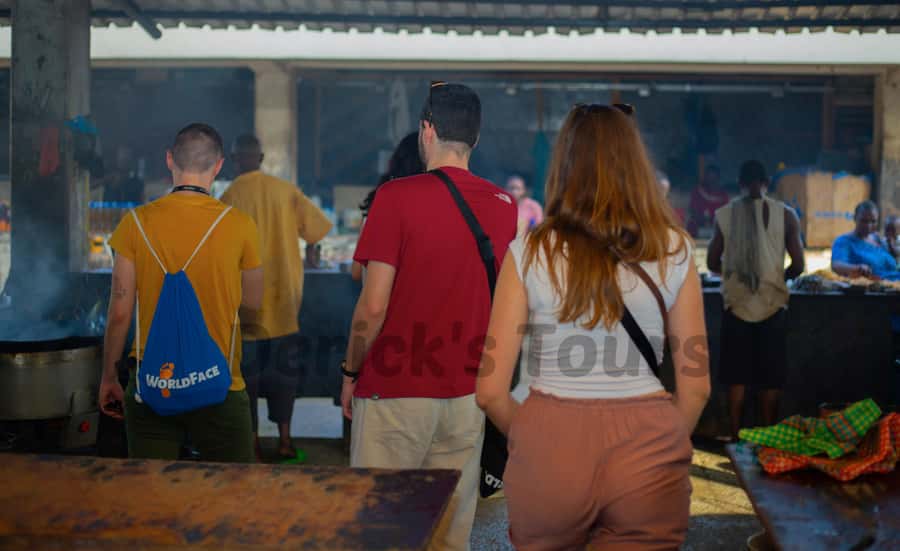
The tour lasts two hours, and starting times depend on availability. A late-afternoon start at 5 p.m. was specifically appreciated because it avoided the hottest part of the day.
That makes timing worth discussing before you book. A midday walk may leave you warmer and less comfortable, while a later start may offer a better pace for the market. The best time also depends on which sights you want to prioritize.
Wear comfortable walking shoes and bring water. These are sensible choices for any city walk, though the tour information does not specify the exact distance or terrain. You should also dress for warm conditions and be ready for a working market rather than a quiet sightseeing stop.
The meeting point is arranged in advance. Since some outings have begun with hotel pickup and others at a prearranged place, confirm the details with Derick. English is the listed tour language.
Free cancellation is available up to 24 hours before the start for a full refund. You can also reserve now and pay later, which helps if your Dar es Salaam plans are still shifting.
Is $30 A Fair Price?
At $30 per person, this is a reasonable price for a two-hour private or small-group-style introduction, especially if you value explanation and local guidance. You are paying for access to several central sights, a planned route, and Derick’s knowledge of the city, not for entry tickets or a full-day excursion.
The price looks strongest when you use the customization option. If Derick can adjust the timing, replace the fish market, or focus more on architecture, history, art, or city views, the experience becomes more personal than a fixed sightseeing circuit.
The value is weaker if you want long visits at each location. The tour covers many places in a short period, and one person felt the pace left too little time for photos. If that sounds like your style, arrange a shorter list of priorities before you meet.
With a rating of 4.8 from 102 ratings, the overall response is very strong. The recurring strengths are clear: Derick’s explanations, his flexibility, the range of sights, and the chance to see parts of central Dar es Salaam that are easy to miss alone.
Who Should Book This Dar es Salaam Walk?
I would choose this tour if you are visiting Dar es Salaam for the first time, have only a few hours, or want help understanding the city before exploring independently. It also suits solo visitors, people staying in the center, and anyone curious about the connection between colonial buildings and modern daily life.
History fans will enjoy the churches, Askari Monument, and Old Boma. Food and market enthusiasts will likely prefer the Kivukoni ending. Art lovers should request more information about the gallery and ask what can be included.
This is less suited to anyone wanting a slow museum-style experience, a long food tour, or guaranteed time at every sight. It is also wise to speak up about market smells, photography time, and the desired pace.
Should You Book It?
Book this tour if you want a compact, personal introduction to central Dar es Salaam with a guide who can explain what you are seeing. The combination of St. Joseph Cathedral, Azania Front Church, the Askari Monument, Botanical Garden, Old Boma, art, and Kivukoni Fish Market gives you a useful cross-section of the city.
For the best experience, request a cooler start, tell Derick your top two interests, and decide whether the fish market suits you. Choose the tour for context, local contact, and flexibility. Skip it only if you prefer to explore slowly on your own or need a fixed, highly detailed visit at each stop.
FAQ
How long is the Dar es Salaam city-center walking tour?
The tour lasts two hours.
How much does the tour cost?
The listed price is $30 per person.
Which language is the tour offered in?
The live guided tour is offered in English.
Which landmarks are included?
The route includes St. Joseph Cathedral, Azania Front Lutheran Church, the Askari Monument, the Botanical Garden, Kivukoni Fish Market, Old Boma, and other city-center sights.
Is the route customizable?
Yes. You can contact Derick Lawrence in advance to request changes based on your interests.
Can the fish market be replaced?
Yes. One participant requested an alternative because of an allergy to the market smell and visited Coco Beach instead.
Can I change the tour time?
Timing may be flexible. A participant changed a 2 p.m. booking to 5 p.m., and another received help arranging a different day.
Is free cancellation available?
Yes. You can cancel up to 24 hours in advance for a full refund.
Can I reserve now and pay later?
Yes. The booking option allows you to reserve your place and pay nothing at the time of booking.
More Walking Tours
- 3-Day at Dar es Salaam To Selous GR (Nyerere NP) Game, Boat & Walking Safari
★ 5.0 · 4 reviews - Stone Town Private Walking Tour
★ 5.0 · 371 reviews - Zanzibar: 3 Hours Private Stone Town walking Tour with Guide
★ 4.6 · 301 reviews - Zanzibar: Stone Town Historical Cultural Walking Guided Tour
★ 4.5 · 179 reviews
Just added around Dar es Salaam
- Ruaha National Park And Mikumi National Park Budget Safari 6 Days 5 Nights★ 5.0 · 3 reviews
- 3 Days Nyerere National Park Safari (Selous Game Reserve)★ 5.0 · 3 reviews
- Saadani National Park Day Tour★ 5.0 · 3 reviews
- Private Mikumi Adventure★ 4.5 · 3 reviews
- Dar es Salaam City tour and Beach Leisure – 9 hours★ 5.0 · 3 reviews
- Mbudya island from Dar es salaam safari.★ 4.2 · 3 reviews
- Day Trip To Bagamoyo From Dar Es Salaam ..historical town★ 4.5 · 3 reviews
- 3 Days Mikumi National Park Private Tour★ 5.0 · 3 reviews
City Tours, compared.

Arusha Guided Walking City Tour, Culture, Lifestyle & History
Read our review →

The Best/Top Rated Cultural City Tour in Dar es Salaam
Read our review →
Browse the lists this tour appears in