
Reviewed · DAY TRIPS IN MOSHI
Moshi town 1 day tour
Moshi starts where the mountain ends. This seven-hour town tour gives you daily life in Moshi, from bus routes and food markets to rice fields and banana farms. I especially like the small-group limit of 10 and the chance to explore with Thomas, a former Kilimanjaro guide who is praised for his excellent English and friendly local connections. The main drawback is the $1,000 per-person price, which is high for a walking and sightseeing day unless transport, personal guiding, and a private or very small group are important to you.
I also like the timing. The tour fills a spare day before a climb, after a safari, or between Moshi and Zanzibar without asking you to tackle another demanding outdoor activity. Expect dust, plenty of walking, working markets, and ordinary neighborhoods rather than a polished sightseeing circuit.
In This Review
- Key things to know before you go
- Why this Moshi day tour works between bigger adventures
- Starting at Moshi Bus Stand
- Moshi Station and the story behind the town
- Reading Moshi through its markets
- Coffee Union Cafe and the taste of Moshi
- Banana farms and the work behind local food
- Rice fields at Mabogini
- Old Moshi Cultural Tourism Enterprise
- What Thomas adds to the experience
- Walking, comfort, and the $1,000 question
- Who should book this Moshi experience?
- Should you book it?
- FAQ
- Where does the Moshi town tour start?
- Where does the tour end?
- How long does the tour last?
- What language does the guide speak?
- How many people can join the tour?
- What markets are visited?
- Does the tour visit farms?
- Is hotel transportation included?
- Can I cancel for a full refund?
Key things to know before you go
- Thomas is the key strength: He is a former Mount Kilimanjaro guide and now leads visitors through Moshi’s streets, markets, farms, and local institutions.
- The markets are the heart of the day: Central Market, Mbuyuni Market, and Manyema fish market show you how food is bought and sold in town.
- Farms add useful context: You visit banana, rice, vegetable, fruit, coffee, and possibly other agricultural areas around Moshi.
- The Old Railway Station adds history: The stop connects Moshi with the story of Old Moshi and the town’s name.
- Expect a local day, not a museum tour: You may walk dusty roads, meet residents, see schools or churches, and sample food along the way.
- The price needs careful thought: At $1,000 per person, this makes the most sense if you value a dedicated guide and a flexible, personal introduction to Moshi.
Why this Moshi day tour works between bigger adventures
Moshi often serves as a launch point for Kilimanjaro climbs and northern Tanzania safaris. That can make the town feel like a place you pass through, with your attention fixed on the mountain, a vehicle pickup, or the next flight. This excursion gives you a reason to stay present for one day.
The advertised duration is seven hours, beginning with hotel pickup at 8:00 AM and ending back at the hotel after the afternoon activities. Keys Hotel is the stated starting point, but hotel pickup and drop-off are included, so you should confirm the pickup time and location when booking.
I see this as a good recovery-day choice after Kilimanjaro. You are not being asked to climb, hike for hours in the countryside, or sit in a safari vehicle all day. Still, it is not a completely restful day. The route involves walking through markets and neighborhoods, and one traveler described dusty roads and a good deal of walking. Pack water, comfortable shoes, and clothes that can handle dust.
The experience is limited to 10 people and runs in English. That small group matters here. In a market, a guide can explain what you are seeing, answer questions, and keep the visit from becoming a quick pass through crowded stalls. The personal nature of the tour is one of its strongest features.
More Day Trips in Moshi
- 1-Day Moshi Villages bike tour
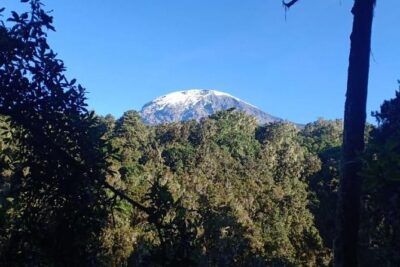
★ 5.0 · 59 reviews - Best Kilimanjaro hiking day trip tour with Kilinge Adventures
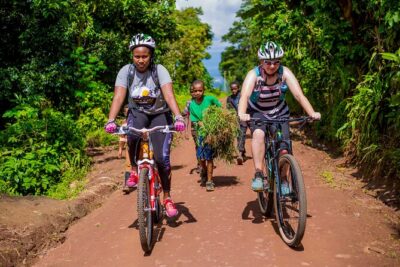
★ 4.5 · 54 reviews - Chagga Villages in Mount Kilimanjaro Cycling Day Trip
★ 5.0 · 42 reviews
Starting at Moshi Bus Stand
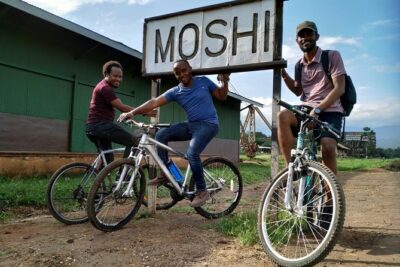
The day begins with transport at Moshi Bus Terminal, described in the schedule as an 8:30 AM stop. You spend about 30 minutes looking at the ways people travel in and out of Moshi, with time for photographs, walking, and explanation.
This is a smart first stop because it gives you a practical introduction to the town. Instead of opening with a monument that tells only one story, the bus stand shows movement, trade, and the daily need to get from one place to another. You can ask Thomas about the routes and transport systems you see.
Do not expect a quiet photo stop. A bus terminal is useful precisely because it is functional. There may be noise, movement, and people focused on getting somewhere. If you prefer a slow cultural visit, this will feel brisk. If you want to understand how a town operates, it is a useful beginning.
The schedule also lists Moshi Station as a separate 30-minute visit, with a photo stop, guided sightseeing, and a food market visit. The order can vary, so treat the published sequence as a guide rather than a promise carved in stone.
Moshi Station and the story behind the town
The old railway station is one of the more distinctive stops. You hear the story of Moshi and its connection with a village called Old Moshi, while seeing a place tied to the town’s past transportation network.
This stop gives the day a sense of time. The markets show what is happening now; the railway station helps explain how Moshi developed and connected with the wider region. I like that contrast. You are not being shown history in isolation, but as part of a working town.
The station is listed for around 30 minutes, so expect a compact visit rather than a long historical presentation. The value depends greatly on Thomas’s storytelling. His former work as a Kilimanjaro guide appears to have given him a strong feel for explaining place and context, not just pointing out buildings.
One practical point: the supplied schedule mentions the Old Railway Station at 12:30 PM, while the separate route description places Moshi Station earlier. The exact order may change during the day. Confirm the running order if a particular stop matters most to you.
Reading Moshi through its markets

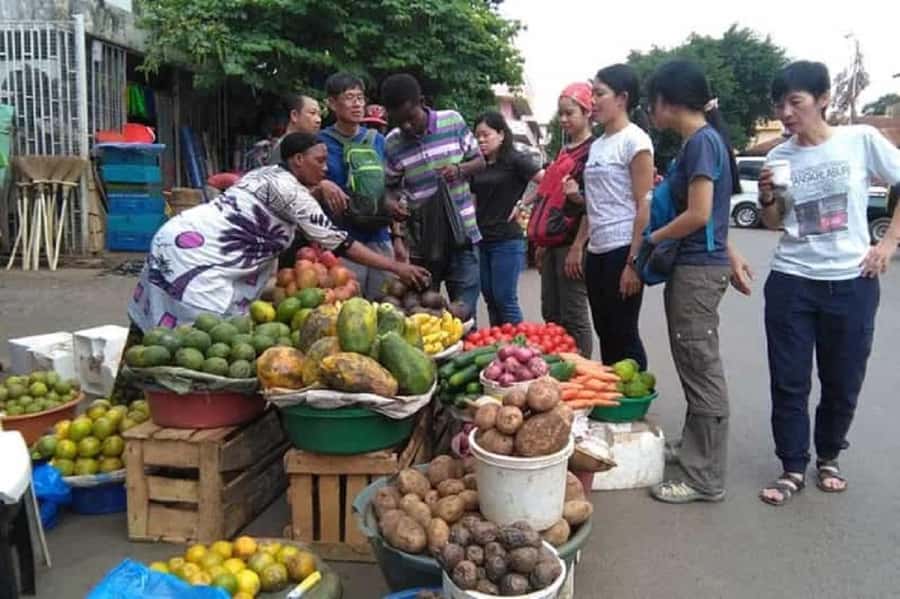
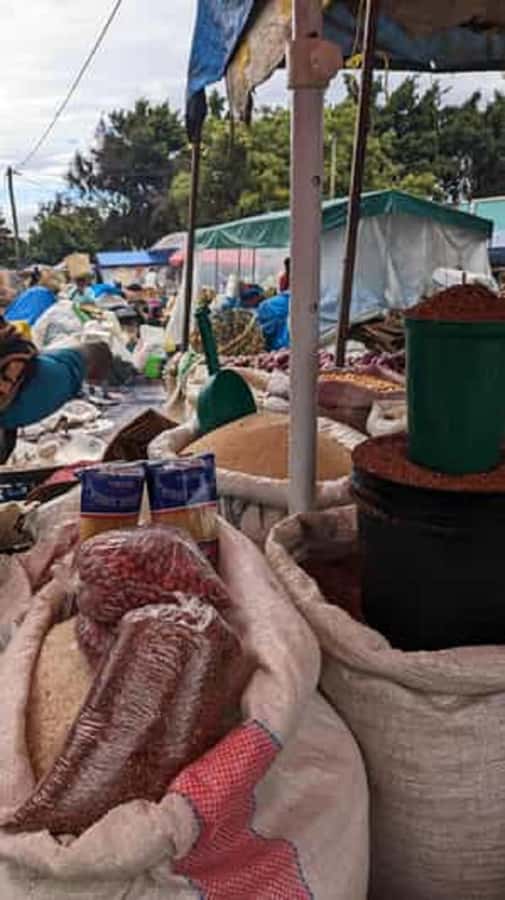
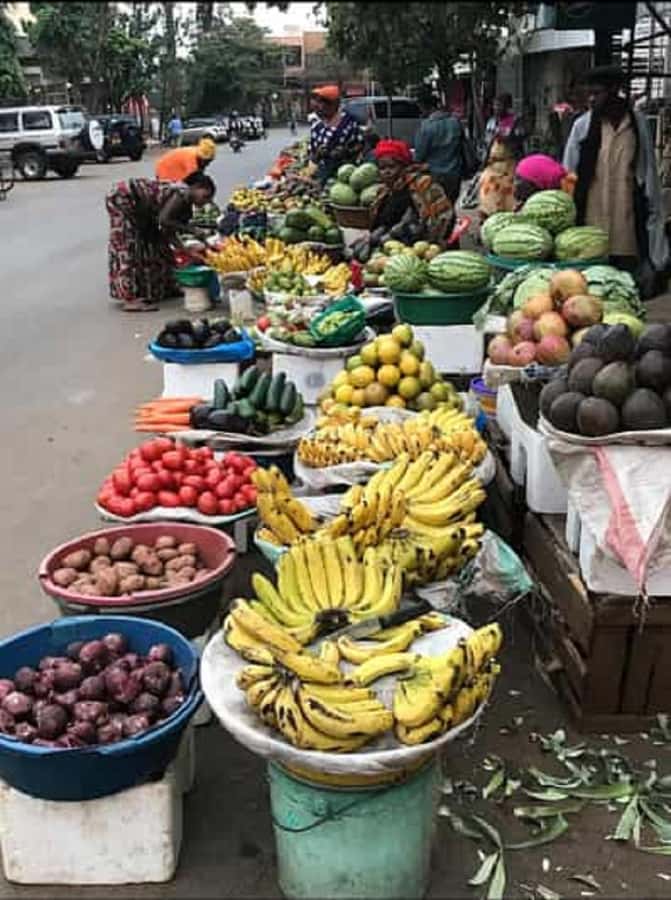
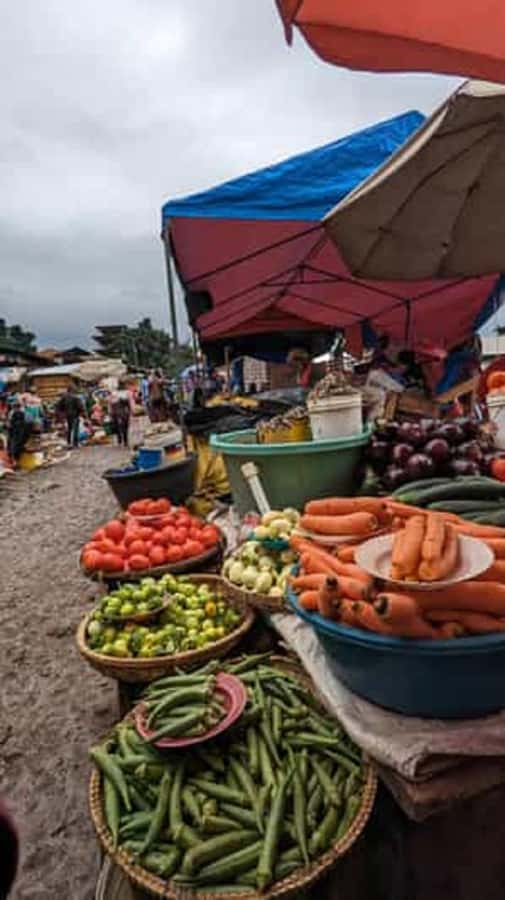
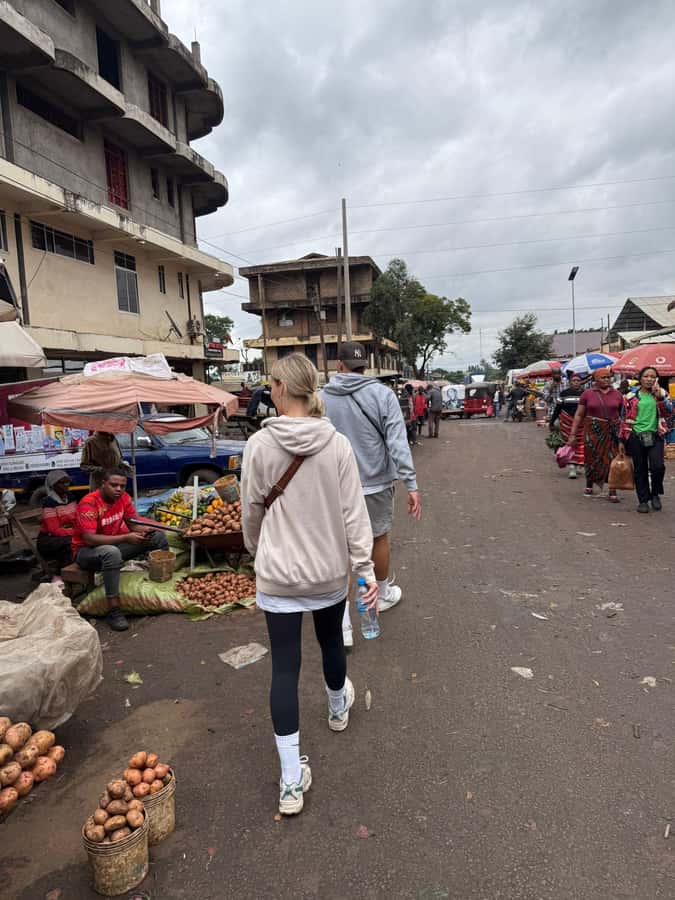
The market visits are the main reason I would choose this tour over a basic city drive. At Central Market, you see vegetables, cereal crops, and other items sold by local people. The point is not simply to take pictures of produce. It is to understand what households buy, what farmers bring into town, and how food moves from field to customer.
Mbuyuni Market adds another view. Women sell tomatoes and other goods, sometimes directly from the ground. The setting is likely plain and practical, which is exactly why a guide helps. Thomas can explain what you are seeing and help you move through the market with greater awareness.
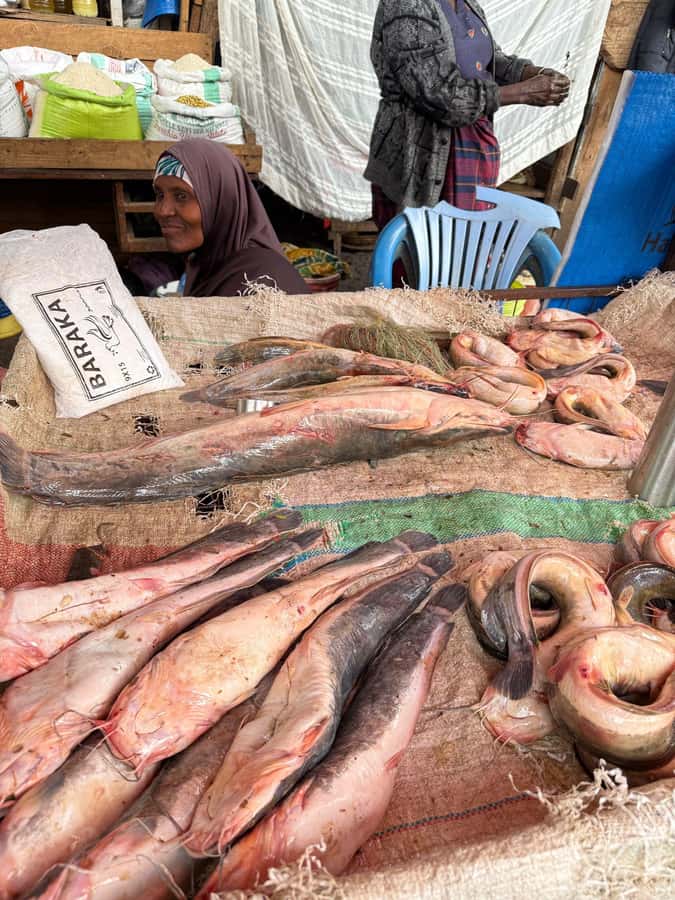
Manyema fish market brings a different set of details. You learn the short story behind the name Manyema and see local fish sold there. That brief explanation gives the place more meaning than a quick walk past fish stalls would provide.
Food is part of the experience. The day includes a chance to visit local restaurants and sample local dishes, and the market route may include tasting foods in the way local people do. The exact foods are not specified, so you should not book this expecting a fixed tasting menu. Think of it as guided food discovery, with the market providing the setting.
The markets may be the least comfortable part of the day for some people. Floors can be dusty, stalls can be crowded, and you may encounter strong smells or uneven walking surfaces. Modest clothing, closed shoes, and a willingness to follow your guide’s lead will help.
More day trips:
- Day Trip Coffee Tour and Materuni Waterfalls
★ 5.0 · 35 reviews - Private Full-Day Trip to Materuni Waterfalls
★ 5.0 · 22 reviews - Moshi city bike day trip
★ 5.0 · 17 reviews - Kilimanjaro 1 Day Hike
★ 5.0 · 16 reviews
Coffee Union Cafe and the taste of Moshi
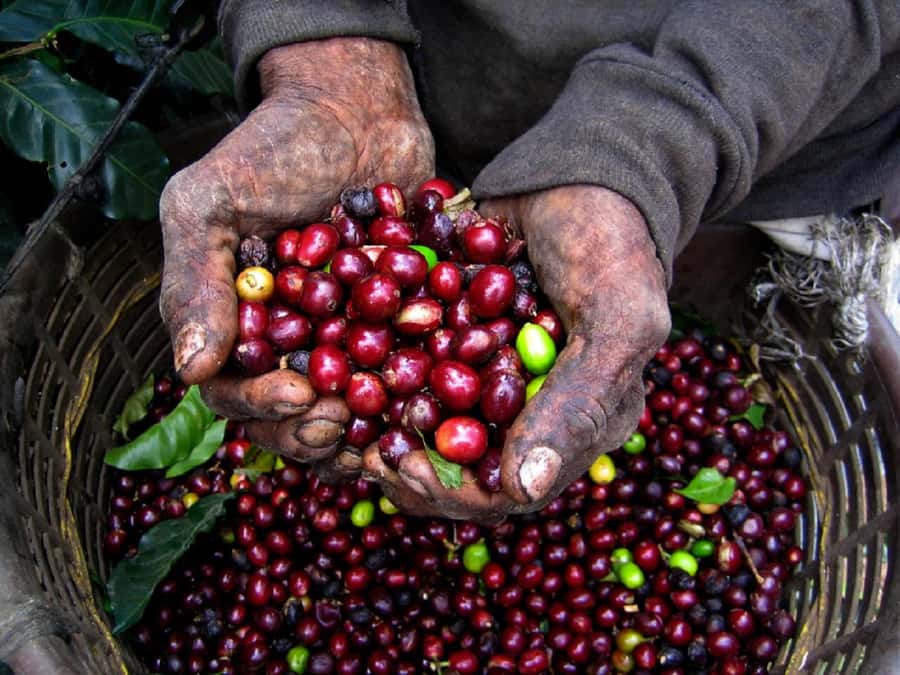
Coffee Union Cafe is included as a 30-minute stop for visiting, walking, and guided sightseeing. The information provided does not promise a formal coffee-making lesson or a full tasting, so keep your expectations sensible.
Still, the cafe adds a useful pause to the market-heavy route. Coffee is closely linked with the Kilimanjaro area, and this stop may help connect what you see in town with the farms outside it. You can ask Thomas how coffee fits into local farming and trade, though the exact focus of the visit may depend on the day.
This is also one of the places where the small group helps. A group of 10 or fewer can sit, listen, and ask questions without turning the stop into a large organized presentation. If coffee is your main interest, ask in advance how much time will be devoted to it.
Banana farms and the work behind local food
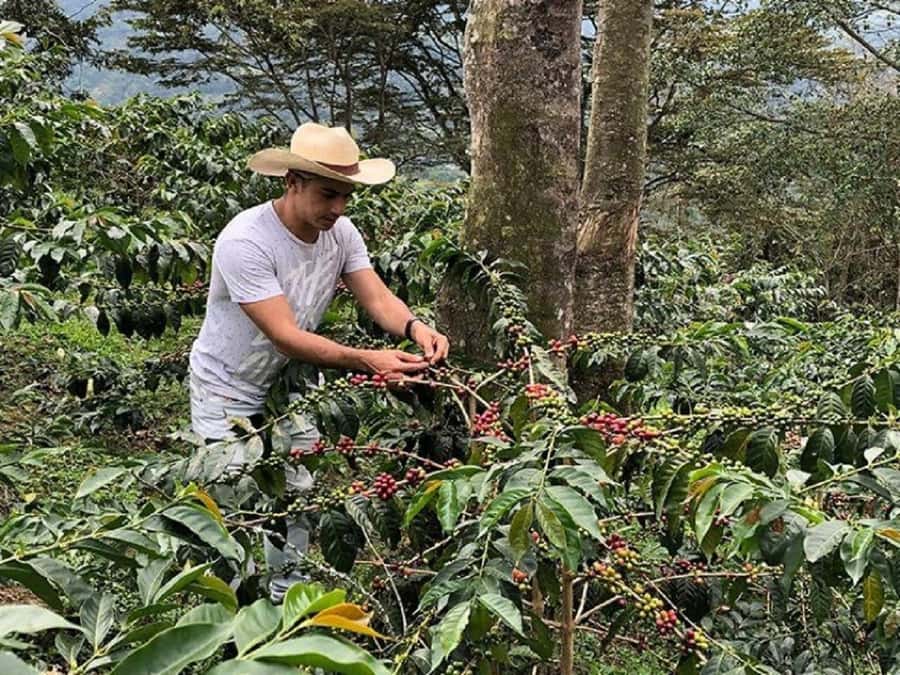
The banana plant farm is scheduled for around 30 minutes. Here, you learn about the history of bananas and how they are cultivated. The tour information also refers to vegetable and fruit farms, so agriculture is a larger theme than the timetable alone might suggest.
I value this part because it shifts the focus from buying food to producing it. After seeing tomatoes, cereal crops, fish, and other goods in the markets, you get a look at the work behind some of those products. That makes the market visits easier to understand.
The stop is educational rather than a major scenic attraction. You may find the farm simple, and the visit is short. That is not a flaw if you want a close look at everyday agriculture. It could disappoint you if you are expecting a large plantation tour with extensive facilities.
A guide is especially useful here because cultivation methods can be easy to miss when you are looking at a few plants. Thomas can put the crop into a local context and explain what the farm means to people who depend on it.
Rice fields at Mabogini
The Mabogini rice farms are scheduled for 2:00 PM, although the supplied timetable also lists the end of the tour at 2:00 PM. That inconsistency is worth checking before you book. The route description clearly includes Mabogini, and the tour is described as lasting seven hours, but the precise final timing is not fully clear.
At the rice farms, you learn how rice is cultivated and irrigated. This is a strong closing stop because irrigation turns a familiar food into a visible process. You see that rice depends not only on planting, but also on careful control of water and field preparation.
The stop includes walking and a photo opportunity. The setting should appeal to you if you enjoy seeing how food is grown rather than visiting only built attractions. It is less suitable if you want a polished viewpoint or a major historic site.
The agricultural stops also explain why this tour feels different from a standard Moshi orientation. You are not just passing through the center. You are connecting the town’s markets with the farms that supply them.
Old Moshi Cultural Tourism Enterprise
The Old Moshi Cultural Tourism Enterprise is another scheduled 30-minute stop, with a guided visit, sightseeing, and walking. It connects with the older community and cultural story introduced at the railway station.
The title suggests a cultural tourism setting, but the supplied details do not specify exactly which activities or displays are included. I would ask for clarification before booking if you want a particular performance, craft demonstration, or village activity.
The value here is in the local frame. The day is not only about markets and crops. It also introduces the people and places behind Moshi’s name and identity. That helps prevent the experience from becoming a checklist of unrelated stops.
Expect the tour to feel personal. Thomas is known for introducing people to local residents, and his connections appear to shape the day. You might meet people outside the usual sightseeing path, but the exact encounters will depend on who is available and what happens during your visit.
What Thomas adds to the experience
Thomas is the name to know when weighing this tour. He previously guided people up Mount Kilimanjaro and now leads town visits. His strong English makes it easier to ask about customs, work, neighborhoods, food, and the details of daily life.
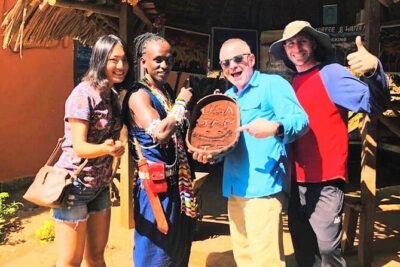
His greatest strength appears to be social access. He knows people around Moshi, and his introductions can turn a market walk into a conversation rather than a distant look at local life. One solo woman described feeling safe and well supported while exploring with him, while another visitor appreciated his care around traffic and difficult situations.
That does not mean you should stop using common sense. Stay close to the group, follow his instructions in markets and near roads, and ask before photographing people. A guide can make an unfamiliar place easier to navigate, but respectful behavior still belongs to you.
The experience can also go beyond the formal stops. Details provided about past days include visits or encounters involving children, a local clinic or hospital, schools, and a church. These are not guaranteed scheduled attractions, so treat them as possible parts of a flexible day rather than promised inclusions.
Walking, comfort, and the $1,000 question
The stated price is $1,000 per person. Pickup, drop-off, and the guide fee are included, but the supplied information does not clearly say that meals, entrance fees, or drinks are included. At this price, you should ask exactly what the payment covers before committing.
For a large group, I would not consider the price good value based on the listed sightseeing alone. Markets, a railway station, farms, and a cafe can be visited at far lower cost in many destinations. The argument for this experience is personal guiding, transport, language support, safety, and access to local contacts in a group of no more than 10.
The price may make more sense for a private booking or for people who place a high value on an organized introduction after a major expedition. It is less convincing for budget-minded visitors, especially if they are comfortable arranging a simple market walk and farm visit independently.
Ask these questions before paying:
- Is the $1,000 rate for a private booking or a small shared group?
- Are food, drinks, and any entrance charges included?
- Is Thomas the guide for your date?
- How much of the day is walking?
- Why does the timetable show Mabogini and the end of the tour at 2:00 PM?
- Which stops are guaranteed?
The booking terms are flexible: you can cancel up to 24 hours before departure for a full refund, and you can reserve now and pay later. Those terms reduce commitment, but they do not remove the need to confirm the price and exact schedule.
Who should book this Moshi experience?
I would choose it if you have one free day around a Kilimanjaro climb, safari, or Zanzibar holiday and want to understand Moshi beyond your hotel. It suits curious people who enjoy markets, local food, agriculture, walking, and conversation more than formal monuments.
It is also a strong fit for solo visitors who want a guide in an unfamiliar town. Thomas’s local ties and careful approach can make the day feel easier and more connected.
I would hesitate if you are exhausted after a climb and want genuine downtime. I would also hesitate at the stated price if you are watching your budget or if you mainly want a few quick photographs. The tour asks you to accept dust, ordinary streets, changing conditions, and a less polished style of sightseeing.
Its current score is 5 out of 5 from seven ratings, with the strongest praise aimed at Thomas, the local access, the markets, and the feeling of seeing real everyday life. That praise points to the right reason to book: the guide and the human connections, not a list of famous monuments.
Should you book it?
Book this tour if you want Moshi explained by someone who knows its people and daily routines, and if the $1,000 cost fits your plans after you confirm what is included. Thomas appears to be the central value, especially for solo visitors and anyone who wants help navigating markets and neighborhoods.
Skip it if you want a cheap half-day city tour, a slow hotel recovery day, or a fixed schedule with guaranteed attractions. For the right person, this is a useful cultural counterpoint to Kilimanjaro and safari. Just make sure you are paying for the personal guiding and local access, not simply for a ride between ordinary stops.
FAQ
Where does the Moshi town tour start?
The stated starting location is Keys Hotel, with pickup at your hotel at 8:00 AM.
Where does the tour end?
The tour ends with drop-off at your hotel.
How long does the tour last?
The advertised duration is seven hours.
What language does the guide speak?
The live guided tour is provided in English.
How many people can join the tour?
It is a small-group experience limited to 10 participants.
What markets are visited?
The route includes Central Market, Mbuyuni Market, and Manyema fish market.
Does the tour visit farms?
Yes. It includes a banana plant farm and rice farms in Mabogini. The experience also refers to vegetable, fruit, coffee, and rice farming.
Is hotel transportation included?
Yes. Pickup and drop-off are included.
Can I cancel for a full refund?
Yes. You can cancel up to 24 hours in advance for a full refund.
Just added around Moshi
- Moshi: Lake Chala Tour: Hiking &/or Kayaking★ 4.5 · 3 reviews
- 3 Days Tanga Exclusive Beach Holiday★ 5.0 · 3 reviews
- Serengeti Wildebeest Migration.★ 5.0 · 3 reviews
- Chemka Hotpsrings E-Bike Day Trip★ 5.0 · 3 reviews
- Explore 1 day Ngorongoro Crater Budget Group Safari from Arusha★ 5.0 · 3 reviews
- Explore the 360° of Kilimanjaro★ 5.0 · 3 reviews
- Affordable Short Tanzania Safari (2 Days Camping Safari)★ 5.0 · 3 reviews
- Rongai Route 7 Days★ 5.0 · 3 reviews
Day Trips in Moshi, compared.
Best Kilimanjaro hiking day trip tour with Kilinge Adventures
Read our review →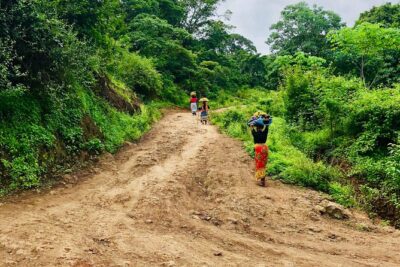
Chagga Villages in Mount Kilimanjaro Cycling Day Trip
Read our review →
Browse the lists this tour appears in