
Reviewed · COFFEE EXPERIENCES
Organic Coffee Tour and Local Food Experience in Arusha
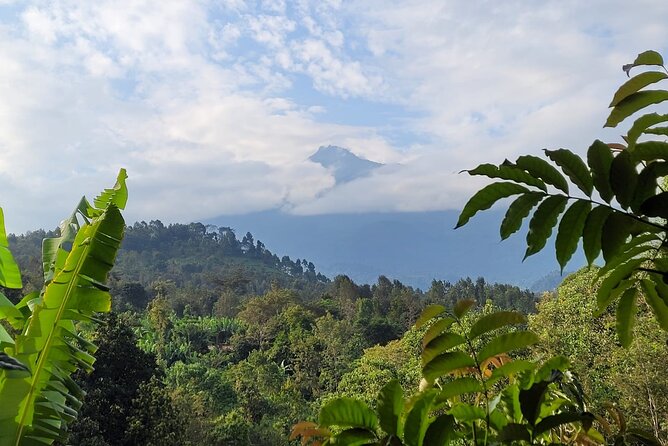
Coffee tastes better with a mountain view. This three-hour visit to a family farm in Ambureni village combines coffee making, homemade snacks, and a generous meal cooked by local mamas. I especially like the chance to pick coffee beans and roast them yourself, and the treehouse setting where you finish with your own cup. The main drawback is transport: pickup is not included in the $45 price, and the separate fee needs careful checking before you book.
The tour runs from 1 p.m. on any day of the week, making it an easy afternoon plan from Arusha. I also like that it is a private activity for your group, rather than a large scheduled outing. Just remember that the farm is outside central Arusha, near Mount Meru, so the meeting point or paid transfer can shape the total cost.
In This Review
- Key points at a glance
- Reaching Ambureni village near Mount Meru
- Walking among coffee plants and banana trees
- Turning coffee berries into your own cup
- A treehouse cup with Mount Meru nearby
- Sampling snacks made at home
- Clay pots, charcoal, and Tanzanian dishes
- What the guide and group format mean
- Is $45 a fair price?
- Practical advice before you go
- Who should book this Arusha farm visit?
- Should you book the Organic Coffee Tour and Local Food Experience?
- FAQ
- Where does the coffee and food experience begin?
- Is hotel pickup included?
- How much does private transportation cost?
- How long does the activity last?
- What time does the tour start?
- Will I make my own coffee?
- What food is included?
- Is this a private tour?
- What happens if the weather is poor?
Key points at a glance
- Bean-to-cup coffee making: Pick coffee berries, process the dried beans, roast them, and prepare your own drink.
- Ambureni village setting: Visit a small local farm among jungle greenery, coffee plants, banana trees, and views toward Mount Meru.
- Fire-cooked Tanzanian food: Taste dishes prepared over firewood and charcoal in clay pots by local mamas.
- Treehouse coffee break: Finish the coffee lesson with a freshly prepared cup in a treehouse overlooking the surrounding nature.
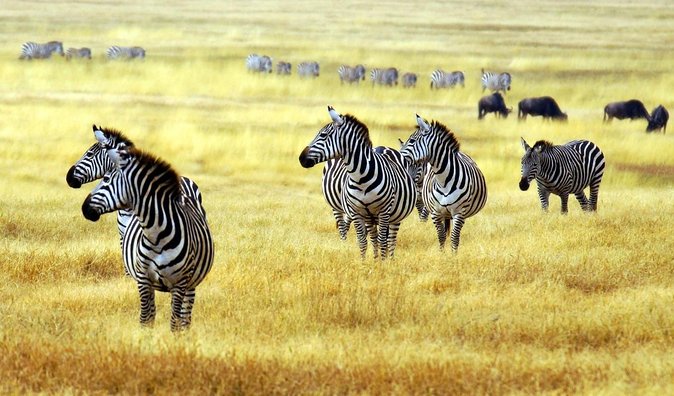
- Wildlife and bird spotting: Keep an eye out for blue monkeys and different bird species around the farm.
- Private afternoon format: The experience lasts about three hours and is available from 13:00 any day of the week.
Reaching Ambureni village near Mount Meru
The experience begins at JQM2+5J5 in Nkoanrua, Tanzania, and returns to the same meeting point. The location places you in a rural setting near Mount Meru rather than in central Arusha, which is important when planning your afternoon.
Pickup is offered, but it is not part of the $45 per-person price. The information gives an additional private-transfer cost of $40, while the included details also refer to $50 for private pickup and drop-off. A response from the operator explains that the recommended fee is around $40 and can be lower, equal, or higher depending on your location.
That difference is worth settling before the day of the tour. Ask for the exact pickup price from your hotel or lodging, and confirm whether it covers both directions. If you already have a taxi or driver, meeting at the listed point may help keep the cost down.
The 13:00 start works well after a relaxed morning in Arusha. You will want to allow enough time for the trip to Nkoanrua, since the activity itself lasts only about three hours and the return is to the meeting point. A mobile ticket is provided, and confirmation arrives at booking.
More Coffee Tours in Arusha
- Materuni Waterfalls, coffee tour & Kikuletwa Hot Springs
★ 5.0 · 643 reviews - Materuni waterfalls coffee tour & Chemka hot springs Day trip
★ 5.0 · 131 reviews - Maasai village visit, Materuni waterfalls & coffee experience
★ 4.5 · 95 reviews
Walking among coffee plants and banana trees
The farm is small and family-run, with coffee plants and banana trees set among a serene jungle environment. This is not a vast commercial plantation, and that is part of its appeal. You get a close look at farming on a personal scale, where coffee is tied to household life and local income.
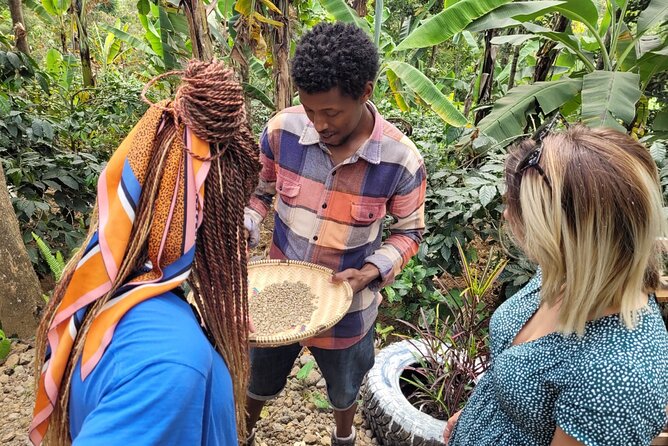
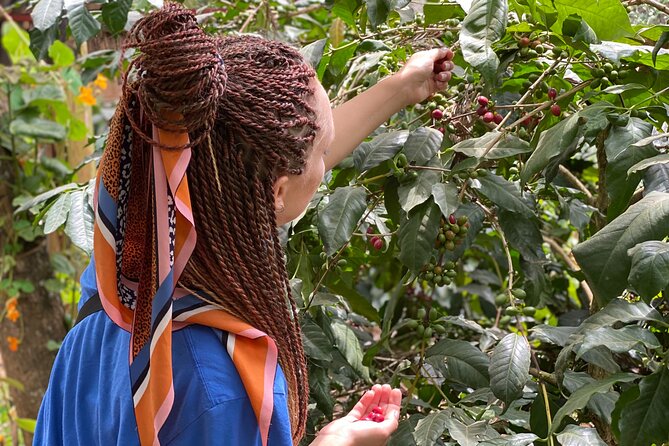
The coffee lesson begins with the plants themselves. You can handpick coffee berries with the farmers, giving you a better sense of how much work comes before a drink reaches your breakfast table. The setting also gives the activity a useful sense of place. You are not simply watching a demonstration in a city café. You are seeing the crop where it grows.
The experience also includes an introduction to the role of coffee plantations in Tanzania and the connection between coffee, farming traditions, and the local economy. One particularly strong part of the visit is the chance to learn about the family’s farm and tribe as part of the wider cultural experience.
The farm’s smaller size may not satisfy you if you expect rows of coffee stretching across a large estate. You are coming for personal contact, a hands-on lesson, and a look at local life, not an industrial plantation tour.
Turning coffee berries into your own cup
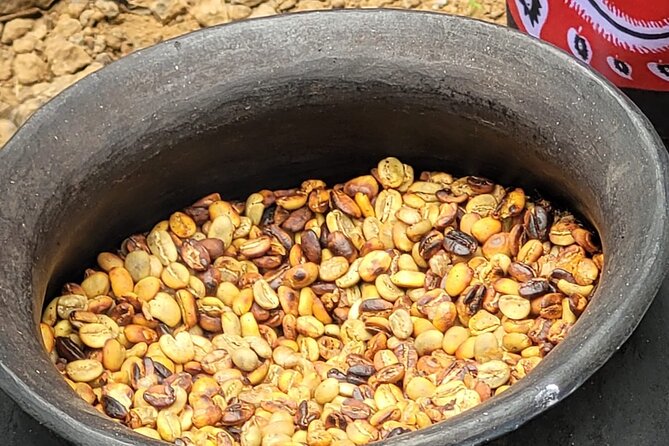
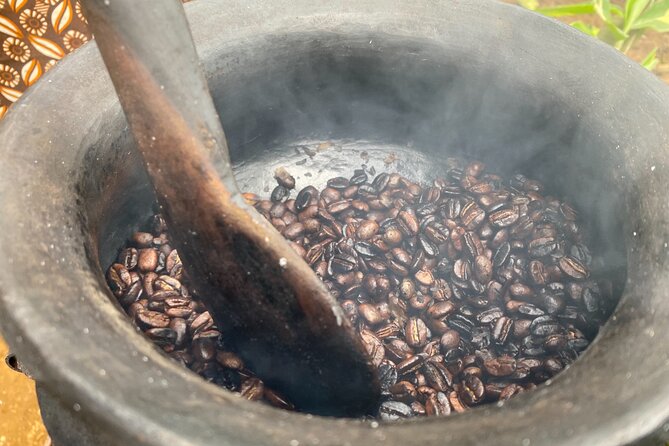
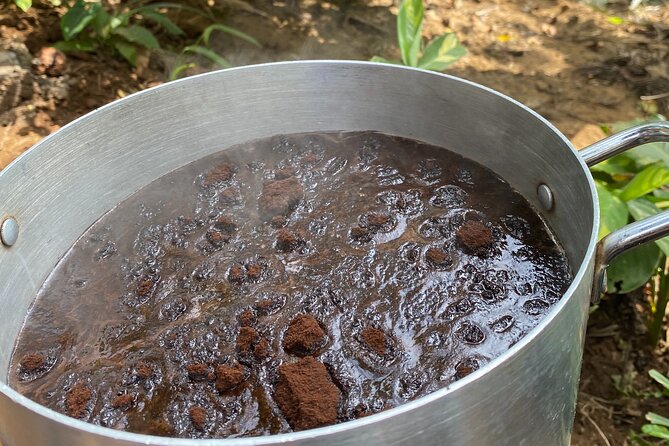
The coffee process is the heart of the afternoon. The staff guide you from dried beans through the steps needed to make a finished cup. You will learn about processing, roast the beans, and prepare coffee for yourself to taste.
That sequence gives the activity more substance than a simple tasting. You can see how raw coffee changes in color, smell, and texture as it is prepared. The lesson also makes a useful connection between manual farm work and the drink you may usually buy without thinking about its source.
The coffee is processed by the hosts, and you take part in making the final cup. It is a straightforward activity, but it has a satisfying payoff. You finish by drinking something you helped prepare rather than being handed a ready-made sample.
Several strong points come together here: the hands-on work, the explanation of coffee production, and the relaxed setting. The final cup is served in a treehouse, where the view and the surrounding nature become part of the tasting.
If coffee is your main interest, allow yourself to focus during this section. Ask about the beans, roasting, and local production while the process is underway. The supplied information does not give a detailed technical schedule, so the exact amount of time spent on each stage may vary.
A treehouse cup with Mount Meru nearby
The treehouse is one of the most memorable details of the experience. After the coffee is prepared, you sit with your cup and take in the natural views around the farm. The elevated setting gives the final tasting a calm finish after the more active work of picking and roasting.
Mount Meru is part of the identity of this area, and the farm’s position near the mountain adds a strong sense of place. The information does not promise a clear mountain view on every visit, since weather and local conditions can affect visibility. Still, you can expect the experience to focus on African nature, jungle surroundings, and rural scenery.
Blue monkeys and different bird species may also appear around the farm. They are wild animals, not a scheduled part of the program, so treat sightings as a bonus rather than a guarantee. Bring your attention outdoors, especially during quiet moments in the treehouse or while walking among the plants.
This is a good activity for you if you prefer gentle sightseeing to a tightly packed itinerary. The pace allows time to look around, talk with the hosts, and enjoy the setting without rushing from one attraction to another.
More coffee tours:
- Materuni Waterfalls & Coffee Tour from Moshi
★ 5.0 · 92 reviews - Arusha: Materuni Waterfalls, Coffee, and Hotsprings Tour
★ 4.8 · 78 reviews - Coffee tour and Buffet Lunch with Kingstone Asilia (Arusha)
★ 5.0 · 74 reviews - Materuni waterfalls,coffee tour & Kikuletwa(Chemka)Hot Springs
★ 5.0 · 49 reviews
Sampling snacks made at home
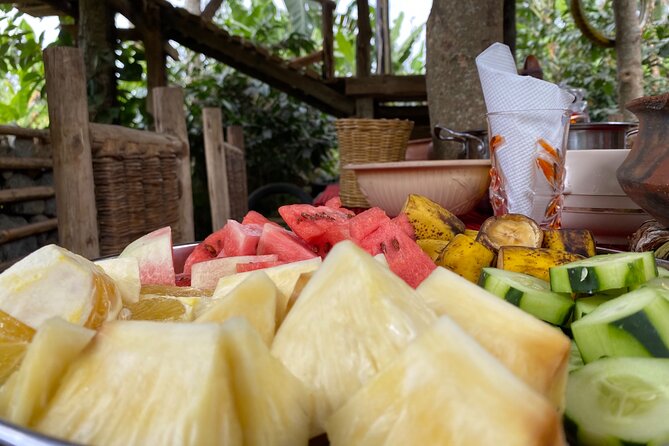
The food begins with handmade snacks. Expect items such as peanut brittle, biscuits, and popcorn, along with coffee or tea. These small tastes help fill the gap between the farm walk and the main meal, and they give you an introduction to familiar local ingredients and home cooking.
The snacks are simple rather than formal. That is useful to know if you are expecting a polished restaurant service. This is a family property, and the food experience is built around home preparation and hospitality.
The peanut brittle and biscuits also pair naturally with the coffee portion of the tour. If you enjoy trying modest everyday foods rather than only restaurant specialties, this part adds character to the afternoon.
Clay pots, charcoal, and Tanzanian dishes
The full coffee and local food experience includes a larger selection of traditional Tanzanian dishes. Local mamas prepare the food over firewood and charcoal, using clay pots made through pottery. This cooking method is a major reason to choose the full package rather than a shorter coffee-only visit.
The meal gives you a look at food traditions that are easy to miss during a normal Arusha stay. Clay-pot cooking and fire preparation take time, and they connect the meal to household skills and local materials. You are not simply eating a plate assembled for tourists. You are seeing the cooking process as part of the cultural visit.
The exact menu is not listed, so you should not book expecting a particular dish. The available details do confirm traditional food, homemade snacks, and a broad selection prepared at the farm. If you have dietary restrictions, ask the operator ahead of time about suitable options.
One of the strongest parts of the experience is the welcome from the local hosts. The emphasis is on Tanzanian hospitality, food, and family life. The meal is not an extra snack added to a coffee lesson. It is the second half of the afternoon and gives the visit a broader cultural purpose.
What the guide and group format mean
The tour is private, so only your group participates. That makes it easier to set your own pace and ask questions during the coffee process. It also suits couples, families, and small groups who prefer a personal visit instead of a bus-style excursion.
Cosmas is named as a guide who did an especially good job explaining the activity and helping make the day more than expected. Guide assignments can change, so you should not assume he will lead every departure. Still, the operator places clear value on friendly hosting and explanations of coffee, farming, and local culture.
The private format is also helpful during the meal. Food preferences, questions, and time at the farm are easier to discuss when you are not part of a large mixed group. On the other hand, a private tour can feel less cost-effective for a solo visitor if the transfer fee is added on top.
Most people can take part, and service animals are allowed. The supplied information does not describe a detailed accessibility layout at the farm, so ask about surfaces, steps, and the treehouse if you have mobility needs.
Is $45 a fair price?
At $45 per person, the price is reasonable if you value a small-scale cultural visit rather than a simple coffee tasting. The fee covers the coffee activity, coffee or tea, handmade snacks, and lunch when you book the combined coffee and local food experience.
You are also paying for direct access to a family farm, guidance through several coffee-making stages, and a meal cooked on site. That is a fuller outing than a café demonstration. The private format adds value for a group that wants flexibility and personal attention.
The calculation changes if you need a private transfer. An extra $40 or possibly $50 can make the total noticeably higher, especially for one person. For two or more people, the transfer may feel more manageable when divided across the group. Confirm the exact current amount because the operator says it depends on your pickup location.
This is not the right choice if you want a cheap stop close to central Arusha or a large plantation with formal facilities. It makes better sense if you want local contact, food, and a relaxed afternoon near Mount Meru.
The experience is booked around 20 days ahead on average, which suggests planning early is sensible if your Arusha schedule is fixed. Confirmation is received at booking, and availability is listed for every day from 13:00.
Practical advice before you go
Set aside about three hours for the activity itself, plus the time needed to reach the meeting point and return. Since the tour depends on good weather, keep your schedule flexible if possible.
Wear comfortable clothing suitable for a farm setting. You will walk among coffee plants and take part in picking and processing, so this is better approached as an outdoor visit than a polished indoor tasting.
Confirm these points before booking:
- The exact pickup price from your accommodation.
- Whether pickup and return are both included in the quoted transfer fee.
- The meeting point at JQM2+5J5 in Nkoanrua.
- The food options if you have allergies or dietary needs.
- Whether Cosmas is available for your date, if you specifically hope to meet him.
Free cancellation is available up to 24 hours before the start time for a full refund. Inside 24 hours, cancellations and changes are not accepted for a refund. If poor weather forces the operator to cancel, you can choose another date or receive a full refund.
Who should book this Arusha farm visit?
I would choose this experience if you want to connect several small pleasures in one outing: coffee, village life, home cooking, nature, and conversation with local hosts. It suits you especially well if you enjoy learning by doing and prefer a family farm to a large commercial attraction.
It is also a good match for a first visit to Arusha when you want cultural context without committing to a full-day excursion. The 13:00 start leaves your morning free, while the private format gives the afternoon a personal feel.
You may want to skip it if transport costs are a concern, if you require a precisely defined menu, or if your main goal is a major coffee estate with extensive plantation views. The farm is small, and the tour’s strength is its human scale.
Should you book the Organic Coffee Tour and Local Food Experience?
Yes, if the final transfer cost is clear and you want an authentic, hands-on afternoon near Mount Meru. The best parts are the bean-to-cup process, the clay-pot meal, the treehouse coffee, and the warm family setting.
Before paying, confirm whether your transfer will cost $40, $50, or another amount based on your location. Once that detail is settled, the $45 experience offers strong value for a private visit that combines a coffee lesson with a proper local meal. It is a thoughtful choice for anyone who would rather spend an afternoon meeting people and tasting home cooking than sitting in another city café.
FAQ
Where does the coffee and food experience begin?
It begins at JQM2+5J5, Nkoanrua, Tanzania, near Mount Meru. The activity ends back at the same meeting point.
Is hotel pickup included?
Pickup can be arranged, but private transportation is not included in the $45 price. An additional transfer fee applies.
How much does private transportation cost?
The information gives an additional fee of $40, while another included detail lists $50. The operator explains that the recommended fee is about $40 and can vary by pickup location, so confirm the exact amount before booking.
How long does the activity last?
The experience lasts approximately three hours.
What time does the tour start?
It is available any day of the week from 13:00.
Will I make my own coffee?
Yes. You can pick coffee berries, learn the production process, roast the beans, and prepare a cup to taste.
What food is included?
The experience includes coffee or tea, handmade snacks such as peanut brittle, biscuits, and popcorn, plus traditional Tanzanian food cooked over firewood and charcoal in clay pots when you book the full coffee and local food tour.
Is this a private tour?
Yes. Only your group participates in the activity.
What happens if the weather is poor?
The experience requires good weather. If the operator cancels because of poor weather, you will be offered another date or a full refund. You can also cancel up to 24 hours before the start time for a full refund.
More Food & Drink
- Arusha: Traditional Tanzania Cooking Class & Food Market Tour
★ 5.0 · 34 reviews - Arusha: Traditional Tanzania Cooking class& Food Market Tour
★ 4.9 · 12 reviews - Street Food and Community Walking Tour
★ 5.0 · 12 reviews - Waterfalls, Coffee, Hotsprings, Food Cuisine, & Serval Wildlife
★ 5.0 · 6 reviews
More Dining Experiences
- Zanzibar: Jozani Forest, Salaam Cave & The Rock Restaurant
★ 4.2 · 77 reviews - From Zanzibar: Starfish, Blue Lagoon, & The Rock Restaurant
★ 4.5 · 68 reviews - Zanzibar: Rock Restaurant and Cave Tour Visit
★ 4.5 · 50 reviews - Jozani Forest, Kuza Cave, Paje Beach and The Rock Restaurant
★ 4.5 · 50 reviews
Just added around Arusha
- 5 Days Safari Tarangire, Serengeti, and Ngorongoro Crater★ 5.0 · 3 reviews
- Love lives in Africa★ 5.0 · 3 reviews
- 5 Days of Safari, Culture & Hot Springs – Tour from Arusha★ 5.0 · 3 reviews
- Arusha National Park Safari by Jeep★ 4.5 · 3 reviews
- 5Days Family _Group Tour Lodging Mid-Range in the Jungle★ 5.0 · 3 reviews
- Serengeti & Ngorongoro 3 Days Budget Safari★ 5.0 · 3 reviews
- 2 Days Tarangire and Ngorongoro Crater Tour★ 5.0 · 3 reviews
- 7 Days PRIVATE Best of Tanzania Safari *Departing everyday*★ 5.0 · 3 reviews
Coffee Experiences, compared.
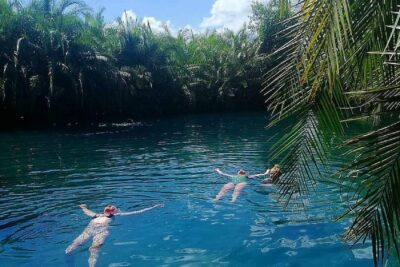
Materuni Waterfalls, coffee tour & Kikuletwa Hot Springs
Read our review →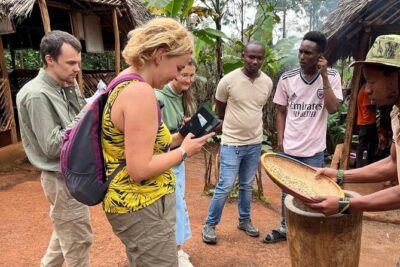
Materuni waterfalls coffee tour & Chemka hot springs Day trip
Read our review →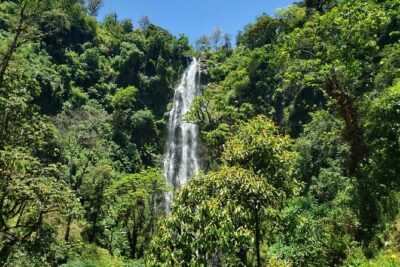
Materuni Waterfall, Coffee Tour and Picnic Hot Lunch
Read our review →
Maasai village visit, Materuni waterfalls & coffee experience
Read our review →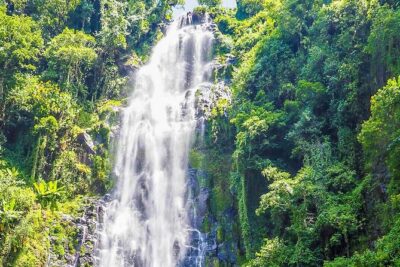
Arusha or Moshi : Hot Spring, Waterfall & Coffee Farm Tour
Read our review →
Materuni Waterfalls, Coffee, and Hotsprings Tour
Read our review →
Materuni Waterfalls, Chemka Hot Springs, &/Or Coffee Tour
Read our review →Browse the lists this tour appears in