
Reviewed · COOKING CLASSES
Arusha: Traditional Tanzania Cooking class& Food Market Tour
Food tells you how a place lives. This five-hour Arusha experience combines a central market visit with a hands-on cooking class, giving you a useful look at everyday Tanzanian food rather than a polished restaurant version. I like the chance to shop for ingredients with local guides, and I like that you eat the meal you prepare with the cooking team. The main consideration is comfort: the class takes place in a simple local home, and one past participant found the food-preparation hygiene less thorough than expected by United States standards.
I also appreciate the friendly, personal scale of the experience. Guides such as Liroy and Israel explain the market, while chef Neema leads the cooking in a relaxed setting. Bring patience, though. The cooking can take up to three hours, and drinks are not included, so you should plan to buy or request water separately.
In This Review
- Key points to know before booking
- Why this Arusha food experience feels personal
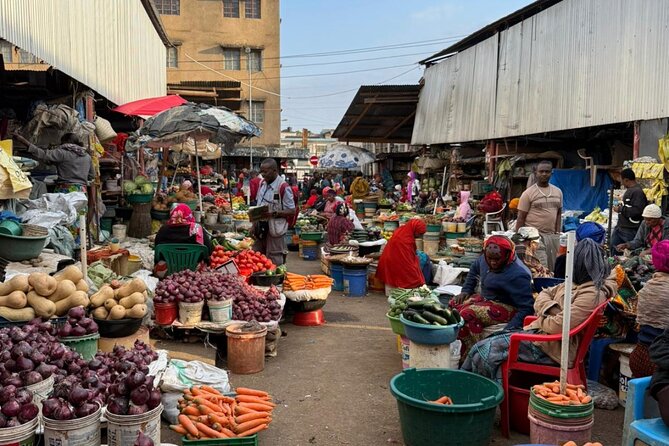
- Starting with Arusha’s central food market
- Choosing the dishes and buying the ingredients
- Cooking in a local home with chef Neema
- Sitting down to eat what you made
- What $45 gets you in Arusha
- Who will enjoy this class most
- Practical advice for a smoother day
- Should you book this Arusha cooking tour?
- FAQ
- How long does the Arusha cooking class and market tour last?
- What food will I cook?
- Is hotel pickup included?
- Are drinks included in the price?
- Is the cooking class held in a restaurant?
- What should I bring?
Key points to know before booking
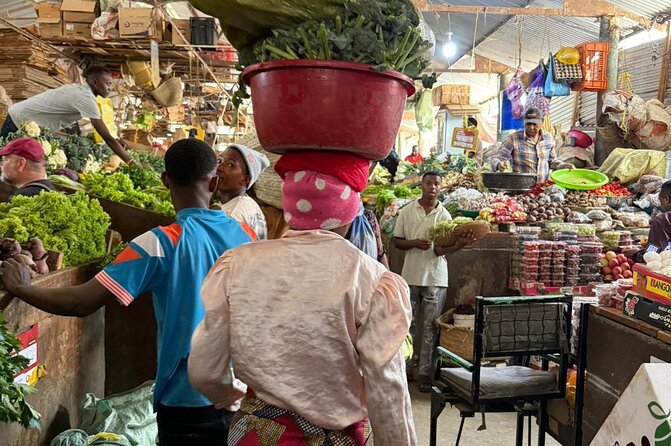
- Market shopping comes first: Spend about 30 to 50 minutes seeing dry goods, meat, fruit, vegetables, and other staples at Arusha’s central food market.
- You help choose and prepare the menu: The class covers plantain banana, chapati, ugali, vegetables, and sometimes stewed or barbecued meat.
- The cooking happens in a simple local home: This is a practical, home-style lesson, not a polished culinary school.
- The meal is part of the experience: Sit down with the guides and chef to eat what you prepared, with leftovers sometimes available to take away.
- Pickup is included in Arusha town: The operator collects you from a hotel near the city center and returns you afterward.
- The price is $45 per person: That includes transport, market access, ingredients, instruction, and the cooked meal, but not drinks or accommodation.
Why this Arusha food experience feels personal
Many city food tours keep you behind the guide, looking but not touching. This one puts you into the process. You walk through the market, discuss the ingredients, help buy what is needed, and then prepare the food yourself.
That change matters. When you see plantains, flour, vegetables, meat, and dry goods in their market setting, the finished meal makes more sense. You are not just handed a plate and told its name. You see the raw ingredients, learn how they are handled, and taste the result later.
The people are another strong point. Liroy is described as warm and generous with information about the market and town. Israel also helps with the guiding, and Neema leads the kitchen session. The tone appears friendly rather than formal, with plenty of room for questions and conversation.
This is especially useful early in a Tanzania trip. A market walk can help you get your bearings in Arusha, while the cooking lesson gives you food knowledge you can carry into the rest of your journey. You may recognize ugali, chapati, or plantain dishes later, instead of treating them as unfamiliar items on a menu.
More cooking classes:
- NGO Lifted Strong – Traditional Tanzanian Cooking Class
★ 5.0 · 39 reviews - Arusha: Traditional Tanzania Cooking Class & Food Market Tour
★ 5.0 · 34 reviews - Cooking and Sewing & Jewelry Workshops in Arusha
★ 5.0 · 14 reviews
Starting with Arusha’s central food market
Pickup is arranged from hotels in Arusha town, particularly places near the city center. The exact starting time varies, so you need to check availability when booking. The total experience is advertised as five hours, although the cooking portion alone may run from one to three hours.
The first main stop is a central food market. Allow roughly 30 to 50 minutes here. That is enough time to walk through the food sections, take photographs, ask questions, and see the ingredients used in ordinary Tanzanian cooking.
Expect a working market, not a staged display for visitors. You may see dry foods, meat, fruit, vegetables, and other products set out for local buyers. The guides can explain what the products are, how they are used, and what daily life around the market looks like.
This is where Liroy’s role seems particularly useful. He takes time to explain the products and vendors, and he welcomes questions. One participant also described being carefully moved aside when workers carrying heavy loads came through. That is a small detail, but it shows why you should pay attention to your surroundings and let the guide manage the movement through busy passages.
Photography is allowed. Still, use the same good manners you would use at any food market: ask before photographing people closely, and avoid blocking someone who is working. You are there to observe and take part, not to turn the market into a photo set.
Some outings have included visits to two markets, with a smaller market used to purchase the cooking ingredients. The exact route can vary, but the central market visit is the core of the experience. Local transport, including a tuk-tuk, has also been used during at least some pickups and market transfers. Since this is not promised as a fixed feature, treat it as a possible part of the day rather than a guaranteed ride.
Choosing the dishes and buying the ingredients
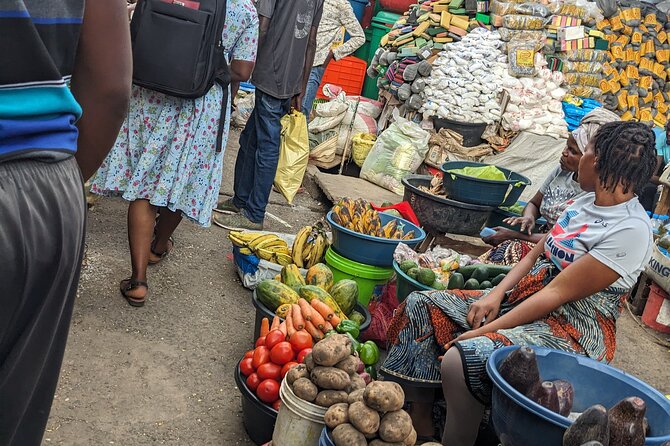
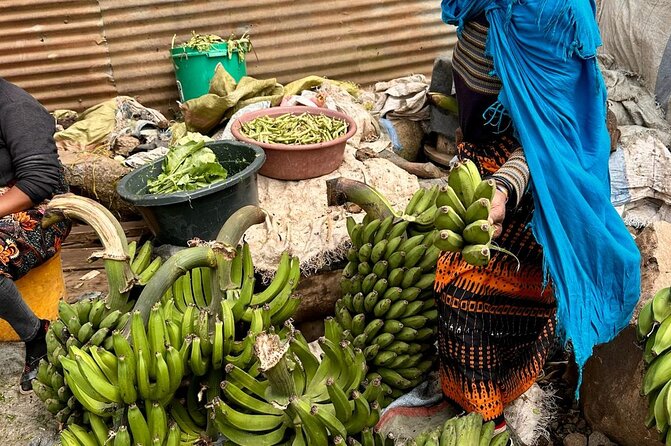
After seeing the market, you discuss what you will cook. The menu centers on familiar Tanzanian staples: plantain banana, chapati, ugali, and vegetables. Meat can be added as a stewed or barbecued dish for those who want it.
There is a slight mismatch in the wording about the number of dishes. The experience describes cooking three common foods, but the list includes plantain banana, chapati, ugali, and vegetables. In practice, you should expect a full plate with several components, and you can clarify the exact menu with the guide before cooking begins.
The market visit gives this section real purpose. You are not standing in a kitchen with ingredients that appeared from nowhere. You help shop for the food, see where it comes from, and then use it within the same outing.
That approach also makes the lesson more flexible. One participant was able to choose three dishes from four local options. If you have a strong preference, tell the guide early. You can also ask about the meat choice, since the supplied options may include stewed or barbecued preparations.
This is not a lesson built around rare ingredients or difficult restaurant techniques. That is part of its appeal. The food is approachable enough to repeat at home, and the recipes are provided afterward so you can try again.
Cooking in a local home with chef Neema
The class takes place in a small local house with a washroom. It is a simple setting, and that is important to understand before you book. You are not signing up for a modern cooking studio with spotless counters, matching equipment, and restaurant-style presentation.
Chef Neema demonstrates each step and then lets you take over parts of the preparation. One participant described her as well prepared, considerate, and fun to cook with. The guides also take photographs of you working, including unprompted pictures that can become a nice record of the day.
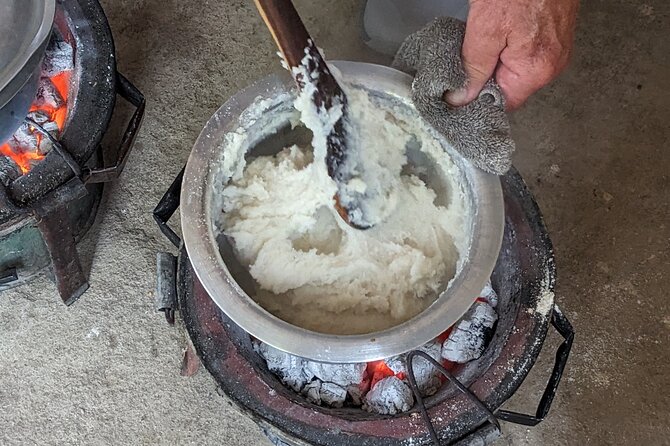
The class may use charcoal and propane stoves. That gives you a more realistic look at home cooking in this setting, but it can also make the process slower than a professional kitchen. If you want a quick demonstration followed by lunch, this may feel long. If you like learning by doing, the extra time is useful.
Chapati requires attention and patience. Ugali is simple in its ingredients but takes care to prepare properly. Plantain and vegetables show how much flavor can come from basic produce and careful cooking. If meat is included, expect it to be cooked fully, with either stewing or barbecuing depending on the menu.
The class can last from one to three hours. The longer timing may reflect the number of dishes, the pace of the group, and the use of home-style stoves. Wear clothes you can work in, and choose comfortable shoes. Long pants are specifically recommended.
You should also keep hygiene expectations in mind. Soap and water are available, but one participant felt that handwashing and cleaning of cutting boards after handling meat were not as thorough as they would be in the United States. The food was fully cooked in that account, but anyone with strong food-safety concerns should ask questions, wash carefully, and tell the chef about any dietary needs before preparation begins.
A few more trips of this kind worth comparing:
- Organic Coffee Tour and Local Food Experience in Arusha
★ 5.0 · 29 reviews - Street Food and Community Walking Tour
★ 5.0 · 12 reviews - Waterfalls, Coffee, Hotsprings, Food Cuisine, & Serval Wildlife
★ 5.0 · 6 reviews - Mama Aziz Food Court
★ 5.0 · 3 reviews
Sitting down to eat what you made
The best payoff comes after the work. You sit down with the chef and guides and eat the dishes prepared during the class. This turns the meal into a shared occasion rather than a simple cooking demonstration.
The atmosphere is described as warm and sociable, with time to chat with Neema, Liroy, and Israel. You may find that the conversation is as memorable as the food. The class offers a natural way to ask about local ingredients, cooking habits, and life in Arusha without forcing a formal interview.
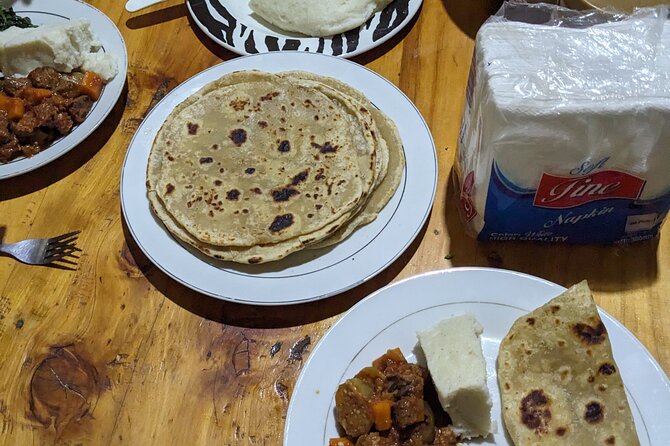
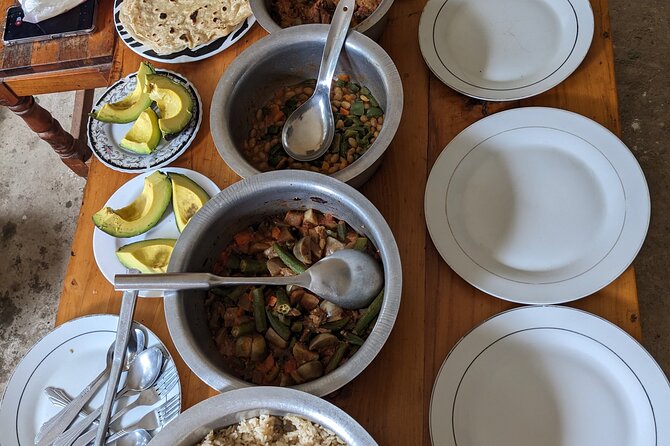
The food itself is fresh because the ingredients were purchased for the lesson. The meal may include chapati, ugali, plantain, vegetables, and meat if selected. You can compare the flavors and textures while they are still connected to the steps you followed.
Drinks are not included. This is easy to overlook, so bring some cash or ask the guide about buying water. On one occasion, Liroy arranged water and a beer, but you should not assume those drinks are part of the package.
If food remains, you may be able to pack some and take it back to your hotel. This depends on how much was prepared and what is left, so it is a possibility rather than a promise. Still, it adds value to an already filling meal.
What $45 gets you in Arusha
At $45 per person, this is a fair price if you want more than a market walk. The fee includes pickup and drop-off, the central market visit, ingredients, the cooking class, and the meal you prepare.
The value comes from combining several services in one half-day outing. You get local transport, a guide, ingredient shopping, instruction from a local cook, and a shared meal. A simple meal alone would cost less, but it would not give you the same contact with the market or the chance to learn the recipes.
The price also works well for people who value small, personal experiences over large group sightseeing. The supplied information does not give a fixed group size, so you should ask if the size matters to you. The tone of the class appears personal, but the pace can change depending on how many people are cooking.
Drinks and accommodation are extra. Hotel pickup is limited to Arusha town, with the meeting point described as hotels near the city center. If you are staying outside that area, confirm the pickup arrangement before paying.
The activity offers free cancellation up to 24 hours before the start for a full refund. You can also reserve and pay later, which is useful if your safari schedule is still shifting.
Who will enjoy this class most
I would recommend it to you if you enjoy food markets, local contact, and learning through your hands. It suits couples, friends, solo visitors, and small family groups who want an activity with conversation rather than a standard sightseeing loop.
It is also a good fit for a first visit to Arusha. The market provides a quick look at the city’s daily rhythm, while the kitchen session gives you a cultural activity that does not depend on a major attraction or long drive.
You should be comfortable with a basic setting and a slower pace. This is not ideal if you want a polished cooking school, strict timing, or a highly controlled food-preparation environment. It may also be less suitable for anyone who cannot stand for part of the class or who needs carefully managed dietary preparation, since no special dietary arrangements are provided in the available details.
The class is conducted in English. You should be able to ask questions and follow spoken instructions in English to get the most from it.
Practical advice for a smoother day
Wear long pants and comfortable shoes. The market may involve uneven walking and tight passages, while the cooking class requires standing, moving around, and working near charcoal or propane stoves.
Keep your camera ready, but stay alert around market traffic and workers carrying goods. Ask before taking close pictures of vendors or cooks.
Bring money for drinks. Water is not included, and beer or other drinks may need to be purchased separately.
If you are concerned about food handling, wash your hands carefully and ask which board and utensils are being used for meat. The food is cooked fully, but the kitchen standards may not match those you expect at home.
Allow flexibility in your schedule. The class is listed as lasting one to three hours, and the full experience lasts about five hours. A separate itinerary line describes a longer 12-hour day, so it is wise to confirm the expected return time when you book if you have another activity planned.
Should you book this Arusha cooking tour?
Book it if you want to meet local people, see where the ingredients are sold, and take part in preparing a genuine home-style meal. The strongest parts are the friendly guides, the market explanations, the personal instruction from Neema, and the chance to eat what you cooked.
Think twice if you need restaurant-level cleanliness, a fixed short schedule, or included drinks. The setting is modest, the timing can stretch, and the food preparation may feel informal by Western standards.
For $45, I think the experience offers good value for a half-day in Arusha, especially if you are willing to trade polish for personal contact. Ask about the final menu, pickup time, group size, and drink arrangements, then book if that sounds like your kind of afternoon.
FAQ
How long does the Arusha cooking class and market tour last?
The experience is advertised as five hours. The market visit takes about 30 to 50 minutes, while the cooking class lasts between one and three hours.
What food will I cook?
The menu may include plantain banana, chapati, ugali, and vegetables. Meat can also be included as a stewed or barbecued dish. You can discuss the exact choices with the guide.
Is hotel pickup included?
Yes. Pickup and drop-off are included for guests staying at hotels in Arusha town, particularly near the city center.
Are drinks included in the price?
No. Drinks are not included. You should plan to buy water or other beverages separately.
Is the cooking class held in a restaurant?
No. The class takes place in a small local home with a washroom, using charcoal and propane stoves.
What should I bring?
Wear comfortable clothes, long pants, and comfortable shoes. You may also want to bring money for drinks and a camera for the market visit.
More Markets
- 24 Hours in Arusha—Arusha Museum, Cultural Heritage, Maasai Market, Shanga
★ 5.0 · 4 reviews - Stone Town Guided Tour: Culture, Slave Market & Spice Market
★ 4.8 · 44 reviews - Spice , Prison Island ,Stone Town and Slave Market Site Tour
★ 5.0 · 24 reviews - Stone Town Private Tour with Slave Market Tickets
★ 5.0 · 13 reviews
More Food Tours
- Stonetown: Food Markets and Street Food Walking Tour
★ 4.7 · 151 reviews - Authentic Street Food Tours in Stone Town, Zanzibar
★ 5.0 · 46 reviews - Stone Town Evening Walk Tour With Visit Food Markets
★ 4.5 · 28 reviews - Stone Town Foodie Walk
★ 5.0 · 14 reviews
Just added around Arusha
- 5 Days Safari Tarangire, Serengeti, and Ngorongoro Crater★ 5.0 · 3 reviews
- 5 Days of Safari, Culture & Hot Springs – Tour from Arusha★ 5.0 · 3 reviews
- Love lives in Africa★ 5.0 · 3 reviews
- Arusha National Park Safari by Jeep★ 4.5 · 3 reviews
- 5Days Family _Group Tour Lodging Mid-Range in the Jungle★ 5.0 · 3 reviews
- 2 Days Tarangire and Ngorongoro Crater Tour★ 5.0 · 3 reviews
- Serengeti & Ngorongoro 3 Days Budget Safari★ 5.0 · 3 reviews
- 7 Days PRIVATE Best of Tanzania Safari *Departing everyday*★ 5.0 · 3 reviews
Cooking Classes, compared.
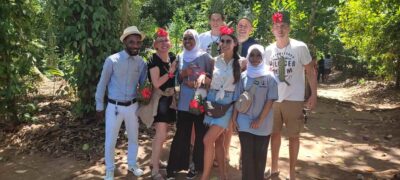
Half-Day Kuza Cave Swimming Adventure and Cooking Class
Read our review →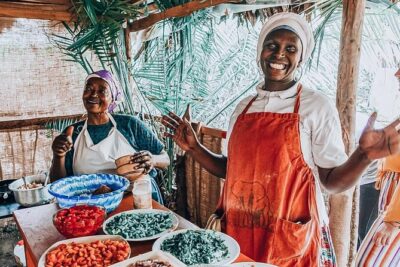
NGO Lifted Strong – Traditional Tanzanian Cooking Class
Read our review →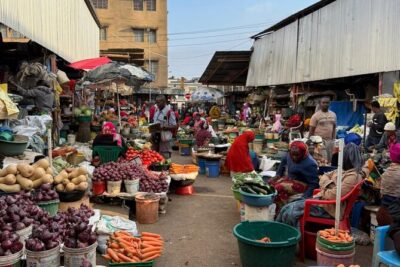
Traditional Tanzania Cooking Class & Food Market Tour
Read our review →

Cooking and Sewing & Jewelry Workshops in Arusha
Read our review →
Mnemba Dolphin Tour, Clear Kayak, Cooking Class, Horse Riding
Read our review →Browse the lists this tour appears in