
Reviewed · SPICE FARM TOURS
Spice tour and cooking class (local food)
Come hungry, leave with new kitchen skills. This private Zanzibar experience combines a walking tour of a spice farm with a hands-on lesson in local cooking, giving you more than a quick look at cinnamon, cloves, and tropical plants. I especially like the chance to eat food you helped prepare and the small-group setup, which keeps the day personal rather than turning it into a crowded demonstration.
The class costs $155 per group of up to two, so the price makes the most sense for a couple or two friends. I also like that pickup is offered and cancellation is free up to 24 hours before the start time. The main consideration is the length: at about eight hours, this is a full day, and the cooking itself may involve more ingredient preparation than stove-side instruction.
In This Review
- Key points to know before booking
- Why this Zanzibar food experience is different
- Walking through the spice farm
- Cooking local food on a front porch
- Eating what you helped prepare
- The role of the guides and interpreter
- What $155 means for two people
- Who should choose this activity
- What is not clearly included
- Booking, weather, and cancellation
- FAQ
- How much does the spice tour and cooking class cost?
- How long does the experience last?
- Is hotel pickup available?
- Is this a private activity?
- What food will be prepared?
- What happens if the weather is poor?
- Should you book the Zanzibar spice tour and cooking class?
Key points to know before booking
- Eleven kinds of bananas may be part of the farm lesson, giving you an unusual look at Zanzibar’s plant life.
- Cooking takes place in a local home setting, described as a cook’s front porch, rather than in a polished tourist kitchen.
- Local women lead the traditional cooking, with an interpreter explaining the process.
- The meal includes spice rice and coconut sauce, along with a wider selection of local dishes.
- Sultan is one of the named guides, praised for making the day friendly and enjoyable.
- The experience is private for your group, with no other booking groups joining you.
Why this Zanzibar food experience is different
Many food activities show you a finished plate and send you on your way. This one links the food to its source. You walk through a spice farm, see how plants grow, then use local ingredients in a traditional cooking session.
That connection matters. Spices can feel abstract when they sit in little jars on a market stall. On a farm, you can see the plants, smell them, and taste some of what grows around you. You may also find the plant life more varied than expected. One especially memorable detail from the experience is the chance to learn about 11 types of bananas, a reminder that familiar food can have far more local variety than its supermarket version suggests.
I like the order of the day. The farm visit gives you context first. The cooking lesson then turns that context into something useful. By the end, you are not simply carrying home a bag of spices. You have seen how ingredients fit into a meal and how food is prepared in a local setting.
The tone is also more personal than a standard cooking school. The lesson takes place with local women, and an interpreter helps explain what is happening. That means the experience is not built around a formal English-language lecture. It is built around watching, preparing, asking questions, and eating together.
More Cooking Classes in Zanzibar
- Zanzibar Cooking Class & Spice Tour
★ 4.5 · 77 reviews - Zanzibar: Spice Farm Tour with Traditional Cooking Lesson
★ 4.8 · 77 reviews - Half-Day Kuza Cave Swimming Adventure and Cooking Class
★ 4.5 · 44 reviews
Walking through the spice farm
The day begins at the spice farm with a walking tour. The available information does not give a fixed list of every plant or spice you will see, so you should expect a general farm visit rather than a guaranteed checklist of crops.
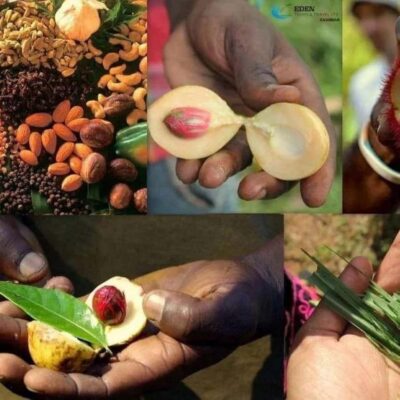
Still, the farm is an important part of the experience. You will have a chance to see, smell, and taste plants and spices where they grow. That sensory element is one of the strongest reasons to choose this activity. A spice tour can be a pleasant walk, but it becomes more useful when the guide explains how the ingredients connect to everyday cooking.
The banana lesson sounds like a highlight. Learning about 11 types of bananas is the kind of small, specific detail that can turn a routine farm stop into a memorable one. It also gives you a better sense of local food culture, where produce is not always divided into the few familiar varieties sold elsewhere.
The farm portion may be less appealing if you want a fast, tightly scheduled activity. An eight-hour experience gives the day room to unfold, and walking through plants, stopping to smell ingredients, and listening through an interpreter can take time. I would choose comfortable clothing and shoes suitable for a farm walk, though no formal dress code is provided.
This is also an outdoor activity, so weather matters. If poor weather forces cancellation, you can receive a full refund or choose another date. That is useful protection for a day centered on a farm visit.
Cooking local food on a front porch
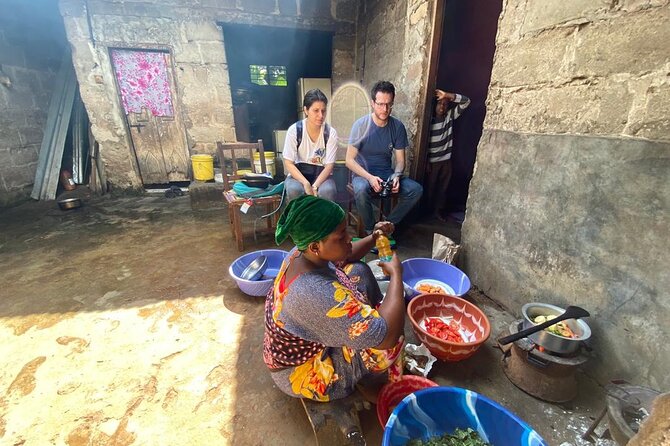
After the farm walk, the group moves into the cooking lesson. The setting is notably informal: the food is prepared on a cook’s front porch, with local women showing you traditional methods.
That setting is part of the appeal. You are not entering a staged restaurant kitchen with rows of identical workstations. Instead, you get a closer look at how food is prepared in a household setting. The experience description says you receive instructions throughout the lesson, and an interpreter explains the process.
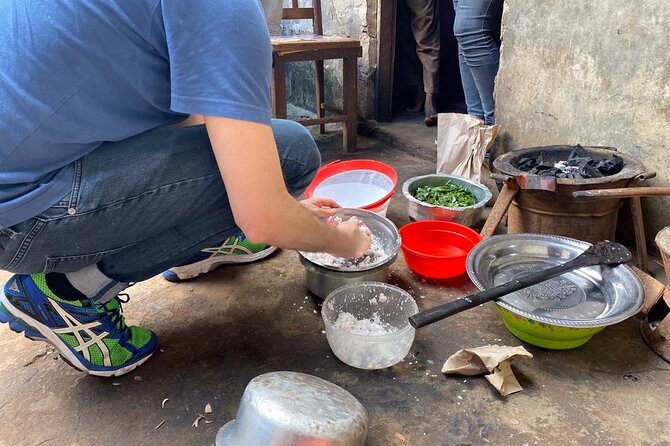
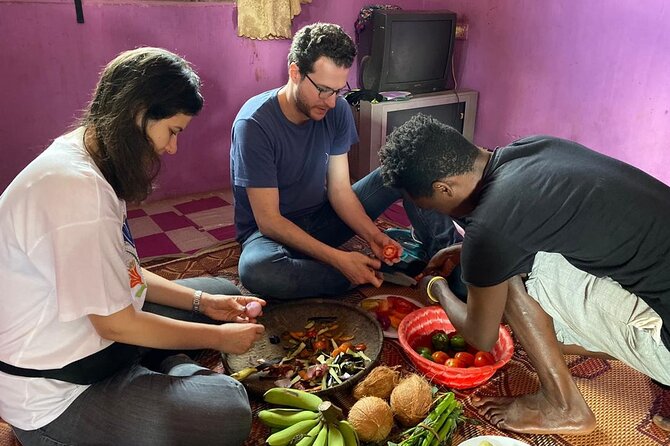
Be clear about the format. One detailed account says participants mainly prepared the ingredients while the cook handled much of the actual cooking. If you are hoping to personally control every pot and pan, this may feel more like a guided preparation class than a full professional cooking workshop.
That is not necessarily a weakness. Ingredient preparation can teach you plenty, especially when the method is unfamiliar. You can watch how local cooks combine spices, rice, coconut, and other ingredients, then see how the separate parts become a shared meal.
The food specifically includes spice rice and coconut sauce, along with a variety of local dishes. The exact menu can vary, and there is no published promise of a fixed number of recipes. I would treat the menu as part of the day’s discovery rather than booking with one particular dish in mind.
For anyone tired of eating the same restaurant meals, the class offers a welcome change. You are not just ordering another plate. You are learning how a meal comes together, then tasting the result while the preparation is still fresh in your mind.
Eating what you helped prepare

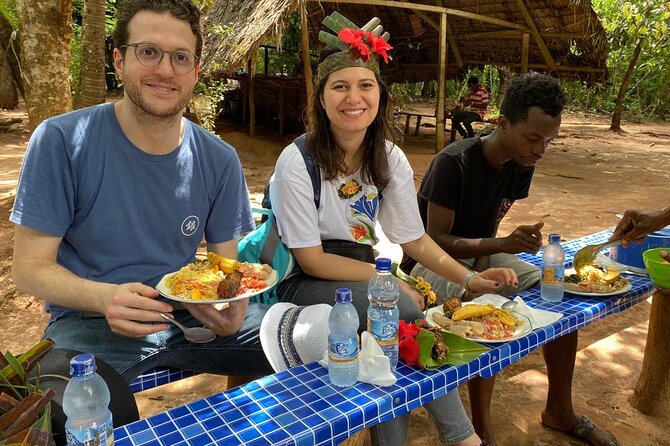
The final meal is the payoff. Once the cooking is finished, you sit down and eat the food prepared during the class.
This shared meal gives the experience a friendly finish. You can compare the farm ingredients with the dishes on the table and ask about methods you watched earlier. The setting also helps the food feel connected to people and place, rather than presented as a product made for tourists.
The praise for the meal is strong. The food has been described as delicious, with a wide range of dishes prepared during the session. That does not guarantee that every recipe will suit every palate, but it does suggest that the meal is a central strength of the experience, not an afterthought.
You should also expect the day to be social. Even though the booking is private, you are spending time with guides, interpreters, and local cooks. If you prefer a quiet, independent farm visit, this may feel too interactive. If you enjoy learning through conversation and shared food, the format should suit you well.
The meal may also help you decide what to look for during the rest of your stay in Zanzibar. After seeing spices and cooking methods up close, you will recognize more of the flavors on restaurant menus. That is a practical benefit that lasts beyond the eight-hour activity.
More Food Tours in Zanzibar
- Stonetown: Food Markets and Street Food Walking Tour
★ 4.7 · 151 reviews - Authentic Street Food Tours in Stone Town, Zanzibar
★ 5.0 · 46 reviews - Stone Town Evening Walk Tour With Visit Food Markets
★ 4.5 · 28 reviews - Stone Town Foodie Walk
★ 5.0 · 14 reviews
The role of the guides and interpreter
Good guiding matters here because the experience depends on explanation. A spice farm is more than a pleasant walk, but only if someone helps you understand what you are seeing. The cooking class works in much the same way. Without clear interpretation, you might watch a lot of preparation without understanding the choices behind it.
Sultan is named as one of the guides and is praised for being a great guide. The wider guide team is also described as friendly and highly informed about the experience. That personal element appears to be one of the day’s biggest strengths.
An interpreter is involved during the cooking lesson. This is worth noting if you are concerned about language. The interpreter helps explain the cooking process, so the class is not dependent on you speaking the local language.
At the same time, interpretation can affect the pace. Instructions may pass between the cook, interpreter, and guide instead of coming directly to you. I would bring questions and ask them as you go. A cooking class is more useful when you clarify what each spice does, why a technique is used, and how the dish might be adapted at home.
What $155 means for two people
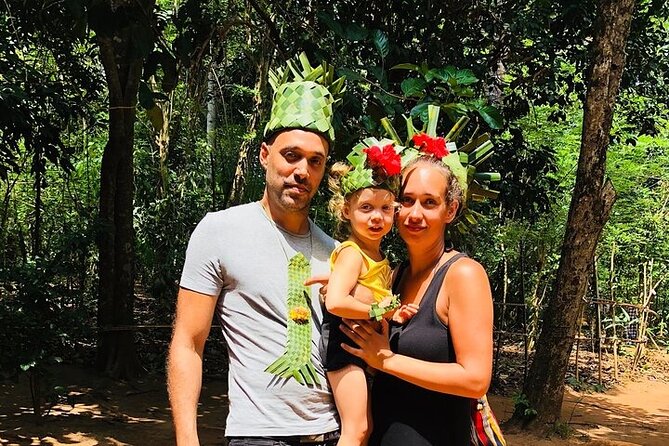
The price is $155 per group, not per person, for up to two people. For a couple, that works out to $77.50 each. For two friends sharing the booking, the value is easier to justify because the fee covers a private, full-day activity with pickup offered.
You are paying for several parts in one package: the farm walk, the cooking instruction, the ingredients and meal, the guiding, interpretation, and private participation. The information does not spell out transport details or whether every possible pickup location is included, so confirm the pickup point and timing before you commit.
The value is strongest if you want a local food experience rather than a short spice tasting. An eight-hour day offers more contact with the setting and the people involved. It also means you should not compare this price with a one-hour market tour. They are different kinds of outings.
For a solo participant, the group price is less attractive because you pay the same $155 alone. The booking is designed most naturally for two people. Larger groups are not covered by the stated price, so ask the provider for a separate quote if you are traveling with more than two.
Pickup is offered, and the booking provides a mobile ticket. Confirmation arrives at the time of booking. Those details make the day easier to arrange, but they do not remove the need to check the exact meeting and pickup information.
Who should choose this activity

I would recommend this experience to you if food is one of the main reasons you travel. It suits people who enjoy asking questions, trying unfamiliar ingredients, and learning by doing.
It is also a strong choice for a couple or two friends. The private format means you can set the pace of questions and spend the day together without sharing the activity with another booking group.
Families may enjoy the farm and banana lessons, but the supplied information does not give a minimum age or specific child arrangements. If you are considering bringing children, ask the provider before booking.
This is less suitable if you want a quick morning outing, a polished culinary school, or a guaranteed recipe list. The format is local and informal. Ingredient preparation may make up much of the hands-on work, and the day lasts about eight hours.
You should also keep in mind that the experience is described in connection with Zanzibar City and Nungwi. Since those locations can affect pickup time and travel planning, confirm where the farm visit begins and what transport is included from your accommodation.
What is not clearly included
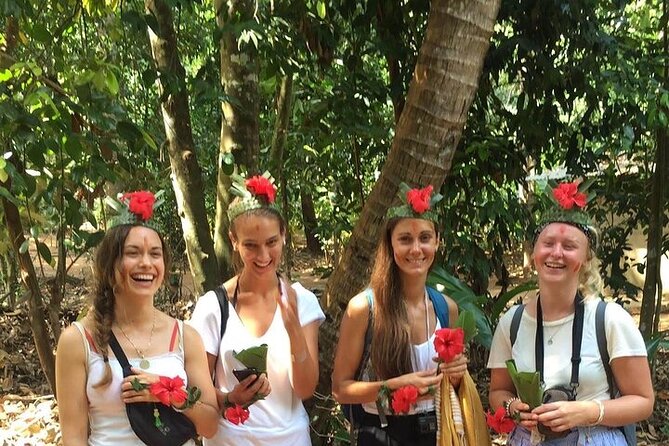
The spice farm and cooking class are the core of this activity. Other Zanzibar attractions should not be assumed to be part of the same booking.
One account also describes a Stone Town tour, Prison Island, and the night market at Stone Town, but those appear as additional activities rather than confirmed parts of this experience. If you want to combine them with the cooking day, ask the provider directly. An eight-hour activity may already fill most of the day.
The menu is also not fixed in the information provided. Spice rice and coconut sauce are named, and several local dishes are prepared, but no promise is made about specific meats, vegetables, or dietary substitutions. If you have food restrictions, ask before booking rather than relying on the general description.
Booking, weather, and cancellation
You can cancel for a full refund if you do so at least 24 hours before the experience starts. Changes or cancellations made less than 24 hours before the start time are not accepted for a refund, and the cut-off follows local Zanzibar time.
The activity requires good weather. If weather causes the provider to cancel, you can choose another date or receive a full refund.
The booking is private, and only your group participates. The stated price covers up to two people. Pickup is offered, and confirmation is provided at booking time.
FAQ
How much does the spice tour and cooking class cost?
The price is $155 per group of up to two people. For two participants, that equals $77.50 per person.
How long does the experience last?
The experience lasts approximately eight hours.
Is hotel pickup available?
Pickup is offered. Confirm the exact pickup location and timing when you book.
Is this a private activity?
Yes. Only your group participates in the activity.
What food will be prepared?
The cooking lesson includes local dishes, spice rice, and coconut sauce. The full menu is not specified and may vary.
What happens if the weather is poor?
The experience requires good weather. If it is canceled because of poor weather, you can choose another date or receive a full refund.
Should you book the Zanzibar spice tour and cooking class?
Book it if you want a full day built around local food, plants, and people. The combination of a spice farm walk, traditional preparation with local women, interpretation, and a shared meal gives you a more personal experience than a standard food tasting.
I would be most likely to book it for two people who enjoy cooking and do not mind an informal setup. The $155 group price is fair when you value private guiding, a meal, and several connected activities in one day.
Think twice if you want to cook every dish yourself, need a fixed menu, or prefer a short and highly polished class. For everyone else, especially anyone suffering from restaurant fatigue, this is a useful and memorable way to taste Zanzibar with a little more understanding.
More Cooking Classes
- Zanzibar: Spice Farm Tour with Traditional Cooking Class
★ 4.6 · 16 reviews - Traditional Zanzibar Cooking Class including Spice Tour
★ 4.5 · 14 reviews - Mnemba Dolphin Tour, Clear Kayak, Cooking Class, Horse Riding
★ 4.5 · 14 reviews - A private half day spice farm with a cooking lesson
★ 5.0 · 13 reviews
More Spice Farm Tours
- Zanzibar: Stone Town, Spice Tour, Prison Island with Lunch
★ 4.4 · 1,219 reviews - Zanzibar: Prison Island, Stone Town, & Spice Farm Tour
★ 4.5 · 579 reviews - Zanzibar: Stone Town, Spice tour & Prison Island with Lunch
★ 4.6 · 453 reviews - Full-Day Private Stone Town +Spice Farm and Prison Island Tour
★ 4.5 · 216 reviews
Just added around Zanzibar
- Spice Tour of Zanzibar★ 4.5 · 3 reviews
- Zanzibar : Stone Town Tour,history without transport★ 4.8 · 3 reviews
- Zanzibar: 3-Day Northern Safari with Flights Included★ 4.8 · 3 reviews
- Jozani Forest, kuza cave and mtende beach★ 5.0 · 3 reviews
- Starfish Beach; The Rock; Kuza Cave; Paje Beach; Salaam Cave Tour★ 4.5 · 3 reviews
- ZANZIBAR: Stone Town and Jozani Forest Guided Tour★ 4.0 · 3 reviews
- Zanzibar: African Sunset Boat Party in Zanzibar Music, Views★ 4.3 · 3 reviews
- Joazani forest & Spice farm with lunch★ 5.0 · 3 reviews
Spice Farm Tours, compared.

Stone Town, Spice Tour, Prison Island with Lunch
Read our review →
Stone Town, Spice tour & Prison Island with Lunch
Read our review →
Full-Day Private Stone Town +Spice Farm and Prison Island Tour
Read our review →

The Swahili Spice Experience – Spice Tour + Culinary Journey
Read our review →Browse the lists this tour appears in