
Reviewed · STONE TOWN TOURS
Stone Town Private Tour with Slave Market Tickets
Stone Town tells Zanzibar’s story in narrow streets. This private tour links the city’s slave-trade sites with its markets, palaces, churches, and Indian Ocean views, giving you a useful first look at the capital’s mixed Swahili, Arab, Indian, Portuguese, and European influences. I like the strong historical focus, especially the former slave market and Anglican Cathedral, and I like the personal pace of a private outing with Maulid Omar.
The tour also makes room for everyday Stone Town, from Darajani Bazaar’s produce and seafood to coffee, street food, and old homes. The main consideration is timing: with ten stops packed into three to four hours, several visits are brief, and the Freddie Mercury Museum costs extra. This is a fast introduction, not a slow, room-by-room study of every major building.
In This Review
- Key points to know before you go
- Why Stone Town makes a strong first stop in Zanzibar
- Starting with the former slave market
- Freddie Mercury’s Zanzibar connection
- The Old Fort and its layered past
- Darajani Bazaar, where Stone Town shops
- Coffee, narrow streets, and the city’s texture
- The Sultan’s Palace and People’s Palace Museum
- Forodhani Gardens and the food of the coast
- St. Joseph’s Cathedral and European influence
- The Old Dispensary and an important commercial legacy
- Tippu Tip’s house and the difficult trading past
- What $30 buys you
- Who will get the most from this tour
- Should you book this Stone Town tour?
- FAQ
- How long does the Stone Town private tour last?
- Where does the tour begin and end?
- Is admission to the former slave market included?
- Is the Freddie Mercury Museum included in the price?
- Is this a private activity?
- What happens if bad weather cancels the tour?
Key points to know before you go
- The former slave market anchors the tour: Admission is included, with time for the slave chambers, monuments, selling site, and Anglican Cathedral.
- Maulid Omar leads a private group: You do not share the activity with unrelated groups, which helps when asking questions or pausing in the narrow streets.
- Ten stops fit into three to four hours: Expect a broad city tour with short visits rather than long stays at each attraction.
- Darajani Bazaar brings daily life into focus: You can see produce, fish, meat, spices, and local goods, with opportunities to shop, photograph, and taste.
- The Freddie Mercury Museum is optional in practice: It receives about 20 minutes of attention, but its admission fee is not included.
- The $30 price covers the core experience: Guiding, bottled water, and entry to the former slave market are included.
Why Stone Town makes a strong first stop in Zanzibar
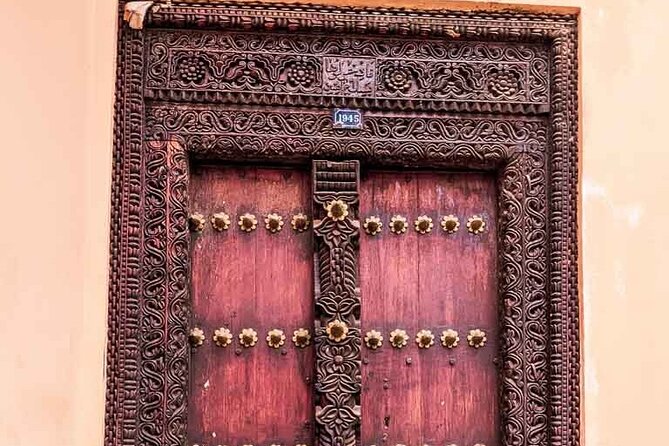
Stone Town is more than a collection of old façades. Its buildings, mosques, doors, and palaces show how several cultures met on Zanzibar’s coast. Arab and Indian trade shaped the town, Portuguese influence appears in older structures, and European missionaries left their own mark.
The city also grew as a trading center for spices, ivory, and enslaved people during the 19th century. That past can be hard to face, but it is central to understanding Zanzibar. The tour does not treat Stone Town as a pretty maze alone. It places the attractive architecture beside the painful history that helped create it.
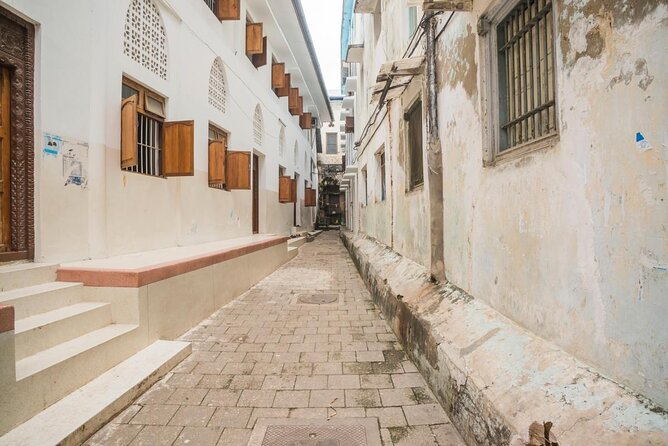
UNESCO recognized Stone Town as a World Heritage Site in 2000. On foot, you can see why the city has such a distinct character. Streets twist between old buildings, large wooden doors, religious buildings, former palaces, and commercial lanes. I like that this experience connects the grand landmarks with markets where the city still feels like a working place.
You meet at Forodhani Park at 8:30 am, then return to the same meeting point. That early start matters. It gives you a cooler part of the day for walking and puts the food-focused Forodhani Gardens into context before its evening trade begins.
More Private Tours in Zanzibar
- Stone Town Private Walking Tour
★ 5.0 · 371 reviews - Zanzibar: 3 Hours Private Stone Town walking Tour with Guide
★ 4.6 · 301 reviews - Full-Day Private Stone Town +Spice Farm and Prison Island Tour
★ 4.5 · 216 reviews
Starting with the former slave market
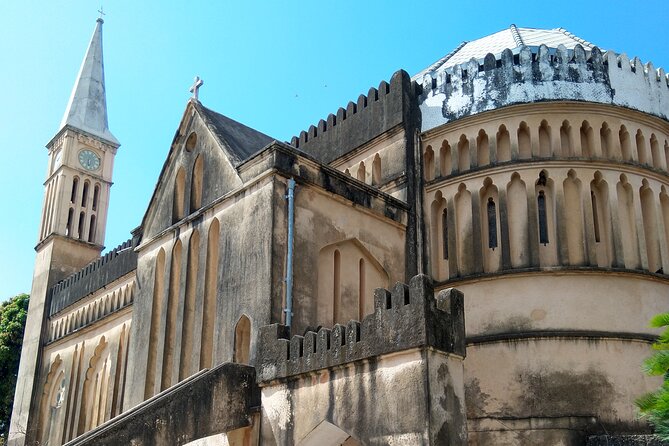
The first stop lasts about an hour and is the emotional center of the tour. You visit the former slave market and the Anglican Cathedral, with admission included in the $30 price.
The visit covers the slave chambers, monuments, and the place where enslaved people were sold. You also hear about the wider slave trade in Zanzibar and East Africa, along with artefacts connected to the site. The history of Dr. David Livingstone and other missionaries is part of this stop as well.
I appreciate the amount of time given here. Compared with a quick photo stop, an hour allows the guide to explain what you are seeing and why the site matters. It also gives you time to take in the memorials without treating them as background scenery.
This is not a light opening. You should expect difficult subject matter and a serious tone. That is appropriate, but it may not suit someone hoping for a purely relaxed morning of markets and architecture. For most visitors who want context, it is one of the most valuable parts of the experience.
Freddie Mercury’s Zanzibar connection
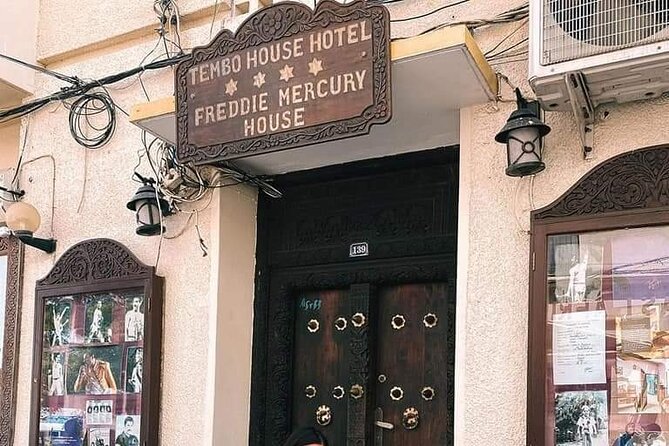
The Freddie Mercury Museum follows, with about 20 minutes devoted to the famous Queen singer, songwriter, guitarist, and frontman. The museum admission is not included, so you should budget separately if you want to enter.
The stop adds a modern cultural note to a tour otherwise focused on older buildings and trade. It can help show how Zanzibar’s story continues beyond sultans, missionaries, markets, and colonial-era structures.
Because only 20 minutes are scheduled, I would treat this as a short add-on rather than the main reason to book. If Freddie Mercury is a major interest, confirm the admission cost and opening details before setting out. If not, you can still enjoy the explanation of his connection to Zanzibar without making the museum the focus of your morning.
The Old Fort and its layered past
At the Old Fort, also called Ngome Kongwe, you have about 20 minutes. The site includes an open amphitheatre, an old Portuguese chapel, and the Arab fort built under the Busaid sultanate.
This is a compact stop with several periods of history in one place. The fort helps explain how Stone Town changed hands and purposes over time. I like it as a bridge between the serious opening stop and the more casual walking that follows.
The short visit is enough for an overview and photographs. It is not enough for a detailed examination of every feature, so listen for the main story and ask Maulid to clarify anything that catches your eye.
More ways to see Stone Town:
- Zanzibar: Stone Town, Spice Tour, Prison Island with Lunch
★ 4.4 · 1,219 reviews - Zanzibar: Prison Island, Stone Town, & Spice Farm Tour
★ 4.5 · 579 reviews - Zanzibar; Prison Island, Nakupenda, StoneTown Tour with BBQ
★ 4.3 · 457 reviews - Zanzibar: Stone Town, Spice tour & Prison Island with Lunch
★ 4.6 · 453 reviews
Darajani Bazaar, where Stone Town shops

Darajani Bazaar gives the tour its strongest contact with ordinary commerce. You spend about 20 minutes among fruit, vegetables, fish, meat, and spices brought in by local producers and from the Indian Ocean.
This is a sensory stop. You might find bright produce, the smell of spices, fresh catches, and the sounds of bargaining. The plan allows time to shop, photograph, and sample some of what is available, though you should keep the short schedule in mind.
I especially like this part because markets explain a place in ways monuments cannot. You see what people buy, sell, cook, and carry home. It also gives you a chance to interact with local people rather than only looking at historic buildings.
A market visit calls for courtesy. Ask before photographing people or goods, and keep personal purchases modest if you need to stay with the group. The guide’s role is useful here, since the lanes can feel confusing and the market moves at its own pace.
Coffee, narrow streets, and the city’s texture

The walking route continues through Stone Town’s narrow streets to Zanzibar Coffee House. The scheduled stop is about 15 minutes, enough to rest and enjoy a coffee of your choice.
That brief pause is welcome. A walking tour with ten stops can feel full, and a drink gives you a chance to reset before the palace and coastal sections. It also lets you enjoy one small part of Zanzibar’s food and drink culture without turning the morning into a formal meal.
The wording of the schedule suggests a short break, not a long café visit. If you want a leisurely coffee, you may need to return on your own later. For this tour, the point is to pause while keeping the city walk moving.
The Sultan’s Palace and People’s Palace Museum

The next stop takes you to the Sultan Palace, also known as the People’s Palace Museum. About 20 minutes is set aside to learn about Zanzibar’s sultan dynasty and see the interior of the former palace.
The palace adds a different scale to Stone Town. After the close quarters of the market and narrow lanes, you get a look at the setting of Zanzibar’s ruling family. The building helps connect political power with the trade networks discussed earlier in the tour.
The visit is short, so expect a compact introduction rather than a full museum session. The benefit is range: in one morning, you move from the history of enslaved people to the world of the sultans, then back into public streets and markets.
Forodhani Gardens and the food of the coast
Forodhani Gardens is known for evening food stalls selling seafood, sugarcane juice, barbecue, Zanzibar pizza, and other local fare. The tour includes about 20 minutes here, although the 8:30 am start means you are seeing the setting before its best-known evening food service.
That timing is worth noting. You can understand where the evening market happens and hear about the food, but you should not assume the full night market will be operating during this morning tour. If you want the famous evening food experience, plan a separate visit.
Still, Forodhani is a good place to connect Stone Town with the Indian Ocean. The coastal setting gives the city breathing room after the tight streets. You may also get views across the water and a clearer sense of Zanzibar’s position as a historic Indian Ocean port.
St. Joseph’s Cathedral and European influence
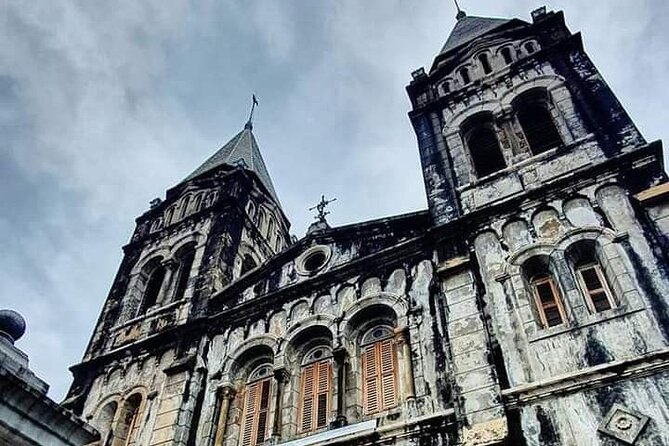
St. Joseph’s Roman Catholic Cathedral receives about 20 minutes. The French Catholic church, sometimes compared with Notre Dame, sits in the heart of Stone Town and is known for its sculpted interior.
This stop rounds out the architectural story. The tour has already covered Portuguese, Arab, Indian, and Swahili influences, and the cathedral adds a clear French Catholic presence. You do not need to be religious to appreciate how the building reflects the outside powers and communities that shaped the town.
Again, the schedule favors a look and an explanation rather than a long architectural study. If the interior is open and you want more time, ask Maulid whether you can return after the tour.
The Old Dispensary and an important commercial legacy
The Old Dispensary is another short stop, with about 20 minutes scheduled. It was the first dispensary in town and was established by Tharia Thopan, a business adviser to the Sultan.
The building gives you another way to read Stone Town. This is not a palace or a fort. It points to public services, commerce, and the role of business communities in the city’s growth. Its place on the route makes the tour feel broader than a simple list of royal and religious sites.
The stop is best understood as part of the whole. On its own, 20 minutes may feel brief. Together with the market, palace, cathedral, and fort, it helps show how many different kinds of institutions once operated in a small urban center.
Tippu Tip’s house and the difficult trading past
The final listed stop is Tippu Tip’s House on Shangani Street, with about 20 minutes to explore the home of the powerful slave trader.
This stop returns the tour to the subject introduced at the former slave market. Tippu Tip’s role connects a private residence with the wider trade in enslaved people, ivory, and other goods. Seeing the home after visiting the market can make the earlier history more concrete.
It is also a reminder that Stone Town’s attractive architecture can carry uncomfortable stories. I value that the tour does not separate beauty from responsibility. You are asked to look at the city as it is, with elegant doors and coastal views on one side, and painful human history on the other.
What $30 buys you
At $30 per person, this is a strong value if you want a private introduction to Stone Town. The price includes guiding, bottled water, the main entrance fee, and admission to the former slave market. You also get a three to four-hour walking route covering ten notable places.
The value comes from the guide and the range of stops, not from long museum visits. A private format means only your group participates, so you can ask questions and adjust the conversation to your interests. Maulid Omar has been praised for his passion and for taking groups through both key sites and less tourist-focused parts of town.
The Freddie Mercury Museum is the clear extra cost. Food, drinks, shopping, and personal purchases are also not included. Keep that in mind if you plan to sample market goods or stop for coffee.
The schedule adds up to a busy morning. You will cover a lot, but you will not have unlimited time at every place. I see that as a fair trade for the price, especially if this is your first Stone Town visit and you want orientation before exploring independently.
Who will get the most from this tour
I would choose this experience if you want history, architecture, markets, and local context in one private outing. It suits first-time visitors, couples, families, and small groups who prefer a guide focused on their own questions.
It is also a good fit if you are curious about Zanzibar’s difficult past and want more than postcard views. The former slave market, Anglican Cathedral, and Tippu Tip’s House give the morning a serious purpose.
You may want a different plan if you prefer to linger. Museum lovers, serious architecture students, and Freddie Mercury fans may find the 20-minute stops too short. You can still use this tour as an introduction, then return later to the places that deserve more time.
Confirmation arrives when you book, and the activity is near public transportation. Most people can participate. The tour needs good weather, and cancellation is free up to 24 hours before the 8:30 am start. Within 24 hours, the payment is not refunded, unless poor weather causes the provider to cancel, in which case you are offered another date or a full refund.
Should you book this Stone Town tour?
Book it if you want a private, history-led overview with a real market visit and the former slave market included. Maulid Omar’s personal storytelling, the small-group format, and the broad range of sights give you a useful base for seeing Stone Town on your own afterward.
Skip it if you want a slow museum day or a dedicated Freddie Mercury visit. The route moves quickly, and the museum admission is extra.
For $30, I think the balance is right. You get the city’s hardest history, its daily market life, its palaces and churches, and a look toward the sea, all in one morning. Just arrive ready to walk, listen, and accept that some stops will be brief.
FAQ
How long does the Stone Town private tour last?
The tour lasts approximately three to four hours. The scheduled start time is 8:30 am.
Where does the tour begin and end?
You meet at Forodhani Park in Zanzibar. The activity ends back at the same meeting point.
Is admission to the former slave market included?
Yes. The price includes the entrance fee and admission to the former slave market and its related historic site.
Is the Freddie Mercury Museum included in the price?
No. The museum admission is not included, so you pay that entrance fee separately.
Is this a private activity?
Yes. Only your group participates in the activity.
What happens if bad weather cancels the tour?
The experience requires good weather. If the provider cancels because of poor weather, you can choose another date or receive a full refund.
More Shopping Tours
- Stone Town walking tour, shopping, history and culture
★ 5.0 · 6 reviews - Zanzibar: Stone Town Tour with Slave Market Ticket
★ 3.5 · 5 reviews - Arusha: Traditional Tanzania Cooking Class & Food Market Tour
★ 5.0 · 34 reviews - Arusha: Traditional Tanzania Cooking class& Food Market Tour
★ 4.9 · 12 reviews
More Markets
- Stone Town Guided Tour: Culture, Slave Market & Spice Market
★ 4.8 · 44 reviews - Spice , Prison Island ,Stone Town and Slave Market Site Tour
★ 5.0 · 24 reviews - Zanzibar:Stone town Street food market walking tour,transfer
★ 4.5 · 9 reviews - Zanzibar: Stone Town Heritage & Slave Market Tour
★ 4.4 · 7 reviews
Just added around Zanzibar
- Spice Tour of Zanzibar★ 4.5 · 3 reviews
- Zanzibar : Stone Town Tour,history without transport★ 4.8 · 3 reviews
- Zanzibar: 3-Day Northern Safari with Flights Included★ 4.8 · 3 reviews
- Jozani Forest, kuza cave and mtende beach★ 5.0 · 3 reviews
- Starfish Beach; The Rock; Kuza Cave; Paje Beach; Salaam Cave Tour★ 4.5 · 3 reviews
- ZANZIBAR: Stone Town and Jozani Forest Guided Tour★ 4.0 · 3 reviews
- Zanzibar: African Sunset Boat Party in Zanzibar Music, Views★ 4.3 · 3 reviews
- Joazani forest & Spice farm with lunch★ 5.0 · 3 reviews
Stone Town Tours, compared.

Stone Town, Spice Tour, Prison Island with Lunch
Read our review →

Prison Island, Nakupenda, StoneTown Tour with BBQ
Read our review →Stone Town, Spice tour & Prison Island with Lunch
Read our review →

3 Hours Private Stone Town walking Tour with Guide
Read our review →
Full-Day Private Stone Town +Spice Farm and Prison Island Tour
Read our review →
Stone Town Historical Cultural Walking Guided Tour
Read our review →Browse the lists this tour appears in