

Reviewed · STONE TOWN TOURS
Zanzibar: Stone Town Heritage & Slave Market Tour
Stone Town tells its stories in tight spaces. This $19 walking tour brings you through the old city’s lanes, markets, monuments, and difficult past with a licensed local guide who can add the human details that a map cannot. I especially like the mix of major sights and ordinary places, from Forodhani Gardens and the Old Fort to Jaws Corner and Darajani Market.
I also like the tour’s flexibility. Guides such as Saleh and Haji have adjusted the route to match individual interests, and solo visitors have received personal attention when bookings were small. The main consideration is the walking itself: uneven alleys, heat, and limited suitability for people with mobility impairments can make this a tiring outing.
In This Review
- Key points to know before you book
- Why Stone Town is best understood on foot
- Starting at Forodhani Gardens and the Old Fort
- Freddie Mercury’s childhood home and the optional museum
- The Tanzanite Museum and Zanzibar’s blue stone
- Memories of Zanzibar and the art of choosing souvenirs
- St. Joseph’s Cathedral and the city’s many faiths
- Jaws Corner and Darajani Market
- The Former Slave Market and Anglican Cathedral
- What the guide adds to a $19 walking tour
- Is $19 good value in Stone Town?
- Practical advice for a smoother walk
- Who should book this Stone Town tour?
- Should you book it?
- FAQ
- Where does the Stone Town tour start?
- Where does the tour end?
- Is hotel pickup included?
- What is included in the $19 price?
- Does the tour include the Freddie Mercury Museum?
- Which languages are available?
- What should I bring?
- Is the tour suitable for people with mobility impairments?
- Can I cancel for a full refund?
Key points to know before you book
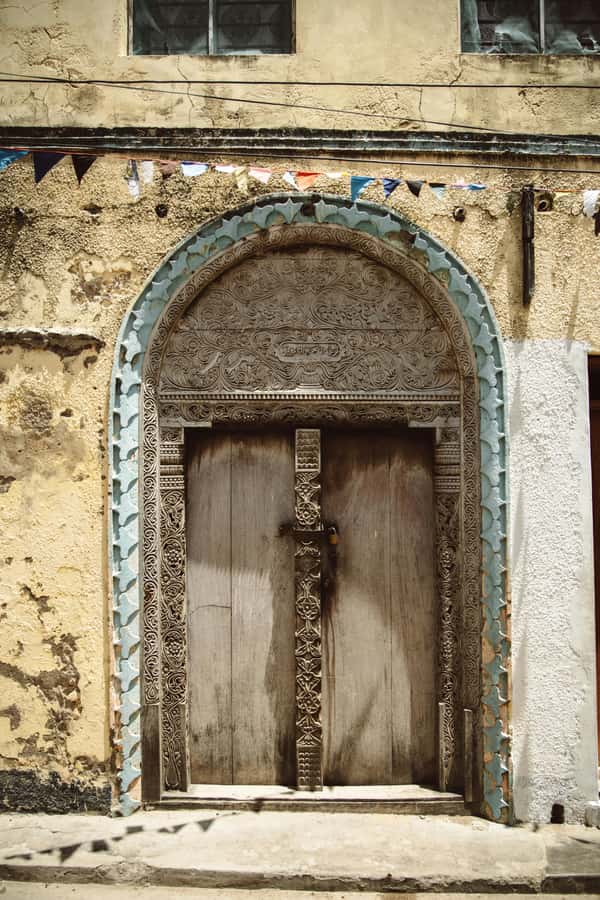
- Forodhani Gardens is the meeting point: Find the bandstand opposite the House of Wonders and beside the Old Fort, where the guide will display a tour badge or sign.
- The Slave Market visit adds serious historical weight: Entrance to the Former Slave Market and Anglican Cathedral is included, with the history presented by a local guide.
- You get both famous sights and daily life: The route includes monuments, a cathedral, a market, a local coffee stop, shopping streets, and food stalls.
- Freddie Mercury’s childhood home is a photo stop: Entry to the Freddie Mercury Museum costs an additional $8 per person.
- The $19 price covers a lot: Guiding, bottled water, key entrance fees, and Stone Town hotel pickup and drop-off are included.
- Wear proper walking gear: Comfortable shoes, a hat, and sunscreen matter in Stone Town’s heat, and rain can affect the outing.
Why Stone Town is best understood on foot
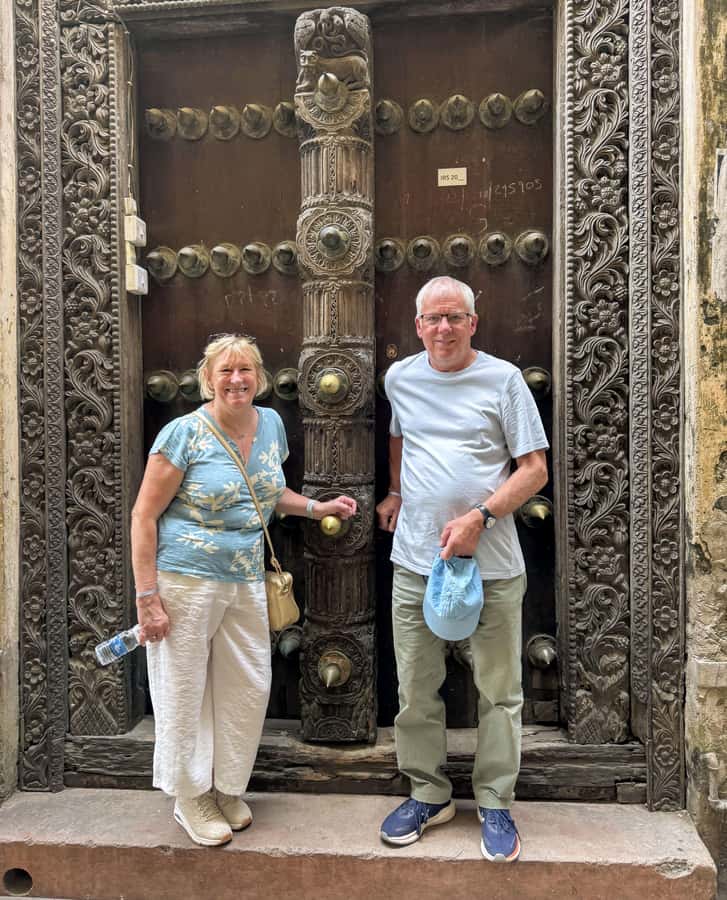
Stone Town is not a place you appreciate by ticking off buildings from a vehicle. Its character comes from narrow lanes, carved doors, old walls, market sounds, and quick changes between polished landmarks and working neighborhoods. A walking tour gives you time to notice those details and ask questions as they appear.
The city reflects Swahili, Arab, Indian, and European influences. You will see that mixture in the architecture, religious buildings, market goods, and public spaces. A local guide also helps connect the sights, so the Old Fort is not just a stone structure and Darajani Market is not just a place to buy spices.
This route works well as an introduction to Stone Town because it covers the central sights without limiting the day to museums. You move between open waterfront space, old lanes, churches, markets, and former royal buildings. That variety gives you a useful sense of how the city functions now as well as how it developed.
The route is not designed for a quiet, slow-paced stroll. You should expect to walk on busy streets and through narrow passages, with stops that range from reflective to crowded. Take water seriously, even though a bottle is provided.
More Historical Tours in Zanzibar
- Zanzibar: Stone Town Historical Cultural Walking Guided Tour
★ 4.5 · 179 reviews - Stone Town Historical Walking Tour
★ 5.0 · 143 reviews - Stone Town’s Hidden History: Private Guided Walking Tour
★ 4.6 · 94 reviews
Starting at Forodhani Gardens and the Old Fort
The tour begins at the bandstand in the center of Forodhani Gardens. It is directly opposite the House of Wonders and next to the Old Fort, so it is a practical place to meet a guide before entering the lanes.
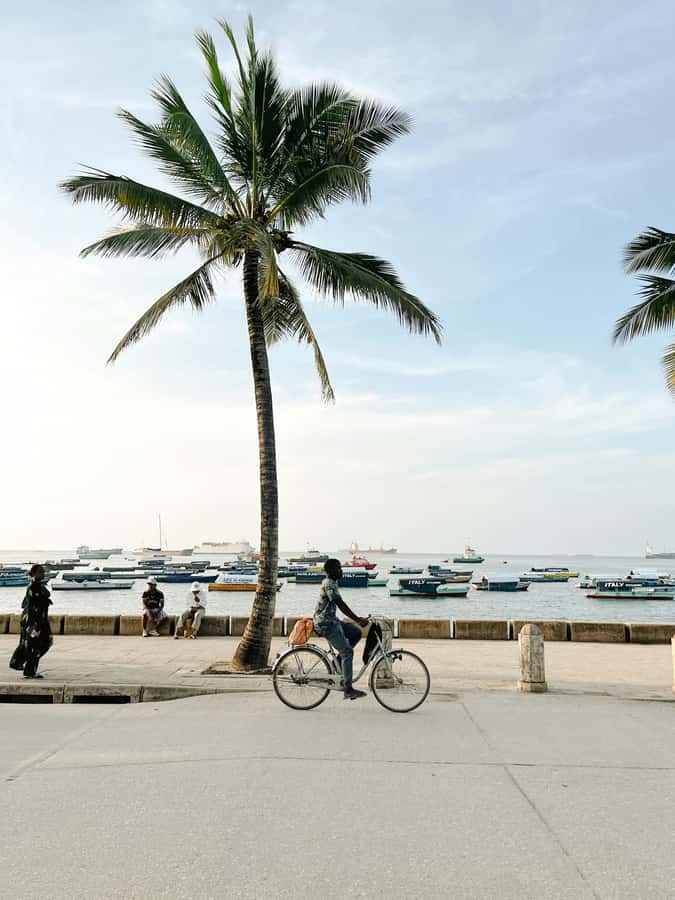
Forodhani Gardens gives you an immediate feel for Zanzibar’s connection to the sea. The open waterfront brings in air and light before the route turns into the denser old town. It is also associated with local food stalls, especially later in the day, so you may notice smells of grilled food and spices as you begin.
From here, the Old Fort provides one of the clearest first lessons in Stone Town’s layered past. Its walls reflect the city’s strategic importance and the different powers that shaped Zanzibar. Your guide can give the fort context that is difficult to pick up from the stonework alone.
The House of Wonders is another major visual marker. Its scale and location make it easy to spot, and its name hints at Zanzibar’s former links with technology, ceremony, and royal life. The building’s condition may affect how much you can see or appreciate on the day, but the exterior remains an important part of the waterfront setting.
Freddie Mercury’s childhood home and the optional museum
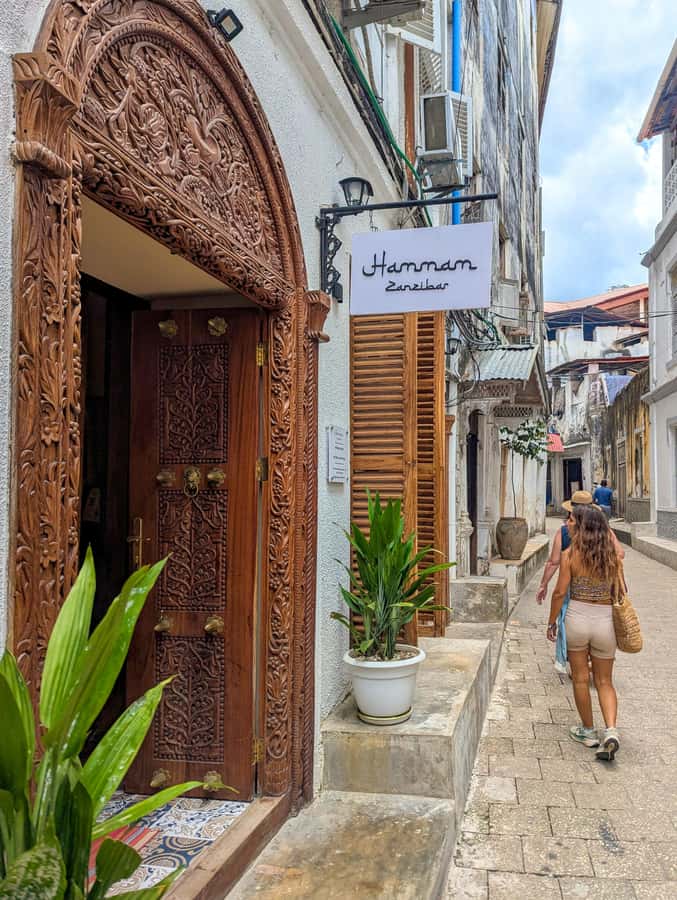
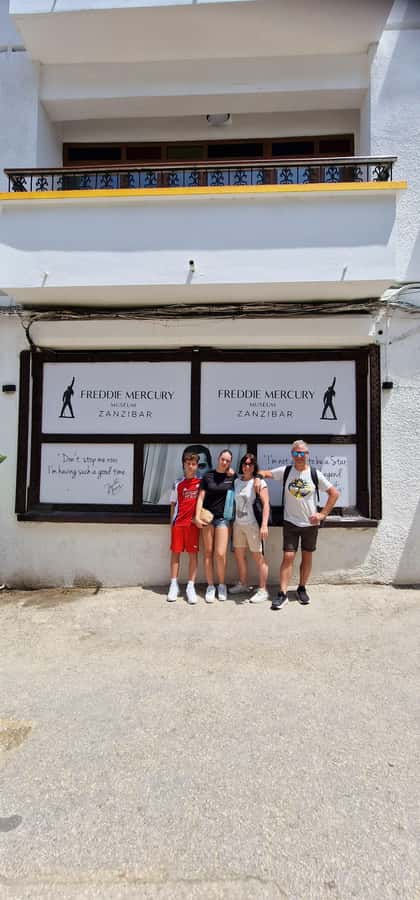
The Freddie Mercury stop adds a modern cultural thread to a tour that otherwise leans heavily toward older Stone Town. You will pause at the musician’s childhood home for photographs and hear about his connection to Zanzibar.
This stop is brief compared with a full museum visit. If you want a more detailed look at his life and legacy, entry to the Freddie Mercury Museum is optional and costs $8 per person. That fee is not included in the $19 tour price, so budget for it before you start.
I would treat the museum as an add-on rather than the main reason to book. The strongest part of the tour is the wider walk through Stone Town, but fans of Mercury may find the extra entrance worthwhile. If your interest is casual, the photo stop may be enough.
The inclusion of this site also shows the route’s broad approach. It does not present Zanzibar only through royal buildings, colonial-era sites, or the history of the slave trade. It gives you a link to a globally known figure who grew up in this same old city.
The Tanzanite Museum and Zanzibar’s blue stone
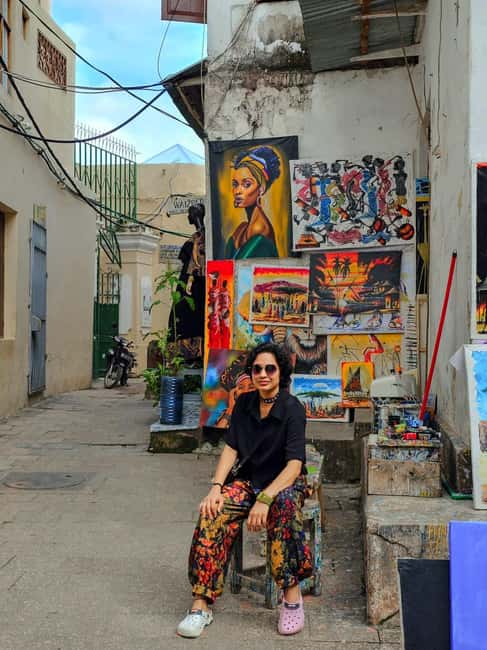
The Tanzanite Museum introduces you to one of East Africa’s best-known precious stones. Tanzanite is valued for its blue color and its limited geographic source, making it an interesting part of the region’s modern trade and jewelry culture.
This stop may appeal most if you like minerals, jewelry, or shopping. It also gives you a chance to understand why Tanzanite appears so often in Zanzibar’s shops. As with any jewelry stop, keep your budget and buying plans clear. You are not required to purchase anything, and personal shopping is not included in the tour price.
The museum is useful because it breaks up the architectural sightseeing. You get a different subject, then continue into local shopping alleys and craft stores. That change of pace can be welcome during a warm day on foot.
More ways to see Stone Town:
- Zanzibar: Stone Town, Spice Tour, Prison Island with Lunch
★ 4.4 · 1,219 reviews - Zanzibar: Prison Island, Stone Town, & Spice Farm Tour
★ 4.5 · 579 reviews - Zanzibar; Prison Island, Nakupenda, StoneTown Tour with BBQ
★ 4.3 · 457 reviews - Zanzibar: Stone Town, Spice tour & Prison Island with Lunch
★ 4.6 · 453 reviews
Memories of Zanzibar and the art of choosing souvenirs
Memories of Zanzibar provides a more organized shopping stop for crafts and souvenirs. You can browse without having to search every side street, which helps if you want a gift but have limited time.
The local alleys offer a different feel. Small shops and handmade goods make the walk less formal, while the guide can help you understand what you are seeing and where to look. Shopping is optional, and all personal purchases are your responsibility.
I recommend browsing first and buying later if possible. Stone Town rewards patience, and the tour includes several shopping opportunities. You do not need to make a quick decision at the first store.
The value here is not just the chance to buy something. You also learn how tourism, local craft, and everyday commerce meet in the old city. Just remember that market time can stretch if you enjoy shopping, so keep an eye on the group and the guide.
St. Joseph’s Cathedral and the city’s many faiths
St. Joseph’s Cathedral brings a different architectural mood to the route. Its Gothic design is a sharp contrast to the Swahili and Arab details found elsewhere in Stone Town, and it reflects the city’s long history of contact between different religious and cultural communities.
The cathedral stop works best when you pay attention to contrasts. Stone Town’s buildings are not all part of one style or one period. Here, a church sits within a city shaped by Islam, Indian Ocean trade, African traditions, and European influence.
Dress respectfully when entering religious sites, and follow your guide’s instructions. The tour information does not specify a formal dress code, but modest clothing is a sensible choice for visits to places of worship.
Jaws Corner and Darajani Market
Jaws Corner is a local hangout where the route shifts from formal sightseeing to everyday social life. It is known as a meeting place, giving you a glimpse of how people use public corners and small food or drink spots in the old city.
This is one of the stops I like most because it helps keep the tour from feeling like a parade of monuments. You get a sense of Stone Town as a lived-in place, not just a historic district prepared for sightseeing.
Darajani Market takes that idea further. Expect color, movement, fresh produce, spices, handmade goods, and plenty of activity. The market can feel crowded and intense, especially if you prefer quiet streets, but that is also why it is useful. You see the practical side of Zanzibar’s food and shopping life.
Stay close to the guide in the market and keep personal belongings secure. The tour includes a guided visit, not a private shopping service, so you will need to make your own purchasing choices. If you are sensitive to heat, strong smells, or crowded spaces, ask the guide for a moment to pause.
The market is also a good place to connect the island’s famous spice reputation with real commerce. Instead of seeing spices only in a gift shop, you encounter them alongside produce and daily necessities.
The Former Slave Market and Anglican Cathedral

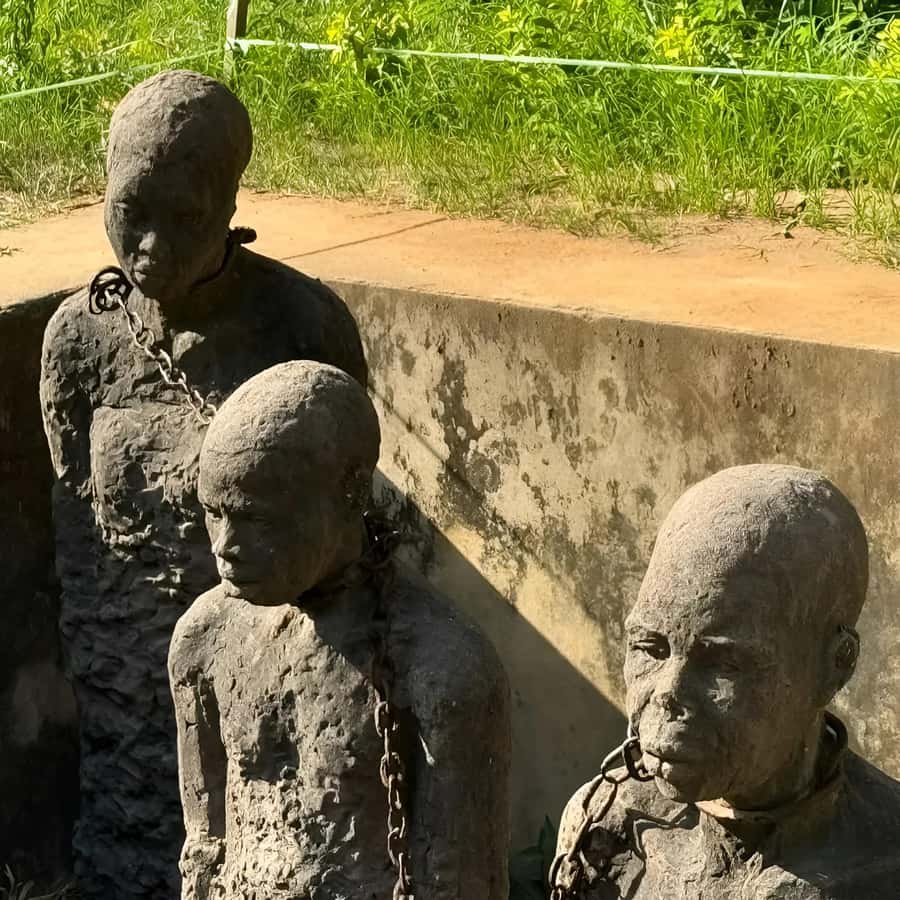
The final major historical stop is the Former Slave Market and Anglican Cathedral. This part of the tour deals with Zanzibar’s role in the slave trade and with the efforts that eventually brought that trade to an end.
It is a serious visit, not a light sightseeing stop. The former market can be emotionally difficult, and you should allow yourself time to listen rather than rush through for photographs. The guide’s explanation matters here because the site needs context, including the people affected and the wider forces that shaped the trade.
The Anglican Cathedral adds another layer to the story. Its presence at the former market site reflects the campaign against slavery and the changes that followed. The pairing of the two locations makes the history easier to grasp than either site would be on its own.
Entrance to both the Former Slave Market and Anglican Cathedral is included. That is important for the price calculation, since many city tours charge separately for their most meaningful historical site.
I appreciate that the route does not avoid Zanzibar’s painful past. The beaches and spice markets are only part of the island’s story. A responsible visit should make room for the history of slavery, even when the subject is uncomfortable.
What the guide adds to a $19 walking tour
The guide is the main reason this experience can be worth more than a self-guided walk. A map can show you the route, but it cannot easily explain why a building matters, answer questions about local culture, or adjust the pace when your interests change.
Haji received especially warm praise for explaining the city and its culture while adding local insight. Saleh has also handled last-minute bookings and tailored walks around what the visitor wanted to see. One solo outing was adjusted to include preferred stops and skip less interesting ones.
That flexibility is not guaranteed in every group, but it suggests that you should tell the guide what matters to you at the start. If you care most about architecture, markets, Freddie Mercury, religious sites, or the slave trade, say so early.
The available guide languages are English, French, German, Italian, Spanish, Swahili, and Polish. Confirm your preferred language when booking. Guides are licensed, and bottled water is included.
The tour ends back at the Forodhani Gardens meeting point. Hotel pickup and drop-off are available in Stone Town, but because the stated meeting point is the bandstand, confirm the exact pickup arrangement before the day of the tour.
Is $19 good value in Stone Town?
At $19 per person, this is a strong value if you want a broad first look at Stone Town. You receive a licensed guide, a walking route through major landmarks and local areas, bottled water, entrance to the Former Slave Market and Anglican Cathedral, and hotel transfers within Stone Town.
The optional Freddie Mercury Museum adds $8, and shopping is extra. Even with that addition, the cost remains reasonable for someone who wants both guided sightseeing and independent browsing time.
The real value depends on how much you use the guide. If you only want to walk past buildings and take photographs, you could explore parts of Stone Town on your own. If you want explanations, historical context, and help finding the key sites, the fee makes more sense.
This is also a good orientation tour. A previous visitor used it to get familiar with the city and decide where to return later. I would consider booking it near the start of your Zanzibar stay, so you can revisit a market, shop, or landmark afterward with more confidence.
Practical advice for a smoother walk
Wear shoes that can handle uneven pavement and a full city walk. Sandals may be comfortable in the heat, but sturdy walking shoes offer better support in old lanes.
Bring a sun hat and sunscreen. The waterfront may feel breezy, but the heat can build as you move through streets with limited shade. A bottle of water is supplied, and you should still consider carrying extra water if you know you drink often.
Check the weather forecast before leaving. The tour can be affected by rain and hot sun, so dress for the conditions. A light rain layer may be useful during unsettled weather, though the supplied information does not promise weather equipment.
This is not a good choice if you have significant mobility limitations. The narrow streets and walking demands make the physical side of the outing important. If you are unsure, ask the operator before booking.
The tour has a rating of 4.4 from seven posted ratings, with praise focused on friendly guides, clear explanations, flexibility, and coverage of the main sights. The small number of ratings means I would treat that score as encouraging rather than definitive.
Who should book this Stone Town tour?
You should consider it if you want a practical first introduction to Zanzibar’s old city and prefer local explanation over wandering alone. It suits first-time visitors, history-minded people, shoppers, Freddie Mercury fans, and anyone who wants several major stops in one outing.
It is also a good fit for solo visitors, especially if the guide is able to personalize the route as Saleh did for one last-minute booking. Couples and small groups may also appreciate the chance to tell the guide which parts of Stone Town matter most.
I would choose another format if you dislike walking, prefer a quiet museum-based day, or want a tour focused only on food or shopping. The route covers many subjects, so it offers breadth rather than long, specialist visits at each stop.
Should you book it?
Book this tour if you want context, variety, and a good first orientation to Stone Town for $19. The included Slave Market and Anglican Cathedral entrance adds real value, while the markets, cathedral, Old Fort, House of Wonders, and Freddie Mercury stop keep the walk varied.
Go in prepared for heat, uneven streets, shopping temptations, and a serious final stop. Tell the guide what you care about, consider the optional $8 Freddie Mercury Museum only if it matches your interests, and allow the Former Slave Market the attention it deserves.
FAQ
Where does the Stone Town tour start?
Meet at the bandstand in the center of Forodhani Gardens, directly opposite the House of Wonders and next to the Old Fort. The guide will have a visible tour badge or sign.
Where does the tour end?
The activity ends back at the Forodhani Gardens meeting point.
Is hotel pickup included?
Hotel pickup and drop-off are included for hotels in Stone Town. Confirm the exact pickup details because the stated meeting point is the Forodhani Gardens bandstand.
What is included in the $19 price?
The price includes a licensed local guide, bottled water, entrance to the Former Slave Market and Anglican Cathedral, the guided walk, shopping-area visits, and a photo stop at Freddie Mercury’s childhood home.
Does the tour include the Freddie Mercury Museum?
No. The museum is optional and costs $8 per person. The tour includes a photo stop at Freddie Mercury’s childhood home.
Which languages are available?
The tour is offered in English, French, German, Italian, Spanish, Swahili, and Polish.
What should I bring?
Bring comfortable shoes, a sun hat, and sunscreen. Check the forecast and dress for hot, sunny, or rainy conditions.
Is the tour suitable for people with mobility impairments?
The tour is not suitable for people with mobility impairments because it involves walking through Stone Town’s streets and alleys.
Can I cancel for a full refund?
Yes. You can cancel up to 24 hours in advance for a full refund.
More Shopping Tours
- Stone Town walking tour, shopping, history and culture
★ 5.0 · 6 reviews - Zanzibar: Stone Town Tour with Slave Market Ticket
★ 3.5 · 5 reviews - Arusha: Traditional Tanzania Cooking Class & Food Market Tour
★ 5.0 · 34 reviews - Arusha: Traditional Tanzania Cooking class& Food Market Tour
★ 4.9 · 12 reviews
More Markets
- Stone Town Guided Tour: Culture, Slave Market & Spice Market
★ 4.8 · 44 reviews - Spice , Prison Island ,Stone Town and Slave Market Site Tour
★ 5.0 · 24 reviews - Stone Town Private Tour with Slave Market Tickets
★ 5.0 · 13 reviews - Zanzibar:Stone town Street food market walking tour,transfer
★ 4.5 · 9 reviews
Just added around Zanzibar
- Spice Tour of Zanzibar★ 4.5 · 3 reviews
- Zanzibar : Stone Town Tour,history without transport★ 4.8 · 3 reviews
- Zanzibar: 3-Day Northern Safari with Flights Included★ 4.8 · 3 reviews
- Jozani Forest, kuza cave and mtende beach★ 5.0 · 3 reviews
- Starfish Beach; The Rock; Kuza Cave; Paje Beach; Salaam Cave Tour★ 4.5 · 3 reviews
- ZANZIBAR: Stone Town and Jozani Forest Guided Tour★ 4.0 · 3 reviews
- Zanzibar: African Sunset Boat Party in Zanzibar Music, Views★ 4.3 · 3 reviews
- Joazani forest & Spice farm with lunch★ 5.0 · 3 reviews
Stone Town Tours, compared.

Stone Town, Spice Tour, Prison Island with Lunch
Read our review →

Prison Island, Nakupenda, StoneTown Tour with BBQ
Read our review →Stone Town, Spice tour & Prison Island with Lunch
Read our review →

3 Hours Private Stone Town walking Tour with Guide
Read our review →
Full-Day Private Stone Town +Spice Farm and Prison Island Tour
Read our review →
Stone Town Historical Cultural Walking Guided Tour
Read our review →Browse the lists this tour appears in