
Reviewed · NGORONGORO CRATER TOURS
tarangire, ngorongoro & lake manyara park 3 days private tour
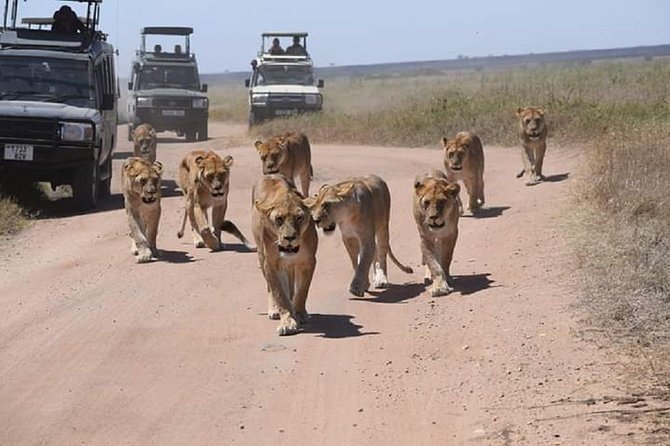
Wildlife comes quickly on this three-day circuit. Starting in Arusha, you visit Tarangire National Park, Ngorongoro Crater, and Lake Manyara, with long game drives, camping equipment, meals, binoculars, and park fees included. I especially like the three-park route and the chance to see large elephant herds, crater wildlife, hippos, flamingos, and perhaps big cats without committing to a longer safari.
I also like the small-group format, capped at six people, and the practical, budget-minded setup. Guides such as Elias, Simon, and Patrick have been praised for safe driving, wildlife spotting, and friendly service, while cook Denis has earned particular praise for generous, well-prepared meals. The main consideration is the pace: three national parks in three days means early starts, long drives, and little spare time if you want a relaxed safari.
In This Review
- Key points before you book
- What this three-day safari is really like
- Day 1: Tarangire and the elephant country
- Day 2: The Ngorongoro viewpoint and crater floor
- Day 3: Lake Manyara’s birds, hippos, and hot springs
- Guides, cooks, and the human side of the trip
- What the $1,300 price covers
- The pace, comfort, and small details
- Who should book this safari
- Should you book it?
- FAQ
- Where does the safari start?
- How long does the tour last?
- Which parks are included?
- How many people can join the tour?
- Is this a private tour?
- What meals are included?
- Is camping equipment included?
- Are park admission fees included?
- Are binoculars provided?
- Is there a restroom on the vehicle?
- What is the cancellation policy?
- What happens if bad weather cancels the safari?
Key points before you book
- Tarangire brings the strongest first-day wildlife promise: expect elephants, buffaloes, wildebeest, zebras, impalas, warthogs, monkeys, and possible lion, cheetah, or leopard sightings.
- Ngorongoro Crater is the visual centerpiece: a viewpoint stop comes before the descent, followed by a full crater game drive focused partly on the difficult-to-spot black rhino.
- Lake Manyara adds variety: flamingos, birds, hippos, hot springs, monkeys, and the possibility of tree-climbing lions round out the safari.
- The price includes useful basics: park fees, taxes, camping equipment, binoculars, three lunches, two dinners, and two breakfasts are covered.
- A maximum of six people helps: you should have a better chance of seeing and hearing the guide than in a large safari vehicle.
- Plan for long safari days: the listed driving and park time runs about eight to nine hours each day, with breakfast starts and a 7:30 a.m. tour departure.
What this three-day safari is really like
This is a compact northern Tanzania safari designed for people who want a lot of wildlife in a short window. It is not a slow, lodge-based holiday. You spend much of each day in or traveling toward a national park, then camp at night and rise early for the next route.
That busy schedule is also the appeal. In three days, you see three very different environments. Tarangire is known here for elephants and open wildlife viewing. Ngorongoro offers a dramatic crater setting and a concentrated population of animals on its floor. Lake Manyara brings birds, water, hippos, hot springs, and the chance to see lions in trees.
The experience is arranged as a private tour, with a maximum group size of six. That wording is worth clarifying before you pay if you are booking as a couple or family and want the vehicle entirely to yourselves. A small shared group and a fully private vehicle are not always the same thing, but both are more personal than a large coach-style safari.
The advertised price is $1,300 per person. That is easier to judge when you look at what is covered: all fees and taxes, camping equipment, binoculars, and seven included meals. You are paying for access to three major parks as well as transport, guiding, food, and a short camping operation. For a three-day safari, the value is strongest if you want a full park schedule and do not need luxury lodging.
More Private Tours in Arusha
- Private 6-Day Tarangire Manyara Crater and Serengeti with Mid-Range Lodges
★ 5.0 · 238 reviews - 5 Days Budget Private Safari, Tanzania
★ 5.0 · 191 reviews - 5-Day Private Northern Tanzania Safari from Arusha
★ 5.0 · 182 reviews
Day 1: Tarangire and the elephant country
The first day begins with a drive from Arusha to Tarangire National Park, followed by a full-day game drive. The total park visit is listed at about nine hours, so this is the longest and most demanding wildlife day of the trip.
Tarangire is a good opening park because it can deliver large animals early. The planned search includes lions, cheetahs, and leopards, along with elephants, wildebeest, buffaloes, deer, gazelles, zebras, impalas, warthogs, and monkeys. No safari can promise a particular predator, but the range of species gives you plenty to look for even when the cats are resting out of sight.
I would pay special attention to the elephants. They are one of the main reasons this park is included, and the itinerary suggests that herds can be seen at close range. Keep your camera ready, but also watch how the animals move through the park. A safari is not only about collecting animal names. It is about noticing behavior, distance, and the quiet changes in the vehicle when everyone spots something at once.
The drawback is the road time. A journey from Arusha followed by a full game drive can leave you tired by evening, particularly if you are not used to rough roads or long periods in a safari vehicle. Still, placing Tarangire first makes sense. It gives you a full day for wildlife before the route turns toward the Ngorongoro highlands.
The included binoculars are useful here, especially for distant cats and birds. Since one past trip had an issue with binoculars being forgotten during peak season, I would confirm that they are in the vehicle before leaving Arusha. It is a small detail, but the right binoculars can make a distant sighting much more satisfying.
Day 2: The Ngorongoro viewpoint and crater floor
Day two begins after an early breakfast with a stop at the Ngorongoro viewpoint. The planned viewing time is about 30 minutes, but this may be one of the most memorable short stops on the route.
From above, the crater is a huge volcanic bowl with a striking sense of scale. The viewpoint is not a wildlife stop in the same way as the game drive below. It is your chance to understand the shape of the place before the vehicle drops down toward the crater floor. Have your camera ready, but allow yourself a few quiet minutes without it. The view needs a moment.
Afterward, you descend into the crater for a game drive lasting about eight hours, including lunch. The crater floor is especially attractive for a short safari because animals are easier to find in a relatively contained area. That does not mean sightings are guaranteed or automatic, but you spend less time wondering where the wildlife might be spread across a vast park.
The main target is the black rhino. This is described as one of the hardest animals to spot in the crater, so prepare for a patient search rather than an instant sighting. Rhinos may be distant, partly hidden, or visible only briefly. If your guide locates one, binoculars will matter.
The crater also gives you another chance to see the herbivores and predators introduced at Tarangire. The appeal is the combination of wildlife and setting. You are not simply looking at animals in isolation. The crater walls, open floor, and concentrated animal life create a very different experience from Tarangire’s broader game-viewing areas.
After lunch, the game drive continues before you ascend to camp. The timing makes this a full day, and the early start means you should keep the evening simple. This is not the night to plan a late dinner, a long walk, or extra sightseeing. Eat, rest, and prepare for Lake Manyara.
One practical point deserves attention: the trip uses camping equipment, but the exact standard of camp and sleeping arrangements is not specified. Ask what is supplied, where the camp is located, and if bedding is included. Some past visitors praised the camping, cooking, and organization, but the details can matter greatly to your comfort.
Day 3: Lake Manyara’s birds, hippos, and hot springs
After another early breakfast, you head to Lake Manyara National Park for an approximately eight-hour game drive. This final day has a different mood from Tarangire and Ngorongoro. The lake and surrounding habitats bring more emphasis on birds and water-loving animals.
Flamingos are one of the headline sights, though their presence and numbers can vary. You may also see vultures and eagles, making the included binoculars worthwhile again. If you enjoy birdwatching, this park may feel like more than a quick final stop. If your main goal is large mammals, the bird life gives the day welcome variety between animal sightings.
The itinerary includes a visit to the hippo pool. This is a chance to watch hippos at relatively close range, usually with their broad heads and ears above the water while the rest of their bodies remain submerged. Do not expect them to behave like performers. The pleasure is in seeing a powerful animal at rest and hearing the guide explain what you are looking at.
The hot spring is another distinct stop. It gives the day a natural feature beyond the standard game drive and helps explain why Lake Manyara is included even after the major wildlife day at Ngorongoro. You continue looking for buffaloes, wildebeest, warthogs, monkeys, and other animals along the route.
Lake Manyara is also associated with tree-climbing lions, and this itinerary specifically includes the possibility of seeing them. That possibility should be treated honestly. You might find lions in trees, but no guide can arrange the timing. The same applies to any predator sighting across all three parks.
Some people may feel Manyara is less impressive than Ngorongoro, especially after the crater’s dramatic viewpoint and concentrated wildlife. I see it as a useful change of pace. It adds water, birds, hippos, hot springs, and a final chance for unusual animal behavior instead of repeating the same type of open-country drive.
More ways to see the Ngorongoro Crater:
- 3 Days Serengeti & Ngorongoro Group Camping Safari
★ 5.0 · 574 reviews - 5 Days Camping Tarangire, Serengeti & Ngorongoro crater & Visiting Maasai
★ 5.0 · 229 reviews - 4 Days Join Group tour Tarangire Serengeti and Ngorongoro crater
★ 5.0 · 219 reviews - 4-Day Safari from Arusha: Tarangire, Serengeti and Ngorongoro
★ 5.0 · 173 reviews
Guides, cooks, and the human side of the trip
The guide can make or break a short safari. With only three days, you do not have much time to recover from poor route choices, weak explanations, or unsafe driving. The strongest feedback connected to this experience highlights guides who were careful on the road, responsive to the group, good at identifying wildlife, and attentive to everyone in the vehicle.
Several guide names appear in the trip feedback, including Elias, Simon, and Patrick. A French-speaking guide has also been available on at least one trip, which could be important if you prefer explanations in French. Ask about language and guide assignment when booking, since names and availability can change.
The cook is another real strength of the camping format. Meals are included, and Denis has been singled out for tasty, generous cooking, including a surprise cake for one celebration. Other comments praise the food as plentiful and well prepared. That matters more than it may sound. After a day of bumpy roads and wildlife watching, a reliable hot meal is part of the safari experience, not a minor extra.
At the same time, food arrangements can vary with group needs and the camping setup. Tell the operator about dietary requirements before departure. The provided information confirms meals are included, but it does not specify menus or special-diet options.
What the $1,300 price covers
At $1,300 per person, this is a substantial purchase, but it includes several costs that can otherwise add up quickly. Park admission, taxes, camping equipment, binoculars, and meals are included. You are also buying the services of a guide and the practical work needed to move between three parks.
The package makes the most financial sense for someone who wants a short, active safari rather than a long stay in one park. You get three major destinations and several different wildlife settings in one itinerary. A longer trip may offer more unhurried game drives, but it will also cost more and require extra vacation days.
The price does not include a restroom on board. That is not unusual for a safari vehicle, but you should take it seriously because the days are long. Use facilities when you stop, carry any personal supplies you need, and ask the guide about planned breaks.
Group discounts are offered, and the maximum is six people. If you are traveling with friends or family, ask how the discount is calculated and whether the $1,300 rate changes with the group size. The price should also be confirmed for your exact dates, since camping and accommodation availability can be affected during peak periods.
The pace, comfort, and small details
The schedule starts at 7:30 a.m. from the stated meeting point, followed by early breakfasts on the park days. This is a sensible safari rhythm because morning is valuable for wildlife viewing, but it is not a lie-in holiday.
The three days include long periods in the vehicle. You should be comfortable sitting for hours, handling changing road conditions, and accepting that wildlife sightings take patience. The reward is a full schedule with very little wasted time.
Camping keeps the price below many lodge-based safaris, but it also means you should confirm the exact sleeping arrangements. The operator has received strong praise for its camping and cooking, yet one past booking also had a communication problem involving a swimming pool and a forgotten pair of binoculars during peak season. That is a useful reminder to confirm every promised extra in writing.
The tour has free cancellation if you cancel at least 24 hours before the start time. Changes made inside that window are not accepted, and late cancellations are not refunded. Poor weather or failure to reach the minimum number of participants can lead to a new date, an alternative experience, or a full refund.
Who should book this safari
I would recommend this tour to you if you have only three days, want to see several major parks, and are happy with camping rather than luxury accommodation. It is also a good match if elephants, crater wildlife, hippos, birds, and possible big-cat sightings all appeal to you.
It suits couples, families, and small groups who value direct contact with a guide and do not want a large vehicle. Honeymooners have used the service successfully, but I would ask detailed questions about the camp before booking if comfort and privacy are central to your trip.
I would hesitate if you want a slow schedule, guaranteed predator sightings, or a high-end lodge experience. The route is busy, the days are long, and the exact camping standard is not fully described. You should also think twice if you dislike early breakfasts, rough roads, or having no restroom on board.
Should you book it?
Book this safari if your priority is maximum wildlife variety in three days and you want park fees, meals, camping equipment, and binoculars bundled into one price. Tarangire gives you elephants and broad wildlife variety, Ngorongoro delivers the finest scenery and concentrated game viewing, and Lake Manyara adds birds, hippos, hot springs, and a chance at tree-climbing lions.
Before paying, confirm the private vehicle arrangement, sleeping setup, meal requirements, guide language, binoculars, and any seasonal extras. If those details match your expectations, this is a practical and adventurous introduction to northern Tanzania, with especially strong value for people willing to trade hotel comfort for more time in the parks.
FAQ
Where does the safari start?
The experience is based in Arusha, Tanzania, with pickup offered. The stated start time is 7:30 a.m.
How long does the tour last?
The tour lasts approximately three days.
Which parks are included?
The route includes Tarangire National Park, Ngorongoro Crater, and Lake Manyara National Park.
How many people can join the tour?
The activity has a maximum of six participants.
Is this a private tour?
The experience is described as a private tour, while the additional information gives a maximum group size of six. Confirm the vehicle arrangement if you require exclusive use.
What meals are included?
The package includes three lunches, two dinners, and two breakfasts.
Is camping equipment included?
Yes. Camping equipment is included in the tour price.
Are park admission fees included?
Yes. All fees and taxes are included.
Are binoculars provided?
Binoculars are listed as included. It is sensible to confirm they are available before departure.
Is there a restroom on the vehicle?
No. A restroom on board is not included.
What is the cancellation policy?
You can cancel at least 24 hours before the start time for a full refund. Cancellations or changes made less than 24 hours before the experience are not accepted for a refund.
What happens if bad weather cancels the safari?
If poor weather causes cancellation, you will be offered another date or a full refund.
More Lake Manyara Safaris
- 3 Days Private Safari – manyara, Ngorongoro & Tarangire
★ 5.0 · 94 reviews - 3 Days Safari to Tarangire, Ngorongoro & Lake Manyara parks
★ 5.0 · 70 reviews - 05 Days Tarangire, Serengeti, Ngorongoro and Lake Manyara
★ 5.0 · 54 reviews - 5 Days 4 Nights Tarangire, Serengeti , Ngorongoro & Manyara Wildlife Safari
★ 5.0 · 40 reviews
More Tarangire Safaris
- 5-Day Highlights mid-Range Crater, Serengeti, Tarangire
★ 5.0 · 296 reviews - 2 Days Tarangire and Ngorongoro Group Camping Safari
★ 5.0 · 146 reviews - 4 Days Tarangire Serengeti Ngorongoro Crater
★ 5.0 · 117 reviews - 3 Days Tarangire, Ngorongoro & Lake Manyara Group Camping Safari
★ 5.0 · 102 reviews
Just added around Arusha
- 5 Days Safari Tarangire, Serengeti, and Ngorongoro Crater★ 5.0 · 3 reviews
- 5 Days of Safari, Culture & Hot Springs – Tour from Arusha★ 5.0 · 3 reviews
- Love lives in Africa★ 5.0 · 3 reviews
- Arusha National Park Safari by Jeep★ 4.5 · 3 reviews
- 5Days Family _Group Tour Lodging Mid-Range in the Jungle★ 5.0 · 3 reviews
- 2 Days Tarangire and Ngorongoro Crater Tour★ 5.0 · 3 reviews
- Serengeti & Ngorongoro 3 Days Budget Safari★ 5.0 · 3 reviews
- 7 Days PRIVATE Best of Tanzania Safari *Departing everyday*★ 5.0 · 3 reviews
Ngorongoro Crater Tours, compared.

3 Days Serengeti & Ngorongoro Group Camping Safari
Read our review →

5 Days Camping Tarangire, Serengeti & Ngorongoro crater & Visiting Maasai
Read our review →
4 Days Join Group tour Tarangire Serengeti and Ngorongoro crater
Read our review →
4-Day Safari from Arusha: Tarangire, Serengeti and Ngorongoro
Read our review →
2 Days Tarangire and Ngorongoro Group Camping Safari
Read our review →3 Day Serengeti National Park & Ngorongoro Crater Camping Safari
Read our review →
Browse the lists this tour appears in