
Reviewed · SPICE FARM TOURS
Zanzibar: Spice Farm Tour with Traditional Cooking Class
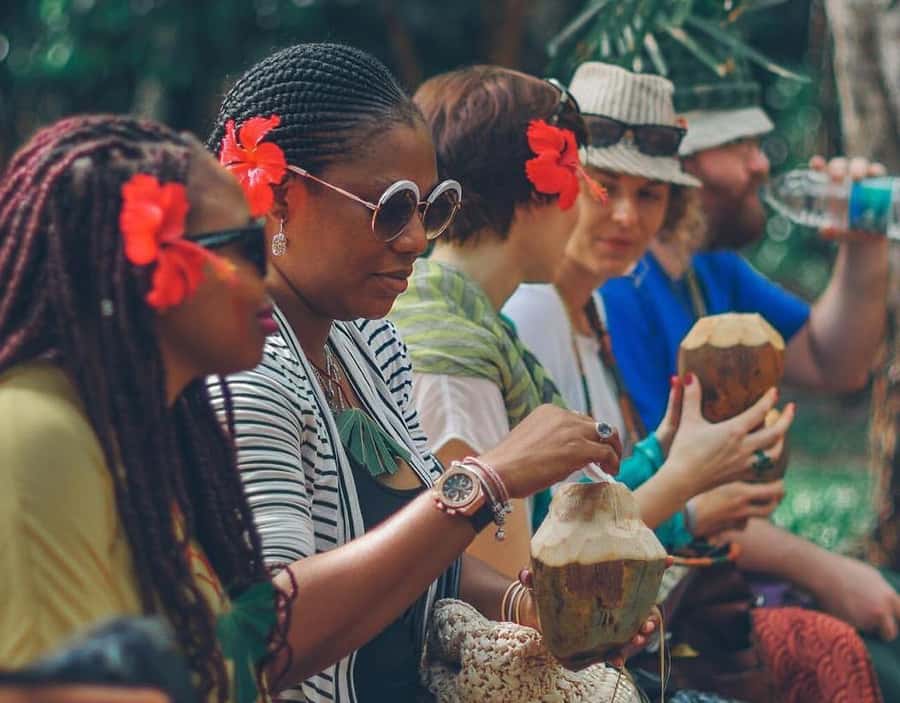
Follow the scent of cloves and cinnamon. This six-hour tour from Stone Town combines a rural spice farm visit with a traditional cooking class, so you do more than look at plants and take photographs. You learn how spices such as ginger, vanilla, cardamom, coffee, nutmeg, cinnamon, and lemongrass are grown, then use local ingredients to prepare a Swahili meal.
I like the small-farm setting and the friendly family-run feel described by recent participants. I also like that the cooking is hands-on, with visitors cutting ingredients, making coconut milk, and eating the finished meal with the local chef. The main point to consider is timing: although the tour is sold as six hours, one recent booking lasted about three and a half hours, so the schedule may be flexible rather than fixed.
The tour costs $47 per person and includes Stone Town hotel pickup and drop-off, entrance fees, a guide, and bottled water. That is a fair price if you value transport, a private or very small group, and a meal-based cultural activity. If you want a long, carefully timed farm visit with a formal cooking school, you may find the format more relaxed than expected.
In This Review
- Key Things to Know Before You Go
- Why This Tour Explains Zanzibar So Well
- Leaving Stone Town for a Rural Farm
- Three Parts of the Spice Farm
- From Farm Plants to a Swahili Kitchen
- Sharing the Finished Meal
- Buying Spices and Handling Prices
- Is $47 a Fair Price?
- Who Will Enjoy This Experience Most?
- Practical Advice for a Smooth Visit
- FAQ
- Where does the tour start and finish?
- How long does the tour last?
- How much does the tour cost?
- What is included in the price?
- Is food included?
- Which spices might I see?
- Can I buy spices at the farm?
- Should I negotiate when buying spices?
- Which languages are available for the guide?
- Can I cancel for a full refund?
- Should You Book the Spice Farm and Cooking Class?
Key Things to Know Before You Go
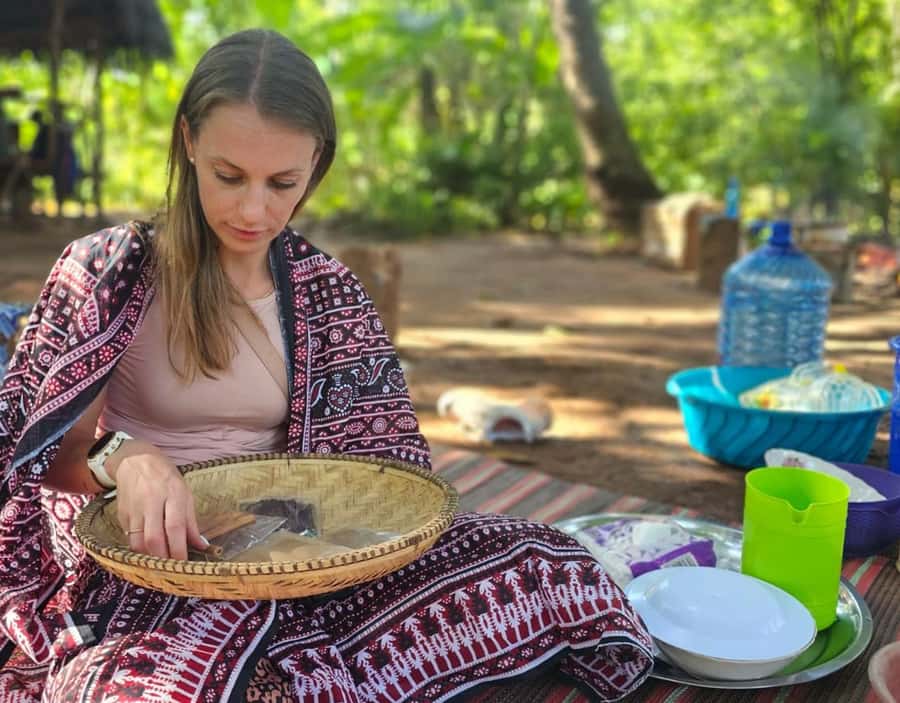
- You can make coconut milk yourself, adding a practical step to the cooking class rather than simply watching a demonstration.
- The spice walk covers three areas of the farm, with explanations of how plants are planted, harvested, and prepared for use.
- A coconut climber may be part of the visit, along with a look at young coconuts.
- The cooking takes place with a local woman chef, using ingredients and tools bought through a workshop run by local women.
- Small groups are possible, with one recent booking involving only two participants and no other people joining.
- Bring cash for spice purchases, and be prepared to negotiate the price at the farm.
Why This Tour Explains Zanzibar So Well

Zanzibar is often called Spice Island, but that nickname means more when you see the plants in the soil and learn how they become part of daily cooking. This tour connects agriculture, trade, family food traditions, and local business in one half-day outing.
I like that the farm visit is not limited to a row of labeled plants. You are expected to hear how long each spice takes to mature and how it is planted and harvested. That turns the walk into a lesson in work and patience. Vanilla, coffee, ginger, cardamom, nutmeg, cinnamon, and lemongrass all grow differently, and the guide explains their uses along the way.
The tour also gives you a glimpse of the trade that shaped Zanzibar. Spices were valuable goods in a period of exploration and commerce, and the farm provides a simple way to connect those larger historical forces with ordinary plants. You will not get a full academic history course, but you should come away with a clearer sense of why these crops matter to the island.
The best part is that the information leads directly to lunch. You see ingredients in their natural setting, then use local products in a Swahili-style meal. That connection makes the experience more memorable than a farm tour followed by an unrelated restaurant stop.
More Cooking Classes in Zanzibar
- Zanzibar Cooking Class & Spice Tour
★ 4.5 · 77 reviews - Zanzibar: Spice Farm Tour with Traditional Cooking Lesson
★ 4.8 · 77 reviews - Half-Day Kuza Cave Swimming Adventure and Cooking Class
★ 4.5 · 44 reviews
Leaving Stone Town for a Rural Farm
Pickup and drop-off are available around Stone Town hotels. Having transport included matters because the tour takes place in a rural part of Unguja South Region, not in the historic center. You do not need to arrange a separate taxi for the farm visit, and the same general route brings you back to Stone Town.
The exact starting time depends on availability, and one small group was able to shift its departure later. That flexibility can help if you have a slow morning, a late arrival, or another Stone Town plan. Still, you should confirm the timing when you book, especially if you have an evening ferry, flight, or dinner reservation.
The drive is part of the change in mood. Stone Town is dense and historic, while the farm visit gives you a look at a more rural side of Zanzibar. The tour is best suited to people who want to leave the main visitor area and see how local food begins before it reaches a kitchen.
The duration is advertised as six hours, but you should treat that as an approximate maximum rather than a guarantee. A recent visit took around three and a half hours, while the full plan allows more time for transport, the farm walk, cooking, and the meal. Ask about the expected schedule if the length of the day matters to you.
Three Parts of the Spice Farm
The farm visit is described as taking place across three interesting sections. The exact order may vary, but the purpose is clear: you move through different parts of a working small farm while learning about the plants and their uses.
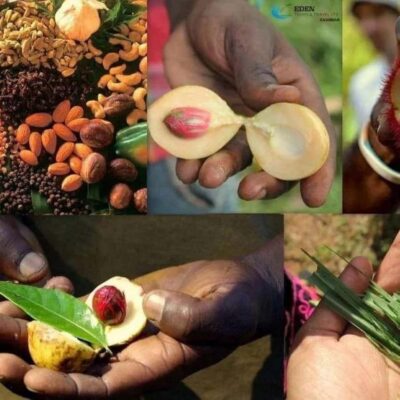
The first area introduces the tropical crops. Ginger, vanilla, coffee, cardamom, nutmeg, cinnamon, and lemongrass are among the spices you may see. The guide explains how to plant them and how long they take to become ready for use.
This is where comfortable shoes help. Farm paths can be less even than Stone Town streets, and you will spend time outdoors. Bottled water is included, but carrying cash and wearing clothing suited to a warm farm setting makes the outing easier.
The second section adds more detail about harvesting and preparation. The value here is practical: you begin to understand that the spice in a market jar is the final step in a longer process. The guide’s explanations are likely to be most useful if you ask questions about which parts of a plant are used and how the flavor enters Swahili cooking.
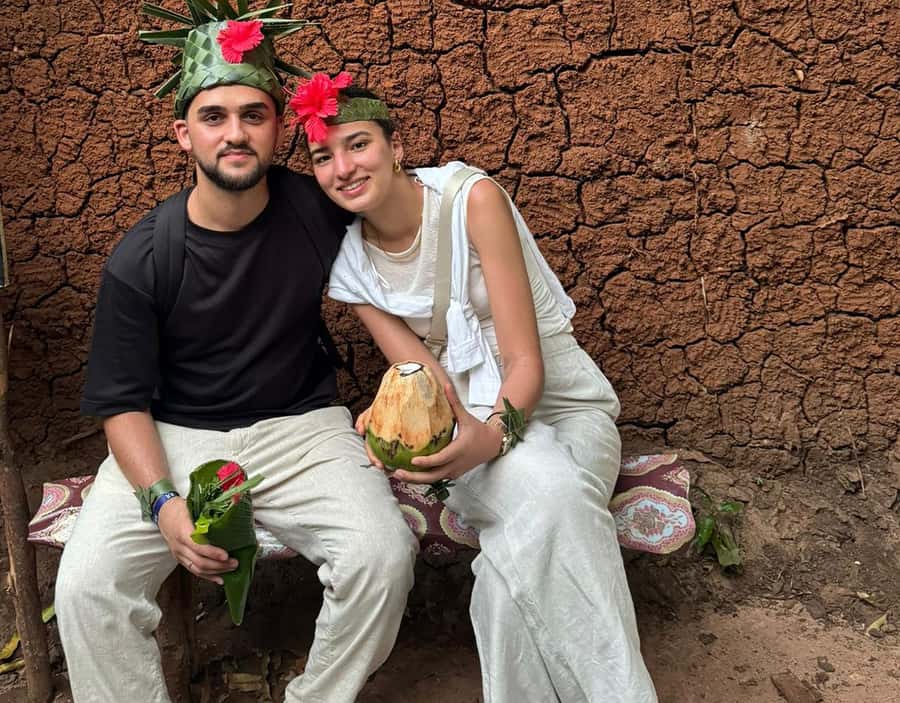
The third part includes a coconut climber, sometimes called a butterfly, and young coconuts. Seeing the climber is one of the tour’s more distinctive details. It offers a glimpse of a skill connected to coconut production, rather than another standard plant-label walk.
From Farm Plants to a Swahili Kitchen
After the farm visit, the focus shifts to cooking. A local woman chef prepares the class with authentic ingredients and materials purchased through a workshop run by local women. This gives the lesson a personal and community-based feel.
You should expect to take part, not sit quietly at a demonstration. One recent group received ingredients to cut, while the chef explained how to use the items and prepare the food. Another group made coconut milk themselves, which adds a satisfying bit of work to the class.
The cooking is informal. That can be a strength if you want conversation and a family atmosphere instead of a polished culinary show. It can also mean that the class does not follow the exact structure of a professional cooking school.
A small drawback is that no recipe was provided to one recent participant. If you want to recreate the meal at home, bring a notebook or use your phone to record the ingredients and steps, as long as the chef is comfortable with that. Ask for measurements and cooking times before the meal is finished.
The food itself is the payoff. Swahili cuisine makes strong use of coconut, spices, herbs, and other local ingredients, so the earlier farm walk now has a clear purpose. You are not just tasting Zanzibar in theory. You are helping prepare a meal built around the flavors you have just learned about.
More spice farm visits:
- Zanzibar: Stone Town, Spice Tour, Prison Island with Lunch
★ 4.4 · 1,219 reviews - Zanzibar: Prison Island, Stone Town, & Spice Farm Tour
★ 4.5 · 579 reviews - Zanzibar: Stone Town, Spice tour & Prison Island with Lunch
★ 4.6 · 453 reviews - Full-Day Private Stone Town +Spice Farm and Prison Island Tour
★ 4.5 · 216 reviews
Sharing the Finished Meal
When the cooking is complete, you eat with the chef and have time for conversation. This shared meal is one of the most appealing parts of the tour because it leaves room for exchange rather than ending as soon as the lesson stops.
Recent participants described the food as extremely good and the conversation as enjoyable. The setting is a family business, and the cooking team may include a driver and family members. The exact staff arrangement can vary, and no individual guide names are provided, but the personal nature of the operation is clear.
The meal also gives you a chance to ask practical questions. You can find out how the spices are used at home, which flavors are common in Zanzibar, and how coconut fits into local dishes. Those conversations can be as valuable as the formal explanations during the farm walk.
Do not expect a long restaurant-style menu. This is a prepared meal connected to the class, and the appeal lies in helping make it. If you prefer to choose from many dishes or have strict dietary needs, ask what will be served before booking.
Buying Spices and Handling Prices
Spices are available to buy at the farm. This is convenient if you want to take home cinnamon, vanilla, coffee, ginger, or other local products, but bring cash because personal purchases are not included in the $47 price.
You should also be ready to negotiate. One recent participant specifically advised bargaining at the farm. Keep the exchange friendly, decide what you actually want, and compare the price with what feels reasonable before committing to a larger bundle.
These purchases can be useful souvenirs because they connect directly to what you saw and smelled during the tour. Still, buying spices is optional. The entrance fee, guide, transport, and bottled water are included, while personal needs and purchases are not.
Is $47 a Fair Price?
At $47 per person, the tour offers more than a simple farm entry ticket. You receive transport from Stone Town, a guide, entrance fees, a cooking class, and a meal. You also get a chance to see a rural area and take part in food preparation.
The value improves if your group is small. A recent booking had only two participants, which allowed everyone to receive a cutting task and have direct contact with the cooking team. A small group can also make it easier to adjust the departure time and ask questions.
The price is less compelling if you mainly want a quick spice stop. The tour may take fewer than six hours, and the exact schedule is not fully fixed. In that case, you should compare the cost with your interest in the cooking class, since the meal and instruction are the main reasons to choose this experience.
There is also no mention of hotel pickup outside the Stone Town area. If you are staying elsewhere, check the meeting arrangements and any extra transport cost before booking.
Who Will Enjoy This Experience Most?
I would recommend this tour to you if you enjoy food, plants, and direct contact with local hosts. It suits couples, small groups, and curious families who want an activity that combines walking, learning, preparing food, and eating together.
It is also a good choice if you have already seen Stone Town and want a different side of Zanzibar. The farm offers a rural setting, while the cooking class shows how ingredients move from cultivation into the kitchen.
You may want to choose another activity if you need a strict six-hour schedule, a formal recipe booklet, or a highly structured cooking lesson. The operation sounds warm and flexible, but that also means the day may change in length and rhythm.
The tour is available with live guides in English, French, Italian, and German. You should confirm your preferred language when booking, since a good explanation of the plants and cooking methods is central to the experience.
Practical Advice for a Smooth Visit
Wear comfortable shoes and bring cash. Those are the two specific items requested for the tour, and both make sense: you will walk around a farm and may want to buy spices.
Alcohol and drugs are not allowed. Bottled water is included, but you may still want to carry any other personal items you need for several hours away from Stone Town.
Keep your schedule loose if possible. The starting time may be adjustable, and the overall visit can finish earlier than the advertised six hours. That flexibility is useful, but it means you should not build a tight connection immediately afterward.
Cancellation is free up to 24 hours before the activity for a full refund. You can also reserve now and pay later, which helps if your Zanzibar plans are still changing.
FAQ
Where does the tour start and finish?
Pickup is available around Stone Town hotels, and the tour returns to Stone Town.
How long does the tour last?
The stated duration is six hours, but the actual timing may vary. One recent visit lasted about three and a half hours.
How much does the tour cost?
The price is $47 per person.
What is included in the price?
The price includes Stone Town hotel pickup and drop-off, entrance fees, a tour guide, and bottled water.
Is food included?
Yes. The experience includes a traditional cooking class and a meal shared with the local chef after cooking.
Which spices might I see?
The farm may include cardamom, ginger, vanilla, coffee, nutmeg, cinnamon, and lemongrass.
Can I buy spices at the farm?
Yes. Spices are available to purchase, but bring cash because personal purchases are not included.
Should I negotiate when buying spices?
Yes. Negotiating is advised for spice purchases at the farm.
Which languages are available for the guide?
Live guides are available in English, French, Italian, and German.
Can I cancel for a full refund?
Yes. You can cancel up to 24 hours in advance for a full refund.
Should You Book the Spice Farm and Cooking Class?
Book it if you want Zanzibar through its food rather than only through its sights. The strongest parts are the small-farm setting, the chance to handle ingredients, the coconut milk preparation, and the shared Swahili meal with a local chef.
Go in with flexible expectations. The day may last less than six hours, the cooking class may not provide a written recipe, and spice shopping may involve bargaining. For $47, though, the combination of transport, farm access, guidance, hands-on cooking, and lunch gives you a useful and personal look at why Zanzibar is known as Spice Island.
More Farms
- Zanzibar: Stone Town & Spice Farm Tour with Lunch
★ 4.5 · 97 reviews - Zanzibar:Stone Town & Spice Farm Private Tour Lunch Included
★ 4.2 · 94 reviews - Zanzibar full day Jozani forest + Spice farm and stone town
★ 4.7 · 90 reviews - Zanzibar: Spice Farm & Stone Town Tour with Lunch
★ 4.5 · 80 reviews
More Cooking Classes
- Zanzibar: Spice Farm Tour with Traditional Cooking Class
★ 4.6 · 16 reviews - Traditional Zanzibar Cooking Class including Spice Tour
★ 4.5 · 14 reviews - Mnemba Dolphin Tour, Clear Kayak, Cooking Class, Horse Riding
★ 4.5 · 14 reviews - A private half day spice farm with a cooking lesson
★ 5.0 · 13 reviews
Just added around Zanzibar
- Spice Tour of Zanzibar★ 4.5 · 3 reviews
- Zanzibar : Stone Town Tour,history without transport★ 4.8 · 3 reviews
- Zanzibar: 3-Day Northern Safari with Flights Included★ 4.8 · 3 reviews
- Jozani Forest, kuza cave and mtende beach★ 5.0 · 3 reviews
- Starfish Beach; The Rock; Kuza Cave; Paje Beach; Salaam Cave Tour★ 4.5 · 3 reviews
- ZANZIBAR: Stone Town and Jozani Forest Guided Tour★ 4.0 · 3 reviews
- Zanzibar: African Sunset Boat Party in Zanzibar Music, Views★ 4.3 · 3 reviews
- Joazani forest & Spice farm with lunch★ 5.0 · 3 reviews
Spice Farm Tours, compared.

Stone Town, Spice Tour, Prison Island with Lunch
Read our review →
Stone Town, Spice tour & Prison Island with Lunch
Read our review →
Full-Day Private Stone Town +Spice Farm and Prison Island Tour
Read our review →

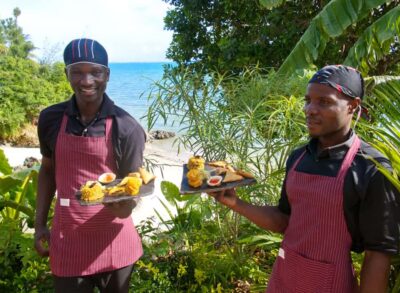
The Swahili Spice Experience – Spice Tour + Culinary Journey
Read our review →Browse the lists this tour appears in