
Reviewed · SPICE FARM TOURS
Zanzibar: Walking Spice Farm with Local Cooking Class
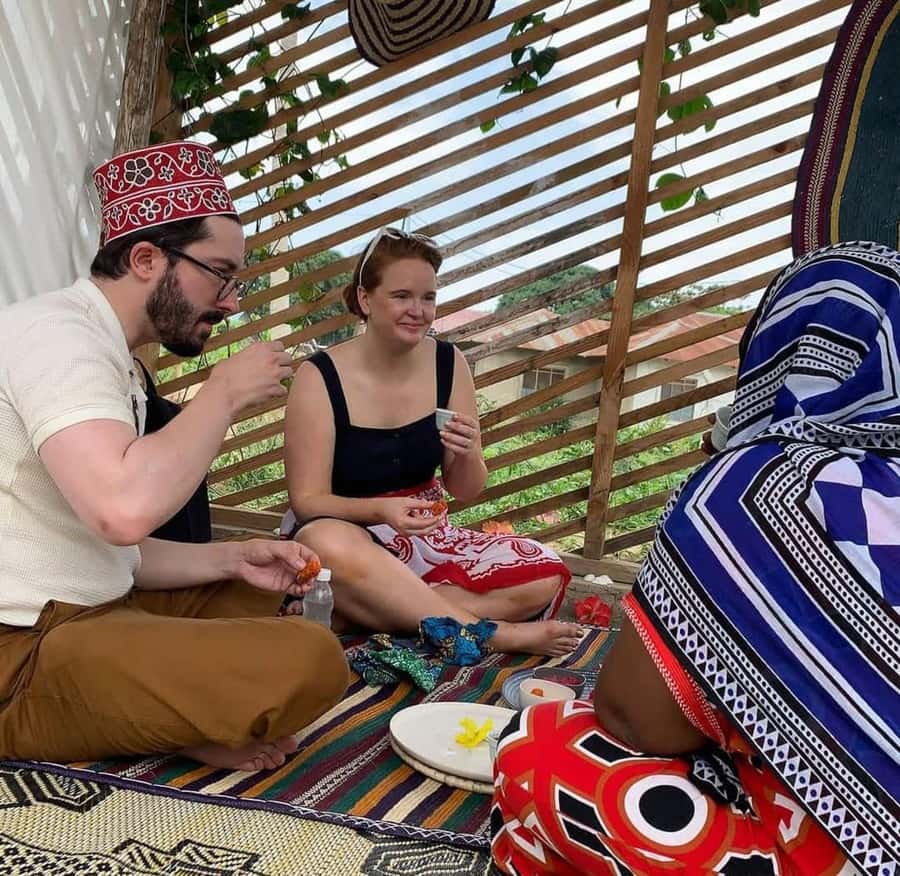
Spices tell Zanzibar’s story. This six-hour outing combines a walk through Tangawizi Spice Farm with a traditional cooking session, giving you two useful ways to understand the island: by seeing what grows in the soil and tasting what ends up on the plate. I especially like the chance to smell and taste fresh spices, including clove, cinnamon, nutmeg, vanilla, turmeric, and lemongrass. I also like that hotel pickup, drop-off, and lunch are included in the $50 price.
The main thing to know is that the cooking portion may feel more like a demonstration than a hands-on class. You may help in parts of the preparation, but the women running the kitchen do much of the work. If you expect a formal four-course lesson, adjust that expectation. The finished Swahili food, however, is a major strength, particularly the spiced rice, fish, vegetables, plantain, and fresh fruit.
In This Review
- Key things to know before you book
- Why this Zanzibar tour works so well
- Getting to Tangawizi Spice Farm
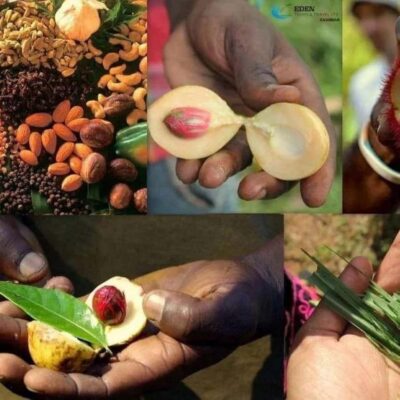
- Walking through Zanzibar’s spice plants
- From coconut shell to Swahili lunch
- Why the simple kitchen adds value
- Fruits, songs, and small local touches
- What the six-hour schedule feels like
- Who should book this experience?
- Booking, cancellation, and language choices
- Should you book the Zanzibar spice farm cooking tour?
- FAQ
- Where does the Zanzibar spice farm tour take place?
- How long does the experience last?
- What is included in the $50 price?
- Is the tour private?
- Where is pickup available?
- Which languages are available?
- What spices and plants can I see?
- Is lunch included?
- Can I buy spices after the tour?
- Can I cancel for a full refund?
Key things to know before you book
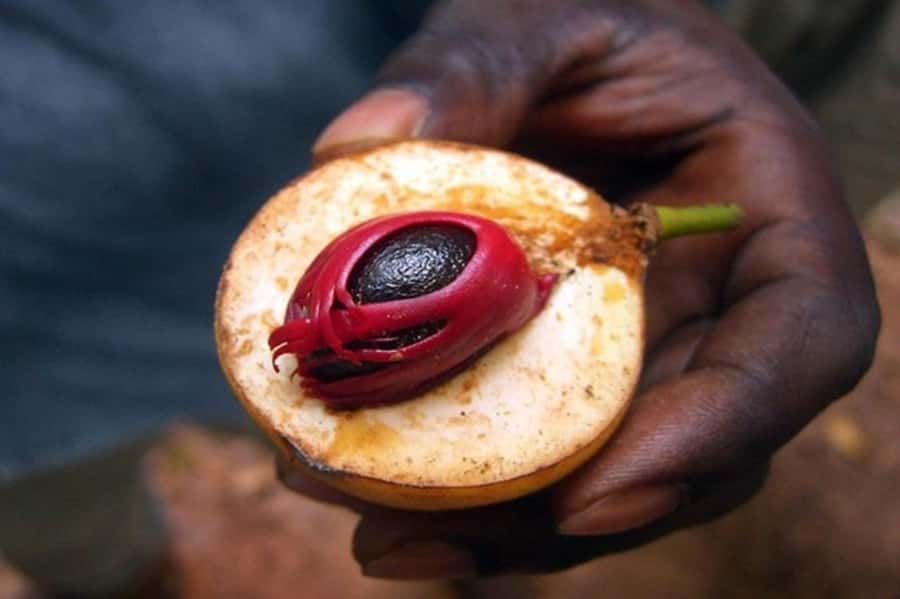
- The spice walk is hands-on: You can smell and taste clove, cinnamon, nutmeg, vanilla, black pepper, cardamom, turmeric, chili, and other plants.
- The cooking class is practical in spirit: Expect a simple local kitchen and a demonstration that may include some participation, rather than a polished cooking school.
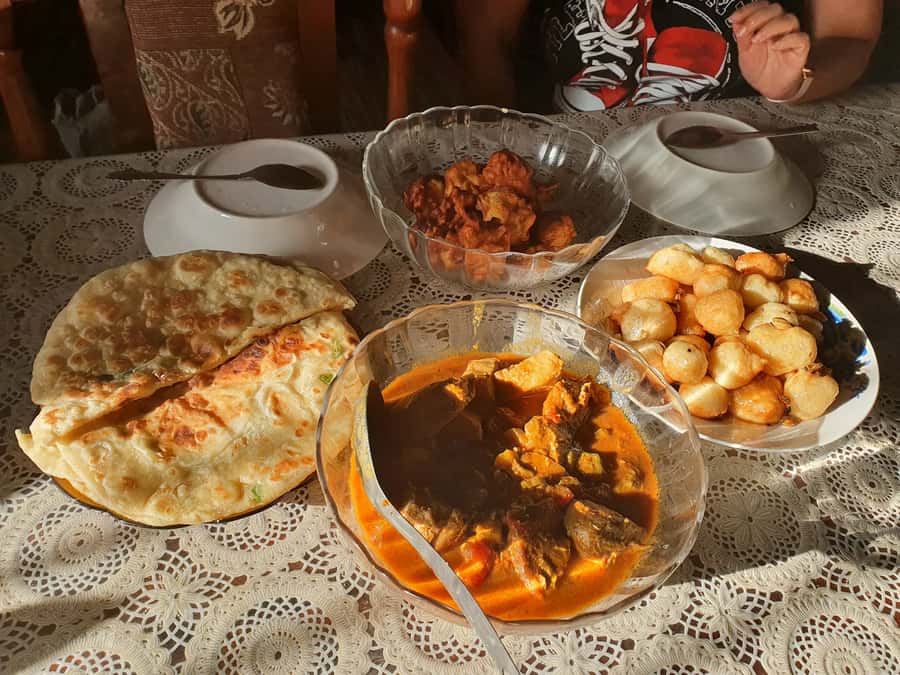
- The lunch is a highlight: The food can include pilau rice, fish, spinach, plantain, tomato-based sauce, and coconut milk prepared from freshly scraped coconuts.
- The setting is rustic: Cooking takes place in an open-sided hut with a wood fire and charcoal burners, not a modern kitchen.
- The tour lasts about six hours: Pickup and drop-off are offered from Stone Town and the Unguja North Region.
- Bring cash for shopping: The final spice stall sells packaged spices, soaps, and creams, and payment is cash only.
Why this Zanzibar tour works so well
A spice tour can easily become a quick stop where someone points at a few plants, names them, and moves on. This experience has more going for it because the farm visit leads into a meal. You first see the raw ingredients, then watch how they are used in Swahili cooking.
That connection gives the day a clear purpose. Clove is not just a dried spice in a souvenir packet. Coconut is not just a tree beside the road. The walk shows you plants growing in the ground, on bushes, or high in trees, while the cooking session explains how local ingredients become lunch.
I also like the private-group format. You are not being moved through a large crowd, and the guide can adjust the pace to your group. The activity is offered throughout the year and welcomes people of all ages.
The price is $50 per person. That is fair value when you add together transport, a six-hour guided outing, the farm visit, the cooking experience, and lunch. It is not the cheapest way to buy a meal or see a garden, but it is good value if you want all of those pieces in one day and prefer not to arrange transport yourself.
More Cooking Classes in Zanzibar
- Zanzibar: Spice Farm Tour with Traditional Cooking Lesson
★ 4.8 · 77 reviews - Zanzibar Cooking Class & Spice Tour
★ 4.5 · 77 reviews - Half-Day Kuza Cave Swimming Adventure and Cooking Class
★ 4.5 · 44 reviews
Getting to Tangawizi Spice Farm
Pickup is available from Stone Town or the Unguja North Region. You are asked to wait at your hotel reception about ten minutes before the scheduled pickup time. The same arrangement applies at the end, with drop-off available in Stone Town or the northern part of Unguja.
The transfer matters because the farm is not presented as a central Stone Town activity. Having a driver collect you removes the need to find your own way into the countryside. It also keeps the day simple: ride to the farm, walk with a guide, cook, eat, and ride back.
The transport is part of the value, but you should still treat this as a full-day outing. The stated duration is six hours, with the activity itself taking roughly five to six hours. If you are planning several other appointments, keep some breathing room around the schedule.
The tour is offered as a private group, which is useful for families, couples, and small parties who want a more personal pace. Guides are available in English, German, and French.
Walking through Zanzibar’s spice plants
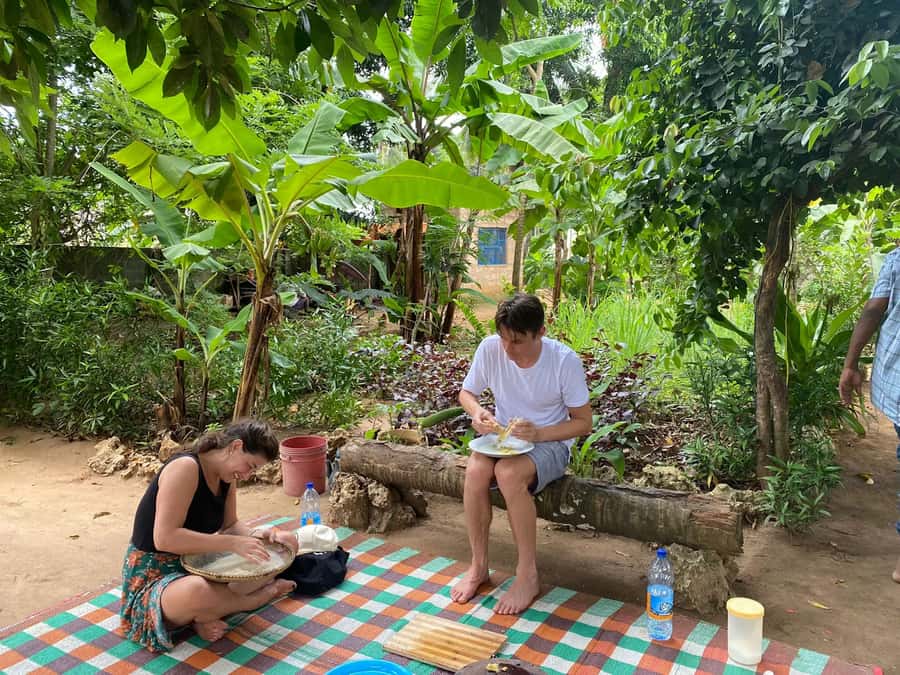
The farm walk is the first main part of the day. You move through an organic farm and see how spices, herbs, and tropical fruits are grown and cultivated. This is the part that gives the famous Spice Island nickname some real meaning.
Expect the guide to introduce a long list of plants. These can include:
- Clove
- Lemongrass
- Nutmeg
- Cinnamon
- Vanilla
- Turmeric
- Coconut
- Papaya
- Chili
- Black pepper
- Jackfruit
- Cardamom
- Cassava
- Oranges
The best part is not simply hearing the names. You get the chance to smell and taste several of them. That makes the walk more memorable, especially with spices such as lemongrass, cinnamon, clove, and black pepper, whose aromas are much stronger in their natural form than in a jar at home.
The guide also tests your ability to identify smells and spices. I like this small game because it turns a walk into an active experience. You are not only listening. You are paying attention with your nose and palate.
The farm also gives you a chance to notice the difference between a spice as a plant and a spice as a finished product. Some grow on trees, some in the soil, and others as parts of fruits or pods. The supplied details do not specify the exact route or walking distance, so you should expect a farm walk rather than a strenuous hike.
If walking is difficult for you, mention it when booking or to your guide at the start. One participant with limited mobility found the guide careful about choosing safer paths. That is encouraging, although the farm remains a walking environment, so conditions may not be as even as those at a paved attraction.
From coconut shell to Swahili lunch
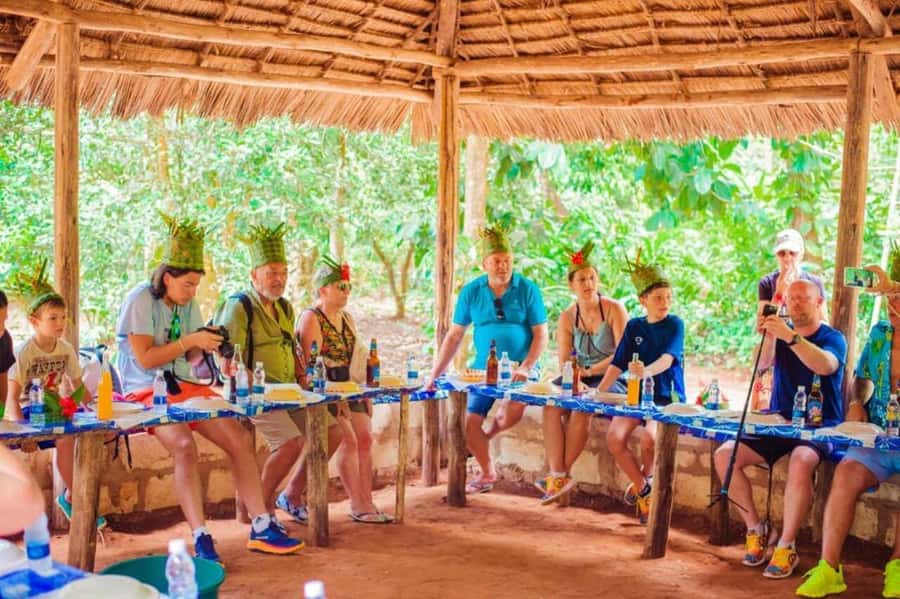
After the farm visit, you return to the cooking area. The kitchen is deliberately basic: an open-sided hut with corrugated metal sections, a coconut-frond roof, one wood fire, and two charcoal burners.
This rustic setting is part of the appeal. You see how much can be done with simple equipment and local ingredients. It is not designed for visitors who want stainless-steel counters, printed recipes, or individual cooking stations.
A particularly useful detail is the preparation of coconut milk. The cooks scrape the meat from the coconut shell and squeeze out the milk for use in the dishes. That one process helps explain the creamy flavor found in many coastal East African meals.
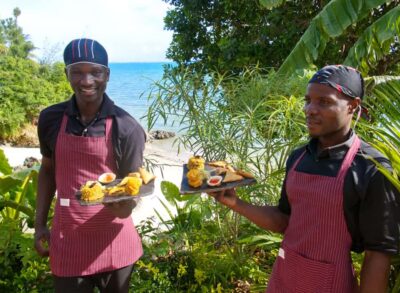
The food prepared can include pilau rice, a tomato and onion sauce, spinach, fish, and plantain. Fresh fruit is also served later. The rice is especially worth watching because it combines several spices, often around five or six, to create its warm and fragrant flavor.
The fish is marinated with lime and salt before being fried. This is a simple technique, but it shows how local cooking often depends on a few fresh ingredients rather than a long list of complicated steps.
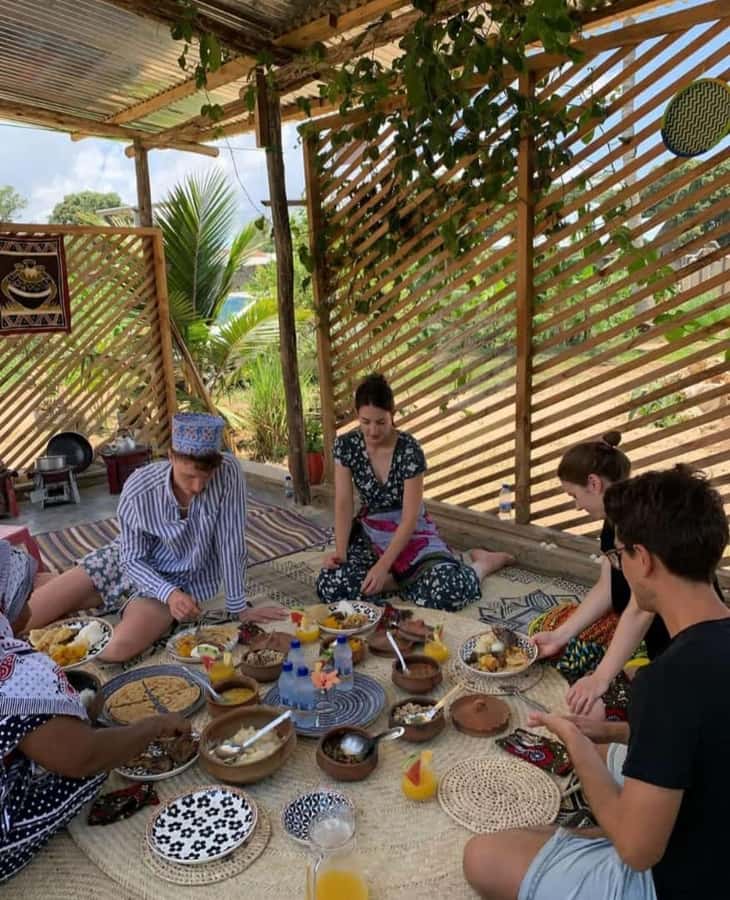
The meal is described as three dishes and a dessert, followed by a shared four-course meal. In practice, you should be prepared for a buffet-style lunch with fruit served later rather than four separate plated courses. That difference matters if the meal structure is important to you.
The food itself receives the strongest praise. I would book this experience for the lunch alone if you want to try traditional Swahili flavors in a local setting. The cooking may not be fully hands-on, but you still get to watch the methods closely and eat the results.
More Walking Tours in Zanzibar
- Stone Town Private Walking Tour
★ 5.0 · 371 reviews - Zanzibar: 3 Hours Private Stone Town walking Tour with Guide
★ 4.6 · 301 reviews - Zanzibar: Stone Town Historical Cultural Walking Guided Tour
★ 4.5 · 179 reviews - Stonetown: Food Markets and Street Food Walking Tour
★ 4.7 · 151 reviews
Why the simple kitchen adds value
The kitchen can sound rough around the edges, and it is. The hut is small and open to the air, with basic cooking fires rather than a conventional range. Some people will see that as the point. Others may prefer a cleaner, more organized classroom.
I think the setting works best if you view it as a look at everyday local cooking rather than a professional culinary workshop. You can see the cooks scrape coconuts, prepare the fish, season the rice, and manage several burners at once. That is more useful than a staged class where everything has already been measured and prepared.
The drawback is that the level of participation may vary. The experience is sold as a practical cooking lesson, but the actual format can be closer to a demonstration. If you want to chop, fry, and season every dish yourself, ask for clarification before you book.
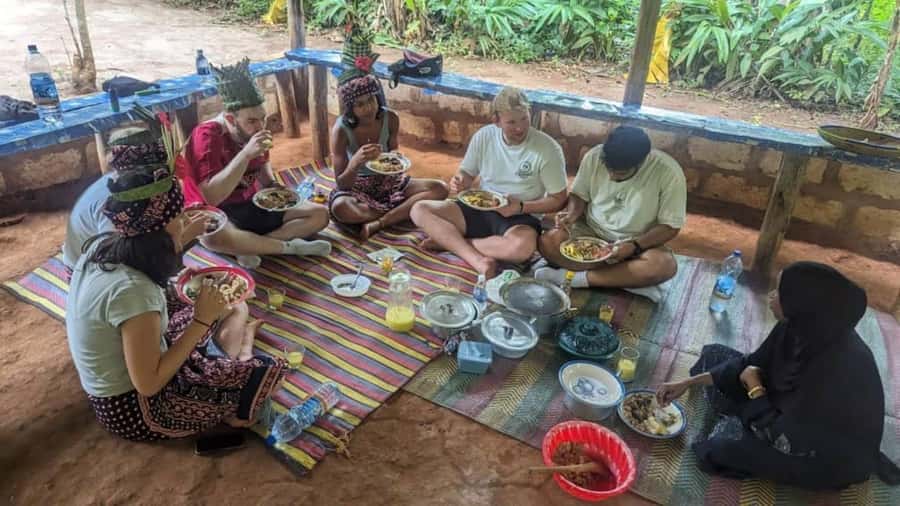
Still, the meal brings everyone together. After the preparation, you sit down and eat the food as a group. That shared table is a strong finish to the farm visit and gives you a chance to enjoy the flavors while they are fresh.
Fruits, songs, and small local touches
The day includes tropical fruit tasting, which adds a lighter counterpoint to the spices and cooked dishes. Fruits may include papaya, jackfruit, oranges, coconut, and other seasonal produce found around the farm.
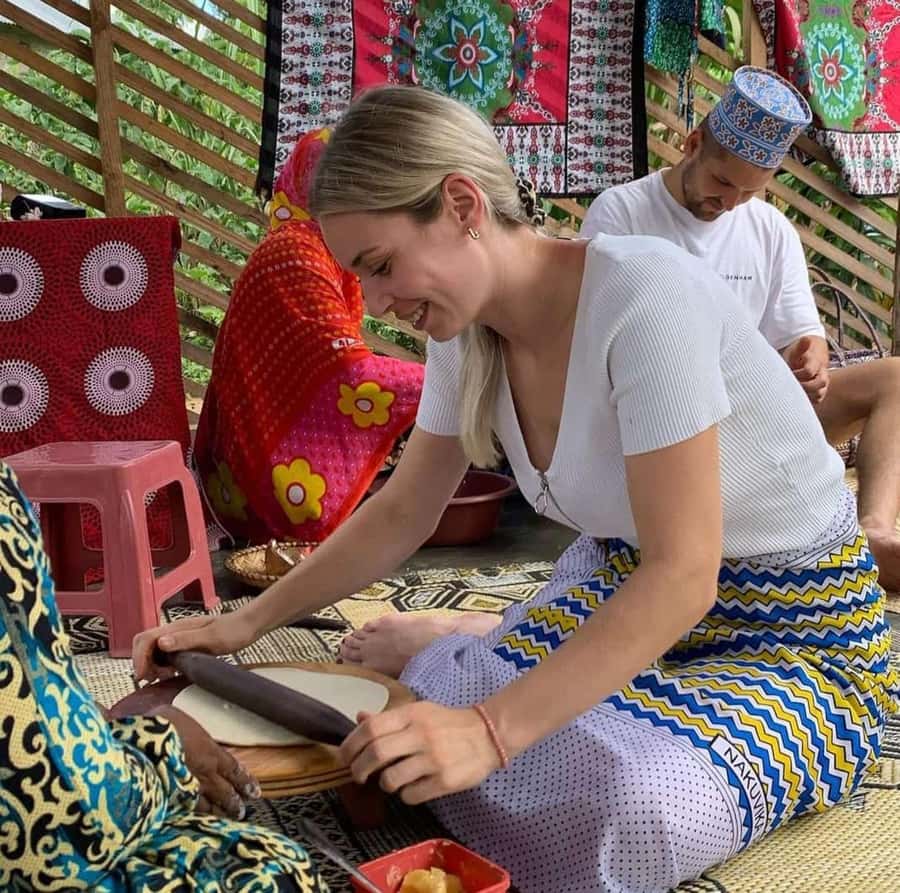
The experience can also include small cultural moments that are not easy to schedule. A man may sing while climbing a coconut tree. Another person may make simple crowns and ties during the walk. These details are not the central purpose of the tour, but they add warmth and help the outing feel connected to the people working at the farm.
You should keep your expectations sensible. This is not presented as a formal cultural performance with a set show. The charm comes from these brief moments appearing alongside the walk and cooking.
At the end, there is a stop at a spice stall. You can buy fresh packaged spices, soaps, and creams. Payment is cash only, so bring small notes if you want souvenirs or personal-care products.
Tips for the farm workers are already included in the tour price, so you do not need to budget a required tip for that part. You may still want small bills for optional tips or purchases, especially if you prefer not to rely on large notes.
What the six-hour schedule feels like
This is a relaxed but full half-day. The total time includes transport, the guided farm walk, the cooking session, and lunch. The precise balance between walking and cooking may vary, but you should expect both parts to receive serious attention.
The farm visit comes first, followed by the kitchen session. That order makes sense. You learn about the plants before seeing them used in food, and the guide can connect the spices from the walk to the dishes being prepared.
Because the group is private, you can ask questions as you go. You can also tell the guide if you need a slower pace. The tour welcomes all ages, although anyone with mobility concerns should remember that the farm portion takes place on foot.
Wear something comfortable for walking and cooking. The supplied information does not give a formal dress code, but a farm and open-air kitchen are better suited to practical clothing than anything precious. You may also want to carry drinking water and protect yourself from the sun, though these items are not listed as included.
Who should book this experience?
I would recommend this outing to you if you want more than a sightseeing stop. It suits anyone who enjoys food, plants, local ingredients, and direct contact with small-scale producers.
It is particularly good for:
- Couples who want a relaxed day outside Stone Town
- Families looking for an activity suitable for different ages
- Visitors who want to try Swahili food in a local setting
- Food lovers interested in coconut milk, pilau spices, fish, and plantain
- Small groups who prefer a private tour
- Anyone who wants to buy spices directly after seeing where they grow
It may be less suitable if you want a rigorous cooking course. The class may not give you enough time to prepare every dish yourself. It may also disappoint you if you expect a polished restaurant kitchen or a strict four-course meal served one plate at a time.
For guests with mobility limitations, the private format is helpful because the guide can be mindful of the route. Still, this is not advertised as a fully accessible tour, and the farm setting can be uneven. Discuss your needs before confirming.
Booking, cancellation, and language choices
The tour costs $50 per person and includes hotel pickup, hotel drop-off, and lunch. You can reserve now and pay later, which is useful if you are still arranging your Zanzibar schedule.
Free cancellation is available up to 24 hours before the activity for a full refund. Starting times depend on availability, so check the schedule for your chosen date.
A live guide can lead the outing in English, German, or French. The private-group setup means you are not automatically joining a large shared party.
The experience is operated by Riser Tours and Safaris Zanzibar Limited. Pickup instructions are simple: wait at your hotel reception ten minutes before the planned time.
Should you book the Zanzibar spice farm cooking tour?
Book it if you want a food-centered look at Zanzibar with transport handled for you. The strongest parts are the fresh spice tasting, the farm walk, the coconut preparation, and the generous Swahili lunch.
Go in knowing that the cooking may be more demonstration than class, and that the meal may be buffet-style rather than a formal four-course service. Those are fair drawbacks, but they do not erase the value of eating food prepared over wood and charcoal in a simple local kitchen.
For $50, this is a well-rounded choice for a private group that wants a taste of rural Zanzibar without arranging several separate activities. Bring cash for the spice stall, keep your schedule flexible, and book this as a cultural food experience, not as a professional cooking course.
FAQ
Where does the Zanzibar spice farm tour take place?
The experience takes place at Tangawizi Spice Farm in the Unguja South Region of Zanzibar, Tanzania.
How long does the experience last?
The tour lasts about six hours, with the overall activity taking roughly five to six hours.
What is included in the $50 price?
The price includes hotel pickup, hotel drop-off, and lunch.
Is the tour private?
Yes. The activity is offered as a private group experience.
Where is pickup available?
Pickup is available from Stone Town and the Unguja North Region.
Which languages are available?
The live guide can provide the tour in English, German, or French.
What spices and plants can I see?
You may see and taste clove, lemongrass, nutmeg, cinnamon, vanilla, coconut, papaya, chili, black pepper, jackfruit, cardamom, cassava, oranges, turmeric, and other farm plants.
Is lunch included?
Yes. Lunch is included, and the meal can include Swahili dishes such as pilau rice, fish, spinach, plantain, tomato sauce, and fresh fruit.
Can I buy spices after the tour?
Yes. The tour ends with a stop at a spice stall selling fresh packaged spices. The stall accepts cash only.
Can I cancel for a full refund?
Yes. You can cancel up to 24 hours in advance for a full refund. You can also reserve now and pay later.
More Cooking Classes
- Zanzibar: Spice Farm Tour with Traditional Cooking Class
★ 4.6 · 16 reviews - Traditional Zanzibar Cooking Class including Spice Tour
★ 4.5 · 14 reviews - Mnemba Dolphin Tour, Clear Kayak, Cooking Class, Horse Riding
★ 4.5 · 14 reviews - A private half day spice farm with a cooking lesson
★ 5.0 · 13 reviews
More Spice Farm Tours
- Zanzibar: Stone Town, Spice Tour, Prison Island with Lunch
★ 4.4 · 1,219 reviews - Zanzibar: Prison Island, Stone Town, & Spice Farm Tour
★ 4.5 · 579 reviews - Zanzibar: Stone Town, Spice tour & Prison Island with Lunch
★ 4.6 · 453 reviews - Full-Day Private Stone Town +Spice Farm and Prison Island Tour
★ 4.5 · 216 reviews
Just added around Zanzibar
- Spice Tour of Zanzibar★ 4.5 · 3 reviews
- Zanzibar : Stone Town Tour,history without transport★ 4.8 · 3 reviews
- Zanzibar: 3-Day Northern Safari with Flights Included★ 4.8 · 3 reviews
- Starfish Beach; The Rock; Kuza Cave; Paje Beach; Salaam Cave Tour★ 4.5 · 3 reviews
- Jozani Forest, kuza cave and mtende beach★ 5.0 · 3 reviews
- ZANZIBAR: Stone Town and Jozani Forest Guided Tour★ 4.0 · 3 reviews
- Zanzibar: African Sunset Boat Party in Zanzibar Music, Views★ 4.3 · 3 reviews
- Joazani forest & Spice farm with lunch★ 5.0 · 3 reviews
Spice Farm Tours, compared.

Stone Town, Spice Tour, Prison Island with Lunch
Read our review →
Stone Town, Spice tour & Prison Island with Lunch
Read our review →
Full-Day Private Stone Town +Spice Farm and Prison Island Tour
Read our review →

The Swahili Spice Experience – Spice Tour + Culinary Journey
Read our review →Browse the lists this tour appears in