
Reviewed · CAMPING SAFARIS
10-Day Amazing Comfort Camping Safari
Wild Africa rewards patience. This 10-day private safari links Tanzania’s best-known parks with a slower rhythm, public campsite stays, and a guide who can adjust the pace to your interests. I especially like the small family-run operator and the chance to mix wildlife drives with a local visit in Mto wa Mbu. I also like that Chris, Christopher, Japhet, Jaffed, and Warren are praised for careful spotting, clear explanations, and personal help when plans go awry.
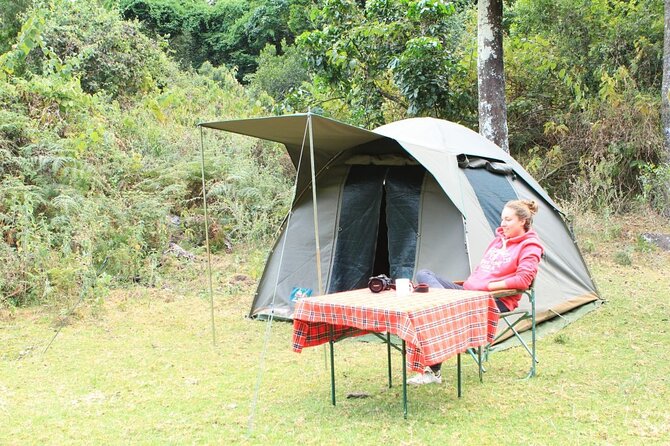
The main consideration is that this is camping, not a lodge holiday. You get camping equipment, meals, drinking water, and a private vehicle with a professional driver-guide, but public campsites can feel basic. Arrival timing matters too: a flight landing after 3 p.m. means an extra night in Arusha at your own cost.
At $3,899 per person, the price is serious but covers park fees, transport, most meals, equipment, and nine nights of safari camping. You get a broad route without joining a large group, but the long drives and bumpy roads call for a reasonable level of fitness and patience.
In This Review
- Key points to know before booking
- Why this 10-day route works
- Day 1: A soft start in Arusha National Park
- Day 2: Walking beneath Mount Meru
- Day 3: Mto wa Mbu before Lake Manyara
- Day 4: Lake Manyara’s birds and tree country
- Day 5: Crossing to the central Serengeti
- Day 6: A full day beside the Seronera River
- Day 7: Leaving the Serengeti for Ngorongoro
- Day 8: Down into Ngorongoro Crater
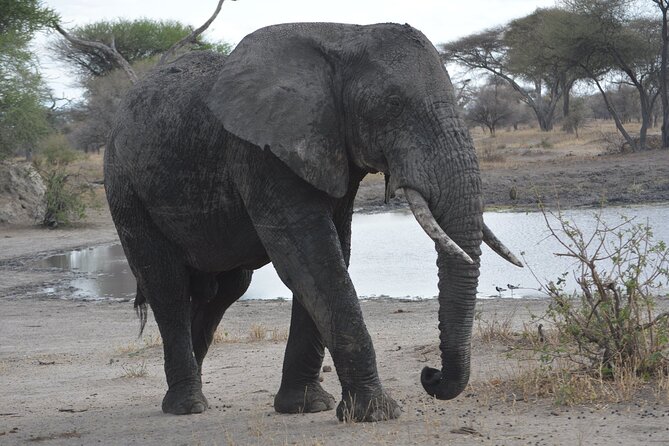
- Day 9: Tarangire’s elephants and Larmaku Swamp
- Day 10: Returning to Arusha or the airport
- Is $3,899 good value?
- Who should book this safari?
- FAQ
- Does the tour include airport pickup?
- What happens if my flight arrives after 3 p.m.?
- Is this a private safari?
- Are park fees included?
- Are meals included for all 10 days?
- Are international flights and extra hotel nights included?
- Should you book it?
Key points to know before booking
- Arusha National Park begins the trip gently: You can walk with an armed ranger, look for birds, and see Mount Meru and, in clear conditions, Kilimanjaro.
- Mto wa Mbu adds real local contact: The town visit includes plantations, crafts, market stalls, traditional homes, local food, and banana beer.
- The Serengeti receives two major safari days: The Seronera area offers chances to see lions, cheetahs, wildebeest, crocodiles, giraffes, and other animals.
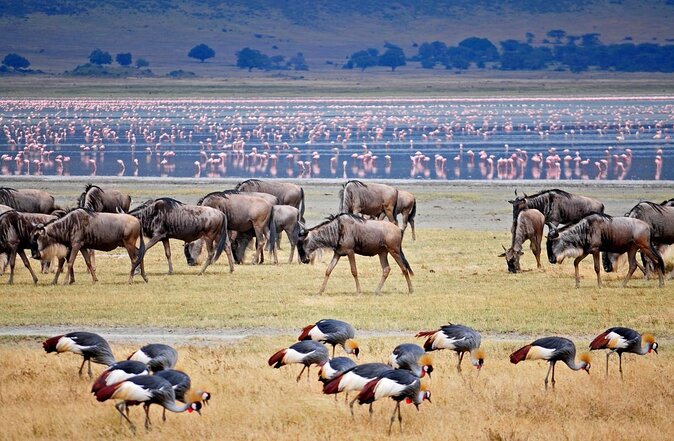
- Ngorongoro Crater is a major highlight: You descend into a compact wildlife area where rhinos, lions, flamingos, ostriches, and crowned cranes may appear.
- Tarangire is the elephant country finale: The river and Larmaku Swamp attract elephants, especially during the heat of the day.
- This is a private tour: Only your group takes part, so you can discuss walking time, game-drive timing, and optional activities with your guide.
Why this 10-day route works
The route covers a lot of Tanzania, but it does not treat every park as a quick photo stop. You spend meaningful time in Arusha National Park, Lake Manyara, the Serengeti, Ngorongoro, and Tarangire. That variety matters because each place offers a different kind of safari.
Arusha brings walking and birdlife. Manyara adds culture and waterbirds. The Serengeti is the big open-country wildlife stage. Ngorongoro concentrates animals inside a volcanic caldera. Tarangire finishes with elephants, swamps, and dry-country birds.
The private format is a real advantage. You are not locked into the preferences of a large group, and the guide can discuss an optional walk, a Maasai boma visit, or a different game-drive pace. That flexibility is especially useful on a safari, where one person may want to spend 30 minutes watching a pride of lions while another hopes to find a rare bird.
More Safaris in Arusha
- Serengeti Balloon Safari and authentic bush breakfast
★ 5.0 · 2,480 reviews - Balloon Safari & Bush Breakfast in Serengeti – Miracle Experience
★ 5.0 · 1,646 reviews - 4 Days Group Camping Safari
★ 5.0 · 1,101 reviews
Day 1: A soft start in Arusha National Park
After meeting your driver at Kilimanjaro International Airport, you head toward Arusha National Park. The first night is at Momella Public Campsite, where the guide introduces the tour and the camping setup.
This is a smart opening park. It gives you a first taste of Tanzania without immediately forcing you into the longest road journey. Arusha National Park is also especially good for birdwatching, with more than 400 recorded species.
Your arrival time deserves attention. If your flight lands after 3 p.m., you cannot drive into the park for the campsite that evening. You will need a separate night in an Arusha lodge, and that lodging is not part of the $3,899 price. Build this into your budget before you book flights.
Day 2: Walking beneath Mount Meru
The second day is one of the more unusual parts of the safari. After breakfast, you take a nature walk with an armed ranger. The walk usually lasts two to four hours, but the plan can be shortened or extended according to your wishes.
Expect flora, waterfalls, huge fig trees, and close attention to the smaller details that are easy to miss from a vehicle. A walking safari changes your senses. You notice bird calls, tracks, tree shapes, and the feel of the ground instead of only scanning for large animals.
After a hot lunch at camp, you set out on an evening game drive. The views include Mount Meru, possible views of Kilimanjaro, lakes, swamps, waterfalls, and steep cliffs. Momella Lake is a particularly good place for waterbirds.
A walk to Meru’s summit is available as an optional activity at extra cost. The itinerary does not state the additional price or full duration, so ask for those details before committing. For most people, the standard nature walk already provides a fine introduction to the park.
Day 3: Mto wa Mbu before Lake Manyara
You drive about 150 kilometers to Mto wa Mbu, a busy town near Lake Manyara. The road takes roughly three and a half hours and is mostly paved, making this a relatively easy transfer compared with the rougher Serengeti route later.
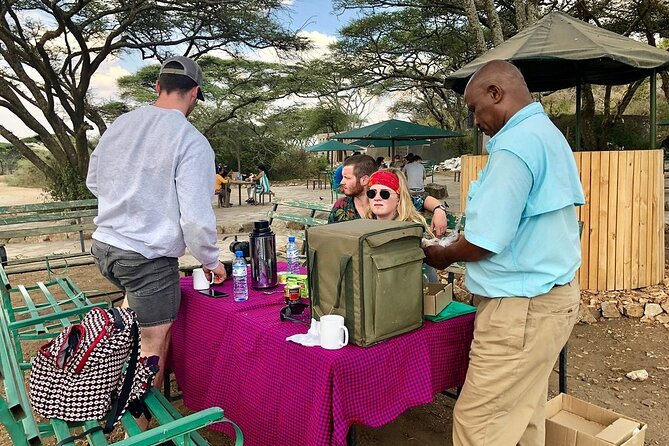
The town visit gives the day more depth than a simple park transfer. You walk past market stalls, see plantations and local craftsmen, learn about Maasai life and other cultural groups, and may visit traditional huts. Banana beer is part of the visit, and lunch comes from a local Tanzanian woman serving regional dishes.
I like this stop because it connects the parks with everyday life. You are not only looking at Tanzania through a vehicle window. At the same time, keep your expectations practical. This is a short cultural visit, not a full cultural program, and the time spent wandering depends on the day’s schedule.
By evening, you reach Endabash Public Campsite inside Lake Manyara National Park. Camping within the park puts you close to the next morning’s wildlife action, though public campsite facilities are likely to be simple. Ask exactly what the supplied camping equipment includes if you are particular about sleeping arrangements.
More camping safaris:
- 5 Days Group Camping Safari
★ 5.0 · 730 reviews - 3 Days Serengeti & Ngorongoro Group Camping Safari
★ 5.0 · 574 reviews - 5 Days Camping Tarangire, Serengeti & Ngorongoro crater & Visiting Maasai
★ 5.0 · 229 reviews - 2 Days Tarangire and Ngorongoro Group Camping Safari
★ 5.0 · 146 reviews
Day 4: Lake Manyara’s birds and tree country
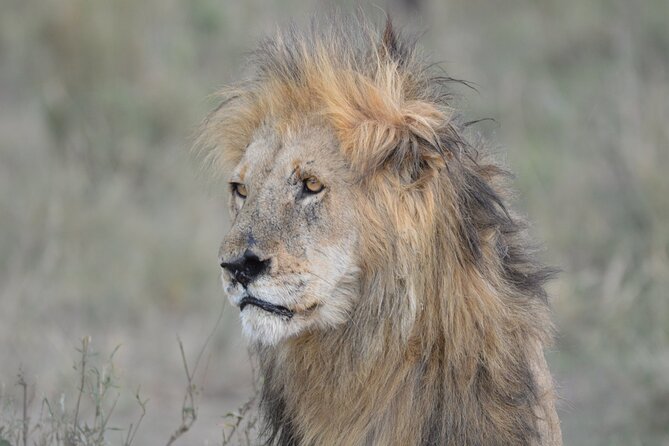
Lake Manyara is one of the strongest birdwatching stops on the route. More than 400 bird species have been recorded, and the itinerary says you could see around 100 in a good day.
The hippo pool is a useful place to look for pink-backed pelicans, herons, storks, sacred ibis, glossy ibis, and black egret. If water levels are right, thousands of flamingos may gather around the lake. More than 50 birds of prey have also been recorded, including crowned eagle and African hawk-eagle.
You begin with an early morning game drive, when the park is quiet and predators may still be hunting. The early start is worth the lost sleep. Animals are often easier to watch before the heat of the day, and the cooler air makes a long drive more pleasant.
Lake Manyara is not only about birds. You may see elephants, giraffes, monkeys, and other wildlife, but sightings are never guaranteed. The park works best for people who enjoy smaller details as much as the big animals.
Day 5: Crossing to the central Serengeti
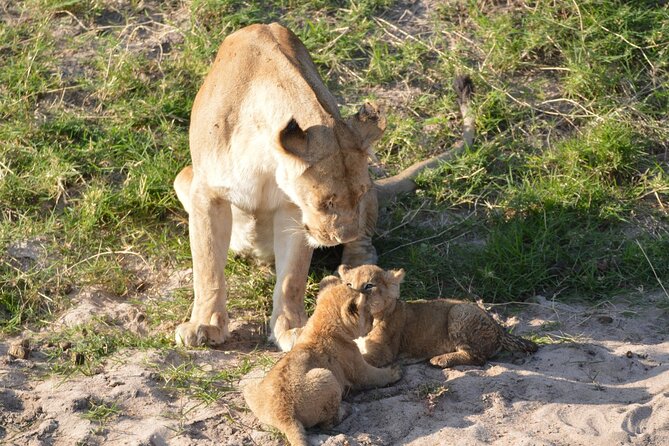
After an early breakfast, you leave with lunchboxes for the 210-kilometer drive to the Serengeti. The route passes through the Ngorongoro Conservation Area, with broad views toward the crater, then continues across much of central Serengeti near the Seronera River.
This is a full safari day even though much of it is spent moving between parks. The road is partly paved but mostly sandy and bumpy, with the trip taking about six hours. A private vehicle helps here because you can pause for wildlife along the way rather than treating the transfer as a dead stretch.
You spend the night at Seronera Public Campsite. The central Serengeti is a useful base because the Seronera area supports a wide range of wildlife and is positioned within the wider Serengeti-Mara ecosystem.
Birdwatchers should pay attention here too. More than 500 bird species have been recorded in the Serengeti, including five species found nowhere else. The big cats may draw most of your attention, but the birdlife gives you plenty to watch during quieter periods.
Day 6: A full day beside the Seronera River
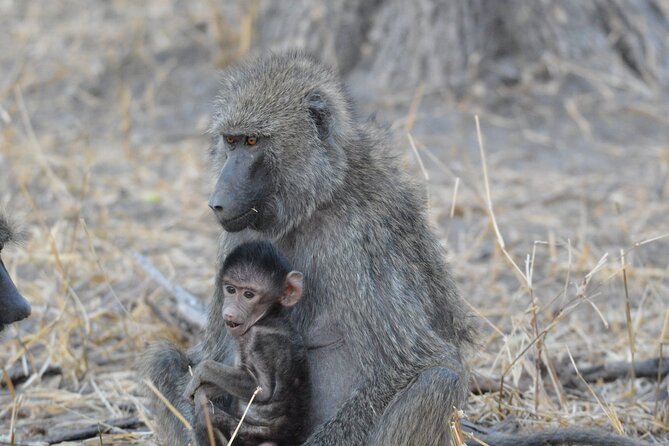
This is the route’s main wildlife day. You follow the Seronera River and Mara River, looking for wildebeest, crocodiles, giraffes, lions, cheetahs, and other predators.
The wording of the schedule includes the possibility of wildebeest river crossings. Treat that as a fortunate event, not a promise. Wildlife follows its own calendar, and no guide can guarantee a crossing or a predator encounter. The reward comes from having a full day available when something interesting does happen.
You may also visit quieter areas away from the most familiar viewing routes. That can make the day feel less crowded, though it also means you might spend longer searching before finding an animal. A guide’s ability to spot movement matters here. Chris and Christopher receive repeated praise for finding animals and explaining wildlife, plants, and the surrounding area.
One particularly useful quality is personal help. Christopher assisted when a piece of luggage was accidentally locked at night, a small detail that says plenty about the hands-on approach of this operator. Safari days can be tiring, and practical support matters just as much as animal knowledge.
Day 7: Leaving the Serengeti for Ngorongoro
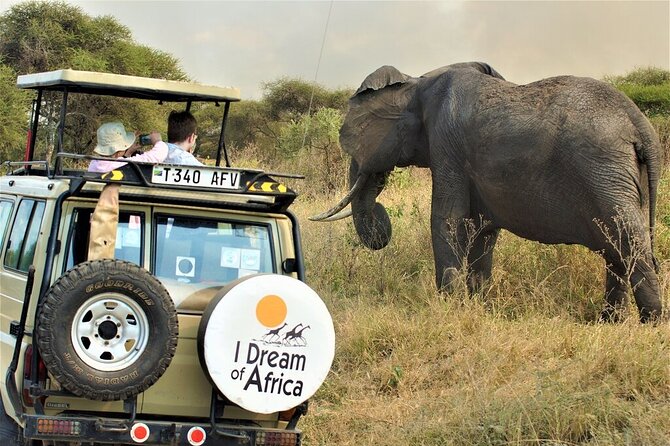
You rise early for another game drive while the bush is waking. Carnivores may still be active, and the cool morning is usually the best time to search for them.
At midday, you return to camp for brunch, check out, and continue toward a campsite near the Ngorongoro Crater. The day has a gentler pace than Day 6, but it still involves an early start and a transfer.
An optional Maasai boma visit is available for an additional fee. This offers a chance to see how semi-nomadic communities continue traditional ways of life. Because the price and exact length are not given, ask what is included before you agree. The option is worthwhile for anyone who wants more cultural context, but it should not be treated as included in the base fare.
You spend the night at Simba Public Campsite. The setting near the crater prepares you for an early descent the next morning.
Day 8: Down into Ngorongoro Crater
After breakfast, you descend into Ngorongoro Crater for a game drive. The road down provides the major views, and once inside the caldera, the enclosed setting can make animal watching feel concentrated and rewarding.
You may encounter rhinos, lions, flamingos, ostriches, crowned cranes, storks, vultures, and other birds. A solitary rhino is never guaranteed, but this is one of the route’s better chances to look for one.
The crater can be busy, and its popularity is part of the tradeoff. You get a strong chance of seeing a variety of animals in a relatively compact area, but the sense of solitude may be weaker than in less visited parts of the Serengeti. Your guide’s judgment about timing and position becomes important.
The schedule labels this section under Tarangire, but the activity described is clearly the Ngorongoro Crater drive. You should confirm the exact transfer plan with I Dream of Africa before departure so you know where you sleep that night and how the route is arranged.
Day 9: Tarangire’s elephants and Larmaku Swamp
After breakfast, you set out for Tarangire National Park. This park is famous for elephants, and the route gives you a full game drive focused on the river and Larmaku Swamp.
Elephants may gather near the campsite and river, sometimes quite close. At Larmaku Swamp, animals use the water to cool down and the acacia trees for shade. The swamp is also important for birds, with many breeding species concentrated in one habitat.
Tarangire has a different feel from the Serengeti. Instead of endless open plains, you look for animals around water, trees, and seasonal feeding areas. The park also supports dry-country birds such as northern pied babbler and vulturine guineafowl.
The operator gives a 99.9 percent chance of seeing large elephant herds here, but the same itinerary correctly notes that wildlife cannot be guaranteed. I would treat the number as strong sales language rather than a promise. The park is an excellent choice for elephant viewing, but nature keeps the final say.
Day 10: Returning to Arusha or the airport
After breakfast, the safari ends with a drive to an Arusha lodge, Arusha Airport for a domestic flight, or Kilimanjaro International Airport for your flight home.
Do not book a tight international connection without confirming the transfer time. The final routing depends on your flight plan, and the tour does not include extra accommodation before or after the safari.
The package includes breakfast on all 10 days, lunch on all 10 days, nine dinners, drinking water, camping equipment, park fees for non-residents, and a professional driver-guide. International flights, visas, insurance, souvenirs, towels, tips, and extra hotel nights are separate. A tipping guideline of $10 per person per day is provided, so include about $100 per person in your planning.
Is $3,899 good value?
At first glance, $3,899 is not a budget price. It becomes easier to understand when you count the park fees, private touring format, guide, vehicle, camping equipment, water, and meals across 10 days.
The value is strongest if you want a private safari with a wide route and personal control. A large group package may cost less, but you usually give up flexibility. Here, you can discuss how long to walk in Arusha, when to leave camp, and which optional activity fits your interests.
The value is weaker if you expect hotel-style comfort. Public campsites are part of the plan, and bath towels are not supplied. Ask for current details about tents, mattresses, bedding, washing facilities, and campsite amenities. The word comfort in the tour name should not lead you to expect a lodge room.
The operator is described as flexible and affordable, with a strong local-community focus. The family-run character also matters. The personal attention from Chris and his team may be exactly what you want when a luggage problem, flight change, or tired afternoon needs a human solution.
You can cancel for a full refund up to three full days before the local start time. Inside that window, the payment is not refunded, and late changes are not accepted.
Who should book this safari?
I would recommend it to couples, families, and small private groups who want Tanzania’s main parks in one carefully paced trip. It also suits people who care about birds, cultural contact, and walking, not only the Big Five.
It is less suitable if you dislike rough roads, early starts, camping, or long transfers. The Serengeti drive is partly sandy and bumpy, and the schedule asks you to move through several parks rather than settle into one lodge for several nights.
A moderate fitness level is required. The walking portion can be adjusted, but the long vehicle days cannot be removed from the route. If you want a slower trip, ask whether the operator can alter the schedule before booking.
FAQ
Does the tour include airport pickup?
Yes. Pickup is offered, and the itinerary begins with collection at Kilimanjaro International Airport.
What happens if my flight arrives after 3 p.m.?
You cannot drive to the Arusha National Park campsite that evening. You will need to stay at a lodge in Arusha, and that extra lodging is not included.
Is this a private safari?
Yes. Only your group participates in the tour.
Are park fees included?
Yes. Park fees for non-residents are included in the tour price.
Are meals included for all 10 days?
Breakfast and lunch are included for all 10 days. Nine dinners are included.
Are international flights and extra hotel nights included?
No. International flights, accommodation before and after the safari, visas, insurance, towels, souvenirs, and tips are separate costs.
Should you book it?
Book this safari if you want a private, active route through Tanzania’s major wildlife areas and you are comfortable with public campsite conditions. The best reasons are the walking start in Arusha, the local visit in Mto wa Mbu, two substantial Serengeti days, Ngorongoro Crater, and Tarangire’s elephants.
Before paying, confirm the camping equipment, the Day 8 routing, the optional activity costs, and your airport transfer timing. If those details suit you, the trip offers a strong mix of wildlife, local contact, and personal service at a price that makes sense for a 10-day private safari.
More Safaris
- 7-Day Premium Luxury Tanzania Safari All-Inclusive
★ 5.0 · 426 reviews - 3-Day Classic Serengeti Safari
★ 5.0 · 263 reviews - 8 Days Great Wildebeest Calving Migration Safari from Arusha
★ 5.0 · 254 reviews - Group Safari 7 Days in Tanzania’s Main Parks
★ 5.0 · 240 reviews
Just added around Arusha
- 5 Days Safari Tarangire, Serengeti, and Ngorongoro Crater★ 5.0 · 3 reviews
- 5 Days of Safari, Culture & Hot Springs – Tour from Arusha★ 5.0 · 3 reviews
- Love lives in Africa★ 5.0 · 3 reviews
- Arusha National Park Safari by Jeep★ 4.5 · 3 reviews
- 5Days Family _Group Tour Lodging Mid-Range in the Jungle★ 5.0 · 3 reviews
- 2 Days Tarangire and Ngorongoro Crater Tour★ 5.0 · 3 reviews
- Serengeti & Ngorongoro 3 Days Budget Safari★ 5.0 · 3 reviews
- 7 Days PRIVATE Best of Tanzania Safari *Departing everyday*★ 5.0 · 3 reviews
Camping Safaris, compared.



3 Days Serengeti & Ngorongoro Group Camping Safari
Read our review →
5 Days Camping Tarangire, Serengeti & Ngorongoro crater & Visiting Maasai
Read our review →
2 Days Tarangire and Ngorongoro Group Camping Safari
Read our review →
3 Day Serengeti National Park & Ngorongoro Crater Camping Safari
Read our review →
3 Days Tarangire, Ngorongoro & Lake Manyara Group Camping Safari
Read our review →Browse the lists this tour appears in