
Reviewed · NGORONGORO CRATER TOURS
3-Day Camping Safari Tarangire, Lake Manyara & Ngorongoro crater
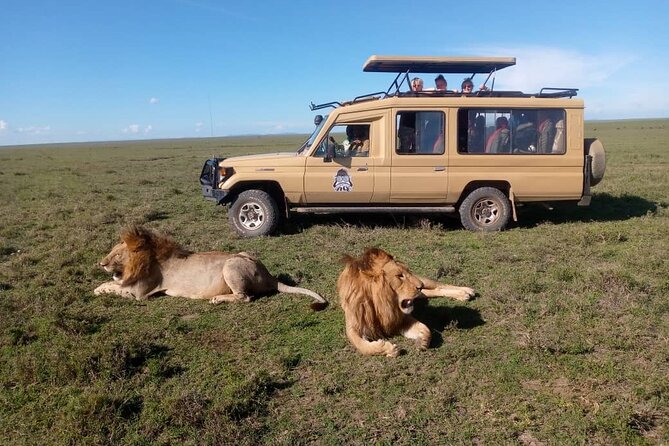
Three parks, three very different moods. This compact Tanzania safari gives you forest at Lake Manyara, the wildlife-packed Ngorongoro Crater, and elephant country in Tarangire, all from Arusha in three days. The small maximum of six people helps keep the outing personal, while a driver and chef handle the hard work.
I especially like the strong variety of scenery and wildlife packed into a short trip, and the fact that meals are prepared during the safari rather than leaving you to sort out food each day. The chance to complete the Big Five is another major draw, though it is never guaranteed. My main caution is the pace: two long driving days and early starts leave little room for rest, and accommodation and meal quality may not be perfectly consistent.
In This Review
- Key points at a glance
- Why this three-day route works
- Day 1: Lake Manyara’s forest and lakeshore
- Day 2: Ngorongoro Crater’s concentrated wildlife
- Day 3: Tarangire and its giant baobabs
- The driver and chef make a real difference
- Is $735 a fair price?
- Who should book this safari?
- FAQ
- Where does the safari start?
- Where does the safari end?
- How many people can join the tour?
- How long is the safari?
- Which parks are included?
- Can I see the Big Five?
- Are meals provided?
- Can I cancel for a full refund?
- Should you book it?
Key points at a glance
- Three major parks in three days: Lake Manyara, Ngorongoro Crater, and Tarangire each offer a different setting and animal mix.
- Small group size: The tour accepts no more than six people, a useful balance between shared-safari savings and a less crowded vehicle.
- Big Five possibility: Lion, rhino, leopard, elephant, and Cape buffalo may all appear, though wildlife sightings depend on luck and conditions.
- A skilled two-person team: The driver and chef receive the strongest praise, with specific positive comments about the guiding, meals, and organization.
- Arusha pickup and return: Pickup begins at 8:30 AM near Shoppers Supermarket, with return to your preferred Arusha location around 6 PM on the final day.
- Price and flexibility: At $735 per person, the value depends heavily on what accommodation, meals, park fees, and transport are included in your booking.
Why this three-day route works
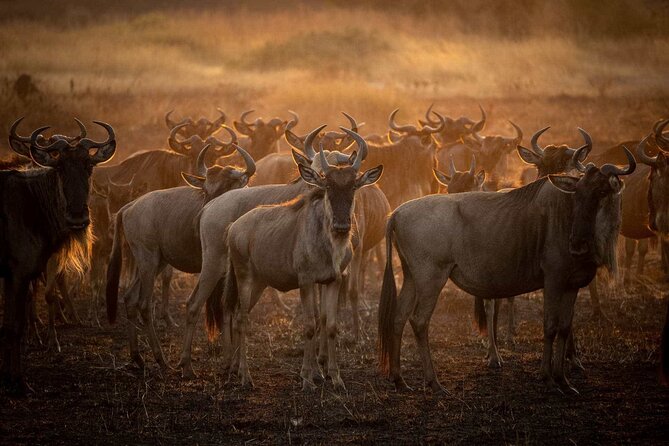
This route is smart for you if your Tanzania plans are tight. Instead of spending several days in one park, you get three distinct wildlife areas in quick succession. Lake Manyara is wooded and atmospheric, Ngorongoro offers a concentrated animal spectacle, and Tarangire brings broad views, baobabs, and large elephant herds.
The tradeoff is time. This is not a slow safari with long afternoons at camp. You leave Arusha, spend hours on game drives, transfer between parks, and finish by returning to the city. I would choose it for a first taste of northern Tanzania or a trip built around a limited schedule. If you want long, quiet hours watching one pride of lions or waiting patiently for a leopard, a longer safari would suit you better.
The six-person maximum matters. A shared vehicle can be a good deal, but large groups often mean more opinions about where to stop and how long to stay. With up to six people, the driver has a better chance of keeping the day moving while still allowing time for photos and animal sightings.
More Safaris in Arusha
- Serengeti Balloon Safari and authentic bush breakfast
★ 5.0 · 2,480 reviews - Balloon Safari & Bush Breakfast in Serengeti – Miracle Experience
★ 5.0 · 1,646 reviews - 4 Days Group Camping Safari
★ 5.0 · 1,101 reviews
Day 1: Lake Manyara’s forest and lakeshore
The first morning starts with pickup at 8:30 AM from your hotel or meeting point in Arusha. The stated meeting point is Shoppers Supermarket, so confirm the exact pickup arrangement before departure. You travel with a picnic lunch and spend about six hours on the game drive.
Lake Manyara National Park makes a fine opening act because it changes quickly as you enter. Acacia and mahogany trees create a shaded, green setting that feels very different from the open plains many people picture when they think of safari. Baboons and blue monkeys are among the animals you may spot in the woodland, along with giraffes, impalas, and buffaloes.
The famous attraction here is the tree-climbing lion. The name creates high expectations, but sightings are a matter of luck. Keep your eyes on the branches as well as the ground, and listen to your guide’s advice. A lion resting high in a tree is a memorable sight, but you should not treat it as a guaranteed part of the day.
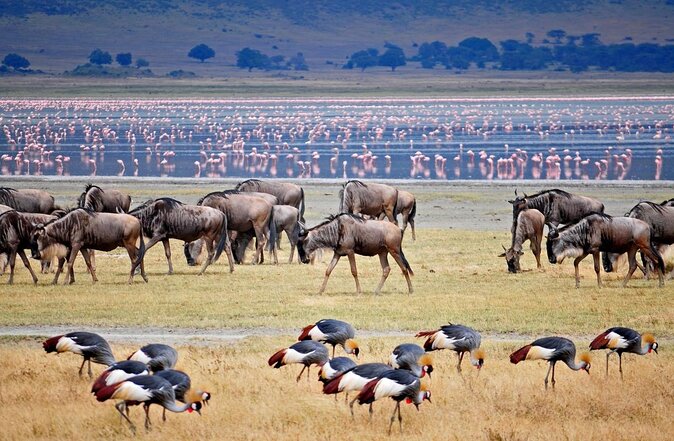
The lake adds birds and seasonal color. At the right time of year, flamingos may gather along the shoreline in such numbers that the water’s edge appears pink. The timing of that spectacle is not fixed, so the park remains worthwhile even if the flamingos are absent.
You stop for a picnic lunch during the drive, then continue until evening before heading to camp. This is a full first day, especially after the morning departure from Arusha. The advantage is that you make good use of your park time. The drawback is that you may arrive at camp ready for dinner rather than conversation.
The food receives mixed signals in the available feedback. Some praise the chef and describe meals as delicious, while one account raises concerns about meals and accommodation. I would set reasonable expectations for a camping safari and confirm the meal plan and sleeping arrangements before paying.
Day 2: Ngorongoro Crater’s concentrated wildlife
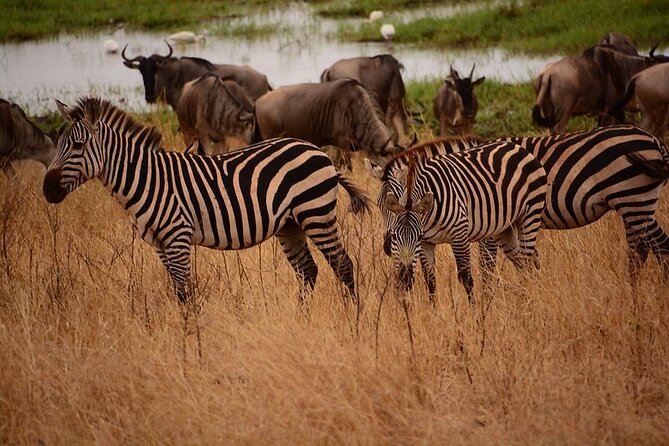
Day two begins with an early breakfast, followed by a descent into the Ngorongoro Crater for about five hours of game viewing. This is the trip’s most tightly packed wildlife day. The crater floor holds a wide mix of animals in a relatively contained area, giving you a strong chance of seeing several species without spending the entire day driving between distant sightings.
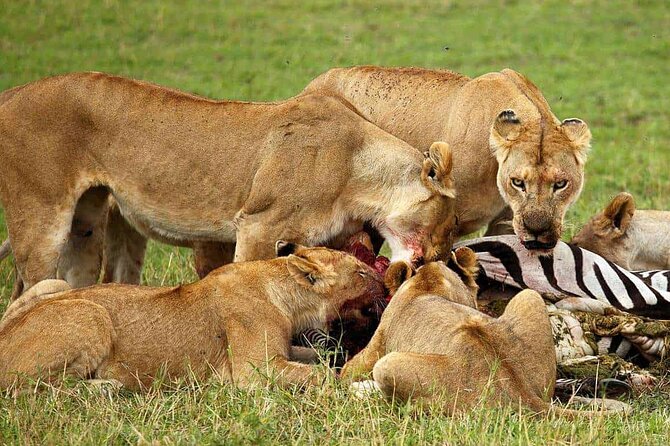
You may see lions, elephants, zebras, hippos, jackals, antelopes, and birds around the crater. Rhinos are also listed among the possible sightings. That makes Ngorongoro the best place on this route to hope for the Big Five, but hope is the right word. No responsible safari operator can promise a leopard or rhino.
Birdlife adds another layer. The list includes eagles, vultures, flamingos, storks, giant vultures, sacred ibises, kori bustards, blacksmith plovers, long-necked herons, and cattle egrets. You do not need to be a bird expert to enjoy this part of the day. Ask the guide to point out the larger or more unusual species, and keep binoculars handy if you have them.
A picnic lunch is scheduled at the Hippo Pool. This is a scenic stop, but stay alert and follow the guide’s instructions around the water. After lunch, the vehicle climbs out of the crater. The ascent is described as steep, followed by about two hours of driving to accommodation in Karatu.
That final transfer is important when judging the pace. The crater game drive lasts about five hours, but the full day is listed at roughly seven hours, and the drive to Karatu adds more time. Dinner is prepared at the accommodation, giving you a welcome chance to eat and rest after the early start.
Ngorongoro is the emotional center of the safari for many people because the setting is so dramatic and the animal count can be high. It is also the day least suited to sleeping in or lingering over breakfast. If you need a relaxed holiday rhythm, this schedule may feel demanding.
Day 3: Tarangire and its giant baobabs
Breakfast comes before an 8 AM departure for Tarangire National Park. The final day includes a half-day game drive, then a drive back toward Arusha with an expected arrival around 6 PM.
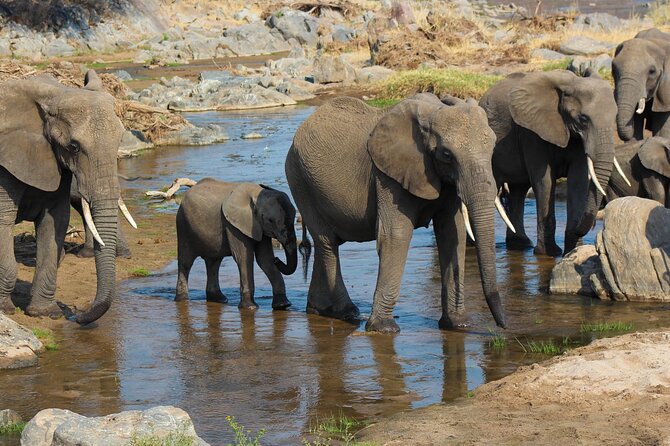
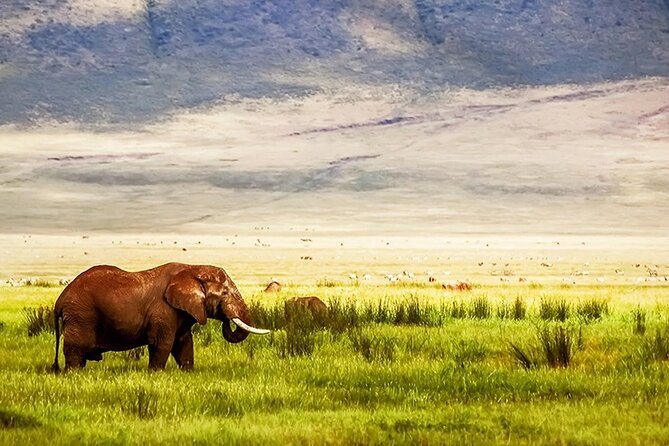
Tarangire is known for its huge baobab trees, which can make elephants, giraffes, and other animals look surprisingly small beneath them. The Tarangire River is the park’s central feature and helps draw wildlife. The park is especially noted for large elephant herds, making this a strong finish if elephants are high on your wish list.
Possible sightings include lions, leopards, cheetahs, lesser kudus, buffaloes, oryx, elands, giraffes, and zebras. The range is impressive, though a half-day cannot cover every corner of the park. I would view this stop as a focused final game drive, not a full exploration.
Tarangire also gives the trip its most distinctive setting. Lake Manyara feels wooded and close, Ngorongoro feels enclosed and wildlife-heavy, while Tarangire opens out around dry country, river corridors, and sculptural trees. That contrast is one of the route’s best features.
The return to Arusha takes up much of the afternoon. You should avoid booking a flight or tightly timed onward connection that evening. The advertised drop-off is at your preferred location in Arusha by about 6 PM, but safari roads and park schedules can affect exact timing.
More ways to see the Ngorongoro Crater:
- 3 Days Serengeti & Ngorongoro Group Camping Safari
★ 5.0 · 574 reviews - 5 Days Camping Tarangire, Serengeti & Ngorongoro crater & Visiting Maasai
★ 5.0 · 229 reviews - 4 Days Join Group tour Tarangire Serengeti and Ngorongoro crater
★ 5.0 · 219 reviews - 4-Day Safari from Arusha: Tarangire, Serengeti and Ngorongoro
★ 5.0 · 173 reviews
The driver and chef make a real difference
The strongest praise centers on the safari team. The driver is described as friendly, well organized, and good at explaining what you are seeing. That matters more than a polished sales pitch. A good guide helps you understand animal behavior, chooses sensible viewing positions, and keeps the day from becoming a blur of names and photos.
The chef also receives repeated praise. Freshly prepared dinners and well-managed picnic lunches can transform a long safari day. You spend many hours in the vehicle, so dependable meals are not a small detail.
One guide connected with the company is named Mashaka, while the safari operator is Adventure HQ Tanzania. A mountain guide named Babaluu also referred one customer to Godfey’s company. The supplied information does not clearly assign each name to every departure, so ask who your actual driver and chef will be before the trip.
The service is presented as friendly and all-inclusive, but the exact package details are not itemized in the information provided. Ask directly about park fees, meals, camping equipment, accommodation category, drinking water, and transfers. That simple check will help you compare the $735 price fairly.
Is $735 a fair price?
At $735 per person, this is not a budget day trip, but a three-day safari through three major northern Tanzania parks involves substantial transport, park access, staff time, meals, and accommodation. The small group limit improves the value because you are not sharing the vehicle with a large crowd.
The price looks most attractive if it includes the major operating costs and you want a short, organized package from Arusha. It is less easy to judge if you must pay extra for several basics. Since the information does not provide a full cost breakdown, I would ask for a written list of inclusions before booking.
The trip also provides value through variety. You see three parks rather than repeating the same type of setting. For a first safari, that range may matter more than spending a fourth day in one location.
Still, value is personal. Someone who wants a quiet camp, polished rooms, or carefully planned menus may find the accommodation and food uneven. Someone who values wildlife time, a small group, and a local operating team may find the package worthwhile.
Who should book this safari?
I would recommend it to you if you want a compact northern Tanzania safari from Arusha, especially if this is your first visit and you want to see several famous parks. It suits people who enjoy early starts, long drives, shared transport, and a full schedule.
It is also a good match if elephants, crater wildlife, and the possibility of the Big Five are priorities. The route gives you several chances at major sightings without requiring a week away from other Tanzania plans.
I would think twice if you dislike changing accommodation, have limited tolerance for rough scheduling, or need guaranteed arrival times. The final drive to Arusha can make the last day feel long, and wildlife sightings remain unpredictable. No safari can promise every animal, even with an excellent guide.
For the best experience, bring patience. A leopard may appear, or it may not. The tree-climbing lions may be resting in plain view, or absent altogether. The strength of this trip is the overall mix: forest, crater, river, baobabs, elephants, birds, and a capable support team.
FAQ
Where does the safari start?
Pickup is offered from your hotel or meeting point in Arusha. The stated meeting point is Shoppers Supermarket, and the start time is 8:30 AM.
Where does the safari end?
The activity ends back in Arusha. On day three, drop-off at your preferred Arusha location is expected at about 6 PM.
How many people can join the tour?
The maximum group size is six people.
How long is the safari?
The experience lasts approximately three days.
Which parks are included?
The route includes Lake Manyara National Park, the Ngorongoro Conservation Area and Crater, and Tarangire National Park.
Can I see the Big Five?
You may see lion, rhino, leopard, elephant, and Cape buffalo, but sightings are not guaranteed. The information specifically describes completing the Big Five as a matter of luck.
Are meals provided?
Picnic lunch is provided during the game drives, and dinner is prepared at the camp or accommodation. The exact meal inclusions should be confirmed before booking.
Can I cancel for a full refund?
Yes. You can cancel at least 24 hours before the experience starts for a full refund. Changes or cancellations made less than 24 hours before the start time are not accepted for a refund.
Should you book it?
Book this safari if you want three major wildlife areas in a short, small-group trip and you are comfortable with early mornings, long drives, and basic camping conditions. The guide and chef appear to be the heart of the experience, while Tarangire’s elephants, Ngorongoro’s crater floor, and Lake Manyara’s forest give you plenty of variety.
Before you commit, confirm the accommodation standard and the full list of included costs. If those details suit your expectations, $735 can be a sensible price for a concentrated introduction to Tanzania’s northern safari circuit.
More Lake Manyara Safaris
- 3 Days Tarangire, Ngorongoro & Lake Manyara Group Camping Safari
★ 5.0 · 102 reviews - 3 Days Private Safari – manyara, Ngorongoro & Tarangire
★ 5.0 · 94 reviews - 3 Days Safari to Tarangire, Ngorongoro & Lake Manyara parks
★ 5.0 · 70 reviews - 05 Days Tarangire, Serengeti, Ngorongoro and Lake Manyara
★ 5.0 · 54 reviews
More Tarangire Safaris
- 5-Day Highlights mid-Range Crater, Serengeti, Tarangire
★ 5.0 · 296 reviews - Private 6-Day Tarangire Manyara Crater and Serengeti with Mid-Range Lodges
★ 5.0 · 238 reviews - 2 Days Tarangire and Ngorongoro Group Camping Safari
★ 5.0 · 146 reviews - 4 Days Tarangire Serengeti Ngorongoro Crater
★ 5.0 · 117 reviews
Just added around Arusha
- 5 Days Safari Tarangire, Serengeti, and Ngorongoro Crater★ 5.0 · 3 reviews
- 5 Days of Safari, Culture & Hot Springs – Tour from Arusha★ 5.0 · 3 reviews
- Love lives in Africa★ 5.0 · 3 reviews
- Arusha National Park Safari by Jeep★ 4.5 · 3 reviews
- 5Days Family _Group Tour Lodging Mid-Range in the Jungle★ 5.0 · 3 reviews
- 2 Days Tarangire and Ngorongoro Crater Tour★ 5.0 · 3 reviews
- Serengeti & Ngorongoro 3 Days Budget Safari★ 5.0 · 3 reviews
- 7 Days PRIVATE Best of Tanzania Safari *Departing everyday*★ 5.0 · 3 reviews
Ngorongoro Crater Tours, compared.

3 Days Serengeti & Ngorongoro Group Camping Safari
Read our review →

5 Days Camping Tarangire, Serengeti & Ngorongoro crater & Visiting Maasai
Read our review →
4 Days Join Group tour Tarangire Serengeti and Ngorongoro crater
Read our review →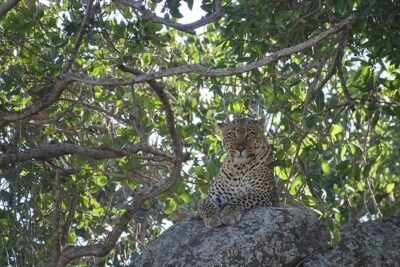
4-Day Safari from Arusha: Tarangire, Serengeti and Ngorongoro
Read our review →
2 Days Tarangire and Ngorongoro Group Camping Safari
Read our review →3 Day Serengeti National Park & Ngorongoro Crater Camping Safari
Read our review →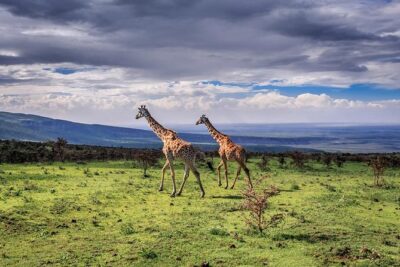
Browse the lists this tour appears in