
Reviewed · NGORONGORO CRATER TOURS
3-Day Tarangire, Ngorongoro and Lake Manyara Camping Safari
Three parks, three very different moods. This $750-per-person safari from Arusha packs Tarangire’s elephants and baobabs, the wildlife-rich Ngorongoro Crater, and Lake Manyara’s forest and bird life into one short trip. Private transport, park fees, meals, and pickup are included, so the price covers much of what usually makes a safari expensive.
I like the strong mix of scenery and wildlife. Tarangire gives you open bush and huge trees, Ngorongoro offers one of Tanzania’s most concentrated wildlife settings, and Lake Manyara adds forest, primates, and birds. I also like the repeated praise for cheerful, capable guides, including Raphael, Rocky, and Isidor on different departures. The main drawback is simple: three major parks in three days means long drives and little spare time.
This is a practical choice if you have only a few days before or after a Kilimanjaro climb, Arusha stay, or other Tanzania plans. Camping keeps the cost below many lodge safaris, but you should confirm the exact campsites and sleeping arrangements before paying. The published details mention Kizumba Camp for some departures, while the route describes nights near Ngorongoro and Mto wa Mbu.
In This Review
- Key points to know before booking
- Why this three-park route works
- Day one: Tarangire’s elephants and baobabs
- Day two: Descending into Ngorongoro Crater
- Day three: Forest, lake, and the road back to Arusha
- Camping, meals, and comfort
- Guides, vehicles, and the human side of the trip
- Is $750 good value?
- Who should choose this safari?
- Should you book it?
- FAQ
- Where does the safari start?
- How much does the safari cost?
- How long does the safari last?
- Which national parks and areas are included?
- Are meals included?
- Is this a private tour?
- Can I cancel for a full refund?
Key points to know before booking
- Tarangire begins with elephants and baobabs: The park is especially good for close elephant sightings around the Tarangire River and seasonal marshes.
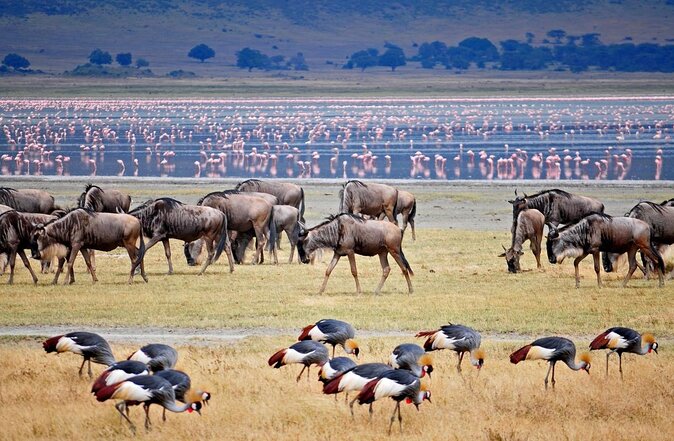
- Ngorongoro is the wildlife centerpiece: The crater floor can produce sightings of lion, elephant, buffalo, rhino, leopard, hyena, and many bird species in a compact area.
- Lake Manyara changes the scenery: You pass through groundwater forest before reaching the lakeshore, with elephants, buffalo, primates, and birds as likely highlights.
- The schedule is tightly packed: Day one and day two each list about eight hours of activity, while day three runs about seven hours.
- Meals are built into the price: Two breakfasts, two lunches, and two dinners are included, with packed lunches used during game drives.
- The guide can make or break the trip: Raphael, Rocky, and Isidor are praised for animal knowledge, good humor, organization, and finding useful viewing positions.
Why this three-park route works
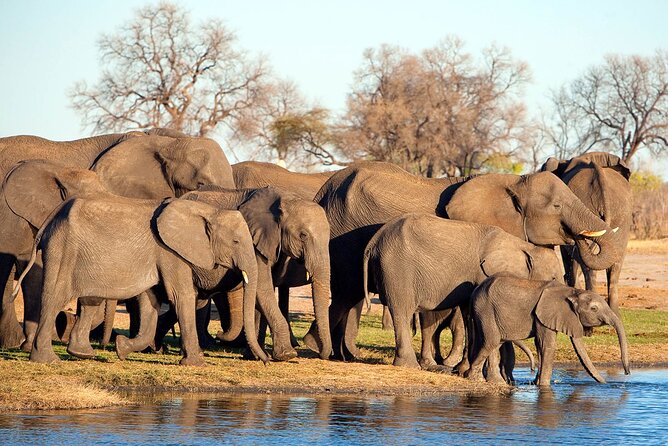
The best feature of this safari is variety. You are not visiting three versions of the same park. Tarangire has dry bush, river country, baobab trees, elephants, and large herds. Ngorongoro feels enclosed and dramatic, with a collapsed volcanic crater forming a natural basin. Lake Manyara brings a greener setting, groundwater forest, a lake edge, monkeys, and birds.
That variety matters on a short safari. If one park is quiet on a particular morning, another part of the route offers a different type of scenery and animal life. You also get a useful introduction to northern Tanzania without committing to a week-long expedition.
The tradeoff is pace. This is not a slow safari built around long afternoons at camp. You will spend a fair amount of time in the vehicle, and the daily schedule leaves little room for delays, extended meals, or relaxed camp time. I would choose it for efficient sightseeing, not for deep rest.
The tour is described as private, with only your group participating. That can be a real advantage. You should have more say in photo stops, questions, and the general rhythm than on a large shared vehicle. Still, some past departures were described as group safaris, so confirm the vehicle arrangement if private travel is important to you.
More Safaris in Arusha
- Serengeti Balloon Safari and authentic bush breakfast
★ 5.0 · 2,480 reviews - Balloon Safari & Bush Breakfast in Serengeti – Miracle Experience
★ 5.0 · 1,646 reviews - 4 Days Group Camping Safari
★ 5.0 · 1,101 reviews
Day one: Tarangire’s elephants and baobabs
Pickup is scheduled from the Shoppers Supermarket meeting point in Arusha at 8:00 in the morning, after breakfast. You travel with a packed picnic lunch and head toward Tarangire National Park.
Tarangire is a strong opening act because it looks and feels different from the other two parks. Giant baobabs rise above bush savannah, while seasonal marshes and the Tarangire River draw wildlife when water is scarce elsewhere. The combination gives the park a distinctive sense of place even before you spot an animal.
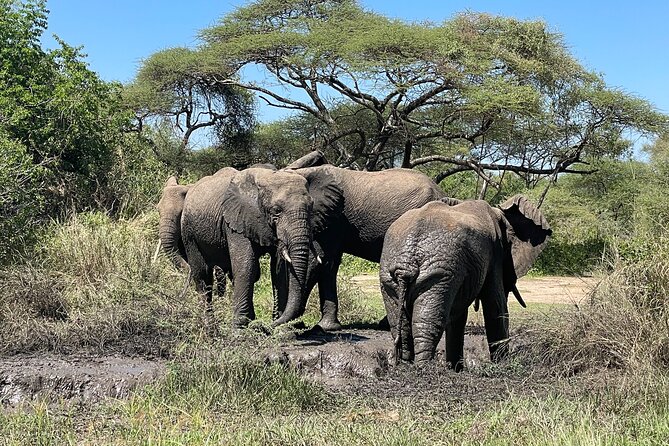
Elephants are the headline attraction. The park is known for large numbers of them, and the route focuses on an elephant habitat along the Tarangire River. You might see elephants close to the vehicle, along with buffalo, zebras, and wildebeests. Lions often follow these herds, while leopards appear from time to time and cheetahs are less common.
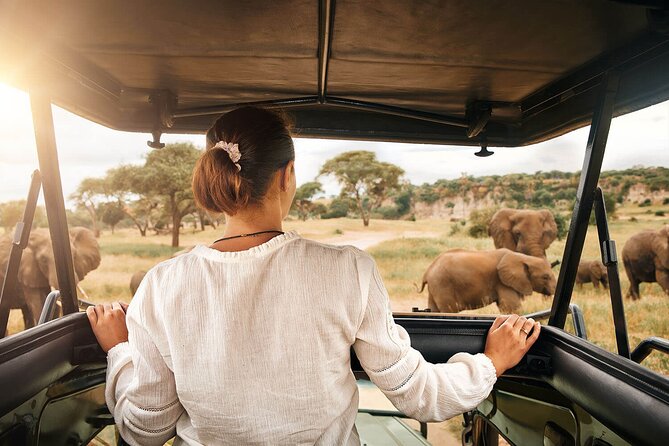
The open-roof safari vehicle is important here. It gives you a broad view above the scrub and makes it easier to scan for animals and birds. It also means you should prepare for sun, dust, and changing temperatures. Bring a hat, sunscreen, a light layer, and a camera strap or small bag that will not become a nuisance inside the vehicle.
The planned visit lasts about eight hours. That sounds generous, but it includes game viewing, movement through the park, and the picnic break. A packed lunch is convenient because you do not need to leave the park in search of food, though it also means lunch is part of the day’s outdoor rhythm rather than a long sit-down stop.
Tarangire is often the day when the safari starts to feel real. Baobabs provide memorable photographs, while elephants give you an immediate connection with the park. If you care most about big cats, keep expectations sensible. Lions are possible, but leopards and cheetahs are not guaranteed.
The first night is described as being in the Ngorongoro area, and the package includes dinner. Exact camping details are not fully specified. Kizumba Camp is named in some trip feedback, with one person describing two nights there and feeling at home, but you should ask the operator which camp applies to your departure.
Day two: Descending into Ngorongoro Crater
After breakfast, you drive to the Ngorongoro main gate and descend to the crater floor for a game drive around 9:00 in the morning. This is the visual high point of the route. From the rim, the vast caldera opens below you, with grassland, woodland, water, and wildlife gathered inside a dramatic volcanic setting.
Ngorongoro is valuable because the crater concentrates a large amount of wildlife in a relatively compact area. The supplied details cite more than 25,000 mammals and over 500 bird species in the wider area. Possible sightings include lion, elephant, buffalo, rhino, leopard, spotted hyena, and many other animals.
This is also the park with the best chance of seeing a broad selection of large mammals in one day. Some departures have been lucky enough to see the Big Five in three days, but that should be treated as good fortune rather than a promise. Rhino and leopard sightings are never something a responsible safari company can guarantee.
Your game drive continues through the morning, with a packed lunch around 1:30 in the afternoon. Departure from the crater is planned for about 3:00. That creates a useful balance: you have the main morning viewing period, lunch inside the park, and time for a final look before climbing out.
The crater can feel busy at popular viewing points, especially compared with a remote private reserve. That is part of the price of visiting one of Tanzania’s best-known wildlife areas. The reward is the chance to see many animals in a setting that is hard to confuse with anywhere else.
The timing also deserves attention. The route describes day two as roughly eight hours, but the whole day involves breakfast, the drive to the gate, the descent, game viewing, lunch, and the climb out. You should expect a full day, not eight uninterrupted hours of watching animals.
The most valuable part of the guide’s role comes here. A good guide can explain animal behavior, identify birds, keep an eye on radio information, and position the vehicle for a clear view without turning the experience into a rushed hunt for sightings. Past departures praised Raphael and Rocky for organization, humor, explanations, and finding good photo positions. Guide assignments can change, so ask who will lead your trip.
After leaving the crater, the route continues toward Mto wa Mbu, where the second night is described. Again, confirm the exact accommodation and whether tents, beds, bathrooms, and camp services match your expectations. The package includes dinner, but alcohol is not included.
Day three: Forest, lake, and the road back to Arusha
The final morning starts around 9:00 after breakfast. You head to Lake Manyara National Park, passing through the cool shade of groundwater forest before reaching the lakeshore.
This is a welcome change after the open country of Tarangire and the broad crater views. The forest gives the drive a greener, more enclosed feel, and it can be especially pleasant during the morning. The park is famous for tree-climbing lions, though the more realistic expectation is to see elephants, buffalo, primates, and abundant bird life.
Lake Manyara is a good reminder that safari is not only about lions and elephants. The park’s forest habitat supports monkeys and other primates, while the lake and surrounding wetlands attract many birds. You might find this stop less dramatic than Ngorongoro, but it adds another ecological setting to the trip.
The schedule calls for a packed lunch around noon, followed by departure in the early afternoon and the drive back to Arusha. The full day is listed at about seven hours. Since the activity ends at the original meeting point, the Shoppers Supermarket in Arusha, you can plan your next arrangements from there, but allow flexibility for road and park delays.
Lake Manyara’s position at the end has both strengths and weaknesses. It gives you a final wildlife stop before returning to town, which is efficient. On the other hand, the drive back after a morning game drive can make the final day feel long. If you are catching a flight or connecting with another fixed-time activity, ask the operator for a realistic return estimate.
More ways to see the Ngorongoro Crater:
- 3 Days Serengeti & Ngorongoro Group Camping Safari
★ 5.0 · 574 reviews - 5 Days Camping Tarangire, Serengeti & Ngorongoro crater & Visiting Maasai
★ 5.0 · 229 reviews - 4 Days Join Group tour Tarangire Serengeti and Ngorongoro crater
★ 5.0 · 219 reviews - 4-Day Safari from Arusha: Tarangire, Serengeti and Ngorongoro
★ 5.0 · 173 reviews
Camping, meals, and comfort
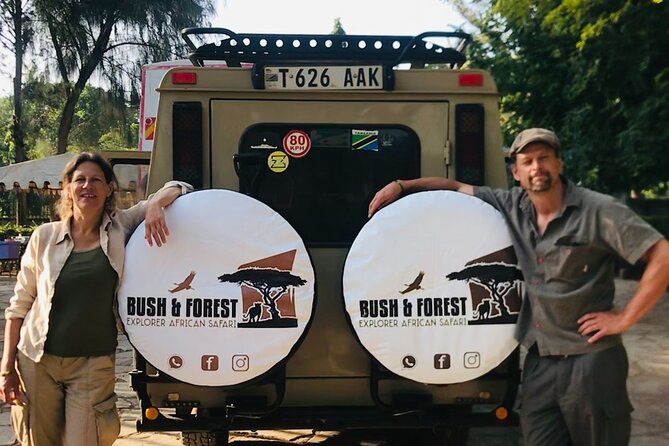
Camping is the reason this safari costs less than many lodge-based packages, but it is also the part you should clarify most carefully. The information confirms two breakfasts, two lunches, and two dinners, plus picnic lunches during park days. It does not provide a full description of tent size, bedding, showers, toilets, electricity, or camp staffing.
Some departures used Kizumba Camp, and the accommodation received strong praise for comfort and a welcoming feel. That does not necessarily mean every departure uses the same camp, so get the name and facilities in writing.
Food appears to be a strong point. Several comments praise the lunches or hot meals as delicious and sufficient. This matters on safari, where a small meal can leave you uncomfortable during a long afternoon in the vehicle. The package does not include alcohol, so budget separately if you want drinks beyond what is provided.
You should also ask about water, although the supplied information does not state that it is included. The same applies to sleeping bags, towels, charging points, and personal camping equipment. These are not small matters when you are spending two nights away from a hotel.
Guides, vehicles, and the human side of the trip
The repeated praise for the guiding is one of the strongest reasons to consider this safari. Guides described as Raphael or Rafael, Rocky, and Isidor were praised for good humor, safe organization, animal explanations, and helping with photo views.
Names may vary by departure, but the pattern tells you what to value. You want a guide who can explain what you are seeing, answer questions without rushing you, and keep the day enjoyable during long drives. A cheerful personality matters too. Safari includes plenty of time in the vehicle, and a silent or impatient guide can make that time feel much longer.
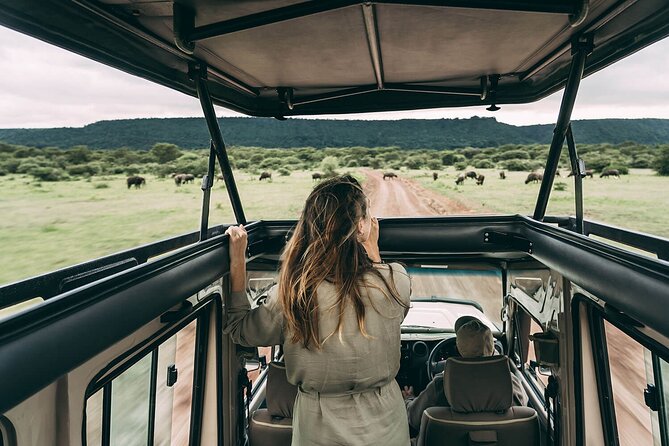
The vehicle is described as a safari car with an open roof. That design helps with viewing and photography, and one departure was specifically described as comfortable. Still, the listing does not specify the number of seats, vehicle model, charging facilities, or whether every departure uses the same setup.
Because this is described as a private activity, ask how many people will be in your group and whether the vehicle is reserved only for you. That answer affects comfort, photo access, and how easily you can adjust the pace.
Is $750 good value?
At $750 per person, this is not a bargain-basement day trip, but it can be good value for a three-day northern Tanzania safari. The price includes private transportation, taxes and fees, two breakfasts, two lunches, and two dinners. It also covers access to three major parks, where entry and conservation costs can make up a large part of a safari budget.
The value improves if you want to avoid organizing separate transfers, park entries, meals, and camping nights. A private vehicle and guide also give you a more personal experience than a large shared excursion, assuming the private arrangement is confirmed.
The price is less attractive if you expect lodge-level comfort, a slow schedule, or every camping detail to be handled without questions. Ask about the exact accommodation, group size, drinks, water, and equipment before booking. Clear answers will tell you whether the package fits your idea of camping.
I would also compare the cost with a two-day version if your schedule is tight, or a longer safari if wildlife is your main reason for visiting Tanzania. Three days gives you impressive variety, but longer trips reduce the pressure to move on just as a good sighting begins.
Who should choose this safari?
I would recommend it to you if you want a first taste of northern Tanzania and have only a long weekend or three free days. It suits people who value variety, wildlife, and practical planning more than polished luxury.
It is also a good fit for couples, friends, or families who want a private vehicle and are comfortable with full days on the road. The route works particularly well before or after time in Arusha, since pickup and return are both tied to the city.
You may want another option if you dislike camping, need a slow pace, or have a strict flight departure immediately after the final day. You should also think twice if a single animal, such as cheetah or tree-climbing lions, is your main goal. Wildlife is wild, and this route offers possibilities rather than guarantees.
The free cancellation policy allows a full refund when you cancel at least 24 hours before the start time. Cancellations or changes inside that window are not refunded or accepted.
Should you book it?
Book this safari if you want maximum variety in minimum time. Tarangire brings elephants and baobabs, Ngorongoro delivers the strongest concentration of large mammals, and Lake Manyara supplies forest, primates, and birds. The package includes the major practical costs, and the guiding appears to be a real strength.
Before you commit, confirm the campsite, bedding, bathroom setup, group size, guide assignment, and what drinking water or camping equipment you must provide yourself. If those details suit you, $750 can buy a very full and memorable introduction to Tanzania. If you want more comfort or more time with each park, spend extra days rather than trying to stretch this compact route further.
FAQ
Where does the safari start?
The meeting point is Shoppers Supermarket in Arusha, Tanzania. Pickup is offered, and the activity ends back at the same meeting point.
How much does the safari cost?
The listed price is $750 per person.
How long does the safari last?
The experience lasts approximately three days. The listed activities run for about eight hours on day one, eight hours on day two, and seven hours on day three.
Which national parks and areas are included?
The route includes Tarangire National Park, the Ngorongoro Conservation Area and Crater, and Lake Manyara National Park.
Are meals included?
Yes. The package includes two breakfasts, two lunches, and two dinners. Picnic lunches are used during the game-drive days.
Is this a private tour?
Yes. The activity is described as private, with only your group participating.
Can I cancel for a full refund?
Yes, if you cancel at least 24 hours before the experience start time. Cancellations made less than 24 hours before the start time are not refunded, and changes within that period are not accepted.
More Lake Manyara Safaris
- 3 Days Tarangire, Ngorongoro & Lake Manyara Group Camping Safari
★ 5.0 · 102 reviews - 3 Days Private Safari – manyara, Ngorongoro & Tarangire
★ 5.0 · 94 reviews - 3 Days Safari to Tarangire, Ngorongoro & Lake Manyara parks
★ 5.0 · 70 reviews - 05 Days Tarangire, Serengeti, Ngorongoro and Lake Manyara
★ 5.0 · 54 reviews
More Tarangire Safaris
- 5-Day Highlights mid-Range Crater, Serengeti, Tarangire
★ 5.0 · 296 reviews - Private 6-Day Tarangire Manyara Crater and Serengeti with Mid-Range Lodges
★ 5.0 · 238 reviews - 2 Days Tarangire and Ngorongoro Group Camping Safari
★ 5.0 · 146 reviews - 4 Days Tarangire Serengeti Ngorongoro Crater
★ 5.0 · 117 reviews
Just added around Arusha
- 5 Days Safari Tarangire, Serengeti, and Ngorongoro Crater★ 5.0 · 3 reviews
- Love lives in Africa★ 5.0 · 3 reviews
- 5 Days of Safari, Culture & Hot Springs – Tour from Arusha★ 5.0 · 3 reviews
- Arusha National Park Safari by Jeep★ 4.5 · 3 reviews
- 5Days Family _Group Tour Lodging Mid-Range in the Jungle★ 5.0 · 3 reviews
- Serengeti & Ngorongoro 3 Days Budget Safari★ 5.0 · 3 reviews
- 2 Days Tarangire and Ngorongoro Crater Tour★ 5.0 · 3 reviews
- 7 Days PRIVATE Best of Tanzania Safari *Departing everyday*★ 5.0 · 3 reviews
Ngorongoro Crater Tours, compared.

3 Days Serengeti & Ngorongoro Group Camping Safari
Read our review →

5 Days Camping Tarangire, Serengeti & Ngorongoro crater & Visiting Maasai
Read our review →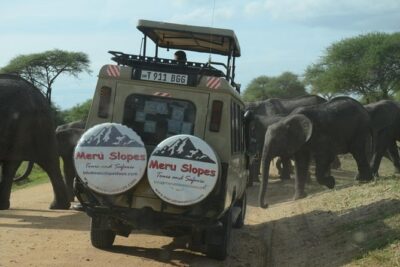
4 Days Join Group tour Tarangire Serengeti and Ngorongoro crater
Read our review →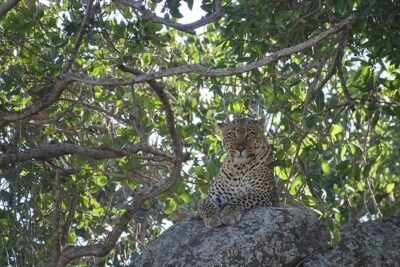
4-Day Safari from Arusha: Tarangire, Serengeti and Ngorongoro
Read our review →
2 Days Tarangire and Ngorongoro Group Camping Safari
Read our review →3 Day Serengeti National Park & Ngorongoro Crater Camping Safari
Read our review →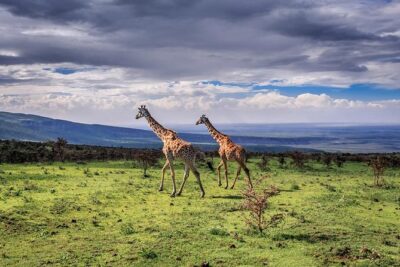
Browse the lists this tour appears in