
Reviewed · SERENGETI SAFARIS
3 Days Exploring Serengeti & Ngorongoro Crater from Arusha
Three days can deliver a very big safari. This private African Diurnal Safaris trip combines the open plains of Serengeti National Park with the wildlife-packed Ngorongoro Crater, giving you two very different settings in one fast-moving journey. I like the chance to see lions, elephants, buffalo, zebra, hippos, hyenas, and perhaps rhino, while a professional English-speaking guide handles the driving and animal spotting.
I also like that park fees, meals, camping gear, and a guide-driver and cook are included in the $2,190 price. The main drawback is the pace: getting from Kilimanjaro Airport or the Arusha area to the Serengeti takes a long time, so you should expect substantial road travel and limited downtime.
In This Review
- Key points at a glance
- Why this safari works in only three days
- Day one: the long road to Serengeti National Park
- Day two: a second look at the Serengeti
- Day three: an early descent into Ngorongoro Crater
- What the $2,190 price really covers
- The guide can make or break the experience
- Sleeping, eating, and packing for the route
- Who should book this safari
- Booking details worth confirming
- Should you book the Serengeti and Ngorongoro trip?
- FAQ
- Where does the safari start?
- How long is the safari?
- Is this a private safari?
- Are meals included?
- Is camping equipment provided?
- Are park fees included?
Key points at a glance
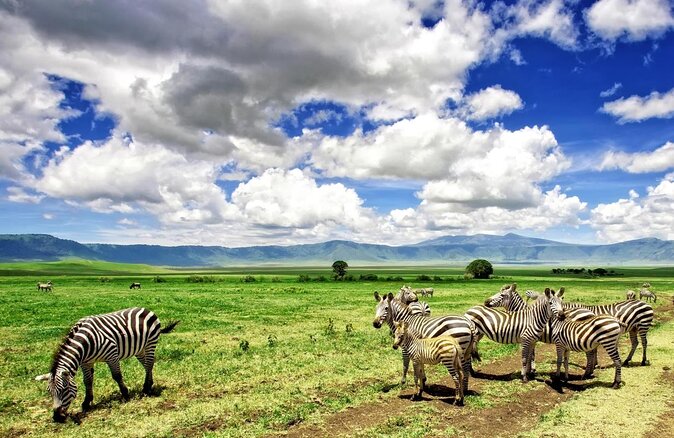
- Two famous wildlife areas in three days: You get game drives across the Serengeti plains and a full crater-floor visit at Ngorongoro.
- Private group format: Only your own party participates, which gives you more say over questions, photo stops, and the pace of the day.
- Strong guide praise: Guides named in the feedback include Elisante, Samson, and an escort driver praised for patience and careful attention to animal sightings.
- Camping equipment is supplied: A mattress, sleeping bag, and pillow are included, which reduces the amount of bulky gear you need to pack.
- The airport pickup needs careful planning: The stated start point is Kilimanjaro Airport at 7:00 a.m., while the trip is described as departing from Arusha.
- A costly but substantial package: At $2,190 per person, the value depends heavily on your accommodation level, group size, and how the final night is arranged.
Why this safari works in only three days
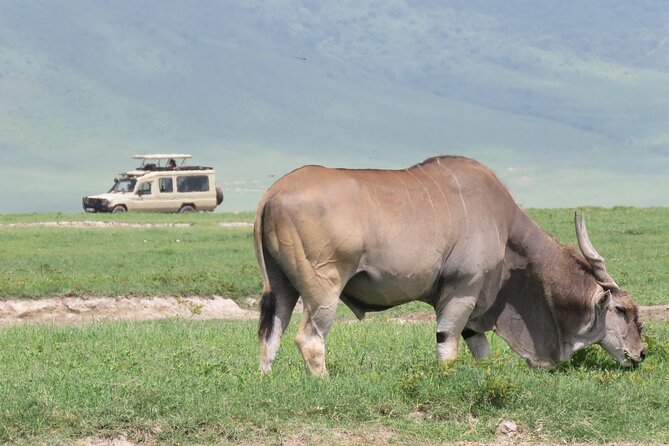
This trip is built around wildlife, not leisurely road stops. You leave early, spend much of the first two days in or near the Serengeti, then finish with an early crater descent before returning to Arusha.
That compressed schedule has a clear advantage. You do not spend three days in just one park hoping conditions improve. The Serengeti gives you enormous open spaces and the possibility of predator sightings, while Ngorongoro offers a concentrated wildlife experience inside a volcanic caldera.
The trade-off is equally clear. The Serengeti is far from the Kilimanjaro Airport area, and one piece of feedback specifically warns that the drive from the airport to the park is long. If you dislike long vehicle transfers, add more days or arrange a separate overnight near the park. If your priority is seeing two headline destinations with limited holiday time, this format makes sense.
Because this is a private safari, you are not sharing the vehicle with unrelated participants. That matters more than it may sound. You can ask your guide to explain animal behavior, request a better viewing angle when conditions allow, and discuss how much time you want to spend at a sighting.
More ways to see the Ngorongoro Crater:
- Safari Serengeti And Ngorongoro
★ 5.0 · 288 reviews - Serengeti, Ngorongoro and Tarangire 4 Days Safari
★ 5.0 · 59 reviews - 5 Days Camping Tarangire, Serengeti & Ngorongoro crater & Visiting Maasai
★ 5.0 · 58 reviews
Day one: the long road to Serengeti National Park
The first morning begins with breakfast and an early departure. The published meeting time is 7:00 a.m. at Kilimanjaro Airport, although the trip is also described as beginning from Arusha. Confirm your exact pickup point before paying for flights or arranging a hotel, since Moshi, Arusha, and the airport are separate bases for planning purposes.
The route passes through the Ngorongoro Conservation Area before reaching the Serengeti. Even before the first game drive, this transfer gives you a sense of northern Tanzania as a connected wildlife region rather than a series of isolated attractions.
Olduvai Gorge is offered as an optional stop. If you have a strong interest in human origins and archaeology, it can add useful context to the route. If wildlife is your main goal, you may prefer to keep moving, since every optional stop reduces time available for the park.
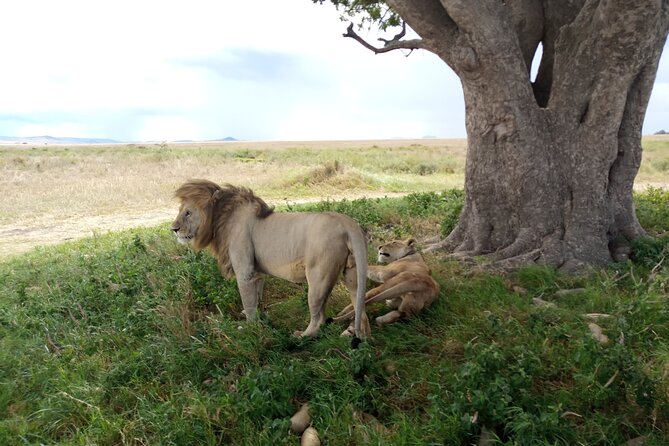
Once you reach the Serengeti, the focus shifts to the game drive. The park is famous for broad plains, large herds, predators, and the annual movement of wildebeest. The information provided also mentions Nile crocodiles, along with the chance to see lion, elephant, leopard, buffalo, and other animals.
The day is scheduled to end around 6:30 p.m., near sunset, with dinner and an overnight at a lodge or camp. That wording matters. A lodge and a tented camp can offer very different comfort levels, so ask exactly what accommodation is included before booking. Camping gear is supplied, including a mattress, sleeping bag, and pillow, but the package details do not identify the specific property or tent standard.
Day two: a second look at the Serengeti
A second Serengeti game drive is the heart of day two. This is one of the better features of the plan. One short drive can produce a memorable sighting, but another full session gives your guide more time to search different areas and respond to fresh information about animal locations.
The guide quality is especially important here. Elisante is praised for bringing animals close to the vehicle, while Samson receives praise for his care and ability to explain what you are seeing. Another escort driver is described as patient and attentive to what the group wanted to see. Those details suggest that the best part of the experience may be the human guidance, not simply the route itself.
You should still keep expectations sensible. Wildlife is unpredictable, and no three-day schedule can promise every famous animal. The trip presents the Great Migration as a major attraction, but the migration changes location throughout the year. Ask about your travel dates if witnessing the herds is the main reason you are booking.
In the afternoon, you travel toward Ngorongoro. Olduvai Gorge is again listed as an optional stop, as is a Maasai village. These additions can broaden the trip beyond animal sightings, but neither is guaranteed in the base plan. Ask whether extra fees apply and how much time each stop takes.
The overnight location is on the crater rim, with a view toward the crater floor. That is a fine positioning choice because it puts you near the next morning’s descent. It also creates a memorable contrast: you end the day above the caldera and begin the next one at its floor.
Day three: an early descent into Ngorongoro Crater
The final morning starts early with breakfast, followed by a descent into Ngorongoro Crater. The early start is practical rather than glamorous. You want as much time as possible on the crater floor, and the schedule also requires a long return to Arusha later in the day.
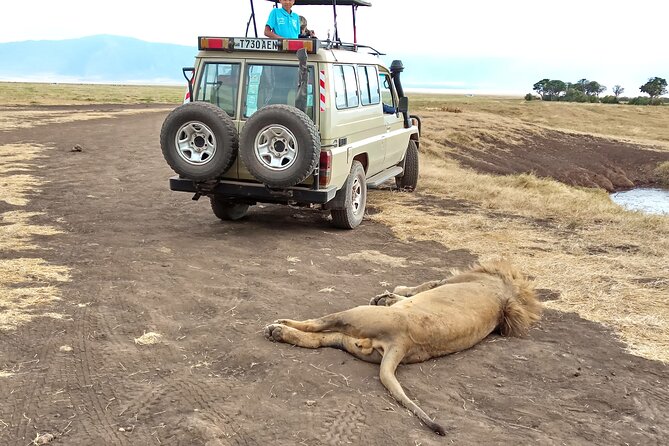
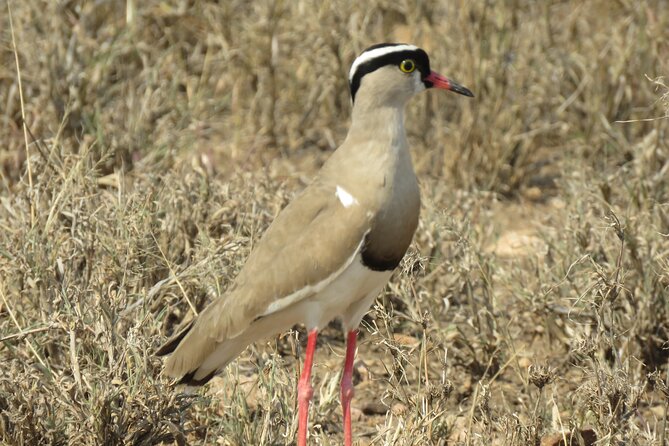
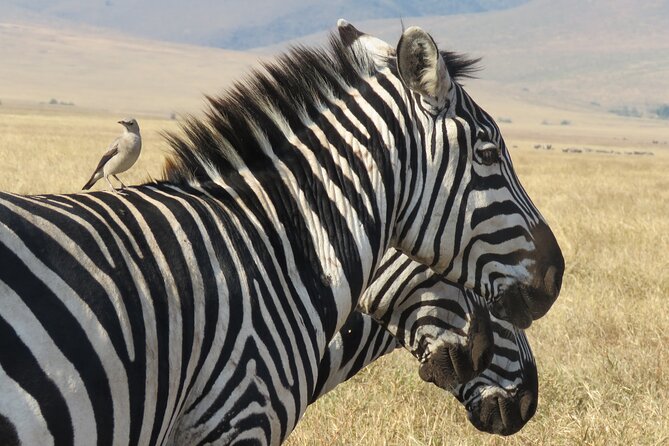
Ngorongoro offers a different kind of safari setting from the Serengeti. Instead of endless open plains, you spend the morning inside a natural caldera with a concentrated mix of wildlife. The plan highlights lion, buffalo, elephant, rhino, zebra, hippo, wildebeest, hyena, and many bird species.
The wording does not promise sightings of every animal, and you should treat the Big Five as a possibility rather than a guarantee. Still, the crater is an efficient place to search because many species live within the same enclosed area. That makes the day especially appealing if you have limited time and want a strong chance of seeing several major animals.
The birdlife adds variety. Flamingos are associated with Soda Lake, while geese, storks, and vultures are also listed. If you enjoy photography, the crater offers more than large mammals, but the exact birds and water conditions will vary.
Lunch is served at the picnic area near Ngoitoktok Swamp, described as a hippo pool. This is not simply a meal break. It places you in a setting where the surrounding water and wildlife remain part of the experience. Follow your guide’s instructions closely around the pool and do not wander away from the designated area.
After lunch, the plan sends you directly back to Arusha. The listed driving and activity time is about five hours, but the overall day can feel longer once you include the early start, crater roads, lunch, and return transfer. You may be scheduled for dinner and an overnight at a lodge in Arusha, yet the included items list only two dinners and excludes accommodation and meals for the night before and after the safari. Clarify whether that final night is included or simply suggested in the schedule.
More Serengeti safaris to compare:
- 4 Days Group Joining Camping Safari to Tarangire Serengeti Ngorongoro Crater
★ 5.0 · 50 reviews - 4 Day Private Tour Throughout Tarangire, Serengeti and Ngorongoro
★ 5.0 · 42 reviews - 7 Days Safari. Serengeti, Tarangire, Lake Manyara & Ngorongoro Crater.
★ 5.0 · 34 reviews - Safari in Tanzania 5 days: Manyara, Ngorongoro, Serengeti
★ 5.0 · 29 reviews
What the $2,190 price really covers
At $2,190 per person, this is not a budget outing. The value improves if your price includes a private vehicle, a strong guide, park fees, meals, and suitable lodging across the route.
Included costs are:
- All park fees and taxes
- A professional guide-driver
- A professional cook
- Two breakfasts
- Three lunches
- Two dinners
- Camping equipment, including a mattress, sleeping bag, and pillow
Park fees are a major part of any northern Tanzania safari budget, so having them bundled makes planning easier. Meals also reduce the need to carry food during long drives.
The private format can improve the value for a small group. If you are sharing the cost with family or friends, you may get a more personal experience than on a large scheduled departure. If you are booking alone, the per-person price feels harder to justify unless the accommodation and vehicle standard are strong.
The biggest pricing question is lodging. The description allows for a lodge or camp but does not name the properties. Ask for the accommodation names, room or tent arrangements, and whether the final Arusha night is included. Also ask if Olduvai Gorge and the Maasai village are included or optional extras.
Tips, personal items, optional activities, flights, and accommodation and meals before and after the safari are not included. Build those costs into your total budget rather than treating $2,190 as the final amount.
The guide can make or break the experience
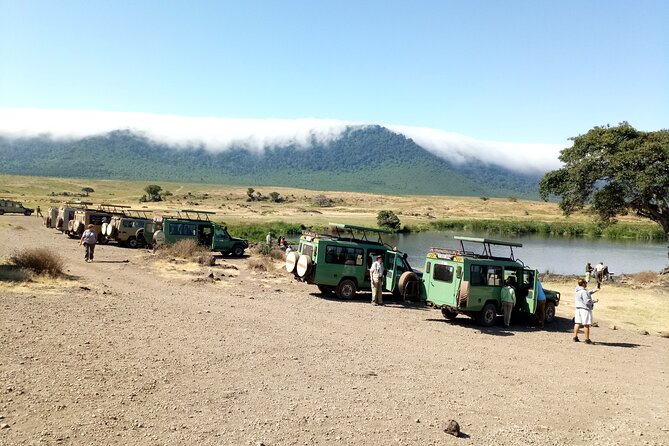
A safari vehicle gets you into the park, but the guide shapes what you notice. The strongest praise attached to this trip concerns patient, attentive guiding and good animal-spotting skills.
Elisante is singled out for finding animals close to the vehicle. Samson is praised for his care and for helping make a family safari memorable. Another guide is described as patient and focused on showing the animals the group most wanted to see.
Those comments point to useful questions before departure. Ask who your guide will be, how many people are in your private party, and whether the same guide remains with you for the entire route. You should also tell the guide what matters most to you: predators, elephants, birds, migration herds, photography, or cultural stops.
An English-speaking guide is included. The description does not specify the vehicle type, charging facilities, window arrangement, or roof design, so ask about those practical points if photography or comfort is important to you.
Sleeping, eating, and packing for the route
The trip supplies basic camping gear, which is helpful if you do not want to carry a sleeping bag through Tanzania. The included mattress and pillow also suggest that camping is a realistic part of the package, even though lodge accommodation is also mentioned.
Pack light but prepare for changing conditions. Useful basics include comfortable clothing, a warm layer for early mornings, sun protection, sturdy shoes, personal medicines, and a small bag for the vehicle. Keep binoculars and a camera within reach, not buried under your luggage.
Meals included are two breakfasts, three lunches, and two dinners. That count fits the main three-day route, but it does not clearly cover every meal connected with an additional night in Arusha. Confirm the food plan if you have allergies or dietary requirements, since no special-meal information is provided.
Who should book this safari
I would consider this trip for someone who wants the Serengeti and Ngorongoro Crater in one compact package, values a private group, and accepts long drives as part of the price of reaching these parks.
It is also a good match for families or friends who can share the private vehicle cost. The guide feedback suggests a caring approach that suits people who want explanations and patient wildlife viewing rather than a rushed checklist.
I would hesitate if you want slow mornings, guaranteed luxury accommodation, or a generous amount of time in each park. Three days gives you a strong sample, but it leaves little room for delays, poor weather, or a missed animal sighting.
The trip may also be less suitable if your flight schedule is tight. The published pickup is at Kilimanjaro Airport at 7:00 a.m., and the route to the Serengeti is long. Give yourself a sensible buffer before an onward flight, especially if the safari ends with a same-day drive back to Arusha.
Booking details worth confirming
Confirmation is provided at booking, and free cancellation is available if you cancel at least 24 hours before the local start time. A cancellation inside that window is not refundable, and late changes are not accepted.
Before you commit, ask for written answers to these points:
- Is pickup at Kilimanjaro Airport, Arusha, or another location near Moshi?
- Is the final night in Arusha included in the $2,190 price?
- Which lodges or camps are used?
- How many people will share the private vehicle?
- Are Olduvai Gorge and the Maasai village extra-cost options?
- Who will be the guide and driver for your dates?
These questions do not spoil the adventure. They prevent an expensive surprise and help you judge the price fairly.
Should you book the Serengeti and Ngorongoro trip?
Book it if you want a focused, private safari with two of Tanzania’s best-known wildlife areas and you are comfortable with long road transfers. The included park fees, meals, camping gear, and personal guide service give the package useful structure, while the praise for guides such as Elisante and Samson is encouraging.
Do not book without clarifying the airport versus Arusha pickup, the accommodation standard, and the final-night arrangements. If those details suit your budget, this three-day route can deliver a memorable introduction to Tanzania. If you have extra time, adding days would make the journey less rushed and give you more chances to enjoy the Serengeti at its full scale.
FAQ
Where does the safari start?
The stated meeting point is Kilimanjaro Airport at 7:00 a.m. The experience is also described as departing from Arusha, so confirm the exact pickup location with African Diurnal Safaris before booking.
How long is the safari?
The experience lasts approximately three days. Day one includes travel to Serengeti National Park and a game drive, day two includes another Serengeti game drive and travel toward Ngorongoro, and day three includes a crater game drive and return travel to Arusha.
Is this a private safari?
Yes. Only your own group participates in the activity.
Are meals included?
Yes. The package includes two breakfasts, three lunches, and two dinners. Meals connected with accommodation before or after the safari are not included.
Is camping equipment provided?
Yes. A mattress, sleeping bag, and pillow are included. The accommodation may be a lodge or camp, so ask for the exact arrangements before departure.
Are park fees included?
Yes. All park fees and taxes are included. Tips, personal items, optional activities, flights, and accommodation and meals before and after the safari are not included.
More Three-Day Trips
- 3-Day Ngorongoro Crater Manyara and Tarangire Safari from Arusha
★ 5.0 · 49 reviews - 3 days Luxury Safari Tour in Tanzania
★ 5.0 · 13 reviews - Latest Updates On The Top Best 3 day Serengeti Migration Safari
★ 5.0 · 9 reviews - Tanzania Classic Safari 3 Days / 2 Nights
★ 4.5 · 9 reviews
Just added around Moshi
- Moshi: Lake Chala Tour: Hiking &/or Kayaking★ 4.5 · 3 reviews
- 3 Days Tanga Exclusive Beach Holiday★ 5.0 · 3 reviews
- Serengeti Wildebeest Migration.★ 5.0 · 3 reviews
- Chemka Hotpsrings E-Bike Day Trip★ 5.0 · 3 reviews
- Explore 1 day Ngorongoro Crater Budget Group Safari from Arusha★ 5.0 · 3 reviews
- Explore the 360° of Kilimanjaro★ 5.0 · 3 reviews
- Affordable Short Tanzania Safari (2 Days Camping Safari)★ 5.0 · 3 reviews
- Rongai Route 7 Days★ 5.0 · 3 reviews
Serengeti Safaris, compared.

Serengeti Balloon Safari and authentic bush breakfast
Read our review →
Balloon Safari & Bush Breakfast in Serengeti – Miracle Experience
Read our review →
3 Days Serengeti & Ngorongoro Group Camping Safari
Read our review →
5-Day Highlights mid-Range Crater, Serengeti, Tarangire
Read our review →


Private 6-Day Tarangire Manyara Crater and Serengeti with Mid-Range Lodges
Read our review →
5 Days Camping Tarangire, Serengeti & Ngorongoro crater & Visiting Maasai
Read our review →Browse the lists this tour appears in