
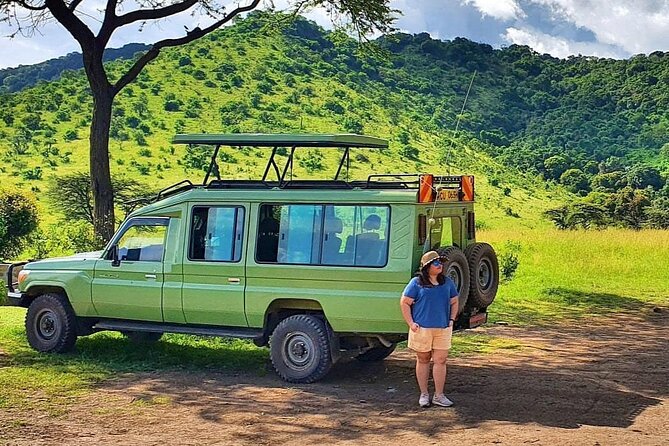
Reviewed · NGORONGORO CRATER TOURS
3-Day Ngorongoro Crater Manyara and Tarangire Safari from Arusha
Three parks, three very different safari days. This three-day camping safari from Arusha packs Tarangire National Park, Ngorongoro Crater, and Lake Manyara into a fast-moving introduction to northern Tanzania. I like the variety, since you get elephants and baobabs in Tarangire, crater wildlife in Ngorongoro, and a final game-viewing day at Manyara without arranging separate transport or camps.
I also like the practical pricing. At $700 per person, the package includes park fees, transport, game drives, camping equipment, two nights of accommodation, drinks, and all nine listed meals. The main tradeoff is the pace: each day runs about 10 hours, and the order of parks means you spend a great deal of time on the road as well as watching animals.
In This Review
- Key points to know before booking
- Why this three-day route works
- Day 1: Tarangire and the world of elephants
- Day 2: Descending into Ngorongoro Crater
- Day 3: Lake Manyara before the return to Arusha
- Food, camping, and the value of an organized trip
- Guides, drivers, and the human side of the safari
- What $700 includes, and what it does not
- How to prepare for the 10-hour safari days
- Who should book this safari?
- Should you book the three-day route?
- FAQ
- Where does the safari start?
- What time does the safari start?
- Which parks are included?
- How many nights of accommodation are included?
- Are meals included?
- How large is the group?
- What is excluded from the price?
- Can I cancel the booking?
Key points to know before booking
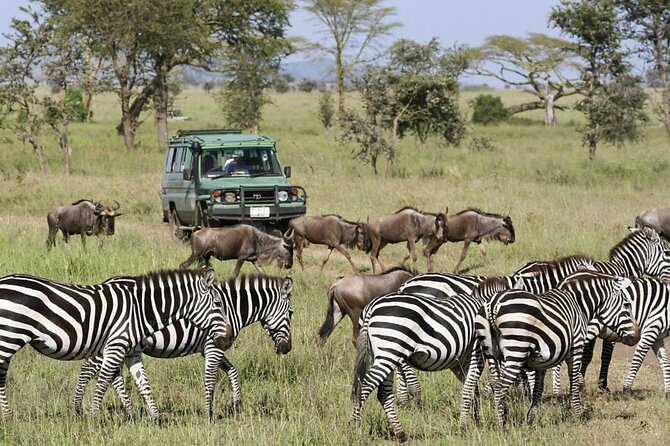
- Tarangire begins the safari with a full game-viewing day, plus excellent chances for elephants and baobab trees.
- Ngorongoro Crater is the centerpiece, with a descent to the crater floor for a concentrated day of wildlife viewing.
- Lake Manyara comes last, followed by the drive back to Arusha, with arrival planned for about 5 p.m.
- All meals and camping arrangements are included, so you do not need to manage food or overnight planning during the trip.
- The group can include up to 15 people, making this more social and less private than a custom safari.
- Named guides and cooks receive repeated praise, including drivers such as Abdul, Gabriel, Joshua, Godwin, and Omari, along with cooks Halidi and Filippo on different departures.
Why this three-day route works
This route gives you a useful sample of northern Tanzania without the cost or time of a longer safari. Tarangire, Ngorongoro, and Manyara are close enough to combine, but they do not feel like copies of one another.
Tarangire is known for its large elephants and distinctive baobab trees. Ngorongoro offers the unusual experience of descending into a broad crater floor where many animals can be seen within a relatively compact area. Lake Manyara gives you another type of park setting and a final chance for game viewing before returning to Arusha.
I would choose this trip if you want a first safari and have only three days available. It is also a sensible option if you are already in Arusha and want the operator to handle park fees, meals, vehicle arrangements, and camping.
The route is less suitable if you want long, quiet mornings or a private vehicle. The maximum group size is 15, and the schedule is tightly packed. You leave at 8:30 a.m. on the first day according to the detailed plan, while the general meeting information gives a 6 a.m. start time. Confirm your exact pickup time before departure, since the two times do not match.
More Safaris in Moshi
- Safari Serengeti And Ngorongoro
★ 5.0 · 288 reviews - Big Five Safari In Tanzania
★ 5.0 · 99 reviews - Unforgettable Tanzania Safari And Zanzibar Beach
★ 5.0 · 97 reviews
Day 1: Tarangire and the world of elephants
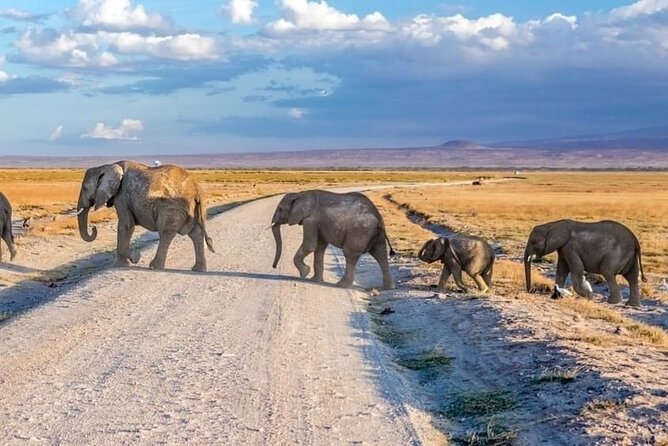
The first scheduled park is Tarangire National Park. After breakfast, you leave Arusha with picnic lunches and spend the day on game drives before continuing to the campsite in the late afternoon.
Tarangire is a strong choice for the opening day. Its elephants and baobabs give you an immediate sense that you are in a very different part of Tanzania. The park is also a good place to begin learning how a safari works: your driver searches for animals, watches the behavior of other vehicles, and positions the vehicle for a better view.
The full-day format matters here. You are not simply stopping at a gate for a quick look around. You have most of the day for game viewing, with a packed lunch carried along so you do not need to return to town. The supplied information specifically highlights elephants, baobab trees, and lions climbing trees as possible safari moments, though animal sightings can never be guaranteed.
A long first day can also be tiring. You leave Arusha in the morning, spend hours on uneven park roads, and reach camp late in the afternoon. If you are prone to motion sickness or simply dislike long vehicle days, bring any medication you normally use and keep water and personal items within reach.
Dinner and overnight camping follow the game drive. Camping equipment and accommodation are included, but the exact campsite style is not specified. I would ask before paying whether the two nights use tents at public campsites or another camping arrangement, and what equipment the operator supplies.
Day 2: Descending into Ngorongoro Crater
Day two begins with an early breakfast, followed by the drive to the Ngorongoro Conservation Area. The main event is the descent into the crater for game viewing, with a picnic lunch served during the day. In the afternoon, you return to camp for dinner and another overnight stay.
Ngorongoro is the most concentrated part of this itinerary. The crater setting gives the day a clear sense of place, and the descent itself is part of the experience. Instead of driving through a broad park for hours in search of wildlife, you spend time on the crater floor, where the route is focused on finding animals and enjoying the views.
This is also the day when a good driver matters most. Several names appear in the company’s recent trip accounts, including Abdul, Gabriel, Joshua, and Omari. Abdul is praised for explaining the region and animals, Gabriel for careful driving, and Omari for sharp spotting skills. You may not receive one of these specific drivers, but the pattern is useful: ask for a guide who will explain animal behavior rather than simply point at animals.
The crater day lasts about 10 hours, so expect another early start and a late return to camp. The schedule gives you a full safari day, but it leaves little room for a slow breakfast, extra rest, or spontaneous changes.
Wildlife success is never certain. Some people on similar departures saw four of the Big Five and missed only the leopard. Others reported seeing the full Big Five on longer Tanzania trips that included Serengeti and Ngorongoro, but that should not be treated as a promise for this route. The leopard is especially unpredictable, and even a skilled guide cannot order one to appear.
Day 3: Lake Manyara before the return to Arusha
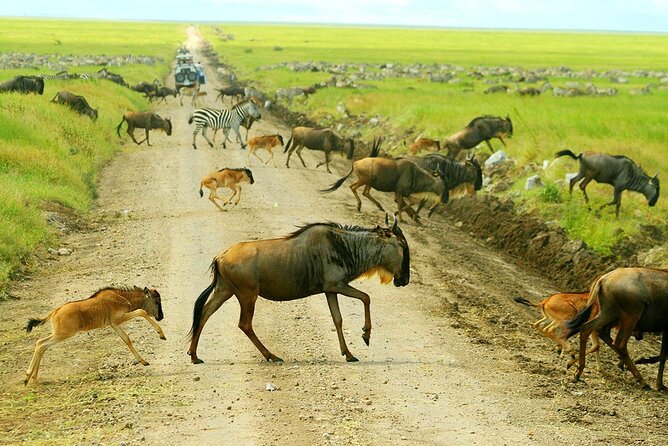
After breakfast, you collect a picnic lunch from the cook and drive to Lake Manyara National Park. The plan is a full day of game viewing, followed by the return drive to Arusha, where arrival is expected at about 5 p.m.
Manyara makes a useful final stop because it gives you one more substantial park visit rather than ending the safari with a simple transfer. It also breaks up the route with a different setting from Tarangire and Ngorongoro.
The downside is that the final day is still a 10-hour day. You may be watching animals in the park during the morning and afternoon, then sitting in the vehicle on the way back to Arusha. Keep your departure plans flexible that evening. The stated arrival time is around 5 p.m., but a safari road schedule can shift.
This final-day timing is important if you have a flight, bus, or hotel transfer to catch. The supplied tour details do not give a guaranteed arrival time beyond the approximate 5 p.m. plan, so I would avoid booking anything tight that night.
More ways to see the Ngorongoro Crater:
- Serengeti, Ngorongoro and Tarangire 4 Days Safari
★ 5.0 · 59 reviews - 5 Days Camping Tarangire, Serengeti & Ngorongoro crater & Visiting Maasai
★ 5.0 · 58 reviews - 4 Days Group Joining Camping Safari to Tarangire Serengeti Ngorongoro Crater
★ 5.0 · 50 reviews - 4 Day Private Tour Throughout Tarangire, Serengeti and Ngorongoro
★ 5.0 · 42 reviews
Food, camping, and the value of an organized trip
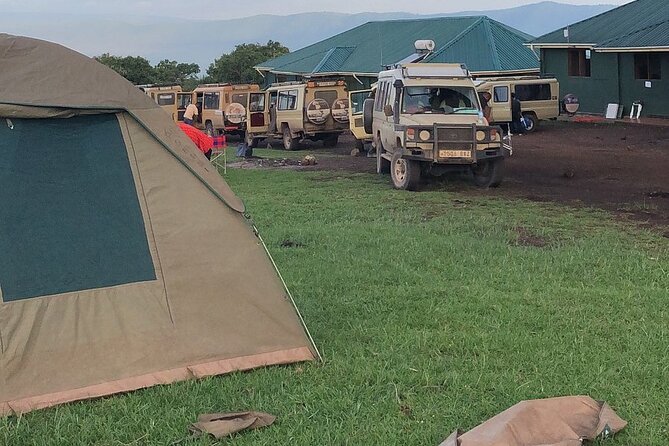
All breakfasts, lunches, and dinners are included, along with drinks. That is a real advantage on a three-day safari because you do not need to find restaurants between parks or carry enough food for long game drives.
The lunches are described as picnic meals, collected from the cook and taken into the parks. Dinners are served at the campsite. The cooks receive unusually warm praise in the trip accounts. Halidi is repeatedly singled out for tasty food, while Filippo is remembered for generous cooking and a good sense of humor.
Of course, food quality can vary by departure and cook. Still, the inclusion of all nine meals gives the $700 price more weight. You are paying for a working safari package rather than only a vehicle and guide.
The two included nights also simplify the trip. You do not need to book separate accommodation between parks, and the operator handles camping equipment. The tradeoff is that camping is not the same as choosing a private lodge. If you need a firm bed, private bathroom, or a specific comfort level, ask for details before booking.
One account describes seeing animals outside the tent, though they did not approach. That detail gives you a useful sense of why campsite rules matter. Listen carefully to your guide and camp staff, do not wander around after dark, and follow instructions about food and movement.
Guides, drivers, and the human side of the safari
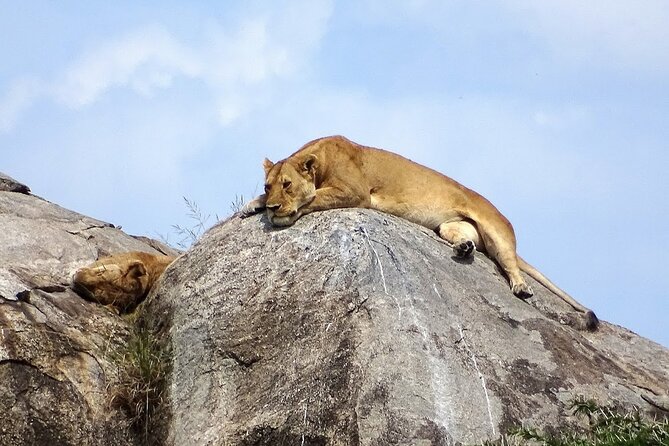
The strongest praise centers on the people running the trips. Humphrey is repeatedly described as responsive during planning, helpful with questions, and able to organize late bookings. One solo passenger was added to a group and felt well supported throughout the process.
The drivers are also a major part of the experience. A safari guide is not just a chauffeur. The right person explains what you are seeing, spots animals at a distance, drives with care, and responds to reasonable requests without losing sight of park rules.
The accounts name Abdul, Gabriel, Joshua, Godwin, and Omari on different departures. Abdul is praised for regional and animal knowledge. Gabriel is described as careful and competent. Omari receives credit for strong animal-spotting skills. Godwin and Joshua are described as helpful and responsible.
These details are encouraging, but you should not assume a particular guide will be assigned to your vehicle. Ask who your guide and cook will be when you receive your final confirmation. It is also worth asking whether the group will share one vehicle and how seating is arranged.
With a maximum of 15 people, the group can be friendly and social, but space may feel limited during long drives. If you want more room for camera equipment, more control over stops, or a quieter ride, a private safari would be a better fit, usually at a higher price.
What $700 includes, and what it does not
At $700 per person, this tour offers strong value if you want a short, all-in safari. Park fees alone can make northern Tanzania expensive, and this price also covers transport, game drives, camping equipment, accommodation, drinks, and meals.
The price does not include international flights or tips. Tips are not a small afterthought on a safari, since your guide, driver, and cook shape much of the experience. Plan for gratuities separately and carry enough local cash unless the company gives you different instructions.
The price also needs to be judged against the pace and group size. You are getting three national park areas in three days, but not a leisurely private expedition. The tour saves you planning time and keeps costs down by combining people, transport, food, and campsites.
For a solo passenger, the group format can be especially useful. The company has shown flexibility in adding solo customers to groups, which can make a safari affordable without requiring you to pay for a private vehicle.
How to prepare for the 10-hour safari days
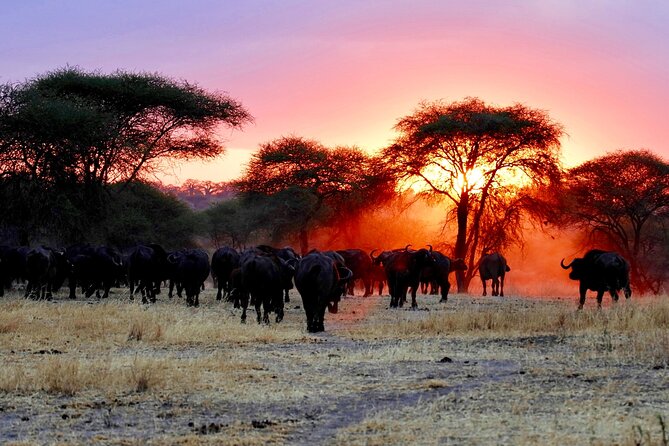
You should treat this as an active road trip, not a short wildlife outing. Each day is planned for about 10 hours, and two days begin with breakfast before a full day of driving and game viewing.
Pack lightly but keep important items close:
- Sun protection and a hat
- Comfortable clothes for warm days and cooler mornings
- Any personal medication you need
- A camera or phone with enough storage
- A small bag for the vehicle
- Cash for tips
- A reusable water bottle if appropriate for your arrangements
The tour offers pickup, and confirmation is received at booking. Since the location is listed as Moshi while the detailed route begins in Arusha, confirm your pickup point carefully. The itinerary says you leave Arusha and return there, so do not assume Moshi pickup is automatic.
The listed meeting time is 6 a.m., while day one says departure from Arusha at 8:30 a.m. This is the sort of small detail that can affect your morning, especially if you have just arrived or are staying outside central Arusha.
Who should book this safari?
I would recommend this trip to you if you want:
- A first taste of northern Tanzania
- Three major park areas in a short holiday
- Included meals and camping
- A social group of up to 15 people
- A guide and driver to manage the route
- A lower-cost alternative to a private safari
- Help arranging a late or flexible booking
I would be more cautious if you need luxury accommodation, a private vehicle, a guaranteed animal list, or a relaxed schedule. The route is full, and wildlife sightings depend on season, conditions, and luck.
The high recommendation rate and 5-star overall rating are supported by repeated praise for organization, food, guide care, and value. The most convincing details are practical ones: quick replies from Humphrey, careful driving from guides such as Gabriel, strong spotting by Omari, and cooks such as Halidi preparing abundant meals.
Should you book the three-day route?
Book it if your priority is seeing a lot in a short time without managing every detail yourself. Tarangire, Ngorongoro Crater, and Lake Manyara give you a well-rounded introduction, and the inclusion of park fees, camping, transport, meals, and game drives makes $700 a sensible price for a budget safari.
Before paying, confirm the pickup location, exact departure time, campsite arrangements, group size, and assigned guide. If those details suit you, this is a practical, social, and well-organized way to get your first close look at Tanzania’s wildlife.
FAQ
Where does the safari start?
The detailed itinerary says the safari leaves from Arusha, Tanzania. The general listing gives the location as Moshi and says pickup is offered, so confirm your exact pickup point before departure.
What time does the safari start?
The additional information lists a 6 a.m. start time. The day-one schedule says you leave Arusha at 8:30 a.m. Confirm the correct time with Cubs Expeditions Limited because the supplied times differ.
Which parks are included?
The safari visits Tarangire National Park, the Ngorongoro Conservation Area and Crater, and Lake Manyara National Park.
How many nights of accommodation are included?
Two nights of accommodation are included. The itinerary describes dinner and overnight stays at campsites, and camping equipment is also included.
Are meals included?
Yes. The package includes three breakfasts, three lunches, and three dinners, as well as drinks. Picnic lunches are used during the park days.
How large is the group?
The maximum group size is 15 people. The tour is described as a small-group experience, but it is not necessarily a private safari.
What is excluded from the price?
International flights and tips are not included. The listed price is $700 per person.
Can I cancel the booking?
You can cancel up to 24 hours before the experience starts for a full refund. Cancellations or changes made less than 24 hours before the start time are not accepted for a refund.
More Lake Manyara Safaris
- Safari in Tanzania 5 days: Manyara, Ngorongoro, Serengeti
★ 5.0 · 29 reviews - 4 Days, 3 Nights Group budget Safari, Lake Manyara, Serengeti, Ngorongoro
★ 5.0 · 18 reviews - 5 Days Private Tarangire, Serengeti, Ngorongoro, Manyara Safaris
★ 5.0 · 17 reviews - 6 Days 5 Nights lodge safari Tarangire, Manyara, Serengeti & Ngorongoro Crater
★ 4.5 · 10 reviews
More Tarangire Safaris
- 7 Days Safari. Serengeti, Tarangire, Lake Manyara & Ngorongoro Crater.
★ 5.0 · 34 reviews - 4-Day Private Guided Tanzania Safari Tarangire, Serengeti, Manyara
★ 5.0 · 28 reviews - 5-Day Lake Manyara, Serengeti, Ngorongoro Crater and Tarangire
★ 5.0 · 28 reviews - 6 Days: Classic Camping( Tarangire, Manyara, Serengeti And Ngorongoro).
★ 5.0 · 26 reviews
Just added around Moshi
- Moshi: Lake Chala Tour: Hiking &/or Kayaking★ 4.5 · 3 reviews
- 3 Days Tanga Exclusive Beach Holiday★ 5.0 · 3 reviews
- Serengeti Wildebeest Migration.★ 5.0 · 3 reviews
- Chemka Hotpsrings E-Bike Day Trip★ 5.0 · 3 reviews
- Explore 1 day Ngorongoro Crater Budget Group Safari from Arusha★ 5.0 · 3 reviews
- Explore the 360° of Kilimanjaro★ 5.0 · 3 reviews
- Affordable Short Tanzania Safari (2 Days Camping Safari)★ 5.0 · 3 reviews
- Rongai Route 7 Days★ 5.0 · 3 reviews
Ngorongoro Crater Tours, compared.

3 Days Serengeti & Ngorongoro Group Camping Safari
Read our review →

5 Days Camping Tarangire, Serengeti & Ngorongoro crater & Visiting Maasai
Read our review →
4 Days Join Group tour Tarangire Serengeti and Ngorongoro crater
Read our review →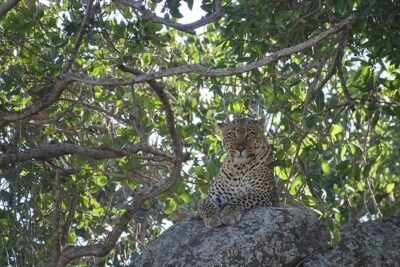
4-Day Safari from Arusha: Tarangire, Serengeti and Ngorongoro
Read our review →
2 Days Tarangire and Ngorongoro Group Camping Safari
Read our review →3 Day Serengeti National Park & Ngorongoro Crater Camping Safari
Read our review →
Browse the lists this tour appears in