
Reviewed · 3-DAY EXPERIENCES
3 days leopard safaris
Wild cats are only part of the story. This three-day private safari from Arusha takes you through the Ngorongoro Conservation Area to the Serengeti, then down into Ngorongoro Crater for some of Tanzania’s finest wildlife viewing. I like the private vehicle and guide, since your group can focus on its own pace, and I like the chance to see two very different safari settings in one short trip. The main drawback is the schedule: long driving hours and two nights at a public campsite leave little room for rest.
The listed price is $1,276.93 per person, including private transportation, park parking fees, bottled water, two dinners, three breakfasts, and two lunches. Guides such as Hamisi, Hussein, and Makenzi have been praised for their warm manner and useful explanations, while Matthew is described as the person who keeps the operation running. Still, three days is a tight window for such a large area, and wildlife sightings can never be promised.
In This Review
- Key points before you book
- Why this short safari works
- From Arusha through Ngorongoro on day one
- A full day in central Serengeti
- The Ngorongoro Crater finish
- What the $1,276.93 price buys you
- Guides, driving, and the human side
- Best time to choose this itinerary
- Who should book this safari?
- Should you book the 3-day leopard safari?
- FAQ
- Where does the safari start?
- How long does the experience last?
- Which parks and conservation areas are included?
- Is this a private tour?
- Is transportation included?
- Where do you stay?
- Which meals are included?
- Can the tour be canceled for a full refund?
- What happens if bad weather cancels the safari?
Key points before you book
- Private safari from Arusha: Only your group takes part, which gives you more say in the pace and daily focus.
- Serengeti arrival game drive: You reach the park in the early afternoon and continue watching animals until sunset.
- Two nights at Seronera public campsite: This keeps costs down but means a simpler camping experience rather than a lodge stay.
- Central Serengeti wildlife day: Day two is set aside for a full game drive, with the route adjusted to the location of the herds.
- Ngorongoro Crater on day three: The crater offers a concentrated wildlife setting and a strong chance to see hippos and, with luck, black rhinos.
- Free cancellation up to 24 hours ahead: Bad weather may also lead to a new date or a full refund.
Why this short safari works
The appeal here is variety. In just three days, you pass through the Ngorongoro Conservation Area, spend serious time in the Serengeti, and finish inside Ngorongoro Crater. Each area has a different feel, so you are not simply repeating the same game drive twice.
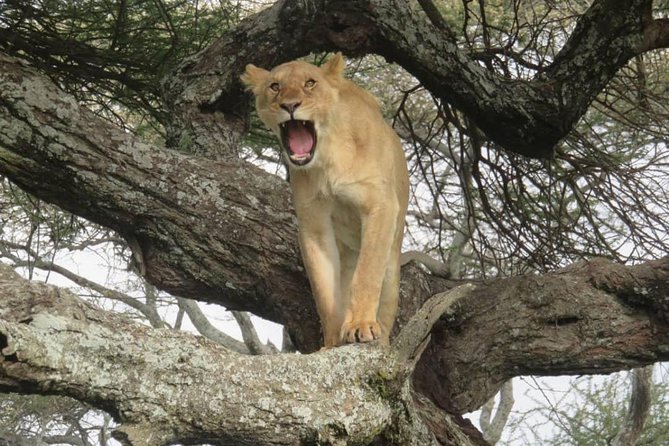
The Serengeti is the main event for anyone hoping to spot a leopard. It is also home to large herds of buffalo and wildebeest, along with elephants, giraffes, eland, impala, Grant’s gazelles, lions, and many other animals. Leopards are regularly seen in the park, but safari is not a menu where you order one on arrival. Your guide can search likely areas, yet sightings depend on season, weather, animal movement, and plain luck.
The private format matters. You are not sharing the vehicle with strangers, and the guide can shape the outing around your group’s interests. If you want to spend longer watching a pride of lions or wait quietly for a possible leopard sighting, that flexibility is useful. It also makes the long road sections easier to manage as a group.
The trade-off is comfort. The price includes public campsite nights, not a named lodge or luxury tented camp. That can be the right choice if you want to put more of your budget toward park access and transportation, but you should not book this expecting polished hotel service.
More three-day trips:
- 3 Days Serengeti & Ngorongoro Group Camping Safari
★ 5.0 · 574 reviews - 3-Day Classic Serengeti Safari
★ 5.0 · 263 reviews - 3 Day Serengeti National Park & Ngorongoro Crater Camping Safari
★ 5.0 · 142 reviews
From Arusha through Ngorongoro on day one
The safari begins in Arusha at 8:00 a.m. The first day is a long one, so an early start would be useful, although the stated meeting time is 8:00 a.m. From Arusha, you drive toward the Serengeti through the Ngorongoro Conservation Area.
This road section is not just a transfer. The route includes a game drive en route, giving you a first chance to see wildlife before reaching the Serengeti. The Ngorongoro Conservation Area is also linked to the Great Rift Valley, a major geological feature that guide Hussein pointed out during one trip. That kind of explanation adds value to what might otherwise feel like a long ride.
You are scheduled to arrive in Serengeti National Park in the early afternoon. From there, the first proper Serengeti game drive continues until sunset. This timing gives you several useful hours in the park, though the combination of an early start, a long drive, and an afternoon drive can make day one tiring.
The Serengeti rewards patience. You might see broad groups of wildebeest and buffalo, elephants moving across the plains, giraffes, antelope, and big cats. The park is especially attractive for a leopard-focused trip because the search is not limited to a single small area. The guide can use current animal movements to decide where to spend time.
Dinner is served at the Seronera public campsite. The name Seronera refers to the central Serengeti area, a practical base for the second day. You should view this night as a functional safari camp rather than a resort stay. It offers a place to sleep after a full day outdoors, but the provided details do not promise private rooms, luxury furnishings, or a particular tent setup.
A full day in central Serengeti
Day two is the strongest part of the trip for people who want time in the Serengeti. The entire day is devoted to a game drive in the central park, with the route based on where the herds are moving.
This flexible approach is more sensible than following a fixed route. Wildebeest movement changes with the rains. During the shorter rainy season in November and December, herds move from the northern hills toward the southern plains. During the longer rainy period from April to June, they head north again. The exact timing and location can change from year to year, so your guide’s judgment matters.
A central Serengeti day can also give you a better chance to slow down. Instead of rushing from one named stop to another, you may spend time watching animal behavior. A leopard can be difficult to spot because it often rests in trees or thick cover. A good guide may help you scan carefully, but nobody can guarantee a sighting.
The park is not only about large predators. The listed wildlife includes buffalo, wildebeest, elephants, giraffes, eland, impala, Grant’s gazelles, and lions. You may also see birds, which one account specifically praised as part of a surprisingly broad range of wildlife in a short trip.
A visit to the Serengeti Visitor Centre is possible. It offers background on the park and explains research carried out by the Frankfurt Zoological Society. This is a worthwhile addition if your group wants context, though it may compete with game-viewing time. Ask your guide how it fits the day’s route and animal activity.
You return to the Seronera public campsite for the second night. Two nights at the same campsite are helpful because you do not need to change camp each evening. On the other hand, camping may feel basic after a long day in the vehicle. The tour includes meals, but alcoholic drinks are not included.
The Ngorongoro Crater finish
After breakfast on day three, you leave for Ngorongoro Crater. The first view comes from a panoramic viewpoint above the caldera. The sight of the crater from that height is one of the most memorable moments in northern Tanzania, even before the vehicle descends for the game drive.
Ngorongoro Crater is often called Africa’s Eden and the Eighth Natural Wonder of the World. Those grand labels can sound inflated, but the setting explains why they stick. The crater is a vast enclosed area with grass plains, water, and wildlife concentrated within a dramatic natural basin.
The conservation area is home to more than 120 mammal species. It is also considered one of the better places to look for the endangered black rhinoceros. The provided program highlights rhinos feeding alone on the grass plains and hippos in cool water. You may also encounter other well-known African animals, including members of the Big Five.
You view the animals from an open-top vehicle, which is useful for photography and gives you a broad view in every direction. The open design also means you should be ready for sun, dust, and changing weather. Bring sun protection and keep your camera ready, since a sighting can develop quickly.
The crater is a strong final stop because it gives the trip a different kind of wildlife experience. The Serengeti is wide and open, while the crater places many species within a more contained setting. That does not make sightings automatic, but it can make the final game drive feel productive even after only three days.
The supplied itinerary ends partway through the day three description, so the exact end time and return arrangements are not stated. Confirm those details before booking, especially if you have a flight, hotel transfer, or another activity scheduled afterward.
A few more trips of this kind worth comparing:
- Serengeti Balloon Safari and authentic bush breakfast
★ 5.0 · 2,480 reviews - Balloon Safari & Bush Breakfast in Serengeti – Miracle Experience
★ 5.0 · 1,646 reviews - Tanzania Classic – 7 Days
★ 5.0 · 1,151 reviews - 4 Days Group Camping Safari
★ 5.0 · 1,101 reviews
What the $1,276.93 price buys you
At $1,276.93 per person, this is not a budget day trip. It is a private, multi-day safari covering major national park areas, transportation, park-related parking fees, bottled water, and several meals. For many people, the private vehicle is the key value: you are paying for access to a dedicated safari setup rather than simply buying a seat on a large shared excursion.
The included meals cover three breakfasts, two lunches, and two dinners. That matches the two nights in the itinerary, although you should confirm the exact meal arrangements and camping setup before departure. Alcoholic beverages cost extra.
The price looks more attractive if you value the combination of Serengeti and Ngorongoro. Booking separate transport and park visits can be complicated, and a private guide who handles the route can save effort. It is less attractive if you want luxury accommodation, a slow pace, or several days dedicated only to finding leopards.
The best value comes for a small group that shares the cost and wants a focused introduction to northern Tanzania. Solo guests may find the per-person price harder to justify, while a private group can benefit from the flexibility.
Guides, driving, and the human side
The guide can make or break a safari. The strongest praise connected to this experience centers on personal service and clear explanations. Hamisi was described as a source of information throughout the trip, while Hussein explained the Great Rift Valley and adjusted the outing to give his group strong viewing opportunities. Makenzi was praised for being kind and warm with guests.
Those details matter because safari time includes plenty of driving. A guide who can explain the animals, geography, park rules, and seasonal movements turns the road sections into part of the experience. Matthew is also associated with careful organization, which is useful when transport, campsites, meals, and park entries all need to line up.
This is a private activity, so only your group participates. Most people can take part, and the starting point is Arusha. The tour also offers pickup, though you should confirm the exact pickup location when booking.
The program is not designed for someone who dislikes long vehicle days. Day one involves the drive from Arusha through Ngorongoro toward Serengeti, day two is a full game drive, and day three includes the crater visit and onward travel. The schedule is rewarding, but it is active.
Best time to choose this itinerary
Your chances of seeing particular animals depend on the time of year. The itinerary explains the wildebeest movement during the rainy seasons, with herds shifting south in November and December and returning north from April to June. Since the timing changes from year to year, ask the operator where the herds are expected to be when you plan to go.
If your main goal is a leopard, allow yourself realistic expectations. The title points to leopard safaris, and the Serengeti is a strong place to search, but three days cannot guarantee a sighting. A guide may locate one, yet you may also come away with lions, elephants, giraffes, rhinos, hippos, birds, and large herds as the lasting highlights.
Weather also affects the operation. If poor weather causes cancellation, you are offered a different date or a full refund. For your own plans, avoid placing an important flight immediately after the safari unless the final return time is confirmed.
Who should book this safari?
I would recommend this trip to you if you have only three days, want a private vehicle, and care more about wildlife access than upscale accommodation. It suits first-time safari visitors who want both the open Serengeti and the concentrated wildlife of Ngorongoro Crater.
It is also a good match for photographers and wildlife fans who appreciate time in the vehicle and the chance to adjust the route according to animal movement. The private format gives you a better chance to focus on the sightings that matter to your group.
I would hesitate if you need a relaxed schedule, guaranteed leopard sightings, or a lodge-based holiday. The public campsite and long drives are central to the value, not minor footnotes. Before paying, ask about the tent and bathroom arrangements, the exact final-day finish, and how pickup will work from your Arusha accommodation.
Should you book the 3-day leopard safari?
Book it if you want a concentrated northern Tanzania safari with a private guide, two nights near Seronera, and a final game drive in Ngorongoro Crater. The range of wildlife, the flexible central Serengeti day, and the personal attention associated with guides such as Hamisi, Hussein, and Makenzi give the trip real appeal.
Skip it if you expect luxury or need more time for a patient leopard search. For the right person, $1,276.93 buys a lot of ground, wildlife, and guidance in three days. Just arrive ready for long drives, simple camping, and the unpredictable nature of wild animals.
FAQ
Where does the safari start?
The safari starts in Arusha, Tanzania, at 8:00 a.m. Pickup is offered.
How long does the experience last?
The safari lasts approximately three days.
Which parks and conservation areas are included?
The route passes through the Ngorongoro Conservation Area, includes Serengeti National Park, and finishes with a visit to Ngorongoro Crater.
Is this a private tour?
Yes. Only your group participates in the private tour or activity.
Is transportation included?
Yes. Private transportation and parking fees are included.
Where do you stay?
The itinerary states that you stay at the Serengeti Seronera public campsite on both nights.
Which meals are included?
The package includes three breakfasts, two lunches, and two dinners. Alcoholic beverages are not included.
Can the tour be canceled for a full refund?
Yes. You can cancel at least 24 hours before the local start time for a full refund. Cancellations within 24 hours are not refunded.
What happens if bad weather cancels the safari?
If poor weather causes cancellation, you are offered a different date or a full refund.
Just added around Arusha
- 5 Days Safari Tarangire, Serengeti, and Ngorongoro Crater★ 5.0 · 3 reviews
- 5 Days of Safari, Culture & Hot Springs – Tour from Arusha★ 5.0 · 3 reviews
- Love lives in Africa★ 5.0 · 3 reviews
- Arusha National Park Safari by Jeep★ 4.5 · 3 reviews
- 5Days Family _Group Tour Lodging Mid-Range in the Jungle★ 5.0 · 3 reviews
- Serengeti & Ngorongoro 3 Days Budget Safari★ 5.0 · 3 reviews
- 2 Days Tarangire and Ngorongoro Crater Tour★ 5.0 · 3 reviews
- 7 Days PRIVATE Best of Tanzania Safari *Departing everyday*★ 5.0 · 3 reviews
3-Day Experiences, compared.

3 Days Serengeti & Ngorongoro Group Camping Safari
Read our review →
3 Day Serengeti National Park & Ngorongoro Crater Camping Safari
Read our review →
3 Days Tarangire, Ngorongoro & Lake Manyara Group Camping Safari
Read our review →
3 Days Private Safari – manyara, Ngorongoro & Tarangire
Read our review →
3 Days Small Group Safari to Serengeti NP and Ngorongoro Crater Tour in Tanzania
Read our review →3 Days Safari to Tarangire, Ngorongoro & Lake Manyara parks
Read our review →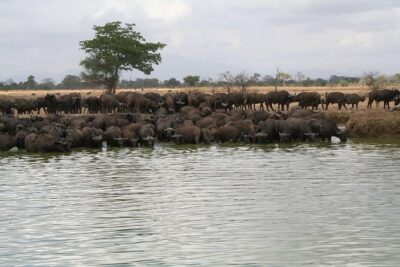
Browse the lists this tour appears in