
Reviewed · MOUNT MERU TREKS
3 Days Mount Meru trekking
Sunrise from Mount Meru is worth the early alarm. This three-day climb from Arusha combines a wildlife walk through Arusha National Park with a serious summit attempt, giving you views of the Ash Tray and Mount Kilimanjaro without the longer schedule of Kilimanjaro. I like the private guide, included meals, hut accommodation, porters, and the chance to see giraffes, zebras, buffalo, antelope, and perhaps elephants along the lower trail. The main drawback is the pace: you need strong fitness, and the midnight summit start makes the final day tiring.
I also like that an armed park ranger joins the group because wildlife sightings are possible on the route. That adds a useful safety measure, but it also reminds you that this is not simply a long scenic walk. The payment and equipment details deserve careful checking before departure, especially since one serious complaint raised concerns about incorrect banking information, money handling, poor vehicles, and weak equipment.
In This Review
- Key points before you book
- What makes Mount Meru different from Kilimanjaro
- Day 1: From Arusha to a walking safari
- Day 2: The saddle, the Ash Tray, and Little Meru
- Day 3: A 1:30 a.m. climb to 4,565 meters
- Food, huts, porters, and the guide team
- Wildlife, safety, and the role of the ranger
- Is $800 a fair price?
- Who should choose this three-day trek?
- Booking advice and cancellation terms
- Should you book Mount Meru with Rupia Adventure?
- FAQ
- How long is the Mount Meru trekking experience?
- Where does the trek begin?
- What time does the tour start?
- How high is Mount Meru’s summit?
- What animals might you see?
- Is a ranger required on the trek?
- Are meals and accommodation included?
- How difficult is the trek?
- What happens if bad weather cancels the experience?
Key points before you book
- Wildlife comes before the summit: The first day can feel like a walking safari, with giraffes, zebras, buffalo, antelope, and possible elephants near the trail.
- The summit begins at 1:30 a.m.: You should expect a steep climb in darkness, followed by a rocky ridge near the crater.
- You sleep in mountain huts: Meals and hut accommodation are included, while porters organize and carry your hiking belongings.
- An armed ranger is required: A national park ranger accompanies the group because of the wildlife along the lower route.
- The $800 price covers the main trek services: Pickup, guide, porters, meals, huts, park access, and the ranger-supported route are part of the package.
- This suits fit hikers: The tour is limited to a maximum of 15 people, but the climb still calls for a strong physical fitness level.
What makes Mount Meru different from Kilimanjaro
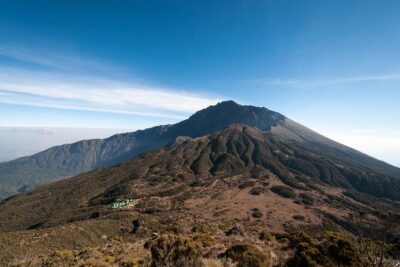
Mount Meru is Tanzania’s fifth-highest mountain, rising to 4,565 meters. It receives less attention than Kilimanjaro, yet its approach offers something Kilimanjaro does not: a close look at animals in Arusha National Park before the trail becomes a high-altitude climb.
The mountain also gives you a fine view of Kilimanjaro from the summit area. You are not climbing Meru as a substitute for Kilimanjaro in every sense, but you are getting a shorter, demanding mountain trip with its own character.
The route combines three very different experiences. You begin with a park drive and a wildlife-rich lower trail, continue through steep mountain terrain, then make a night climb along a narrow rocky ridge. That variety is the best reason to choose this trip.
The three-day schedule is compact. You will not have much spare time for a slow pace or a relaxed summit morning. I would see the trip as a focused mountain challenge, not a casual nature holiday.
More Mount Meru climbs:
- 4 Days Mount Meru Trekking
★ 5.0 · 55 reviews - 4 Days Mount Meru Climbing | Hiking | Trekking Tour
★ 5.0 · 13 reviews - Mount Meru Arusha: Napuru Waterfall Hike by Kingstone Asilia
★ 5.0 · 5 reviews
Day 1: From Arusha to a walking safari
Your day starts after breakfast in Arusha, at roughly 1,400 meters. Pickup takes you to Momella Gate in Arusha National Park, where registration with Tanzania National Parks takes place.
While you and your guide handle the park paperwork, the porters organize and pack your belongings. This is useful because you can start with a lighter daypack rather than carrying the full load yourself. Still, keep personal essentials, water, rain protection, and anything you may need during the day with you.
The first hiking day takes about six hours. It is less about gaining height quickly and more about moving through the park toward the mountain. The route can feel like a walking safari, with giraffes, zebras, antelope, and buffalo listed among the animals you may see. Elephants are also possible near the trail.
The ranger is not a decorative extra. Because animals may be close to the route, an armed park ranger is required to accompany the hiking team. You should follow the guide and ranger carefully, stay with the group, and avoid treating wildlife sightings like a free-roaming photo stop.
This first day is a strong part of the trip, but it has a tradeoff. You may spend much of your attention looking for animals instead of settling into a steady mountain rhythm. The day also begins with transport, registration, and packing, so the actual climb is only one part of the morning.
The exact hut for the first night is not specified in the supplied details, but hut accommodation is included. Ask for the overnight location and expected arrival time before you leave Arusha. That helps you understand how much of the six-hour walk remains once you reach the gate.
Day 2: The saddle, the Ash Tray, and Little Meru
After breakfast, you climb for about four hours along the steep trail toward the ridge of the saddle. This is where the trip begins to feel more like a mountain ascent than a park walk.
The route offers views of the Mount Meru Crater and the Ash Tray, a major feature of the mountain. You may still see wildlife, but the focus shifts toward height, rock, and the changing shape of the route.
The short day on paper is helpful because it gives you time to reach camp, eat, and prepare for the summit attempt. It is not an easy day, however. The trail is described as steep, and your body needs to conserve energy for the climb that begins just after midnight.
At camp, you may have the option of hiking Little Mount Meru, which reaches about 3,820 meters. This extra walk can help you adjust to altitude and gives you more time on the mountain. I would treat it as optional for a reason. If you already feel tired, saving your strength for the summit is the sensible choice.
Dinner is served early, and the intended bedtime is around 7 p.m. That sounds simple until you remember that your guide plans to wake you at 12:30 a.m. Tea and biscuits are provided before the climb. You should organize your clothing, headlamp, water, and small personal items before lying down, since fumbling with equipment at midnight is no fun.
The short sleep is one of the hardest practical parts of this itinerary. You may not fall asleep quickly after a full day outdoors, and the cold, altitude, or anticipation can make rest harder. The schedule works best for you if you arrive rested and accept that summit night will be more about steady effort than comfort.
Day 3: A 1:30 a.m. climb to 4,565 meters
The summit attempt begins around 1:30 a.m. after tea and biscuits. The early start is designed to get you to the top at sunrise, when the views toward Mount Meru’s Ash Tray and Kilimanjaro can be at their best.
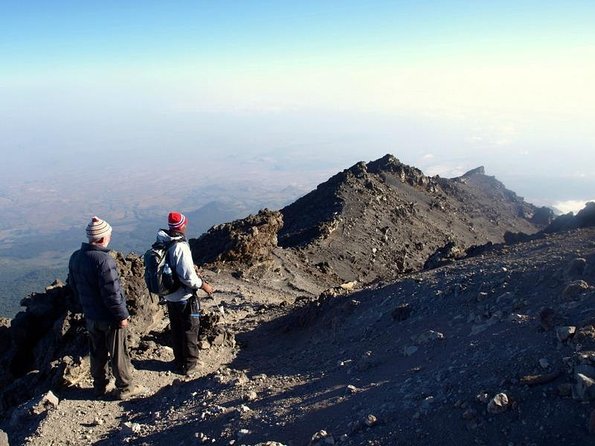
The trail rises steeply to Rhino Point at about 3,800 meters, then continues to Cobra Point at roughly 4,350 meters. These figures matter because the climb becomes harder as the air thins. A pace that feels easy near Arusha can feel slow and demanding here.
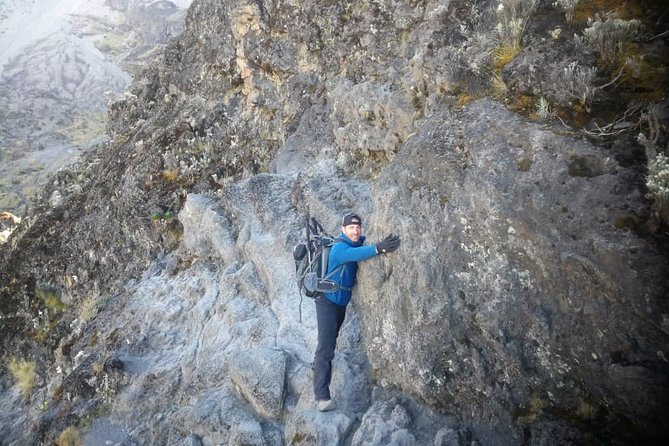
The final hour is especially serious. You scramble along a rocky ridge between the crater and Meru’s inner cliffs. This is not described as a technical climb, but it is more exposed and rough than a simple walking trail. You should be comfortable with steep ground, uneven rock, darkness, and sustained effort.
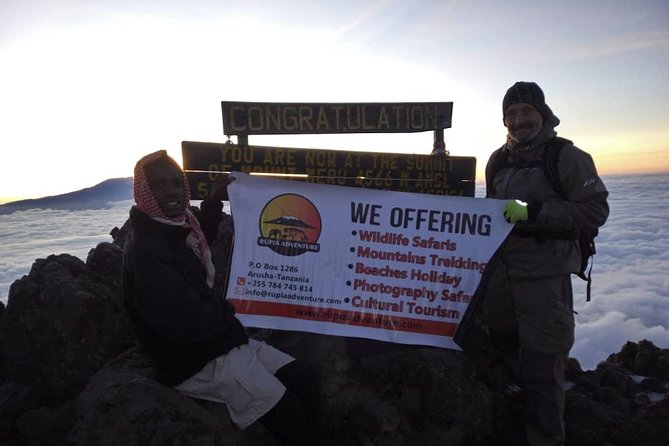
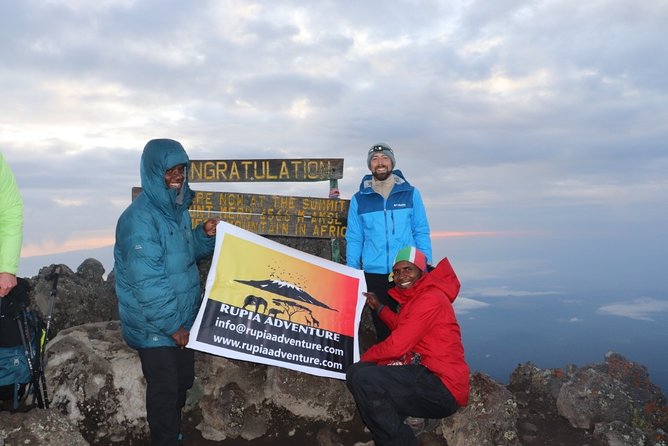
Reaching the summit at 4,565 meters gives you the reward: sunrise views over the Ash Tray and toward Kilimanjaro. The appeal is not just the height. You have crossed several types of terrain, started among wildlife, slept in a mountain hut, and climbed through the night to reach the top.
The descent returns to Momella Gate, followed by transport back to Arusha. This makes the third day a very long day even though the advertised experience lasts three days. You climb at night, spend time at the summit, descend the mountain, and then return to town. Plan to be tired, and avoid scheduling an important activity immediately afterward.
The supplied schedule contains an unusually long duration entry for the final day, so I would confirm the exact descent and return timing before booking flights or another tour. The practical point is clear: summit morning is not a short add-on. It is the demanding centerpiece of the trip.
A few more trips of this kind worth comparing:
- 8-Day Small-group Lemosho Kilimanjaro Summit Trekking
★ 5.0 · 186 reviews - Mountain Kilimanjaro Day Hike
★ 5.0 · 102 reviews - Private Full Day Hiking Experience to Marangu Route
★ 5.0 · 61 reviews - 4 days Best experience Kilimanjaro Hike, Serengeti &Ngorongoro
★ 5.0 · 54 reviews
Food, huts, porters, and the guide team
The $800 price includes all meals and hut accommodation. That gives the package useful value because you are not arranging separate mountain lodging or food during the trek.
The information does not specify the menu, hut names, room layout, or whether drinks beyond the stated tea are included. Ask those questions before departure if diet, sleeping arrangements, or hydration are important to you.
Porters organize and pack the belongings for the hike. That can make the climb much more manageable, especially on the steep sections. Pack responsibly and bring only what you need. A porter-supported trek is helpful, but it does not make the route easy, and you should still bring a small daypack with personal necessities.
The guide team includes a private guide, porters, a cook, and the required park ranger. The strongest praise has focused on the people: friendly support, encouragement, good organization, and excellent food. Frank is specifically named as a guide who explained the flora, fauna, and mountain life throughout the climb.
That personal attention is one of the better reasons to choose this arrangement. A private guide can adjust the pace and help you decide whether Little Meru is sensible on Day 2. The maximum group size is 15, so you should still confirm whether your booking is fully private or a private guiding arrangement within a larger permitted group.
Wildlife, safety, and the role of the ranger
The lower trail is a major selling point, but wildlife requires a different mindset from a normal hike. Giraffes and zebras may make the first day feel relaxed, while buffalo and possible elephants demand space and discipline.
The armed ranger is hired through the national park and remains with the team for the trek. That arrangement is included in the route description and is a useful sign that wildlife safety is taken seriously.
You should listen to instructions, keep your distance from animals, and avoid wandering ahead to take a photograph. The ranger is there because the park is part of the mountain route, not because the experience is meant to be dangerous.
The upper mountain offers a different kind of challenge. The steep ridge and rocky final section call for firm footing and careful pacing. A strong physical fitness level is required, so this is not a good choice if you are looking for a gentle introduction to hiking.
Is $800 a fair price?
At $800 per person, the trip is not cheap, but the price covers the main costs of a guided national park trek. You receive pickup, guide services, porters, meals, hut accommodation, park admission, and the ranger-supported route.
The value improves if you want one company to handle the practical pieces. You do not need to arrange separate food, huts, porter support, or park registration yourself. The private format can also be worthwhile if you value personal pacing and direct help during a difficult summit night.
The price is harder to judge if you expect luxury. Hut accommodation is functional mountain lodging, and the information does not promise private rooms or hotel-style facilities. You are paying for access, support, meals, and organization, not comfort at altitude.
Before paying, confirm the banking details directly with Rupia Adventure, ask what equipment is supplied, and check the condition of any rented gear. One serious complaint raises concerns about incorrect account information, repeated charges, poor vehicles, and weak equipment. That allegation does not erase the many positive comments about the guiding and food, but it is enough reason to verify every payment and inspect equipment before setting out.
Who should choose this three-day trek?
You should consider this trip if you:
- Want a short but demanding Tanzanian mountain climb
- Like the idea of combining wildlife and hiking
- Have strong fitness and can manage steep trails
- Are comfortable with a midnight wake-up and night ascent
- Prefer included meals, huts, porters, and a guide
- Want possible views of Kilimanjaro without making Kilimanjaro the entire focus
You should think twice if you need a slow acclimatization schedule, dislike rough rocky ground, or want a relaxed safari with only light walking. The three-day format leaves little room for delays, fatigue, or a very slow summit pace.
The trip is also best for someone who accepts basic mountain conditions. You will sleep in huts, eat early, rise at 12:30 a.m., and spend much of the final day descending after sunrise. That is a fair exchange for the crater views and the chance to reach Meru’s summit.
Booking advice and cancellation terms
Confirmation is provided at booking, and mobile tickets are offered. Pickup is available, while the listed meeting time is 9 a.m. Because the Day 1 description also refers to an early morning breakfast and pickup, confirm the actual pickup time with the operator before the trip.
The booking is non-refundable and cannot be changed for any reason. That makes travel insurance worth considering, especially for an expensive trip with a fixed schedule.
If poor weather forces cancellation, you are offered another date or a full refund. If the minimum number of people is not met, you are offered another date, a different experience, or a full refund. Those protections apply to operator cancellation, not to your own decision to cancel.
Should you book Mount Meru with Rupia Adventure?
I would book this trek if you want a wildlife-rich approach followed by a real summit challenge, and if you are prepared for the short sleep and long final day. The strongest features are the route variety, included support, friendly guide and porter team, good food, and sunrise views from 4,565 meters.
I would not book it casually. Confirm the payment account, pickup time, included equipment, hut arrangements, and exact return schedule first. If those details are clear and your fitness is up to the steep ridge, this offers a memorable three-day mountain experience at a reasonable all-in price. If you want more time to adjust to altitude, seek a longer Mount Meru itinerary instead.
FAQ
How long is the Mount Meru trekking experience?
The experience lasts approximately three days.
Where does the trek begin?
The trek begins with pickup in Arusha and continues to Momella Gate in Arusha National Park.
What time does the tour start?
The listed start time is 9 a.m., although the Day 1 plan refers to an early morning breakfast and pickup. Confirm the exact pickup time before departure.
How high is Mount Meru’s summit?
The summit reaches 4,565 meters.
What animals might you see?
You might see giraffes, zebras, antelope, buffalo, and possibly elephants near the trail.
Is a ranger required on the trek?
Yes. An armed national park ranger is required to accompany the team because wildlife may be present along the route.
Are meals and accommodation included?
Yes. All meals and hut accommodation are included.
How difficult is the trek?
A strong physical fitness level is required. The route includes steep sections, a midnight summit attempt, and a rocky ridge near the summit.
What happens if bad weather cancels the experience?
You will be offered a different date or a full refund if poor weather causes the operator to cancel.
More Three-Day Trips
- 3 Days Serengeti & Ngorongoro Group Camping Safari
★ 5.0 · 574 reviews - 3-Day Classic Serengeti Safari
★ 5.0 · 263 reviews - 3 Day Serengeti National Park & Ngorongoro Crater Camping Safari
★ 5.0 · 142 reviews - 3 Days Tarangire, Ngorongoro & Lake Manyara Group Camping Safari
★ 5.0 · 102 reviews
Just added around Arusha
- 5 Days Safari Tarangire, Serengeti, and Ngorongoro Crater★ 5.0 · 3 reviews
- Love lives in Africa★ 5.0 · 3 reviews
- 5 Days of Safari, Culture & Hot Springs – Tour from Arusha★ 5.0 · 3 reviews
- Arusha National Park Safari by Jeep★ 4.5 · 3 reviews
- 5Days Family _Group Tour Lodging Mid-Range in the Jungle★ 5.0 · 3 reviews
- Serengeti & Ngorongoro 3 Days Budget Safari★ 5.0 · 3 reviews
- 2 Days Tarangire and Ngorongoro Crater Tour★ 5.0 · 3 reviews
- 7 Days PRIVATE Best of Tanzania Safari *Departing everyday*★ 5.0 · 3 reviews
Mount Meru Treks, compared.
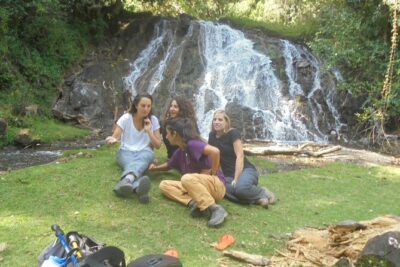
4 Days Mount Meru Climbing | Hiking | Trekking Tour
Read our review →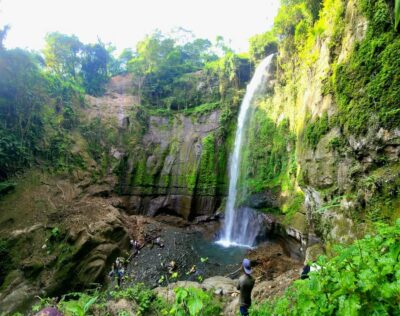
Mount Meru Arusha: Napuru Waterfall Hike by Kingstone Asilia
Read our review →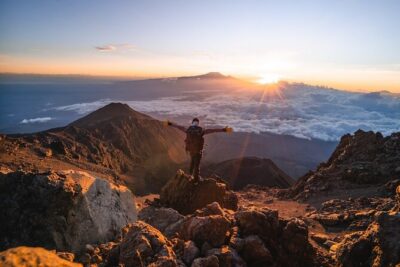
6-Day Mount Meru Climb through Momella Route Guided Tour
Read our review →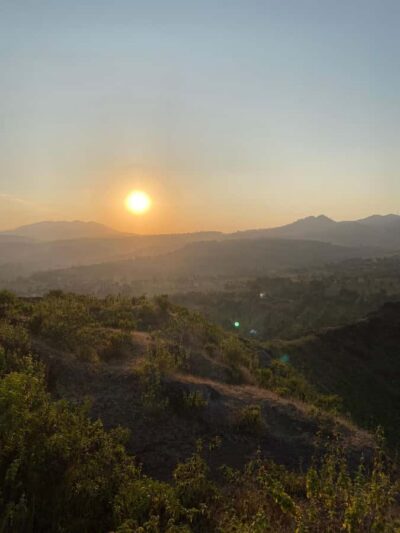
Golden Hour Walk & Sunset Viewpoint Over Mount Meru
Read our review →
Browse the lists this tour appears in