
Reviewed · MOUNT MERU TREKS
Mount Meru Climb
The mountain begins with wildlife, not snow. This four-day Mount Meru climb from Moshi gives you a rare mix of safari sightings, montane forest, giant heather, crater cliffs, and a sunrise view toward Kilimanjaro. I especially like the chance to see buffalo, elephants, warthogs, birds, and black-and-white colobus monkeys on the approach. I also like the small-group format, with a maximum of 12 people and room to adjust the pace and itinerary.
The main caution is simple: this is a tough climb, especially on Day 2 and the summit morning. The altitude rises from the park entrance to 4,566 meters, and the path includes steep, sustained sections along exposed crater ridges. The staff receive strong praise for care, organization, meals, and summit support, but you should arrive with moderate physical fitness and respect the mountain.
In This Review
- Key Points Before You Book
- Why Mount Meru Makes a Fine Four-Day Mountain Trip
- Day 1: From Momella Gate to Miriakamba Hut
- Day 2: The Steep Climb to Saddle Hut
- Day 3: Cobra Point, Socialist Peak, and the Crater Ridge
- Day 4: A Quick Descent to Momella Gate
- What the $996 Price Really Covers
- Guides, Meals, and Group Support
- Who Will Enjoy This Climb Most?
- Practical Details Before Departure
- Should You Book the Mount Meru Climb?
- FAQ
- How long is the Mount Meru climb?
- Where does the Mount Meru experience begin?
- How high is the summit?
- Is Mount Meru suitable for families?
- What wildlife might I see?
- Is Little Meru included?
- Are meals included?
- What is not included in the price?
Key Points Before You Book
- Wildlife comes early: The opening trail passes grassland where buffalo, warthogs, and elephants may be seen before you enter the forest.
- The Fig Tree is a memorable lunch stop: This unusual natural landmark breaks up the first long climb and gives the day a clear point of reference.
- The summit route is dramatic: Cobra Point, Rhino Point, the crater rim, Ash Cone, and Kilimanjaro create the most striking scenery of the trek.
- Little Meru is an optional bonus: From Saddle Hut, energetic walkers can climb to 3,820 meters for sunset views.
- Professional support is a major strength: Guides and porters are included, and specific praise has gone to Mushin Said, Cabila, and the wider support team.
- The price covers the core trek costs: At $996 per person, the package includes transport from Moshi, park fees, guides, porters, meals, and two nights of bed-and-breakfast accommodation in Moshi.
Why Mount Meru Makes a Fine Four-Day Mountain Trip
Mount Meru is often treated as a warm-up for Kilimanjaro, but that undersells it. This is a demanding mountain in its own right, with a climb that changes character several times. You begin among open grassland and possible big-game sightings, then enter forest, moorland, ash, rock, and a sharp summit ridge.
That variety is the great appeal. You are not walking through the same scenery for four days. The first day feels part safari and part forest hike. The second brings altitude and steep climbing. The third is a high mountain day, with early darkness, cold air, narrow ridges, and the best views. The final morning is a fast descent through open country.
I also like the way the route creates natural stages. Miriakamba Hut gives you a comfortable first target. Saddle Hut marks the start of the high-altitude section. The summit day then becomes a focused push rather than a vague march toward a distant peak.
Still, do not book this because the price looks lower than a Kilimanjaro climb and assume it will be easy. The summit reaches 4,566 meters, and the elevation gain is substantial. The climb can suit families with fit older children, but the family-friendly label should not be confused with gentle. A group needs patience, stamina, and a willingness to walk at the guide’s pace.
More Mount Meru climbs:
- 6-Day Mount Meru Climb through Momella Route Guided Tour
★ 5.0 · 5 reviews - 4 Days Mount Meru Trekking
★ 5.0 · 55 reviews - 4 Days Mount Meru Climbing | Hiking | Trekking Tour
★ 5.0 · 13 reviews
Day 1: From Momella Gate to Miriakamba Hut
The first day covers about four to six hours of walking, with an ascent of 1,014 meters. Transportation takes you from Moshi to the start at Kilimanjaro National Park, and the route soon crosses open grassland.
This opening is one of Mount Meru’s special features. You may see buffalo, warthogs, and elephants before the steady forest climb begins. Keep your attention on the surroundings, but follow the guide’s instructions closely. You are walking in an area where wildlife is part of the setting, not a staged attraction.
The trail then enters montane forest. The climb becomes more regular, and the trees provide a different kind of interest from the open grassland. Birds are common, and later sections offer chances to see monkeys, including black-and-white colobus monkeys.
Lunch at the famous Fig Tree gives the day a useful pause. It is not just a meal stop. A recognizable landmark helps break a long uphill walk into manageable pieces, especially if you are climbing with children or with a mixed-ability group.
After lunch, the forest becomes less dense. This opens views toward the towering cliffs and the Ash Cone, a volcanic feature rising from the crater floor. By mid-afternoon, the mountain begins to show its larger shape.
Miriakamba Hut sits at 2,514 meters in a grassy clearing. Reaching it in time for the last afternoon light is a fine reward for the first day’s work. The view extends across the plains toward Kilimanjaro, and on a clear evening the distant mountain can provide a dramatic finish.
The first night is also a useful test. You learn how your body handles the climb and altitude before the harder sections arrive. Take the evening slowly, eat what is provided, and avoid treating this as a normal hotel night. The huts are functional mountain accommodation, not a luxury lodge.
Day 2: The Steep Climb to Saddle Hut
Day 2 is shorter in walking time, around three to five hours, but it is steeper and more sustained. You climb from Miriakamba Hut to Saddle Hut at 3,570 meters, gaining another 1,056 meters.
The route begins in open, lush montane forest. As you climb beyond Elephant Ridge, the vegetation changes. Giant heather and moorland plants replace much of the lower forest, giving you a clearer sense that you are entering a higher and more exposed part of the mountain.
This day can feel harder than the distance suggests. You are gaining a lot of height in a short period, and the path continues uphill for much of the route. The best approach is a slow one. Let the guide set the rhythm, drink regularly, and do not burn energy trying to stay ahead of the group.
Saddle Hut is the main high camp for the summit attempt. Lunch is served there, and the afternoon is free for rest and views. That rest period matters. The summit departure comes early, and you will benefit more from a quiet afternoon than from trying to fill every spare hour.
Water at Saddle Hut is collected from a stream about 10 minutes away. This is a practical detail worth knowing. Mountain accommodation often involves small compromises, and this one means you should not expect every facility to be right beside the hut.
If you still have energy, the optional climb to Little Meru reaches 3,820 meters. It is a short addition, but altitude makes short climbs feel longer. The reward is a superb viewpoint before sunset. I would treat Little Meru as a bonus, not a requirement. If you feel tired, resting at Saddle Hut is the smarter choice.
Day 3: Cobra Point, Socialist Peak, and the Crater Ridge
The summit day begins at about 3,800 meters and follows an undulating ridge of ash and rock toward Cobra Point at 4,350 meters. You aim to reach this point around sunrise, so the start is early and the conditions may be cold and dark.
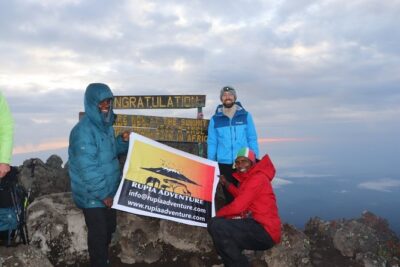
Cobra Point is where the route becomes truly memorable. The cliffs of the crater rim, the Ash Cone below, Kilimanjaro floating above the morning clouds, and the Rift Valley, if visibility is good, create a wide and powerful view.
From Cobra Point, the summit of Socialist Peak takes about another hour. The path is described as superb but often steep, so the final section calls for steady effort. At 4,566 meters, Socialist Peak is high enough for altitude to affect your breathing and pace. Do not judge yourself against anyone else in the group.
The return toward Rhino Point is one of the most dramatic sections of the trip. You walk along a narrow ridge between the sloping outer wall of the crater and the sheer inner cliffs. The sharp morning light can make the rock and crater forms especially striking.
This section also deserves care. Dramatic scenery often comes with exposure, uneven ground, and steep edges. Follow the guide closely, keep your attention on your footing, and save the photography for safe stopping points.
After the summit section, you return to Saddle Hut for brunch and rest. Then you descend to Miriakamba Hut at 2,514 meters. This makes for a long and tiring day, even though much of the route is downhill. Descending after a summit attempt can be hard on your legs, so trekking poles, if you normally use them, may be helpful. The tour information does not list equipment rentals, so ask the operator before departure if you need specific gear.
The staff support is particularly important on this day. Specific praise has gone to guide Mushin Said for attentive care, along with the ranger who supported the climb. Cabila and the wider team have also been praised for clear explanations, good meals, and steady organization. Those details matter most when you are tired, cold, or adjusting to altitude.
A few more trips of this kind worth comparing:
- Kilimanjaro climb by Lemosho Route (7-day)
★ 5.0 · 651 reviews - Safari Serengeti And Ngorongoro
★ 5.0 · 288 reviews - Kilimanjaro climb, Machame Route (7-day)
★ 5.0 · 262 reviews - Kilimanjaro Climbing Lemosho Route 8 Days.
★ 5.0 · 186 reviews
Day 4: A Quick Descent to Momella Gate
The last day is short, about two to three hours, with a descent of 1,014 meters. The trail passes through open grassland and mixed forest, giving you one more chance to see wildlife.
The descent offers good views back toward the crater and across the plains of the national park. After the high ridge of Day 3, this lower route feels open and spacious. Momella Gate is reached by late morning.
Do not underestimate the downhill. It is faster than the ascent, but tired knees and legs can make a short descent uncomfortable. The early finish is useful if you are returning to Moshi or continuing with other plans, but confirm your onward transport with Zara Tours before setting out.
What the $996 Price Really Covers
The cost is $996 per person. That is not a budget day hike, but it includes the expensive parts of a guided Tanzanian mountain trip: government fees, transport from Moshi to the trailhead, guide and porter salaries, and meals during the four-day program.
You also receive two nights of bed-and-breakfast accommodation in Moshi. The package lists four breakfasts, four lunches, and four dinners, so check the final meal schedule with the operator, particularly around your Moshi hotel stay and the mountain huts.
The value is strongest if you want a supported climb rather than arranging permits, transport, staff, food, and mountain accommodation yourself. A group size of up to 12 keeps the operation manageable while still giving the company enough people to run a full trek.
You should budget separately for tips to the guides, porters, driver, and cooks. Lunches and drinks at Springlands Hotel are also excluded, as are airport transfers and personal expenses. Those extras can affect the final cost, so I would ask Zara Tours for a clear pre-departure breakdown.
Guides, Meals, and Group Support
The strongest part of the experience is the human support. The team has been praised for professional service before the trek, quick answers to questions, clear explanations on the route, and careful attention during the climb.
Mushin Said is specifically named as a guide who took close care of a climber during a difficult ascent. Cabila and the support team also receive strong praise for organization and meal quality. These are not minor points. On a high-altitude climb, a calm guide who notices when you need to slow down can make the difference between a satisfying summit attempt and an unpleasant retreat.
The tour offers a vegetarian meal option if you request it at booking. You should state this early rather than relying on a last-minute request. Meals are included, which simplifies planning, but bring any personal snacks you know you will want during the long summit day.
Tips are not included. The amount is not specified, so ask the operator about current tipping practice before you go and carry enough local currency or an agreed payment method.
Who Will Enjoy This Climb Most?
I would recommend Mount Meru to you if you want a mountain trip with more variety than a straightforward summit trail. Wildlife, forest, moorland, crater cliffs, and Kilimanjaro views all appear within four days.
It is also a good fit for families with a moderate to strong fitness base. The ability to customize the itinerary helps, especially if one person wants to climb Little Meru while another prefers to rest at Saddle Hut.
You should think twice if you dislike steep paths, early starts, basic hut accommodation, or uncertain wildlife sightings. Animals are possible, not guaranteed. Clear views of Kilimanjaro and the Rift Valley also depend on weather.
The group limit of 12 is a sensible compromise. You get the structure and safety of a guided trek without being placed in a huge crowd. Still, a larger group can move at different speeds, so flexibility and patience will help.
Practical Details Before Departure
Pickup is offered, and the meeting information places the start at Kilimanjaro Airport and Kilimanjaro National Park in Tanzania. Confirm the exact pickup time and location with Zara Tours after booking, since the mountain start and Moshi accommodation involve different points.
Confirmation is provided at booking. The tour is near public transportation, and each person may bring one suitcase and one carry-on bag. Oversized items such as surfboards, golf clubs, or bicycles may be restricted, so ask before arrival if you have unusual luggage.
The cancellation terms are strict close to departure. Cancel at least six full days before the start for a full refund. Cancellation two to six full days beforehand allows a 50 percent refund, while cancellation less than two full days before the start receives no refund. The cut-off uses local Tanzanian time.
Should You Book the Mount Meru Climb?
Book this climb if you want wildlife and mountain scenery in one trip, and if you are ready for a genuinely demanding summit day. The sunrise views toward Kilimanjaro, the Ash Cone, and the crater ridge give Mount Meru its own identity rather than making it merely a practice run for another mountain.
I would be especially comfortable recommending it to fit families, first-time high-altitude climbers who understand the effort involved, and visitors who value strong guide support. At $996, the package offers solid value because major fees, transport, staff, meals, and Moshi accommodation are included.
Skip it if you want a relaxed nature walk or a soft adventure with little physical strain. Mount Meru rewards patience and preparation, but it asks you to work for the views.
FAQ
How long is the Mount Meru climb?
The experience lasts approximately four days.
Where does the Mount Meru experience begin?
The meeting information lists Kilimanjaro Airport and Kilimanjaro National Park in Tanzania. Pickup is offered, so confirm the precise meeting point with Zara Tours.
How high is the summit?
Socialist Peak reaches 4,566 meters.
Is Mount Meru suitable for families?
The experience is described as family-friendly and suitable for families, but participants should have a moderate level of physical fitness. The climb includes steep and sustained sections.
What wildlife might I see?
The route may offer sightings of buffalo, warthogs, elephants, birds, and monkeys, including black-and-white colobus monkeys.
Is Little Meru included?
The afternoon climb to Little Meru is an optional activity for energetic participants on Day 2. Little Meru reaches 3,820 meters.
Are meals included?
The package includes breakfast, lunch, and dinner. It also lists four breakfasts, four lunches, and four dinners. Vegetarian meals are available if requested at booking.
What is not included in the price?
Tips for guides, porters, the driver, and cooks are not included. Lunches and drinks at Springlands Hotel, airport transfers, and personal expenses are also excluded.
Just added around Moshi
- Moshi: Lake Chala Tour: Hiking &/or Kayaking★ 4.5 · 3 reviews
- 3 Days Tanga Exclusive Beach Holiday★ 5.0 · 3 reviews
- Serengeti Wildebeest Migration.★ 5.0 · 3 reviews
- Chemka Hotpsrings E-Bike Day Trip★ 5.0 · 3 reviews
- Explore 1 day Ngorongoro Crater Budget Group Safari from Arusha★ 5.0 · 3 reviews
- Explore the 360° of Kilimanjaro★ 5.0 · 3 reviews
- Affordable Short Tanzania Safari (2 Days Camping Safari)★ 5.0 · 3 reviews
- Rongai Route 7 Days★ 5.0 · 3 reviews
Mount Meru Treks, compared.
4 Days Mount Meru Climbing | Hiking | Trekking Tour
Read our review →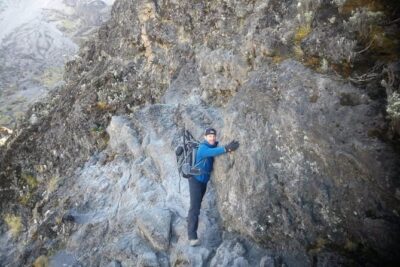
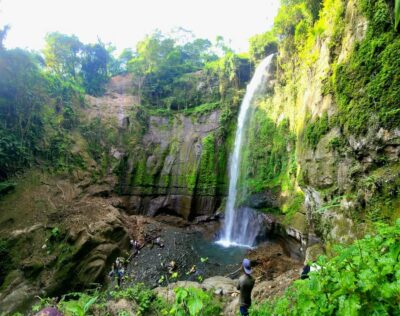
Mount Meru Arusha: Napuru Waterfall Hike by Kingstone Asilia
Read our review →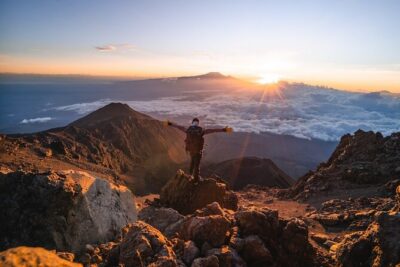
6-Day Mount Meru Climb through Momella Route Guided Tour
Read our review →
Golden Hour Walk & Sunset Viewpoint Over Mount Meru
Read our review →
Browse the lists this tour appears in