
Reviewed · 3-DAY EXPERIENCES
3 Days Tanzania Safari
Wild animals are only half the story. This three-day safari links Tarangire National Park, Ngorongoro Crater, and Lake Manyara in a compact Northern Circuit trip from Arusha. I like the variety: one day brings elephants and baobabs, another delivers the crater’s dense wildlife, and the last introduces you to Rift Valley scenery and hundreds of bird species. I also like the practical package, with a pop-up-roof 4×4, meals, park fees, bottled water, binoculars, and an animal field guide included.
The main drawback is the pace. You spend long hours in the vehicle, and camping for two nights is simpler than staying in a lodge. Ngorongoro and Tarangire deserve more time than a quick three-day circuit allows, so this safari works best if you want a strong first taste of northern Tanzania rather than a slow, deeply detailed expedition.
Quick verdict: This is a well-priced, wildlife-heavy itinerary with excellent park selection. The experience has a 4.8 rating from 20 ratings and a 95 percent recommendation rate. Strong guide service is a recurring theme, with guides including Roger, Alan, Edwin, Francis, Rashid, Ian, Joshua, and Richard Moshi receiving especially warm praise. Ask clear questions about the camping setup and final drop-off before booking.
In This Review
- Key points at a glance
- Why this three-day route works
- Day 1: Tarangire’s baobabs and elephant herds
- Day 2: Descending into Ngorongoro Crater
- Day 3: Lake Manyara and the Great Rift Valley
- Camping, meals, and vehicle comfort
- Price and what you really receive
- Who will enjoy this safari most
- Useful preparation before departure
- Should you book this safari?
- FAQ
- Where does the safari start?
- Which national parks are included?
- How long is the experience?
- Is this a private safari?
- What type of vehicle is used?
- Are park fees included?
- Are meals included?
- Is vegetarian food available?
- Are accommodation and camping included?
- Is airport transportation included?
- What is not included in the price?
- What gratuity is recommended?
- Do I need travel insurance?
- How far in advance can I cancel?
Key points at a glance
- Three famous parks in three days: Tarangire, Ngorongoro Crater, and Lake Manyara give you three very different settings.
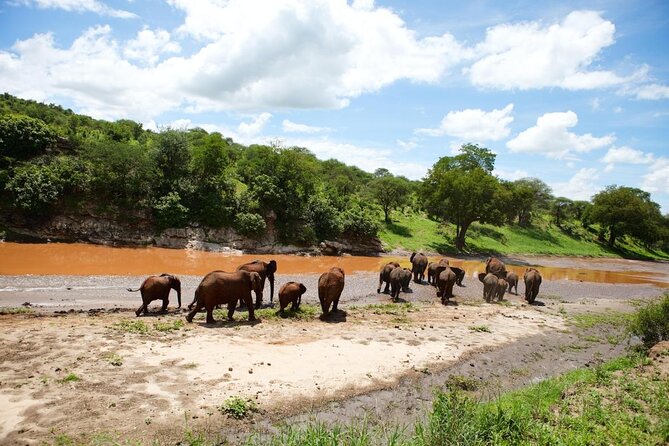
- Elephant country first: Tarangire is known for huge baobabs, large elephant herds, zebra, wildebeest, and buffalo.
- Ngorongoro is the wildlife highlight: The 600-meter descent into the crater leads to one of Tanzania’s most concentrated animal-viewing areas.
- A useful camping package: Two nights of accommodation, park fees, meals, water, emergency evacuation insurance, binoculars, and a field guide are included.
- Private group format: Only your own group participates, and pickup is offered from Mount Meru Hotel in Arusha.
- Good value at $1,038.47 per person: The price is easier to justify because transport, guide service, taxes, park fees, and most meals are covered.
Why this three-day route works
Northern Tanzania offers several major parks close enough to combine in a short trip. This route does not try to include every famous destination. Instead, it gives you three distinct settings and three different moods.
Tarangire feels dry, open, and sculptural, with baobabs rising above the trees. Ngorongoro is enclosed by steep crater walls and is famous for close wildlife viewing. Lake Manyara brings forest, open water, Rift Valley views, and birdlife.
That variety matters. You are not spending three days looking at the same type of grassland. One morning may be about elephants and giant trees. The next may focus on rhino, lions, or large grazing animals. The final day shifts attention toward flamingos and water birds.
The schedule is still demanding. Each day is listed at roughly six to seven hours, and those hours include driving, wildlife viewing, stops, and meals. You should expect early starts and plenty of time seated in the safari vehicle. A moderate level of physical fitness is recommended, though the main challenge is the length of the days rather than strenuous walking.
More Safaris in Arusha
- Serengeti Balloon Safari and authentic bush breakfast
★ 5.0 · 2,480 reviews - Balloon Safari & Bush Breakfast in Serengeti – Miracle Experience
★ 5.0 · 1,646 reviews - 4 Days Group Camping Safari
★ 5.0 · 1,101 reviews
Day 1: Tarangire’s baobabs and elephant herds
Pickup takes place in the morning from Mount Meru Hotel in Arusha. From there, you drive toward Tarangire National Park for an afternoon game drive with a picnic lunch.
Tarangire is an excellent opening act because it looks and feels different from the parks that follow. Its sparse vegetation makes animals easier to spot in some areas, while enormous baobabs give the park a memorable shape. These trees are not just scenery. They help create the dry-country character that makes Tarangire so distinctive.
The park is especially well known for elephants. Herds can number in the hundreds, and the itinerary highlights groups of up to 300 animals searching for underground water in dry riverbeds. Watching elephants work through dusty ground, gather near water, or move beneath baobabs can be one of the most rewarding parts of the safari.
Tarangire also attracts migratory wildebeest, zebra, and buffalo. During drier periods, shrinking lagoons can draw animals together, making the game drive feel busy with movement. You might see a single elephant close to the vehicle, then find a broad group of grazers farther out.
The afternoon timing has both advantages and limits. Afternoon light can be attractive for photographs, and you avoid spending the entire day on the road before reaching the park. On the other hand, you have less time than on a full-day Tarangire visit. If elephants are your main reason for choosing this trip, tell your guide early. Guides can often help shape the day around your interests, though animal sightings can never be guaranteed.
A picnic lunch is included. The vehicle has a pop-up roof, which gives you a better viewing angle than a standard closed vehicle. Bottled water is also provided, a small detail that matters during warm hours on rough park roads.
Day 2: Descending into Ngorongoro Crater
Day two starts early. You descend about 600 meters through the crater walls to the floor of Ngorongoro, a dramatic change from Tarangire’s open dry-country feel.
Ngorongoro Conservation Area is a UNESCO World Heritage Site and one of the most striking wildlife settings in Tanzania. The crater walls surround a broad natural basin, creating a sense that the animals are gathered in one enormous outdoor theater. You are not simply driving through a park. You are moving down into a contained world with steep sides rising around you.
Wildlife viewing here can be very productive. The crater floor provides habitat for many species, and you may see large grazing animals, predators, and birds during the game drive. The itinerary also points to the possibility of seeing the endangered black rhino. That sighting is never promised, but even the chance adds importance to the day.
Ngorongoro is often the emotional center of a short Northern Circuit safari. The descent itself is memorable, and the views from the crater rim help you understand the scale of the place. Once below, the close animal viewing can feel almost unreal.
There are trade-offs. Ngorongoro can be busy, especially at popular wildlife-viewing spots. The crater floor is also reached after an early start and a substantial drive, so you should not expect a relaxed morning. The seven-hour estimate gives you a useful guide, but road conditions, wildlife stops, and park procedures can affect the exact schedule.
This is the day to use the binoculars included with the trip. They help you scan the crater floor, identify distant animals, and watch birds without relying only on your camera’s zoom. The included bird and animal field guide can also turn quiet periods into useful learning time.
Day 3: Lake Manyara and the Great Rift Valley
The final park is Lake Manyara National Park, located within the Great Rift Valley. The day includes a morning drive into the park, wildlife viewing, and an afternoon return toward Arusha, Moshi, or Kilimanjaro Airport.
Lake Manyara offers a different experience from both Tarangire and Ngorongoro. The park is known for its soda-ash lake, forested areas, and dramatic Rift Valley setting. It is also associated with tree-climbing lions. Seeing one high in a tree is not guaranteed, but the possibility gives the park a particular appeal.
Birdlife is the main reason to pay attention here. The lake can attract pink flamingos, and more than 400 bird species are associated with the park. Many are waterfowl or migrants. If you enjoy bird photography, bring a camera with a strong optical zoom. One practical tip from safari experience is to bring DEET, since insects and flies can be bothersome around some wet areas.
The park may feel less focused on large mammals than Ngorongoro, but that is not a weakness for everyone. Lake Manyara gives the trip a broader natural focus. You can watch for birds, study the forest edge, and take in the Rift Valley setting instead of spending every minute searching for the Big Five.
The timing is important. A six-hour day followed by the return drive can make the last day feel full. If you are flying from Kilimanjaro Airport, confirm the expected arrival time before booking a same-day flight. Airport transfers before or after the safari are not included, though they can be arranged on request.
More safaris to compare:
- 5 Days Group Camping Safari
★ 5.0 · 730 reviews - 3 Days Serengeti & Ngorongoro Group Camping Safari
★ 5.0 · 574 reviews - 7-Day Premium Luxury Tanzania Safari All-Inclusive
★ 5.0 · 426 reviews - 3-Day Classic Serengeti Safari
★ 5.0 · 263 reviews
Camping, meals, and vehicle comfort
This is a camping safari with two nights of accommodation. Exact campsite details are not provided, so ask where you will sleep, what bedding is supplied, and how the tents are arranged before you pay. Camping can make the safari feel closer to the bush, but it also means less privacy and fewer comforts than a lodge itinerary.
Meals are included according to the schedule. The package lists breakfast, lunch, and dinner, along with coffee or tea. Picnic lunches are part of the daily routine, and one direct account describes lunchboxes being supplied each day. Vegetarian food is available, but you need to request it when booking.
The 4×4 vehicle has a pop-up roof for game viewing and unlimited mileage. That is a meaningful inclusion. Safari drives cover long distances, and a mileage limit can force uncomfortable choices. Here, you can spend more time following an interesting animal or taking a longer route without watching a mileage meter.
A pair of binoculars and a field guide are included. These are not luxury extras. Binoculars help with distant animals and birds, while the guide gives you a simple way to identify species and understand what you are seeing.
The company’s strongest practical advantage appears to be its guiding. Past safari parties have praised Roger for his friendly manner and attention to personal wishes, Alan for careful service, Edwin for teaching about wildlife and the country, and Ian for his respect for nature. Other well-regarded names include Joshua, Francis, Rashid, and Richard Moshi. You cannot assume a specific guide will be assigned, so request one by name only if the company confirms availability.
Price and what you really receive
At $1,038.47 per person, this is not a bargain-basement day trip. It is also not simply the cost of three park entries. The price includes two nights of accommodation, national park fees, a professional guide, a 4×4 vehicle, meals, bottled water, government taxes, emergency evacuation insurance, binoculars, a field guide, and hotel pickup and drop-off.
That bundle makes the price easier to understand. Park fees alone form a significant part of a Tanzania safari budget, and transport through three parks requires a capable vehicle and a full-time driver-guide. Included taxes and meals also reduce the small add-on costs that can build up during a short trip.
Group discounts are offered. Since the activity is private to your own group, ask how the per-person price changes with two, three, or more participants. A solo booking may cost more per person than a small private group, while a family or group of friends may find the package more attractive.
You still need to budget for personal items, alcoholic drinks, visa costs, travel insurance, and gratuities. The suggested gratuity is $15 per day for the cook and $20 per day for the guide, divided among everyone in the vehicle. Pre- and post-safari accommodation and airport transfers are also extra unless arranged separately.
Who will enjoy this safari most
I would recommend this trip to someone with limited time in northern Tanzania who wants three famous parks without planning every transfer alone. It suits couples, families, and small private groups that value their own vehicle and guide.
Families can benefit from the private format, especially since the schedule and wildlife interests can be discussed within one group. One family described making lasting memories with three children, though the early starts and long drives still require patience from younger children.
This safari also suits first-time visitors who want variety. You get elephants, baobabs, crater wildlife, possible rhino sightings, tree-climbing lion country, flamingos, and a broad introduction to Tanzanian birdlife.
It may not suit you if you want slow mornings, luxury lodging, or long stays in one park. Three parks in three days is efficient, but it is not leisurely. If your main goal is photography, ask about extending Tarangire or Ngorongoro rather than trying to cover more ground.
Useful preparation before departure
Pack light but prepare for changing conditions. Bring comfortable clothing, sun protection, a camera with a strong optical zoom, DEET, and personal toiletries. The included field guide and binoculars mean you do not need to buy those items separately.
Tell the company about dietary needs at booking time. Vegetarian meals are available, but last-minute requests are less practical on a camping trip.
Confirm your pickup point, final destination, accommodation details, and airport timing. Pickup is offered, with the stated start point at Mount Meru Hotel in Arusha. The final drive can return you to Arusha or Moshi, or take you to Kilimanjaro Airport.
A visa is required and must be obtained at the border or airport. Personal travel insurance is not included, even though emergency evacuation insurance is part of the package.
Free cancellation is available if you cancel at least 24 hours before the local start time. Changes or cancellations made inside that window are not accepted for a refund.
Should you book this safari?
Book it if you want a private, tightly planned introduction to Tanzania’s Northern Circuit and you are comfortable with camping and long driving days. The route has real variety, the included equipment is useful, and the price covers many of the expensive pieces of a safari.
Think twice if you want a relaxed lodge holiday or a single-park trip with more time for photography. Before booking, confirm the campsite standard, the exact meal schedule, the assigned guide, and your return time. If those details suit you, this three-day safari offers a strong first look at northern Tanzania without wasting time on a narrow itinerary.
FAQ
Where does the safari start?
Pickup is offered from Mount Meru Hotel in Arusha in the morning on day one.
Which national parks are included?
The safari visits Tarangire National Park, Ngorongoro Conservation Area, and Lake Manyara National Park.
How long is the experience?
The safari lasts approximately three days. The listed touring time is about seven hours on day one, seven hours on day two, and six hours on day three.
Is this a private safari?
Yes. Only your own group participates in the private tour or activity.
What type of vehicle is used?
The safari uses a 4×4 vehicle with a pop-up roof for game viewing and unlimited mileage.
Are park fees included?
Yes. National park fees and government taxes are included in the price.
Are meals included?
Yes. Meals are included according to the itinerary, with breakfast, lunch, dinner, coffee, and tea listed in the package. Picnic lunches are part of the safari schedule.
Is vegetarian food available?
Yes. A vegetarian option is available if you advise the company when booking.
Are accommodation and camping included?
Two nights of accommodation are included. This is described as a camping safari, but the specific campsite and bedding details should be confirmed before departure.
Is airport transportation included?
Pre- and post-safari accommodation and airport transfers are not included. The final day can end in Arusha, Moshi, or at Kilimanjaro Airport, and additional transfers may be arranged on request.
What is not included in the price?
Personal items, camera equipment, visa costs, personal travel insurance, alcoholic drinks, gratuities, and pre- or post-safari accommodation are not included.
What gratuity is recommended?
The stated recommendation is $15 per day for the cook and $20 per day for the guide, divided among everyone in the vehicle.
Do I need travel insurance?
Personal travel insurance is not included and should be arranged separately. Emergency evacuation insurance is included.
How far in advance can I cancel?
You can cancel at least 24 hours before the experience start time for a full refund. Cancellations or changes made less than 24 hours before the local start time are not refunded or accepted.
More Three-Day Trips
- 3 Day Serengeti National Park & Ngorongoro Crater Camping Safari
★ 5.0 · 142 reviews - 3 Days Tarangire, Ngorongoro & Lake Manyara Group Camping Safari
★ 5.0 · 102 reviews - 3 Days Private Safari – manyara, Ngorongoro & Tarangire
★ 5.0 · 94 reviews - 3 Days Small Group Safari to Serengeti NP and Ngorongoro Crater Tour in Tanzania
★ 5.0 · 77 reviews
Just added around Arusha
- 5 Days Safari Tarangire, Serengeti, and Ngorongoro Crater★ 5.0 · 3 reviews
- Love lives in Africa★ 5.0 · 3 reviews
- 5 Days of Safari, Culture & Hot Springs – Tour from Arusha★ 5.0 · 3 reviews
- Arusha National Park Safari by Jeep★ 4.5 · 3 reviews
- 5Days Family _Group Tour Lodging Mid-Range in the Jungle★ 5.0 · 3 reviews
- 2 Days Tarangire and Ngorongoro Crater Tour★ 5.0 · 3 reviews
- Serengeti & Ngorongoro 3 Days Budget Safari★ 5.0 · 3 reviews
- 7 Days PRIVATE Best of Tanzania Safari *Departing everyday*★ 5.0 · 3 reviews
3-Day Experiences, compared.

3 Days Serengeti & Ngorongoro Group Camping Safari
Read our review →
3 Day Serengeti National Park & Ngorongoro Crater Camping Safari
Read our review →
3 Days Tarangire, Ngorongoro & Lake Manyara Group Camping Safari
Read our review →
3 Days Private Safari – manyara, Ngorongoro & Tarangire
Read our review →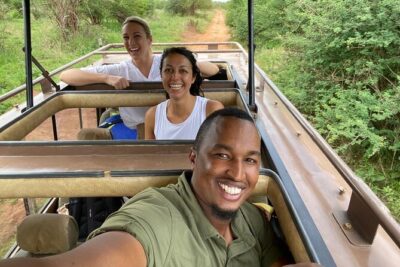
3 Days Small Group Safari to Serengeti NP and Ngorongoro Crater Tour in Tanzania
Read our review →3 Days Safari to Tarangire, Ngorongoro & Lake Manyara parks
Read our review →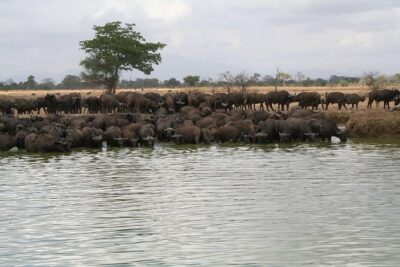
Browse the lists this tour appears in