
Reviewed · SAFARIS IN MOSHI
4-Day Shared Safari Tour with Complete Meals
Safari country rewards patience. This four-day trip links Tarangire, Serengeti, and Ngorongoro Crater in one efficient route from Moshi, with park drives, camping, and meals included. I like the strong variety of habitats, and I like that the shared vehicle keeps the $1,000 price more manageable. The main tradeoff is time: long road transfers and early starts leave little room for rest.
I also like the practical support from Tarry Adventures and Safaris. Peter has arranged transfers and safari plans for past customers, while guides including Mike and Godfrey have earned praise for their driving, wildlife knowledge, and friendly approach. You should still expect a busy schedule, basic campsite living, and no guarantee that every member of the Big Five will appear.
In This Review
- Five things to know before you book
- The route gives you three very different safari settings
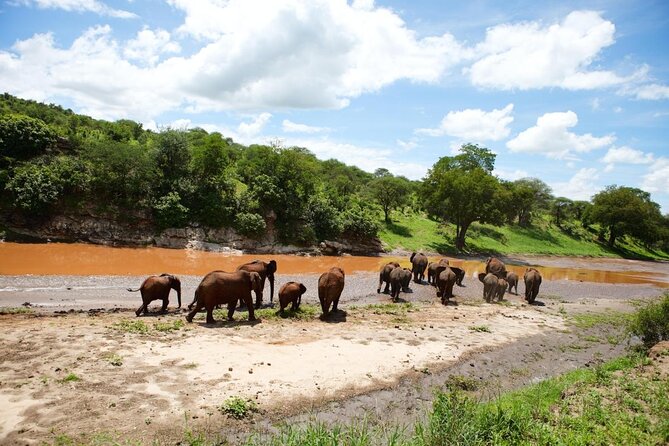
- Day one: elephants and Tarangire’s big herds
- Day two: the long road toward the Serengeti
- Day three: the main Serengeti game drive
- Day four: Ngorongoro Crater and the return to Arusha
- What meals and camping are really worth
- How the shared vehicle affects the experience
- Guide quality is central to the value
- Who should book this four-day safari
- Should you book Tarry Adventures and Safaris?
- FAQ
- Where does the safari begin?
- Which national parks are included?
- How many people can join the shared safari?
- Are meals included?
- Where are the overnight stays?
- Can I cancel for a full refund?
Five things to know before you book
- Three famous wildlife areas in four days: You visit Tarangire National Park, Serengeti National Park, and Ngorongoro Crater.
- Tarangire is your elephant country day: The first park drive lasts roughly four to six hours, with a total day of about six hours.
- The Serengeti gets the longest look: Day three allows about nine hours for an early drive, bush breakfast, more wildlife viewing, and a later transfer.
- Meals are part of the package: Breakfast, dinner, hot lunch, and bush breakfast are included as part of the camping plan.
- The group can reach 15 people: A shared safari lowers the cost, but space and viewing angles depend on the group and vehicle.
- The price includes real park time: At $1,000 per person, the value comes from combining transport, park access, guiding, meals, campsites, and three major parks.
The route gives you three very different safari settings
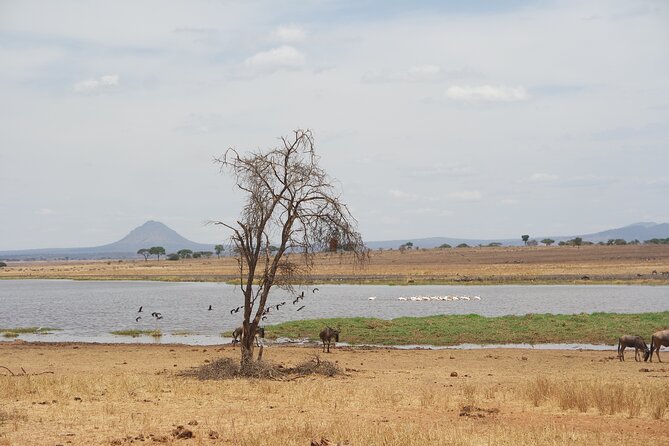
This safari works because the parks do not feel like copies of one another. Tarangire offers a strong first look at wildlife, especially elephants. The Serengeti gives you broad open country and the chance to spend a full day watching animal behavior unfold. Ngorongoro Crater then packs a high concentration of wildlife into a dramatic enclosed setting.
You are not simply ticking off three names on a map. Each stop has a different rhythm. Tarangire is a manageable introduction after pickup in Moshi. The Serengeti requires a longer journey, but rewards you with more time in the park. Ngorongoro provides a final game drive before you return toward Arusha.
The route also includes a human side. On the way through the Ngorongoro area, you can see Maasai communities living near wildlife. That matters because the safari is not only about animals behind an invisible border. People, livestock, conservation, and tourism share the same region, sometimes uneasily.
More Safaris in Moshi
- Safari Serengeti And Ngorongoro
★ 5.0 · 288 reviews - Big Five Safari In Tanzania
★ 5.0 · 99 reviews - Unforgettable Tanzania Safari And Zanzibar Beach
★ 5.0 · 97 reviews
Day one: elephants and Tarangire’s big herds
Pickup is scheduled for 7 a.m. from your hotel, followed by the drive toward Tarangire National Park. That early start helps you use the daylight well, though you should be ready for a full road day before you even reach the campsite.
Tarangire is known for its large elephant herds and wide range of animals. The park is described as supporting nearly 250,000 animals, giving you a strong chance to see more than one or two headline species. The stated game-viewing time is about four to six hours, enough for a useful first safari without making day one impossibly long.
I like the order of this day. You begin with a park that can offer memorable animal sightings, rather than spending the first day only in transit. You also get a quick introduction to the basic safari routine: drive, watch, wait, eat, and keep your eyes open.
At the end of the drive, you leave Tarangire for Kizumba campsite. Dinner and the first overnight stay are included there. Camping changes the feel of the trip. You are not returning to a city hotel each evening, so the safari feels more connected to the parks and the roads between them.
The compromise is comfort. The provided information does not describe tent size, bathroom arrangements, bedding, or electricity, so you should ask Tarry Adventures and Safaris before departure if those details matter to you. A campsite stay can be enjoyable, but it is not the same as a lodge.
Day two: the long road toward the Serengeti
After breakfast, you set out for Serengeti National Park, often called the endless plains. This is the longest-feeling transfer of the trip, with about seven hours assigned to the day. The drive is part of the safari, but you should not expect seven uninterrupted hours of game viewing.
You pass through the Ngorongoro Gate, where permits are handled, then continue through an area where you can see Maasai life near the wildlife zones. This portion adds useful context. The parks are not isolated islands, and the communities around them have their own daily routines and livelihoods.
The views and animal sightings during this crossing can vary. Some stretches may feel slow, especially if you are eager to reach the Serengeti. That is the price of covering so much ground in only four days. If your priority is seeing a lot of the Serengeti, this plan gives you access, but a longer safari would give you more time and less road pressure.
The value of a shared trip becomes clear here. The driving, park access, and route planning are bundled into one package, and the cost is spread among the group. You may share the vehicle with up to 14 other people, although the actual group size can be smaller. Past arrangements included groups of four other people, with enough room in the safari vehicle for the group to travel comfortably.
Day three: the main Serengeti game drive
Day three is the busiest wildlife day, and it is likely to be the part you remember most clearly. You wake early for a morning game drive in the central Serengeti plains, followed by a bush breakfast. Then you continue game viewing until noon before returning to camp for a hot lunch.
That early start is worthwhile. Animals are often most active in the cooler part of the day, and the quiet morning can make the drive feel more focused. I also like the bush breakfast because it breaks up the usual campsite routine and lets you eat in the middle of the park day.
After lunch, the schedule continues toward Simba campsite for dinner and another overnight stay. The day is listed at about nine hours, so this is not a gentle sightseeing outing. You will spend a lot of time in the vehicle, and the rougher sections of road may test your patience. Bring water, sun protection, and something light to cover your face if dust bothers you.
The Serengeti is the best place on this trip to let your guide shape the day. A strong guide watches animal behavior, communicates with other drivers, and knows when to wait rather than rush away. Mike and Godfrey are names connected with especially positive impressions of the safari operation, with Mike receiving praise for his driving and easygoing manner.
The guide’s role matters more than a polished vehicle or a long species checklist. You may see four of the Big Five, or perhaps all five, but wildlife does not follow a timetable. A good guide can improve your chances while still respecting the fact that the park is not a zoo.
More safaris to compare:
- 8-Day Essence of Tanzania Safari – Luxury
★ 5.0 · 72 reviews - Great Migration Safari In Tanzania
★ 5.0 · 71 reviews - Serengeti, Ngorongoro and Tarangire 4 Days Safari
★ 5.0 · 59 reviews - 6 Days 5 Night Safari
★ 5.0 · 57 reviews
Day four: Ngorongoro Crater and the return to Arusha
The final day begins with an early drive to Ngorongoro Crater. The crater is known as a natural breeding area for the endangered black rhino in East Africa, so this is an important stop even if you have already seen plenty of animals.
The crater’s enclosed form gives the game drive a different character from the open Serengeti. You may find the wildlife viewing feels more concentrated, but the experience can also feel busier because many safari vehicles aim for the same limited area. The supplied plan allows about seven hours for the day, including game viewing, bush breakfast, and the journey back toward Arusha.
The bush breakfast appears again here, giving you another chance to eat outdoors during the day. After more game viewing, you return to Arusha in the evening. The tour begins in Moshi, so confirm exactly where your final drop-off will be if you need to return to Moshi rather than stay in Arusha.
This final transfer is worth planning around. Do not schedule a tight evening flight or an important connection unless the operator confirms the arrival time. The day includes an early start, park time, and a substantial road journey.
What meals and camping are really worth
Complete meals add genuine value to this safari. You are not stopping to find restaurants between each park, and the schedule would make that difficult anyway. The plan includes breakfast, dinner, hot lunch, and bush breakfast, which means your food is built around the driving days.
One especially useful detail is dietary flexibility. A past safari arranged vegetarian meals, so tell the operator about dietary needs when you book rather than waiting until pickup. The available information does not list a full menu, snacks, drinks, or special meal options, so ask if those affect your planning.
Camping keeps the price below what you would expect from a private lodge-based safari. It also places you closer to the travel rhythm of northern Tanzania: early mornings, shared meals, long drives, and evenings at camp. If you prefer private rooms, quiet nights, and more control over your schedule, this may feel too basic.
If you see the campsite as part of the adventure rather than merely a cheap bed, the arrangement makes sense. Just pack with limited comfort in mind and get the practical details before you leave.
How the shared vehicle affects the experience
The maximum group size is 15 people. That does not mean every departure will have 15, but you should book with the possibility of a fairly full vehicle in mind. Shared safaris are usually strongest for people who enjoy meeting others and can accept that everyone may want a different view or pace.
A smaller shared group can feel very comfortable. One past arrangement had four other people in the vehicle, with enough space for everyone. With more passengers, getting a clear window position or taking a quick wildlife photograph may require patience and cooperation.
The benefit is price. A four-day trip covering three major parks, with meals, camping, guiding, transport, and park access, costs $1,000 per person. That is a serious amount of money, but the package includes the expensive parts of a northern Tanzania safari. The value is strongest if you want a broad first safari without paying for a private vehicle.
A private safari would likely give you more control, but that is not included here and would normally cost more. This shared option suits you best if you care more about seeing the parks than controlling every minute.
Guide quality is central to the value
The company’s strongest practical advantage appears to be its people. Peter has handled safari planning and helped arrange transfers between Moshi and Arusha. That kind of support is useful when your trip involves several parks, campsites, permits, and changing departure points.
The guides are also important. Mike received specific praise for his driving and personality, while Godfrey was described as a very good driver. The guides are presented as well informed about wildlife and ready to add facts and humor during the trip.
I would still ask who is assigned to your departure. Individual guide quality can shape the entire safari, especially during the long Serengeti transfer and the early morning drives. A friendly guide who explains animal behavior can make a slow hour feel worthwhile.
The food service also received strong praise, including the ability to adapt meals for vegetarians. That is a small detail with a large effect when you are spending four days away from regular restaurants.
Who should book this four-day safari
I would consider this trip a good fit for you if:
- You want three major parks in a short holiday.
- You are comfortable with shared transport and camping.
- You want meals included rather than arranging food on the road.
- You enjoy early starts and long wildlife drives.
- You are visiting Tanzania for the first time and want a broad introduction.
- You value guide support and practical trip planning.
You may want a different format if you dislike long transfers, need private accommodation, or want to spend several days in one park. Four days is enough for a strong sample of northern Tanzania, but it is not enough to remove the uncertainty of wildlife viewing or allow a slow, relaxed pace.
The free cancellation terms are useful: you can cancel at least 24 hours before the start time for a full refund. Changes made inside that 24-hour window are not accepted, and the minimum group requirement means a departure could be changed or canceled if it is not met.
Should you book Tarry Adventures and Safaris?
I would book this safari if you want solid coverage, shared costs, and a full meal plan in one package. The combination of Tarangire’s elephants, the Serengeti’s central plains, and Ngorongoro’s rhino habitat gives you a well-shaped first safari.
Before paying, confirm the pickup and final drop-off city, exact campsite facilities, group size, vehicle arrangements, and which guide will lead your departure. If those details suit you, the $1,000 price offers good value for a demanding but rewarding four-day route.
FAQ
Where does the safari begin?
The safari begins with pickup from your hotel in Moshi at about 7 a.m. on the first day.
Which national parks are included?
The route includes Tarangire National Park, Serengeti National Park, and Ngorongoro Crater.
How many people can join the shared safari?
The maximum group size is 15 people.
Are meals included?
Yes. The tour includes meals, including breakfast, dinner, hot lunch, and bush breakfast during the scheduled safari days.
Where are the overnight stays?
The first night is at Kizumba campsite. The later camping plan includes Simba campsite for dinner and an overnight stay.
Can I cancel for a full refund?
Yes. You must cancel at least 24 hours before the experience start time to receive a full refund.
More 4-Day Experiences
- 4-day Tanzania Safari
★ 5.0 · 53 reviews - 4 Days Group Joining Camping Safari to Tarangire Serengeti Ngorongoro Crater
★ 5.0 · 50 reviews - 4 days adventure camping safari
★ 5.0 · 44 reviews - 4 Day Private Tour Throughout Tarangire, Serengeti and Ngorongoro
★ 5.0 · 42 reviews
Just added around Moshi
- Moshi: Lake Chala Tour: Hiking &/or Kayaking★ 4.5 · 3 reviews
- 3 Days Tanga Exclusive Beach Holiday★ 5.0 · 3 reviews
- Serengeti Wildebeest Migration.★ 5.0 · 3 reviews
- Chemka Hotpsrings E-Bike Day Trip★ 5.0 · 3 reviews
- Explore 1 day Ngorongoro Crater Budget Group Safari from Arusha★ 5.0 · 3 reviews
- Explore the 360° of Kilimanjaro★ 5.0 · 3 reviews
- Affordable Short Tanzania Safari (2 Days Camping Safari)★ 5.0 · 3 reviews
- Rongai Route 7 Days★ 5.0 · 3 reviews
Safaris in Moshi, compared.

Unforgettable Tanzania Safari And Zanzibar Beach
Read our review →
Serengeti, Ngorongoro and Tarangire 4 Days Safari
Read our review →
7-Day Magical Tanzania Safari -Premium High End Package
Read our review →Browse the lists this tour appears in