
Reviewed · 6-DAY EXPERIENCES
6 Days Enchanting Tanzania Safaris – Mid Range Safari
Wildlife comes first on this six-day circuit. Starting in Arusha or Moshi, you visit Lake Manyara, Serengeti, Ngorongoro Crater, and Tarangire, four of northern Tanzania’s best-known wildlife areas. I like the strong variety: tree-climbing lions and elephants at Manyara, wide-open plains in the Serengeti, a dense animal population in the crater, and huge elephant herds at Tarangire. I also like that this is a private safari, so only your own group takes part.
The main trade-off is time on the road. Six days covers a lot of ground, and the itinerary includes several long transfers between parks. The schedule also leaves little room for delays, so you should be comfortable with early starts, bumpy park roads, and days built around game drives rather than slow mornings.
In This Review
- Key points at a glance
- What the six-day route gives you
- Day 1: Lake Manyara and the Great Rift Valley escarpment
- Day 2: Entering the Serengeti through the highlands
- Day 3: A full Serengeti morning in Seronera
- Day 4: Olduvai Gorge and the Ngorongoro Crater
- Day 5: Tarangire’s elephants and baobabs
- Day 6: A final Tarangire drive and return transfer
- Guides, organization, and the private format
- What is included, and what you still pay for
- Who will like this safari most
- Booking advice and cancellation terms
- FAQ
- Where does the safari start?
- Which national parks are included?
- Is this a private safari?
- Is airport pickup and return included?
- Are meals included?
- Is the Serengeti hot-air balloon ride included?
- What happens if bad weather cancels the safari?
- Should you book it?
Key points at a glance
- Four major parks in six days: Lake Manyara, Serengeti, Ngorongoro, and Tarangire give you a broad introduction to northern Tanzania.
- Private group format: Your group travels together rather than joining a larger shared safari.
- Seronera focus in the Serengeti: This central area has water from the Seronera River and is known for strong wildlife viewing.
- Optional Serengeti balloon ride: A hot-air balloon flight is available for an extra charge by advance arrangement.
- Many meals and park costs are included: The price covers accommodation, park fees, taxes, breakfasts, lunches, five dinners, guiding, and airport transfers.
- Three published ratings give it a 5 out of 5 score: Praise centers on organization, affordable pricing, and guides such as James, Justine, Rafael, and Freddy.
What the six-day route gives you
At $2,887.83 per person, this is not a budget camping trip, but it is also not positioned as a luxury safari. It sits in the mid-range bracket, with accommodation, meals, park fees, and transport bundled into one price.
That matters in Tanzania. Park fees and transfers can add up quickly, and a package that includes both removes much of the arithmetic. You still need to budget for tips, international flights, and the optional balloon ride. The itinerary lists airport pickup and return transfers, which can also save you the trouble of arranging separate transport around Arusha or Moshi.
I see the route as a good first safari outline. You get four distinct wildlife settings rather than spending all six days in one park. The cost is easier to judge if you value that range, private transport, and included meals. If you prefer a slower trip with two or three nights in each place, this schedule may feel rushed.
The advertised start time is 6:00 a.m. That is useful for wildlife viewing, but you should expect the days to begin early. The stated duration for each park stop is about six hours, though the road transfers make some days feel much longer overall.
More Safaris in Arusha
- Serengeti Balloon Safari and authentic bush breakfast
★ 5.0 · 2,480 reviews - Balloon Safari & Bush Breakfast in Serengeti – Miracle Experience
★ 5.0 · 1,646 reviews - 4 Days Group Camping Safari
★ 5.0 · 1,101 reviews
Day 1: Lake Manyara and the Great Rift Valley escarpment
The first day begins with pickup in Arusha or Moshi and a transfer to Lake Manyara National Park. The plan is to reach your lodge around lunchtime, eat, and then head out for an afternoon game drive lasting about six hours.
Manyara is a memorable opening park because of its setting. A shallow soda lake spreads beneath the western escarpment of the Great Rift Valley, while woodland and other habitats occupy the surrounding park. The lake covers only part of the park, so the drive is not simply a search along one shoreline.
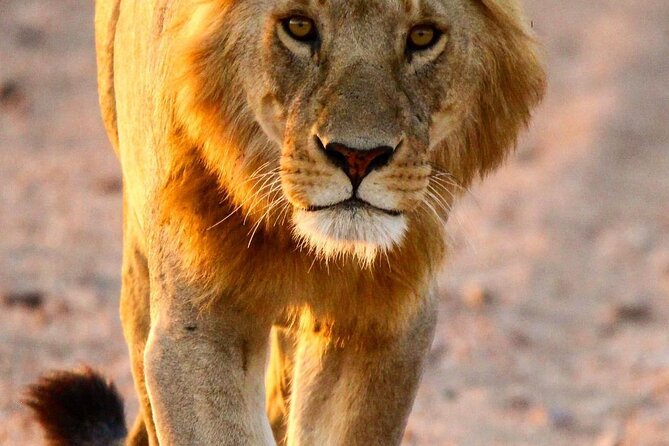
The park is particularly known for elephants and tree-climbing lions. The lions are not guaranteed, of course, but they are the feature that gives Manyara its special character. Large flocks of flamingos may gather where algae draws them to the lake, adding another reason to keep your eyes on both the water and the trees.
I like this first stop because it offers a compact introduction to Tanzania’s wildlife. The drawback is that you arrive after a transfer, so the afternoon drive may be your first real chance to settle into the pace of safari. If you are hoping for a full day in the park, this schedule does not provide one.
Day 2: Entering the Serengeti through the highlands
After breakfast, you travel through the farmland around Karatu and the Ngorongoro Conservation Area before dropping toward the Serengeti. This is a scenic change of setting, from cultivated highlands to the open plains of the park.
The destination is the Seronera area, one of the Serengeti’s key wildlife zones. The Seronera River supplies water, which helps attract animals and gives you a reasonable base for seeing a broad mix of species. The day includes arrival, lunch, and an afternoon game drive.
The Serengeti is enormous, covering about 14,500 square kilometers. That scale is exciting, but it also explains why the transfer takes time. You are not simply moving between nearby attractions. You are crossing a large protected area where the view can change from open grassland to another stretch of open grassland, with wildlife sightings providing the punctuation.
A Seronera stay is useful because it places you in one of the park’s main viewing areas rather than treating the Serengeti as a quick photo stop. Still, the plan allows only one afternoon on this arrival day. You should think of Day 2 as both a transfer day and a game-viewing day.
Day 3: A full Serengeti morning in Seronera
Day 3 is the safari’s best chance to settle into the Serengeti. The plan includes a morning game drive on the Sogore River Circuit, which loops through the plains south of the Seronera River.
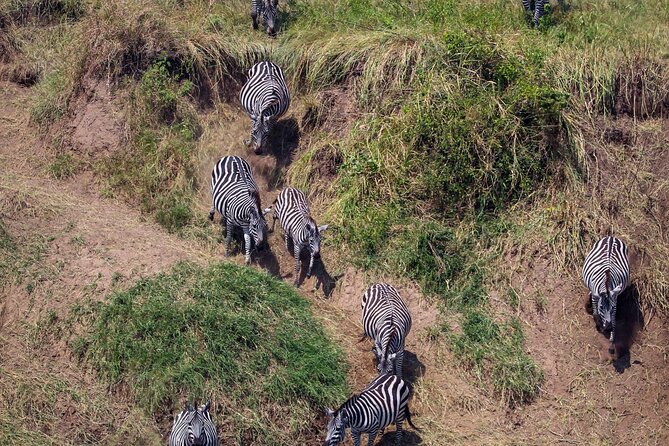
That route is associated with possible sightings of lions, Thomson’s gazelles, topi, ostriches, and cheetahs. Wildlife never follows a timetable, but this is the kind of varied area where you have a good reason to stay alert. The morning light can also make the open country easier to read, with animals visible at a distance.
The itinerary also allows a visit to the Serengeti Visitor Centre near the Seronera Lodge and public campsites. That gives you something other than repeated vehicle time, although the supplied schedule does not provide a detailed length of stay there.
A hot-air balloon ride is offered for an additional fee by advance arrangement. It is an optional splurge, not part of the quoted price. If you choose it, confirm the extra cost and timing before booking, since it may affect the regular morning drive.
The biggest weakness here is the limited Serengeti duration. You have the arrival afternoon on Day 2 and a main morning drive on Day 3, but you do not get several full days in the park. For a first look at the Serengeti, that can work well. For a trip centered on migration timing or repeated predator searches, you may want a longer itinerary.
More safaris to compare:
- 5 Days Group Camping Safari
★ 5.0 · 730 reviews - 3 Days Serengeti & Ngorongoro Group Camping Safari
★ 5.0 · 574 reviews - 7-Day Premium Luxury Tanzania Safari All-Inclusive
★ 5.0 · 426 reviews - 3-Day Classic Serengeti Safari
★ 5.0 · 263 reviews
Day 4: Olduvai Gorge and the Ngorongoro Crater
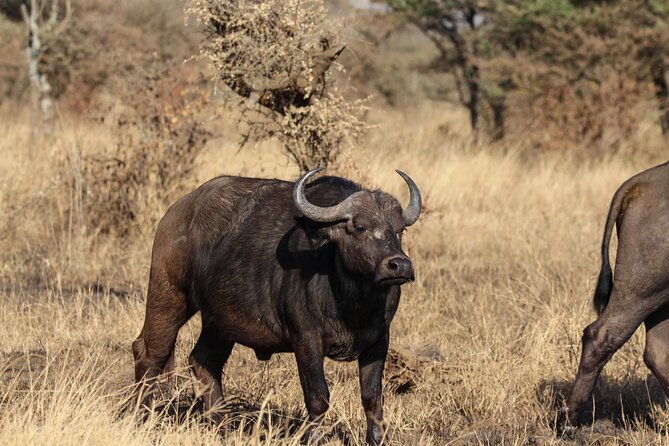
After breakfast, you leave for the Ngorongoro Conservation Area. The route includes Olduvai Gorge, an important site connected with early human evolution. The itinerary names the discoveries of Nutcracker Man and Handy Man, which give the stop real meaning beyond a quick scenic pause.
You then reach your lodge for lunch before descending more than 600 meters into the Ngorongoro Crater for an afternoon game drive. The crater is a self-contained setting with water and grazing areas that support a high concentration of animals. It is also known for dense predator and carnivore populations.
This is one of the most efficient wildlife days in the program. The crater’s enclosed geography means you can see a range of species in a relatively compact area. That does not guarantee every animal, but the setting gives you a strong chance to encounter varied wildlife without covering the huge distances required in the Serengeti.
The timing deserves attention. The itinerary describes the crater visit as roughly half a day, not a full-day crater drive. You should also expect the descent and later climb to add time. Olduvai Gorge gives the day a valuable human-history element, but it also means the schedule has two major stops competing for your afternoon.
Day 5: Tarangire’s elephants and baobabs
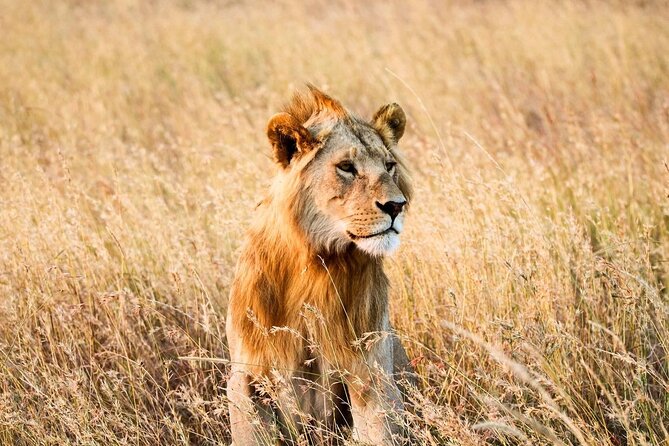
After breakfast, the safari heads to Tarangire National Park. The park follows the Tarangire River and includes low hills, woodland, baobab trees, and large swamp areas in the south.
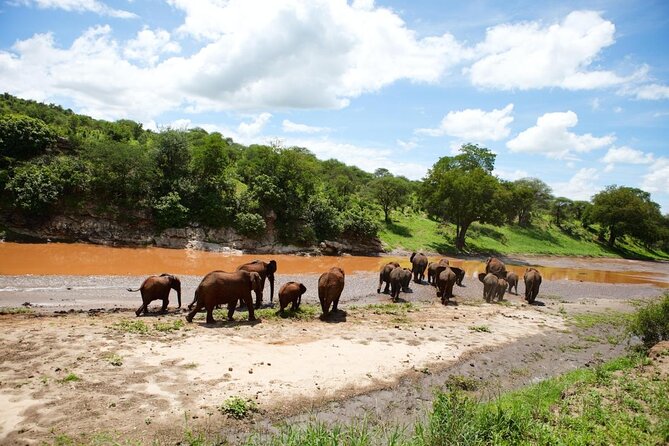
Tarangire is especially known for some of Africa’s largest elephant herds. The river and swamps draw animals during the dry season, making the park a useful counterpoint to the Serengeti and crater. The vegetation also changes the feel of the game drive, with big trees and woodland replacing the Serengeti’s broad open plains.
The park is noted for rare species including kudu, fringe-eared oryx, and ashy starlings. As with all wildlife sightings, these are possibilities rather than promises. Still, the species list gives you a reason to look beyond the most famous animals.
A picnic lunch is planned, followed by an afternoon game drive. That keeps the day focused on the park, though you should confirm how the picnic is arranged if meal preferences or dietary needs matter to you. After several days of driving, Tarangire may feel like a pleasant change because its habitats offer more visual variety.
The schedule gives you an early morning game drive here again on Day 6. That second look is valuable, especially because animal activity can differ from afternoon viewing.
Day 6: A final Tarangire drive and return transfer
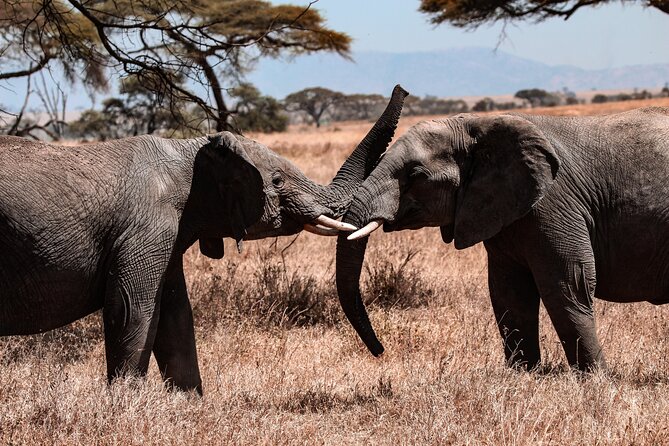
The final morning starts with an early game drive in Tarangire, followed by breakfast at the lodge. You then transfer back toward Moshi or to the airport. The plan says a late lunch follows arrival in Moshi, after which you are taken to your hotel or continue to the airport.
This day is mainly about getting back safely and connecting with your next plan. The airport transfer is included, which is useful, but you should provide clear flight details and allow enough time for the road journey. The schedule does not give a precise driving duration or flight buffer, so do not assume that every departure time will work without checking directly.
I like the second Tarangire drive because it avoids ending the safari with nothing but a road transfer. The limitation is obvious: the return day is not flexible. If your international flight leaves soon after the safari, confirm the transfer plan before paying.
Guides, organization, and the private format
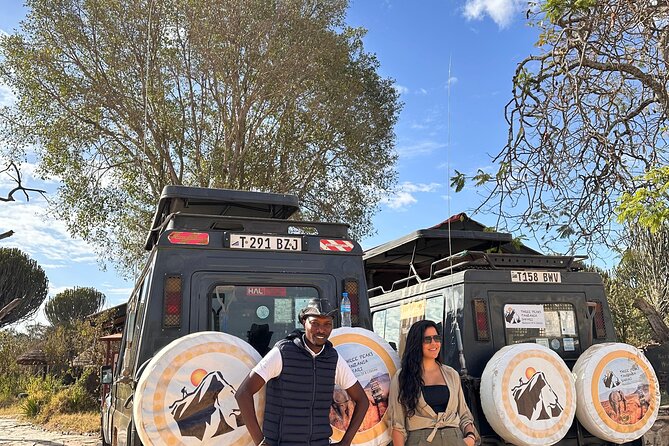
The package includes a professional guide, and the strongest praise focuses on guiding and service. Names connected with the experience include James, Justine, Rafael, and Freddy. James is praised for explaining plants and animals in detail, while Freddy is described as professional and attentive behind the wheel.
Those comments point to something important on safari. A good guide does more than identify a lion. The guide helps you understand why animals gather in one place, how plants fit into the food chain, and what to watch for before the vehicle stops. The feedback also describes the operation as well organized, including during the COVID period.
Because this is a private activity, only your group participates. That gives you a more personal setup than a shared vehicle, though the data does not specify the vehicle size or exact maximum group size. Ask about that before booking if space and comfort are major concerns.
The operator is Three Peaks Tanzania Safari Ltd. The published rating is 5 out of 5 from three ratings, with particular emphasis on affordable pricing, professional service, and memorable wildlife viewing. Three ratings is a small sample, so I would treat the score as encouraging rather than final proof of consistent performance.
What is included, and what you still pay for
The package includes:
- Professional guide
- Airport pickup and return transfer
- Park fees and taxes
- All accommodation
- Six breakfasts
- Six lunches
- Five dinners
Tips and international flights are not included. The dinner count is five across a six-day schedule, so confirm which nights include dinner and whether the final evening depends on your hotel or departure plan.
Accommodation is included, but the supplied details do not name the lodges or describe room standards. That is the main missing piece in judging a mid-range safari. Before booking, ask for the exact accommodation list, room type, and location. A lodge near a park gate can make game-drive timing easier, while a property farther away may add road time.
The balloon ride also costs extra. It is best treated as an optional luxury rather than something needed to enjoy the safari. The regular game drives already form the core of the trip.
Who will like this safari most
I would recommend this route to someone visiting northern Tanzania for the first time who wants the major parks in one organized package. You get variety, a private group, a professional guide, and many major costs handled in advance.
It also suits you if you want a safari with more comfort than a basic camping trip, but do not need a luxury lodge-focused holiday. The package is practical for couples, families, and small private groups, since only your own party participates.
You may want another plan if you dislike long transfers or need a slow pace. The route covers a lot in six days, and each park receives limited time. A specialist wildlife photographer may prefer more nights in the Serengeti, while someone with a tight schedule may appreciate the range.
The 6:00 a.m. start also matters. You will need to be ready early, especially on game-drive mornings. That is normal for wildlife viewing, but it is not ideal if your priority is late breakfasts and unhurried lodge time.
Booking advice and cancellation terms
Confirmation is provided at booking, and most people can participate. Pickup is offered, and the mobile-ticket format is convenient for keeping the booking details available during the trip.
You can cancel up to 24 hours before the local start time for a full refund. Changes made less than 24 hours before the start are not accepted, and late cancellations are not refunded. The experience also depends on good weather. If poor weather causes cancellation, you are offered another date or a full refund.
Before committing, I would ask three practical questions: Which lodges are included? What vehicle and group size should you expect? How much time is allowed for each transfer, especially the airport return? The answers will tell you more about comfort and risk than the headline price alone.
FAQ
Where does the safari start?
Pickup is offered from Arusha or Moshi, with a stated start time of 6:00 a.m.
Which national parks are included?
The route includes Lake Manyara National Park, Serengeti National Park, Ngorongoro Conservation Area and Crater, and Tarangire National Park.
Is this a private safari?
Yes. Only your group participates in the activity.
Is airport pickup and return included?
Yes. Airport pickup and return transfer are included in the package.
Are meals included?
Yes. The package includes six breakfasts, six lunches, and five dinners.
Is the Serengeti hot-air balloon ride included?
No. The balloon ride is available at an additional cost and must be arranged in advance.
What happens if bad weather cancels the safari?
You can choose a different date or receive a full refund if the experience is canceled because of poor weather.
Should you book it?
Book this safari if you want a well-priced first look at northern Tanzania with the major parks, private participation, included park fees, and airport transfers. The strongest reasons are the broad route, the Serengeti and crater combination, and the praise for guides including James and Freddy.
Think twice if you want long stays in one park, named luxury lodges, or a relaxed schedule. The six-day plan is ambitious, and its value depends on being happy with substantial road time. Ask for the accommodation and vehicle details first. If those answers suit you, this is a sensible mid-range way to see four of Tanzania’s most important wildlife areas in one trip.
More 6-Day Experiences
- Tanzania Wildlife Encounters – 6 Days
★ 5.0 · 277 reviews - Private 6-Day Tarangire Manyara Crater and Serengeti with Mid-Range Lodges
★ 5.0 · 238 reviews - 6 Days Private Budget Safari
★ 5.0 · 163 reviews - 6 Days Tanzania Budget Camping Safari
★ 5.0 · 145 reviews
Just added around Arusha
- 5 Days Safari Tarangire, Serengeti, and Ngorongoro Crater★ 5.0 · 3 reviews
- Love lives in Africa★ 5.0 · 3 reviews
- 5 Days of Safari, Culture & Hot Springs – Tour from Arusha★ 5.0 · 3 reviews
- Arusha National Park Safari by Jeep★ 4.5 · 3 reviews
- 5Days Family _Group Tour Lodging Mid-Range in the Jungle★ 5.0 · 3 reviews
- Serengeti & Ngorongoro 3 Days Budget Safari★ 5.0 · 3 reviews
- 2 Days Tarangire and Ngorongoro Crater Tour★ 5.0 · 3 reviews
- 7 Days PRIVATE Best of Tanzania Safari *Departing everyday*★ 5.0 · 3 reviews
6-Day Experiences, compared.

Private 6-Day Tarangire Manyara Crater and Serengeti with Mid-Range Lodges
Read our review →


Browse the lists this tour appears in