
Reviewed · KILIMANJARO TREKS
Kilimanjaro climb, Marangu route (6-day)
Africa’s highest summit demands respect. This Kilimanjaro climb gives you a clear route from Moshi to Uhuru Peak, with professional guides, hut accommodation, meals, porters, and airport transfers built into the package. I especially like the strong safety setup, including Wilderness First Responder guides, oxygen, oximeters, medical kits, and regular medical checks.
I also like the steady acclimatization plan. You do not rush straight upward: the schedule gives you extra time around Horombo Hut before the summit push. The main consideration is the six-day mountain schedule. It is a serious physical test, and the long summit night followed by a descent to Horombo makes this a demanding trip, not a casual holiday walk.
In This Review
- Key points at a glance
- What the $2,902 price buys you
- Your Moshi arrival and hotel briefing
- Day two: Marangu Gate to Mandara Hut
- Day three: Horombo Hut and the first acclimatization hike
- Day four: extra height before the summit push
- Day five: Horombo to Kibo Hut at 4,700 meters
- Day six: the Uhuru Peak attempt
- Day seven: the long descent to Marangu Gate
- Food, huts, porters, and daily comfort
- Who should choose this route?
- Should you book this Kilimanjaro climb?
- FAQ
- How long is the full Kilimanjaro experience?
- What is the tour price?
- Is airport transportation included?
- Where does the climb begin?
- Where do I sleep on the mountain?
- Are meals included?
- Can dietary requirements be accommodated?
- Is personal hiking equipment included?
- Are Kilimanjaro National Park fees included?
- What happens if I need to cancel?
Key points at a glance
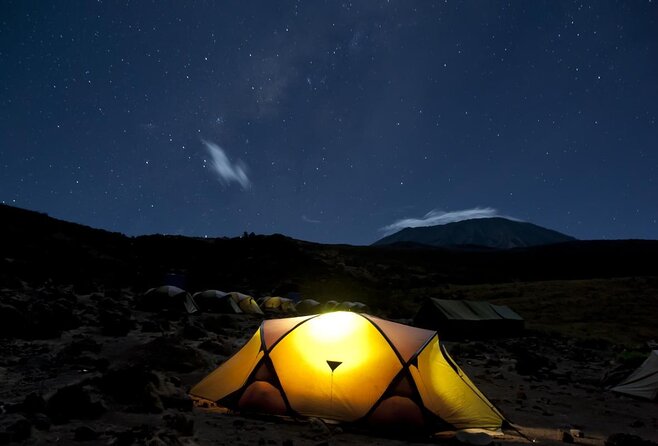
- The Marangu Route uses huts instead of tents: You sleep in shared mountain huts, with 8 to 16 people per hut under park rules.
- Acclimatization gets real attention: Two hikes from Horombo reach toward Kibo Hut before you move to the 4,700-meter camp.
- Summit day is the hardest test: You leave Kibo at night, climb to Uhuru Peak at 5,895 meters, then descend to Horombo.
- The price covers much more than guiding: Park fees, two hotel nights, meals, drinks, porters, cooks, group gear, medical supplies, and transfers are included.
- Food needs can be handled: Vegetarian, vegan, lactose-free, gluten-free, halal, and other meal plans are available.
- The package is well suited to organized climbers: You get a planned schedule and a large support system, but little room for changing the route once the climb begins.
What the $2,902 price buys you
At $2,902 per person, this is not a budget mountain outing. Still, I think the price makes better sense once you count what is included.
You receive pickup and drop-off at Kilimanjaro International Airport, ground transport, two hotel nights, all Kilimanjaro National Park fees, mountain huts, three meals a day on the mountain, drinks, porters, cooks, guides, group equipment, medical kits, oxygen tanks, oximeters, and medical checks. Those costs add up quickly on a high mountain.
The hotel portion includes breakfast. Lunch and dinner at the hotel cost extra, with an average price of about $15 per meal. Your international flights, visa, personal hiking gear, sleeping bag, insurance, tips, and any single hotel room supplement are also outside the listed price.
I see the strongest value in the support crew and safety coverage. You are not carrying every item yourself or trying to organize meals at altitude. A kitchen team prepares energy-rich food, porters handle equipment, and guides monitor your condition. The price also includes park fees, which are a major part of any properly organized Kilimanjaro climb.
The trip is described as a private activity for your own group, while the mountain accommodation remains shared according to national park rules. That means you can expect a planned group experience without assuming a private room on the mountain.
More Kilimanjaro routes and climbs:
- Kilimanjaro climb by Lemosho Route (7-day)
★ 5.0 · 651 reviews - Kilimanjaro climb, Machame Route (7-day)
★ 5.0 · 262 reviews - Kilimanjaro Climbing Lemosho Route 8 Days.
★ 5.0 · 186 reviews
Your Moshi arrival and hotel briefing
Day one begins at Kilimanjaro International Airport. An Altezza representative meets you and takes you to Aishi Machame Hotel, where you have a room, hot water, internet access, a swimming pool, and breakfast during the stay.
The evening briefing is important. It gives the management team a chance to check that you have the right clothing and equipment before you head uphill. Use this time to sort your pack, ask about the daily schedule, and confirm any dietary needs.
The hotel is not simply a place to sleep before the climb. It is your final chance to rest well, shower, charge devices, and deal with missing gear. Personal equipment can be hired, but the package does not include your boots, hiking clothes, sleeping bag, or other private items.
The final night at the hotel comes after the descent. If your flight leaves in the evening, normal checkout is at 11:00 a.m. A later checkout can be arranged for an extra charge.
Day two: Marangu Gate to Mandara Hut
Your mountain crew meets you at the hotel in the morning. From there, you drive to Marangu Gate at 1,860 meters, on the eastern side of Kilimanjaro.
The gate formalities include permits and registration with the search and rescue service. Once those are complete, you begin walking through the rainforest toward Mandara Hut at 2,700 meters. The hike takes about seven hours.
This first section introduces you to the mountain at a manageable pace. The rainforest is a major change from Moshi, with thick vegetation and a strong chance of tropical rain. Pack your raincoat where you can reach it quickly, not at the bottom of your bag. Spare clothes matter too, since damp clothing becomes uncomfortable fast.
At Mandara, the support crew handles the camp needs and prepares your meals. The huts provide a more sheltered night than a tent, but accommodation is shared and basic. You should expect a mountain sleeping arrangement, not hotel comfort.
Day three: Horombo Hut and the first acclimatization hike
After breakfast, you walk from Mandara Hut to Horombo Hut at 3,720 meters. The route takes about eight hours and becomes more demanding as the air thins.
Horombo is one of the most memorable camps because you can see both Kibo and Mawenzi volcanoes. These views give you a clear sense of the mountain’s volcanic scale, but do not let the scenery distract you from drinking water and keeping a slow pace.
After lunch, you take an acclimatization hike toward Kibo Hut, gaining about 200 meters before returning to Horombo for dinner. This is not wasted effort. The point is to spend time higher up, then sleep lower than your highest point for the night.
Walk the acclimatization section even if you feel fresh. The climb is designed to help your body adjust before the more serious altitude ahead. The schedule also gives guides a chance to see how you respond to elevation.
A few more trips of this kind worth comparing:
- Kilimanjaro climb, Lemosho Route (6-day)
★ 5.0 · 129 reviews - 6 Days 5 Night Safari
★ 5.0 · 57 reviews - 6 Days Tanzania Classic Safari
★ 5.0 · 52 reviews - The Best of Machame Route in 6 Days: Your World’s Summit Guide
★ 5.0 · 44 reviews
Day four: extra height before the summit push
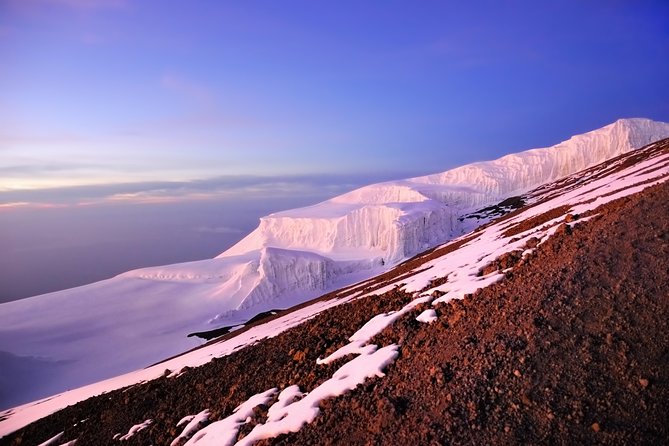
Day four is shorter, with a three to four-hour acclimatization hike from Horombo toward Kibo. The high point is about 4,500 meters, followed by a return to Horombo.
The stated distance is 5 to 8 kilometers. After lunch, you have time to photograph Mawenzi, rest, or sleep before the next day’s move to Kibo Hut.
This is one of the better features of the plan. A six-day climb can feel compressed, so the extra high walk at Horombo matters. It gives you more time above 3,700 meters before sleeping at 4,700 meters.
Do not treat the free afternoon as a chance to spend yourself. Rest is part of the schedule. The summit attempt begins at night, and your body will need every reserve you can save.
Day five: Horombo to Kibo Hut at 4,700 meters
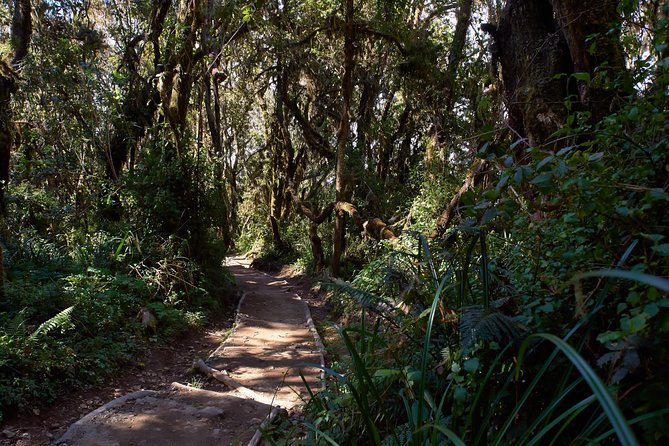
After breakfast, you leave Horombo and walk 10 kilometers to Kibo Hut. The journey takes about four to eight hours, depending on pace and conditions.
The physical walking may feel moderate, but the altitude changes the experience. You will cross increasingly sparse ground and move toward the high, dry zone between the volcanic peaks. Keep your pace even. The advice to walk slowly and protect your strength is practical, especially because the real challenge starts after dark.
At Kibo, you receive lunch and are advised to sleep, drink plenty of water, and avoid hard activity. This is a quiet staging point before the summit. You should organize your warm layers, headlamp, water, snacks, and other personal gear before trying to rest.
Kibo Hut at 4,700 meters is high enough that sleep may be difficult. The schedule does not hide that fact. You are expected to rest during the afternoon, then start the summit attempt at night.
Day six: the Uhuru Peak attempt
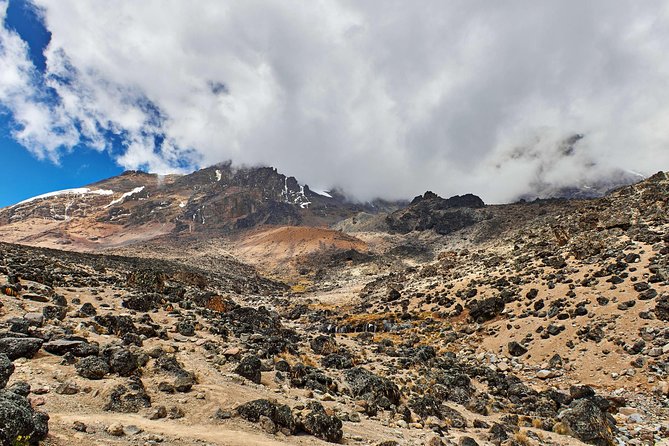
The summit day begins with a night departure from Kibo Hut. You climb to Uhuru Peak, the summit of Kilimanjaro, at 5,895 meters.
The route is described as physically moderate, but altitude is the major concern. You may be walking slowly, stopping often, and dealing with cold, fatigue, or a headache. The guides pay close attention to stamina and mental condition. Each pair of climbers is accompanied by its own guide during the summit section, which gives the support a personal feel.
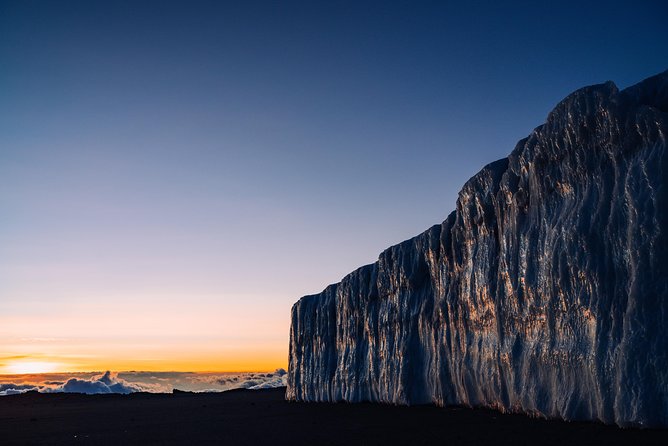
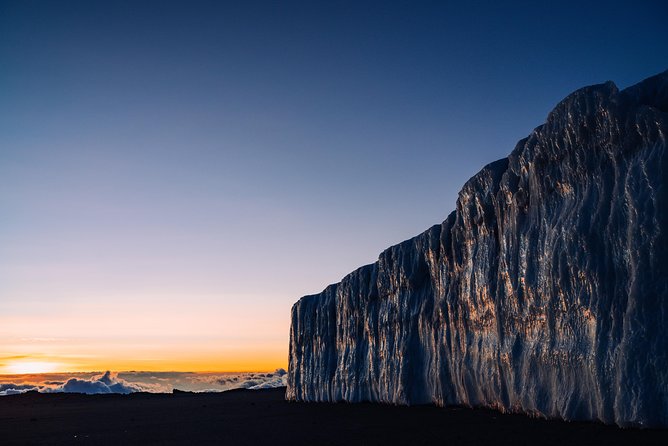
After reaching Uhuru Peak, you can descend toward the nearest glacier if you still have the strength and conditions allow. The more important task is getting down safely. The schedule warns that most accidents occur during descent, so do not rush after your summit photographs.
You return to Kibo Camp, rest for about two hours, then continue to Horombo Hut at 3,720 meters. This is a very long day, listed at about 12 hours. Reaching the summit is only part of the work. The descent to Horombo can feel just as demanding because you are tired, short on sleep, and moving over rough ground.
The safety equipment is reassuring, but it does not remove the need for good judgment. The crew carries oxygen, oximeters, and medical supplies, and guides conduct medical checks. You still need suitable insurance that covers mountain trekking.
Day seven: the long descent to Marangu Gate
After a warm breakfast at Horombo, you descend to Marangu Gate at 1,860 meters. The route covers about 18 kilometers and takes five to six hours.
This long walk returns you through changing vegetation and gives your legs a final test. Downhill walking can be hard on knees and ankles, especially after the summit night. Use trekking poles if you have them, and keep your pace controlled.
At the gate, the group gathers to celebrate the climb. You can add your thoughts to the guestbook, receive a commemorative certificate, and transfer back to the hotel.
The certificate is a small touch, but it gives the trip a clear finish. More important, the hotel provides a bed, hot water, food, and a place to recover before your flight or onward plans.
Food, huts, porters, and daily comfort
Food is one of the practical strengths of this trip. Three meals a day are provided on the mountain, with several choices at each meal. Tea, coffee, juices, soda, and other drinks are included.
The kitchen team can prepare vegetarian, vegan, lactose-free, gluten-free, halal, and other meal plans. One climber specifically praised the food and said vegetarian needs were handled well. Tell the company about your requirements before departure rather than waiting until you reach Moshi.
Mountain huts are shared, with 8 to 16 people per hut under park rules. You do not get the privacy of a tent or hotel room, but you do avoid carrying and setting up your own sleeping shelter. Bring the personal gear you need for warmth and sleep because the included group equipment does not replace your clothing or sleeping bag.
The porters and cooks are central to the experience. They carry equipment and prepare meals, letting you focus on walking and acclimatizing. Tips are optional and based on your satisfaction, but you should budget for them as part of responsible mountain travel.
The support reaches beyond the hiking trail. The package includes branded group equipment such as sleeping mats, chairs, crockery, and cutlery. Several personal accounts also described small comforts such as hot water bottles, extra drinks on the descent, and attentive staff support. Those details matter when you are cold and tired.
Who should choose this route?
I would choose this trip if you want a well-organized Kilimanjaro climb with hut accommodation and a substantial support crew. It suits people with moderate physical fitness who are willing to train, walk slowly, and accept a demanding summit day.
It also suits families and mixed-age groups when everyone is prepared for altitude and the company confirms that the group is appropriate. Accounts connected with this operator describe successful climbs involving children aged 11 and 16, but that should not be treated as a promise for every family. The mountain remains physically serious at any age.
The route may be less suitable if you want a quiet, private mountain experience or a longer schedule with more recovery time. The six-day climb gives you two acclimatization walks at Horombo, but it still packs a great deal into a short period.
The best preparation is not simply hard exercise. Practice long walks, use your hiking boots before arrival, learn how to layer clothing, and make sure your insurance covers mountain trekking. You need endurance, patience, and the good sense to tell your guide when you feel unwell.
Should you book this Kilimanjaro climb?
I would book this experience if safety support, clear logistics, and a strong chance of reaching Uhuru Peak matter more to you than keeping costs low. The combination of certified first responder guides, pair-based summit support, medical checks, oxygen, porters, cooks, park fees, huts, meals, and transfers gives the $2,902 price solid value.
I would pause if you dislike shared huts, cannot manage long walking days, or want more time for acclimatization. Ask about adding a day before booking if a slower schedule would suit you better.
Overall, this is a serious but carefully supported route to Kilimanjaro’s summit. The biggest strengths are the attentive crew, food, safety planning, and thoughtful acclimatization walks. The biggest challenge is the compressed schedule, especially the night ascent and long descent on day six.
FAQ
How long is the full Kilimanjaro experience?
The complete trip lasts about eight days, including hotel stays before and after the mountain climb. The mountain portion is a six-day Marangu Route climb.
What is the tour price?
The price is $2,902 per person.
Is airport transportation included?
Yes. Pickup and drop-off at Kilimanjaro International Airport are included, along with all ground transportation.
Where does the climb begin?
The climb begins at Marangu Gate, the eastern entrance to Kilimanjaro National Park, at 1,860 meters.
Where do I sleep on the mountain?
You sleep in shared huts. National park rules require shared accommodation with 8 to 16 people per hut.
Are meals included?
Yes. Breakfast, lunch, and dinner are included during the mountain climb. Breakfast is included during the hotel stays.
Can dietary requirements be accommodated?
Yes. Vegetarian, vegan, lactose-free, gluten-free, halal, and other meal plans are available.
Is personal hiking equipment included?
No. You must provide personal items such as hiking clothes, boots, and a sleeping bag. Equipment hire is available.
Are Kilimanjaro National Park fees included?
Yes. All fees collected by Kilimanjaro National Park are included.
What happens if I need to cancel?
You can receive a full refund if you cancel at least 24 hours before the experience start time. Cancellations or changes made less than 24 hours before the start time are not accepted for a refund.
Just added around Moshi
- Moshi: Lake Chala Tour: Hiking &/or Kayaking★ 4.5 · 3 reviews
- 3 Days Tanga Exclusive Beach Holiday★ 5.0 · 3 reviews
- Serengeti Wildebeest Migration.★ 5.0 · 3 reviews
- Chemka Hotpsrings E-Bike Day Trip★ 5.0 · 3 reviews
- Explore 1 day Ngorongoro Crater Budget Group Safari from Arusha★ 5.0 · 3 reviews
- Explore the 360° of Kilimanjaro★ 5.0 · 3 reviews
- Affordable Short Tanzania Safari (2 Days Camping Safari)★ 5.0 · 3 reviews
- Rongai Route 7 Days★ 5.0 · 3 reviews
Kilimanjaro Treks, compared.



8-Day Small-group Lemosho Kilimanjaro Summit Trekking
Read our review →


Climbing Kilimanjaro through 7 days Machame Route
Read our review →

Browse the lists this tour appears in