
Reviewed · 6-DAY EXPERIENCES
6 Days in the Wild – A Budget Safari Across Tanzania’s Icons
Wildlife is only half the story. This six-day Tanzania safari pairs Tarangire, Serengeti, Ngorongoro Crater, and Lake Manyara with a Materuni coffee and waterfall visit and a swim at Chemka Hot Springs. I like that the trip reaches several famous parks while still making room for village life, Chagga food, and time outdoors beyond the safari vehicle. I also like the small maximum group of seven and the strong personal praise for guides such as Simba, Amiri, and Salim.
The main consideration is the pace. You cover a lot of ground, with long game-drive days and several early starts. Camping in the Serengeti adds real atmosphere and keeps the price near $1,300 per person, but this is not a soft, slow holiday. It suits you best if wildlife matters more than polished lodging and you enjoy sharing the road with a small group.
In This Review
- Key points to know before booking
- Why this six-day route works
- Day 1: Elephants and baobabs in Tarangire
- Days 2 and 3: Two ways to experience the Serengeti
- Day 4: Ngorongoro views and a Maasai boma
- Day 5: Lake Manyara’s birds and tree-climbing lions
- Day 6: Materuni village and Chemka’s warm water
- Meals, camping, and what the $1,300 covers
- Who will enjoy this safari most?
- Should you book the six-day Tanzania safari?
- FAQ
- Where does the safari start?
- What time does the tour begin?
- Where does the experience end?
- How many people can join the tour?
- Is hotel pickup available?
- Are meals included?
- Is a guide included?
- Are park fees included?
Key points to know before booking
- The Serengeti gets two full game-drive days: You have time to search for lions, elephants, buffalo, leopards, rhinos, cheetahs, birds, and the Great Migration.
- Tarangire is a strong opening act: Its elephants, seasonal swamps, savanna, and Tarangire River give you excellent early wildlife viewing.
- Culture is part of the plan: A Maasai boma visit and a Chagga village experience add human connection to the park visits.
- Chemka Hot Springs breaks up the driving: You can swim in clear, warm water after several demanding safari days.
- The package covers the basics: Private transportation, an English-speaking guide, park fees, and 5 breakfasts, 6 lunches, and 5 dinners are included.
- The small group keeps things personal: The maximum is seven people, though exact vehicle arrangements should be confirmed before booking.
Why this six-day route works
Many short Tanzania safaris focus only on the northern circuit parks. This one adds two very different experiences at the end: Materuni Waterfalls and Chemka Hot Springs. That gives you more variety, but it also means the itinerary moves quickly.
You begin and end at Meru House Inn in Arusha, with a listed start time of 6:00 am. Pickup is offered, and the tour returns to the same meeting point at the end. Private transportation is included, along with an English-speaking guide and the main park charges.
At $1,300 per person, the value depends on what you want from a safari. You are paying for six days of transport, guiding, meals, multiple national parks, camping in the Serengeti, and cultural visits. International flights, tips, and personal items are extra. For a route that includes the Serengeti and Ngorongoro, the price is appealing, especially if you are comfortable with basic camping rather than high-end lodge stays.
The strongest practical advantage is the group limit of seven. A smaller group usually makes it easier to ask questions, share wildlife sightings, and settle into the daily rhythm. Still, the word private can mean private transportation rather than a vehicle reserved for one booking, so ask the operator how your group will be organized.
More Safaris in Arusha
- Serengeti Balloon Safari and authentic bush breakfast
★ 5.0 · 2,480 reviews - Balloon Safari & Bush Breakfast in Serengeti – Miracle Experience
★ 5.0 · 1,646 reviews - 4 Days Group Camping Safari
★ 5.0 · 1,101 reviews
Day 1: Elephants and baobabs in Tarangire
Your safari begins after breakfast with a drive of about two hours from Arusha to Tarangire National Park. The first game drive lasts about six hours, giving you a full introduction to northern Tanzania’s wildlife.
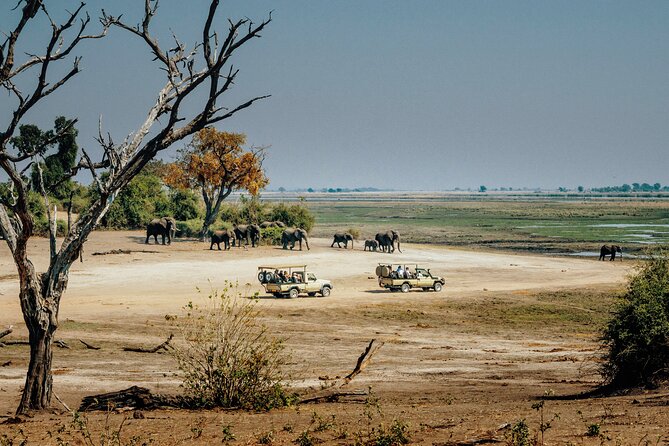
Tarangire is especially known for large elephant herds. The park also offers a good chance to see zebra, wildebeest, buffalo, and giraffe around its seasonal swamps, open savanna, and river. The Tarangire River becomes especially important in the dry season, when animals gather around remaining water sources.
I like Tarangire as a first park because it can feel less relentless than the Serengeti while still producing memorable sightings. You are not simply chasing the Big Five here. The scenery has its own appeal, with broad grassland, river country, and the park’s distinctive trees.
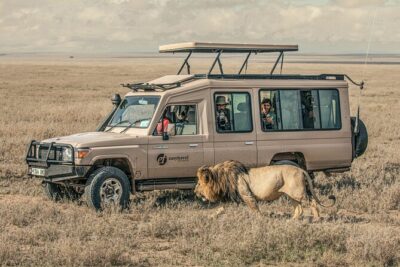
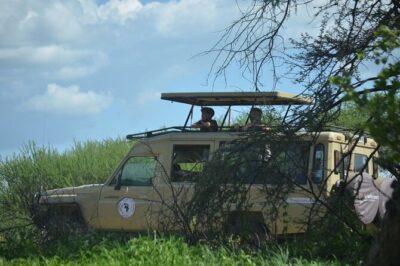
The open roof of the safari vehicle gives you a clear view for photography and wildlife spotting. Bring a hat and keep your sunscreen handy, since several hours in an open vehicle can be tiring. After the game drive, you continue to Fig Tree Lodge for dinner and the night.
The first day is long, but it does not waste time. You get straight into the park rather than spending the day on orientation. If you prefer a gentle start, this may feel demanding. If you want wildlife from the first morning, Tarangire does the job.
Days 2 and 3: Two ways to experience the Serengeti
After breakfast on Day 2, you head toward Serengeti National Park with a picnic lunch. The drive is part of the experience, since the route carries you from the more wooded northern circuit toward the open plains that make the Serengeti famous.
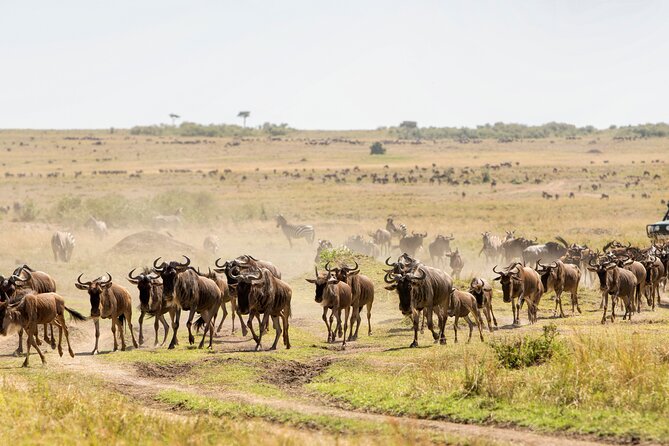
The Serengeti is the heart of this trip. Its huge grasslands support large herds and the predator activity that draws people from around the world. The Great Migration is often described as a single dramatic event, but it is really a moving cycle of grazing, calving, territorial contests, river crossings, and survival. The exact sightings depend on the season and the animals’ location, so you should treat the migration as a possibility rather than a guarantee.
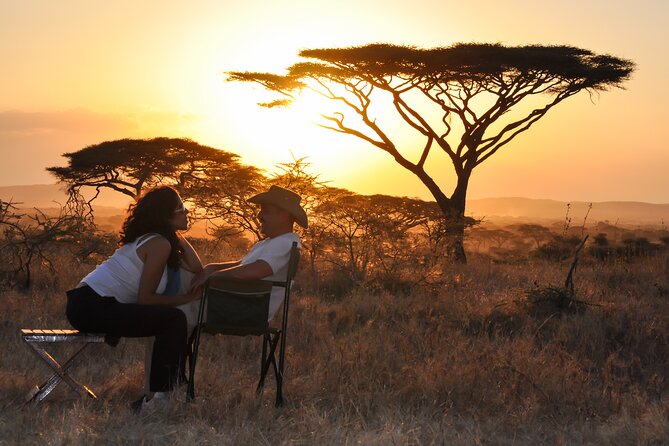
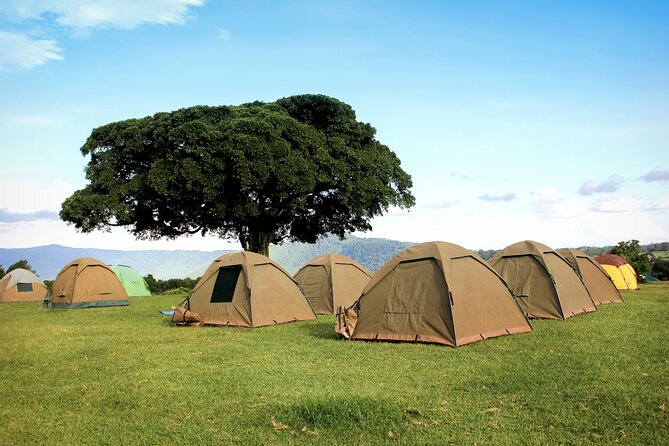
Day 2 includes about seven hours in the park, with dinner and an overnight stay at Seronera Campsite. Camping here changes the mood of the safari. Instead of returning to town each evening, you remain close to the park’s open country and follow a more direct outdoor routine.
On Day 3, you set out at sunrise for a full day of game viewing. You return to camp for lunch, then head out again in the afternoon. That split matters. Early morning often offers cooler conditions and active animals, while the afternoon drive gives you another chance to find something missed earlier.
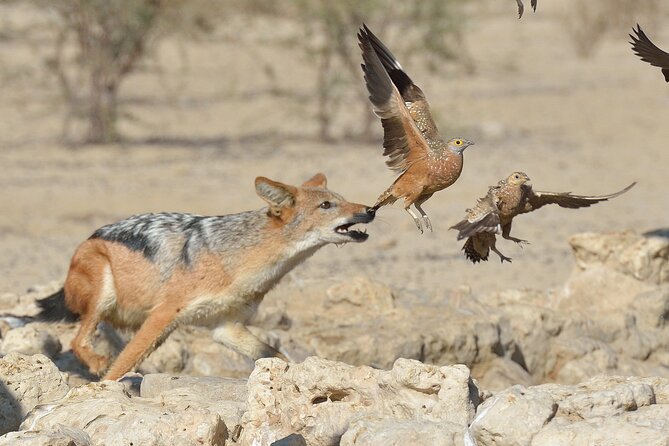
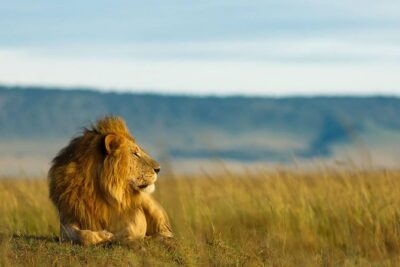
The goal is to search for the Big Five: lion, leopard, elephant, buffalo, and rhinoceros. The guides praised in the feedback, including Simba and Amiri, were singled out for finding animals and getting close to the action. That skill matters in a place as large as the Serengeti. A good guide does more than point at a lion. You want someone who can read animal behavior, communicate with other vehicles, and explain what you are seeing.
Do not overlook the smaller details. Granite kopjes support agama lizards and rock hyraxes. The park has recorded more than 500 bird species, including ostrich, secretary birds, and black eagles. Dung beetles are part of the ecosystem, too. I like this reminder because it keeps the Serengeti from becoming a checklist of large mammals.
A sunrise balloon ride and other optional activities are mentioned as possible Serengeti experiences, but they are not part of the included package. The listed trip gives you game drives and camping, not a balloon flight. If that is important to you, ask about the extra cost and timing before you book.
Two Serengeti days are a major strength. One day can feel like a lucky snapshot. Two days let you settle into the park, search different areas, and appreciate the changing light. The tradeoff is comfort. Seven-hour game drives, picnic meals, and a campsite are exciting, but they require patience and a willingness to spend much of the day in the vehicle.
Day 4: Ngorongoro views and a Maasai boma
The fourth day combines a Maasai cultural visit with a return toward Arusha. After a hot breakfast, you visit a local Maasai boma, where you can learn about pastoral life and traditional practices.
The planned activities may include singing and dancing, herding cattle and goats, milling, and learning how fires are made with animal dung and acacia wood. You also have time for photos and the chance to buy Maasai handcrafts. This is one of the more human parts of the route, and it gives you a chance to see how local culture connects with the surrounding conservation area.
Approach the visit with respect. It is an arranged cultural experience, not a private window into every part of Maasai life. Listen carefully, ask permission before taking close-up photos, and treat purchases as a way to support the makers rather than as a quick souvenir stop.
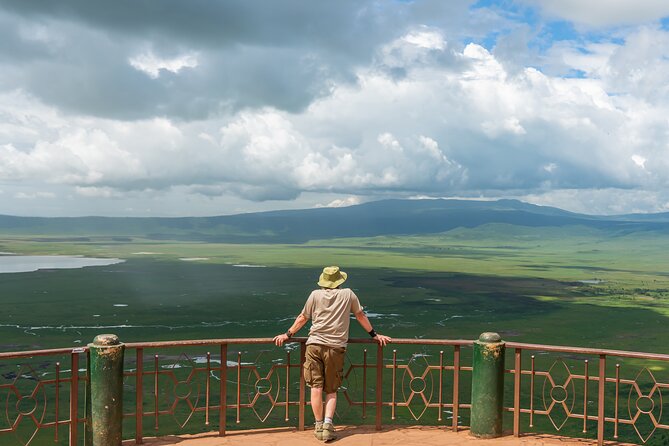
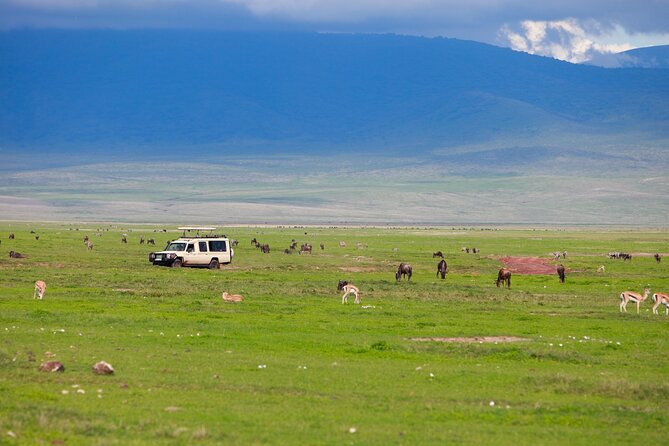
The day is labeled around Ngorongoro Crater, a UNESCO World Heritage Site and the world’s largest preserved volcanic caldera. The crater floor is known for close wildlife encounters and striking views, with a mix of animals and Maasai communities in the wider conservation area.
The schedule supplied for this day emphasizes the Maasai boma and the drive back to Arusha, so confirm whether a crater-floor game drive is included in your exact departure. This is an important point. Ngorongoro is one of Tanzania’s major attractions, but the description does not clearly promise a separate descent into the crater on this day.
Dinner and the night are at a hotel in Arusha. After camping in the Serengeti, that change should feel welcome. It also breaks the route into manageable sections before the final park and village activities.
More safaris to compare:
- 5 Days Group Camping Safari
★ 5.0 · 730 reviews - 3 Days Serengeti & Ngorongoro Group Camping Safari
★ 5.0 · 574 reviews - 7-Day Premium Luxury Tanzania Safari All-Inclusive
★ 5.0 · 426 reviews - 3-Day Classic Serengeti Safari
★ 5.0 · 263 reviews
Day 5: Lake Manyara’s birds and tree-climbing lions
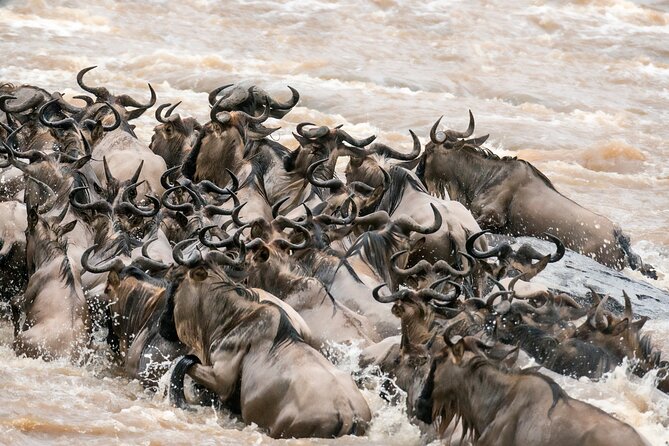
After breakfast, you drive about 30 minutes to Lake Manyara National Park. The park offers a different setting from the Serengeti, with varied habitats beside the Great Rift Valley and Lake Manyara.
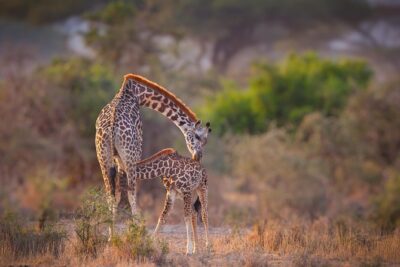
The park is known for its tree-climbing lions. Seeing one lounging in an acacia tree is never guaranteed, but it is the sight people hope for here. You may also look for elephants, giraffes, zebras, and other familiar African animals.
Lake Manyara is particularly good for birdwatching. Large flamingo flocks, circling birds of prey, and lilac-breasted rollers add color and movement to the day. Even if you do not consider yourself a bird expert, the variety gives your guide plenty to point out between mammal sightings.
Lunch is served in the park at about 1:00 pm, followed by a return to Arusha in the afternoon. The six-hour park visit is shorter than your Serengeti days, which makes it easier to enjoy without feeling that every minute must produce a major sighting.
The drawback is that Lake Manyara can feel like a compact final safari after the scale of the Serengeti. Its appeal is variety, not endless open plains. I would value this day most if you enjoy birds, changing habitats, and photography rather than only hunting for the Big Five.
Day 6: Materuni village and Chemka’s warm water
The final day shifts away from game drives. You visit Materuni Waterfalls and Chemka Hot Springs, two relaxed additions that give the trip a different finish.
At Materuni, a guide leads you on a roughly 40-minute walk to the waterfall. Along the way, you learn about village life, local culture, plants, and animals. The walk is part of the attraction, so wear shoes suitable for an uneven trail and bring swimwear for the pool below the falls.
With luck, you may see the summit of Kilimanjaro from the area. The view is weather-dependent, so do not book this day solely for a clear mountain photograph. After the waterfall, you return to Materuni village for a traditional Chagga lunch and a coffee experience.
This is a useful counterpoint to the parks. Instead of watching how wild animals live, you see how a local community works with its land and crops. The pace is also slower, though the listed waterfall visit itself lasts about two hours.
Chemka Hot Springs offers the trip’s easiest form of rest. The clear, warm, mineral-rich water is surrounded by vegetation, creating a pleasant place to swim after several days of long drives. The stop is listed at about five hours and includes admission.
The order of the Materuni and Chemka visits may vary during the day, so follow the guide’s timing. Bring a towel, dry clothes, and a waterproof bag for valuables. Those items are not listed among the inclusions, so you should plan to carry your own personal supplies.
Meals, camping, and what the $1,300 covers
The package includes five breakfasts, six lunches, and five dinners. That is useful coverage for a six-day route, particularly because picnic lunches are part of the Serengeti game-drive days.
A chef named Salim received specific praise for delicious food. That is encouraging on a camping safari, where good meals can make a long day feel far easier. Still, meal styles and menus are not detailed, so contact the operator if you have dietary needs.
Accommodation includes Fig Tree Lodge, a hotel in Arusha, and Seronera Campsite, with the exact lodging arrangement outside those named stops not fully explained. The phrase budget camping should guide your expectations. You are paying for access to exceptional parks and a packed route, not luxury rooms every night.
Tips are not included. International flights and personal items are also extra. The free cancellation policy allows a full refund when you cancel at least 24 hours before the 6:00 am start time. Changes or cancellations made inside that window are not accepted for a refund.
Who will enjoy this safari most?
I would choose this trip if you want the classic northern Tanzania parks without paying for a luxury safari. It suits first-time safari visitors, small groups of friends, couples who value shared experiences, and anyone who wants culture and swimming added to the usual wildlife schedule.
It is less suitable if you need private lodge rooms, long lie-ins, or a slow itinerary with plenty of free time. The combination of early starts, long drives, camping, and six active days asks a lot from you.
The strongest praise centers on the guides, communication, safety, easy pickup and drop-off, food, and successful Big Five sightings. Those are exactly the practical details that can make or break a budget safari. Ask for the names of your guide and cook, and confirm the Ngorongoro schedule before paying.
Should you book the six-day Tanzania safari?
Yes, if your priority is seeing Tanzania’s headline parks while keeping the cost under control. The Serengeti receives the time it deserves, Tarangire offers elephants early on, and Lake Manyara adds birds and a chance at tree-climbing lions.
Book with realistic expectations about comfort and pace. You may see the Big Five, but wildlife is never guaranteed. You may see Kilimanjaro from Materuni, but clouds can hide it. If you can accept those uncertainties and enjoy camping, local food, village visits, and long days outside, this is a well-rounded route with strong value at $1,300 per person.
FAQ
Where does the safari start?
The tour starts at Meru House Inn on Sokoine Road in Arusha, Tanzania.
What time does the tour begin?
The listed start time is 6:00 am.
Where does the experience end?
The activity ends back at the meeting point in Arusha.
How many people can join the tour?
The maximum group size is seven people.
Is hotel pickup available?
Pickup is offered, with the listed meeting point at Meru House Inn.
Are meals included?
Yes. The package includes five breakfasts, six lunches, and five dinners.
Is a guide included?
Yes. A professional English-speaking guide is included.
Are park fees included?
Tarangire and Lake Manyara admission are listed as included through the package, and Ngorongoro admission is also listed as included. The tour includes all fees and taxes.
More 6-Day Experiences
- Tanzania Wildlife Encounters – 6 Days
★ 5.0 · 277 reviews - Private 6-Day Tarangire Manyara Crater and Serengeti with Mid-Range Lodges
★ 5.0 · 238 reviews - 6 Days Private Budget Safari
★ 5.0 · 163 reviews - 6 Days Tanzania Budget Camping Safari
★ 5.0 · 145 reviews
Just added around Arusha
- 5 Days Safari Tarangire, Serengeti, and Ngorongoro Crater★ 5.0 · 3 reviews
- Love lives in Africa★ 5.0 · 3 reviews
- 5 Days of Safari, Culture & Hot Springs – Tour from Arusha★ 5.0 · 3 reviews
- Arusha National Park Safari by Jeep★ 4.5 · 3 reviews
- 5Days Family _Group Tour Lodging Mid-Range in the Jungle★ 5.0 · 3 reviews
- Serengeti & Ngorongoro 3 Days Budget Safari★ 5.0 · 3 reviews
- 2 Days Tarangire and Ngorongoro Crater Tour★ 5.0 · 3 reviews
- 7 Days PRIVATE Best of Tanzania Safari *Departing everyday*★ 5.0 · 3 reviews
6-Day Experiences, compared.

Private 6-Day Tarangire Manyara Crater and Serengeti with Mid-Range Lodges
Read our review →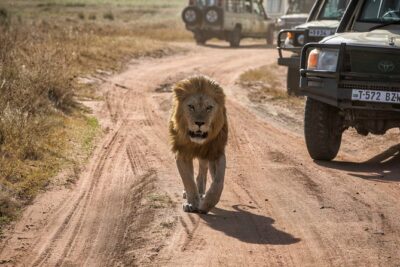

Browse the lists this tour appears in