
Reviewed · WILDLIFE TOURS IN MOSHI
7 Days Cultural and Wildlife Safari
Wildlife is only half the story here. This private seven-day safari links Tanzania’s best-known northern parks with Lake Natron, a Maasai cultural experience, a Hadzabe hunting visit, and the Datoga community near Lake Eyasi. You get lions, elephants, flamingos, baobabs, crater views, and some of East Africa’s most important human-history sites in one well-packed trip.
I especially like the mix of Serengeti game viewing and genuine cultural stops. I also like that the price includes meals, bottled water, park fees, and Flying Doctor emergency evacuation cover. The main drawback is the pace: long drives, early starts, packed lunches, and several different camps make this a busy week rather than a slow, restful safari.
The safari costs $3,748 per person and is arranged as a private activity for your group. That price is not small, but it covers seven days of touring across four national parks, Lake Natron, Lake Eyasi, meals, taxes, and bottled water. You should still budget for a guide tip, which is not included.
In This Review
- Key points to know before booking
- What the seven days are really like
- Day 1: Lake Natron and the Engaresero waterfalls
- Day 2: Flamingos, early walking, and Lake Manyara
- Day 3: A traditional hunt near Lake Eyasi
- Day 4: Olduvai Gorge and the road into Serengeti
- Day 5: A full day in Serengeti National Park
- Day 6: Ngorongoro Crater and Lake Magadi
- Day 7: Tarangire’s elephants and baobabs
- Is $3,748 per person good value?
- Who should book this safari?
- Final booking advice
- FAQ
- Where does the safari start?
- Where does the safari end?
- How long is the safari?
- Is this a private tour?
- Are meals included?
- Is bottled water included?
- Are park fees and taxes included?
- Is a guide tip included?
- Does the safari visit the Serengeti?
- Does the safari include a visit with the Hadzabe?
- Is the Lake Natron hike long?
- Is the tour refundable?
Key points to know before booking
- Lake Natron begins the trip with waterfalls, flamingos, and Maasai guidance, giving you a more active start than a standard park-to-park safari.
- The Hadzabe visit at Lake Eyasi includes a traditional hunt, along with time with the Datoga community.
- Serengeti National Park receives a full game-drive day, with resident wildlife visible throughout the year.
- Ngorongoro Crater offers one of the strongest wildlife days, including a chance to look for black rhinoceros.
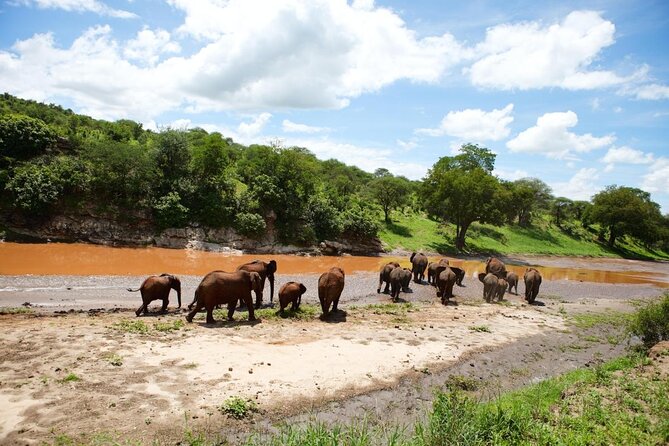
- Tarangire is known for elephants and baobabs, and its slightly less central position can mean a quieter feel.
- The safari is private, so only your own group takes part, though the schedule remains demanding.
What the seven days are really like
This is not a single-park safari with one lodge as a base. It is a moving circuit through northern Tanzania, beginning at Kilimanjaro International Airport and ending back at the meeting point. You change areas often, and each day has a clear purpose: walking and culture at Natron, wildlife at Manyara, community life at Eyasi, human origins at Olduvai, classic safari viewing in the Serengeti and Ngorongoro, and elephants at Tarangire.
You receive breakfast each morning, lunch on all seven days, and dinner on six nights. Bottled mineral water is supplied without a stated limit, which matters in a hot, dusty region where you may spend hours in a vehicle. The package also includes park fees, taxes, and Flying Doctor emergency evacuation cover.
The private format is one of the strongest practical features. You are not tied to strangers’ preferences, and the group can share the cost of the vehicle and guide. The information does not state the maximum group size, vehicle type, or lodge names, so ask for those details before paying.
More Safaris in Moshi
- Great Migration Safari In Tanzania
★ 5.0 · 71 reviews - 6 Days Tanzania Classic Safari
★ 5.0 · 52 reviews - 4 Days Tanzania Private Safari | Serengeti , Ngorongoro & Tarangire Safari
★ 5.0 · 16 reviews
Day 1: Lake Natron and the Engaresero waterfalls
After you clear immigration and customs at Kilimanjaro International Airport, a Gilmag Safaris representative meets you and gives you a briefing. The drive to Lake Natron covers about 136 kilometers west of Arusha, but the day may feel longer because the route includes clearance at three gates before you begin the activity.
At the start point, a local Maasai guide leads you through the Engaresero River valley. The round hike takes about two to three hours and follows the riverbed, with several waterfalls where you can cool off. This is a welcome change from sitting in a safari vehicle on your first day.
You should expect uneven ground and a walk shaped by the river rather than a formal paved trail. The supplied plan does not give a difficulty rating, so ask the operator what footwear and clothing they recommend. The combination of water, rock, and heat makes sensible shoes and sun protection especially important.
Lake Natron itself is famous for its harsh, salty conditions and large flamingo breeding sites. The activity gives you a first look at the Maasai community living around the lake in a semi-nomadic way. That cultural contact adds meaning to the scenery, though the exact length and content of the cultural visit are not clearly stated.
Day 2: Flamingos, early walking, and Lake Manyara
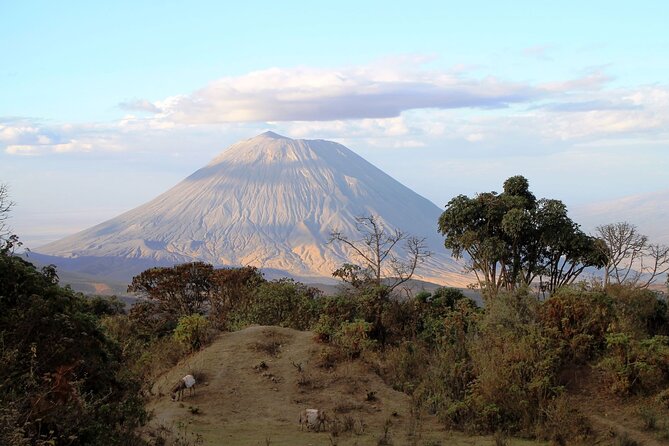
Day 2 starts with a very early breakfast, followed by an easy guided walk from the lodge toward the southern part of Lake Natron. The main prize is the flamingo breeding area. About two million of these birds migrate to the lake each year to nest on salty patches that form in the dry season.
The scale can be hard to picture until you see the birds gathered together. The lake is not simply a wildlife stop. It is also a working environment for local people, and the walk gives you a look at a remote semi-nomadic way of life around its shores.
The route also includes ancient human footprints believed to date back nearly 120,000 years. This is a useful reminder that northern Tanzania offers more than animal sightings. You are moving through a region connected to some of the earliest chapters of human life.
After the lake visit, you pass through three gates and drive to Lake Manyara National Park for game viewing. The supplied schedule does not state how many hours you spend inside Manyara, so you should ask whether the timing allows for a full game drive or only an afternoon visit. Manyara is important to the overall route, but this day contains a lot of road time.
Day 3: A traditional hunt near Lake Eyasi
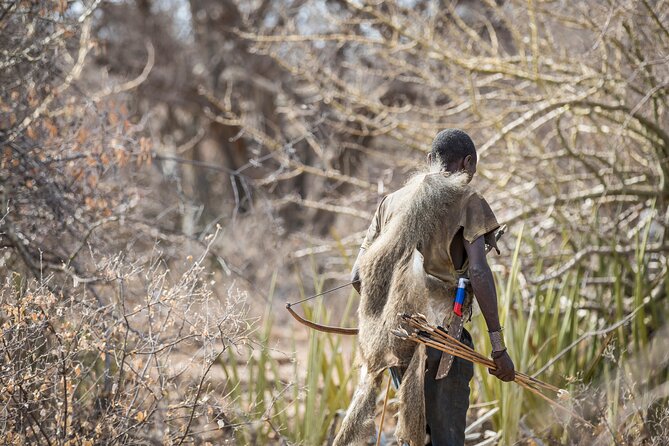
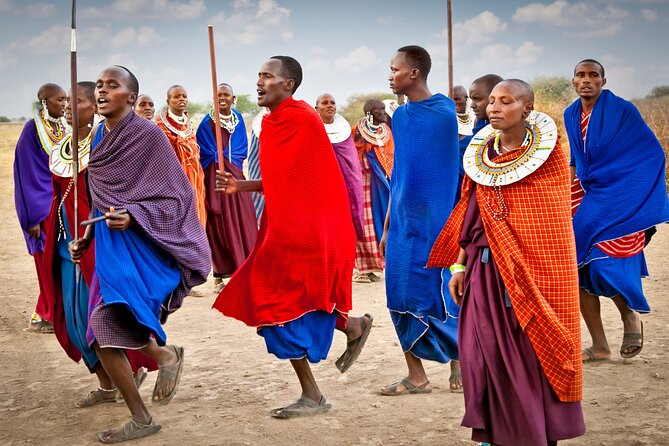
You leave the lodge with a packed lunch for a visit with the Hadzabe, one of East Africa’s remaining hunter-gatherer communities. The experience centers on a hunt using strong bows and arrows. The arrows are described as being treated with poison made from the desert rose, while the bowstrings use giraffe tendon.
This is a rare chance to see a traditional skill in its own setting rather than in a staged museum display. Still, approach it with respect. Hunting is part of the community’s way of life, not a show arranged only for visitors, and the actual activity will naturally depend on local conditions.
The Hadzabe have lived near the Rift Valley for many thousands of years. Their language has similarities to the click languages spoken by Bushmen in southern Africa, and their food traditions include wild fruits and berries. The day offers a strong human and cultural counterpoint to the national parks.
You also spend time with the Datoga community. The description does not specify the exact activities or length of that visit, so ask what is planned if cultural exchange is a major reason for booking. A packed lunch is included, and the day is likely to feel very different from the lodge and vehicle routine.
More Wildlife Tours in Moshi
- 7 Days Mid Range Tanzania Wildlife Safari
★ 5.0 · 31 reviews - Wildlife Safari Tanzania
★ 5.0 · 19 reviews - From Moshi or Arusha: Serval Wildlife Sanctuary Trip
★ 4.9 · 14 reviews - Moshi: Serval Wildlife Tour with food and drinks
★ 3.2 · 11 reviews
Day 4: Olduvai Gorge and the road into Serengeti
The route to Serengeti National Park passes through the Ngorongoro Conservation Area, with a stop at the crater rim. The view from above is one of the trip’s most dramatic moments, even before you descend into the crater on Day 6.
You then continue through Olduvai Gorge, associated with the Leakey family and fossil discoveries dating back nearly two million years. The gorge contains fossilized bones and stone tools that helped establish Africa’s importance in the study of human origins. The Olduvai Gorge Museum is included, giving you some context before the safari scenery takes over.
From there, the route opens into the enormous Serengeti. The park covers about 6,900 square miles, and its name refers to an endless plain. The scale changes your sense of distance. Animals may be close to the road one moment and tiny specks far out across the grass the next.
This is another long transfer day, so do not treat it as a light travel day. You get scenery, geology, archaeology, and wildlife potential, but much of the day is spent moving toward camp.
Day 5: A full day in Serengeti National Park
Day 5 is the safari centerpiece. After breakfast, you leave camp with a packed lunch for a full-day game drive through the Serengeti. The Seronera area can reach both the southern plains and the Mara River region, giving the day a useful range of habitats.
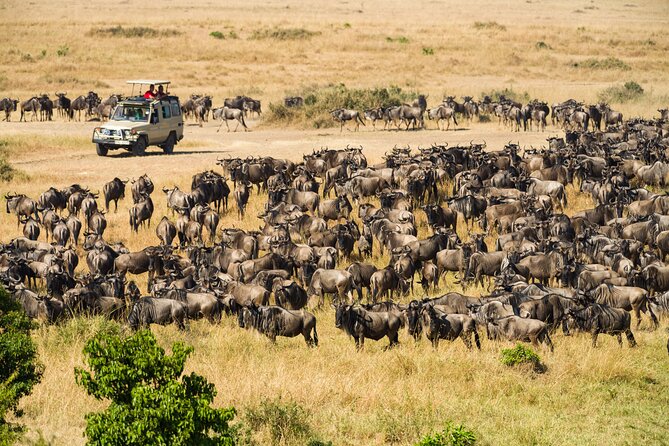
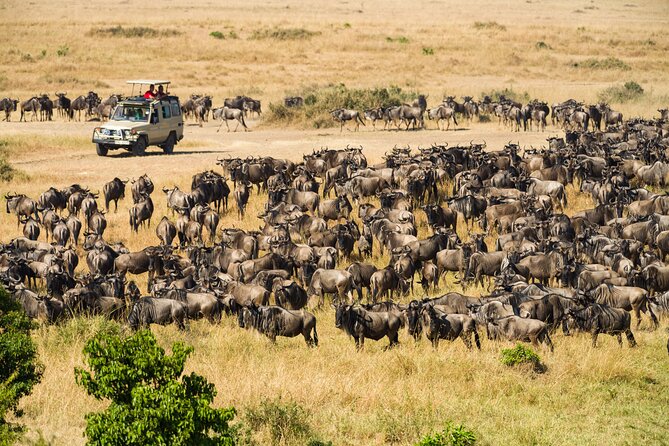
You may see elephants, buffalo, gazelles, zebra, lions, and other predators and herbivores. The route can include swamps, woodland, soda lakes, and the famous short-grass plains. That variety matters because animals spread across different habitats, and the day does not depend on one single viewpoint.
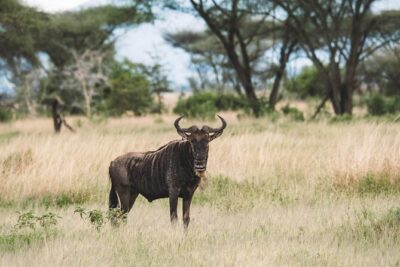
The wildebeest migration normally passes through parts of the area in April, May, and November. Timing is never a guarantee of a particular sighting, but the resident wildlife is described as strong throughout the year. If the migration is your main goal, ask exactly where the planned camp sits and how the seasonal route matches your dates.
A full day gives your guide more time to search, but it also means you should be ready for a tiring schedule. You return to camp in the evening for dinner and overnight accommodation. The plan does not name the camp or describe its facilities, so confirm whether you will stay in a lodge, a permanent tented camp, or a seasonal camp on your chosen dates.
Day 6: Ngorongoro Crater and Lake Magadi
After an early breakfast, you drive toward the Ngorongoro Conservation Area and descend more than 600 meters into the crater. The crater’s enclosed setting supports large numbers of animals because water and grazing are available year-round.
The full-day crater tour can include wildebeest, zebra, buffalo, eland, warthogs, hippos, and giant African elephants. Lake Magadi, a broad and shallow alkaline lake in the southwest of the crater, is one of the main features. It can also attract large numbers of birds.
The crater is one of the better places on this route to look for the endangered black rhinoceros. No wildlife sighting is certain, so keep expectations sensible, but the chance is a major reason to include Ngorongoro.
Lunch is served from a packed box at the hippo pool. This is practical rather than luxurious. You gain more time inside the crater, but you should expect an outdoor meal in a busy wildlife setting. The early start and full day also make this another demanding day.
Day 7: Tarangire’s elephants and baobabs
The final day takes you to Tarangire National Park after an early breakfast. The drive is described as short from the lodge, followed by game viewing and a packed lunch overlooking the Tarangire River.
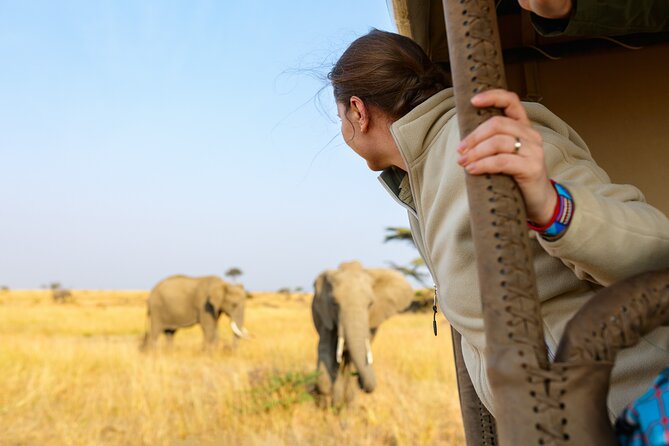
Tarangire is especially appealing for its thousands of baobabs and its high concentration of elephants. You may also see leopards, ostriches, lions, warthogs, zebra, and cheetahs. The endangered African wild dog is a possible bonus, though any sighting would be unusual and never promised.
The park is slightly off the main safari route, and many people leave it out in favor of parks closer to Arusha. That can make Tarangire feel like a smart addition, especially if you want elephants and distinctive trees rather than another day of open grassland.
The plan lists about 12 hours for this final day, including the park visit. That is a long finish. Confirm the exact end time and where the vehicle returns you, since the activity is listed as ending back at the meeting point rather than naming a separate airport transfer.
Is $3,748 per person good value?
The price looks reasonable only when you consider how much ground it covers. You receive seven breakfasts, seven lunches, six dinners, bottled water, park fees, taxes, and emergency evacuation cover. You also get private touring rather than a shared group arrangement.
The value is strongest if you want variety. A shorter safari focused only on Serengeti and Ngorongoro may offer more relaxed game viewing, while this route adds Lake Natron, Lake Eyasi, Manyara, Olduvai Gorge, and Tarangire. You pay in time and energy for that range.
The main unknowns are the accommodation standard, vehicle details, group size within your private booking, and exact airport return arrangements. Get those points in writing. Also add a guide tip to your budget, since it is not included.
Five published ratings are shown with the top score, and the strongest praise centers on the personal service and guide performance. One named guide, Erick, is credited with finding the important animals during a four-park safari. Mary is also singled out for patient planning, personal communication, budget advice, and handling a flexible schedule.
Those details suggest that communication before departure may be one of Gilmag Safaris’ strengths. Ask if Erick is available for your dates, but do not assume he will be your guide. A good guide matters enormously on safari because animal spotting, route choices, and pacing shape the whole experience.
Who should book this safari?
I would recommend this trip if you want a private, wide-ranging introduction to northern Tanzania and are happy to trade comfort and spare time for variety. It suits people who want wildlife, archaeology, local culture, walking, and several different kinds of scenery in one booking.
It is less suitable if you want a slow holiday with late breakfasts and long stays at one lodge. The very early starts, road transfers, packed lunches, and 12-hour final day require stamina.
This safari also suits repeat safari visitors who want more than the usual Serengeti and Ngorongoro pair. Lake Natron and Lake Eyasi make the route more personal and less predictable, while Tarangire adds a different animal and tree setting.
Final booking advice
I would book this experience if you value a private vehicle, strong park coverage, and cultural encounters as much as classic wildlife. Before confirming, ask for the full accommodation list, vehicle type, guide assignment, exact Manyara timing, and final-day drop-off details.
The non-refundable booking condition makes that check especially important. If you want the greatest number of major northern Tanzania sights in seven days, this is a powerful itinerary. If you prefer more time at each stop, remove one or two areas and slow the route down.
FAQ
Where does the safari start?
The safari starts at Kilimanjaro International Airport on Kilimanjaro Airport Road in Tanzania.
Where does the safari end?
The activity ends back at the meeting point. The provided details do not name a separate airport transfer or final drop-off location.
How long is the safari?
The safari lasts approximately seven days.
Is this a private tour?
Yes. Only your group participates in the activity.
Are meals included?
Yes. Breakfast is included on all seven days, lunch is included on all seven days, and dinner is included on six nights.
Is bottled water included?
Yes. An unlimited supply of bottled mineral water is included.
Are park fees and taxes included?
Yes. All fees and taxes are included in the stated package.
Is a guide tip included?
No. A tip for the guide is not included.
Does the safari visit the Serengeti?
Yes. Day 4 enters the Serengeti area, and Day 5 includes a full-day game drive in Serengeti National Park.
Does the safari include a visit with the Hadzabe?
Yes. Day 3 includes a hunt with the Hadzabe near Lake Eyasi, followed by time with the Datoga community.
Is the Lake Natron hike long?
The round hike through the Engaresero River valley takes about two to three hours.
Is the tour refundable?
No. The experience is non-refundable and cannot be changed for any reason after booking.
More Safaris
- 6 Days Big Five Tanzania Safari
★ 5.0 · 15 reviews - 7 Day Grand Tanzania Safari
★ 5.0 · 13 reviews - 6 Days 5 Nights lodge safari Tarangire, Manyara, Serengeti & Ngorongoro Crater
★ 4.5 · 10 reviews - 4 Days Tanzania Luxury Safari Serengeti and Ngorongoro Crater
★ 5.0 · 9 reviews
More Wildlife Tours
- Tanzania Wildlife Encounters – 6 Days
★ 5.0 · 277 reviews - Zanzibar: Jozani nature walk and wildlife tour
★ 4.5 · 89 reviews - 6 Day Tanzania Wildlife Mid range Safari
★ 5.0 · 54 reviews - 5 Days 4 Nights Tarangire, Serengeti , Ngorongoro & Manyara Wildlife Safari
★ 5.0 · 40 reviews
Just added around Kilimanjaro
- 5 days Serengeti Wildebeest Migration Safari★ 5.0 · 3 reviews
- Tanzania Safari and Kilimanjaro Climb Multi-Day Experience★ 5.0 · 3 reviews
- 9 Days – Best of Tanzania Safari★ 5.0 · 4 reviews
- 7 Days Mountain Kilimanjaro climb Machame Route★ 5.0 · 4 reviews
- 8-Day Tanzania Migration Footsteps – Midrange★ 5.0 · 4 reviews
- 4 Days Lake Manyara National Park, Ngorongoro Crater , Serengeti National Park.★ 4.0 · 4 reviews
- 6 Days Mara River Crossing – The Great Migration★ 5.0 · 5 reviews
- 6- Day Adventure Lodge safari to see Migration★ 4.5 · 5 reviews
Wildlife Tours in Moshi, compared.
From Moshi or Arusha: Serval Wildlife Sanctuary Trip
Read our review →
Wildlife Extravaganza: Manyara, Tarangire & Ngorongoro in 3 Days
Read our review →Browse the lists this tour appears in