
Reviewed · WILDLIFE TOURS IN MOSHI
7 Days Mid Range Tanzania Wildlife Safari
Four famous wildlife areas, one busy week. This private Tanzania safari packs Tarangire, Lake Manyara, Serengeti, and Ngorongoro into seven days, with a pop-up-roof 4×4, meals, park fees, and airport transfers included. I like the route because it gives you both classic big-game viewing and striking scenery, from baobab trees and Rift Valley forest to the open Serengeti plains.
I also like the personal service offered by Kiwoito Africa Safaris. Names that come up repeatedly in the trip experience include guides such as Charles, Feston, Abu, and Senyaeli, with office support from Evaline, Jesca, and Jessica. The main drawback is the pace: several days run for 10 to 12 hours, and the accommodation description says budget tented camps and hotels, despite the mid-range label.
In This Review
- Five things to know before booking
- Why this seven-day route works
- Day 1: Kilimanjaro Airport to Arusha
- Day 2: Tarangire and its elephant country
- Day 3: Lake Manyara, forest, and birdlife
- Day 4: The long road to Serengeti
- Day 5: More time on the Serengeti plains
- Day 6: Descending into Ngorongoro Crater
- Day 7: Returning to Arusha
- What $2,760 includes, and what it means
- Comfort, pace, and private guiding
- Who should book this safari?
- Should you book it?
- FAQ
- Where does the safari start?
- How long is the safari?
- Which parks and protected areas are included?
- Is this a private safari?
- What kind of vehicle is used?
- Are meals included?
- Are park fees and taxes included?
- Are drinks included?
- Are cultural activities included?
- Can I cancel for a full refund?
Five things to know before booking
- Tarangire brings the baobabs and elephants: The park is especially appealing in dry months, when the Tarangire River draws wildlife.
- Serengeti gets two full itinerary days: This gives you more time for big cats, the Big Five, and seasonal wildebeest movement.
- Ngorongoro is a crater safari, not only a viewpoint: You descend for a game drive among dense wildlife, with the chance of seeing several major species close by.
- The price includes many major costs: At $2,760 per person, the package covers transport, meals, accommodation, taxes, park fees, and a private vehicle.
- This is a private trip: Only your group participates, so the pace and conversation can be more personal than on a shared safari.
- Ask about the exact accommodation plan: The description uses both mid-range language and budget tented camp wording, so get the camp names before paying.
Why this seven-day route works
Northern Tanzania gives you a useful mix of wildlife settings in a compact circuit. Tarangire is known for elephants and baobabs, Lake Manyara adds forest, lakeshore habitat, and birds, Serengeti supplies the wide-open plains, and Ngorongoro brings animals together in a dramatic volcanic caldera.
The route is also practical for a first safari. You do not spend the entire week in one park hoping conditions cooperate. Instead, each area offers a different setting and a different chance to see wildlife.
That variety matters. Animal sightings are never guaranteed, and the Great Migration changes location through the year. A multi-park route gives you more than one type of safari experience, even if the wildebeest are not in the area during your dates.
You should still prepare for long road days. The itinerary lists approximately 10 hours for Tarangire, Lake Manyara, Ngorongoro, and the final return to Arusha. The Serengeti transfer day is listed at 12 hours. These are not gentle sightseeing days with lots of free time.
More Safaris in Moshi
- Safari Serengeti And Ngorongoro
★ 5.0 · 288 reviews - Big Five Safari In Tanzania
★ 5.0 · 99 reviews - Unforgettable Tanzania Safari And Zanzibar Beach
★ 5.0 · 97 reviews
Day 1: Kilimanjaro Airport to Arusha
Your trip begins at Kilimanjaro International Airport, where a representative meets you after airport formalities and transfers you to your Arusha hotel. The listed transfer takes about 50 minutes, although the actual journey can vary with traffic and arrival procedures.
This first night is useful as a landing day. You can settle in, rest, and prepare for early starts rather than racing straight into a park. Airport pickup and hotel transfer are included, which removes one of the more awkward tasks after a long international flight.
Optional activities include an Arusha city tour, museums, a souvenir shop, boating, or a visit to Chemka Hot Springs. These are not included admission attractions, so ask about the cost and available time before adding one.
I would keep this day flexible. A delayed flight could make a planned activity unrealistic, and a safari is more enjoyable when you begin rested. The start time is listed as 8:00 a.m., but confirm the exact pickup plan with the operator.
Day 2: Tarangire and its elephant country
After breakfast, you drive to Tarangire National Park for a game drive. The itinerary gives you about 10 hours for the day, including travel and time in the park.
Tarangire is a strong opening park because it offers an immediate change from town to open bush, woodland, river country, and large baobabs. In the dry season, the Tarangire River remains a dependable water source, drawing animals into areas where you may have a better chance of seeing them.
The park is particularly associated with large elephant groups. You might also see buffalo, giraffe, zebra, wildebeest, hippos, baboons, antelope, and many bird species. More than 400 bird species have been recorded here, giving bird watchers a good reason to pay attention between big sightings.
The rare Greater Kudu and African wild dog are also listed among possible sightings, but you should treat these as bonuses rather than promises. Safari conditions, season, animal movement, and guide skill all affect what appears.
A pop-up roof is a practical feature here. It lets you stand or sit with a broad view above the vehicle, which helps when watching animals and photographing tall trees. You will want a camera with a useful zoom, but do not forget to watch with your own eyes. A baobab silhouetted against the sky can be as memorable as another zebra photograph.
Day 3: Lake Manyara, forest, and birdlife
You collect a packed lunch after breakfast and continue to Lake Manyara National Park for a full-day game drive. The park covers about 325 square kilometers and lies beside the steep western wall of the Great Rift Valley.
Manyara changes the mood of the safari. Underground water supports forest that stays green through the year, creating a cooler, more enclosed setting than Tarangire or Serengeti. The park also includes open areas, lake edges, and habitat for a wide range of birds.
The park is associated with tree-climbing lions, olive baboons, elephants, buffalo, zebra, wildebeest, giraffe, hippos, and klipspringer. It has more than 450 recorded bird species, including flamingos and storks.
The famous tree-climbing lions are not guaranteed, and the park’s appeal does not depend on finding them. I like Manyara because it offers contrast. After a day of dry-country scenery, the forest and lake margins give you something visually different.
There are optional activities around Karatu, including a local market, a treetop walkway, and a cultural tour. These sound best treated as additions for a flexible schedule, not as guaranteed parts of the safari. Since the day already runs about 10 hours, ask how an optional stop affects your game-drive time.
More Wildlife Tours in Moshi
- Wildlife Safari Tanzania
★ 5.0 · 19 reviews - From Moshi or Arusha: Serval Wildlife Sanctuary Trip
★ 4.9 · 14 reviews - Moshi: Serval Wildlife Tour with food and drinks
★ 3.2 · 11 reviews - 6 Days Essence of Tanzania Wildlife Safari
★ 5.0 · 8 reviews
Day 4: The long road to Serengeti
After breakfast, you leave Karatu with a picnic lunch and travel through the Ngorongoro Conservation Area toward Serengeti National Park. The day includes an en-route game drive and an afternoon game drive in the Serengeti, with about 12 hours listed from start to finish.
This is the hardest day physically, but also one of the most important. You move from the crater and highland area into the huge open plains that give Serengeti its name. The Maasai word Siringeti means endless plains, and the description fits the view.
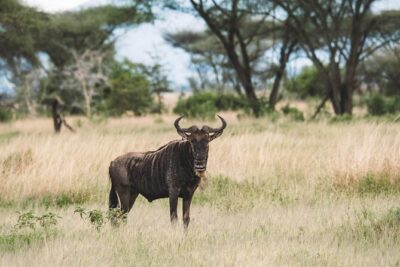
The Serengeti covers about 14,763 square kilometers. You may see large groups of wildebeest and zebra, along with big cats, other predators, and the animals associated with the Big Five. The Great Migration can be a major highlight, but its location depends on the season. Do not book this route expecting a guaranteed river crossing or a particular herd location.
The picnic-box format makes the long day possible, but it also means you should be ready for a full day outside the vehicle. Bring sun protection, water, and a light layer for changing temperatures. Mineral water, tea, and coffee are included during the safari according to the package description.
Day 5: More time on the Serengeti plains
The second Serengeti day is one of the best features of the schedule. You spend about 10 hours on a photo safari with a packed lunch, rather than arriving at the park and leaving almost immediately.
Extra time matters here because the Serengeti is vast. A single drive can show you grassland, rocky outcrops, animal herds, and predator habitat, but sightings depend on where wildlife is moving that day. Two days give your guide more room to adjust the route.
The quality of this day depends heavily on your guide. Past safari experiences with Kiwoito have praised guides for finding productive areas, answering questions, and making the long drives feel worthwhile. Charles, Feston, Abu, and Senyaeli are names associated with particularly positive guide experiences, though you should confirm who will lead your own trip.
This is also the day to speak clearly about your priorities. If you care most about birds, elephants, big cats, or photography, tell the guide. A private safari makes that conversation easier, since the vehicle is reserved for your group.
Day 6: Descending into Ngorongoro Crater
You leave for the Ngorongoro Conservation Area with a picnic lunch and spend the day on a crater tour. The planned duration is about 10 hours.
Ngorongoro is not simply a national park. It is a multiple-use area where Maasai pastoralists share the wider ecosystem with wild animals. That human presence is an important part of understanding the region, although a Maasai village or cultural tour costs extra and is not included.
The Ngorongoro Crater formed when a large volcano exploded and collapsed inward. It is described as the world’s largest unbroken, non-flooded caldera. Inside, wildlife can appear close because the crater creates a contained setting with grassland, water, and varied habitat.
You may see many antelope species and potentially the Big Five, depending on the season. The crater is also part of the larger Serengeti ecosystem. From December through April, the Ndutu area is noted for wildebeest and zebra calving, making that period especially relevant if young animals are your priority.
The crater tour is a powerful finale, but the roads and schedule can be tiring. It is worth clarifying how much time is planned on the crater floor and how much is spent driving to and from the area. A picnic lunch keeps the day moving, though you should not expect a slow restaurant stop.
Day 7: Returning to Arusha
After breakfast, you leave Karatu with a packed lunch and travel back to Arusha for your flight or onward plans. The schedule lists about 10 hours, which is important if you have a same-day flight.
The package overview refers to return flights between Zanzibar and Arusha, but the detailed seven-day schedule begins at Kilimanjaro International Airport and ends with onward travel from Arusha. That wording is not fully clear. If you are connecting to Zanzibar, ask the operator to confirm the airport, flight times, baggage rules, and whether those flights are included in your exact booking.
Do not assume the final driving time will match a short airport transfer. Build in a generous buffer. If your next flight is important, have the company confirm the pickup and arrival plan in writing.
What $2,760 includes, and what it means
The listed price is $2,760 per person. That is a substantial spend, but the package includes many of the costs that can make Tanzania safaris hard to compare:
- Private transportation
- A 4×4 safari vehicle with a pop-up roof
- Airport pickup and drop-off
- Park fees and taxes
- Overnight accommodation
- Six breakfasts
- Six lunches
- Six dinners
- Mineral water, tea, and coffee during the safari, according to the tour description
The main value is convenience. You are not paying separately for each park entrance, daily driving, meals, and airport transfer. A private vehicle also gives you more control than a shared group arrangement.
Still, the accommodation wording needs attention. The experience is sold as mid-range, while the included details specify budget tented camps and hotels. Those categories can differ greatly in comfort, location, bathrooms, power, and meal service. Ask for the exact names of every camp and hotel, then check what room or tent type is included.
Alcoholic drinks, soft drinks, travel insurance, and Maasai village or cultural activities are not included. Put those costs into your budget before deciding that the price is final.
Comfort, pace, and private guiding
This is a private tour, so only your group participates. That is a major advantage for families, couples, and friends who want to ask questions, stop for photographs, or discuss the day with one guide.
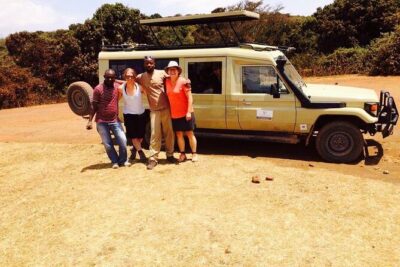
The vehicle is described as a comfortable 4×4 with a pop-up roof. That is the right basic setup for game viewing, but comfort still depends on road conditions and the amount of time spent driving. Several days last 10 hours, and the Serengeti transfer lasts about 12 hours.
The listed fitness requirement is moderate. You do not need to complete strenuous hikes, but you should be comfortable with long vehicle rides, uneven roads, early starts, and outdoor conditions.
The personal side of the operation is one of its strongest points. Communication support from Evaline, Jesca, and Jessica is repeatedly highlighted in the supplied information, while guide experiences emphasize care, organization, and effort to find wildlife. Ask who your guide will be and how the company handles changes before departure.
Who should book this safari?
I would recommend this trip to a first-time safari visitor who wants the major northern Tanzania parks in one week. It suits you if you value a private vehicle, included meals, direct airport transfers, and a route that mixes elephants, birds, crater wildlife, and Serengeti scenery.
Families may also find the private format useful. Positive experiences include trips with children as young as four, six, seven, ten, and twelve, though the long driving days still require patience.
This is less suitable if you want a slow, luxurious safari with generous downtime. It may also disappoint if your only goal is the Great Migration. The migration is seasonal, and this route does not promise a particular herd location.
Should you book it?
Book this safari if you want a busy but well-rounded northern Tanzania circuit with major costs bundled into one price. The route is strong, the private format is valuable, and two Serengeti days give you a fair chance to enjoy the park rather than treating it as a quick stop.
Before booking, confirm three points: the exact accommodation names, the guide assigned to your group, and the Zanzibar to Arusha flight details mentioned in the package description. If those answers match your expectations, $2,760 can offer solid value for a private seven-day safari. If you want more comfort or shorter road days, ask for a revised version rather than accepting the standard schedule.
Free cancellation is available if you cancel at least 24 hours before the local start time. Changes or cancellations made inside that window are not accepted or refunded.
FAQ
Where does the safari start?
The safari starts at Kilimanjaro International Airport in Tanzania, with pickup listed for 8:00 a.m.
How long is the safari?
The experience lasts approximately seven days.
Which parks and protected areas are included?
The route includes Tarangire National Park, Lake Manyara National Park, Serengeti National Park, and the Ngorongoro Conservation Area.
Is this a private safari?
Yes. Only your group participates in the activity.
What kind of vehicle is used?
The safari uses a private 4×4 vehicle with a pop-up roof.
Are meals included?
Yes. The package includes six breakfasts, six lunches, and six dinners.
Are park fees and taxes included?
Yes. All listed fees and taxes are included.
Are drinks included?
Mineral water, tea, and coffee are included during the safari. Alcoholic drinks and soft drinks are not included.
Are cultural activities included?
No. Maasai village visits and cultural tour activities are not included in the price.
Can I cancel for a full refund?
Yes, if you cancel at least 24 hours before the experience start time. Cancellations made less than 24 hours in advance are not refunded.
More Safaris
- 8-Day Essence of Tanzania Safari – Luxury
★ 5.0 · 72 reviews - Great Migration Safari In Tanzania
★ 5.0 · 71 reviews - Serengeti, Ngorongoro and Tarangire 4 Days Safari
★ 5.0 · 59 reviews - 6 Days 5 Night Safari
★ 5.0 · 57 reviews
More Wildlife Tours
- 4 Days Wildlife Tanzania Adventure
★ 5.0 · 6 reviews - 7 Days Cultural and Wildlife Safari
★ 5.0 · 5 reviews - Wildlife Extravaganza: Manyara, Tarangire & Ngorongoro in 3 Days
★ 5.0 · 3 reviews - Tanzania Wildlife Encounters – 6 Days
★ 5.0 · 277 reviews
Just added around Moshi
- Moshi: Lake Chala Tour: Hiking &/or Kayaking★ 4.5 · 3 reviews
- 3 Days Tanga Exclusive Beach Holiday★ 5.0 · 3 reviews
- Serengeti Wildebeest Migration.★ 5.0 · 3 reviews
- Chemka Hotpsrings E-Bike Day Trip★ 5.0 · 3 reviews
- Explore 1 day Ngorongoro Crater Budget Group Safari from Arusha★ 5.0 · 3 reviews
- Explore the 360° of Kilimanjaro★ 5.0 · 3 reviews
- Affordable Short Tanzania Safari (2 Days Camping Safari)★ 5.0 · 3 reviews
- Rongai Route 7 Days★ 5.0 · 3 reviews
Wildlife Tours in Moshi, compared.
From Moshi or Arusha: Serval Wildlife Sanctuary Trip
Read our review →
Wildlife Extravaganza: Manyara, Tarangire & Ngorongoro in 3 Days
Read our review →Browse the lists this tour appears in