
Reviewed · WILDEBEEST MIGRATION SAFARIS
8 Days Great Migration – Grumeti River
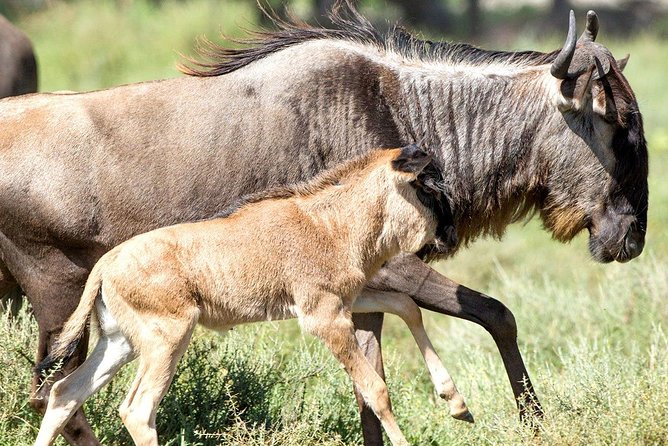
The Grumeti River is the prize. This safari links Tarangire, Lake Manyara, the Serengeti, and Ngorongoro Crater, with the best chance of seeing the Great Migration near the river from May through July. I like the unlimited mileage policy, since your guide can keep searching when animals are far from the road. I also like the small group limit of six, which gives you a better chance at a window seat and a clear view from the pop-up roof.
The price is $4,984.62 per person, including park fees, transport, full-board lodging, water, taxes, and a guide. That can be fair value for a private-feeling safari across several major parks, but you should confirm the exact accommodation before paying. The advertised title says eight days, while the supplied duration and itinerary describe about six days, so that mismatch needs clearing up first.
In This Review
- Five things to know before booking
- What this Tanzania safari is really offering
- Tarangire, elephants and a first full safari day
- Mto wa Mbu and Lake Manyara in seven hours
- Entering the Serengeti through Maasai country
- Two long Serengeti days following the herds
- Ngorongoro Crater, a compact final game drive
- Guides, vehicles and the value of unlimited mileage
- What the $4,984.62 price includes
- Who should book this safari?
- Should you book it?
- FAQ
- Where does the safari start?
- How long is the safari?
- Which parks are included?
- When might I see the Great Migration at the Grumeti River?
- How many people can join the tour?
- Is transport included?
- Are park entrance fees and meals included?
- What is not included in the price?
Five things to know before booking
- The Grumeti crossing is seasonal: The strongest chance of seeing wildebeest near the river is between May and July, but animal movements are never guaranteed.
- Unlimited driving matters: The company says guides are not restricted by a mileage limit while searching for wildlife.
- The group is capped at six: That is a useful size for a 4×4 with a pop-up roof.
- You see four major safari areas: Tarangire, Lake Manyara, Serengeti, and Ngorongoro Crater each offer a different type of wildlife viewing.
- The tour includes full-board service: Park fees, accommodation as described, mineral water, taxes, transport, and a guide are included.
- Check the timing and operator details: The start time is 7:30 a.m., but the title says eight days while the duration says six days. One serious complaint also raises concerns about payment handling and being left at Ngorongoro, so ask direct questions before booking.
What this Tanzania safari is really offering
This is a classic northern Tanzania route with a strong focus on the Serengeti and the Great Migration. You begin in Arusha, drive through Tarangire and Lake Manyara, spend three sections of the itinerary in the Serengeti, then finish around Ngorongoro Crater.
The listed price is high in absolute terms, but safari costs quickly rise when park fees, a 4×4, meals, lodging, water, taxes, and a dedicated guide are bundled together. The value depends on the accommodation, which is described only as recommended accommodation or a camp. Before you book, ask for the names and locations of every lodge or camp, not just the park names.
You should also ask why the product is called an eight-day safari when the stated duration is six days and the schedule has six stops. It may be a title error, but you should not leave this unclear. A difference of two days affects flights, hotel nights, meals, and the amount of time you spend in the Serengeti.
The company limits the group to six people. That is a sensible setup for wildlife viewing. A smaller group makes it easier to stop quickly, share sightings, and use the open roof without fighting for space. The 4×4 is equipped with a pop-up roof, which is the key feature for standing or sitting high enough to scan the plains and watch animals without a window frame in the way.
The advertised start time is 7:30 a.m. The first day also calls for an early breakfast and a packed lunch, so expect a full day from the beginning. The itinerary lists driving and game viewing periods of seven to ten hours, which is normal for this route but demanding if you dislike long vehicle days.
More Migration Safaris in Arusha
- 8 Days Great Wildebeest Calving Migration Safari from Arusha
★ 5.0 · 254 reviews - 10-Day Serengeti Wildebeest Migration Safari from Arusha
★ 5.0 · 218 reviews - 8 Day Spectacular Migration Serengeti mid -Range Tanzania Safari
★ 5.0 · 161 reviews
Tarangire, elephants and a first full safari day
Your first park is Tarangire National Park, reached after an early breakfast from Arusha. You carry a packed lunch and spend about eight hours on the day’s route, including the game drive and travel.
Tarangire is particularly appealing if elephants are high on your list. The park is described as having some of the world’s largest elephant concentrations, along with a very high number of breeding bird species. The Tarangire River draws wildebeest, zebras, and gazelles, and those herds attract lions and other predators.
You might also find animals that are less often seen on a standard safari, including kudu, oryx, and gerenuk. Lions, cheetahs, and leopards are possible too, though no guide can promise a sighting. The itinerary points out that wildlife is especially concentrated in the dry season, so ask how your dates fit the seasonal pattern.
This is a strong opening day because it gives you elephants, birds, large herbivores, and the chance of predators without waiting until the Serengeti. The drawback is the pace. You are driving from Arusha, carrying lunch, and starting your safari immediately, so this is not a gentle arrival day.
After the afternoon drive, you go to the included accommodation for dinner and the night. Since the property is not named, ask about its location and whether the drive ends inside or outside the park. That detail affects how much time you get for the next morning.
Mto wa Mbu and Lake Manyara in seven hours
The second day combines local life with a game drive. After breakfast, you walk through Mto wa Mbu, a farming town described as home to more than 120 tribes from across Africa.
The walking route includes rice and banana plantations, a local beer factory, a school, and a carving factory. This is a welcome change from vehicle-based wildlife viewing. You get a look at work, food production, local enterprise, and daily routines rather than seeing Tanzania only through a safari vehicle.
The village walk is guided, but the supplied details do not state how long it lasts or whether any purchases are expected at the carving factory. Ask about both points if you prefer a clearly timed visit or want to plan spending.
Lake Manyara National Park is only a short drive from Mto wa Mbu. The park is known for its soda lake, pink-hued flamingos, baboons, birdlife, giraffes, elephants, hippos, and buffaloes. The views are an important part of the appeal, especially where the lake and open country meet.
The day lasts about seven hours. That is shorter than the Serengeti days, but the combination of walking and game viewing still gives you a full schedule. Lake Manyara can be a useful contrast to Tarangire: smaller in feel, more focused on lake birds and woodland animals, and well suited to anyone who wants some cultural contact along with wildlife.
Entering the Serengeti through Maasai country
The third stop takes you into the Serengeti. The drive includes a visit to a Maasai village, where you learn about the lifestyle of the community traditionally associated with herding and warrior culture.
The village visit adds local context before the safari becomes almost entirely about wildlife. Ask what is included in the visit and how much time is set aside for it. The description gives the purpose but not the exact schedule.
After reaching the Serengeti, you have a picnic lunch and continue with a game drive. The listed day runs about nine hours, so this is a travel-heavy section. The reward is that you are now in the park where the migration becomes the main event.
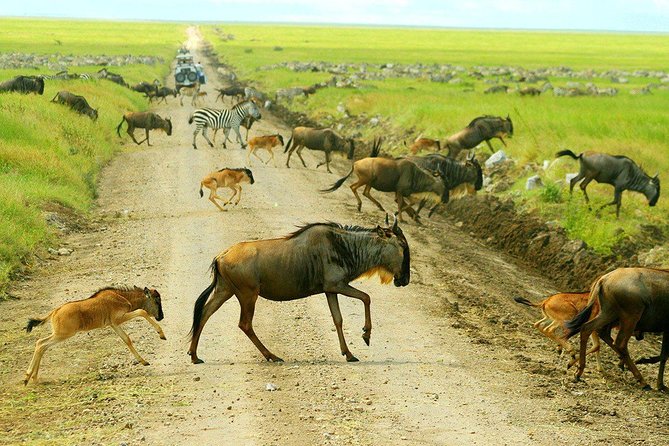
The Grumeti River crossing is the tour’s central promise. From May through July, wildebeest may cross the river as the herds move through the western Serengeti. They face crocodiles and fast-flowing water, while predators wait nearby. It can be one of the most dramatic scenes in East African wildlife viewing.
The word may matters here. Migration timing shifts, and even when herds are in the region, they may not cross while your vehicle is present. Unlimited mileage improves your guide’s ability to search, but it cannot control the animals or the river.
The best question to ask before booking is where the Serengeti nights are located. A camp near the western corridor gives you a different chance at Grumeti sightings than a camp in central Serengeti. The accommodation name and exact position are essential details, especially since the supplied plan uses a general accommodation label.
More migration safaris:
- 9-Day Serengeti Migration Footsteps Tanzania Safari
★ 5.0 · 96 reviews - 7 days great migration safari
★ 5.0 · 77 reviews - Private 6-Day Great Migration Ndutu Serengeti Safari Tour
★ 5.0 · 47 reviews - 4 Day Great Migration Safari Serengeti & Ngorongoro Crater
★ 5.0 · 33 reviews
Two long Serengeti days following the herds
The fourth day begins early and lasts about ten hours. You leave the lodge for a full day of wildlife viewing and follow the plains in search of the migration.
The attraction is not only the wildebeest. The moving herds draw predators, and the Serengeti is one of the best places in the route to look for lions, elephants, leopards, rhinos, and buffaloes. Seeing all five is possible, but it should be treated as a lucky result rather than a standard promise.
An early departure is practical. Cooler hours are often more comfortable for long drives, and morning activity can be rewarding. Still, ten hours in a safari vehicle is tiring. If you want a slower holiday, ask if the guide can adjust the rhythm or include a shorter drive on another day.
The fifth day remains in the Serengeti and focuses on the central area. This region is described as especially good for lions and leopards, with strong game viewing throughout the year. You may also look for cheetahs, elephants, giraffes, hippos, ostriches, and the much less commonly seen pangolin.
The itinerary presents the central Serengeti as a place of open plains and broad views. It also says the camp combines old African character with comfort and sits in the heart of the park. Again, get the exact property name before booking. The quality and location of the camp can change the experience as much as the wildlife does.
These two full Serengeti days are the heart of the trip. They give you time to search rather than simply pass through. That is where the unlimited-mileage promise has practical value. Your guide can keep looking for a leopard in a tree, a pride of lions, or the next movement of the herds without worrying about a fixed driving allowance.
Ngorongoro Crater, a compact final game drive
The final stop is Ngorongoro Crater, with about seven hours assigned to the day. The crater is a natural enclosure for wildlife and is described as sheltering close to 30,000 animals.
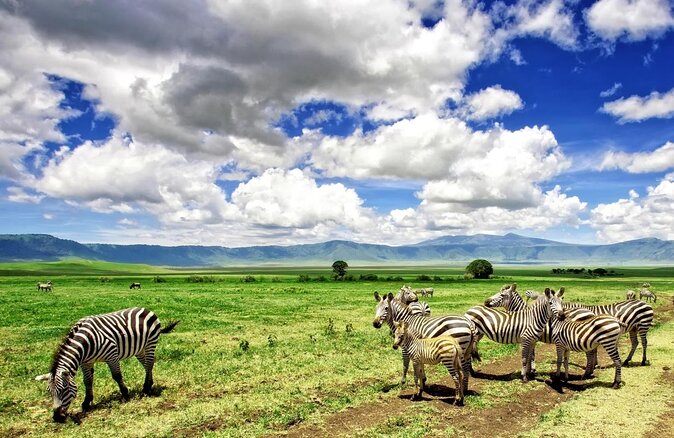
Inside, you might see zebras, buffaloes, lions, wildebeest, baboons, elephants, flamingos, ostriches, hippos, cheetahs, and black rhinos. The setting is visually different from the open Serengeti. The crater walls frame the animals, and changing light and clouds can make the scene feel almost theatrical.
The Big Five are also possible here. The black rhino is a particularly important sighting, since it is rare. Still, the same rule applies: the park offers a strong chance, not a guarantee.
The practical concern is the end of the safari. One serious account describes being left stranded at Ngorongoro and alleges that the company requested full advance payment before the trip, followed by an explanation involving an accountant. The company apologized in its response and said other people had also been affected. Other feedback praises the organization, guides, driving, patience, and personal care, with Mike and Godfrey named positively in separate accounts.
That mixed record deserves attention. Ask who will receive your payment, request a written invoice, confirm the emergency contact, and get the final accommodation and pickup details in writing. These steps do not change the wildlife route, but they can prevent a serious problem at the end of a remote trip.
Guides, vehicles and the value of unlimited mileage
The company promises a professional English-speaking guide, with other languages available. The guide’s wildlife knowledge matters greatly here. A good guide does more than point out animals. You need someone who can judge distance, read animal behavior, explain the migration, and decide when to wait or move on.
The strongest positive feedback names Mike for patient driving, organization, helpfulness, and care. Another account praises Mike and the owner for avoiding shortcuts while searching central and northern Serengeti. Those comments fit the tour’s main strength: it is designed around time in the parks, not a rushed checklist.
Transport is by 4×4 with a pop-up open roof for the entire safari. That setup gives you a better view than a standard closed vehicle, especially for giraffes, birds, and animals in tall grass. A maximum of six people keeps the vehicle from becoming too crowded, although the exact seating layout is not provided.
Unlimited mileage sounds excellent, but you should ask how the policy works in practice. Park rules, road conditions, opening times, and animal locations still shape the day. The promise means the company does not impose its own mileage limit, not that you can drive anywhere or stay out without time limits.
What the $4,984.62 price includes
The price is $4,984.62 per person. Included items are:
- 4×4 transport with a pop-up open roof
- Park entrance fees
- Full-board accommodation as described
- Unlimited mineral water
- Government taxes
- An English-speaking or other-language guide
- Unlimited mileage during the safari
That package can represent reasonable value for a multi-park safari, especially because park entrance fees and vehicle costs are not small extras. Full board also makes budgeting easier during long days away from towns.
The weak point is the vague accommodation description. A camp in the central Serengeti, a lodge near the park boundary, and a property near Ngorongoro can produce very different experiences. Ask for room type, camp names, meal arrangements, and the number of nights in each place.
Tips, travel insurance, and international flights are not included. You should budget separately for all three. The exact tip amount is not provided, so ask the operator for its current guidance rather than guessing.
Who should book this safari?
I would look closely at this trip if you want a classic northern Tanzania route with a serious focus on the Serengeti. It suits you best if you want long game drives, a small group, a chance at the Grumeti River migration, and a guide who can keep searching rather than ending the drive after a fixed mileage limit.
It also suits people who like variety. Tarangire offers elephants and birds, Mto wa Mbu adds village life, Lake Manyara brings flamingos and baboons, the Serengeti provides wide-ranging wildlife, and Ngorongoro delivers a concentrated final game drive.
It is less suitable if you need a clearly confirmed eight-day schedule, named hotels, short driving days, or a spotless payment record. The conflicting duration and one serious complaint are not minor points. Contact Ensembles Explores Adventures before payment and get the exact dates, accommodation, route, payment terms, and airport or Arusha pickup details in writing.
Pickup is offered, group discounts may be available, and mobile tickets are supported. Most people can participate, and the meeting time is 7:30 a.m. Free cancellation is available up to 24 hours before the start time, with no refund for cancellations or changes made inside that window.
Should you book it?
Book this safari if the operator clears up the six-day versus eight-day discrepancy and gives you firm accommodation and payment details. The route is excellent on paper, the group size is practical, and the combination of unlimited mileage with three Serengeti sections gives you a real chance to search for the migration rather than simply pass through.
I would not pay until the company confirms who handles your booking and provides a written itinerary. If those checks are satisfactory, this could be good value for a focused Tanzania safari. If the answers remain vague, choose a better-documented operator, even if the price is higher.
FAQ
Where does the safari start?
The experience starts in Arusha, Tanzania, with a listed start time of 7:30 a.m.
How long is the safari?
The supplied duration says approximately six days, and the itinerary contains six main stops. The title refers to eight days, so you should confirm the actual number of days before booking.
Which parks are included?
The route includes Tarangire National Park, Lake Manyara National Park, Serengeti National Park, and Ngorongoro Crater.
When might I see the Great Migration at the Grumeti River?
The itinerary says there is a good chance of seeing wildebeest near the Grumeti River between May and July. A crossing is not guaranteed.
How many people can join the tour?
The maximum group size is six travelers.
Is transport included?
Yes. Transport is provided in a 4×4 vehicle with a pop-up open roof for the entire safari.
Are park entrance fees and meals included?
Park entrance fees and full-board accommodation are included. Unlimited mineral water, government taxes, and a professional guide are also included.
What is not included in the price?
Tips, travel insurance, and international flights are not included.
Just added around Arusha
- 5 Days Safari Tarangire, Serengeti, and Ngorongoro Crater★ 5.0 · 3 reviews
- Love lives in Africa★ 5.0 · 3 reviews
- 5 Days of Safari, Culture & Hot Springs – Tour from Arusha★ 5.0 · 3 reviews
- Arusha National Park Safari by Jeep★ 4.5 · 3 reviews
- 5Days Family _Group Tour Lodging Mid-Range in the Jungle★ 5.0 · 3 reviews
- Serengeti & Ngorongoro 3 Days Budget Safari★ 5.0 · 3 reviews
- 2 Days Tarangire and Ngorongoro Crater Tour★ 5.0 · 3 reviews
- 7 Days PRIVATE Best of Tanzania Safari *Departing everyday*★ 5.0 · 3 reviews
Wildebeest Migration Safaris, compared.
8 Days Great Wildebeest Calving Migration Safari from Arusha
Read our review →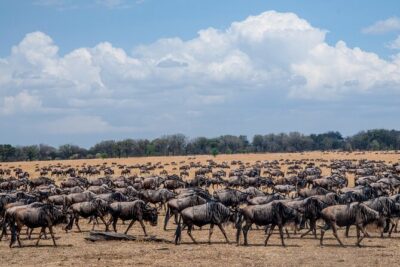
10-Day Serengeti Wildebeest Migration Safari from Arusha
Read our review →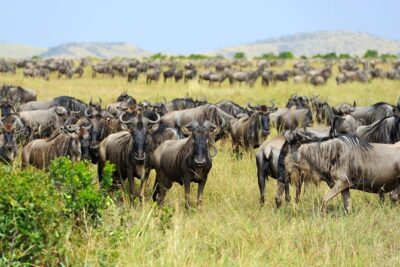
8 Day Spectacular Migration Serengeti mid -Range Tanzania Safari
Read our review →
9-Day Serengeti Migration Footsteps Tanzania Safari
Read our review →
Private 6-Day Great Migration Ndutu Serengeti Safari Tour
Read our review →
4 Day Great Migration Safari Serengeti & Ngorongoro Crater
Read our review →Browse the lists this tour appears in