
Reviewed · WILDEBEEST MIGRATION SAFARIS
7 days great migration safari
The wild route is the real prize. This seven-day private safari links Lake Natron, northern and central Serengeti, the Ngorongoro Crater, and Lake Eyasi, giving you far more than a standard park-to-park circuit. I especially like the quieter approach through Maasai country and the chance to see flamingos at Lake Natron. I also like that airport transfers, lodges, meals, binoculars, and a private vehicle are included.
The main consideration is the amount of time spent on the road. Reaching northern Serengeti from Lake Natron takes effort, and several days run close to 12 hours. The route rewards patient wildlife watchers, but it may feel too demanding if you want a relaxed lodge holiday with short drives.
In This Review
- Key points to know before booking
- Why this seven-day route feels different
- Day 1: Lake Natron and the Rift Valley Escarpment
- Day 2: Entering Northern Serengeti through Klein’s Gate
- Day 3: A full day among Northern Serengeti herds
- Day 4: Wildlife watching in the Seronera Valley
- Day 5: From Serengeti to the Ngorongoro rim
- Day 6: Descending into Ngorongoro Crater
- Day 7: Lake Eyasi and the return to Arusha
- What the $4,514 price includes
- Who will enjoy this safari most
- Booking, weather, and cancellation details
- Should you book the seven-day Great Migration safari?
- FAQ
- Where does the safari begin?
- What time does the safari start?
- Is this a private safari?
- Which main destinations are included?
- Is Lake Natron included?
- Can I see the Great Migration?
- Are meals included?
- Is accommodation included?
- Are airport transfers included?
- Is there a restroom on the safari vehicle?
- What happens if I need to cancel?
Key points to know before booking
- Lake Natron adds a rare off-road feeling: You visit a pink-tinged soda lake below the Rift Valley Escarpment, with flamingos and the sacred Maasai mountain Ol’doinyo Lengai nearby.
- Northern Serengeti is the migration focus: From October through December, wildebeest may be found moving back toward the southern plains, though animal movements can never be promised.
- This is a private safari: Only your own group participates, allowing more flexibility with wildlife stops and daily pacing.
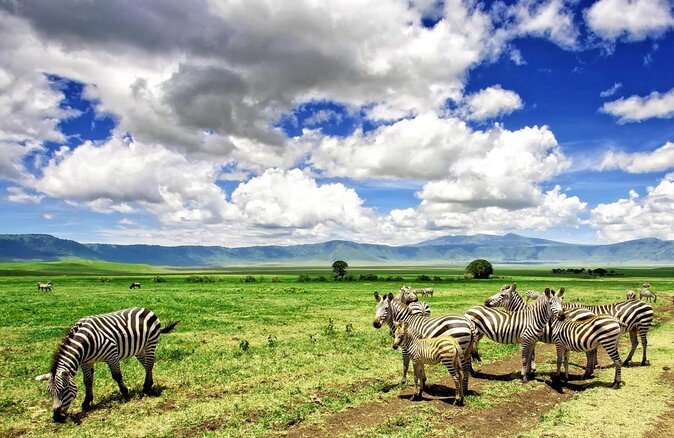
- The Ngorongoro Crater is a strong all-year wildlife stop: Its permanent water helps support lions, buffaloes, elephants, zebras, hippos, and the rare black rhinoceros.
- Lake Eyasi changes the tone of the trip: Visits with Hadzabe and Datoga communities offer cultural contact beyond the usual game-drive routine.
- The $4,514 price covers a lot: Accommodation, three meals on most days, private transport, park fees, a guide, activities, and airport transfers are included.
Why this seven-day route feels different
Many northern Tanzania safaris stay with the familiar triangle of Tarangire, Serengeti, and Ngorongoro. This trip takes a more unusual line. Lake Natron comes first, then the vehicle heads into northern Serengeti before working south through the central plains and crater country.
That route gives you three different kinds of safari. Lake Natron is about geology, birds, walking, and Maasai territory. Serengeti is about open-country wildlife and the movement of large herds. Ngorongoro and Lake Eyasi add concentrated animal viewing and human culture.
You travel in a private group, which matters more than it might sound. If you want to spend extra time watching a lion, pause for a photograph, or adjust the day around your group’s energy, you are not negotiating with a busload of strangers. The itinerary still has fixed distances, but the experience should feel more personal.
A professional driver-guide is included. Several guides associated with particularly strong safari experiences are Estomih, Isaac, Johnathan, Christian, Simon, Innocent, and Chady. Their names appear repeatedly in praise for animal spotting, photography help, patience, safety, and clear explanations. Your assigned guide may be different, so treat those names as useful reference points rather than a guarantee.
More Migration Safaris in Arusha
- 8 Days Great Wildebeest Calving Migration Safari from Arusha
★ 5.0 · 254 reviews - 10-Day Serengeti Wildebeest Migration Safari from Arusha
★ 5.0 · 218 reviews - 8 Day Spectacular Migration Serengeti mid -Range Tanzania Safari
★ 5.0 · 161 reviews
Day 1: Lake Natron and the Rift Valley Escarpment
Pickup is available from the airport on the first day or from your lodge or hotel after breakfast. The trip then heads north along the Rift Valley Escarpment, through Maasai territory and toward Ngare Sero village.
The drive itself is part of the appeal. This is not simply a transfer between major parks. You get changing views of rural Tanzania, with Ol’doinyo Lengai appearing in the distance. The mountain is sacred to the Maasai and is also known as the Mountain of God.
From Ngare Sero, a guided bush walk takes you toward Lake Natron. The soda lake is highly alkaline, and its shores can appear pink when large numbers of flamingos gather to breed. That is a striking change from the usual vehicle-based safari. You are seeing a place shaped as much by geology and water chemistry as by animals.
You may also choose a walk to a nearby waterfall, where you can take a refreshing bath. This option makes day one more active, so ask about the walking conditions and choose according to your comfort.
The day includes breakfast, a picnic lunch, and dinner. Overnight accommodation is at Lake Natron Tented Camp. Since the itinerary starts at 7:30 a.m. and includes a long drive plus walking, you should arrive rested and ready for a full day.
Day 2: Entering Northern Serengeti through Klein’s Gate
Day two begins with a climb away from Lake Natron. The road includes several winding turns and a final view back toward the lake before the route leaves the Rift Valley behind.
The vehicle continues through Wasso toward northern Serengeti and enters the park around midday at Klein’s Gate. A first game drive takes place in the Lobo area, where permanent springs support wildlife during dry periods.
Lobo is a useful base because it combines open grass plains with rocky kopjes. Those stone outcrops give the area visual character and can provide good lookout points for predators. You might find lions, leopards, buffaloes, elephants, giraffes, and zebras here.
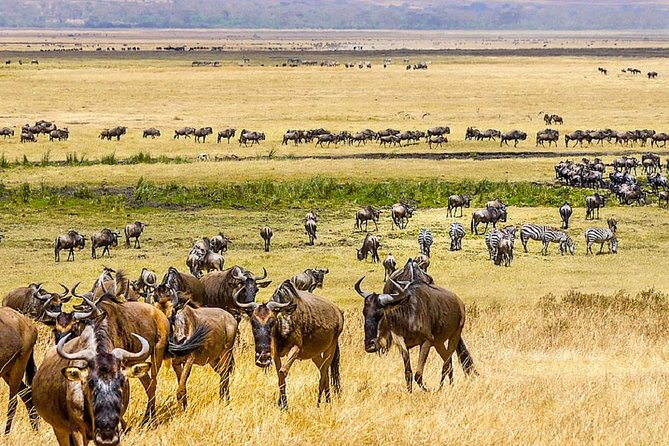
Migration timing matters. From October through December, large wildebeest herds may be moving back toward the southern plains. This is an attractive window for the route, but you should not book on the assumption that a dramatic river crossing or a herd will appear beside the vehicle. Migration is controlled by rain, food, and animal instinct, not by a tour schedule.
Lunch is a picnic meal, followed by dinner at the lodge. You spend the night at Lobo Wildlife Lodge. The combination of a remote entry route and a first game drive makes this one of the more distinctive days, though the road time is substantial.
Day 3: A full day among Northern Serengeti herds
Day three gives you more time in northern Serengeti, which is important. A single afternoon is rarely enough to understand a large wilderness area, especially when the main attraction is moving wildlife.
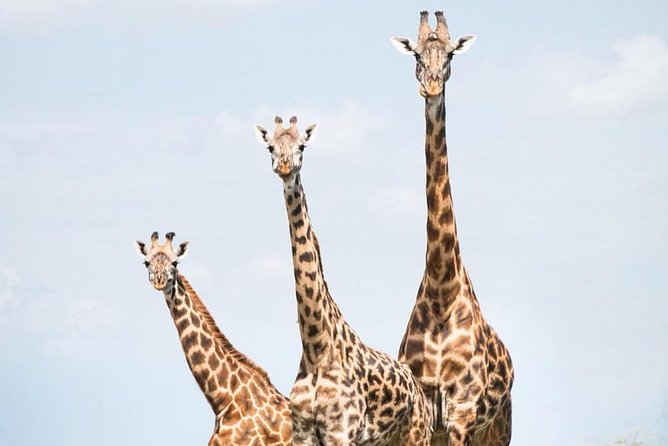
During the dry season, northern Serengeti can hold large groups of wildebeest and zebra. Resident animals remain a major reason to stay, too. Lions, elephants, hippos, giraffes, crocodiles, and the less common oribi antelope are all possible.
The value of a full day is not just the number of animals you might see. It gives your guide room to read the area, follow fresh sightings, and wait when something interesting is happening. A patient guide can make a major difference here. Past praise for guides such as Estomih and Simon focuses on locating animals while keeping the day safe, comfortable, and enjoyable.
You will again have breakfast, picnic lunch, and dinner. The second night at Lobo Wildlife Lodge keeps the schedule from becoming a nightly packing exercise. That is a practical benefit. You can settle in after the game drive instead of immediately preparing for another move.
More Safaris in Arusha
- Serengeti Balloon Safari and authentic bush breakfast
★ 5.0 · 2,480 reviews - Balloon Safari & Bush Breakfast in Serengeti – Miracle Experience
★ 5.0 · 1,646 reviews - 4 Days Group Camping Safari
★ 5.0 · 1,101 reviews - 5 Days Group Camping Safari
★ 5.0 · 730 reviews
Day 4: Wildlife watching in the Seronera Valley
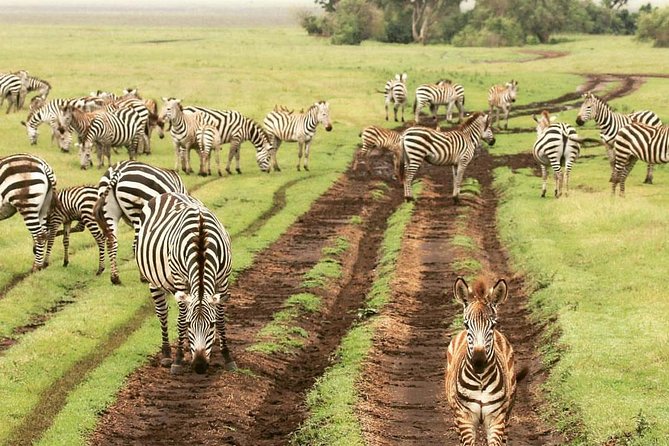
The route turns toward central Serengeti, with a relaxed morning drive before spending the main part of the day in the Seronera Valley. The area is known for wildlife throughout the year, so this is less dependent on a particular migration date.
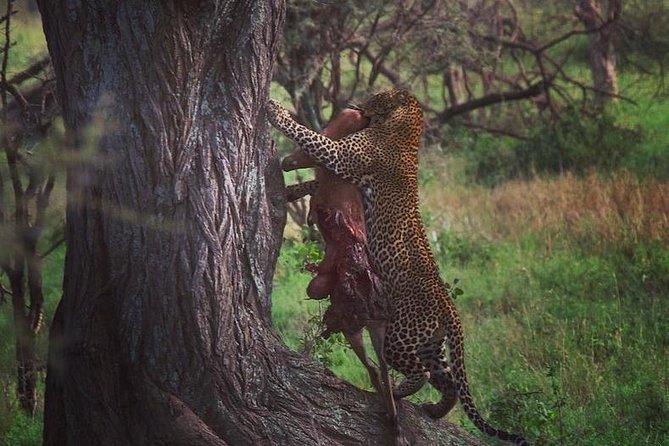
Seronera is a good place to look for predators. Cheetahs, hyenas, leopards, and lions share the area with buffaloes, giraffes, hippos, impalas, topi, warthogs, and zebras. The mix gives you a chance to watch more than headline animals. A warthog trotting away or a topi standing alert can be as memorable as another photograph of a lion.
Your guide may also help you sort out similar species. Grant’s gazelle and Thomson’s gazelle both have white rumps, but the markings around the rump and the tail differ. These small identification lessons make game drives more rewarding because you begin to notice behavior, markings, and habitat instead of simply counting species.
This is another long safari day, listed at about 12 hours. That can mean excellent viewing time, but it also means heat, dust, and long periods in the vehicle. Bring a hat, water, sun protection, and patience. The experience works best when you accept that wildlife viewing has quiet stretches.
Day 5: From Serengeti to the Ngorongoro rim
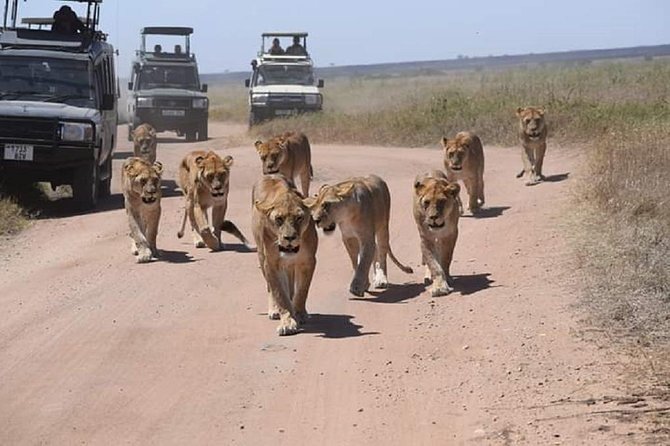
You begin with another Serengeti game drive before continuing toward the Ngorongoro Conservation Area. The drive shifts the mood from wide open plains to high crater country.
Ngorongoro Conservation Area covers 8,292 square kilometres and contains nine craters. It is not simply a scenic viewpoint. Maasai communities continue to live there, after residents of Serengeti National Park were relocated to the conservation area in 1959. That arrangement gives this part of Tanzania a human dimension missing from a park visit focused only on animals.
Your accommodation is on the crater rim, with a view into the caldera. Few safari lodges can offer a setting quite like that. The rim can also feel cool after the warmer plains, so pack a light layer where you can reach it easily.
The itinerary lists this day at about 12 hours and includes breakfast, lunch, and dinner. The long day is reasonable because you are combining a final Serengeti drive with the transfer to a major new area. Still, this is not a day for sleeping late or expecting a short afternoon.
Day 6: Descending into Ngorongoro Crater
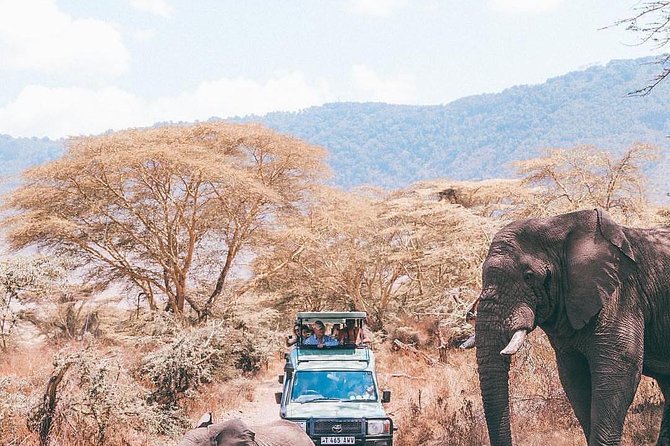
The schedule labels day six with Lake Eyasi, but the detailed activities describe a full Ngorongoro Crater visit. After breakfast, you drive along the crater rim to Seneto Gate, then descend by an adventurous route to the crater floor.
The first view from the rim is one of the trip’s strongest scenic moments. Below you is a broad enclosed area with water, grass, and wildlife. Because water is dependable, the crater supports a large number of animals. Wildebeest and zebra numbers rise during the dry season, while elands, elephants, and waterbucks increase during the wet season.
This is your best concentrated search for the Big Five: buffalo, elephant, leopard, lion, and black rhinoceros. The crater is one of only two places in Tanzania where the highly threatened black rhinoceros can still be seen. A sighting is never guaranteed, but the habitat gives you a serious chance to look.
Animals move in and out of the crater, so conditions change. That is worth remembering if you have seen photographs showing huge herds in one month and fewer animals in another. Your guide can explain these seasonal patterns while you watch.
The crater visit lasts about 12 hours and includes breakfast, lunch, and dinner. The descent and the long game drive may be tiring, but this is the day most likely to satisfy a first-time safari wish list.
Day 7: Lake Eyasi and the return to Arusha
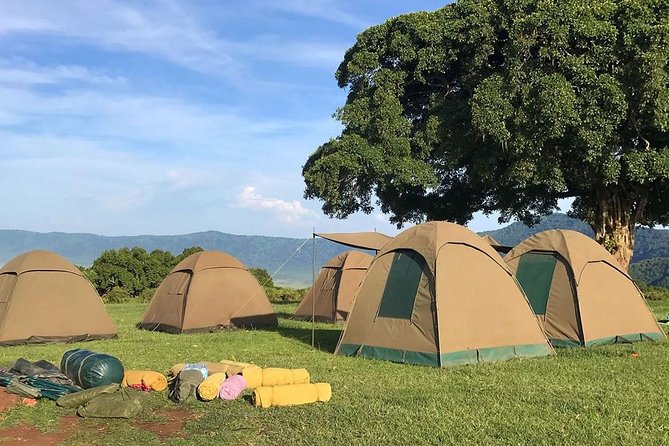
The final day shifts from wildlife to local culture. Lake Eyasi lies in the southwestern part of the Ngorongoro Conservation Area and is fed by the Sibiti and Baray Rivers. It is another soda lake, but the focus here is the communities living around it.
The Hadzabe and Datoga are associated with the region. The Hadzabe continue a hunting and gathering way of life, while the Datoga are pastoralists. A village visit may give you a close look at homes, family structures, traditional dances, and daily routines. You may also be invited into a home without a formal, staged feeling.
That cultural contact deserves respect. Follow your guide’s advice about photographs, conversation, and participation. The best approach is curious and patient. You are not just adding another stop to a checklist. You are meeting people whose way of life differs sharply from the lodge-and-game-drive rhythm of the previous days.
The final day is listed at about nine hours and ends in Arusha. Breakfast and lunch are included, while dinner is not listed for this day. The itinerary also includes a roundtrip airport transfer, making this suitable for a departure plan that connects through Arusha, provided your flight timing allows enough margin.
What the $4,514 price includes
At $4,514 per person, this is a major purchase. The value depends on how many people share the private vehicle and on the exact lodge arrangements, which are not specified in the available information.
The package includes:
- Private transportation
- A professional driver-guide
- Airport pickup and return transfer
- All listed accommodation
- Park and activity fees
- Breakfast for seven days
- Lunch for seven days
- Dinner for six days
- Binoculars
- Camping equipment
- Taxes
That list makes the price easier to assess. You are not paying only for game drives. You are also covering transport across a large area, accommodation, meals, conservation fees, and a private setup. The inclusion of binoculars is a nice practical touch, especially if you do not want to bring your own.
The main unknown is the lodge standard and the group size. The accommodation includes Lake Natron Tented Camp and Lobo Wildlife Lodge, plus a crater-rim property, but the exact room categories are not provided. Ask for the named properties and upgrade details before paying.
Tips, personal items, international flights, and restroom access on board are not included. The vehicle does not have an onboard restroom, so use facilities when stops allow and plan for the long driving days.
Who will enjoy this safari most
I would recommend this trip to you if you want a private Tanzania safari with a less usual first stop. It suits photographers, wildlife fans, couples, families, and older adults who can manage long drives. One family of four praised guide Christian for staying attentive to their wishes and working hard to find elusive animals, including big cats and the Big Five.
It also suits you if cultural contact matters as much as animal sightings. Lake Eyasi gives the trip a human side, while Lake Natron adds walking and geology.
I would be more cautious if you dislike early starts, winding roads, picnic lunches, or full days in a safari vehicle. The route covers a lot of ground in seven days. The payoff is variety, not a slow, leisurely stay in one lodge.
Booking, weather, and cancellation details
Pickup is offered from the airport on day one or from a lodge or hotel after breakfast. The stated start time is 7:30 a.m. Confirmation is provided when you book, and the activity is private for your group. Most people can participate, though the long drives and bush walks deserve an honest look at your own fitness.
The trip depends on good weather. If poor weather causes cancellation, you are offered another date or a full refund. You can cancel for a full refund up to 24 hours before the local start time. Changes or cancellations inside 24 hours are not accepted for a refund. The operator may also cancel if the minimum number of required participants is not met, with a different date, another experience, or a full refund offered.
Should you book the seven-day Great Migration safari?
Book it if you want northern Serengeti, Ngorongoro, Lake Natron, and Lake Eyasi in one private itinerary. The route offers flamingos, crater wildlife, possible migration herds, Maasai country, and contact with Hadzabe and Datoga communities. That is a lot of variety for one week.
Before booking, confirm the exact lodges, your airport timing, the likely vehicle arrangement, and whether you can request a particular guide. Most important, understand that the migration is seasonal and unpredictable. You are paying for access to excellent wildlife country and a well-planned route, not a guaranteed animal crossing.
For an active first safari that values unusual places and strong guiding, I would consider this a good choice. For a slower holiday with short transfers and guaranteed comfort, I would choose a simpler route.
FAQ
Where does the safari begin?
The safari begins in Arusha, with pickup available from the airport on day one or from your lodge or hotel after breakfast.
What time does the safari start?
The stated start time is 7:30 a.m.
Is this a private safari?
Yes. Only your group participates in the activity.
Which main destinations are included?
The route includes Lake Natron, Serengeti National Park, the Ngorongoro Conservation Area and Crater, Lake Eyasi, and Arusha.
Is Lake Natron included?
Yes. The itinerary includes a guided bush walk to Lake Natron, with an alternative walk to a nearby waterfall where you can take a bath.
Can I see the Great Migration?
The safari is designed around migration areas in Serengeti. From October through December, large wildebeest herds may be found moving toward the southern plains, but sightings and crossings are not guaranteed.
Are meals included?
Yes. Breakfast and lunch are included for seven days, and dinner is included for six days.
Is accommodation included?
Yes. The package includes the listed accommodation unless an optional upgrade is clearly identified.
Are airport transfers included?
Yes. Roundtrip airport transfer is included.
Is there a restroom on the safari vehicle?
No. A restroom on board is specifically not included.
What happens if I need to cancel?
You can cancel at least 24 hours before the experience starts for a full refund. Cancellations or changes made less than 24 hours before the local start time are not accepted for a refund.
More Safaris
- 3 Days Serengeti & Ngorongoro Group Camping Safari
★ 5.0 · 574 reviews - 7-Day Premium Luxury Tanzania Safari All-Inclusive
★ 5.0 · 426 reviews - 3-Day Classic Serengeti Safari
★ 5.0 · 263 reviews - Group Safari 7 Days in Tanzania’s Main Parks
★ 5.0 · 240 reviews
More Migration Safaris
- 9-Day Serengeti Migration Footsteps Tanzania Safari
★ 5.0 · 96 reviews - Private 6-Day Great Migration Ndutu Serengeti Safari Tour
★ 5.0 · 47 reviews - 4 Day Great Migration Safari Serengeti & Ngorongoro Crater
★ 5.0 · 33 reviews - Tanzania safari with guide in Italian, the great Migration of the Serengeti
★ 5.0 · 23 reviews
Just added around Arusha
- 5 Days Safari Tarangire, Serengeti, and Ngorongoro Crater★ 5.0 · 3 reviews
- 5 Days of Safari, Culture & Hot Springs – Tour from Arusha★ 5.0 · 3 reviews
- Love lives in Africa★ 5.0 · 3 reviews
- Arusha National Park Safari by Jeep★ 4.5 · 3 reviews
- 5Days Family _Group Tour Lodging Mid-Range in the Jungle★ 5.0 · 3 reviews
- Serengeti & Ngorongoro 3 Days Budget Safari★ 5.0 · 3 reviews
- 2 Days Tarangire and Ngorongoro Crater Tour★ 5.0 · 3 reviews
- 7 Days PRIVATE Best of Tanzania Safari *Departing everyday*★ 5.0 · 3 reviews
Wildebeest Migration Safaris, compared.
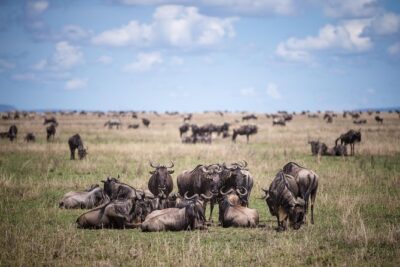
8 Days Great Wildebeest Calving Migration Safari from Arusha
Read our review →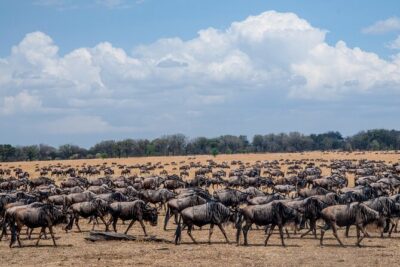
10-Day Serengeti Wildebeest Migration Safari from Arusha
Read our review →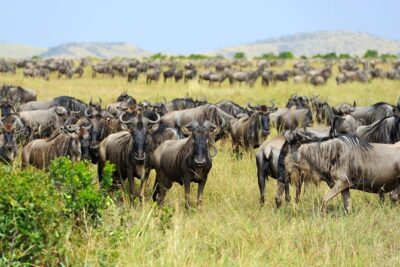
8 Day Spectacular Migration Serengeti mid -Range Tanzania Safari
Read our review →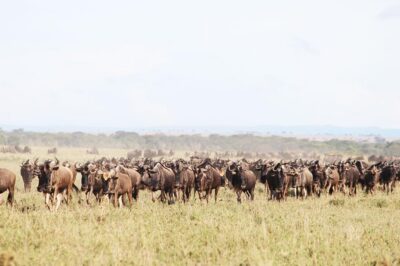
9-Day Serengeti Migration Footsteps Tanzania Safari
Read our review →
Private 6-Day Great Migration Ndutu Serengeti Safari Tour
Read our review →
4 Day Great Migration Safari Serengeti & Ngorongoro Crater
Read our review →
6 Days Tanzania Budget Camping Safari with Migration
Read our review →Browse the lists this tour appears in