
Reviewed · CAMPING SAFARIS
Best Of Six Days Safari Camping safari
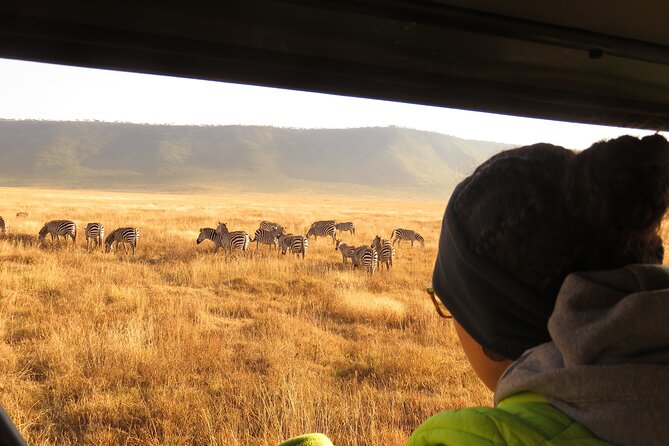
Calving season changes the whole safari game. This six-day route from Arusha follows the wildebeest through Ndutu and the southern Serengeti, then adds Tarangire, Ngorongoro Crater, and Lake Manyara. I like the strong mix of wildlife areas and the chance to see the migration when thousands of newborn calves draw predators close. I also like the small maximum group of six, which should make a crowded safari vehicle less likely.
The main consideration is the pace. You cover a lot of ground, sleep in both a lodge and budget camps, and spend long hours on rough park roads. The itinerary also needs clarification, since the Day 3 and Day 4 descriptions mention Ngorongoro en route while Day 5 is devoted to the crater.
In This Review
- Six details that shape this safari
- Why the migration focus matters
- Day 1 in Arusha: a useful soft landing
- Day 2 at Tarangire: elephants and baobabs
- Days 3 and 4: following the herds into Serengeti
- What budget camping means in practical terms
- Day 5 at Ngorongoro Crater: a concentrated wildlife day
- Day 6 at Lake Manyara: birds and Rift Valley views
- Is $1,190 a fair price?
- Who will enjoy this safari most?
- Booking, cancellation, and group details
- Should you book this six-day safari?
- FAQ
- Where does the safari begin?
- How long does the safari last?
- Which national parks are included?
- Is the Great Wildebeest Migration part of the safari?
- How many people can join the safari?
- Where do you stay?
- Are meals included?
- Are park fees included?
- What is not included in the price?
Six details that shape this safari
- Calving-season focus: The route is built around the Ndutu area and the southern and central Serengeti, where wildebeest are usually concentrated during calving.
- Four major wildlife areas: You visit Tarangire National Park, Serengeti National Park, Ngorongoro Crater, and Lake Manyara.
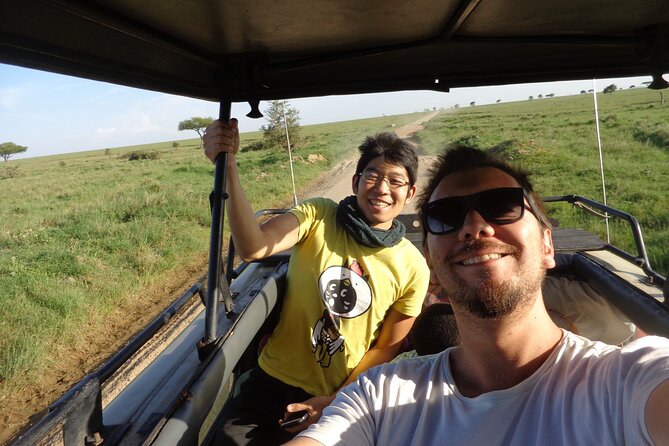
- Small group size: The maximum is six people, a useful limit for viewing animals and sharing a safari vehicle.
- Camping with one lodge night: The plan includes Jambo Lodge near Tarangire and budget camping in the Serengeti.
- Meals and park fees included: Five breakfasts, five lunches, four dinners, park entry fees, and unlimited drinking water are included.
- Strong communication: Raymond Ayo is praised for quick replies and practical help, while guides named Mud and Rhinocent received special praise for their driving and care.
Why the migration focus matters
Many Tanzania safaris use the word migration rather loosely. This one has a more specific aim: following the Great Wildebeest Migration during calving season.
The key area is Lake Ndutu, on the southern edge of the Serengeti ecosystem near the Ngorongoro Conservation Area. The route also includes the southern and central Serengeti, giving you more than one possible wildlife zone if the herds have shifted. That matters because animals do not follow a calendar with perfect manners. Rain, grass, and water affect where they gather.
Calving season can bring a remarkable concentration of animals. The itinerary describes more than 8,000 wildebeest calves being born daily during the peak period, followed by the long movement north. You may see large herds of wildebeest and zebra, young calves, and predators watching for an easy meal.
The honest catch is that no safari can promise a particular migration scene. You might see a huge herd spread across the plains, or you might spend time tracking smaller groups. The route gives you a sensible chance of finding the animals, but nature keeps the final say.
More Safaris in Arusha
- Serengeti Balloon Safari and authentic bush breakfast
★ 5.0 · 2,480 reviews - Balloon Safari & Bush Breakfast in Serengeti – Miracle Experience
★ 5.0 · 1,646 reviews - 4 Days Group Camping Safari
★ 5.0 · 1,101 reviews
Day 1 in Arusha: a useful soft landing
Your safari begins with pickup and a drive into Arusha, where you receive a briefing about the days ahead. The first day is listed at about eight hours, although the actual time will depend on your arrival and pickup arrangements.
This overnight is more useful than it may appear. Instead of landing and immediately heading into the parks, you get a night to rest, organize your luggage, and prepare for early departures. Raymond Ayo has been praised for responding quickly to questions and helping with arrangements, including an invitation letter needed for a visa application. That kind of communication can remove a lot of pre-safari worry.
You should ask for the exact pickup time, hotel name, and briefing details before arrival. The package offers airport pickup and drop-off, but the provided information does not give a precise airport transfer schedule.
Day 2 at Tarangire: elephants and baobabs
After breakfast, you leave for Tarangire National Park. This is a good first park because it offers a different setting from the open Serengeti plains.
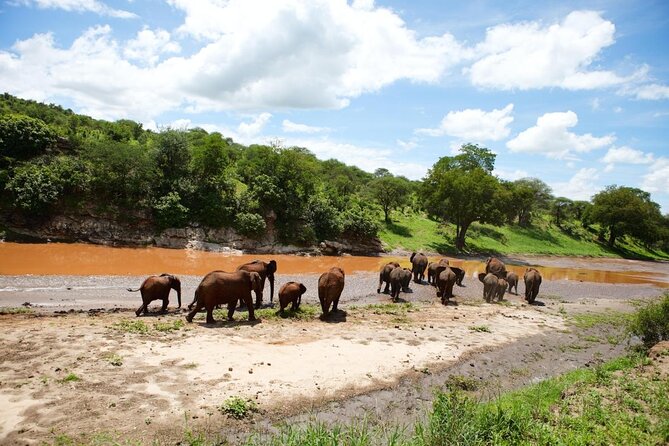
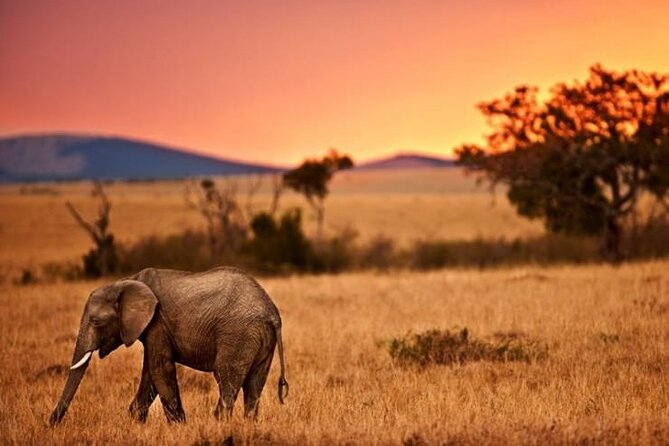
Tarangire is known for large elephant herds, baobab trees, giraffes, zebras, and a range of other wildlife. The Tarangire River runs through the park year-round and becomes especially important during dry conditions, when animals gather near dependable water. The itinerary also mentions the possibility of seeing the Big Five and tree-climbing lions, though sightings are never guaranteed.
I like this day because it gives you variety before the migration section begins. The baobabs also add a strong sense of place. Some local cultures connect these unusual trees with mythical powers, and even without that cultural context, their thick trunks and strange silhouettes make them memorable safari subjects.
You spend the night at Jambo Lodge. This is the only specifically named lodge in the itinerary, so ask whether the room, dinner, and any lodge services are included exactly as described. The day is listed as about eight hours, with park time included.
Days 3 and 4: following the herds into Serengeti
The third day takes you toward Serengeti National Park after breakfast, with a picnic lunch for the road. You are scheduled to enjoy a game drive en route, then a later game drive in the Serengeti.
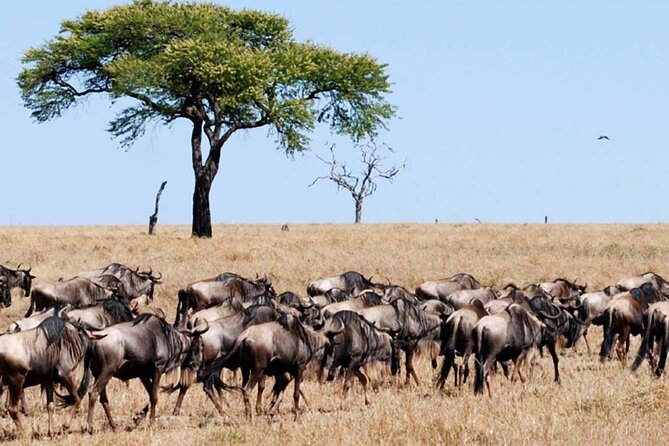
The Serengeti is the main event here. Its name is closely tied to wide grass plains, large herds, and the annual movement of more than 1.5 million wildebeest along with hundreds of thousands of zebras. The route is designed to spend two days in this area, which is important. A single drive can produce a lucky sighting, but two days give your guide more time to search.
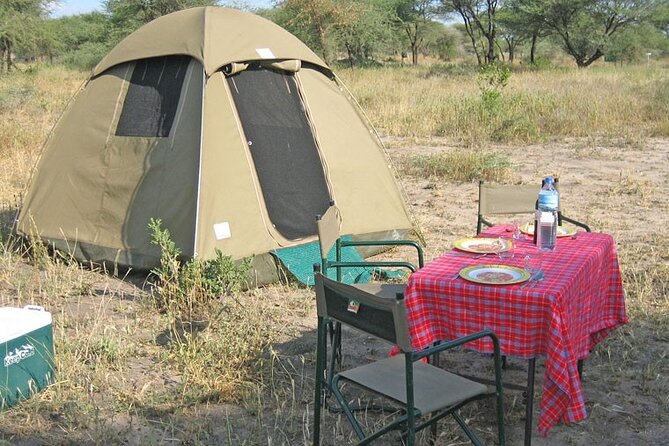
You will sleep in budget camping on both nights. This is not a lodge safari with polished rooms and predictable comforts. It is a practical way to keep the price down and stay close to the park experience. You should be comfortable with simple facilities and with the possibility of tiredness after long drives.
The supplied itinerary repeats much of the same wording for Days 3 and 4, including a reference to a game drive in Ngorongoro before reaching the Serengeti. Since Day 5 is also planned for Ngorongoro Crater, you should confirm the exact route and overnight camp locations before paying. This is the clearest planning point to settle.
During these two days, your guide’s skill matters greatly. Guides named Mud and Rhinocent have received praise for professionalism, careful driving, and helping people get good views of wildlife. Ask your guide to explain where the herds have been seen recently rather than treating the migration as a fixed attraction.
More camping safaris:
- 5 Days Group Camping Safari
★ 5.0 · 730 reviews - 3 Days Serengeti & Ngorongoro Group Camping Safari
★ 5.0 · 574 reviews - 5 Days Camping Tarangire, Serengeti & Ngorongoro crater & Visiting Maasai
★ 5.0 · 229 reviews - 2 Days Tarangire and Ngorongoro Group Camping Safari
★ 5.0 · 146 reviews
What budget camping means in practical terms
The phrase budget camping tells you more about the style than the exact facilities. The itinerary confirms camping in the Serengeti, but it does not list tent size, toilets, showers, bedding, or whether staff set up camp.
That does not make the trip poor value. It means you should know what you are buying. Camping can place you closer to the rhythm of the parks and costs less than a higher-end lodge circuit. It also requires more flexibility after full days in a safari vehicle.
Before departure, ask these direct questions:
- Is camping in permanent tents or basic public campsites?
- Are mattresses and bedding provided?
- Are showers and toilets available at each camp?
- Does the guide or camp team handle setup?
- Are meals cooked at camp or supplied as packed food?
These details are not provided, so you should not assume the answer. The included meals are clear: five breakfasts, five lunches, and four dinners.
Day 5 at Ngorongoro Crater: a concentrated wildlife day
You head to the Ngorongoro Crater early after breakfast for a game drive. The crater is a UNESCO World Heritage Site and the world’s largest caldera, with a remarkable concentration of wildlife inside its enclosed setting.
This can be one of the most efficient wildlife days on the route. Rather than searching across an enormous park, you explore a contained area where the open plains, crater floor, and permanent water sources support many animals. The itinerary says you may see all of the Big Five: lion, leopard, elephant, buffalo, and rhinoceros. That is an appealing possibility, but no responsible safari operator can promise every one.
The crater also gives you a change of scenery after the Serengeti. You move from open migration country into a huge volcanic bowl with high walls around the floor. The scenery is a major part of the appeal, not just the animal count.
The day is listed at about seven hours, and admission is included. Because crater access and game drives can involve early starts and a full road schedule, this is not a slow sightseeing stop. Keep your camera ready, but also make time to look away from it. The crater’s scale is easy to miss through a viewfinder.
Day 6 at Lake Manyara: birds and Rift Valley views
The final park is Lake Manyara National Park. The lake covers about two-thirds of the park, while the wall of the Great Rift Valley forms the backdrop.
This is a compact wildlife area, so it offers a different finish from the much larger Serengeti. Lake Manyara is especially useful for birdlife, with more than 400 recorded species and the possibility of seeing large groups of pink-hued flamingos.
The itinerary also describes the park as one of Tanzania’s most varied reserves and recalls Ernest Hemingway’s admiration for its beauty. The appeal here is not only a Big Five checklist. You get woodland, lake views, birdlife, and a final game drive before returning toward town in the evening.
The day is listed at about seven hours, with park admission included. Since the return to town begins in the evening, you should plan onward travel carefully. The provided information does not state an exact arrival time or final drop-off location.
Is $1,190 a fair price?
At $1,190 per person, this safari offers a lot for six days. The price includes park and entry fees, airport pickup and drop-off, unlimited drinking water, five breakfasts, five lunches, and four dinners. It also covers four major wildlife destinations and two Serengeti camping nights.
The value is strongest if you want access to the migration route without paying for a luxury lodge safari. The small group limit of six is another plus. A smaller vehicle group can make the long drives more comfortable and may give you a better chance of sharing wildlife sightings without excessive crowding.
The price is less compelling if you expect upscale accommodation, short transfers, or a slow itinerary. Two Serengeti camping nights and several long driving days keep the costs lower, but they also demand stamina.
Budget separately for tips, alcoholic drinks, and a visa. These are not included. The information does not state the recommended tipping amount, so ask the operator before the trip rather than guessing at the end.
Who will enjoy this safari most?
I would recommend this trip to you if your priority is wildlife, especially the wildebeest calving season, rather than hotel comfort. It suits people who can handle long road days and basic camping in exchange for time in major parks.
It also works well for siblings, couples, or small groups who want a private-feeling trip without necessarily booking a luxury itinerary. Several people have praised the company’s response time and personal attention, particularly Raymond’s communication before departure.
You should think twice if you need a precise, polished schedule with no changes. Migration routes shift, and the Day 3 and Day 4 descriptions need clarification. You should also ask detailed questions if you have strict dietary, medical, or accommodation needs, since those arrangements are not described.
Booking, cancellation, and group details
Confirmation is provided at booking. Pickup is offered, mobile tickets are available, and the activity is described as suitable for most people. The maximum group size is six.
Free cancellation is available when you cancel at least 24 hours before the experience start time. Cancellations made less than 24 hours before the start are not refunded, and changes within that period are not accepted. Cutoff times use local time.
Should you book this six-day safari?
Book it if you want a migration-centered Tanzania safari with Tarangire, Serengeti, Ngorongoro Crater, and Lake Manyara in one fairly affordable package. The route has excellent wildlife potential, a manageable group limit, and the practical help of an operator praised for quick communication.
Before booking, confirm the camping setup, the exact Serengeti and Ngorongoro routing, and your airport transfer times. If those details suit you, the $1,190 price offers a strong way to see Tanzania’s headline parks without paying luxury rates. If you want comfort first, choose a lodge-based itinerary instead.
FAQ
Where does the safari begin?
The safari begins in Arusha, Tanzania, with pickup and a briefing before the park portion starts.
How long does the safari last?
The experience lasts six days, approximately.
Which national parks are included?
The route includes Tarangire National Park, Serengeti National Park, Ngorongoro Crater, and Lake Manyara National Park.
Is the Great Wildebeest Migration part of the safari?
Yes. The safari is designed to follow the wildebeest migration during calving season, with focus on Lake Ndutu and the southern and central Serengeti.
How many people can join the safari?
The maximum group size is six people.
Where do you stay?
The itinerary names Jambo Lodge for the Tarangire night and budget camping for two nights in the Serengeti.
Are meals included?
Yes. The package includes five breakfasts, five lunches, and four dinners.
Are park fees included?
Yes. Park fees and entry fees are included. Ngorongoro Crater and Lake Manyara admission are specifically listed as included.
What is not included in the price?
Tips, alcoholic drinks, and a visa are not included.
More 6-Day Experiences
- Tanzania Wildlife Encounters – 6 Days
★ 5.0 · 277 reviews - Private 6-Day Tarangire Manyara Crater and Serengeti with Mid-Range Lodges
★ 5.0 · 238 reviews - 6 Days Private Budget Safari
★ 5.0 · 163 reviews - 6 Days Tanzania Budget Camping Safari
★ 5.0 · 145 reviews
More Safaris
- 7-Day Premium Luxury Tanzania Safari All-Inclusive
★ 5.0 · 426 reviews - 3-Day Classic Serengeti Safari
★ 5.0 · 263 reviews - 8 Days Great Wildebeest Calving Migration Safari from Arusha
★ 5.0 · 254 reviews - Group Safari 7 Days in Tanzania’s Main Parks
★ 5.0 · 240 reviews
Just added around Arusha
- 5 Days Safari Tarangire, Serengeti, and Ngorongoro Crater★ 5.0 · 3 reviews
- Love lives in Africa★ 5.0 · 3 reviews
- 5 Days of Safari, Culture & Hot Springs – Tour from Arusha★ 5.0 · 3 reviews
- Arusha National Park Safari by Jeep★ 4.5 · 3 reviews
- 5Days Family _Group Tour Lodging Mid-Range in the Jungle★ 5.0 · 3 reviews
- Serengeti & Ngorongoro 3 Days Budget Safari★ 5.0 · 3 reviews
- 2 Days Tarangire and Ngorongoro Crater Tour★ 5.0 · 3 reviews
- 7 Days PRIVATE Best of Tanzania Safari *Departing everyday*★ 5.0 · 3 reviews
Camping Safaris, compared.



3 Days Serengeti & Ngorongoro Group Camping Safari
Read our review →
5 Days Camping Tarangire, Serengeti & Ngorongoro crater & Visiting Maasai
Read our review →
2 Days Tarangire and Ngorongoro Group Camping Safari
Read our review →
3 Day Serengeti National Park & Ngorongoro Crater Camping Safari
Read our review →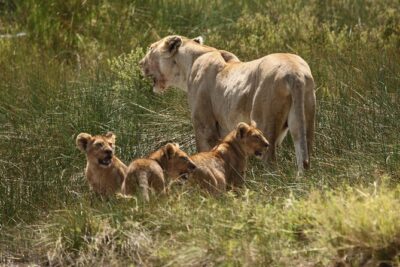
3 Days Tarangire, Ngorongoro & Lake Manyara Group Camping Safari
Read our review →Browse the lists this tour appears in