
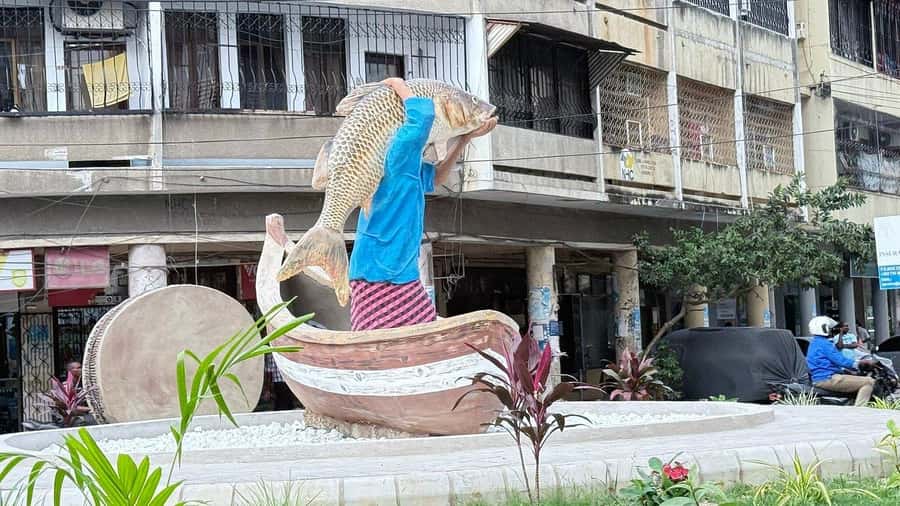
Reviewed · FOOD
Dar es Salaam: Tuk-Tuk Tour, Street Food & Local Lifestyle
Dar es Salaam makes more sense at street level. This four-hour tuk-tuk outing links Kariakoo Market with local food, craft stalls, and the Village Museum, giving you a broad look at the city without keeping you inside a tour bus. I like the mix of ordinary city life and cultural stops, and the chance to taste chapati, mishkaki, roasted maize, or fresh juice along the way.
I also like that the tour is led by a local driver-guide, with Glory receiving especially strong praise for listening to individual wishes and needs. The main caution is practical: the advertised four-hour length does not match the listed stop times, which add up to five hours, and one confirmed booking recorded a missed pickup with no same-day reply. Confirm the meeting time and route before setting out.
In This Review
- Five useful things to know before you book
- Why a tuk-tuk works well in Dar es Salaam
- Kariakoo Market, where the city does its daily shopping
- Chapati, mishkaki, and a short taste of Swahili food
- Mwenge Woodcarvers’ Market and the value of watching the work
- The Village Museum and Tanzania’s many home traditions
- What the food and craft mix tells you about the city
- Price, pickup, and the details that affect value
- What to bring for a comfortable half-day
- Who will enjoy this Dar es Salaam tour most?
- Should you book the tuk-tuk tour?
- FAQ
- How long does the Dar es Salaam tuk-tuk tour last?
- What places does the tour visit?
- Is transportation included?
- Is hotel pickup included?
- What food is included?
- Are extra meals included?
- Is the Village Museum entrance fee included?
- What languages are available?
- Can children join the tour?
- Can I cancel the booking?
Five useful things to know before you book
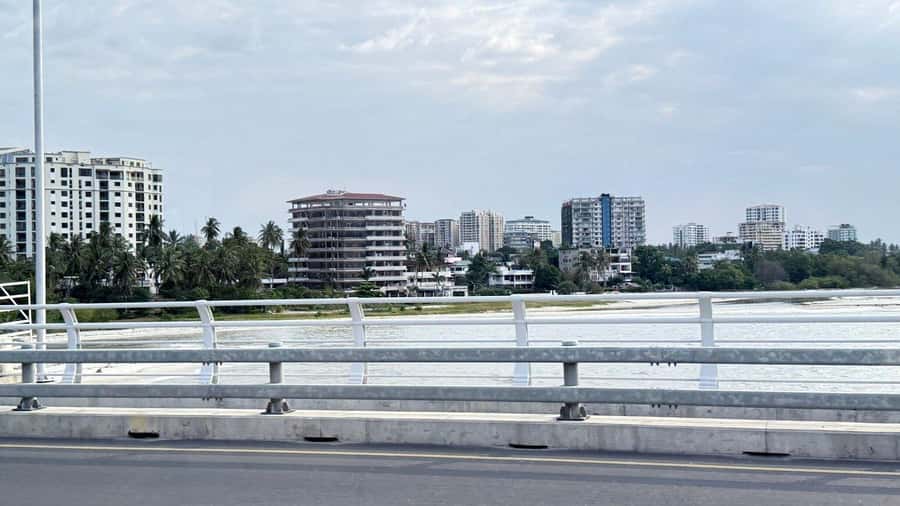
- Kariakoo is the tour’s street-level centerpiece: Expect spices, fruit, household goods, and the everyday buying and selling that keeps Dar es Salaam moving.
- The food tasting is a snack stop, not a full meal: Chapati, mishkaki, roasted maize, and fresh juice are named choices, while extra food costs more.
- Mwenge is best for craft and shopping: You can watch artisans carve masks, furniture, and other wooden items, then browse souvenirs.
- The Village Museum adds cultural context: Traditional homes from different Tanzanian communities help explain rural life and heritage.
- The logistics need checking: The price is listed as $65 per group up to one person, pickup covers central Dar es Salaam, and the published stop times total five hours rather than four.
Why a tuk-tuk works well in Dar es Salaam
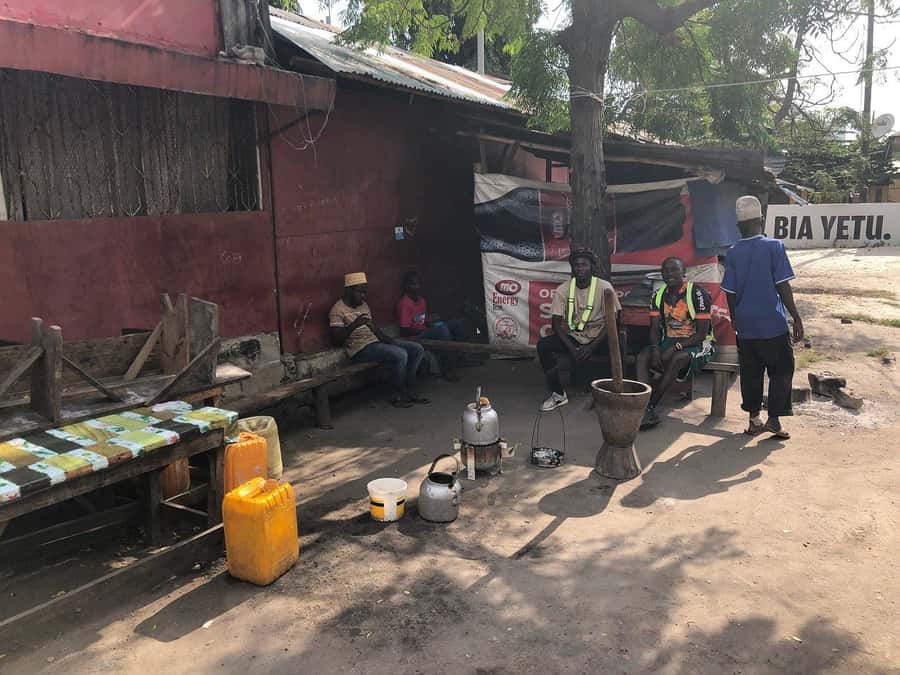
A tuk-tuk gives you a close view of the city. You are not sealed behind glass, and the short rides between stops become part of the experience. You see neighborhoods, traffic, shops, and people going about their day while your guide points out what matters.
That format suits Dar es Salaam particularly well because the experience is built around movement between very different parts of the city. Kariakoo is commercial and crowded. Mwenge shifts the focus to woodwork and buying gifts. The Village Museum offers a quieter look at Tanzanian traditions.
The vehicle is provided for four hours with a professional local driver-guide. Pickup is available from Dar es Salaam, but hotel transfers outside the central area are not included. If your hotel sits beyond the central pickup zone, ask about the meeting point before booking.
The tour is available daily, with morning and afternoon departures depending on availability. Morning may be more comfortable for visitors who prefer to handle market activity before the strongest heat, but the actual departure time should be confirmed when you reserve.
A few more trips of this kind worth comparing:
- Stonetown: Food Markets and Street Food Walking Tour
★ 4.7 · 151 reviews - Authentic Street Food Tours in Stone Town, Zanzibar
★ 5.0 · 46 reviews - Arusha: Traditional Tanzania Cooking Class & Food Market Tour
★ 5.0 · 34 reviews
Kariakoo Market, where the city does its daily shopping
Kariakoo is not a polished shopping center arranged for sightseeing. Its appeal is the opposite. You go to see a working market, with people buying food and ordinary supplies for daily life.
The planned visit lasts about one and a half hours. That gives you time to walk, pause at stalls, take photographs, and ask questions rather than simply passing through. You can expect the smells of spices, displays of tropical fruit, and plenty of movement around you.
This is the point where the local guide matters most. A good guide can explain what you are seeing and help the market feel less confusing. You should stay close, listen to instructions, and keep your cash and phone secure in crowded areas. Those are sensible habits for any busy market, not special rules invented for this tour.
Shopping is part of the visit, but you do not have to buy anything. If you do want to purchase something, carry cash and decide your budget before arriving. Personal shopping is not included in the tour price.
The market may be the most rewarding stop if you want to see how the city works rather than only its formal attractions. It can also be the most demanding. The setting is busy, the walk may be tiring, and anyone looking for a calm, slow-paced morning should know that this is an active start.
Chapati, mishkaki, and a short taste of Swahili food
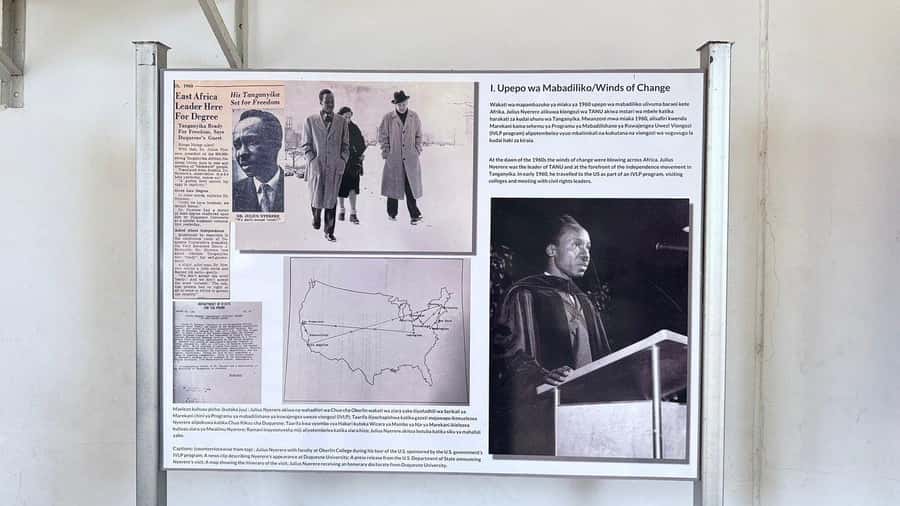
The food stop gives the tour a useful sensory break. Instead of only looking at markets and crafts, you get to taste a few familiar local staples.
The listed possibilities include chapati, mishkaki, roasted maize, and fresh juice. Chapati is a flatbread, while mishkaki is served as meat on skewers. The exact selection may depend on what is available at the stall that day, so treat the stop as a tasting rather than a guaranteed full menu.
Street food is a good way to connect the market visit with ordinary life. A plate or skewer tells you more than a display case does, especially when your guide can explain what you are eating and how locals enjoy it.
The tasting includes snacks and fresh juice. Additional meals are not included, and alcoholic drinks are excluded. Carry cash for anything beyond the provided tasting, including another drink or a larger meal.
The final café stop adds another small local detail. You may have chai ya tangawizi, a spiced ginger tea, or fresh coconut water before returning to your hotel or meeting point. This is a pleasant way to finish the food side of the outing, though you should not book this tour expecting a long restaurant lunch.
Mwenge Woodcarvers’ Market and the value of watching the work
Mwenge Woodcarvers’ Market is scheduled for about one and a half hours. The focus is on Tanzanian woodwork, with artisans carving wooden masks, furniture, and souvenirs.
I like this stop because it gives shopping more meaning. You are not simply looking at finished objects. You may see the making process and learn about craft traditions as you browse. That helps you judge what you are buying and gives the souvenir a clearer connection to Tanzania.
It is still a commercial market, so prices and personal preferences matter. If you want to purchase a carving, ask about the item, compare pieces, and remember that personal shopping is your responsibility. The experience includes the visit, not your purchases or extra spending.
This stop will suit you if you enjoy handmade goods and want time to browse. It may feel less important if you are not interested in shopping or already have a packed list of attractions. Even then, watching the artisans at work gives the visit a cultural purpose beyond buying gifts.
The market also balances Kariakoo nicely. After a stop centered on food, commerce, and daily supplies, you get a look at a more specialized art trade. The contrast makes the four or five hours feel varied.
More food tours:
- Organic Coffee Tour and Local Food Experience in Arusha
★ 5.0 · 29 reviews - Stone Town Evening Walk Tour With Visit Food Markets
★ 4.5 · 28 reviews - Stone Town Foodie Walk
★ 5.0 · 14 reviews - Arusha: Traditional Tanzania Cooking class& Food Market Tour
★ 4.9 · 12 reviews
The Village Museum and Tanzania’s many home traditions
The Village Museum is the most structured cultural stop. It presents traditional huts connected with different Tanzanian tribal communities, along with information about rural lifestyles, culture, and heritage.
The visit is guided, and the entrance fee is included. That matters because the buildings are more useful when you understand their purpose. A hut can look simple at first glance, but the layout, materials, and arrangement can offer clues about how people lived.
This stop gives you context that the market visits cannot provide. Kariakoo shows the present-day city. Mwenge shows a living craft tradition. The Village Museum turns your attention toward older forms of home life and community identity.
One issue needs clarification. The overall experience is advertised as four hours, but the listed visits allocate one and a half hours to Kariakoo, one and a half hours to Mwenge, and two hours to the traditional village. Those stops alone total five hours, before allowing for pickup, tuk-tuk rides, food, and the café. Ask the operator for the actual schedule so you can plan onward transport.
The Village Museum may also be the least exciting stop for young children who need constant action. The minimum age is six, and children under six cannot join. Older children who enjoy homes, objects, and stories can get more from this visit than from a simple shopping stop.
What the food and craft mix tells you about the city
The strength of this experience is its range. You are not asked to understand Dar es Salaam through one museum or one market. You move from food and commerce to craft, then to cultural heritage.
That makes the tour useful on a first visit, especially if you have limited time. In one outing, you receive a basic introduction to the city’s streets, shopping habits, food, artistic work, and rural traditions from across Tanzania.
It is not a specialist architecture tour, a nightlife outing, or a full food tour. The attraction is breadth. You get several short windows into local life, with the guide connecting the pieces.
I would also keep expectations realistic. Four hours is enough for an introduction, not a complete understanding of Dar es Salaam. The experience works best as a first look that helps you decide which parts of the city deserve more time later.
Price, pickup, and the details that affect value
The listed cost is $65 per group up to one person. That wording is unusual, so check the final price carefully if you are booking with more than one person. The value is strongest if you want private or near-private attention from a local guide and prefer one organized outing to arranging transport, market visits, food stops, and museum entry separately.
The price includes:
- Tuk-tuk transport for four hours
- A professional local driver-guide
- Street food snacks and fresh juice
- Village Museum entrance
- Bottled water
It does not include alcohol, extra meals, personal shopping, or hotel transfers outside central Dar es Salaam. Those exclusions are easy to manage, but you should carry cash for snacks, drinks, and crafts.
The experience is marked as wheelchair accessible. Since the transport is a tuk-tuk and the route includes market walking, I would still confirm the vehicle and walking arrangements directly if you use a wheelchair.
The booking terms are flexible. You can cancel up to 24 hours before the experience for a full refund, and reserve now while paying later. Those terms help if your Dar es Salaam plans may change.
One service concern deserves honest attention. A verified booking recorded a failed pickup and no reply that day. Another verified booking gave the experience five stars and praised Glory for adapting to personal wishes and needs, saying the day exceeded expectations. The difference suggests that guide quality can be excellent, but pickup communication should not be left vague. Get the driver’s name, meeting time, and meeting point in writing.
The experience is offered in English and French. The information also mentions German in one place, but the language details are not fully consistent, so confirm German support if you need it.
What to bring for a comfortable half-day
Wear comfortable clothes and shoes. You will walk through a market and visit a craft market, so practical footwear matters more than dressing up.
Bring sunglasses, a sun hat, sunscreen, and a camera. Bottled water is included, but carrying some cash is important for personal purchases and extra food or drinks.
A small bag is easier to manage than bulky luggage in a market and tuk-tuk. Do not bring alcohol or drugs, which are not permitted.
The minimum age is six. The tour runs in the morning or afternoon, so consider the departure time when choosing clothes, food, and onward plans.
Who will enjoy this Dar es Salaam tour most?
I would recommend it to you if you want a compact introduction to Dar es Salaam and prefer seeing ordinary streets over staying with major sightseeing landmarks. It suits first-time visitors, solo bookers, couples, and small groups who like food, markets, handmade goods, and cultural displays.
It is also a good choice if you value a local guide who can respond to your interests. Glory’s praised flexibility is a strong reason to ask whether she is available when you book.
Families with children aged six and older can join, though the market and walking portions may require patience. Children under six cannot participate.
I would hesitate if you want a tightly timed four-hour tour, a substantial meal, or guaranteed German guiding. The timing needs clarification, and the food component is limited to snacks and fresh juice. I would also choose another option if you dislike markets, shopping, or open-air transport.
Should you book the tuk-tuk tour?
Book it if you want several sides of Dar es Salaam in one outing: Kariakoo’s shopping streets, Swahili snacks, Mwenge’s woodcarvers, and the Village Museum. The mix is practical, local, and more varied than a simple city drive.
Before paying, confirm the pickup in central Dar es Salaam, the exact duration, the final price for your group, and the guide language. Because one booking had a serious pickup problem, do not rely on a vague meeting arrangement.
With those details settled, this is a good-value introduction for anyone who wants to see how the city eats, shops, works, and remembers its traditions. It offers a broad first taste rather than a polished sightseeing show, which is exactly its appeal.
FAQ
How long does the Dar es Salaam tuk-tuk tour last?
The experience is advertised as four hours. The listed stop times total five hours, so confirm the actual schedule with the provider before booking.
What places does the tour visit?
It visits Kariakoo Market, Mwenge Woodcarvers’ Market, and a traditional village display at the Village Museum. The route begins and ends in Dar es Salaam.
Is transportation included?
Yes. Tuk-tuk transport is included for four hours, with a professional local driver-guide.
Is hotel pickup included?
Pickup is available in Dar es Salaam, but hotel transfers outside central Dar es Salaam are not included.
What food is included?
Street food snacks and fresh juice are included. The possible foods include chapati, mishkaki, roasted maize, and fresh juice.
Are extra meals included?
No. Additional meals and personal food purchases are not included.
Is the Village Museum entrance fee included?
Yes. Entrance to the Village Museum is included in the experience.
What languages are available?
The activity information lists English and French. German is also mentioned elsewhere in the details, so confirm German availability before booking if needed.
Can children join the tour?
Yes, children aged six and older can join. Children under six are not permitted.
Can I cancel the booking?
You can cancel up to 24 hours before the tour for a full refund. You can also reserve now and pay later.
More Tuk-Tuks
- Kikuletwa Chemka Hot Springs Bicycle or Tuk Tuk Day Trip
★ 5.0 · 6 reviews
Just added around Dar es Salaam
- Ruaha National Park And Mikumi National Park Budget Safari 6 Days 5 Nights★ 5.0 · 3 reviews
- 3 Days Nyerere National Park Safari (Selous Game Reserve)★ 5.0 · 3 reviews
- Saadani National Park Day Tour★ 5.0 · 3 reviews
- Private Mikumi Adventure★ 4.5 · 3 reviews
- Dar es Salaam City tour and Beach Leisure – 9 hours★ 5.0 · 3 reviews
- Mbudya island from Dar es salaam safari.★ 4.2 · 3 reviews
- Day Trip To Bagamoyo From Dar Es Salaam ..historical town★ 4.5 · 3 reviews
- 3 Days Mikumi National Park Private Tour★ 5.0 · 3 reviews
Food, compared.
Stonetown: Food Markets and Street Food Walking Tour
Read our review →
Authentic Street Food Tours in Stone Town, Zanzibar
Read our review →
Traditional Tanzania Cooking Class & Food Market Tour
Read our review →
Organic Coffee Tour and Local Food Experience in Arusha
Read our review →
Stone Town Evening Walk Tour With Visit Food Markets
Read our review →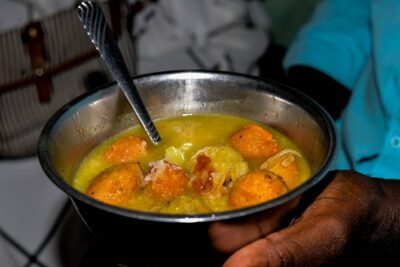
Traditional Tanzania Cooking class& Food Market Tour
Read our review →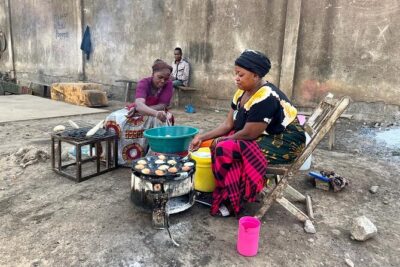
Browse the lists this tour appears in