
Reviewed · FOOD
Mama Aziz Food Court
Food opens doors. Mama Aziz Food Court offers a friendly three-hour introduction to Swahili cooking, beginning with a market visit and ending with a shared meal. I like the way the experience connects ingredients to culture, and I like that the $25 price includes groceries, fruit, cooking supplies, and the market tour.
The main consideration is accessibility. This activity is not suitable for wheelchair users or people with visual impairments, and the exact menu may vary. Still, if you enjoy cooking, local food, and meeting a welcoming family, this is a strong value in Arusha.
In This Review
- Key points to know before booking
- Starting near Arusha’s Clock Tower
- Choosing ingredients at the local market
- Learning how Swahili flavors are built
- The dishes you may prepare and eat
- A cooking lesson, not just a demonstration
- Meeting the family behind Mama Aziz Homestay
- What $25 really gets you
- Who will enjoy this experience most
- Practical tips for a better visit
- Should you book Mama Aziz Food Court?
- FAQ
- How long does the Mama Aziz cooking experience last?
- What is included in the $25 price?
- Which dishes might be prepared?
- What language is the lesson offered in?
- Where is pickup available?
- Can I cancel the booking?
Key points to know before booking
- A market visit comes first: You help choose and buy groceries, fruits, spices, and other ingredients before cooking.
- You cook several Swahili dishes: Possible foods include biriyani, pilau, chapati, ugali, grilled meat, coconut dishes, and spiced tea.
- The meal reflects many cultures: Swahili cooking combines African, Arab, Indian, and European influences.
- The group is limited to 10 people: That keeps the lesson smaller and more practical than a large demonstration.
- The $25 price covers the main costs: Groceries, fruit, ingredients, recipes, and the market tour are included.
- A family welcome is part of the experience: The visit can also include time in the garden, adding a personal touch beyond the kitchen.
Starting near Arusha’s Clock Tower
The meeting point is arranged around central Arusha. Pickup is included from a nearby restaurant at the Clock Tower roundabout, or from the museum along the monument. This is useful if you are already exploring the city and want to join without arranging a separate taxi across town.
Confirm the exact pickup point and starting time when you book. The activity runs for three hours, but the available start times can change. Bring a camera if you want to record the market and cooking process. Cash and a credit card are also listed as useful items to carry.
The experience is offered in English. With no more than 10 participants, you should have a better chance to ask questions, handle ingredients, and watch the cooking closely. This is not simply a meal where food arrives at the table. You take part in the steps that make the meal possible.
A few more trips of this kind worth comparing:
- Arusha: Traditional Tanzania Cooking Class & Food Market Tour
★ 5.0 · 34 reviews - Organic Coffee Tour and Local Food Experience in Arusha
★ 5.0 · 29 reviews - Arusha: Traditional Tanzania Cooking class& Food Market Tour
★ 4.9 · 12 reviews
Choosing ingredients at the local market
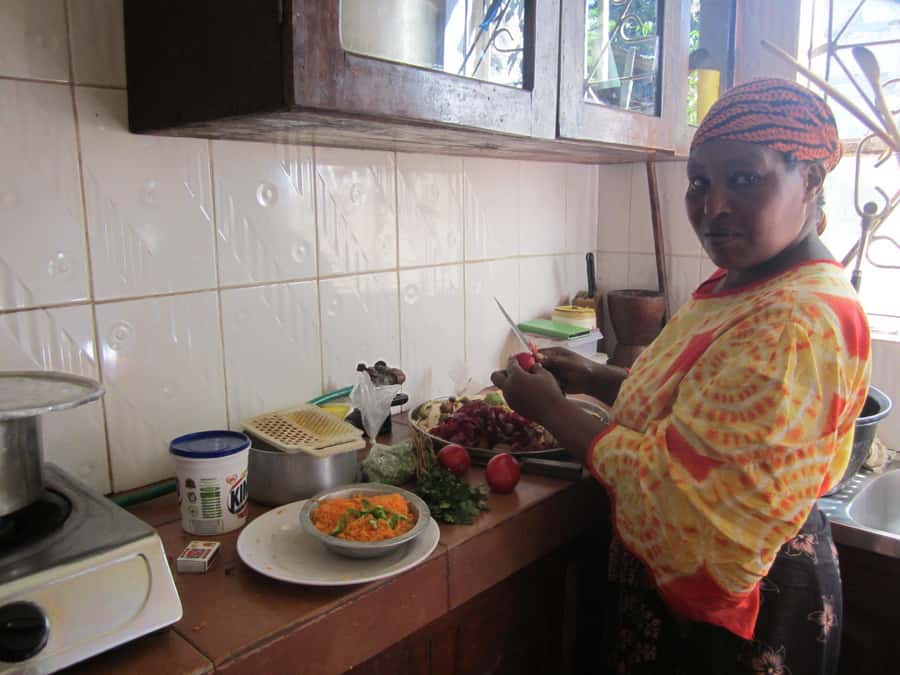
The market visit gives the lesson a practical beginning. Instead of seeing Swahili food as a fixed list of dishes, you see the ingredients that shape it: aromatic spices, tropical fruits, fragrant herbs, vegetables, potatoes, plantains, and other local produce.
You help buy the groceries and fruit used for the lesson. That matters because food culture makes more sense when you can connect a finished dish to its raw ingredients. Spices are no longer an abstract blend in a jar. They become part of a shopping decision, a cooking method, and finally a taste on your plate.
The market portion may be especially useful if you are staying in Arusha for several days. You get a short introduction to ingredients you may see again in shops or restaurants. You also learn which items are used for rice dishes, which work in curries, and which are served as vegetables or side dishes.
Do not expect a formal sightseeing tour of every corner of the city market. The market visit supports the cooking lesson. Its purpose is to gather what you will need and explain the role of those ingredients.
Learning how Swahili flavors are built
The lesson focuses on the way Swahili food brings several traditions together. African cooking methods meet Arab and Indian spice use, with European influence also part of the story. You learn about that blend through food rather than through a long classroom talk.
Spice combinations are a central part of the session. You can expect instruction in balancing flavors and using cooking techniques that give the dishes their character. The exact recipes may depend on the menu selected for the day, so the experience is better approached as a guided introduction than as a fixed cooking show.
That flexible menu is a plus for repeat participants and groups with different tastes. It also means you should ask in advance if you have a particular dish in mind. The listed choices cover a broad range, but every item may not appear in every session.
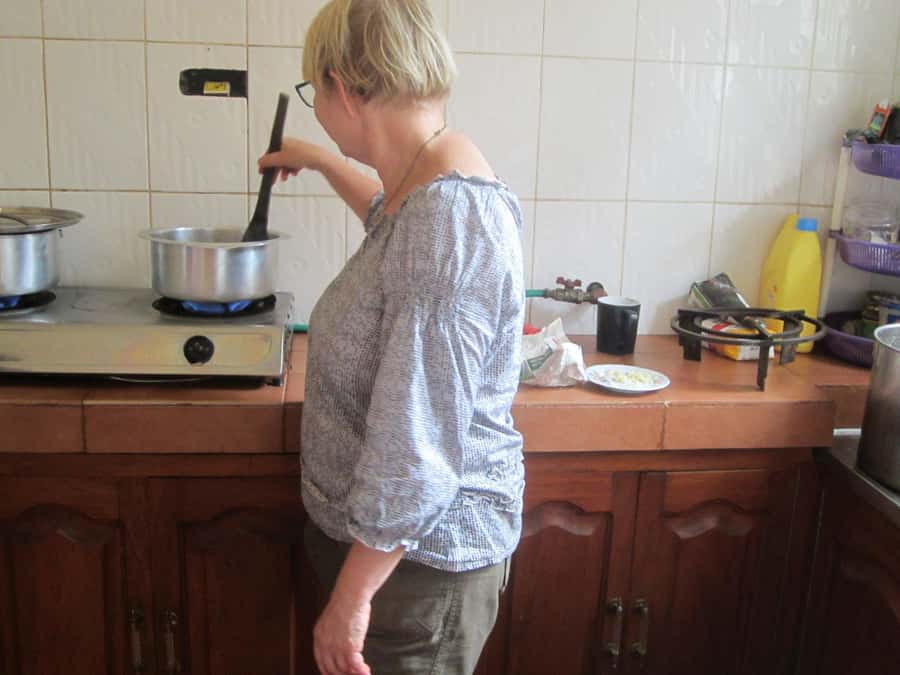
The teaching is practical. You roll up your sleeves, help prepare the food, and see how separate ingredients become a complete meal. If you cook at home, you can take away methods that are more useful than a simple tasting, especially for rice, flatbread, tea, and grilled foods.
The dishes you may prepare and eat
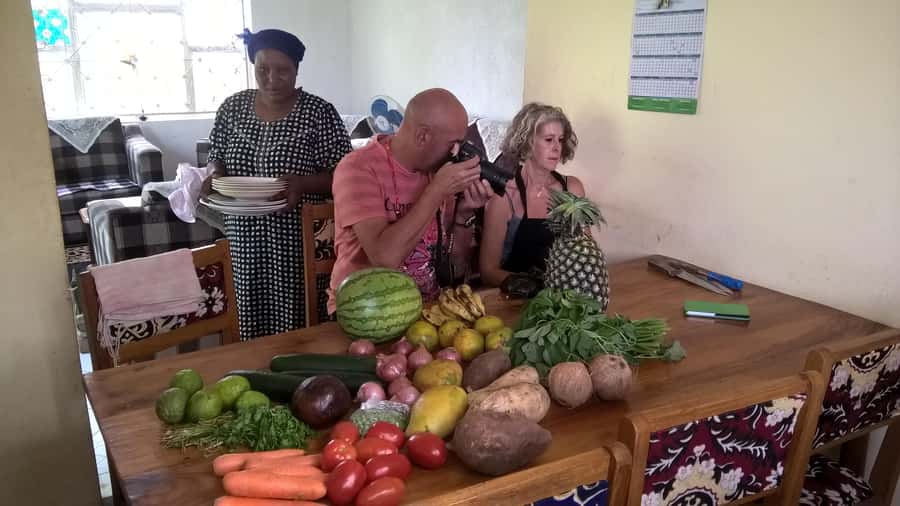
The menu offers a wide look at Swahili cooking. You may work with several of the following dishes:
- Biriyani
- Pilau with kachumbari
- Chai masala
- Ugali with barbecue and vegetables
- Chapati with gravy
- Coconut iftaar
- Seasonal fruits
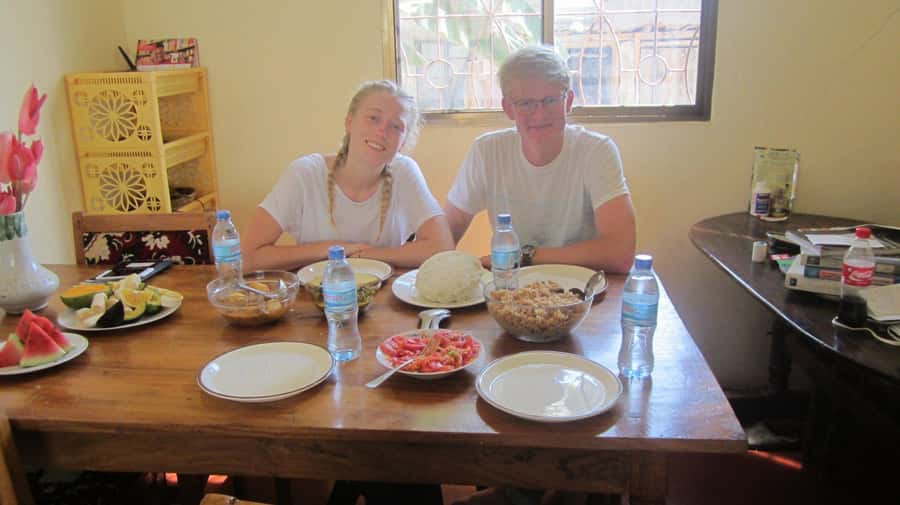
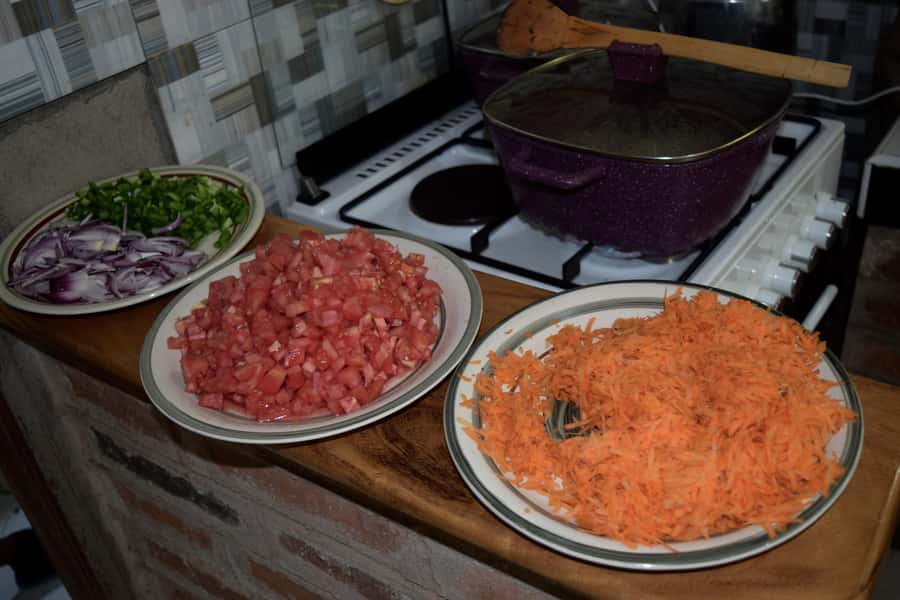
Biriyani and pilau are both rice dishes, but they offer different ways to understand spice and texture. Pilau is often served with kachumbari, a fresh salad that adds contrast to the seasoned rice. That pairing helps show how a meal is balanced, with warm spices matched by something crisp and fresh.
Chai masala brings the lesson into the drinks course. Spiced tea is not just a hot beverage here. It shows how cardamom, cinnamon, cloves, or other seasonings can turn an everyday drink into a fragrant part of hospitality. The exact spice mix is not specified, so you should expect a local interpretation rather than a single universal recipe.
Ugali gives you a taste of a staple food with a firm, filling texture. It is served with grilled meat and vegetables in the listed menu, making it a good example of how a simple base supports a more seasoned main dish. Chapati offers a different skill, since the focus shifts to preparing a soft flatbread and pairing it with gravy.
The coconut iftaar selection is particularly interesting because it includes plantains, sweet plantains, sweet potatoes, Irish potatoes, and arrow roots. It brings several starchy foods together with coconut flavor and offers a different side of Swahili cooking from the better-known rice dishes.
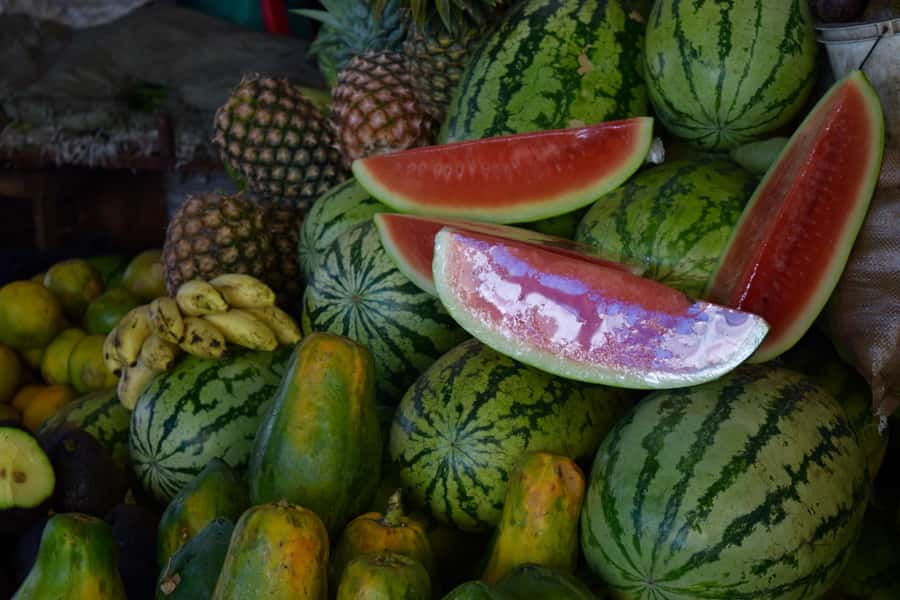
Seasonal fruit provides a simple finish. Since the fruit changes with availability, you may get a more direct sense of what is fresh at the time of your visit.
More food tours:
- Street Food and Community Walking Tour
★ 5.0 · 12 reviews - Waterfalls, Coffee, Hotsprings, Food Cuisine, & Serval Wildlife
★ 5.0 · 6 reviews - Stonetown: Food Markets and Street Food Walking Tour
★ 4.7 · 151 reviews - Authentic Street Food Tours in Stone Town, Zanzibar
★ 5.0 · 46 reviews
A cooking lesson, not just a demonstration
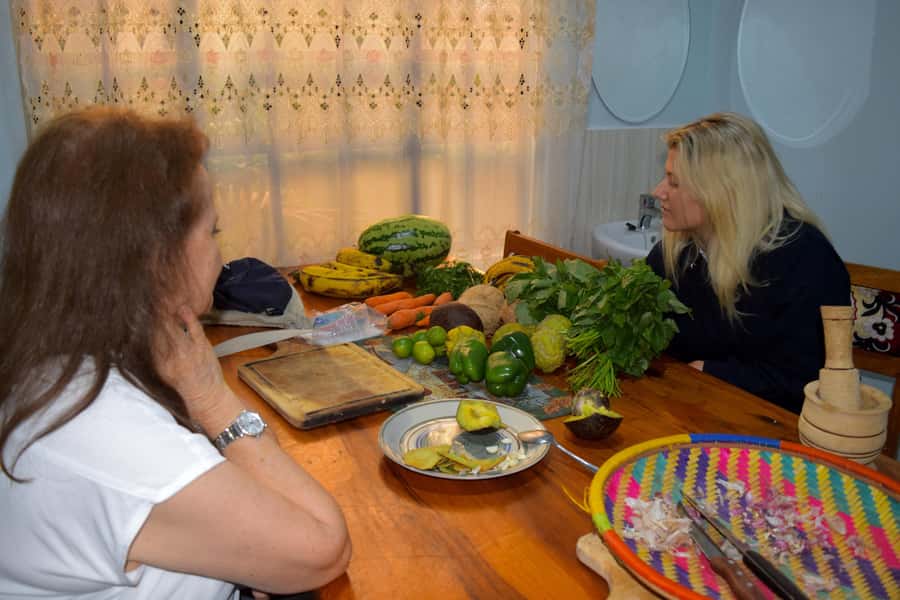
The best reason to book is the hands-on format. You are not expected to sit quietly while someone else does everything. The session is designed to let you take part in preparing the dishes and learn how the ingredients are handled.
That makes the experience a good match for curious beginners. You do not need advanced cooking skills to appreciate the lesson. You can ask about seasoning, preparation, and the purpose of each dish while working through the meal.
It is also a useful choice for people who have already eaten Swahili food but want more context. A restaurant menu tells you what a dish is called. Cooking helps you understand how it is made, what ingredients matter, and why different foods are served together.
The small group limit of 10 is important here. Cooking space can become crowded quickly, but a group of this size should allow more direct participation than a large commercial class. The exact amount of hands-on time will depend on the group and the menu, so do not expect every person to prepare every dish from start to finish.
Meeting the family behind Mama Aziz Homestay
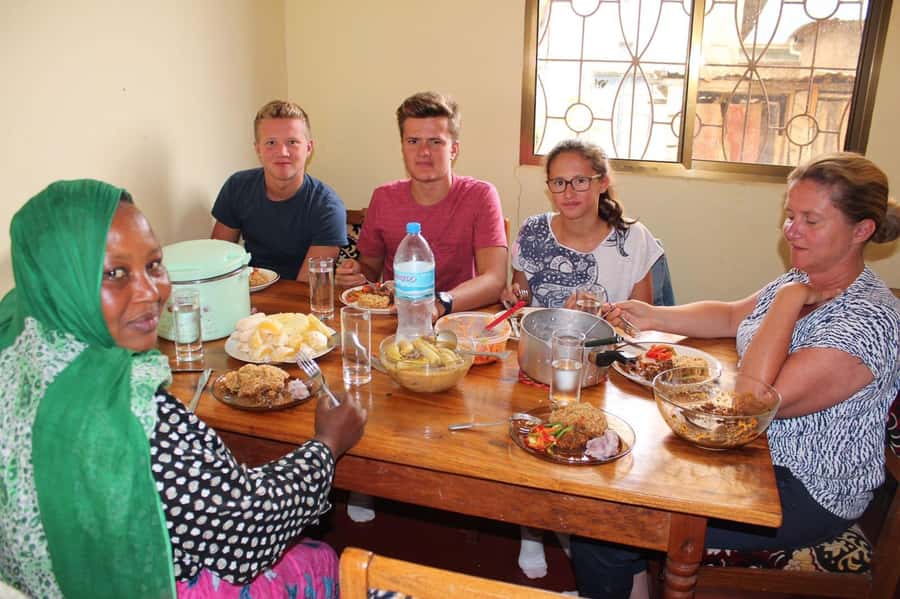
Mama Aziz Homestay adds a personal side to the experience. The cooking lesson is hosted in a family setting, and the visit may include time in the garden after the meal. That gives you more than a restaurant-style food class. You get a glimpse of the setting where the hosts live and work.
A warm welcome is one of the strongest parts of the experience. The hosts are described as kind and welcoming, with time given to Tanzanian culture as well as cooking. That personal contact can be more memorable than a polished kitchen demonstration.
The garden visit also helps slow the pace. After shopping and cooking, you have a chance to see another part of the home environment. Details about the garden are not specified, so treat it as an added feature rather than a major sightseeing stop.
If you prefer highly structured tours with a fixed schedule and exact dish list, this may feel informal. If you like conversation and a family setting, the relaxed style is likely to be a benefit.
What $25 really gets you
At $25 per person, the price is fair because it includes more than instruction. Your fee covers buying groceries and fruit, all ingredients needed for the recipes, and the market tour. It also gives you a three-hour activity built around food and conversation.
A cooking class can become expensive when you add ingredient fees, market transport, and a separate meal. Here, those main costs are bundled together. You still receive a meal at the end, but the value comes from the process as much as the food.
The price works best for people who want an activity, not just a cheap lunch. If you only want to sample Tanzanian dishes, a restaurant may be quicker. If you want to understand the food and take part in preparing it, the added time makes the fee more worthwhile.
Group bookings and repeat participants may receive special discounts. Ask about those options if you are traveling with friends or plan to return for another menu.
Who will enjoy this experience most
I would recommend Mama Aziz Food Court to several kinds of visitors:
- People who enjoy cooking and want direct participation
- Food lovers interested in Swahili flavors
- Visitors who prefer family-run experiences to large tour groups
- Couples, friends, and small groups looking for a social activity
- Travelers with an open mind about the day’s menu
- Anyone wanting a gentle introduction to Tanzanian culture through food
It is less suitable if you need step-free access or visual assistance. The activity is specifically listed as unsuitable for wheelchair users and people with visual impairments.
You should also consider dietary needs before booking. The menu includes meat, dairy-free possibilities, vegetables, fruits, rice, flatbread, and root vegetables, but no formal dietary accommodation is stated. Ask before reserving if you have allergies, religious food requirements, or a strict diet.
The activity is not for pets, and alcohol and drugs are not allowed. Those rules fit the family and cooking setting.
Practical tips for a better visit
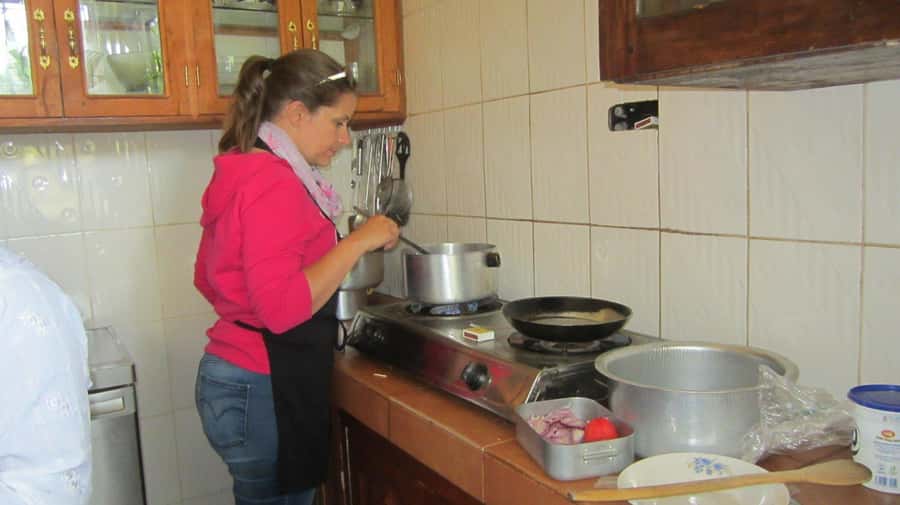
Ask what dishes are planned before the session begins. Since the menu can include many different foods, knowing the focus helps you decide if this is the right match for your interests.
Wear comfortable clothing suitable for cooking. The information does not list a required dress code, but you will be handling food and spending time in a kitchen, so practical clothes make sense.
Bring a camera for the market, ingredients, finished plates, and garden. Keep cash available even though a credit card is listed among the items to bring. You may also want your phone for notes, especially if you hope to repeat a spice mixture at home.
Leave room in your schedule after the three hours. The activity includes shopping, cooking, eating, and a possible garden visit. It is better enjoyed at an easy pace than squeezed between two tightly timed excursions.
For booking flexibility, you can reserve now and pay later. Cancellation is free up to 24 hours before the activity for a full refund. That is helpful if your Arusha plans are still shifting.
Should you book Mama Aziz Food Court?
Book this experience if you want to shop for ingredients, cook several Swahili dishes, and share a meal in a welcoming family setting. The market visit and garden time add local texture, while the $25 fee covers the groceries and ingredients that many classes charge separately.
I would skip it only if you want a fast tasting, require wheelchair access, or need a guaranteed menu that is fully confirmed in advance. For everyone else, Mama Aziz offers a practical, affordable way to understand Tanzanian food from the market basket to the finished plate.
FAQ
How long does the Mama Aziz cooking experience last?
The cooking experience lasts three hours.
What is included in the $25 price?
The price includes buying groceries and fruit, all ingredients needed for the recipes, and the city market tour.
Which dishes might be prepared?
Possible dishes include biriyani, pilau with kachumbari, chai masala, ugali with barbecue and vegetables, chapati with gravy, coconut iftaar, and seasonal fruits. The exact menu can vary.
What language is the lesson offered in?
The instructor provides the experience in English.
Where is pickup available?
Pickup is included from any nearby restaurant at the Clock Tower roundabout, or from the museum along the monument.
Can I cancel the booking?
Yes. You can cancel up to 24 hours in advance for a full refund. You can also reserve now and pay later.
Just added around Arusha
- 5 Days Safari Tarangire, Serengeti, and Ngorongoro Crater★ 5.0 · 3 reviews
- 5 Days of Safari, Culture & Hot Springs – Tour from Arusha★ 5.0 · 3 reviews
- Love lives in Africa★ 5.0 · 3 reviews
- Arusha National Park Safari by Jeep★ 4.5 · 3 reviews
- 5Days Family _Group Tour Lodging Mid-Range in the Jungle★ 5.0 · 3 reviews
- Serengeti & Ngorongoro 3 Days Budget Safari★ 5.0 · 3 reviews
- 2 Days Tarangire and Ngorongoro Crater Tour★ 5.0 · 3 reviews
- 7 Days PRIVATE Best of Tanzania Safari *Departing everyday*★ 5.0 · 3 reviews
Food, compared.

Stonetown: Food Markets and Street Food Walking Tour
Read our review →
Authentic Street Food Tours in Stone Town, Zanzibar
Read our review →
Traditional Tanzania Cooking Class & Food Market Tour
Read our review →
Organic Coffee Tour and Local Food Experience in Arusha
Read our review →
Stone Town Evening Walk Tour With Visit Food Markets
Read our review →
Traditional Tanzania Cooking class& Food Market Tour
Read our review →
Browse the lists this tour appears in