
Reviewed · CAMPING SAFARIS
Multi-Day Camping Safari Experience in Arusha
The calving season turns the plains into a nursery. This six-day safari is built around the December to April wildebeest migration, with its best wildlife focus in the Ndutu and southern Serengeti areas. I like the strong route, which combines migration country with Tarangire, Ngorongoro Crater, and Lake Manyara, and I like the small group limit of six people, which should make the pop-up roof jeep easier to share. The main drawback is the amount of time on rough roads, especially on the long transfer days.
This is a camping safari, not a polished lodge holiday. You will spend long days in the vehicle, rise early for game drives, and sleep at campsites. Still, the package includes transport, park fees, food, water, and a safari jeep for $1,496 per person, which makes it a serious value for anyone who wants broad northern Tanzania coverage without paying lodge prices.
In This Review
- What makes this safari different
- The route at a glance: 1,000 miles of wildlife potential
- Day 1: Tarangire brings elephants and baobabs
- Day 2: Ndutu is where the migration story starts
- Day 3: Calving season and the predator rush
- Day 4: Sunrise in the Serengeti, then toward Ngorongoro
- Day 5: Ngorongoro Crater packs a lot into one day
- Day 6: Lake Manyara closes the circuit
- Camping, food, and the practical comfort level
- Is $1,496 a fair price?
- Guides, service, and the human side of the trip
- Who should book this safari?
- Should you book the six-day route?
- FAQ
- How long is the safari?
- Where does the safari start?
- How many people can join the safari?
- When is the best season for the wildebeest calving focus?
- Which parks and areas are included?
- What meals and drinks are included?
- What is not included in the price?
What makes this safari different
- Wildebeest calving focus: The route targets Ndutu and the southern Serengeti from December through April, with the most intense calving often around February for roughly three weeks.
- Three major parks and conservation areas: You visit Tarangire, the Serengeti, Ngorongoro Conservation Area, and Lake Manyara in six days.
- Small group format: The vehicle carries no more than six people, a useful limit when everyone wants a clear view through the pop-up roof.
- Predator country: Open short-grass plains can bring sightings of lion, cheetah, hyena, and leopard, particularly when young wildebeest are present.
- Full-board camping: Breakfast, lunch, dinner, unlimited drinking water, park fees, and taxes are included.
- Helpful guide service: Names praised in the feedback include Robert, Swalehe, and Raymond, with repeated approval for communication, animal spotting, hospitality, and meal quality.
The route at a glance: 1,000 miles of wildlife potential
The appeal here is variety. You are not spending all six days in one park hoping the migration happens to be nearby. Tarangire opens the trip with elephants and baobabs. Ndutu provides the main migration story. Central Serengeti adds another game-drive zone, and Ngorongoro brings a compact wildlife setting with water year round. Lake Manyara finishes the trip with birds, forest, and Rift Valley scenery.
The tradeoff is simple: six days is enough for a strong introduction, but not enough for a relaxed safari pace. Several days run seven to nine hours, and the road connections matter as much as the game drives. If you want a slow morning at camp, this is not that trip. If you want to cover the northern circuit efficiently, it makes sense.
The safari includes pickup, a mobile ticket, WiFi on board, a pop-up roof jeep, and a maximum of six people. The operator is Serengeti Landmark Tours. Past praise focuses especially on timely arrangements, clear communication, good meals, and guides who worked hard to find animals.
More Safaris in Arusha
- Serengeti Balloon Safari and authentic bush breakfast
★ 5.0 · 2,480 reviews - Balloon Safari & Bush Breakfast in Serengeti – Miracle Experience
★ 5.0 · 1,646 reviews - 4 Days Group Camping Safari
★ 5.0 · 1,101 reviews
Day 1: Tarangire brings elephants and baobabs
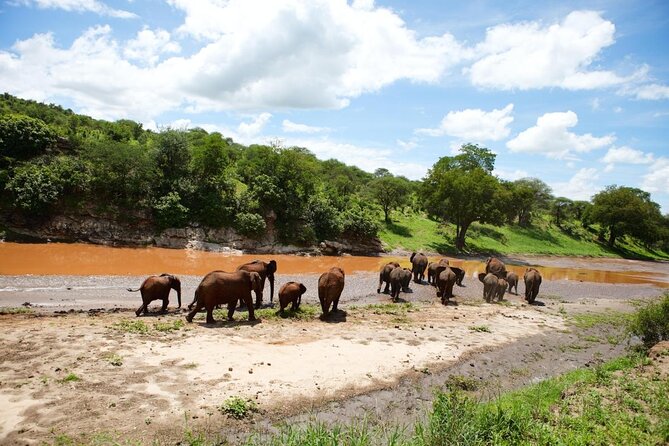
After breakfast in town, pickup takes you toward Tarangire National Park. The day is listed at about eight hours, so this is both a travel day and a proper park visit. Tarangire is known for large elephant herds, baobab trees, tree-climbing lions, and the Tarangire River, which provides a dependable water source during dry periods.
The river matters because wildlife gathers around reliable water. During dry seasons, that can make Tarangire especially rewarding, with animals concentrated near the river and other water points. The park’s baobabs give the drive a distinctive look, too. They are not just background scenery. Their thick trunks and strange proportions make Tarangire feel different from the open grasslands later in the trip.
The possible weakness is timing. With an eight-hour day, you should expect plenty of driving. You may spend less time in Tarangire than someone on a dedicated two-day visit. Still, it is a smart first stop because it offers elephants and woodland scenery before the migration portion begins.
Day 2: Ndutu is where the migration story starts
After breakfast, the route heads toward the Ndutu area, part of the southern Serengeti ecosystem and the Ngorongoro Conservation Area. The afternoon includes a game drive, with about five hours listed for the day.
Ndutu is the key reason to choose this safari at the right time of year. From December through April, wildebeest usually spread across the short-grass plains here. The ground is open, and the herds can be enormous. Zebras, elephants, birds, and resident animals add variety when the wildebeest are not moving directly past the vehicle.
Lake Ndutu is alkaline, as are many Rift Valley lakes, but it still attracts wildlife. The area includes more than open plains. You may find swamps, woodland, soda lakes, and grazing areas within the same broader region. That mix gives the guide several places to search rather than one fixed viewing point.
The word usually is important. Wildlife follows food and water, not an advertised calendar. December to April is the correct seasonal window, but exact herd positions can shift. You should book this trip for the best odds of seeing calving activity, not for a guarantee of a particular sighting.
Day 3: Calving season and the predator rush
Day three is the strongest migration day, with a full nine-hour game drive around Ndutu. You explore swamps, woodland, soda lakes, and the short-grass plains where the herds often gather.
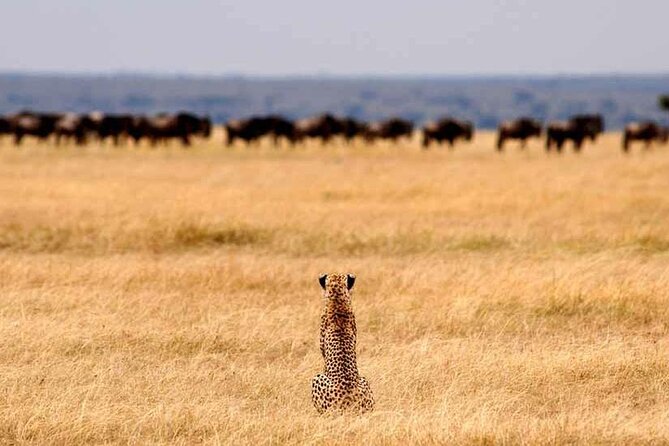
The calving period can be extraordinary. Around February, for roughly three weeks, many wildebeest give birth. A newborn calf can run within minutes, and within about three days it is often strong enough to keep pace with the herd. That makes the scene active rather than merely scenic. Herds graze, move, bunch together, and react quickly when predators appear.
The open grass offers little cover. That helps you see animals, but it also exposes young calves to lion, cheetah, hyena, and leopard. Predator action is one of the major reasons to visit Ndutu during calving. A sighting of a chase or kill is possible, but it is never something a responsible guide can promise. You may also spend time watching quieter behavior, such as grazing, nursing, or herd movement.
This is a long day. Nine hours in a safari vehicle can be tiring, especially over uneven roads. The reward is time. A shorter outing could miss the best animal activity by an hour or two. Bring patience, sun protection, and a willingness to wait.
More camping safaris:
- 5 Days Group Camping Safari
★ 5.0 · 730 reviews - 3 Days Serengeti & Ngorongoro Group Camping Safari
★ 5.0 · 574 reviews - 5 Days Camping Tarangire, Serengeti & Ngorongoro crater & Visiting Maasai
★ 5.0 · 229 reviews - 2 Days Tarangire and Ngorongoro Group Camping Safari
★ 5.0 · 146 reviews
Day 4: Sunrise in the Serengeti, then toward Ngorongoro
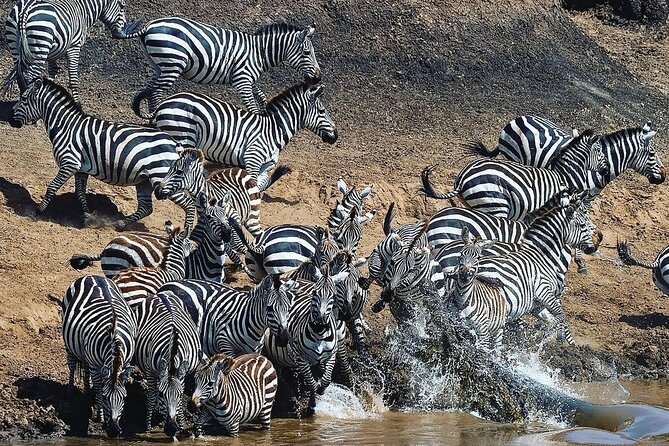
The day begins early, with breakfast at 5:45 a.m. You watch the sun rise inside the Serengeti, take an early game drive until about 11:30 a.m., return to camp for a hot lunch, and pack your belongings into the jeep.
After lunch, the safari continues through the Serengeti toward Simba Campsite near Ngorongoro, with more wildlife viewing along the way. Dinner and overnight arrangements are included.
This day has a nice rhythm: cool morning air, active wildlife, a hot meal, then a moving afternoon drive. Early starts are worthwhile because animals are often active around sunrise, and the light is better for photographs. The drawback is that this is also a packing and transfer day. You will not have the same focused time in Ndutu as on day three.
The published timing is about seven hours, but road conditions and animal sightings can affect the actual pace. A lion beside the road is not a reason to hurry. That is one of the basic compromises of a safari: fixed schedules help with camp arrangements, but wildlife sets the clock whenever something special appears.
Day 5: Ngorongoro Crater packs a lot into one day
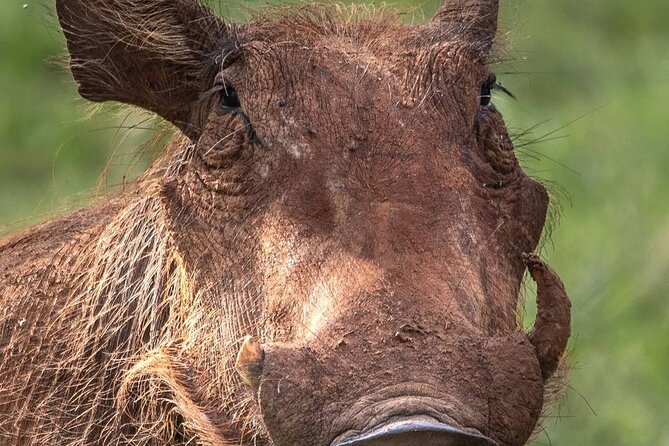
After an early breakfast, you enter the Ngorongoro Conservation Area and descend about 600 meters into the famous crater. The crater has water and grazing year round, supporting wildebeest, zebra, buffalo, eland, warthog, hippo, and large African elephants.
The setting is naturally compact compared with the wide Serengeti. That gives you a good chance of seeing several kinds of animals in one day. Predators are also a major draw, including lions, hyenas, jackals, cheetahs, and the elusive leopard. You will need a sharp-eyed guide for the leopard, and even then, luck plays a part.
Lake Magadi, a large shallow alkaline lake in the crater’s southwest, is another planned stop. Flamingos, hippos, and other water birds may gather there. The birdlife adds a welcome change after several days focused on large mammals.
The day lasts about eight hours, and the crater can feel busy compared with the more expansive Serengeti. That is the price of visiting one of Tanzania’s most famous wildlife areas. You gain concentrated animal viewing, but you may encounter more vehicles and less solitude.
Day 6: Lake Manyara closes the circuit
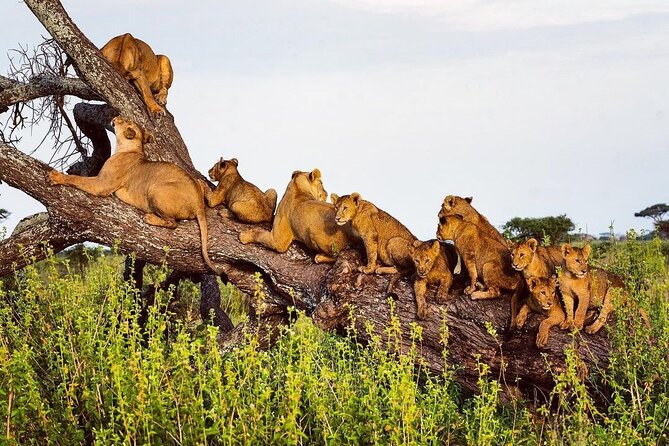
After breakfast, you drive to Lake Manyara National Park for a final nine-hour day. The park is compact, but it contains several habitats, and Lake Manyara covers about two thirds of its area. The Great Rift Valley wall forms the backdrop.
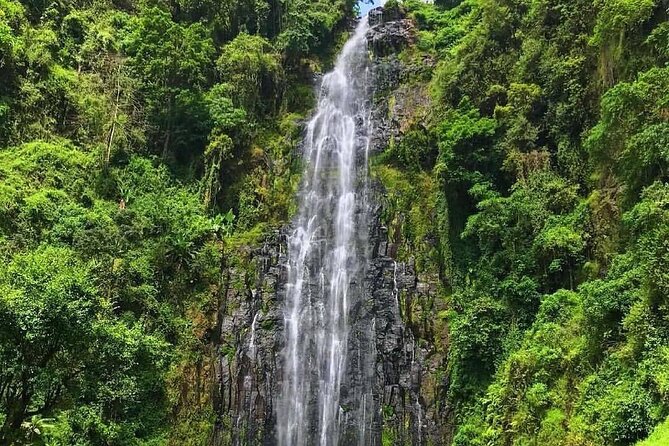
Lake Manyara is particularly good for birdlife, with more than 400 recorded species and the possibility of seeing large groups of pink-hued flamingos. The park also provides a change in mood after the open Serengeti plains. Instead of watching one vast herd move across grass, you look for life around water, woodland, and the lake edge.
The title of the park may suggest that the lake is the whole experience, but the surrounding habitats matter just as much. A compact circuit can be useful on the final day because you are not spending another full day crossing huge distances. Still, nine hours is a substantial finish, and the end point of the day is not specified. Confirm your drop-off time and location before departure.
The overview also mentions a biking adventure in Mto wa Mbu, but the day-by-day schedule does not place it on a specific day. Ask the operator to confirm whether cycling is included in your booking. Do not assume it is part of the six-day plan unless it is written into your confirmation.
Camping, food, and the practical comfort level
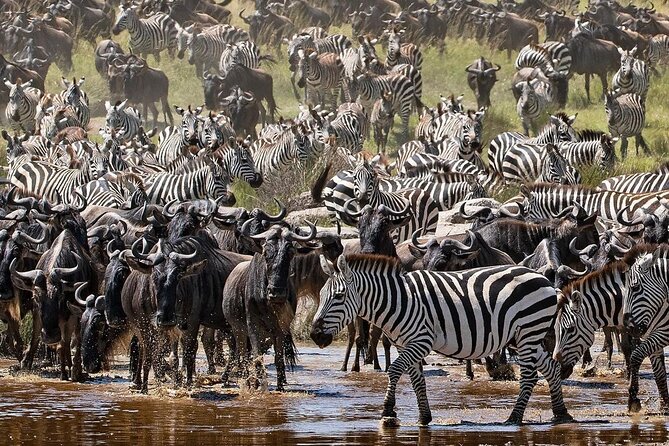
This is a camping safari with a hot-meal structure rather than a self-catered trip. Breakfast and lunch are listed for all six days, while dinner is listed for five nights. Unlimited drinking water is included, which is especially useful during long game drives.
Food receives some of the strongest praise. The cooking was described as far better than expected, with delicious meals forming an important part of the experience. That matters on a camping trip. After seven to nine hours on the road, a dependable hot lunch can change the whole feel of the afternoon.
Sleeping is described as acceptable rather than luxurious. That is the right expectation. You are paying for a wildlife-focused camping route, not a lodge circuit. Alcoholic drinks are not included, and you need to cover personal items, tips, visas, and air tickets yourself.
WiFi is listed on board, but you should treat that as a useful extra, not the reason to book. The real value is the combination of transport, park access, meals, water, and guiding.
Is $1,496 a fair price?
At $1,496 per person, this is not a budget bus tour, but it covers several costly parts of a northern Tanzania safari: park and conservation fees, a safari jeep, a pop-up roof, pickup, meals, water, and six days of guiding and driving.
The value is strongest if you want to see multiple headline areas in one trip. Tarangire, Ndutu, Serengeti, Ngorongoro, and Manyara would be expensive and complicated to arrange independently, especially when park fees and vehicle costs are added.
The price is less attractive if you mainly want a slow, comfortable lodge holiday or a very focused Serengeti migration stay. You are paying for range and access, while giving up some rest and privacy. A group of six also shares the viewing space, though that is a small maximum for this kind of vehicle.
Guides, service, and the human side of the trip
The strongest praise centers on the staff. Robert is described as strong on animals, scenery, culture, and finding the places people hoped to see. Swalehe is praised for working hard to locate the Big Five and for helping keep meals enjoyable. Raymond Ayo receives repeated approval for communication, organization, hospitality, and arranging logistics.
That consistency matters. A safari guide does more than identify animals. The guide helps decide where to search, when to leave camp, how long to wait, and how to balance a requested sighting with the welfare of the animals. Clear communication is also important when a long road day changes the original timing.
The published score is 5 out of 5 from 32 ratings, with a 100 percent recommendation figure. The most common praise is for good organization, punctual arrangements, friendly service, animal sightings, and food. One caution is that a few comments refer to wider Tanzania trips, including places not included in this exact six-day route. Use those comments as evidence of the company’s general service, not as a promise that every named destination belongs to this itinerary.
Who should book this safari?
I would choose this trip if you want the migration to be the main event but also want a broad northern Tanzania circuit. It suits first-time safari visitors, families, and small groups who value an organized route and do not mind early mornings.
It is also a good fit if you care about food and guide support as much as a fancy room. The included meals, water, vehicle, and fees simplify the planning.
I would hesitate if you dislike camping, long drives, or changing camps. I would also ask for a clearer written plan if the Mto wa Mbu biking activity is important to you, since it is mentioned in the overall description but not assigned to a day.
Should you book the six-day route?
Book it if calving season is your priority, especially from December through April, with February offering the strongest stated window for mass births. Ndutu gives you the best chance of seeing large herds and predator activity, while Ngorongoro and Tarangire add two very different wildlife settings.
Before paying, confirm the exact starting point, final drop-off, campsite details, the biking activity, and the number of dinners included. If you accept the early starts and long road days, $1,496 buys a well-rounded safari with strong food, a small vehicle group, and a route packed with Tanzania’s most famous wildlife areas.
FAQ
How long is the safari?
The experience lasts approximately six days.
Where does the safari start?
Pickup is offered in Arusha, and the first day begins after breakfast in town.
How many people can join the safari?
The maximum group size is six people.
When is the best season for the wildebeest calving focus?
The safari is designed for December through April. The main calving period is described as occurring around February and lasting about three weeks.
Which parks and areas are included?
The route includes Tarangire National Park, the Ndutu area and Serengeti National Park, the Ngorongoro Conservation Area, and Lake Manyara National Park.
What meals and drinks are included?
Breakfast and lunch are included for all six days. Dinner is included for five nights, and unlimited drinking water is provided.
What is not included in the price?
Tips, visas, air tickets, personal-use items, and alcoholic drinks are not included.
More Safaris
- 7-Day Premium Luxury Tanzania Safari All-Inclusive
★ 5.0 · 426 reviews - 3-Day Classic Serengeti Safari
★ 5.0 · 263 reviews - 8 Days Great Wildebeest Calving Migration Safari from Arusha
★ 5.0 · 254 reviews - Group Safari 7 Days in Tanzania’s Main Parks
★ 5.0 · 240 reviews
Just added around Arusha
- 5 Days Safari Tarangire, Serengeti, and Ngorongoro Crater★ 5.0 · 3 reviews
- Love lives in Africa★ 5.0 · 3 reviews
- 5 Days of Safari, Culture & Hot Springs – Tour from Arusha★ 5.0 · 3 reviews
- Arusha National Park Safari by Jeep★ 4.5 · 3 reviews
- 5Days Family _Group Tour Lodging Mid-Range in the Jungle★ 5.0 · 3 reviews
- Serengeti & Ngorongoro 3 Days Budget Safari★ 5.0 · 3 reviews
- 2 Days Tarangire and Ngorongoro Crater Tour★ 5.0 · 3 reviews
- 7 Days PRIVATE Best of Tanzania Safari *Departing everyday*★ 5.0 · 3 reviews
Camping Safaris, compared.



3 Days Serengeti & Ngorongoro Group Camping Safari
Read our review →
5 Days Camping Tarangire, Serengeti & Ngorongoro crater & Visiting Maasai
Read our review →
2 Days Tarangire and Ngorongoro Group Camping Safari
Read our review →
3 Day Serengeti National Park & Ngorongoro Crater Camping Safari
Read our review →
3 Days Tarangire, Ngorongoro & Lake Manyara Group Camping Safari
Read our review →Browse the lists this tour appears in