
Reviewed · SERENGETI SAFARIS
6 Days: Classic Camping( Tarangire, Manyara, Serengeti And Ngorongoro).
Four famous parks, one hard-working safari. This six-day camping route takes you from Tarangire’s baobabs and elephant herds to Lake Manyara, the Serengeti, and Ngorongoro Crater. I like the variety of habitats, and I like that private transport, park fees, meals, and a small group of up to six are included. The main drawback is the pace: long, dusty drives and early starts leave little time for rest.
You will spend most days in a safari vehicle, with game drives lasting roughly eight to ten hours. Guides such as Hozza, Julius, Dickson, Festo, Reuben, and Hose have been praised for spotting animals, answering questions, and keeping the trip moving, while camp cooks including Isaac, Nathan, and Kevin have earned warm praise for fresh, satisfying meals. Still, camping means basic conditions, including the possibility of cold-water showers and bumpy roads.
In This Review
- Key Points Before You Book
- What This Six-Day Safari Is Really Like
- Day One: Tarangire’s Baobabs and Elephant Herds
- Day Two: Lake Manyara’s Forest, Birds, and Lions
- Day Three: The Long Road Into the Serengeti
- Day Four: A Full Serengeti Search
- Day Five: More Serengeti, Then Toward Ngorongoro
- Day Six: Ngorongoro Crater From the Floor Up
- Camping, Meals, and Daily Comfort
- Is $1,538.47 a Fair Price?
- Who Should Book This Safari?
- Final Verdict: A Strong Wildlife Route With Basic Comfort
- FAQ
- Where does the safari start?
- How long is the experience?
- What parks does the route visit?
- How large is the group?
- Are park fees included?
- Are meals included?
- Is transportation included?
- Are tips included?
- Can I cancel for a full refund?
Key Points Before You Book
- Tarangire opens the trip with elephants and baobabs: This is an excellent first park, with striking scenery and a strong chance of seeing large elephant groups.
- Lake Manyara packs several habitats into a small area: Forest, grassland, hot springs, steep slopes, and the soda lake create a different safari mood from Tarangire.
- The Serengeti receives two full game-drive days: You get more than a quick look, with time to search for lions, cheetahs, leopards, buffalo, giraffes, wildebeest, zebra, and gazelles.
- Ngorongoro Crater offers dependable wildlife viewing: Permanent water and grazing areas support animals throughout the year.
- Camping keeps the price reasonable: At $1,538.47 per person, the package includes transport, meals, and park-related fees, but not tips.
- Expect a small-group road adventure: The maximum group size is six, yet the schedule still involves rough roads, dust, long drives, and early mornings.
What This Six-Day Safari Is Really Like
This is not a soft-edged holiday where you stroll from one polished lodge to the next. It is a classic northern Tanzania safari built around a sturdy vehicle, simple camping, picnic lunches, and long hours outside looking for wildlife.
That format has a clear reward. You cover four of the country’s best-known wildlife areas in six days, and each park adds something different. Tarangire gives you elephant country, Manyara gives you birds and forest, the Serengeti gives you open plains and predators, and Ngorongoro brings the trip to a concentrated finish.
The tradeoff is time on the road. The schedule lists days of about eight to ten hours, and some of that is spent driving between parks. Roads can be dusty and rough, so a face covering and something to protect your hair are sensible additions to your luggage.
The group limit of six is a real advantage. A smaller vehicle load gives you more room for bags and makes it easier to share sightings without the feeling of a crowded bus. Private transportation is included, although you should confirm before departure how the group arrangement will work for your particular booking.
More Camping Safaris in Moshi
- 5 Days Camping Tarangire, Serengeti & Ngorongoro crater & Visiting Maasai
★ 5.0 · 58 reviews - 4 Days Group Joining Camping Safari to Tarangire Serengeti Ngorongoro Crater
★ 5.0 · 50 reviews - 4 days adventure camping safari
★ 5.0 · 44 reviews
Day One: Tarangire’s Baobabs and Elephant Herds
The safari begins with pickup from your hotel or the Kilimanjaro Airport area, followed by a briefing before the drive to Tarangire National Park. The supplied meeting information gives a start time of midnight, while the daily plan describes a morning departure, so this is one detail I would confirm carefully before you arrive.
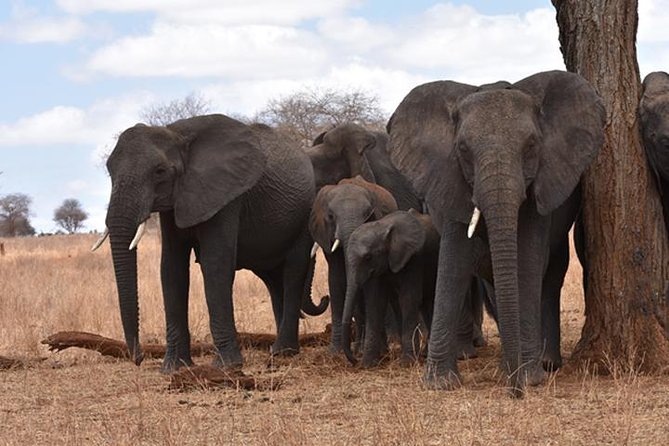
Tarangire is a strong opening act because it looks and feels unmistakably East African. The park is known for its distinctive baobab trees and large groups of elephants. Those trees give your photographs a clear sense of place, even before an animal appears.
You arrive in time for lunch, then head out for an afternoon game drive. That split works well after an airport pickup or a long transfer because you are not expected to spend the entire first day in the vehicle without a break.
The afternoon drive is your first chance to settle into safari rhythm. You learn to scan the trees, grass, and water areas instead of expecting wildlife to appear on cue. The guide’s ability to spot small movement matters here, especially when animals are partly hidden.
Tarangire is also a useful reminder that safari success is not only about ticking off the Big Five. The baobabs, elephant behavior, birdlife, and changing light can be just as memorable. If elephants are high on your list, this park deserves your attention.
Day Two: Lake Manyara’s Forest, Birds, and Lions
Day two moves to Lake Manyara National Park, a smaller park with a surprising mix of habitats. The lake covers about two thirds of the park, while the rest includes groundwater forest, open grassland, hot springs, dense woodland, steep mountain slopes, and the Great Rift Valley wall.
That variety makes Manyara feel different from Tarangire almost at once. Instead of wide-open plains alone, you move through greener and more enclosed areas, then reach open ground near the lake shore. The change is valuable because it shows how quickly Tanzania’s scenery can shift.
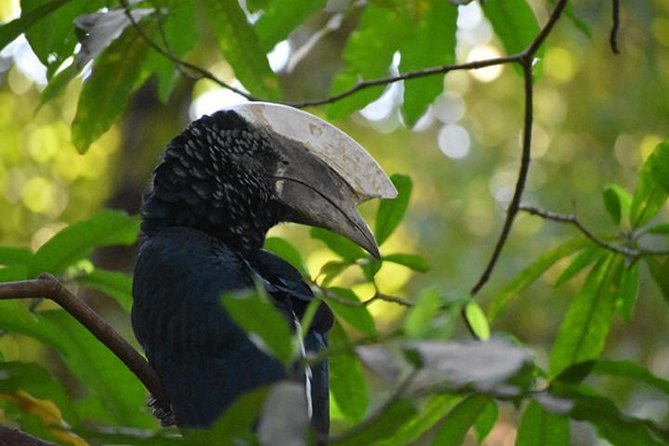
Manyara is especially good for birdwatching, with more than 450 recorded species. Even if you are mainly visiting for mammals, bring binoculars and allow time for birds rather than treating them as background decoration.
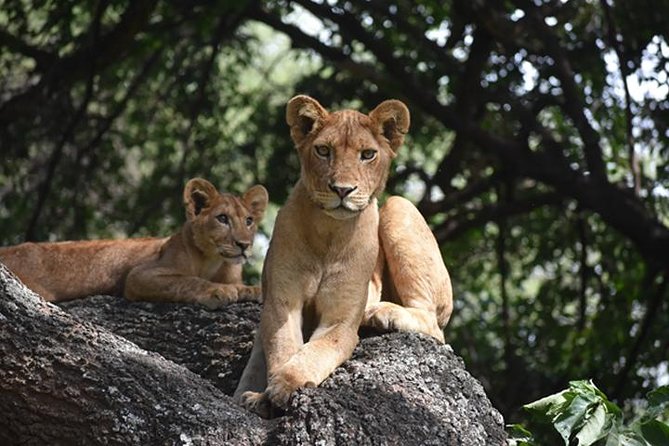
The park is also famous for its tree-climbing lions. The wording matters here: they are unique and elusive, not guaranteed. You might see lions resting in the branches, but you should not judge the day harshly if the cats remain hidden.
A picnic lunch is planned in the park. This saves time and keeps you close to the action, but it also means you should carry practical items such as water, sun protection, and a light layer. The day is listed at about nine hours, so comfort makes a real difference.
Day Three: The Long Road Into the Serengeti
After breakfast, you travel toward Serengeti National Park with game viewing along the route and a passage via the Ngorongoro area. This is one of the longest and most important transfer days, listed at about ten hours.
The Serengeti is famous for its endless plains, and the park covers roughly 5,600 square miles. That scale is both its magic and its challenge. There is room for huge herds and dramatic predator encounters, but animals may be spread across a very large area.
The annual migration adds another layer to the timing. From May to December, millions of wildebeest move with zebra and gazelle between the Serengeti and Kenya’s Maasai Mara. The exact location of the herds changes, so a six-day trip cannot promise a particular crossing or a specific migration scene.
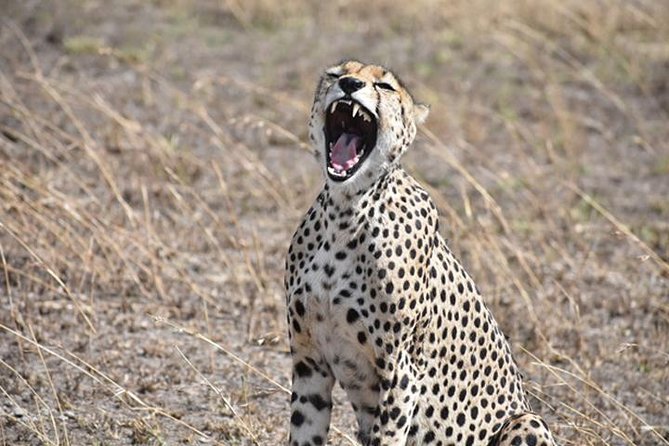
Even outside the busiest migration period, the Serengeti can deliver excellent wildlife viewing. You may look for elephants, giraffes, buffalo, lions, leopards, cheetahs, hyenas, jackals, wildebeest, zebra, and gazelles.
The guide is especially important on this day. A good driver does more than follow other vehicles. Guides praised on this route, including Hozza, Julius, Festo, Reuben, and Hose, have been singled out for patience, animal spotting, and clear explanations. Your own guide may be different, so treat those names as examples rather than a guaranteed assignment.
More ways to see the Ngorongoro Crater:
- Safari Serengeti And Ngorongoro
★ 5.0 · 288 reviews - Serengeti, Ngorongoro and Tarangire 4 Days Safari
★ 5.0 · 59 reviews - 3-Day Ngorongoro Crater Manyara and Tarangire Safari from Arusha
★ 5.0 · 49 reviews - 4 Day Private Tour Throughout Tarangire, Serengeti and Ngorongoro
★ 5.0 · 42 reviews
Day Four: A Full Serengeti Search
Day four gives you another full day in the Serengeti, with a packed lunch and a game drive lasting around eight hours. This extra time is one of the strongest parts of the itinerary because the Serengeti rewards patience.
You can spend the morning searching for predators, then continue across different parts of the park instead of leaving after one quick drive. The schedule allows game viewing until late afternoon before returning to camp for dinner and sleep.
A second Serengeti day also reduces pressure. If the first drive produces distant animals or a quiet stretch of plains, you still have another substantial opportunity. Wildlife remains wild, of course, but more time generally gives your guide more room to work.
A walking safari in the heart of the Serengeti is listed as an option. Because the details are not specified, ask about the extra cost, location, duration, and safety arrangements before counting on it. It should be treated as an optional addition, not a central part of the six-day plan.
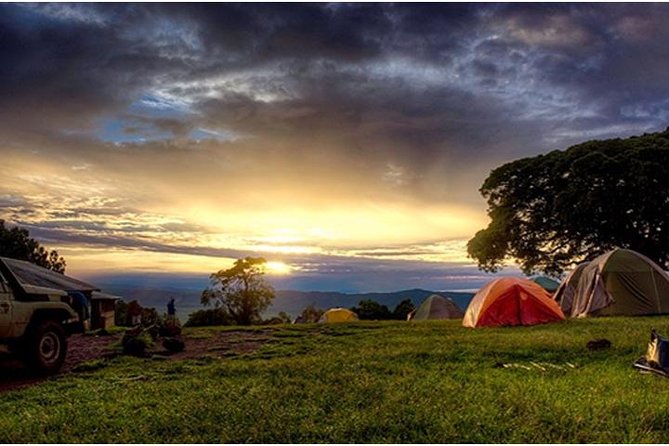
The campsite routine can be part of the pleasure. You return from the vehicle, eat a meal prepared by the cook, and settle into a simpler night than you would have in a lodge. Cooks such as Isaac, Dickson, Nathan, and Kevin have received strong praise for tasty and healthy food, which matters after a full day on dusty roads.
Day Five: More Serengeti, Then Toward Ngorongoro
The fifth morning begins with more Serengeti game viewing and a picnic lunch. Around noon, the route turns toward the Ngorongoro Conservation Area, with dinner and an overnight stay in the area.
This day is useful because it does not force you to choose between one final Serengeti drive and reaching Ngorongoro. You receive another morning in the plains, then make progress toward the crater for the final wildlife day.
A Maasai village visit is listed as an added value. Since the timing and exact format are not explained, ask whether it is included in your price or arranged as an optional visit. You should also ask how long it lasts and what activities it involves.
The transfer may feel tiring after several days of game drives. That is normal for this route. I would treat day five as a bridge between two major wildlife areas rather than expecting it to feel as relaxed as a lodge-based holiday.
Day Six: Ngorongoro Crater From the Floor Up
The final day begins early, with breakfast around 5:50 a.m. and a crater descent at approximately 6 a.m. The plan allows six to seven hours on the crater floor, including a picnic lunch, followed by the drive back toward town, listed as Arusha Chini.
This early start is worthwhile. Ngorongoro Crater offers year-round wildlife viewing because water and grazing areas support a permanent animal population. You are not relying only on seasonal movement to find game.
The crater floor creates a different viewing experience from the broad Serengeti. Wildlife is concentrated within a dramatic natural setting, so you may spend less time crossing empty distances and more time watching animals in a contained area.
The long crater drive is also physically demanding. You should be ready for a full morning in the vehicle, limited downtime, and the possibility of dust and bumps. The tour asks for moderate physical fitness, which is a fair description of the overall trip.
After lunch, you drive back to town. The endpoint is described as Arusha Chini, while the wider tour information points to Moshi and the Kilimanjaro Airport area, so confirm the exact drop-off before booking flights or onward transport.
Camping, Meals, and Daily Comfort
The package includes six lunches, five breakfasts, and six dinners, along with private transportation, game drives, taxes, and fees. That makes the price easier to assess because many of the daily costs are already covered.
Do not expect hotel-style camping. Conditions can be basic, and cold-water showers have been reported as a possibility. Pack quick-drying clothes, a warm layer for early mornings, a small towel, and toiletries that work in simple facilities.
Food appears to be a major strength of the operation. The cooking team has been praised for healthy, tasty meals, and that is not a minor detail when you spend eight to ten hours in a vehicle. A good hot meal can rescue a tired evening.
Bring binoculars and a camera, but protect both from dust. A scarf or mask can help on rough roads, and a hat or hair covering is useful in an open vehicle. You should also pack light enough to keep the vehicle comfortable.
Is $1,538.47 a Fair Price?
At $1,538.47 per person, this is not a budget day trip, but it covers six demanding days across four major parks. Transport, park-related fees, game drives, and all listed meals are included, while tips are extra.
I see the strongest value in the route itself. You are not paying for one park and a quick transfer. You receive Tarangire, Manyara, two substantial Serengeti days, and a long Ngorongoro Crater visit.
The camping format also helps keep the cost below a comparable lodge safari. In exchange, you give up comfort and accept rough roads, basic showers, early mornings, and long drives.
Ask for a current breakdown of accommodation, vehicle arrangements, and any optional charges before paying. The listing includes a walking safari option and a Maasai village visit, but does not make their pricing clear.
Who Should Book This Safari?
I would recommend this trip to you if wildlife matters more than luxury. It suits people who want a classic northern Tanzania route, enjoy being outside for most of the day, and are comfortable with simple camping.
It is also a good choice if you want several types of scenery in one trip. Tarangire’s baobabs, Manyara’s forest and lake, the Serengeti’s plains, and Ngorongoro’s crater floor give you a broad first look at Tanzania.
You may prefer a shorter or more comfortable safari if you dislike rough roads, need regular rest, or want a relaxed lodge schedule. The six-day plan is efficient, but it is not leisurely.
The strongest praise has focused on the guides and cooks. Guides have been credited with spotting wildlife and explaining the natural world, while cooks have been praised for reliable meals. Those two roles can shape the entire experience, so confirm who will lead your departure if specific staff are important to you.
Final Verdict: A Strong Wildlife Route With Basic Comfort
I would book this safari for the parks, the small group size, and the amount of wildlife time included. Tarangire, Serengeti, and Ngorongoro are a powerful combination, while Lake Manyara adds birds, forest, hot springs, and the chance of tree-climbing lions.
I would not book it expecting polished accommodation or easy travel days. Confirm the pickup and drop-off points, ask about optional activities, prepare for dust and cold showers, and leave room in your expectations for nature to set the schedule.
Free cancellation is available up to 24 hours before the start time, and poor weather may lead to a new date or a full refund. If you accept the camping conditions and want a full northern Tanzania safari in six days, this is a practical and wildlife-focused choice.
FAQ
Where does the safari start?
The tour information gives Kilimanjaro Airport and the Moshi area as starting points. Pickup from your hotel is also offered, so confirm the exact meeting place and time before departure.
How long is the experience?
The safari lasts approximately six days. Daily activities are generally listed at about eight to ten hours.
What parks does the route visit?
The route visits Tarangire National Park, Lake Manyara National Park, Serengeti National Park, and the Ngorongoro Conservation Area, including the Ngorongoro Crater.
How large is the group?
The maximum group size is six people.
Are park fees included?
The package includes all fees and taxes. Some daily entries are marked as included or free in the schedule.
Are meals included?
Yes. The package includes six lunches, five breakfasts, and six dinners.
Is transportation included?
Yes. Private transportation and game drives are included.
Are tips included?
No. Tips are not included in the listed price.
Can I cancel for a full refund?
Yes, if you cancel at least 24 hours before the experience start time. Cancellations or changes made less than 24 hours before the start time are not accepted for a refund.
More Tarangire Safaris
- 5 Days Private Tarangire, Serengeti, Ngorongoro, Manyara Safaris
★ 5.0 · 17 reviews - 4 Days Tanzania Private Safari | Serengeti , Ngorongoro & Tarangire Safari
★ 5.0 · 16 reviews - 4-Day Tarangire Serengeti, Ngorongoro & Maasai Guided group tour
★ 5.0 · 16 reviews - 4 Days Game drives Safari Tarangire, Serengeti and Ngorongoro Crater
★ 5.0 · 14 reviews
More Serengeti Safaris
- 7 Days Safari. Serengeti, Tarangire, Lake Manyara & Ngorongoro Crater.
★ 5.0 · 34 reviews - Safari in Tanzania 5 days: Manyara, Ngorongoro, Serengeti
★ 5.0 · 29 reviews - 4-Day Private Guided Tanzania Safari Tarangire, Serengeti, Manyara
★ 5.0 · 28 reviews - 5-Day Lake Manyara, Serengeti, Ngorongoro Crater and Tarangire
★ 5.0 · 28 reviews
Just added around Moshi
- Moshi: Lake Chala Tour: Hiking &/or Kayaking★ 4.5 · 3 reviews
- 3 Days Tanga Exclusive Beach Holiday★ 5.0 · 3 reviews
- Serengeti Wildebeest Migration.★ 5.0 · 3 reviews
- Chemka Hotpsrings E-Bike Day Trip★ 5.0 · 3 reviews
- Explore 1 day Ngorongoro Crater Budget Group Safari from Arusha★ 5.0 · 3 reviews
- Explore the 360° of Kilimanjaro★ 5.0 · 3 reviews
- Affordable Short Tanzania Safari (2 Days Camping Safari)★ 5.0 · 3 reviews
- Rongai Route 7 Days★ 5.0 · 3 reviews
Serengeti Safaris, compared.

Serengeti Balloon Safari and authentic bush breakfast
Read our review →
Balloon Safari & Bush Breakfast in Serengeti – Miracle Experience
Read our review →
3 Days Serengeti & Ngorongoro Group Camping Safari
Read our review →
5-Day Highlights mid-Range Crater, Serengeti, Tarangire
Read our review →


Private 6-Day Tarangire Manyara Crater and Serengeti with Mid-Range Lodges
Read our review →
5 Days Camping Tarangire, Serengeti & Ngorongoro crater & Visiting Maasai
Read our review →Browse the lists this tour appears in