
Reviewed · CAMPING SAFARIS
4-Day fascinating Camping Safari in Tanzania
Africa rewards an early start. This four-day camping safari packs Tarangire, Serengeti, and Ngorongoro into one tightly planned route from Arusha, giving you three very different wildlife settings in a short time. I like the included park fees and meals, and I like that camping gear, a sleeping bag, and transfers are covered. The main drawback is the pace: long drives and early mornings leave little room for a lazy afternoon.
This is a practical choice if you want Tanzania’s famous northern circuit without arranging each permit, campsite, meal, and vehicle yourself. The reported service is a major strength, with guides such as Maximilian, Hasan, Fidelis, John, and Bakari praised for wildlife spotting and clear explanations. Still, a group of up to 50 people can feel less personal than a private safari.
In This Review
- Key points to know before booking
- Three famous parks, one compact safari
- Day one: elephants and baobabs in Tarangire
- Day two: the long road into the Serengeti
- Day three: crossing from Serengeti to the crater rim
- Day four: wildlife below Ngorongoro’s crater rim
- What the $935 price really covers
- The guide can shape the whole experience
- Camping, food, and what to pack
- Who should choose this four-day route?
- Should you book this Tanzania camping safari?
- FAQ
- How long is the safari?
- What parks and protected areas are included?
- What meals are included?
- Is camping equipment provided?
- How early does the safari start?
- How many people can join the tour?
- Can I cancel for a full refund?
Key points to know before booking
- Three headline parks in four days: Tarangire, Serengeti, and the Ngorongoro Conservation Area give you elephants, wide-open plains, crater wildlife, and a strong chance of seeing many classic African animals.
- Camping gear is supplied: You receive camping equipment and a sleeping bag, but bath towels are not included.
- Meals are built into the price: The package covers four lunches, three dinners, and three breakfasts.
- A skilled guide matters here: Past departures praised Maximilian, Hasan, Fidelis, John, and Bakari for finding animals and explaining wildlife, history, and the environment.
- The schedule is demanding: Day two is listed at about 16 hours, so you should be comfortable with long vehicle journeys.
- The price covers the expensive basics: At $935 per person, park fees, accommodation, guide service, food, taxes, gear, and transfers are included.
Three famous parks, one compact safari
The clever part of this route is its variety. Tarangire gives you giant elephants and baobabs. Serengeti supplies the sweeping grasslands and central Seronera wildlife area. Ngorongoro then brings you into a compact crater where year-round water and grazing support a dense mix of animals.
You are not simply checking off three names. Each park offers a different way to understand northern Tanzania. Tarangire is about seasonal movement and big trees. Serengeti is about distance, scale, and the feeling that the plains continue forever. Ngorongoro is about concentration, with many species gathered inside a natural bowl.
The tradeoff is road time. You move from Arusha to Tarangire, then toward Serengeti, across to Ngorongoro, and finally back toward Arusha. That makes this a strong introduction to the region, but not a slow safari. If you want long hours at one camp or repeated dawn drives in one park, a longer itinerary would suit you better.
More Safaris in Arusha
- Serengeti Balloon Safari and authentic bush breakfast
★ 5.0 · 2,480 reviews - Balloon Safari & Bush Breakfast in Serengeti – Miracle Experience
★ 5.0 · 1,646 reviews - 4 Days Group Camping Safari
★ 5.0 · 1,101 reviews
Day one: elephants and baobabs in Tarangire
The day begins at 6:00 a.m., after breakfast. The first stop is Arusha town for last-minute purchases, which is useful if you need a forgotten toiletry, snack, or other personal item before leaving the city.
From there, the drive continues to Tarangire National Park. The listed day runs for about 10 hours, including the journey and game drive, with a picnic lunch in the park. You should expect a full first day rather than a gentle warm-up.
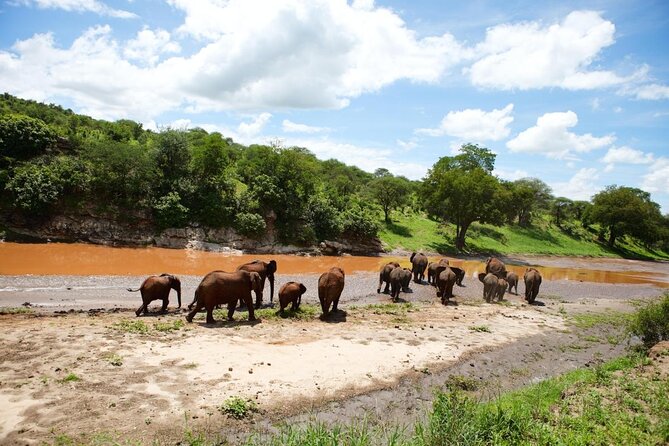
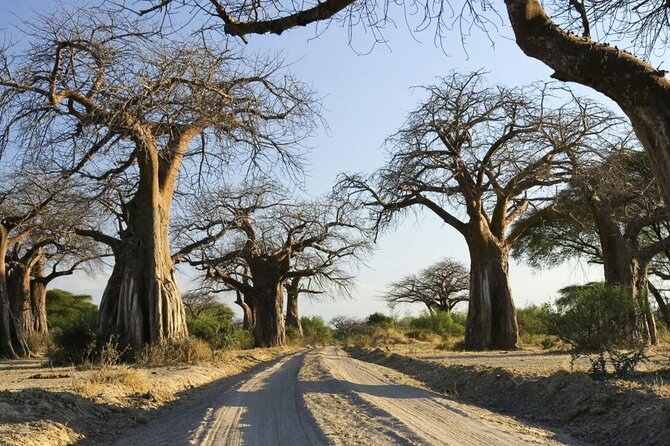
Tarangire is best known for its elephant population and baobab trees. The park also sits at the center of a large annual movement involving up to 3,000 elephants, 25,000 wildebeest, and 30,000 zebras. Those figures explain why this park can feel especially rewarding when animals gather around water and feeding areas.
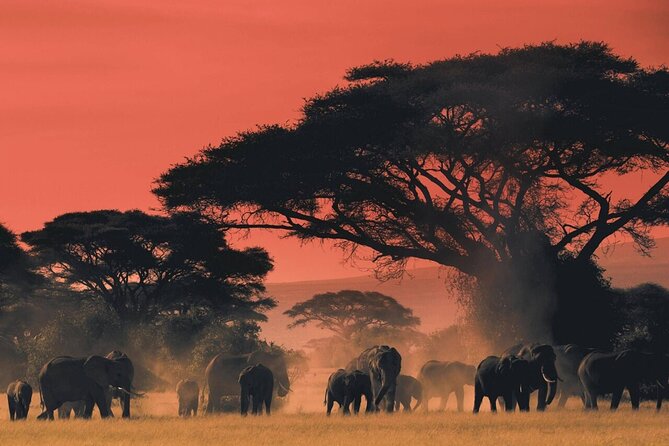
I like the way Tarangire opens the trip. You get an immediate sense of Tanzania’s scale, but the baobabs give the park its own look. Elephants moving near these enormous trees make for memorable photographs, and the setting feels different from the open Serengeti you will see next.
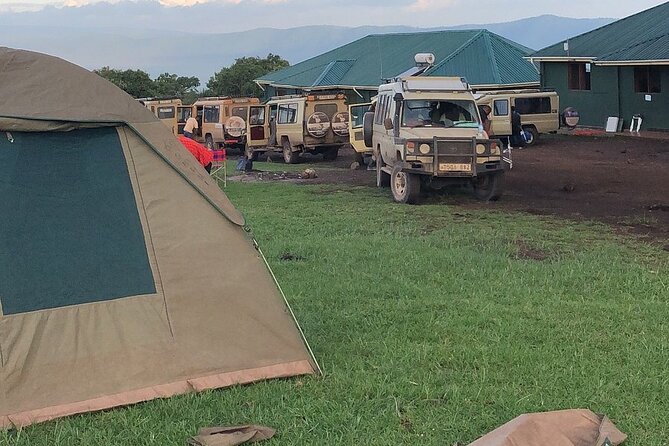
After the game drive, you have dinner and spend the night at Jambo Campsite or Fanaka Campsite. The exact camp is not specified in advance, so you should be ready for a basic camping experience rather than a fixed hotel-style room. Camping gear and a sleeping bag are included, while bath towels are not.
Day two: the long road into the Serengeti
Day two is the hardest day physically. It is listed at about 16 hours, beginning after breakfast and taking you through the high farmland around Karatu and the Ngorongoro Conservation Area before reaching Serengeti National Park.
The route itself is part of the experience. You leave the higher country behind and enter the broad plains of the Serengeti. The change in scenery helps explain why the park is so famous: the horizon opens, the vegetation changes, and the sense of space becomes the main attraction.
The planned destination is the central Serengeti, known as the Seronera area. The Seronera River provides an important water source, which helps draw a wide range of animals. You arrive in time for lunch and then take an afternoon game drive.
This is where a good guide can make a real difference. Maximilian received especially strong praise for finding animals and staying patient when people wanted more time at a sighting. Hasan was also praised for his friendly manner and ability to explain animal behavior. Fidelis was singled out for locating wildlife and choosing good viewing positions.
You should keep your expectations sensible. A guide can improve your chances, but no safari can promise a particular animal on a particular day. The supplied experiences include sightings of the Big Five, cheetahs, and many other species, but wildlife remains unpredictable. That uncertainty is part of the appeal, though it can test your patience after a long drive.
The night is spent camping in or around the Serengeti portion of the route. Dinner is included. Since the schedule is so long, bring patience, water for personal use, sun protection, and something small to occupy you during stretches between parks. Those personal items are not listed as included.
Day three: crossing from Serengeti to the crater rim
Day three gives you a little breathing space in the morning. After a relaxing morning and an early lunch, you begin the journey toward Ngorongoro. The listed duration is about 12 hours, so this is still a substantial road day.
The route passes through Serengeti toward the Ngorongoro Crater. Your professional driver and guide provide explanations about wildlife and Tanzania’s natural surroundings along the way. This moving commentary matters because much of the day is spent between game drives, and it turns the transfer into part of the safari rather than dead time.
The night is spent at Simba Campsite on the crater rim. The location is valuable because you are positioned for an early descent into the crater on day four. You avoid starting that final game drive from farther away, which protects precious morning viewing time.
Camping on the rim also brings a change in setting. The Serengeti’s wide plains give way to the crater’s steep walls and high viewpoint. Exact sleeping arrangements can vary within the supplied camping setup, so you should think of this as functional outdoor accommodation, not luxury camping.
Food is included throughout the route. The package provides three breakfasts, three dinners, and four lunches. Several experiences also praised the food, including hot meals prepared by camp cooks such as Johnson and John. That is a meaningful benefit after long days in a vehicle, although you should still bring any special personal snacks or dietary items you require.
More camping safaris:
- 5 Days Group Camping Safari
★ 5.0 · 730 reviews - 3 Days Serengeti & Ngorongoro Group Camping Safari
★ 5.0 · 574 reviews - 5 Days Camping Tarangire, Serengeti & Ngorongoro crater & Visiting Maasai
★ 5.0 · 229 reviews - 2 Days Tarangire and Ngorongoro Group Camping Safari
★ 5.0 · 146 reviews
Day four: wildlife below Ngorongoro’s crater rim
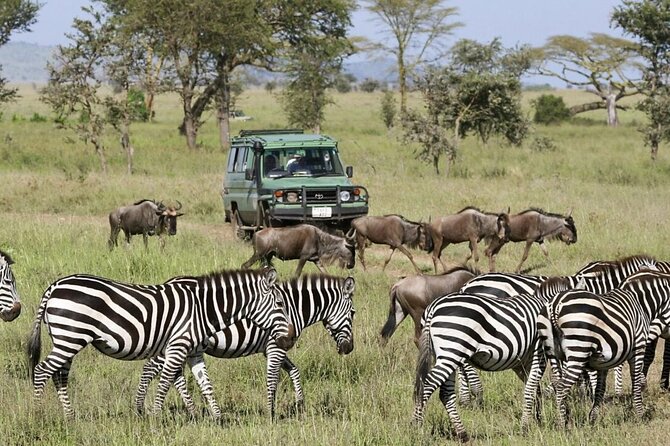
The final day starts with an early breakfast. You then descend more than 600 meters into the Ngorongoro Crater for a game drive. The crater’s enclosed setting supports a wide variety of animals because it has year-round water and grazing.
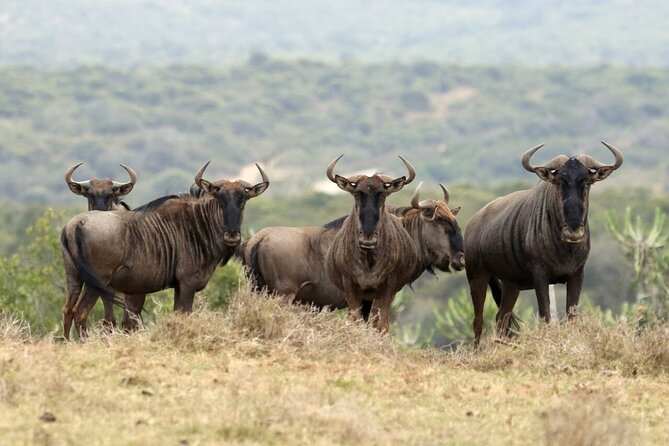
Possible sightings listed for this area include wildebeest, zebra, buffalo, eland, warthog, hippo, and giant African elephants. Predators include lions, hyenas, jackals, cheetahs, and the elusive leopard. A trained guide’s sharp eyes are useful here, particularly when an animal is distant or partly hidden.
Lake Magadi is one of the main features of the crater. It is a large but shallow alkaline lake in the southwestern corner, and it adds another distinct habitat to the drive. The schedule allows about six hours for the Ngorongoro portion before the return toward Arusha.
That final day is a strong finish because the crater can offer concentrated wildlife viewing in a relatively contained area. It also brings the clearest sense of geological scale on the trip. You look down from the rim, then travel into the crater itself, where animals occupy the grassland, water, and wooded areas below.
Do not expect the return to Arusha to feel like a short transfer. The route has already covered substantial ground, and the experience is designed to end after the crater visit and return journey. If you have an international flight the same day, confirm the timing carefully before booking.
What the $935 price really covers
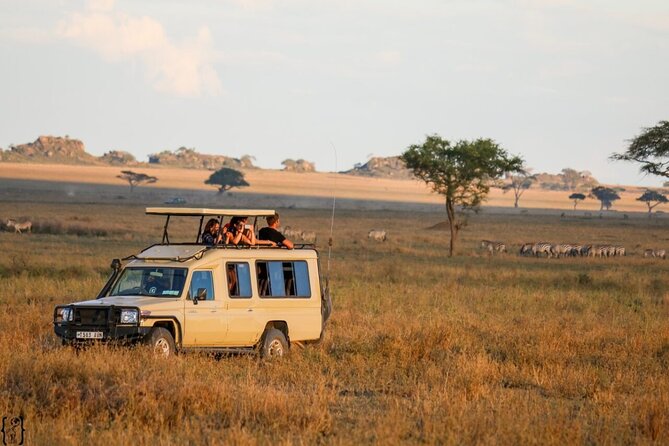
At $935 per person, this is not a bare-bones park admission package. The price includes park fees, accommodation, camping equipment, a sleeping bag, a professional driver and guide, all taxes and VAT, meals, and round-trip airport transfer. Round-trip transfers from Arusha are also listed among the main features.
Park fees are one of the major reasons safari costs rise. Having them included makes the advertised price easier to understand, since you are not adding large conservation charges at each stop. Food and camping equipment also remove several practical expenses that can catch first-time safari buyers by surprise.
The value depends on what kind of comfort you want. If you are happy with camping, shared transport, basic campsites, and long road days, the package covers a great deal. If you want lodges, private transfers, more flexible departure times, or fewer hours on the road, you should compare it with a higher-priced private safari.
Group size matters too. The maximum is 50 people, although the actual departure may be smaller. A large group can keep the price down, but it may reduce flexibility and make personal attention harder. Ask about the expected group size and vehicle setup before paying if that point matters to you.
The guide can shape the whole experience
On safari, the vehicle is important, but the guide is often the person who turns sightings into understanding. You want someone who can spot a distant animal, explain what you are seeing, and adjust the pace when a sighting is worth staying with.
The strongest praise here centers on guides named Maximilian, Hasan, Fidelis, John, and Bakari. Maximilian was described as exceptionally good at locating animals and remaining patient. Hasan was appreciated for being friendly, attentive, and clear when explaining Tanzania’s wildlife. Fidelis was praised for finding good viewing spots.
Bakari and John were also associated with highly regarded departures. Bakari was praised for explaining animals, history, and the environment, while John was described as a friendly guide who helped make the journey comfortable. These details suggest that Sky View Adventure has several capable guide teams, though you cannot assume you will receive a specific guide unless the company confirms it.
Some departures also included a visit to a Maasai village. That experience is not part of the stated four-day schedule, so treat it as a possible addition rather than a guaranteed stop. If cultural visits are important to you, ask about this before booking.
Camping, food, and what to pack
The camping arrangement keeps the trip affordable and brings you closer to the outdoors. Equipment and a sleeping bag are supplied, along with all listed breakfasts, lunches, and dinners. You do not need to organize campsite meals yourself.
The package does not include bath towels or personal items. Pack light, but include practical basics such as a towel, toiletries, sun protection, comfortable clothing, and anything you need between meals. International flights and tips are also excluded.
You should be comfortable with early breakfasts, vehicle time, outdoor sleeping, and a schedule that changes camps several times. Most people can participate, but the pace may feel demanding if you need frequent rest or dislike long journeys.
The food appears to be more than simple cold fare. Hot meals were praised on several departures, and cooks including Johnson and John received specific approval. Still, the supplied details do not promise a particular menu, so tell the company about dietary needs before departure rather than waiting until camp.
Who should choose this four-day route?
I would recommend this safari to a first-time visitor who wants the classic northern Tanzania experience and has limited time. You get three major wildlife areas, a professional guide, included meals, park fees, camping gear, and transfers in one package.
It also suits couples and small groups who want a shared safari price. Past departures included couples and families, and the service was praised from airport pickup through the final return. The communication was also described as quick and helpful when people needed adjustments.
I would hesitate to recommend it to someone who wants a quiet, luxurious holiday. The 16-hour second day is a serious commitment, and the maximum group size is large. You should also think twice if you have a fixed flight soon after the final day, since return timing is not specified.
Cancellation is free if you cancel at least 24 hours before the local start time. A cancellation within 24 hours is not refunded, and the operator may offer another date or a full refund if the minimum number of participants is not reached.
Should you book this Tanzania camping safari?
Book it if your priority is maximum wildlife variety in four days and you are willing to trade comfort for coverage. Tarangire’s elephants, Serengeti’s Seronera plains, and Ngorongoro’s crater wildlife make a powerful route, and the included fees, meals, guide, gear, and transfers give the $935 price solid value.
Before booking, ask three practical questions: how many people are expected in your departure, which campsite will be used, and what time you are likely to return to Arusha on day four. If the answers suit you, this is an efficient and well-supported first safari.
FAQ
How long is the safari?
The experience lasts approximately four days. Individual days vary in length, from about six hours on the final Ngorongoro visit to approximately 16 hours on the Serengeti transfer and game-drive day.
What parks and protected areas are included?
The route includes Tarangire National Park, Serengeti National Park, and the Ngorongoro Conservation Area, including a game drive inside Ngorongoro Crater.
What meals are included?
The package includes four lunches, three dinners, and three breakfasts.
Is camping equipment provided?
Yes. Camping equipment and a sleeping bag are included. Bath towels are not included.
How early does the safari start?
The stated start time is 6:00 a.m. The itinerary also includes early breakfasts on some mornings.
How many people can join the tour?
The activity can have a maximum of 50 participants. The actual group size is not specified.
Can I cancel for a full refund?
Yes, if you cancel at least 24 hours before the experience start time, based on the local time. Cancellations made less than 24 hours before the start are not refunded.
More 4-Day Experiences
- 4 Days Join Group tour Tarangire Serengeti and Ngorongoro crater
★ 5.0 · 219 reviews - 4-Day Safari from Arusha: Tarangire, Serengeti and Ngorongoro
★ 5.0 · 173 reviews - 4 Days safari Tour Tanzania
★ 5.0 · 159 reviews - 4 Days Tarangire Serengeti Ngorongoro Crater
★ 5.0 · 117 reviews
More Safaris
- 7-Day Premium Luxury Tanzania Safari All-Inclusive
★ 5.0 · 426 reviews - 3-Day Classic Serengeti Safari
★ 5.0 · 263 reviews - 8 Days Great Wildebeest Calving Migration Safari from Arusha
★ 5.0 · 254 reviews - Group Safari 7 Days in Tanzania’s Main Parks
★ 5.0 · 240 reviews
Just added around Arusha
- 5 Days Safari Tarangire, Serengeti, and Ngorongoro Crater★ 5.0 · 3 reviews
- Love lives in Africa★ 5.0 · 3 reviews
- 5 Days of Safari, Culture & Hot Springs – Tour from Arusha★ 5.0 · 3 reviews
- Arusha National Park Safari by Jeep★ 4.5 · 3 reviews
- 5Days Family _Group Tour Lodging Mid-Range in the Jungle★ 5.0 · 3 reviews
- Serengeti & Ngorongoro 3 Days Budget Safari★ 5.0 · 3 reviews
- 2 Days Tarangire and Ngorongoro Crater Tour★ 5.0 · 3 reviews
- 7 Days PRIVATE Best of Tanzania Safari *Departing everyday*★ 5.0 · 3 reviews
Camping Safaris, compared.



3 Days Serengeti & Ngorongoro Group Camping Safari
Read our review →
5 Days Camping Tarangire, Serengeti & Ngorongoro crater & Visiting Maasai
Read our review →
2 Days Tarangire and Ngorongoro Group Camping Safari
Read our review →
3 Day Serengeti National Park & Ngorongoro Crater Camping Safari
Read our review →
3 Days Tarangire, Ngorongoro & Lake Manyara Group Camping Safari
Read our review →Browse the lists this tour appears in