
Reviewed · SERENGETI SAFARIS
4-Day Tarangire Serengeti, Ngorongoro & Maasai Guided group tour
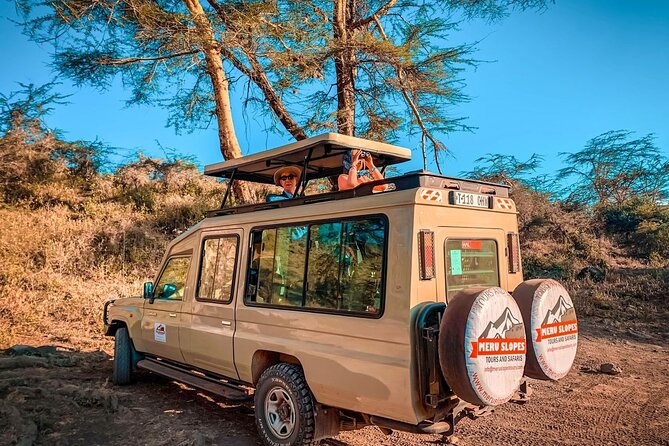
Big wildlife needs a well-planned route. This four-day safari packs Tanzania’s three major wildlife areas into one trip, starting near Moshi and visiting Tarangire National Park, the Serengeti, and Ngorongoro Crater. I like the full day in Tarangire and the nearly two-day stretch in the Serengeti, where sunset game viewing adds something special. I also like that airport pickup, meals, camping, a professional guide, and Wi-Fi in the safari vehicle are included.
The trade-off is a busy schedule. You cover long distances, begin some days early, and spend nights in camps rather than comfortable lodges. The group can reach 18 people, so this suits you best if seeing several major parks matters more than a slow, private safari.
In This Review
- Key points to know before booking
- What $1,030 buys you on this Tanzania safari
- Day 1: Tarangire’s elephants and dry-country wildlife
- Day 2: From the Ngorongoro highlands to the Serengeti plains
- Day 3: A Serengeti morning followed by the crater rim
- Day 4: Down into Ngorongoro Crater
- Camping, meals, and the real comfort level
- Group size, driving, and daily stamina
- Is the route good value?
- Practical details before you go
- Should you book this safari?
- FAQ
- Where does the safari start?
- How long does the safari last?
- Which parks and protected areas are included?
- Is airport pickup available?
- What meals are included?
- How large can the group be?
- Is camping included?
Key points to know before booking
- Three famous wildlife areas in four days: You visit Tarangire, Serengeti, and Ngorongoro Crater without needing separate tours.
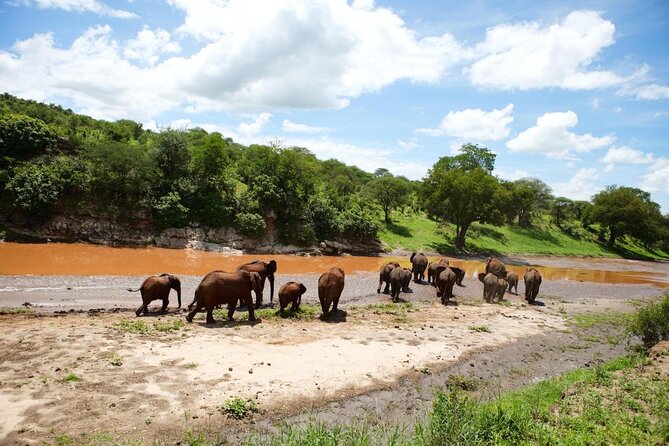
- A full Tarangire game drive: This park is especially good for elephants and dry-country animals such as oryx and gerenuk.
- Almost two days in the Serengeti: The route includes an evening drive in central Serengeti and a night at Seronera campsite.
- Ngorongoro Crater gets a full day: You drive into the crater after sunrise for concentrated wildlife viewing.
- Camping keeps the price reasonable: At $1,030 per person, the package includes three dinners, three breakfasts, four lunches, taxes, and a guide.
- Guide and cook quality matters here: Guides named in the feedback include Mohamed, Lobulu, Julius, Andrew, Abdul, Jacob, Robert, Salehe, Douglas, and Florian. Cooks Moshi, Rashid, and Yojan receive special praise for their meals and helpful attitude.
What $1,030 buys you on this Tanzania safari
The listed price is $1,030 per person, with an average booking time of about 83 days in advance. That planning window matters because a four-day route linking three major parks requires room in the safari vehicle, camps, and park schedule.
The package includes pickup, airport or departure taxes, a professional guide, free Wi-Fi inside the safari jeep, three breakfasts, three dinners, and four lunches. Tips are not included, so you should budget separately for gratuities if your guide and cook provide good service.
For the money, the route gives you a useful spread of Tanzania’s wildlife experiences. You are not paying for one park viewed from a single base. Instead, you get Tarangire’s elephants, the Serengeti’s open plains and predators, and Ngorongoro’s dense animal population.
The price also reflects a camping-style safari. The published plan names Sun bright campsite after Tarangire, Seronera campsite in central Serengeti, and Simba campsite on the Ngorongoro Crater rim. This is not the right choice if you want polished lodge rooms every night, but it can be a sensible way to reach top parks without paying a luxury-safari rate.
One point deserves attention before you pay: the title refers to a Maasai guided tour, but the detailed schedule does not describe a specific Maasai village visit or cultural activity. If that part is important to you, confirm exactly what is included.
More Maasai Village Tours in Moshi
- 5 Days Camping Tarangire, Serengeti & Ngorongoro crater & Visiting Maasai
★ 5.0 · 58 reviews - Maasai village visit and Chemka hot-springs with hot lunch.
★ 5.0 · 33 reviews - Maasai village visit and chemka hot-springs with hot lunch
★ 4.7 · 13 reviews
Day 1: Tarangire’s elephants and dry-country wildlife
The first day begins after an early breakfast, with a drive from Arusha to Tarangire National Park. The planned visit is a full-day game drive, including a picnic lunch, followed by dinner and an overnight stay at Sun bright campsite.
Tarangire has a different feel from the Serengeti. Its wildlife gathers around water sources, especially during dry periods, and the park is well known for very large elephant herds. The route description paints a lively picture of herds numbering up to 300 elephants, along with wildebeest, zebra, buffalo, impala, gazelle, hartebeest, and eland.
This is also one of the more interesting stops for unusual antelope. Fringe-eared oryx and long-necked gerenuk are associated with the dry country here, giving your guide a chance to point out animals you may not see elsewhere on the trip.
The appeal of Tarangire is variety without needing to wait for the Serengeti. Predators have plenty of prey, while the river and lagoons draw animals into more concentrated areas. I would treat this first day as a strong introduction to safari rather than a warm-up. You may see elephants within the first part of the drive, then spend the rest of the day looking for cats, grazing herds, and smaller species.
The drawback is the early start and long day. After breakfast, a full game drive, picnic lunch, and transfer to camp, you may feel the pace by evening. Still, skipping Tarangire would remove one of the best chances for elephant viewing on this route.
Day 2: From the Ngorongoro highlands to the Serengeti plains
After breakfast, you travel toward the Serengeti through fertile highland country where wheat, coffee, and corn are grown by the Iraqw people. The journey passes through the Ngorongoro Conservation Area, with a view across the Ngorongoro Caldera before continuing toward the Serengeti.
This transfer is not just empty road time. You move from cultivated highlands and volcanic terrain toward the wide grasslands that give Serengeti its name. The word means endless plain in Maa, the language of the Maasai, and the change in scenery helps explain why the park feels so different from Tarangire.
The published timing gives this day about eight hours. You reach the Serengeti by late evening, so the day includes both a major transfer and the first taste of the park. The Serengeti section is described as lasting almost two days, which is important. You are not simply crossing the park on the way to Ngorongoro. You have meaningful time here for game viewing.
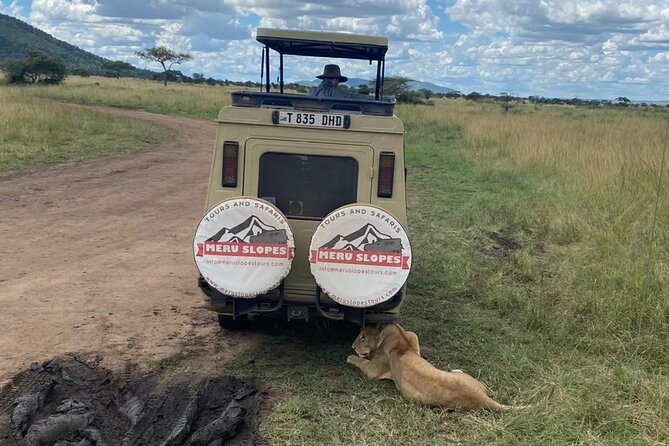
The Serengeti includes grasslands, swamps, lakes, and savanna areas. Its great attraction is movement. Wildebeest, zebra, and other herbivores shift across the ecosystem in response to water and grazing, while lions, cheetahs, leopards, hyenas, and other predators follow the food supply.
The famous wildebeest migration involves roughly 1.5 million herbivores and associated animals moving through different parts of the Serengeti ecosystem. The exact location depends on season and conditions, so you should not book this safari expecting the migration to appear in one guaranteed spot.
You are scheduled to spend the night at Seronera campsite in central Serengeti. Camping inside the park is valuable because you are already in the wildlife area rather than commuting from a distant town. It also means you need to be comfortable with a simpler overnight setup.
Day 3: A Serengeti morning followed by the crater rim
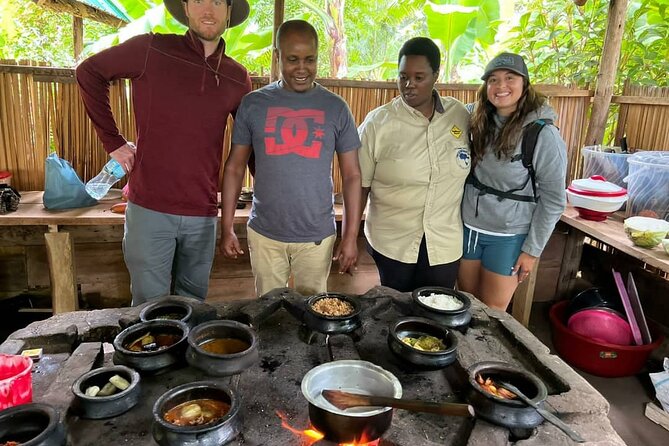
Day 3 begins with an early coffee and a morning game drive in the Serengeti. This is one of the most promising parts of the schedule because animals are often active early, and the cooler hours are well suited to searching for large cats and grazing herds.
The route specifically highlights the chance to see the Big Five: lion, elephant, buffalo, rhino, and leopard. That list is a goal, not a promise. The guide’s skill helps, especially when reading animal behavior and communicating sightings, but wildlife remains unpredictable.
One of the strongest points in the feedback is the guide service. Mohamed is praised for careful driving, keeping the schedule, identifying animals, and working well with cook Moshi. Lobulu is described as patient, entertaining, and willing to answer questions. Julius receives praise for his experience and explanations of animal behavior. Andrew is credited with making frequent photo stops, while Jacob is described as both funny and well informed.
Those details matter because several hours in a safari vehicle can become tiring if your guide rushes past questions or fails to position the vehicle well. A patient guide can turn a distant animal into a useful lesson about tracks, feeding, territory, or group behavior.
After the morning drive, you travel toward Ngorongoro. The first sight of the crater comes from the rim, where you can look down toward streams, grassland, and animals spread across the floor. The night is planned at Simba campsite, directly on the crater edge.
This may be the most memorable overnight setting of the trip. The schedule describes sunset light around the crater rim and an early morning view of the sun rising over the crater. You are not sleeping inside the crater, but the rim gives you the dramatic first view before the full game drive below.
Day 3 is also another long day, listed at about seven hours. You should expect a mix of safari time and road travel, not continuous animal viewing from dawn to dusk.
More ways to see the Ngorongoro Crater:
- Safari Serengeti And Ngorongoro
★ 5.0 · 288 reviews - Serengeti, Ngorongoro and Tarangire 4 Days Safari
★ 5.0 · 59 reviews - 4 Days Group Joining Camping Safari to Tarangire Serengeti Ngorongoro Crater
★ 5.0 · 50 reviews - 3-Day Ngorongoro Crater Manyara and Tarangire Safari from Arusha
★ 5.0 · 49 reviews
Day 4: Down into Ngorongoro Crater
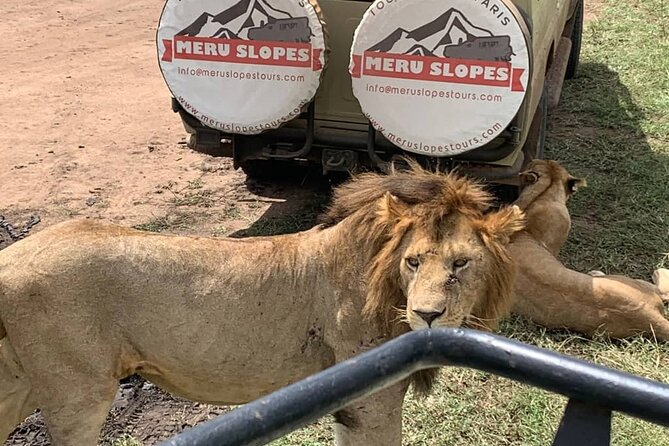
Early risers get the best chance to see sunrise over the crater edge. After breakfast, the vehicle takes the adventurous track down into the crater for a full crater tour before returning to Arusha.
Ngorongoro Crater is about 610 meters deep and covers roughly 260 square kilometers. Its enclosed shape supports an unusually high concentration of wildlife, with an estimated animal population of about 25,000. That density is why the crater often provides some of the most efficient game viewing in northern Tanzania.
Within a relatively compact area, you might see wildebeest, zebra, gazelles, elephants, buffalo, lions, and other wildlife. The open grassland and permanent water sources help keep animals in the area. The crater is also one of the places where the chance of seeing a rhino is taken seriously, although no sighting is guaranteed.
I like the way this final day works as a contrast to the Serengeti. The Serengeti is about distance, movement, and open horizons. Ngorongoro feels more contained, with the crater walls creating a huge natural bowl. You get a different type of safari, one based on concentration rather than endless space.
The ride down can be adventurous, and the day begins early. The schedule gives the crater tour and return to Arusha about eight hours, so this is not a relaxed final morning. If you have an evening flight, check the timing carefully before booking. The supplied information confirms a departure point at Kilimanjaro Airport and a 7:00 am start, but it does not provide a guaranteed arrival time back in Arusha or at the airport.
Camping, meals, and the real comfort level
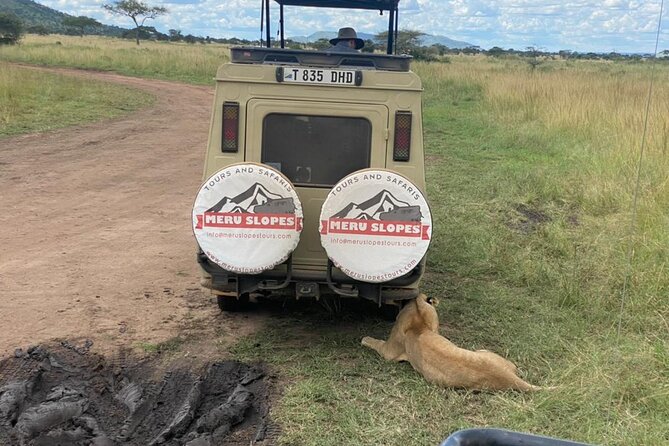
Camping is central to this experience. Sun bright campsite, Seronera campsite, and Simba campsite are named in the plan, with Seronera inside the Serengeti and Simba on the crater edge.
The accommodation descriptions are brief, so you should confirm the exact tent setup and facilities before departure. One piece of practical feedback is clear: some nights are spent in tents, so you need to prepare for a simpler stay than a lodge safari.
Food appears to be a major strength. Cook Moshi is praised for delicious camp meals and for helping with information and practical needs. Rashid receives especially strong praise for the quality of his cooking, while Yojan is described as friendly, polite, respectful, and helpful.
All four lunches are included, along with three breakfasts and three dinners. That is useful on a route where you spend much of the day inside the parks. You do not need to arrange separate restaurant stops for the main meals.
Wi-Fi is listed inside the safari jeep for the entire safari. Treat that as a useful convenience rather than the main reason to book. The more important comfort factor is the quality of the guide and cook, since they shape nearly every hour of a camping safari.
Group size, driving, and daily stamina
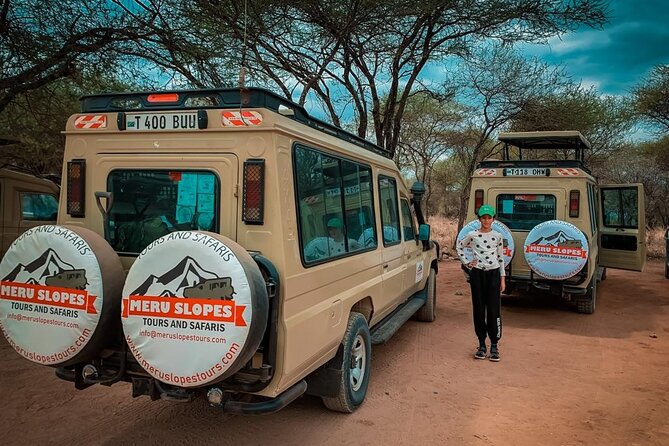
The maximum group size is 18 people. That makes this a shared safari, not an intimate private trip. A larger group can help keep the price lower, but it may also mean more opinions about photo stops, timing, and how long to watch an animal.
The guide feedback repeatedly highlights safe driving, careful scheduling, and good animal spotting. Florian is praised for finding animals and reaching viewing spots before other safari vehicles. That kind of timing can matter when several vehicles are trying to watch the same lion or leopard.
The route is physically manageable for most people, and the tour information says most participants can take part. The bigger challenge is stamina. Day 1 lasts about seven hours, Day 2 about eight hours, Day 3 about seven hours, and Day 4 about eight hours. Some of those hours are game drives, while others are transfers on park roads.
I would recommend this trip to you if you want a broad first safari and can handle early breakfasts, long drives, and camping. It suits couples, families, and solo visitors who value seeing several major parks over having private space.
I would choose a longer or more private safari if you dislike packed schedules, need predictable comfort, or want time for a cultural visit. The Maasai element is not clearly detailed in the route, so ask before assuming a village or community activity is included.
Is the route good value?
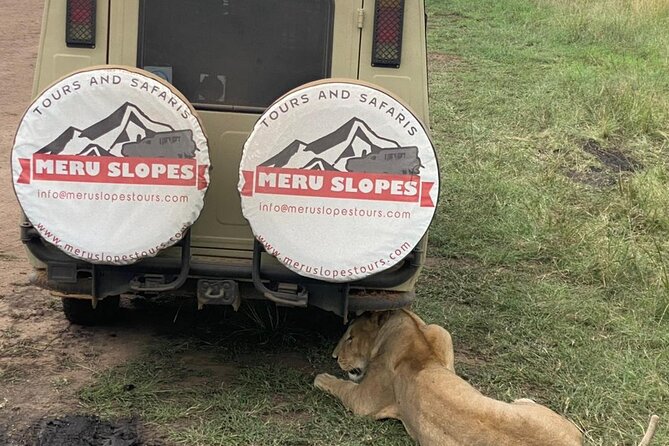
At $1,030 per person, the trip is not the cheapest way to see Tanzania, but the price covers a lot: three major wildlife areas, park travel, camping, meals, a guide, airport or departure taxes, pickup, and Wi-Fi in the vehicle.
The strongest value comes from the route itself. Tarangire gives you a full day rather than a rushed stop. The Serengeti receives nearly two days, including central Serengeti and an evening game drive. Ngorongoro gets a full crater day instead of a quick rim viewpoint.
The cost also includes the people who make the safari work. Good guides such as Mohamed, Lobulu, Julius, Andrew, Abdul, Jacob, Robert, Salehe, Douglas, and Florian are repeatedly praised for animal spotting, patience, safe driving, humor, and explanations. The cooks receive equally warm attention, which tells you that meals are not treated as an afterthought.
There is a price comparison in the supplied feedback from an earlier trip at $750 per person, but the current listed price is $1,030. Prices can change, so use the current figure when judging value. At that rate, the package makes the most sense if you want a ready-made safari with major costs bundled together.
Practical details before you go
Pickup is offered, and the stated meeting point is Kilimanjaro Airport in Tanzania. The listed start time is 7:00 am. Confirmation is provided at booking, and the activity is near public transportation.
The cancellation policy allows a full refund if you cancel at least 24 hours before the local start time. Changes or cancellations made within 24 hours are not accepted for a refund.
Tips are excluded. Since the guide and cook have such a strong effect on the experience, plan for gratuities if their service meets your expectations.
The tour is recommended by 100 percent of the supplied feedback and carries a five-star rating based on 16 reviews. That is a small sample, but the praise is unusually consistent around the same points: capable guides, careful driving, excellent cooking, smooth pickup, and good animal sightings.
Should you book this safari?
Book it if you want a high-value first safari that covers Tarangire, Serengeti, and Ngorongoro in four days. The route gives you a full Tarangire day, nearly two days in the Serengeti, and a proper crater tour, while keeping meals, camping, pickup, and guiding in one package.
Think twice if you need lodge comfort, private-vehicle flexibility, or a slow pace. Also confirm the Maasai portion, because the detailed schedule does not specify a cultural visit. For most people who want to see Tanzania’s major wildlife areas without arranging every moving part themselves, this is a strong and practical choice.
FAQ
Where does the safari start?
The stated meeting point is Kilimanjaro Airport in Tanzania, with a start time of 7:00 am. The tour location is listed as Moshi, Tanzania.
How long does the safari last?
The safari lasts approximately four days.
Which parks and protected areas are included?
The route includes Tarangire National Park, Serengeti National Park, and the Ngorongoro Conservation Area, including a full tour of Ngorongoro Crater.
Is airport pickup available?
Yes. Pickup is offered, and airport or departure taxes are included.
What meals are included?
The package includes three breakfasts, three dinners, and four lunches.
How large can the group be?
The maximum group size is 18 travelers.
Is camping included?
Yes. The schedule names Sun bright campsite, Seronera campsite, and Simba campsite as overnight locations. Some nights are spent in tents.
More Tarangire Safaris
- 4-Day Private Guided Tanzania Safari Tarangire, Serengeti, Manyara
★ 5.0 · 28 reviews - 6 Days: Classic Camping( Tarangire, Manyara, Serengeti And Ngorongoro).
★ 5.0 · 26 reviews - 5 Days Private Tarangire, Serengeti, Ngorongoro, Manyara Safaris
★ 5.0 · 17 reviews - 4 Days Tanzania Private Safari | Serengeti , Ngorongoro & Tarangire Safari
★ 5.0 · 16 reviews
More Serengeti Safaris
- 4 Day Private Tour Throughout Tarangire, Serengeti and Ngorongoro
★ 5.0 · 42 reviews - 7 Days Safari. Serengeti, Tarangire, Lake Manyara & Ngorongoro Crater.
★ 5.0 · 34 reviews - Safari in Tanzania 5 days: Manyara, Ngorongoro, Serengeti
★ 5.0 · 29 reviews - 5-Day Lake Manyara, Serengeti, Ngorongoro Crater and Tarangire
★ 5.0 · 28 reviews
Just added around Moshi
- Moshi: Lake Chala Tour: Hiking &/or Kayaking★ 4.5 · 3 reviews
- 3 Days Tanga Exclusive Beach Holiday★ 5.0 · 3 reviews
- Serengeti Wildebeest Migration.★ 5.0 · 3 reviews
- Chemka Hotpsrings E-Bike Day Trip★ 5.0 · 3 reviews
- Explore 1 day Ngorongoro Crater Budget Group Safari from Arusha★ 5.0 · 3 reviews
- Explore the 360° of Kilimanjaro★ 5.0 · 3 reviews
- Affordable Short Tanzania Safari (2 Days Camping Safari)★ 5.0 · 3 reviews
- Rongai Route 7 Days★ 5.0 · 3 reviews
Serengeti Safaris, compared.

Serengeti Balloon Safari and authentic bush breakfast
Read our review →
Balloon Safari & Bush Breakfast in Serengeti – Miracle Experience
Read our review →
3 Days Serengeti & Ngorongoro Group Camping Safari
Read our review →
5-Day Highlights mid-Range Crater, Serengeti, Tarangire
Read our review →


Private 6-Day Tarangire Manyara Crater and Serengeti with Mid-Range Lodges
Read our review →
5 Days Camping Tarangire, Serengeti & Ngorongoro crater & Visiting Maasai
Read our review →Browse the lists this tour appears in